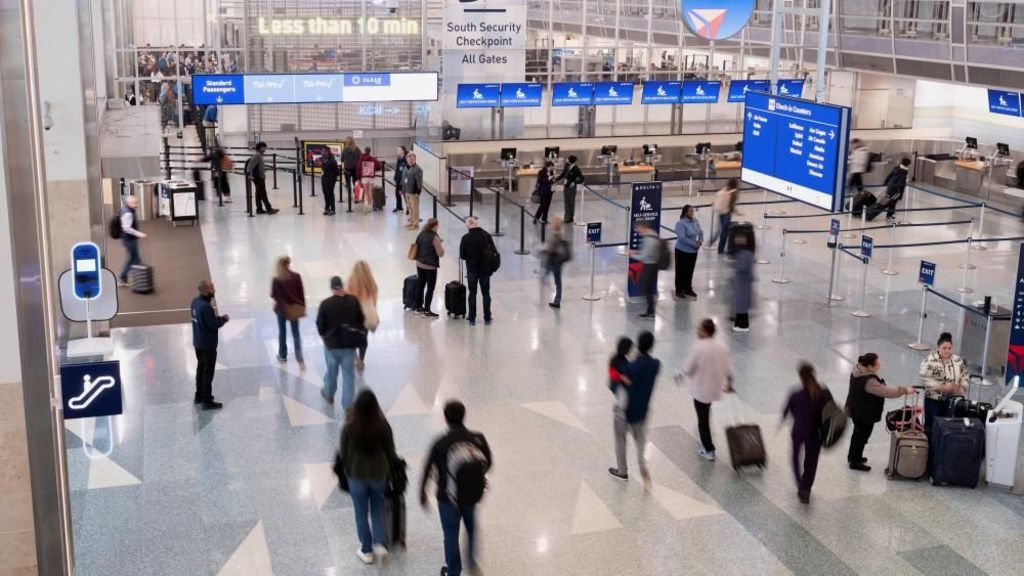
Major aviation and travel sector representatives are urgently appealing to U.S. legislators to resolve a critical government funding deadlock, warning that failure to reach an agreement could trigger significant travel disruptions during the upcoming spring break season. Industry collective Airlines for America, alongside other key travel organizations, has issued a joint statement emphasizing that a partial shutdown would jeopardize transportation security operations through unscheduled absences of TSA personnel, potentially causing extensive flight delays and prolonged airport security wait times.
The funding crisis stems from an ongoing political stalemate between Democratic lawmakers and the administration regarding immigration enforcement policies. Democrats have conditioned their support for Department of Homeland Security funding on implementing substantial reforms within U.S. Immigration and Customs Enforcement (ICE). These demanded changes include prohibiting immigration agents from wearing face masks during operations, enhancing officer identification protocols, and establishing stricter warrant acquisition procedures. The push for reform gained momentum following January incidents where federal agents fatally shot two Minneapolis residents during protests against immigration enforcement actions in Minnesota.
Senate Democrats recently blocked two proposed funding measures that excluded these immigration policy changes. The previous temporary funding extension, enacted in late January, provided only a two-week reprieve for DHS operations while negotiations continued. President Trump remained noncommittal when questioned about potential compromises, stating only that administration officials would ‘see what happens’ while emphasizing the need to ‘protect our law enforcement’.
Unlike the comprehensive 43-day government shutdown in 2018—which centered on healthcare funding debates and caused widespread federal worker furloughs and aviation chaos—this partial shutdown primarily affects DHS components including the Transportation Security Administration and Coast Guard. Critical aviation safety operations remain funded through the Federal Aviation Administration, which received full-year appropriations previously. However, approximately 56,000 Coast Guard personnel face potential pay suspension, possibly forcing the agency to curtail non-essential missions if the funding impasse persists.
The Department of Homeland Security retains access to $165 billion allocated through previous legislation, including $75 billion specifically designated for ICE operations, which may mitigate some financial shortfalls during the shutdown. Congress is scheduled to remain in recess until February 23, potentially extending the shutdown until President Trump’s scheduled State of the Union address on February 24, though legislators could reconvene earlier if negotiations show promise.