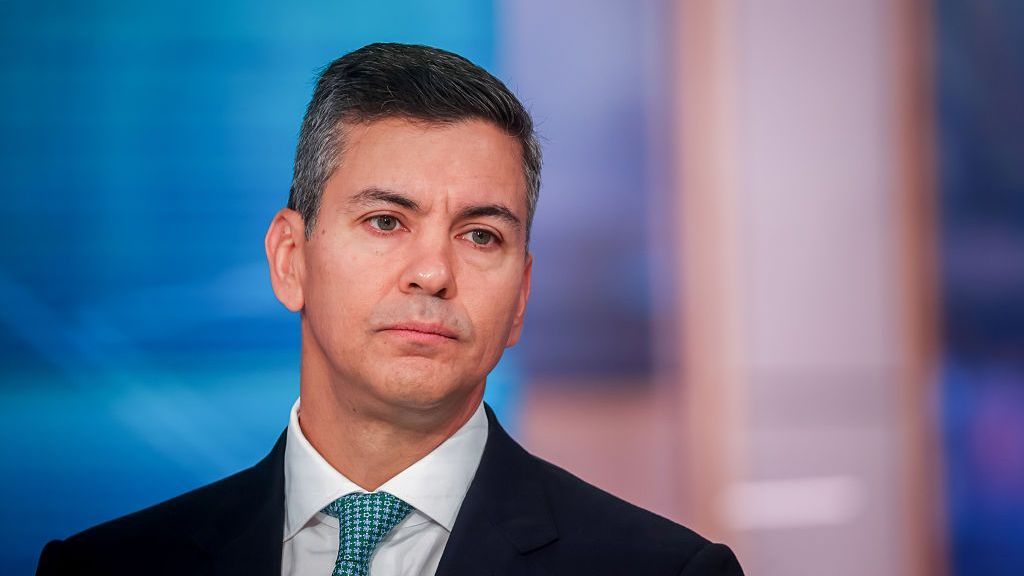
In a historic turn of events that has sent shockwaves through Paraguay’s political and financial systems, sitting President Santiago Peña has been formally removed from office via a landslide senate impeachment vote and placed under house arrest, in the wake of the sudden collapse of domestic digital lender Ueno Bank earlier this week. The decisive legislative action unfolded on Friday, with 44 out of 45 sitting senators – including multiple members of Peña’s own ruling party – voting to endorse impeachment charges, while only one legislator was recorded absent from the session. This move came barely 24 hours after Peña publicly announced he was prepared to tender his voluntary resignation to de-escalate the spiralling public unrest triggered by the bank’s failure. Lawmakers opted to pursue formal impeachment proceedings instead of accepting his resignation, a deliberate choice that stripped Peña of the lifelong Senate seat and blanket legal immunity that Paraguayan law extends to all former heads of state. The impeachment filing levelled a sweeping set of allegations against Peña, including unreported conflicts of interest stemming from his undisclosed shareholdings in the parent company of Ueno Bank, a position he only divested from within the last 12 months; deliberate manipulation of financial regulatory oversight to shield the failing institution; unlawful diversion of public pension funds to prop up the bank; and coordinated institutional cover-up in collusion with senior officials at Paraguay’s central bank. Prosecutor Silvia Margarita Gonzalez Vester confirmed that Peña is scheduled to appear for formal questioning on Saturday to face additional criminal counts of breach of public trust, influence peddling, and large-scale misappropriation of public funds. The collapse of Ueno Bank, which was seized by Paraguayan central bank regulators earlier this week, has left more than 3 million ordinary citizens – over half of the nation’s total population – completely locked out of their personal savings and mandatory pension accounts. The widespread loss of access to critical household funds has sparked days of large-scale, often tense public demonstrations, with crowds gathering in their thousands in the capital city of Asunción to demand accountability and full restitution. Following the impeachment vote, Senate President Basilio Núñez formally declared Peña guilty of gross dereliction of duty, paving the way for Vice-President Pedro Alliana to be immediately sworn in as the country’s interim head of state, who will serve out the remainder of the presidential term through to 2028. In his first public address to the nation after taking office, Alliana issued a direct pledge to affected citizens: “Compatriots who are now going through a difficult time as a result of the financial collapse will be fully compensated.” Senior opposition Senator Rafael Filizzola framed the crisis as an unprecedented blow to the nation’s democratic institutions, stating, “We are facing the biggest corruption scandal in our democratic history – a tremendous blow to the state, to private citizens, and to the country’s credibility and image.” Independent political and legal analysts have noted that the removal of Peña from office and the revocation of his immunity clears the path for full, formal criminal prosecution over his alleged role in the bank’s collapse. Peña’s legal defence team, led by lawyer Ricardo Preda, has pushed back aggressively against all the charges, dismissing the entire case as a “reckless accusation” that is “irresponsible and opportunistic”, driven by political manoeuvring rather than verifiable evidence. In a pre-emptive national televised address delivered on Thursday, before the impeachment vote was tabled, Peña offered a public apology to the Paraguayan public, stating, “it was never my intention to betray the trust you placed in me.”