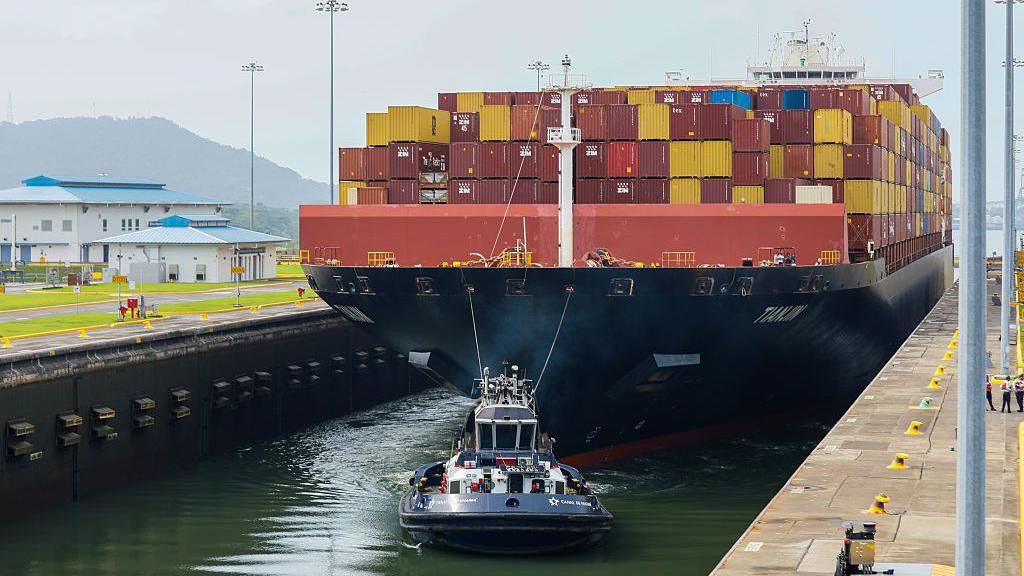
One of the world’s most critical maritime chokepoints is facing fresh disruption, as the Panama Canal Authority (ACP) has announced sweeping cuts to daily vessel transits through the key waterway. The move comes in response to severe low water levels driven by below-average rainfall linked to this year’s projected intense El Niño event, compounded by long-term climate change.
In a formal notice to global shipping companies issued Thursday, the ACP confirmed that starting September 15, only 32 vessels will be allowed to transit the canal each day, down from the current daily cap of 36. The new restrictions will be rolled out in a phased sequence beginning September 3 to give shipping lines time to adjust their schedules.
El Niño, a naturally occurring cyclical climate pattern marked by elevated sea surface temperatures in the central and eastern Pacific, ripples through global weather systems, bringing extreme drought to regions including Central America. Climatologists warn this year’s event is on track to be one of the strongest on record, with its drying effects amplified by human-caused climate change. This marks the second major round of transit cuts in just a few years: in 2023, the ACP reduced vessel numbers after Panama recorded its driest October since national rainfall tracking began in 1950, during the previous El Niño cycle. Since that event, the authority has implemented multiple water conservation measures to reduce the canal’s overall water consumption, but additional action was deemed unavoidable this year.
The ACP emphasized that the cuts are necessary to achieve two core priorities: maintaining reliable transit operations for essential trade, and protecting limited freshwater reserves that also supply local communities for drinking and daily use. Even with the onset of Central America’s annual rainy season and existing water-saving initiatives, the authority said further intervention was required to secure the long-term sustainability of the canal’s transit operations.
For the global shipping industry, this new disruption comes at a time of already intense pressure. Shipping lines are already grappling with major route disruptions tied to heightened geopolitical tensions that have cut vessel traffic through the Strait of Hormuz, another of the world’s most vital energy and trade chokepoints. Many carriers have already been forced to reroute vessels around the Cape of Good Hope at significant additional cost and time delay, and the Panama Canal cuts will only add to congestion and logistics costs across global supply chains.
The Panama Canal is a linchpin of global commerce, cutting thousands of miles off travel distances between Atlantic and Pacific basin ports for roughly 14,000 vessels every year. Operating around the clock 365 days a year, the artificial waterway does not only underpin $trillions in annual global trade, it is also the single largest source of revenue for the Panamanian government, generating approximately $3 billion in annual income. Climate scientists warn that more frequent and intense drought events driven by climate change will continue to test the waterway’s operations, posing long-term risks to global trade flows and Panama’s economy.