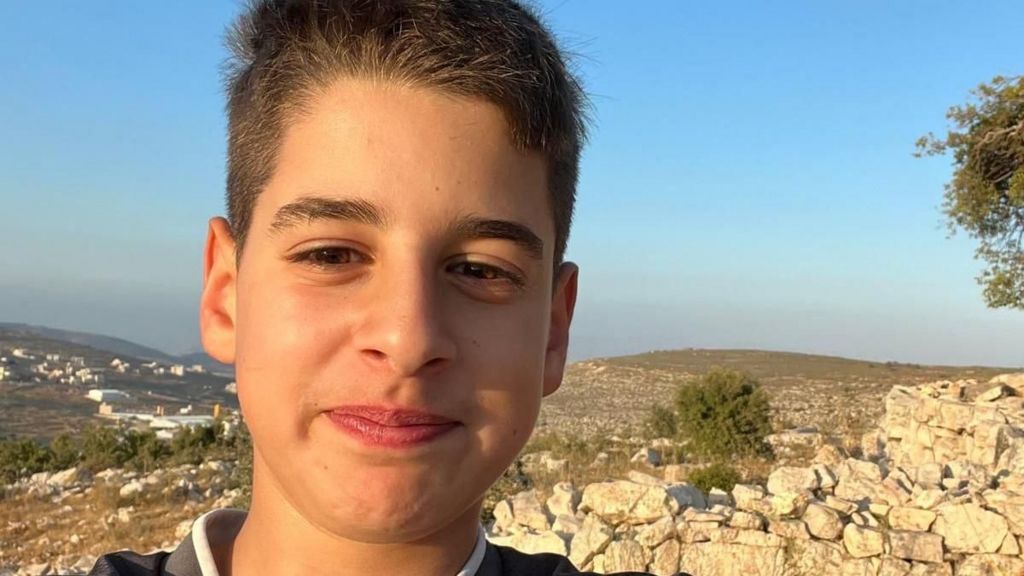
A 16-year-old Palestinian-American boy has been reunited with his family following nine months of incarceration in Israeli detention facilities without formal charges. Mohammed Ibrahim, who was arrested at age 15 during a family visit to the Israeli-occupied West Bank, returned to his family in a deteriorated physical condition requiring immediate hospitalization.
The teenager’s detention stemmed from allegations of stone-throwing at Jewish settlers—accusations he consistently denied throughout his imprisonment. His release follows mounting pressure from U.S. lawmakers and diplomatic engagement from the State Department, though Israeli authorities remained silent when contacted for commentary.
Medical examination revealed significant health deterioration including pallor, substantial weight loss, and various illnesses contracted during confinement. Family members described the ordeal as a ‘horrific and endless nightmare,’ expressing outrage over what they characterize as abusive treatment and inhumane detention conditions.
The case has drawn attention to broader concerns regarding Israel’s treatment of Palestinian minors in its justice system. According to Israeli Prison Service data, approximately 350 Palestinian children remain in Israeli detention as security prisoners, many without formal charges. Human rights organizations and UN reports have documented patterns of abuse and torture within this system.
While celebrating Mohammed’s release, the family has simultaneously highlighted the unsolved killing of another relative—20-year-old dual US citizen Sayfollah Musallet—who was reportedly beaten to death by Israeli settlers in July. No charges have been filed in that case, prompting family demands for greater protection of US citizens abroad.
The State Department confirmed continued consular support while emphasizing the administration’s prioritization of citizen safety, though family members expressed frustration over perceived insufficient governmental intervention during the nine-month detention.