博客

  • Bernadette Chirac, France’s dedicated and discreet first lady

    Bernadette Chirac, France’s dedicated and discreet first lady

    Bernadette Chirac, the woman who stood beside former French President Jacques Chirac throughout his decades-long political career and earned a reputation as a quietly formidable public figure in her own right, has passed away at the age of 93. Over 12 years as France’s first lady, she balanced unwavering public support for her husband with a discreet but persistent independent political and philanthropic footprint that endeared her to much of the French public.

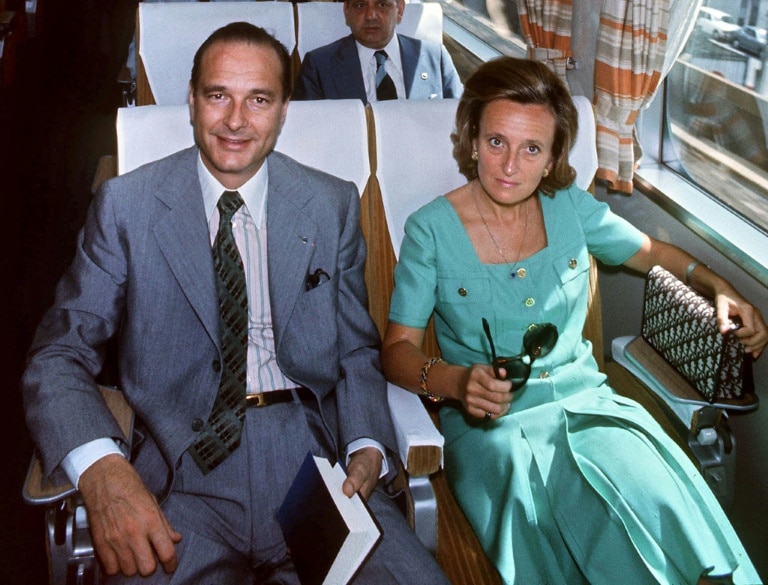
    Born into the aristocratic Chodron de Courcel family in May 1933, Bernadette met Jacques Chirac in 1954 while both were studying at Paris’ elite Sciences Po university. They married two years later, a union that many at the time viewed as socially below Bernadette’s standing. From the early days of her husband’s career, which would see him serve as Paris mayor, prime minister, and finally president, she embraced the role of supporting his political ascent. A devout traditional Roman Catholic, known for her immaculate classic tailored suits and polished styling, she dedicated much of her early public life to advancing her husband’s ambitions. In Jacques Chirac’s 2012 memoirs, he called her “the woman of my life”, noting that “we have accomplished so much together”.

    The marriage was not without its well-documented challenges. Jacques Chirac was open about his long-standing reputation as a man popular with women, and public rumors of extramarital affairs circulated for decades. In her 2001 autobiography *Conversation*, Bernadette spoke with unusual candor about navigating these strains on their relationship, while also outlining her conservative Catholic views, including her opposition to abortion. She acknowledged that she considered ending the marriage, but chose to stay for their two daughters and out of commitment to traditional family values, noting, “Nowadays at the first difficulty people just give up. But as far as I was concerned, I hesitated because I had children, and also because I was the prisoner of certain family traditions. Convention had it that in this sort of situation you put up a front and just kept going. In any case I warned him often enough: the day Napoleon left Josephine, he lost everything.”

    Jacques Chirac won two consecutive presidential terms in 1995 and 2002, holding office for 12 years to become France’s second longest-serving head of state, after Socialist predecessor François Mitterrand. In public self-description, Bernadette framed herself as a humble “wagon” pulled by her husband’s dynamic “engine”, while Jacques Chirac affectionately nicknamed his strong-willed, occasionally authoritarian wife “a turtle”.

    Beyond her role as first lady, Bernadette built her own quiet legacy: she served for decades as an elected local councillor in Corrèze, the rural department that was the Chirac family’s home, and also held a seat on the municipal council of the small village of Sarran. She also served as patron for multiple charities, most notably her well-regarded work supporting children with severe illnesses, which boosted her public standing. Her conservative values won the trust of right-wing voters, and her warm demeanor made her a key electoral asset for her husband during campaign seasons. Her reputation for discretion and polished public image turned her into a beloved cultural icon, with a 2023 French biopic titled *Bernadette*, starring screen legend Catherine Deneuve, chronicling her years in the Elysee Palace.

    Several memorable public moments cemented her place in modern French political memory: in 1998, she hosted then-first lady Hillary Clinton on a tour of Corrèze, prompting French newspaper Le Monde to quip “Bernadette Chirac exists. Hillary Clinton has met her” in a nod to her low public profile. A year later, onlookers were stunned when visiting Chinese President Jiang Zemin pulled her into an impromptu waltz during his trip to the rural department.

    In her later years, Bernadette faced repeated personal hardship. As Jacques Chirac’s health declined due to a degenerative neurological disorder that left him wheelchair-bound, she closely protected his privacy and shielded details of his condition from public view. After he died in 2019 at the age of 86, the already frail Bernadette only attended his private funeral service, skipping the large public ceremony attended by dozens of global leaders. In 2016, the couple’s eldest daughter Laurence died at the age of 58 from a heart attack, after decades of living with anorexia.


  • Taipei Zoo welcomes a pair of red pandas from China, first in over a decade

    Taipei Zoo welcomes a pair of red pandas from China, first in over a decade

    In a rare moment of cross-strait exchange amid sustained elevated tensions, Taipei City Zoo in the capital of Taiwan welcomed two endangered red pandas from mainland China this Saturday. This transfer marks the first official animal exchange between the two sides in more than 10 years, breaking a long lull in wildlife cooperation.

    The newly arrived pair consists of a 3-year-old male and a 2-year-old female, both of which fall under the classification of endangered species protected by international conservation frameworks. Per the zoo’s standardized health and acclimation protocols, the two animals will first complete a 30-day quarantine period to rule out any potential disease risks. After finishing quarantine, they will undergo a gradual adjustment period to adapt to Taipei’s climate and new enclosure environment before making their public debut. As of the initial observation period, the red pandas have not yet been assigned official public names.

    Taipei Zoo’s on-site observation noted distinct behavioral differences between the two red pandas in their first few hours in the new habitat. The male quickly adjusted to his surroundings, immediately venturing out to explore every corner of his enclosure and willingly eating the food prepared by zookeepers. In contrast, the female displayed more reserved, cautious behavior, choosing to remain in sheltered areas and quietly observe her new environment before engaging further.

    According to local Taiwanese newspaper *Taipei Times*, the last time Taipei received red pandas from a mainland Chinese zoo was 2014, when a pair was sent from a facility in Fujian Province. As a species, red pandas are native to multiple South and East Asian regions: besides China, wild populations can also be found in Nepal, Laos, Myanmar and other neighboring countries.

    This transfer is part of a reciprocal exchange arrangement. As part of the agreement, Taipei City Zoo will send a pair of white-handed gibbons, another protected species, to a Shanghai zoo in return.

    Cross-strait relations remain strained in recent years: Beijing claims the self-governing island of Taiwan as part of its sovereign territory, and official government-to-government contacts across the Taiwan Strait have been suspended for an extended period. Despite this standstill at the national level, lower-level city-to-city exchanges and people-to-people interactions have continued to progress, with wildlife conservation cooperation emerging as a rare area of sustained engagement.

  • Calls for collaboration on drug innovation mount

    Calls for collaboration on drug innovation mount

    When the American Society of Clinical Oncology (ASCO) wrapped up its 2026 annual meeting in Chicago on June 2, one breakthrough therapy made headlines around the globe: ivonescimab, an experimental lung cancer treatment developed by Chinese biopharmaceutical firm Akeso, delivered promising late-stage trial results that experts say highlight China’s rapidly expanding footprint in global drug development — and make the case for international partnership over ideological division.

  • Pope acknowledges stiff competition with Bad Bunny this weekend in Spain

    Pope acknowledges stiff competition with Bad Bunny this weekend in Spain

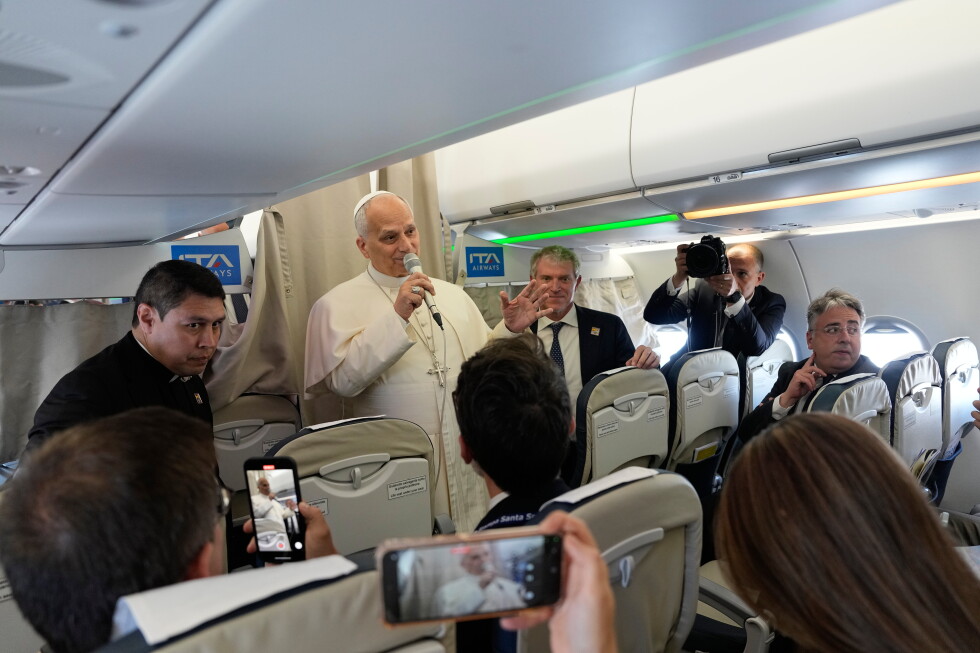
    Aboard his papal flight en route to Spain on Saturday, the first American-born pope, Leo XIV, opened up to reporters with a mix of serious reflection on his pastoral mission and lighthearted quips about unexpected cultural and sporting topics ahead of his seven-nation tour.

    His arrival in Madrid this weekend coincides with two back-to-back concerts from global Puerto Rican music superstar Bad Bunny, who is currently touring across Spain. When the pope was asked about anecdotal reports of a growing spiritual hunger among young Spanish people, he acknowledged the massive cultural draw of the Bad Bunny shows in good humor. He admitted that if young people were forced to choose between the pop star’s concert and an event with the pontiff, most would opt for the music. “If they are confronted with the question ‘Do you want to go see Bad Bunny or do you want to go to see the pope?’ I think many will see Bad Bunny,” Leo told reporters. “But I think there will also be a few here to see the pope. And that says something, you know.”

    Leo, who grew up in Chicago, said he recognized that many young adults across contemporary Europe are grappling with a widespread sense of emptiness and a lack of purpose in daily life. He expressed hope that his week-long tour across Spain would help spark a new spiritual awakening, reaching those who are open to exploring faith amid the noise of modern life.

    The tour, kicking off Saturday in Madrid, will next carry Leo to Barcelona before wrapping up with a stop on the Canary Islands. The pastoral trip comes at a fraught moment for Spain, which is currently deeply divided by bitter political divides and fresh scandals that have shaken both the national government and the Catholic Church in the country. Leo’s core mission for the visit is to deliver a unifying message, seeking to bridge divides in a nation where the Church carries a long and complex historical legacy in an increasingly secular society.

    Beyond matters of faith and church leadership, reporters pressed Leo on two high-profile sporting topics close to his personal background. First, he was asked about a recent vote by the Chicago Bears board of directors, which gave the green light this week to move forward with plans to relocate the franchise from Chicago to a new proposed stadium in Hammond, Indiana. When asked if he had any words of comfort for heartbroken Chicago fans, the pontiff joked that the issue falls far outside his area of authority. “That’s out of my pay (scale),” he quipped.

    Turning to Spanish soccer, Leo was asked to pick a side between the country’s two most iconic and bitter rivals: Real Madrid and FC Barcelona. The pope demured lightly, noting that as the universal leader of the Catholic Church, he supports all teams. But he revealed his personal allegiance ties back to his civilian life, saying “Prevost is Real Madrid” in a nod to his birth name before being elected to the papacy. He also confirmed he would throw his support behind the United States men’s national team in the upcoming FIFA World Cup.

  • Man dies after bitten by shark in Western Australia, police say

    Man dies after bitten by shark in Western Australia, police say

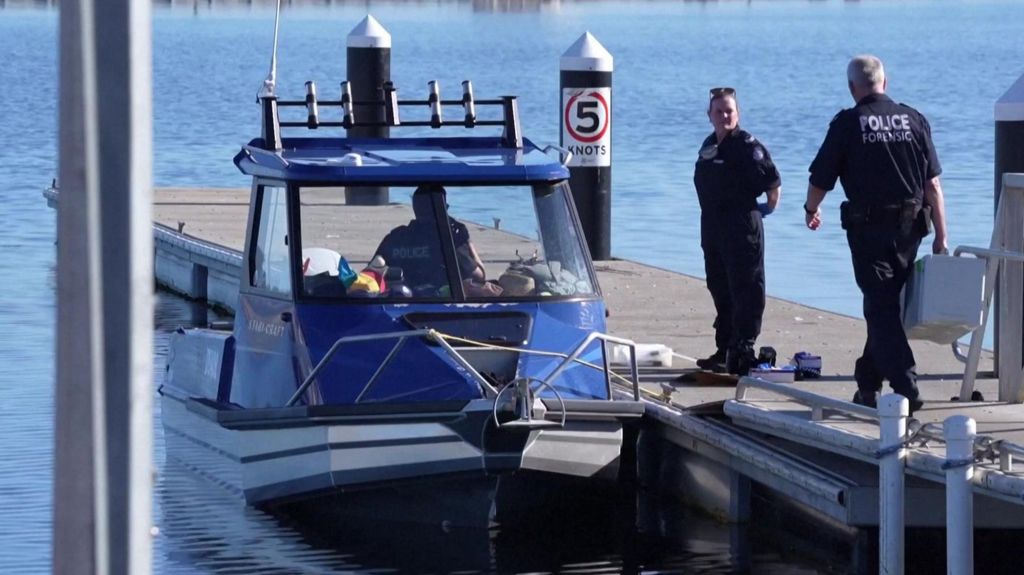
    A 35-year-old male diver has lost his life following a brutal attack by a suspected 4.5-meter shark off the coast of Western Australia, local law enforcement confirmed this week. The unnamed victim was engaged in spearfishing alongside family members near Michaelmas Island, a coastal location roughly 45 kilometers southeast of Perth, when the assault unfolded at 11:25 a.m. local time on Saturday, according to official statements.

    Immediately after the attack, companions of the diver transported him back to shore via private boat, where emergency paramedics were waiting to provide life-saving intervention. Despite extensive resuscitation efforts, medical personnel were unable to restart the diver’s heart, and he was pronounced dead at the scene.

    In accordance with standard protocol for unexpected violent deaths, Western Australia Police announced it will compile a full investigative report to hand over to the state coroner, who will oversee an official inquiry into the fatality. The Department of Primary Industries and Regional Development (DPIRD) confirmed it is collaborating with police and local emergency management teams to respond to the incident, and has issued a public call for coastal users to share any unreported shark sightings with authorities to help update local risk assessments.

    This latest fatal attack comes less than four weeks after another deadly shark incident in the same region claimed the life of 38-year-old Steven Mattaboni, a father of two. Mattaboni was attacked by a 4-meter shark while in the water at Horseshoe Reef, a popular diving spot located northwest of Rottnest Island, one of Perth’s most frequented coastal recreation areas.

    While Australia records more shark interactions than most other coastal nations globally, the vast majority of these encounters do not end in death. High-traffic recreation zones, including popular surf breaks and swimming beaches, typically implement dedicated shark mitigation measures such as aerial patrols, netting, and real-time alert systems to reduce public risk, though remote and less frequented spearfishing and diving spots like Michaelmas Island rarely have the same level of protective infrastructure in place. As of Monday, the BBC confirmed it had reached out to state officials for additional comment and confirmation of the incident details.

  • Lorenzo Lemalu: Slain underworld figure’s funeral service hit by gunshots, burnt car found

    Lorenzo Lemalu: Slain underworld figure’s funeral service hit by gunshots, burnt car found

    A memorial service meant to honor a slain young Australian organized crime figure descended into chaos on Saturday afternoon, when attackers unleashed a barrage of gunfire from a moving SUV into the western Sydney venue hosting the service. The violent incident unfolded at Diamond Venues in Punchbowl, where friends and family had gathered to remember 24-year-old Lorenzo Lemalu, a man law enforcement links to a senior leadership role in the Coconut Cartel, a notorious Sydney-based underworld syndicate.

    Lemalu’s funeral came two weeks after he was fatally shot outside a seafood restaurant in Ho Chi Minh City, Vietnam, on May 21. To date, Vietnamese authorities have arrested and charged two Samoan nationals in connection with his killing, with investigators stating the pair were acting on orders from a suspect based outside the country.

    New South Wales Police confirmed that the shooting at the funeral occurred shortly after 2:20 p.m. Witness accounts and circulating footage show that the unidentified attackers fired from a passing SUV before immediately fleeing the suburban neighborhood. Remarkably, no attendees or bystanders were harmed in the attack, despite video evidence capturing more than 24 rounds being fired at the venue’s upper level. Within a short time of the shooting, officers located the suspected getaway vehicle fully engulfed in flames, a common tactic used by organized crime groups to destroy forensic evidence.

    Graphic video of the attack was published online by crime-focused media outlet SCN WorldStar. Audio captured in the footage reveals the attackers coordinating the strike: a gloved, hooded passenger in the back of the SUV opens fire on the building, while the driver urges him on, saying “Keep going, keep going,” before yelling to flee once the shooting stops.

    Lemalu’s formal burial was scheduled to take place the following day, Sunday, after the interrupted memorial service. The attack has underscored the ongoing violent rivalries playing out between Australian organized crime groups, even extending across borders and disrupting funeral services for fallen members.

  • US and Iran exchange strikes in Gulf in latest test of ceasefire

    US and Iran exchange strikes in Gulf in latest test of ceasefire

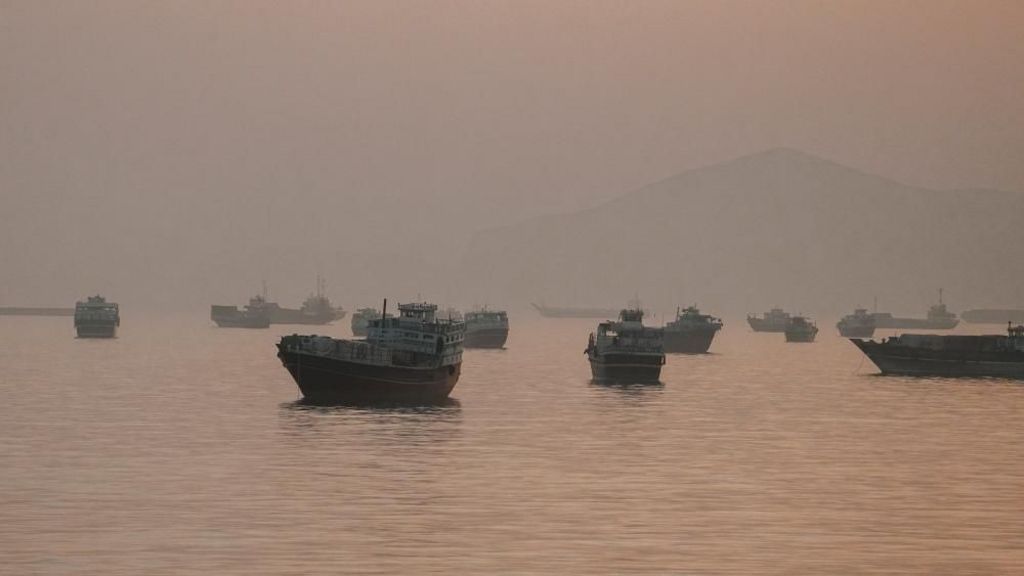
    The fragile, weeks-long ceasefire between the United States and Iran has been pushed to the breaking point by a new cycle of tit-for-tat military strikes that have raised fears of a wider regional conflict across the Middle East. The latest escalation began when U.S. forces intercepted and destroyed four Iranian one-way attack drones that were heading toward the Strait of Hormuz, a critical global energy chokepoint. U.S. Central Command (Centcom) confirmed the interception, stating the drones posed an unambiguous immediate threat to commercial maritime traffic moving through the strategically vital waterway.

    Following the drone interception, U.S. forces launched retaliatory strikes against Iranian coastal surveillance radar sites located in southern Iran. A Centcom statement clarified the operation was carried out to disrupt Iran’s ability to launch future attacks against regional and international assets. Tehran quickly responded to the U.S. action, according to Iran’s state-run Irib news agency, by firing a volley of seven ballistic missiles at two U.S. air bases in Kuwait and U.S. Navy facilities stationed in Bahrain. Initial U.S. military assessments found that six of the seven incoming missiles were successfully intercepted by defensive systems, while the seventh failed to reach its intended target.

    This new round of violence comes just days after an earlier exchange of strikes that already eroded the truce brokered in April. In one of the most high-profile recent attacks, a Wednesday drone strike on Kuwait International Airport left one person dead and more than 60 others injured, according to local Kuwaiti officials. Iran’s Islamic Revolution Guard Corps (IRGC) has outright denied responsibility for the airport attack, claiming the damage and casualties were actually caused by a misfired U.S. missile interceptor. Centcom has rejected this claim entirely, characterizing the airport strike as a deliberate, calculated and completely unjustified act of aggression against a U.S. partner.

    The IRGC has framed its recent attacks on U.S. positions in the Gulf as retaliation for earlier U.S. strikes that hit an Iranian oil tanker and targets on Qeshm Island. Even amid this sharp military escalation, the U.S. has made an unprecedented diplomatic gesture: it has approved and issued visas for Iran’s national men’s football team ahead of their opening World Cup match scheduled for June 15 in Los Angeles. This marks the first time in the history of the competition that a host nation has formally hosted the national team of a country with which it is actively engaged in armed conflict.

    The latest outbreak of violence comes as ceasefire negotiations between the two sides remain stalled, with efforts to reach a permanent peace deal making no tangible progress. U.S. media reports have indicated that former President Donald Trump has requested last-minute changes to the draft terms of a potential agreement, a move that has drawn sharp criticism from Iranian officials. On Monday, Iran’s foreign ministry spokesman accused Washington of constantly shifting its negotiating positions and putting forward new, contradictory demands that make a deal impossible to finalize.

    The current cycle of conflict between the two nations dates back to February 28, when the U.S. and Israel launched a wide-ranging series of airstrikes against targets across Iran. Iran responded with attacks on Israeli territory and U.S. allied states across the Gulf, and took the drastic step of effectively closing the Strait of Hormuz — the waterway through which roughly 20% of the world’s daily oil and liquefied natural gas supplies are transported. The closure of the strait immediately sent global energy prices soaring, with ripple effects felt across every major economy worldwide.

    After a ceasefire was reached in early April, the U.S. implemented a full naval blockade of Iranian ports. Trump reaffirmed that the blockade would remain in full force and effect until a final comprehensive agreement is reached, formally certified, and signed by both parties.

  • Kosovo to hold third election in 18 months as frustration grows over political impasse

    Kosovo to hold third election in 18 months as frustration grows over political impasse

    The small Balkan nation of Kosovo is heading back to the polls this weekend, marking its third parliamentary election in just 18 months, as widespread public frustration builds over a seemingly intractable political crisis that threatens the country’s long-held goals of deeper integration with the European Union and NATO.

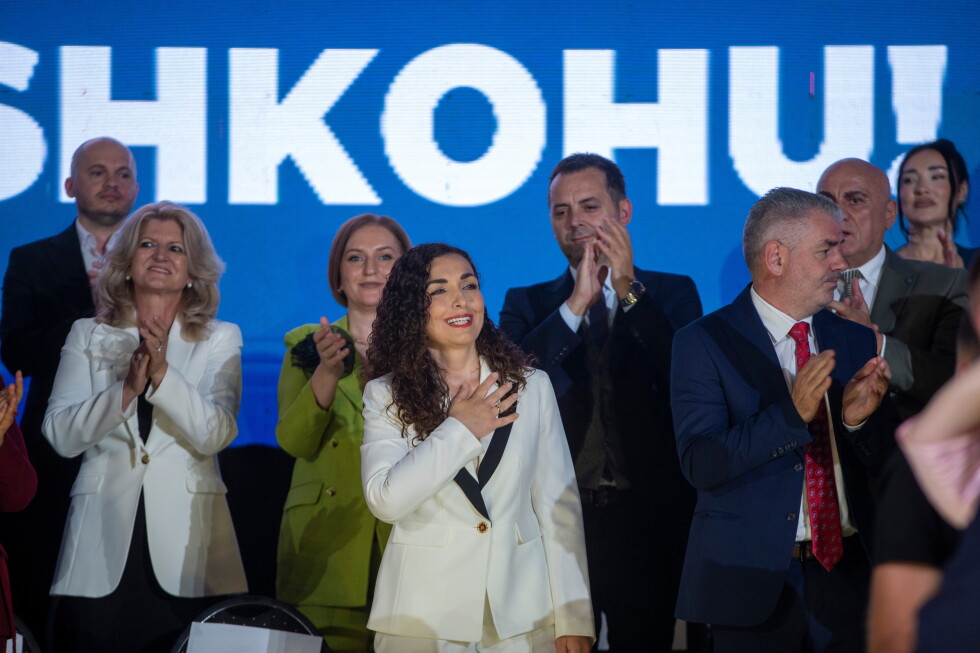
    This latest early vote, scheduled for Sunday, was triggered when Kosovo’s major political blocs failed to reach a consensus on a successor to former President Vjosa Osmani, whose term of office expired at the end of March. Prime Minister Albin Kurti’s center-left Vetevendosje party already holds a solid majority in parliament following the last early election held in December. However, Kosovo’s constitution requires a presidential appointment to be approved by at least 80 of the 120 sitting lawmakers – a supermajority that neither Kurti’s governing faction nor the united opposition has been able to secure.

    As key political players trade blame for the ongoing gridlock, their repeated failure to broker a compromise has sparked deep disappointment among Kosovo’s roughly 2 million eligible voters, who overwhelmingly prioritize economic growth and improved living standards over endless partisan infighting.

    Vlora Kryeziu, a 52-year-old business owner based in the capital Pristina, summed up the widespread public cynicism, noting that the same political standoff is playing out on repeat. “We will for sure have the same result,” she said. “As a citizen, I have a lot of dissatisfaction, and I think that we as a society are not doing enough to change these things.”

    This cycle of inconclusive elections stretches back to a first vote in February 2024, which left Kosovo without a fully functioning government for most of the year and forced a second snap election in December 2024.

    As one of Europe’s youngest and poorest countries, Kosovo carries a complex geopolitical backdrop: the majority ethnic Albanian state declared independence from Serbia in 2008, following a 1998-1999 armed conflict that ended with a NATO bombing campaign that forced Serbia to withdraw its forces from the territory. While the United States and most European Union member states recognize Kosovo’s sovereignty, Serbia refuses to acknowledge the declaration, backed by its key allies Russia and China. Both Belgrade and Pristina have made clear that normalizing bilateral relations is a non-negotiable requirement for advancing their respective EU membership bids.

    European Council President Antonio Costa traveled to Pristina this week to issue a clear call for Kosovar political leaders to resolve the stalemate and unify around the shared national goal of EU integration. “The European Union can support Kosovo, but it cannot do Kosovo’s own homework,” Costa stated. “Kosovo needs strong, stable and functioning institutions capable of delivering reforms and seizing the opportunities the European Union offers.”

    On the campaign trail, Kurti has urged voters to grant him a new mandate, arguing that opposition parties manufactured an artificial crisis to force repeated elections despite what he calls the “strong and clear will of the people.” In response, Kosovo’s two main opposition parties – the Democratic Party of Kosovo and the Democratic League of Kosovo (LDK) – have accused Kurti of pushing to consolidate absolute control over all of the country’s governing institutions. Notably, former President Osmani, once Kurti’s political ally, is now running on the LDK’s party list against the prime minister after he refused to support her nomination for a second presidential term.

    Political analyst Artan Muhaxhiri predicts little substantive change will come out of Sunday’s vote, pointing to Vetevendosje’s capture of more than 50% of the vote in the last election. He expects the political deadlock to reemerge after ballots are counted, noting “there are no indications that political leaders are willing to change their actual stances and narrow the existing gap.”

    The prolonged political crisis has already left tangible damage on Kosovo’s already fragile economy, which has been battered by the global energy crisis and soaring fuel prices in recent years. The recurring institutional vacuum has also delayed the country’s access to critical EU and international development funds earmarked for Kosovo, putting key infrastructure and reform projects on hold.

  • US, Iran trade strikes despite visas for World Cup footballers

    US, Iran trade strikes despite visas for World Cup footballers

    A fragile months-long truce between the United States and Iran collapsed into fresh cross-border strikes on Friday, raising new fears of a wider regional conflict just as Washington granted entry visas to Iran’s national men’s football squad for the 2026 FIFA World Cup co-hosted by the US, Canada and Mexico.

    The ceasefire, which has held since April 8, was implemented nearly 100 days after coordinated US and Israeli strikes eliminated Iran’s top military and political leadership. For weeks, tense, roundabout negotiations riddled with threats and intermittent violence have failed to produce a permanent peace agreement or secure the reopening of the Strait of Hormuz, the world’s most critical chokepoint for global oil and natural gas shipments.

    Tensions boiled over Friday when US Central Command (CENTCOM) announced it had first downed four Iranian drones headed toward the Strait of Hormuz, then launched targeted strikes on Iranian coastal radar sites located in Goruk and on Qeshm Island. In a public statement, CENTCOM emphasized the attack drones posed an immediate threat to commercial maritime traffic passing through the strait, and that the radar strikes were a defensive measure to disrupt future hostile actions by Iran.

    Within hours of the US strikes, air raid sirens blared across Kuwait and Bahrain, two Gulf Arab states that host key US military installations and are longstanding Washington allies. Agence France-Presse correspondents on the ground in both countries reported hearing loud explosions.

    Early Saturday local time, Iran’s Islamic Revolutionary Guard Corps (IRGC) confirmed it had launched a retaliatory missile strike against what it called “enemy bases in the region”, framing the US operation as an “invasion” of Iranian territory near Sirik and Qeshm Island. Iranian state broadcaster IRIB quoted IRGC officials saying the retaliatory strike was a direct response to the US incursion.

    CENTCOM later clarified that Iran had fired seven ballistic missiles toward targets in Kuwait and Bahrain. Six of the missiles were intercepted and destroyed by US and allied air defenses, while the seventh missed its intended target entirely. The command confirmed there were no reported casualties among US personnel, and outright rejected Iranian claims that the strike had damaged the headquarters of the US 5th Fleet, based in Bahrain.

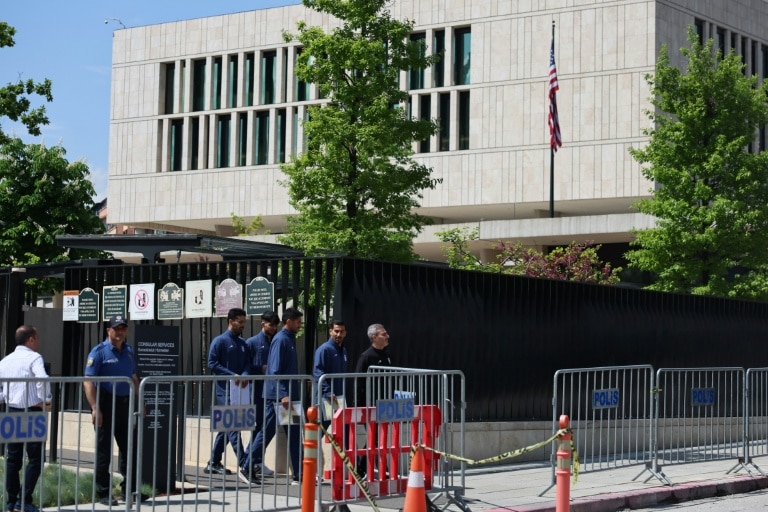
    This sharp escalation of hostilities comes even as the US moved forward with a long-awaited concession to Iran: granting entry visas for members of its national football team ahead of the World Cup. On May 21, Iranian players and delegation members submitted their visa applications at the US Embassy in Ankara, Turkey, and US Ambassador to Turkey Tom Barrack confirmed the approvals, noting “sports transcends borders, and we look forward to welcoming competitors and fans from around the world.”

    Not all members of the Iranian delegation have secured entry, however. Iran’s semi-official Fars News Agency reported that visas are still pending for a number of technical and executive staff members. An unnamed senior US administration official added in a statement that Washington would not allow the team to exploit the visa process to infiltrate terrorists into the US under false cover.

    The Iranian team is scheduled to depart Turkey for Spain on Saturday, before traveling on to its pre-tournament base camp in Mexico, where it is expected to arrive Sunday.

    The latest exchange of fire comes amid a broader breakdown in diplomatic efforts to turn the temporary ceasefire into a lasting peace deal. The ongoing conflict has already roiled global energy markets and amplified domestic political pressure on US President Donald Trump ahead of upcoming midterm elections.

    In comments to CNN Friday, Mohsen Rezaei, a military adviser to Iranian Supreme Leader Ayatollah Mojtaba Khamenei, said negotiations were at a complete deadlock, and called on Trump to unlock $24 billion in Iranian assets frozen by Western sanctions as a confidence-building measure. During an interview with NBC News Friday, Trump acknowledged that Iran still retains roughly 21 to 22 percent of its original missile stockpile, an increase from the 18 percent figure he cited earlier in May, contradicting previous US administration claims that Iran’s military capacity had been permanently crippled.

    The conflict has also spilled over into Lebanon, which was dragged into the wider war when Iran-backed Hezbollah launched an attack on Israel on March 2. Following the collapse of a proposed truce between Israel and Hezbollah, Lebanese Prime Minister Nawaf Salam issued a blunt public appeal to Iranian leaders Friday, urging them to end interference in Lebanese affairs. “Have mercy on our south, stop treating it and its people as merely a bargaining chip,” Salam said during a press conference. “We are the people of a sovereign nation that refuses to serve as an open battlefield for their wars.”

    Early Saturday, Iranian Foreign Minister Abbas Araghchi pushed back against similar criticism from Lebanese President Joseph Aoun, calling on Aoun to focus on protecting Lebanon from what Araghchi called its “real foe”. Iranian negotiators have repeatedly insisted during peace talks with Washington that the fighting in Lebanon and the Gulf conflict are inseparable, meaning any final peace deal must address both issues simultaneously.

    Days earlier, a strike on Kuwait’s international airport killed one civilian and wounded dozens of people, and Kuwaiti military confirmed early Saturday that its air defense systems were still responding to ongoing hostile missile and drone incursions, though the military did not name the source of the attacks.

  • Three charged after failed break-in exposes ‘treasure trove’ of drugs, cash in Melbourne

    Three charged after failed break-in exposes ‘treasure trove’ of drugs, cash in Melbourne

    What began as a botched attempted burglary has ended with a massive seizure of illicit substances, weapons and hundreds of thousands of dollars in cash, and three people facing criminal charges in Melbourne, Australia. On the morning of May 27, a man and a woman attempted to force entry into a locked storage unit in the inner-city suburb of Port Melbourne. Wearing grey hooded sweatshirts, high-visibility safety vests, face coverings and sunglasses to conceal their identities, the pair were caught on closed-circuit television leaving the scene empty-handed when their break-in attempt failed. Local law enforcement launched an investigation into the incident, and what officers uncovered during the probe far exceeded the initial burglary report. “While investigating the alleged attempt, officers from the Prahran Divisional Response Unit located a treasure trove of drugs which led to subsequent searches at apartments in Port Melbourne and St Kilda,” a Victoria Police spokesperson confirmed to media on Saturday. When executing search warrants across the two Melbourne suburbs, investigators seized a large stockpile of controlled substances: 12 liters of 1,4-Butanediol, a chemical commonly diverted for illicit recreational use, one kilogram of methamphetamine, half a kilogram of MDMA. Alongside the drug haul, officers also recovered illegal weapons and more than AU$460,000 in cash. Three people have already been taken into custody and charged in connection with the discovery, while investigators continue to hunt for the two would-be burglers who indirectly led police to the illegal operation. The pair, both described as Caucasian and in their 30s, have not yet been identified, and Victoria Police has released publicly the CCTV footage of the incident to ask for assistance from the public in naming and locating the suspects. Of the three people already charged, a 44-year-old man from St Kilda faces multiple charges including drug trafficking. A 32-year-old St Kilda woman has been charged with possession of a prohibited weapon and granted bail. The alleged ringleader of the operation, also 44, was arrested on June 3 as he re-entered Australia at Melbourne Airport, and is also facing charges including drug trafficking. Both men are scheduled to appear before local courts in August, while the woman is set to appear in November after being granted bail.