博客

  • Kylian Mbappé by the numbers: Star striker starts his World Cup by breaking France scoring record

    Kylian Mbappé by the numbers: Star striker starts his World Cup by breaking France scoring record

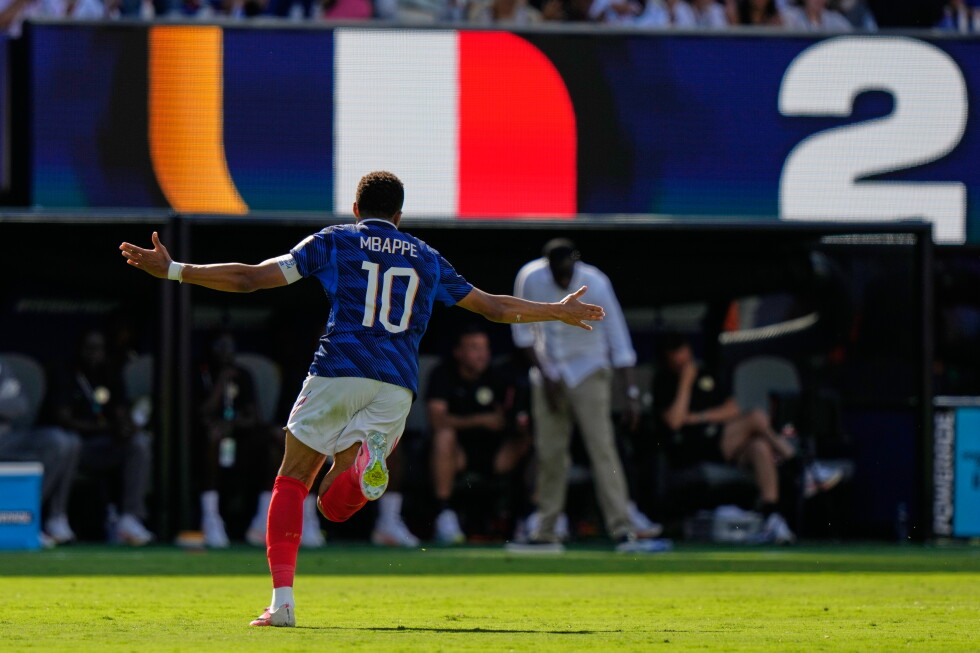
    PARIS – In a defining moment of his already storied international career, Kylian Mbappé etched his name into French football history on Tuesday, netting a brace against Senegal at the 2026 FIFA World Cup to surpass Olivier Giroud as Les Bleus’ all-time leading goalscorer.

    The 27-year-old Real Madrid striker found the back of the net twice in France’s 3-1 victory, pushing his national team goal tally to 58 – one clear of Giroud, who retired from international football following the 2022 World Cup in Qatar. The milestone caps nearly a decade of elite service for France, with Mbappé’s first senior international goal coming nine years after he first pulled on the iconic blue jersey.

    Looking ahead, Mbappé will have immediate opportunities to extend his record. France is set to face Iraq in Philadelphia next Monday, before wrapping up Group I play against Norway in Boston four days later. If France advances deep into the tournament, the 27-year-old is also on track to break the team’s all-time appearance record. He has now earned 99 caps for his country, just four behind former manager and ex-captain Didier Deschamps’ 103 appearances, and is on pace to surpass goalkeeper Hugo Lloris’ existing record of 145 caps if he stays fit, a mark widely expected to fall before the end of his international career.

    Beyond his new all-time national scoring record, the World Cup milestone also added another entry to Mbappé’s growing collection of global tournament honors. His two goals against Senegal brought his career World Cup goal total to 14, moving him past French legend Just Fontaine, who scored all 13 of his World Cup goals at the 1958 tournament in Sweden. That puts Mbappé just two goals behind the all-time men’s World Cup scoring record of 16, shared by former Germany striker Miroslav Klose and Argentina’s Lionel Messi – who ironically scored a brilliant hat trick in his own World Cup fixture just hours after Mbappé hit his brace against Senegal.

    A deep dive into Mbappé’s career statistics reveals a pattern of historic achievement from the earliest days of his international tenure. He made his France debut as an 18-year-old substitute in a World Cup qualifier away to Luxembourg in March 2017, and scored his first senior goal just five months later against the Netherlands at the Stade de France in August that same year.

    He has notched three hat tricks for France to date, each more notable than the last. His first came in 2021 during a World Cup qualifier against Kazakhstan, where he scored four goals alongside Karim Benzema. The second came in the dramatic 2022 World Cup final against Argentina, and the third during a record 14-0 European Championship qualifying win over Gibraltar in 2023.

    Between early June 2023 and late March 2024, Mbappé notched a goal in seven consecutive international matches, the longest scoring streak of his France career. Off the pitch, he has maintained a remarkably clean disciplinary record, picking up just 10 yellow cards and never receiving a red card in nine years of international play.

    Mbappé also holds a unique place in World Cup final history. He has scored in two separate men’s World Cup finals: against Croatia in 2018, when he was just 19 years old, and against Argentina in the 2022 final. He is only one of two players ever to score a hat trick in a men’s World Cup final, joining England’s Geoff Hurst, who achieved the feat in the 1966 final against West Germany. He joins Zinedine Zidane as just the second Frenchman to score in two separate World Cup finals, and is only the second teenager ever to score in a men’s World Cup final, alongside Brazil legend Pelé, who hit the net in the 1958 final as a 17-year-old.

  • Leader of South Africa’s second biggest party wants his predecessor sacked as minister

    Leader of South Africa’s second biggest party wants his predecessor sacked as minister

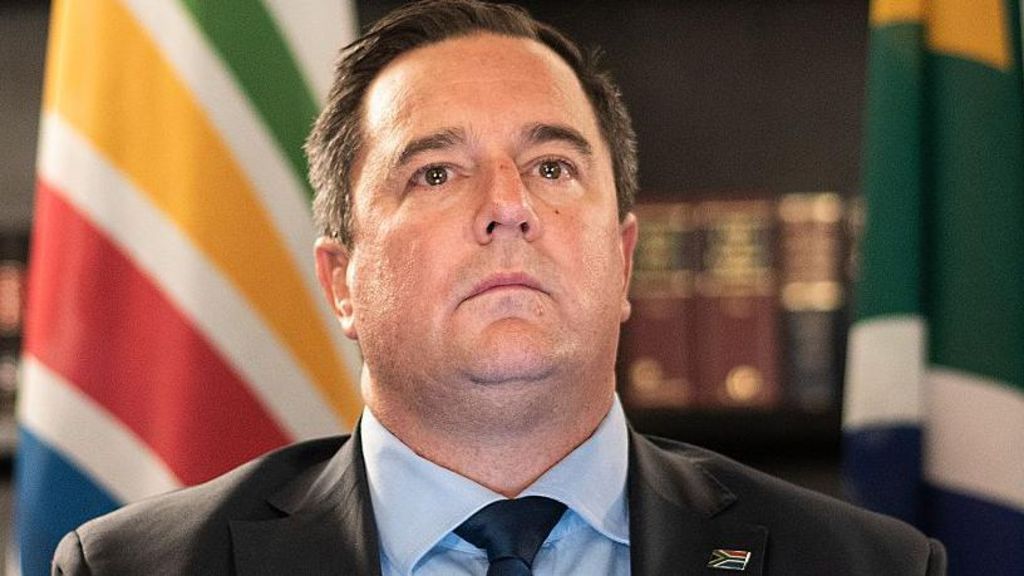
    South Africa’s ruling governing coalition is facing an internal shake-up, as the new head of its second-largest partner party has formally requested President Cyril Ramaphosa remove a high-profile former party leader from his cabinet post. Geordin Hill-Lewis, who took over leadership of the Democratic Alliance (DA) from John Steenhuisen this past April, has proposed a sweeping set of changes to the party’s representation within the national unity government, led by the African National Congress (ANC). His top demand is the dismissal of Steenhuisen, one of South Africa’s most recognizable political figures, from his current role as Minister of Agriculture.

    The current political arrangement in South Africa stems from the 2024 national general election, where no single political party secured an absolute parliamentary majority. This forced the formation of a multi-party coalition government, and as part of the power-sharing agreement, the DA now holds six full cabinet positions, in addition to multiple deputy minister posts across government departments. To date, President Ramaphosa has not issued a public response to Hill-Lewis’s request, but political analysts widely expect the president will not reject the proposed reshuffle, as coalition custom requires the president to accept a partner party’s proposed changes to its own cabinet representatives.

    While Hill-Lewis has not publicly stated an explicit reason for pushing for Steenhuisen’s removal, political and agricultural observers widely link the move to Steenhuisen’s widely criticized handling of South Africa’s recent foot-and-mouth disease outbreak. The viral epidemic has caused catastrophic damage to South Africa’s $80 billion livestock industry, and Steenhuisen has faced sustained backlash from farming communities across the country for what they call his slow and inadequate action to contain the spread of the disease.

    Under Hill-Lewis’s reshuffle plan, current Agriculture Deputy Minister Willie Aucamp would be promoted to replace Steenhuisen as full minister, with an immediate mandate to resolve outstanding legal disputes tied to the foot-and-mouth outbreak. For Steenhuisen, the proposed change would represent a significant demotion: the former DA leader has been nominated for the far lower post of Deputy Minister of Trade and Industry. This shift is not entirely unexpected, as Steenhuisen already opted not to run for re-election as DA leader earlier this year, a decision partially driven by an earlier financial scandal that eroded his support within the party.

    Hill-Lewis also outlined a full slate of other personnel changes for the DA’s government representation. Under the proposal, David Maynier would move into the role of Minister of Environment, replacing the outgoing Willie Aucamp. Alexandra Abrahams, who previously served in a senior role on Steenhuisen’s leadership team, would be appointed Deputy Minister of Electricity and Energy. Yusuf Cassim would take up the post of Deputy Minister of Higher Education and Training, while Jack Bloom would become Deputy Minister of Water and Sanitation.

    The reshuffle marks a sharp public split between two politicians who were once close political allies, highlighting the internal pressures facing South Africa’s young unity government as it works to address ongoing economic and agricultural challenges across the country.

  • Canada’s Carney isn’t having a bilateral meeting with Trump at G7 but says it’s not a snub

    Canada’s Carney isn’t having a bilateral meeting with Trump at G7 but says it’s not a snub

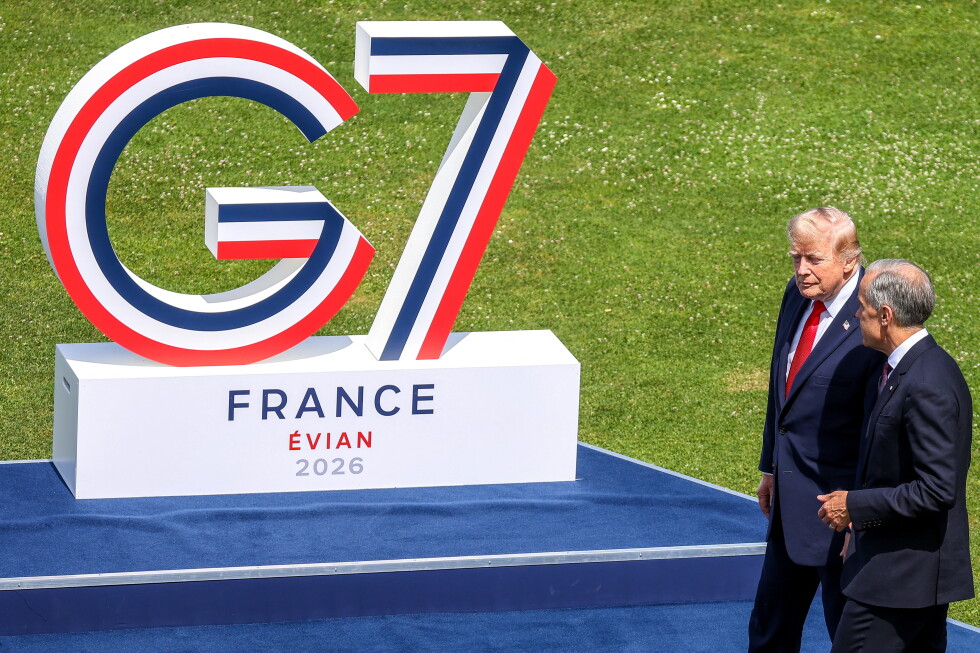
    EVIAN-LES-BAINS, France — Against the backdrop of the annual G7 summit for the world’s major industrialized democracies, Canadian Prime Minister Mark Carney will depart the gathering on Wednesday without holding a scheduled formal bilateral meeting with U.S. President Donald Trump, a development that comes as the future of the trilateral North American Free Trade Agreement (NAFTA) hangs in the balance.

    Bilateral meetings between Canadian prime ministers and sitting U.S. presidents have long been a standard staple of G7 gatherings, but Carney has pushed back firmly against any speculation that the lack of a formal sit-down constitutes a diplomatic snub from the Trump administration. Carney told reporters that he has already held seven to eight informal conversations with Trump over the 36 hours leading up to Wednesday, with more discussions planned for the day of his departure. These talks spanned a broad spectrum of policy and personal topics, ranging from economic cooperation, cross-border relations, and emerging artificial intelligence policy to global hotspots including Ukraine and Iran, and even a lighthearted exchange about Trump’s recent birthday.

    The current moment is a defining turning point for NAFTA, the trade accord that has deeply integrated the economies of Canada, the United States, and Mexico since its implementation in the early 1990s. The agreement’s renewal deadline is set for July 1, and last week Trump raised widespread alarm when he indicated he may opt to let the existing deal expire rather than approve an extension. For Canada, which relies on the U.S. market for roughly 75% of its total exports, preserving a stable, long-term NAFTA framework is a top national economic priority.

    On the sidelines of the G7 gathering, Canada’s top trade officials have already been advancing negotiations: Dominic LeBlanc, Canada’s minister responsible for U.S. trade, and Janice Charette, Canada’s chief NAFTA negotiator, held talks with U.S. Trade Ambassador Jamieson Greer. LeBlanc confirmed that the discussions yielded tangible progress toward a potential agreement. LeBlanc has previously warned that the Trump administration is pushing for major changes to the accord’s structure, including mandatory annual review cycles, a shift that would create persistent uncertainty over the trade deal’s long-term permanence.

    Thus far at the 2025 G7 summit, French President Emmanuel Macron, the event’s host, remains the only G7 leader to secure a formal one-on-one bilateral meeting with Trump. The U.S. president has also held formal bilateral sessions with leaders of invited non-G7 nations including Qatar, the United Arab Emirates, Egypt, and India. Carney pushed back on questions about the uneven scheduling, noting that it is standard practice for a summit’s host country to hold a formal bilateral meeting with the U.S. president as a matter of protocol.

    Audio captured by open microphones during one informal interaction revealed that Carney balanced lighthearted humor with serious policy discussion with Trump. In an off-the-cuff moment, the two leaders joked playfully about “stealing” Macron’s luxury watch before shifting to a substantive conversation about Canada’s new policy framework for Chinese electric vehicle (EV) imports.

    Carney explained to Trump that Canada has implemented a hard import cap on Chinese-made EVs, limiting annual imports to just 49,000 vehicles – less than 3% of Canada’s total current auto market. Carney noted he struck this cap arrangement with Beijing, framing it as a tough policy aligned with Trump’s own trade priorities. “It’s a cap, we capped, a hard line,” Carney said in the exchange. “I thought you’d actually like that.” Trump responded positively, telling Carney: “That’s good, I like it.”

    Earlier this year, Canada broke with the U.S. to roll back its 100% tariff on Chinese EVs in exchange for reduced Chinese tariffs on Canadian agricultural exports. Carney confirmed he has discussed the policy with Trump twice, adding that he was not surprised the U.S. president had not followed every granular detail of the bilateral Canada-China deal. “He likes the structure. Actually, we had a follow-up conversation about it as well,” Carney added.

    Peter Boehm, a veteran Canadian senator who previously led Canadian delegation planning for multiple G7 summits, backed Carney’s framing of the lack of a formal meeting, saying that the informal format of the summit actually gives leaders far more unstructured interaction time than pre-scheduled formal meetings allow. “I wouldn’t see it as a snub,” Boehm said. “It’s amazing how much time leaders can actually have to have conversations.”

  • Turkish state broadcaster drops veteran World Cup commentator over Iran-New Zealand mix-up

    Turkish state broadcaster drops veteran World Cup commentator over Iran-New Zealand mix-up

    A veteran sports commentator has lost his spot on Turkey’s national public broadcaster TRT’s 2022 FIFA World Cup coverage team over an on-air gaffe that mixed up two competing Group G teams, broadcaster officials confirmed this week.

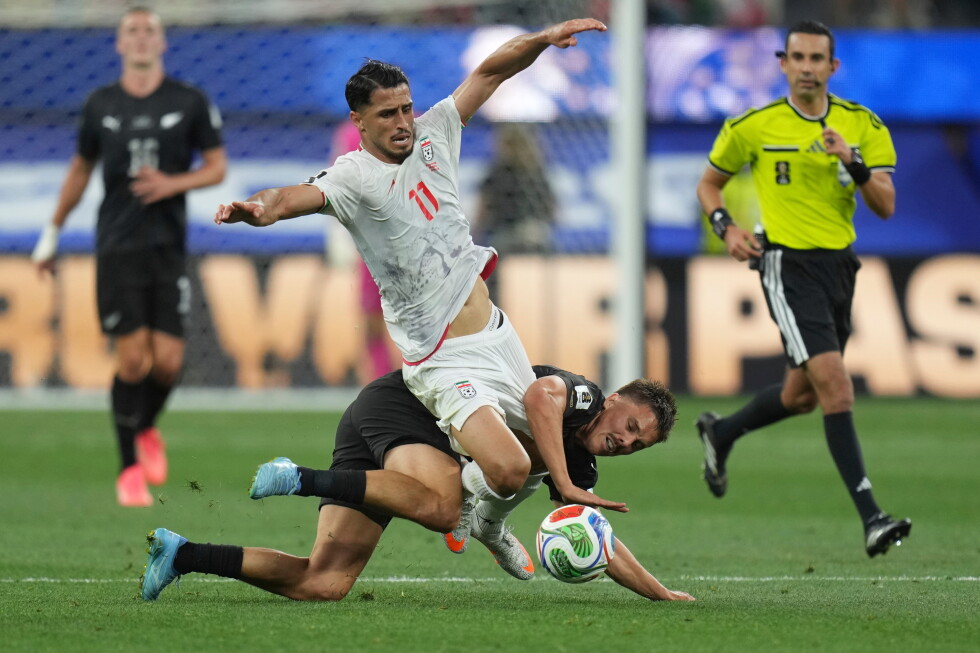
    The error unfolded during Monday’s tightly contested Group G match between Iran and New Zealand, which ended in a 2-2 draw between the two sides. In the opening minutes of TRT’s live broadcast, commentator Murat Ekrem Çimen, a 30-year veteran of sports media named by local Turkish outlets, incorrectly attributed Iran’s offensive plays to New Zealand and mislabeled New Zealand’s in-game maneuvers as Iran’s.

    In an official statement released late Tuesday, TRT announced that Çimen had been immediately removed from the network’s World Cup commentary delegation based in the United States, and will not take part in any further match coverage for the duration of the tournament. The network added that a full internal investigation into the incident is ongoing.

    TRT framed the mistake as a clear violation of the network’s official broadcasting standards, noting that the error was particularly notable given Çimen’s decades of experience in sports journalism. “We apologize to our viewers and the public for this error,” the statement read. “It is unacceptable for TRT that someone with over 30 years of experience in sports broadcasting would make such a mistake.”

  • New Zealand squanders strong starts as England’s green attack strikes at The Oval

    New Zealand squanders strong starts as England’s green attack strikes at The Oval

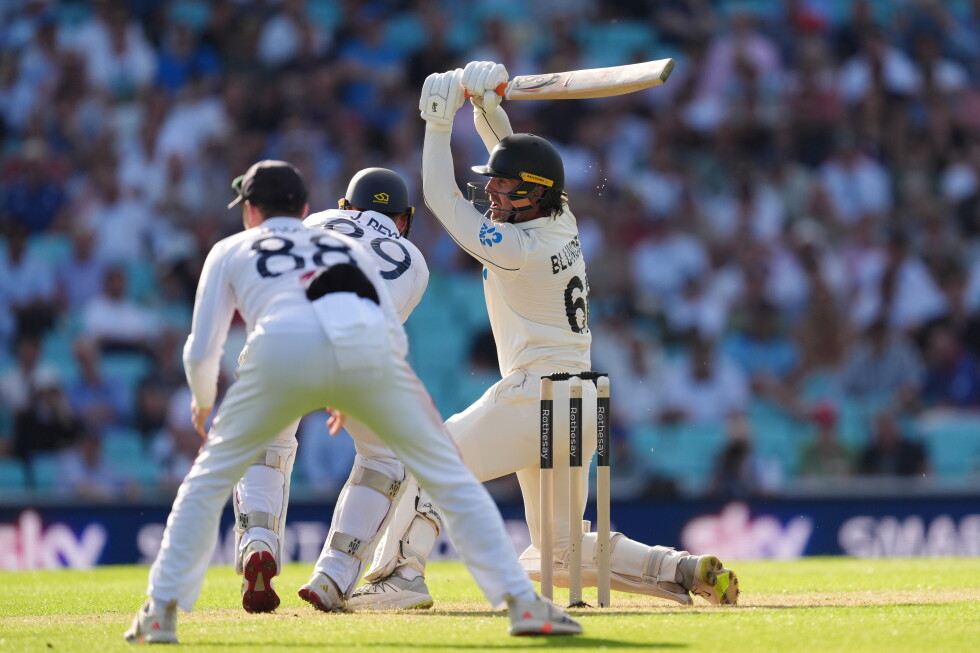
    On the opening day of the third and decisive Test match between New Zealand and England at The Oval, the Black Caps capped their most productive batting session of the ongoing England tour with a frustratingly underwhelming result, ending Wednesday at 291 for seven wickets after squandering multiple promising starts against a drastically inexperienced English bowling attack.

    England entered the clash holding a 1-0 series lead, having secured an 115-run victory in the opening Test at Lord’s. That result came under intense scrutiny after match officials rated the Lord’s pitch “unsatisfactory”, and the psychological impact of that win appeared to linger in New Zealand’s batting performance Wednesday. On a pitch that shed its early hostile, fast-bowling friendly conditions as the day progressed — matching pre-match expectations — six of the Black Caps’ seven wickets came courtesy of soft, unforced dismissals that gifted the underprepared English side easy breakthroughs.

    The casualty list of wasted starts reads like a who’s who of New Zealand’s batting core: captain Tom Latham, Henry Nicholls, who stepped into the key number three batting slot vacated by retired former skipper Kane Williamson, all-rounder Rachin Ravindra, and wicketkeeper-batter Tom Blundell — the first New Zealand batter to register a half-century in this series — all threw away solid foundations after getting set at the crease.

    By the close of play, only Glenn Phillips remained unbeaten on 49, alongside fast bowler Kyle Jamieson who had notched six runs. The final hour of the day delivered the most dramatic action of the opening session, with star England fast bowler Jofra Archer delivering a relentless, probing spell to test Phillips that had crowds on the edge of their seats.

    England’s bowling unit, which took the field at Lord’s for the first Test, has been decimated by a combination of player suspensions and injury ahead of the Oval clash. That left Archer — playing his first Test match since the Christmas break last year — to lead a vastly inexperienced group: Josh Tongue, Matthew Fisher (playing just his second Test at international level), and Sonny Baker, one of three debutants named in England’s bowling line-up.

    Against expectations, the young group performed far better than many pundits predicted, consistently delivering fast, line-and-length bowling that kept New Zealand batters under pressure. That said, wayward bowling that resulted in 44 extras meant the free gifts from New Zealand’s batters were matched by England’s unforced errors, with the 44 extras tying for the third highest individual score on New Zealand’s innings card at stumps.

    Even part-time spinner Jacob Bethell got in on the action, delivering the first spin bowling of the entire series for England and claiming an eye-catching two wickets for just eight runs from his five overs, further highlighting New Zealand’s generous dismissal rate. Baker, the lively young fast bowler, claimed the wicket of Ravindra, while both Archer and seamers Dom Mitchell chipped in with one wicket apiece. Archer’s final eight-over spell of the day, which conceded just 22 runs without taking a wicket, delivered the high-tempo, high-stakes drama that woke a dozing packed crowd and gave the home side momentum heading into Day Two.

  • Norway’s crown princess undergoes successful lung transplant, palace says

    Norway’s crown princess undergoes successful lung transplant, palace says

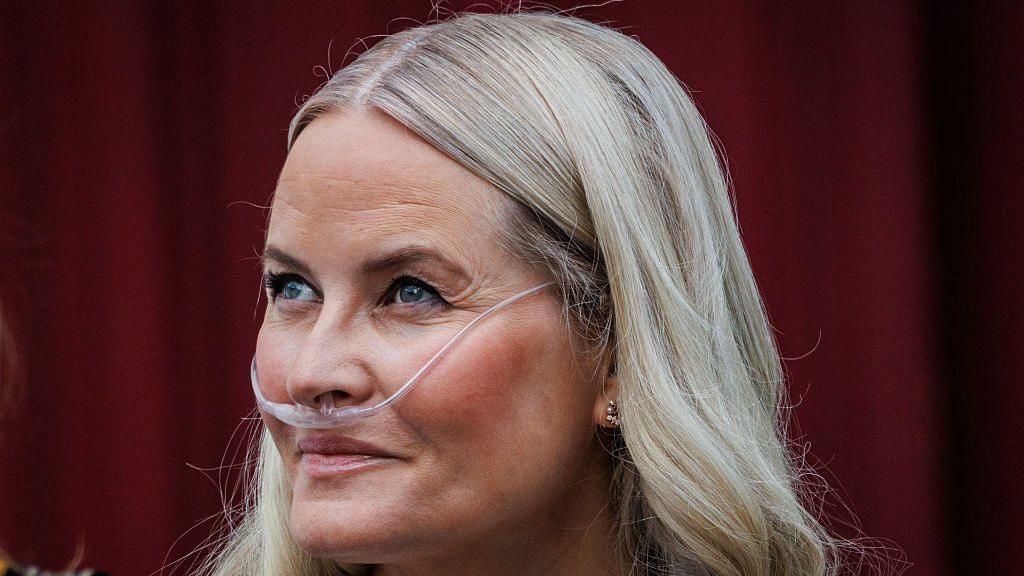
    The Norwegian Royal Household has confirmed that Crown Princess Mette-Marit, 52, has completed a successful lung transplant at a hospital in Oslo, bringing a wave of cautious relief across the kingdom after months of declining health.

    Mette-Marit first received a diagnosis of a rare, progressive form of pulmonary fibrosis in 2018, a condition that gradually scarred her lung tissue and caused persistent breathing difficulties. As her symptoms worsened over the past year, she began stepping back from official royal engagements, with her medical team describing her condition as significantly deteriorated and “dangerous” earlier in 2025. Just 12 days before the transplant procedure, the palace confirmed she had been added to the national organ transplant waiting list— a step doctors only take when a patient is estimated to have less than 12 months left to live, with priority given to the most critically ill cases.

    Her last public appearance came on May 17, when she was photographed using a nasal breathing tube connected to a portable oxygen device to manage her symptoms. Following the operation, lead lung specialist Are Holm shared positive updates in an official statement released by the royal palace. “We are delighted that everything has progressed well so far,” Holm said, noting that the Crown Princess will remain under close medical observation in the hospital for the next several weeks, a standard protocol for all recent organ transplant recipients. Holm also cautioned that the road to recovery remains fragile: transplant recipients must take lifelong immunosuppressive medications to prevent organ rejection, and data shows one in eight donor lung recipients do not survive the first year post-procedure, while roughly half are still alive after a decade.

    Crown Prince Haakon, Mette-Marit’s husband of 24 years, has announced he will adjust all upcoming official commitments to be by his wife’s side during her initial recovery. The transplant comes amid an exceptionally difficult period for the Norwegian royal family, marked by two major controversies in recent months. Just two days before the procedure, Mette-Marit’s 29-year-old son Marius Borg Høiby was sentenced to four years in prison following conviction on two counts of rape. Though Høiby—who was four when his mother married Haakon and holds no official royal title—pled guilty to lesser included offenses, he maintains his innocence on the most serious charges, and his legal team has already confirmed plans to appeal the verdict. Prior to the sentencing, Høiby’s lawyers repeatedly requested his temporary release from custody to allow him to visit his ailing mother, but all such requests were denied.

    Earlier this year, the royal family faced another public scandal when documents were released revealing Mette-Marit’s three-year friendship with the deceased disgraced financier and convicted sex offender Jeffrey Epstein. Mette-Marit later issued a public apology to King Harald V and Queen Sonja of Norway, acknowledged she had exercised “poor judgement” in maintaining the relationship, and stated in a national television interview that she regretted ever meeting Epstein.

    Norwegian royal commentator and historian Ole-Jørgen Schulsrud-Hansen called the successful transplant positive news for both the royal family and the entire nation. “This was one of the most serious obstacles on the road for a better health for the Crown Princess, and I think many people are relieved the transplant was successful,” Schulsrud-Hansen noted.

  • US officials say Iran deal calls for diluting uranium at minimum, waiving sanctions, opening strait

    US officials say Iran deal calls for diluting uranium at minimum, waiving sanctions, opening strait

    VERSAILLES, France — Days after a pre-arranged digital signature and ahead of a planned formal ceremonial signing, former U.S. President Donald Trump confirmed Wednesday he had finalized his signature on an interim agreement with Iran, a deal that rolls out sweeping U.S. concessions to Tehran, pauses the war launched by the U.S. and Israel in February, and paves the way for renewed global oil flows through the strategic Strait of Hormuz. Pakistani Prime Minister Shehbaz Sharif, who led mediation efforts to broker the initial ceasefire framework, confirmed the deal is already taking immediate effect, with a full formal signing ceremony scheduled to take place this Friday.

    Details of the agreement, negotiated over weeks behind closed doors, were first shared with reporters by unnamed U.S. officials, and the text released later by Iranian state media largely aligned with the U.S. account of the terms. The framework includes core commitments from Iran to dilute its existing stockpile of highly enriched uranium on site and reaffirm a pledge not to pursue or acquire nuclear weapons. In exchange, Washington has agreed to immediately waive — though not permanently eliminate — sweeping U.S. sanctions against Iran, a move that lets Tehran resume unconstrained global oil sales starting immediately.

    Additional key terms of the 60-day interim deal open the Strait of Hormuz to toll-free commercial shipping, a critical shift after months of closure that triggered a global energy crisis, and require a full halt to Israeli military operations in Lebanon while affirming Lebanon’s full territorial integrity amid Israel’s ongoing invasion against Iranian-backed Hezbollah militant group. The agreement also sets a 60-day negotiating window for parties to reach a permanent, final nuclear agreement.

    Trump confirmed the signing as he departed the historic Palace of Versailles, following a private dinner with French President Emmanuel Macron held after the Group of Seven (G7) summit in France. A video shared online by a White House aide captured the moment: Trump seated next to Macron, signed a physical copy of the agreement, then passed the document and pen to Secretary of State Marco Rubio as attendees in the room applauded. A senior U.S. official, speaking on condition of anonymity to disclose unannounced details, confirmed Iranian President Masoud Pezeshkian also signed the agreement Wednesday, though Tehran has not yet issued an official public comment on the signing.

    As of Wednesday evening, the full text of the agreement has not been formally released to the public. Confusion remains around the discrepancy between Trump’s digital signing of the deal that was announced for Sunday and this week’s in-person signing at Versailles, as well as whether the 60-day negotiating clock officially began with Wednesday’s signing.

    The conflict that preceded this deal began when the U.S. and Israel launched military operations against Iran on February 28, with Trump framing the war’s core goal as eliminating Iran’s ability to develop a nuclear weapon. Over the course of the conflict, Trump expanded stated war aims to include ending Iran’s ballistic missile program, cutting its support for regional proxy groups like Hezbollah, and even calling for the full overthrow of the Iranian government. This interim agreement falls far short of those sweeping original goals, but Trump nonetheless praised the deal Wednesday.

    “Nobody knows what it is, but it’s very strong,” Trump told reporters in France. He also left open the possibility of walking away from the framework entirely, adding: “It’s a memorandum of understanding, and if I don’t like it, we’ll go back to shooting at them, dropping bombs.”

    For the most part, the interim deal restores the regional status quo that existed before the outbreak of war: it ends all active hostilities, reopens the Strait of Hormuz — the critical global energy chokepoint whose closure triggered skyrocketing energy and food prices worldwide — and resumes bilateral nuclear negotiations between Washington and Tehran. The framework delivers substantial immediate benefits to Iran, requiring very few upfront concessions from Tehran in return.

    The terms of this new deal go far beyond the 2015 Joint Comprehensive Plan of Action (JCPOA), the Obama-era Iran nuclear agreement that Trump withdrew the U.S. from during his first term, when he famously called it the “worst deal ever negotiated.” Iran has consistently maintained its nuclear program is purely for peaceful, civilian purposes.

    The deal is expected to face fierce political pushback in Washington, and it marks a significant setback for Israeli Prime Minister Benjamin Netanyahu, who has already faced growing domestic criticism from opposition groups, media, and even some of his own allies as details of the agreement have emerged.

    A core provision of the deal ends months of fighting between Israeli forces and Hezbollah in southern Lebanon, one of the most contentious points of the negotiation. The text of the agreement explicitly requires all military operations in Lebanon to cease immediately and affirms the country’s territorial integrity, with Iran calling for a full Israeli withdrawal from occupied areas of southern Lebanon under the deal’s terms. Israel has so far rejected any withdrawal, but the agreement’s terms mandate an immediate end to offensive operations regardless.

    Pakistani mediators, who spoke on condition of anonymity due to the sensitivity of the negotiations, outlined that broader concessions to Iran — including the full permanent lifting of all U.S. and U.N. sanctions and the release of billions in frozen Iranian assets — will be implemented gradually, tied to progress in the 60-day permanent negotiation window. Even so, the immediate U.S. decision to allow unrestricted Iranian oil sales strips Washington of one of its biggest negotiating leverage points; under the 2015 JCPOA, sanctions on Iranian oil were only lifted after Iran completed major nuclear concessions, not at the start of talks.

    Unlike the 2015 agreement, which only addressed nuclear-related sanctions, this interim framework opens the door to the eventual removal of all U.S. and U.N. sanctions on Iran, including those imposed over Tehran’s weapons programs and human rights record. The agreement also includes a provision for up to $300 billion in reconstruction funding for Iran, a sum that U.S. Vice President JD Vance says will come from Gulf Arab nations. Trump confirmed Wednesday the U.S. will not contribute any funds to this package, though Gulf states have already signaled reluctance to fund Iran after Iranian attacks during the war damaged Gulf oil infrastructure and other targets.

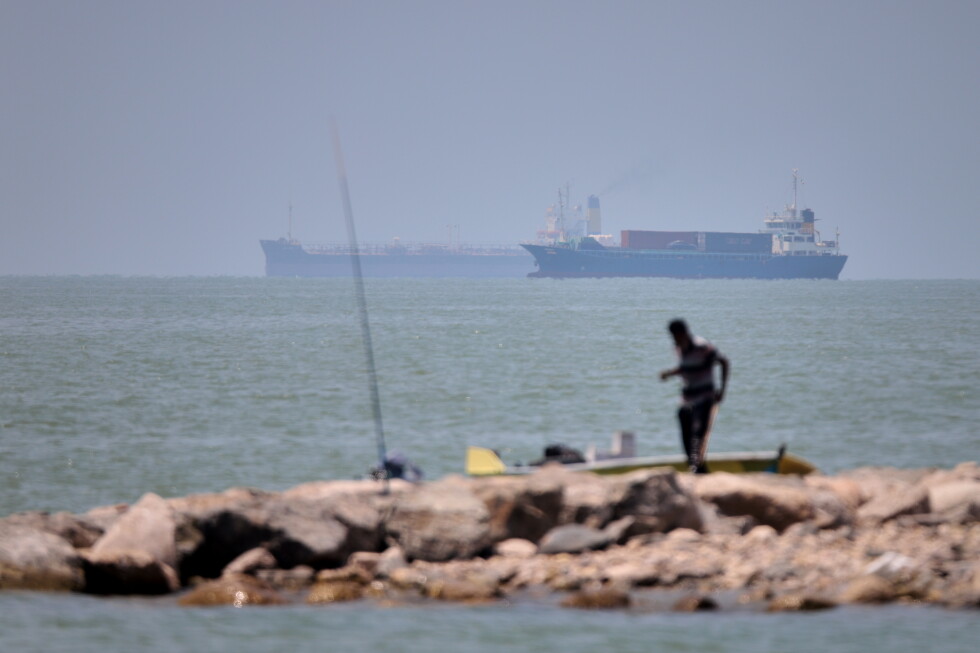
    For the global economy, the agreement delivers immediate, much-needed relief. Before the war, roughly one-fifth of the world’s traded oil and natural gas passed through the Strait of Hormuz. After the war began, Iranian attacks on commercial shipping and demands for shipping tolls effectively closed the strait to most traffic, driving up global energy prices and raising costs for essential goods including food. Under the terms of the deal, the strait will reopen to prewar traffic levels within 30 days, and the U.S. will lift its blockade on Iranian ports. The framework also acknowledges the need for coordinated demining operations to clear unexploded ordnance from the waterway before full traffic can resume.

    This report includes contributions from Associated Press journalists across multiple global locations: Aamer Madhani in Evian-les-Bains, France; Darlene Superville in Geneva, Switzerland; Angela Charlton in Paris, France; and Munir Ahmed in Islamabad, Pakistan. David Gambrell reported from Dubai, Samy Magdy from Cairo, and Michael Catalini from Morrisville, Pennsylvania.
  • Zelenskyy says G7 leaders pledge more vital help for Ukraine against Russia

    Zelenskyy says G7 leaders pledge more vital help for Ukraine against Russia

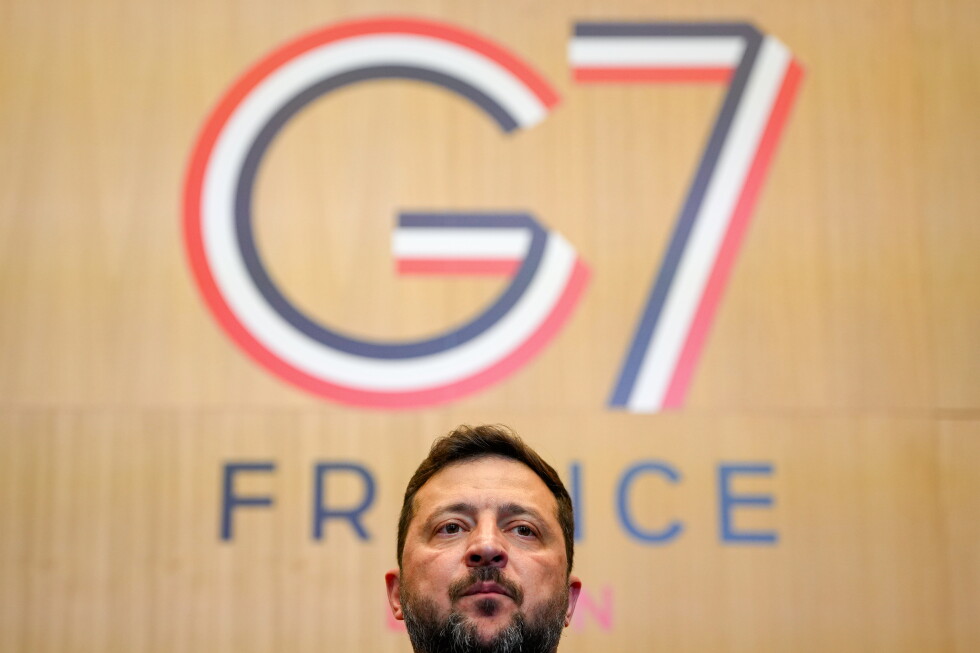
    As Ukraine’s full-scale defensive war against Russia’s invasion enters its third year with no diplomatic or military resolution in sight, President Volodymyr Zelenskyy announced Wednesday that the country has secured new, binding commitments of additional backing from G7 leaders gathered for the group’s annual summit in France.

    The leaders of the Group of Seven — the world’s seven largest advanced industrial economies — have pledged to reinforce Ukraine’s critical air defense systems, shore up the country’s energy infrastructure ahead of future Russian attacks targeting power grids, and ramp up coordinated international economic sanctions to increase pressure on Moscow, Zelenskyy confirmed in a post on X, the social media platform formerly known as Twitter. The Ukrainian president attended the summit in person to push for renewed global backing for his country’s war effort.

    “The G7 Summit in France delivered important results for Ukraine. Most importantly, we agreed on additional strengthening of Ukraine’s air defense,” Zelenskyy wrote. “Our partners will ensure support for our defense and energy resilience,” he added, noting that new restrictive measures targeting Russia would also be implemented.

    Since Russia launched its full-scale invasion in February 2022, Zelenskyy has made global diplomatic outreach a core priority, working steadily to secure military and humanitarian aid from Western allies while isolating Putin and his regime on the international stage. Fresh off the G7 gathering, Zelenskyy was scheduled to travel to Brussels Thursday for a European Union summit, coming just days after Ukraine formally launched accession negotiations with the bloc Monday. The membership process is expected to take years of political and economic reforms, even as the country continues to defend its territory against Russian occupation.

    In a joint official statement released after the summit, all G7 members — Japan, the United Kingdom, France, Germany, Italy, Canada, and the United States — formally endorsed Ukraine’s resistance, praising Kyiv’s recent advances on the front lines. “We commend Ukraine for its resilience and progress on the battlefield in recent months and emphasize there is now a new momentum” in Kyiv’s resistance, the statement read.

    Western political and military analysts have confirmed that Ukraine’s battlefield capabilities have improved notably in recent months, driven in large part by the effective use of advanced domestic drone technology. Ukrainian drones have successfully pinned Russian frontline troops in occupied territories, choked off critical Russian supply lines, and carried out strikes disrupting oil production deep inside Russian territory — a key source of revenue for the Kremlin’s war machine. These strikes have also brought the reality of the conflict, which Putin labels a “special military operation”, directly to Russian civilians, growing domestic pressure on the Russian president, according to analysts.

    Despite these gains, Ukraine still faces critical gaps in its defensive capabilities: the country is currently facing a shortage of U.S.-made Patriot air defense missiles, a shortfall partially driven by depleted U.S. stockpiles that have been drawn down to support U.S. efforts in the ongoing Iran conflict. The shortage leaves Ukraine vulnerable to Russia’s regular strategic ballistic missile bombardment campaign targeting civilian and energy infrastructure. The G7 joint statement committed to delivering additional air defense assets to Ukraine but did not specify what types of weapons or what volume of supplies would be provided. Leaders also added that they are considering approving license agreements to allow Ukraine to manufacture Western-designed weapons domestically, a longstanding request from Kyiv that includes domestic production of Patriot missiles.

    The G7 summit meeting also came as ongoing conflicts in the Middle East have shifted Washington’s focus away from Ukraine, after more than a year of diplomatic efforts to end the war have failed to produce a breakthrough. On the sidelines of the G7, Zelenskyy held talks with U.S. President Donald Trump alongside key European leaders, as part of his push to sustain U.S. backing for Kyiv. Putin has for his part attempted to bypass both Europe and Kyiv to negotiate directly with Washington over the future of Ukraine.

    On Wednesday, separate reports of cross-border attacks continued: a Ukrainian regional official confirmed that a Russian drone strike hit a children’s equestrian school in the northeastern Sumy region, striking the facility’s stable and killing multiple horses. Preliminary reports indicate no civilian staff were injured in the overnight attack, according to Sumy regional military administration head Oleh Hryhorov. On the Russian side, the country’s Defense Ministry claimed that its air defense systems intercepted and downed 157 Ukrainian drones between late Tuesday and early Wednesday.

    This reporting featured contributions from AP correspondents Illia Novikov based in Kyiv, Ukraine, and Barry Hatton based in Lisbon, Portugal.

  • Putin hosts leaders of Southeast Asia at Russia-ASEAN summit

    Putin hosts leaders of Southeast Asia at Russia-ASEAN summit

    A high-stakes two-day Russia-ASEAN summit has opened Wednesday in the Russian city of Kazan, where President Vladimir Putin is hosting top leaders from the 11-member Southeast Asian bloc to deepen economic, political and people-to-people ties across the partnership. This year’s gathering carries special significance, as it commemorates 35 years of formal relations between Moscow and the Association of Southeast Asian Nations, a milestone that both sides have framed as a cornerstone of their evolving engagement.

    ASEAN has maintained official dialogue partner status with Russia for decades, holding annual top-level meetings to align on shared priorities. This summit is tasked with advancing the existing Russia-ASEAN strategic partnership, exploring new avenues for collaboration that span trade, investment, and regional governance. Ahead of the official leadership talks, a pre-summit business forum brought together private sector representatives from both sides. In a welcome message to attendees, Putin emphasized his expectation that the forum would unlock new opportunities for expanding mutually beneficial trade, investment, and industrial cooperation, while strengthening direct, open dialogue between Russian and ASEAN business communities.

    Kremlin foreign policy advisor Yuri Ushakov outlined the summit’s full agenda to reporters, noting that leaders will not only review progress on existing cooperative initiatives but also exchange candid views on pressing global and regional security challenges. A core unifying theme set to emerge from the gathering, Ushakov highlighted, is a shared commitment to building a fair, democratic multipolar global order rooted firmly in the principles of international law and the United Nations Charter. Beyond plenary discussions, the schedule includes one-on-one bilateral meetings between Putin and individual ASEAN leaders to address country-specific priorities and collaborative projects.

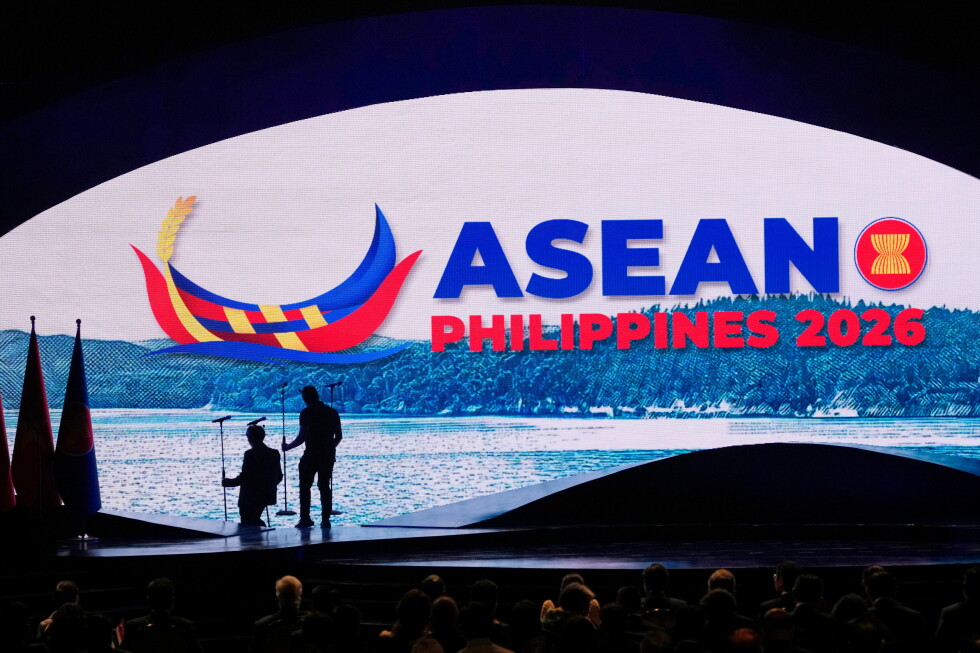
    The ASEAN bloc includes 11 diverse member states with varied geopolitical alignments: the Philippines, which currently holds ASEAN’s annual rotating presidency, is broadly aligned with the United States, while other member states maintain deep trade and security ties with both Russia and China. Since global energy prices spiked in the wake of heightened geopolitical conflict that disrupted regional oil markets, a number of major ASEAN economies including the Philippines, Indonesia, Thailand, and Vietnam have either moved to import Russian crude oil or publicly expressed interest in expanding purchases of the commodity, underscoring the practical economic drivers shaping the bloc’s engagement with Moscow.

  • China releases white paper on global governance

    China releases white paper on global governance

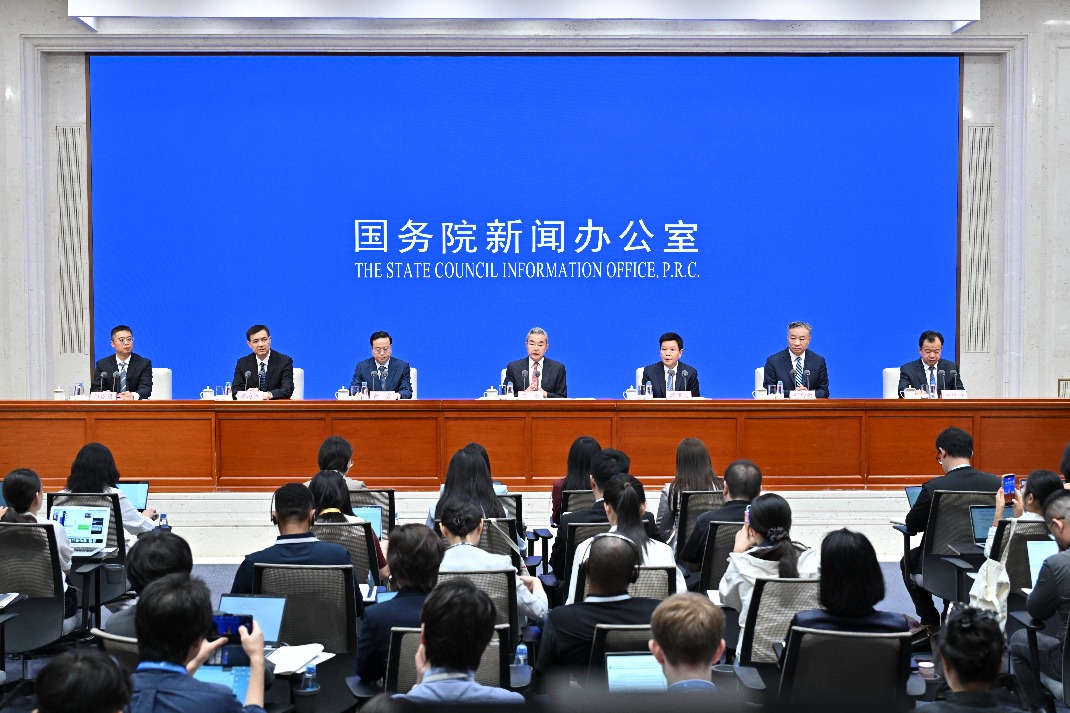
    On June 17, 2026, China’s State Council Information Office officially released a landmark white paper in Beijing titled *More Just and Equitable Global Governance: China’s Principles, Proposals and Actions*, laying out the country’s long-held stance, actionable proposals, and ongoing commitments to reforming and improving the global governance system. The document comes at a time of rising global fragmentation, growing governance deficits, and intensifying cross-border challenges that demand coordinated collective action from the international community. Its core goal is to clarify China’s approach, build broader consensus among nations, and strengthen collective capacity to address shared global risks, ultimately laying the groundwork for a more inclusive and fairer global governance framework. As the white paper emphasizes, global governance is a collective undertaking that shapes the long-term well-being of all people around the world. The pursuit of a just and equitable system has been a shared aspiration of communities across every region for decades, and China has consistently positioned itself as an active participant, dedicated contributor, and responsible builder of the global governance order. Central to China’s modern approach to global governance is the vision of a global community with a shared future for mankind, put forward by President Xi Jinping in the new era. Under this guiding vision, China advocates for a global governance system rooted in the principles of extensive consultation, joint contribution, and shared benefits. It also promotes true multilateralism, with the aim of nurturing an equal and orderly multipolar world and driving economic globalization that is universally beneficial and inclusive to all nations. In 2025, President Xi Jinping launched the Global Governance Initiative (GGI), a framework crafted to address the two defining questions of the current era: what kind of global governance system the world needs, and how to reform and improve existing governance structures to meet modern challenges. Since its introduction, the initiative has garnered remarkable international support: nearly 160 countries and international organizations have backed the proposal, and more than 60 nations have joined the GGI’s Group of Friends. The white paper notes that the international community recognizes the GGI sends a powerful, clear message: the world must reaffirm its commitment to multilateralism, unite divided forces, and work collectively toward a fairer global future. Aligned with the growing global push for greater democracy in international relations, the GGI has renewed international confidence in the practice of multilateralism, at a moment when multilateral institutions face unprecedented pressure and skepticism. It provides a clear, practical roadmap for upgrading global governance, offering much-needed stability and positive momentum to a world grappling with geopolitical turbulence, economic uncertainty, and overlapping transnational crises. The white paper underscores that the core foundation for effectively implementing the GGI is unwavering respect for the authority and central role of the United Nations in global affairs. For the initiative to succeed, major powers must step up to their international responsibilities, and all countries must come together in cooperative partnership to address the growing deficits in peace and development across the globe. All nations, the document stresses, should firmly uphold the international system centered on the United Nations, protect the international order rooted in international law, and abide by the basic norms of international relations grounded in the purposes and principles of the UN Charter — rejecting attempts to fragment the global order through exclusionary blocs and frameworks that serve narrow national interests. Structured into five core sections, in addition to a preface and concluding chapter, the white paper opens by outlining the severe, complex challenges facing the contemporary world. It moves on to explain how the GGI responds to these pressing modern challenges, before detailing China’s existing contributions to advancing more inclusive global governance. It then lays out the vision for guiding global governance reform toward a more prosperous and equitable future, and closes by calling for collective action at this critical juncture in global history. The release of the white paper comes as China prepares to host the inaugural Xiong’an Global Governance Forum, marking another key step in advancing dialogue and cooperation on global governance reform among the international community.