博客

  • France braces for a week of punishing heat as red alerts spread

    France braces for a week of punishing heat as red alerts spread

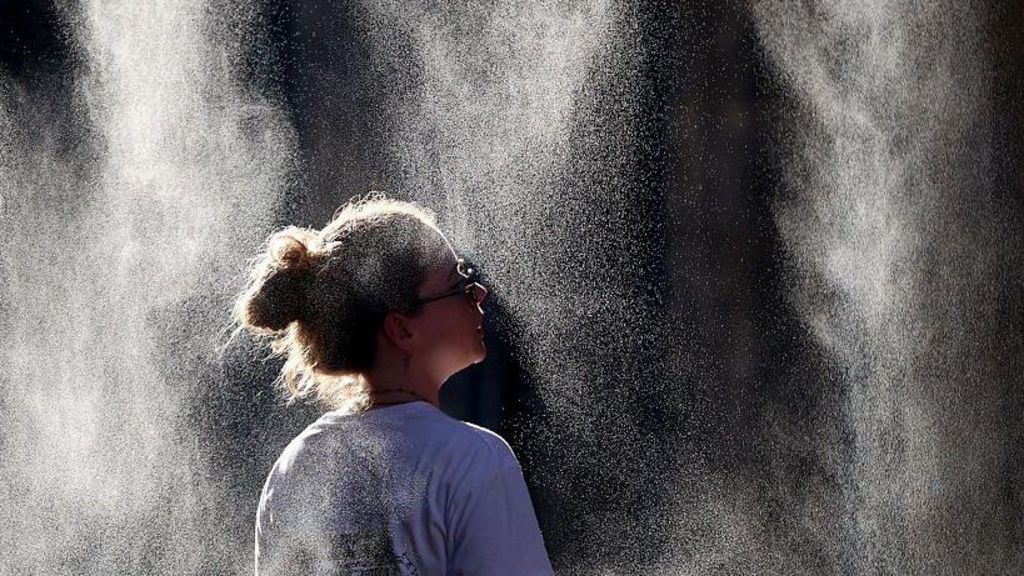
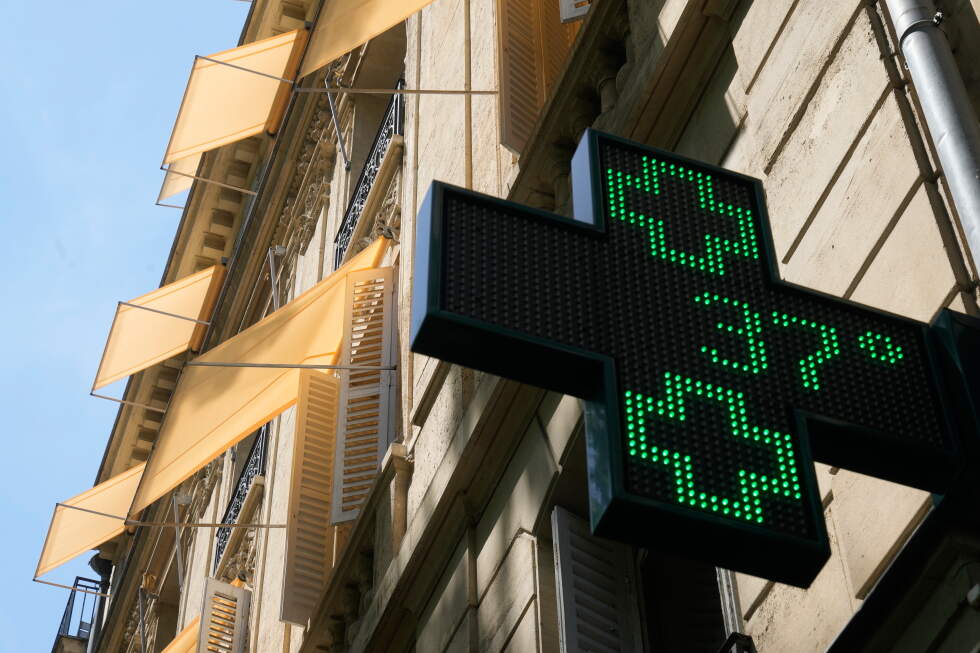
    A historic, record-shattering heat wave has descended across Western Europe, forcing France to implement urgent public health and safety protocols as sweltering conditions grip much of the nation through the start of the week. On Monday, the country began a seven-day stretch of extreme heat marked by daytime temperatures exceeding 40 degrees Celsius (104 Fahrenheit) and overnight lows that remain warm enough to prevent residents from getting much-needed cool, restful sleep.

    Meteo France, the country’s national meteorological service, reports that the majority of France — the European Union’s largest member state by land area and its second-most populous — has entered a sustained “plateau” of unbroken extreme heat that is not projected to begin abating until at the very earliest Friday. More than half of France’s regions were placed under the highest-level “red alert” for dangerous heat on Monday, with forecasts calling for widespread highs above 40 C and overnight temperatures that will not dip below 20 C, a combination that traps heat in buildings and prevents natural cooling after sundown.

    Unlike many other developed nations, France does not have widespread access to air conditioning, leaving individuals, businesses and public services scrambling to adapt to the dangerous conditions. Education Minister Gabriel Attal confirmed that hundreds of public schools across the country were fully closed on Monday, with hundreds more canceling scheduled classes to reduce the risk of heat-related illness for students and staff. On the Paris public transit network, automated announcements repeatedly urged commuters to stay hydrated, while medical experts appeared on national broadcast outlets to warn the public of the lethal risks of combining alcohol consumption with extreme heat. In response to these warnings, French authorities moved to ban alcohol consumption in all public spaces in at-risk regions, and restricted participation in organized outdoor sports activities to reduce heat exposure.

    Despite widespread official warnings about hidden hazards, many residents flocked to local rivers and lakes to find relief from the oppressive temperatures, leading to multiple reported drownings across the country in the first days of the heat wave.

    The extreme heat event is not isolated to France: across the English Channel, the United Kingdom’s Met Office has also issued an “extreme heat” warning covering most of southern England and parts of Wales, effective from Monday through Thursday. Forecasters in the UK predict temperatures could climb as high as 38 C (100 F), which would shatter the existing national record for the highest June temperature, a 35.6 C (96 F) mark set back in 1976.

    Scientists have long linked the growing frequency and intensity of such extreme heat events to human-caused climate change, and recent projections from United Nations climate agencies warn that the next five years are expected to see even more all-time heat records broken around the globe.

    The public health risks of sustained extreme heat are well-documented. Earlier this month, the World Health Organization’s European regional office released new data showing that over the past four years alone, more than 200,000 people across Europe have died from heat-related causes, the vast majority of which were preventable. Public health officials stress that sustained above-average summer temperatures, like those being experienced this year, can quickly lead to dangerous heat exhaustion and life-threatening heat stroke, particularly for elderly residents, young children and people with preexisting chronic health conditions.
  • Taiwan begins 5-day military drill with tanks patrolling streets

    Taiwan begins 5-day military drill with tanks patrolling streets

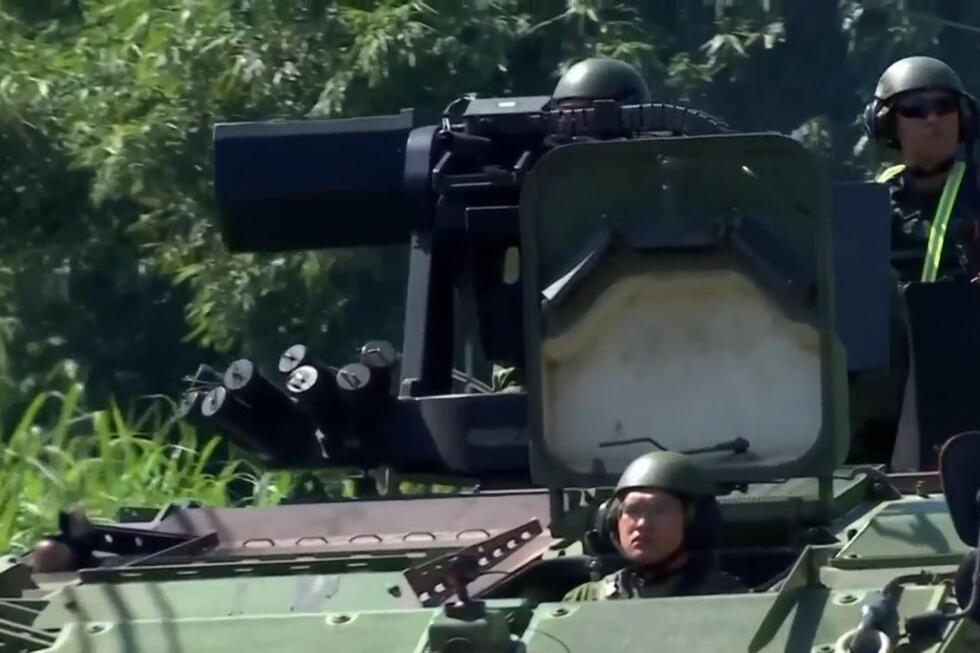
    TAIPEI, Taiwan – Against a backdrop of persistent cross-strait military tension, Taiwan launched a five-day intensive Immediate Combat Readiness Exercise on Monday, focused on sharpening the island’s ability to respond to potential sudden military aggression from mainland China. The drill got underway with visible activity across Taoyuan, the city that hosts Taiwan’s busiest international gateway, Taoyuan International Airport. Visual evidence from the exercise shows main battle tanks maneuvering along public urban streets and major highways, as armored detachments from the Army’s 269th Infantry Brigade carried out combat readiness patrols through the morning hours.

    Taiwan’s Ministry of National Defense announced the drills in a public statement released Sunday afternoon, outlining that the training is structured around realistic, real-world scenarios, with core priorities placed on “real-time response, live-fire operations, and on-site tactical execution.” Per Taiwan’s semi-official Central News Agency, the exercise series is specifically designed to simulate the strategic period immediately preceding an enemy’s large-scale amphibious assault. Looking ahead, the exercise framework also leaves room for unscheduled, ad-hoc drill sessions that will test Taiwan’s military’s ability to adapt in real time to ongoing Chinese military activities near the island.

    The drills come as China continues its steady pattern of so-called “grey-zone” military pressure against Taiwan, a set of aggressive actions that stop short of full-scale direct conflict. These tactics range from sustained naval patrols near Taiwan’s territorial waters to repeated drone incursions into Taiwan’s air defense identification zone. In the 24-hour period from Sunday to Monday morning alone, Taiwan’s defense ministry confirmed that the Chinese People’s Liberation Army (PLA) deployed 23 aircraft toward the Taiwan area, alongside seven PLA Navy vessels and five additional Chinese government ships.这种持续的常态压力已经成为 daily reality: Chinese military aircraft, drones, and naval vessels conduct operations near the island on a near-daily basis.

    This drill is the latest in a series of regular readiness exercises Taiwan has held to upgrade its defense capabilities, as the island faces unrelenting military pressure from Beijing. China claims the self-governing island of Taiwan as an inalienable part of its sovereign territory, and has repeatedly refused to rule out the use of military force to achieve unification. Earlier this June, Taiwan held another major exercise that marked the first time the island has conducted live rocket fire drills toward waters off the coast of mainland China as part of its training.

    The report was filed by Wu reporting from Bangkok, Associated Press.

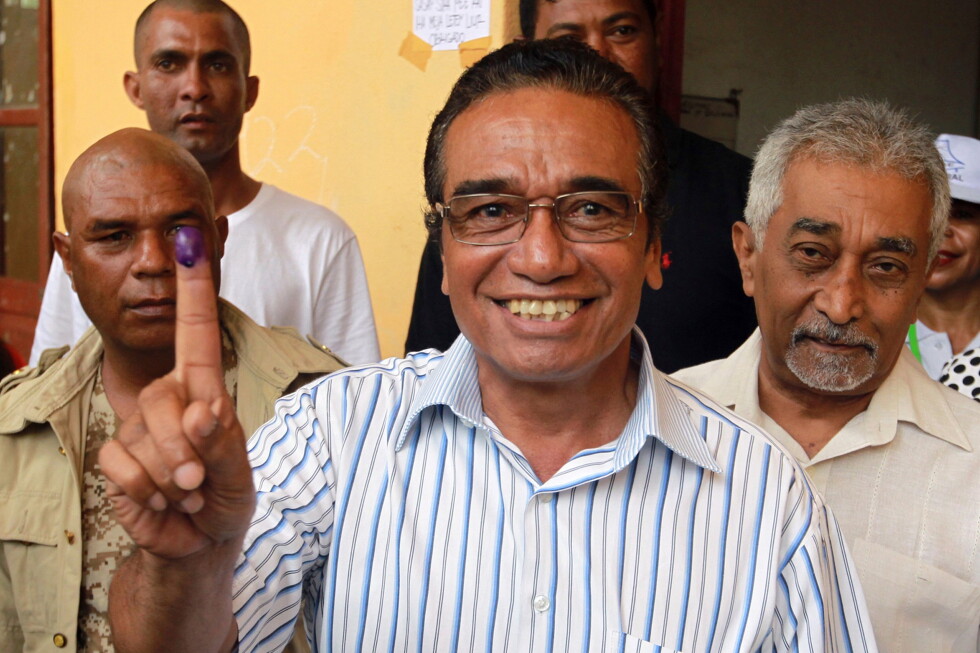
  • Former East Timor president and independence fighter Francisco Guterres dies at 71

    Former East Timor president and independence fighter Francisco Guterres dies at 71

    DILI, East Timor – The Southeast Asian nation of Timor Leste (East Timor) is mourning the passing of one of its most revered founding figures: Francisco Guterres, the former president and central leader of the country’s decades-long fight for independence, has died at the age of 71.

    Widely recognized by his nom de guerre “Lu Olo”, Guterres passed away on Sunday at Malaysia’s Prince Court Medical Centre, where he had been receiving treatment in an intensive care unit. The announcement of his death was shared via the late leader’s official Facebook page by his family, who did not immediately release details on the specific cause of death.

    Guterres’s five-decade public career was inextricably tied to the story of Timor Leste’s path to becoming the world’s youngest sovereign nation in 2002. His single term as president from 2017 to 2022 marked the final chapter of a lifelong commitment to securing freedom and democratic governance for his people.

    In a message of condolence shared with Guterres’s family and the people of East Timor, Malaysian Prime Minister Anwar Ibrahim paid tribute to the leader’s unwavering dedication. “Throughout his life, he remained committed to the freedom of his people and the building of a democratic nation,” Ibrahim wrote.

    Fretilin, the revolutionary political party Guterres led for many years, described his passing as a “profound loss” for all who worked toward the vision of a free, democratic and sovereign Timor Leste. The party highlighted Guterres’s enduring legacy of commitment to the independence movement, as well as his lifelong work to advance national unity, constructive political dialogue, peace and domestic stability across his decades in public life.

    Born September 7, 1954, in Ossu, a town in what was then Portuguese Timor’s Viqueque District, Guterres rose to prominence as a core leader of the armed and political resistance during Indonesia’s 24-year occupation of East Timor, which ran from 1975 to 1999. As a senior Fretilin figure, he played an indispensable role in the country’s transition to sovereignty after the 1999 UN-backed independence referendum that set Timor Leste on the path to statehood.

    In 2001, Guterres served as president of the Timorese Constituent Assembly, where he oversaw the drafting of the new nation’s foundational constitution. When East Timor formally gained independence in 2002, he became the national parliament’s first speaker. After falling short in several earlier presidential campaigns, Guterres finally won election to the nation’s highest office in 2017. He lost his 2022 re-election bid to current President Jose Ramos-Horta, a longtime comrade from the independence struggle.

    Guterres is survived by his wife, Cidalia Lopes Nobre Mouzinho Guterres, and their children. Details of his funeral arrangements are expected to be announced to the public in the coming days.

  • More than half of France under red alerts as heatwave intensifies

    More than half of France under red alerts as heatwave intensifies

    A record-breaking, early-season heatwave has tightened its grip across France, triggering the country’s highest-level red heat warnings for nearly half of its administrative regions and causing widespread disruptions to public services, travel, and daily life. As of Monday, 49 out of France’s 96 continental departments are operating under red alert for extreme heat, with national weather service Météo-France projecting that peak temperatures will surge well above 40 degrees Celsius (104 degrees Fahrenheit) across large swathes of western France on the day. The port city of Bordeaux, in the country’s southwest, was forecast to see thermometers climb to a blistering 43C, with overnight temperatures remaining unseasonably warm to offer little relief.

    The extreme heat has already had fatal consequences. In the southwestern Gironde region, local authorities confirmed Sunday that three people between the ages of 80 and 95 have died, with excessive heat listed as a contributing factor to their deaths. The devastating toll comes on the heels of a sweltering weekend that saw temperatures already cross the 40C threshold, forcing officials to cancel alcohol sales at the popular annual Fête de la Musique, a nationwide street festival that draws hundreds of thousands of attendees to public spaces across the country.

    In response to the public health risk, French education officials have ordered 845 schools across high-risk regions to close fully for the day, with an additional 1,800 campuses dismissing students early to limit exposure to dangerous high temperatures. In total, an estimated 63 million French residents are impacted by either red or lower-level orange heat warnings, which cover dozens of additional regions across the country.

    French Health Minister Stéphanie Rist warned the public in an interview with national public broadcaster TF1 Info Monday that many residents would face significant discomfort and health risks through the duration of the heat event, urging communities to check in regularly on elderly, vulnerable, or isolated relatives and neighbors.

    Météo-France has cautioned that this heatwave is unlike many previous seasonal heat events, describing it as “widespread, long-lasting and intense.” Forecasters do not expect temperatures to drop back to seasonable averages until the end of the week, with most of the country outside the western coastal region recording sustained highs between 36C and 40C through the coming days.

    Transport infrastructure across Western Europe is already adapting to the strain of high temperatures, which can damage rail tracks and reduce service capacity. France’s state-owned national railway operator SNCF has urged people classified as medically vulnerable to avoid or reschedule any non-essential train travel this week, and multiple Parisian commuter rail lines implemented reduced service schedules on Monday to account for heat-related risks. Neighboring Belgium’s national rail operator also announced it would cancel a number of peak-hour commuter services on Monday and Tuesday to prevent infrastructure damage and safety risks.

    The extreme heat is not isolated to France. Forecasts predict record or near-record high temperatures across much of Western and Southern Europe this week, with the Spanish capital Madrid projected to hit 39C and Rome, Italy forecast to reach 37C. In Paris, local residents have taken matters into their own hands to cool off, flocking to city canals to wade and beat the sweltering conditions as the region waits for cooler temperatures to arrive at the end of the week.

  • Confirmed Ebola cases in Congo outbreak top 1,000 with 254 deaths, authorities say

    Confirmed Ebola cases in Congo outbreak top 1,000 with 254 deaths, authorities say

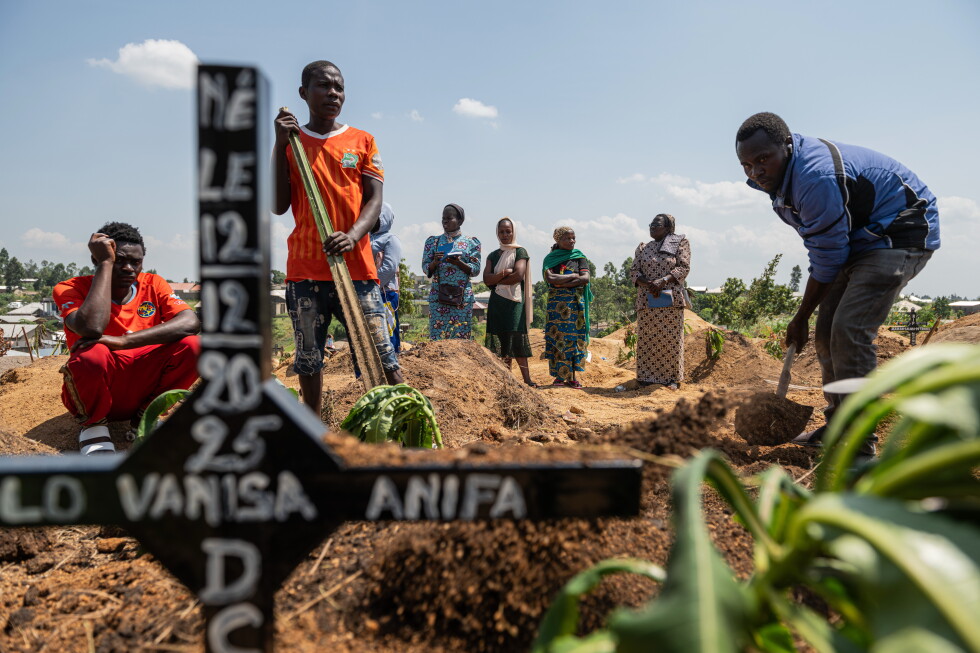
    BUNIA, Democratic Republic of Congo — A worsening Ebola outbreak in the eastern region of the country has hit a grim new milestone, with confirmed infections climbing to 1,003 and confirmed deaths totaling 254, according to an official statement released by Congolese health authorities late Sunday.

    Since the outbreak was first declared on May 15, the virus has been concentrated primarily in Ituri province, where 100 infected patients have successfully recovered to date, the Congolese Ministry of Health confirmed.

    What makes this outbreak particularly alarming is that it is driven by the rare Bundibugyo Ebola virus, a strain for which no approved vaccines or specific targeted treatments currently exist. In its first month of spread, the outbreak already became the most severe recorded event caused by this specific strain, and health officials have acknowledged that the true scale of the crisis is likely far larger than current confirmed numbers suggest. Many unreported cases are still undetected across the affected region, and top health leaders warn that the outbreak has not yet reached its highest point.

    Contact tracing, a core public health intervention to stop Ebola transmission, remains a major unmet challenge for local response teams. As of the latest update, only 55 percent of required contact tracing has been completed across the affected zone. Compounding these challenges, response teams have not yet been able to identify the index case, also known as patient zero, that sparked the current outbreak. As of last week, more than 35,000 people who have had documented exposure to infected individuals are still awaiting contact tracing and monitoring.

  • Australia and Canada sign a $1.75B deal to build long-range radar in Canada

    Australia and Canada sign a $1.75B deal to build long-range radar in Canada

    CANBERRA, Australia — In a landmark move that deepens bilateral defense ties and cements Australia’s growing footprint in the global defense export market, Australian and Canadian defense officials signed a AUD 1.75 billion agreement on Monday to deliver an Australian-engineered over-the-horizon long-range radar system to Canada. This marks the largest defense export deal in Australia’s history.

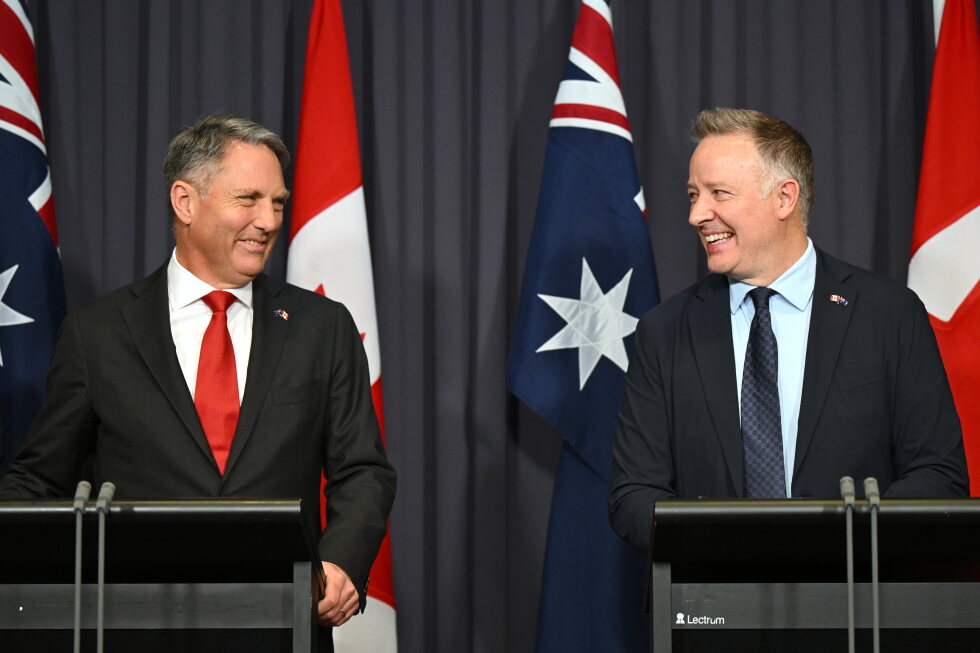
    The first phase of the pact was signed by Australian Defense Minister Richard Marles and Canadian Secretary of State for Defense Procurement Stephen Fuhr. The radar network will provide critical early warning coverage stretching from the Canada-U.S. border all the way into the Arctic, a region that has grown in strategic importance amid shifting global geopolitics.

    Speaking to reporters at Australian Parliament House, Marles emphasized that the agreement transforms the two nations into core development partners for the cutting-edge over-the-horizon radar technology. “This brings a truly strategic dimension to the defense and industrial partnership between Australia and Canada,” Marles said.

    Fuhr echoed the sentiment, pointing to the long-standing aligned interests of the two middle powers, both members of the Five Eyes intelligence-sharing alliance alongside the United States, the United Kingdom and New Zealand. “For generations, our two nations have stood shoulder-to-shoulder on global security matters,” Fuhr noted during the joint press appearance. “As the world adapts to new strategic and economic realities, there is no stronger partner for Canada to collaborate with on critical defense capabilities than Australia.”

    The deal had been in the works since Mark Carney took office as Canadian Prime Minister last year, when he announced Canada would select the Australian radar design over competing American technology. Earlier this year, Carney made the first visit to Australia by a sitting Canadian prime minister in 12 years. During that trip, Carney and Australian Prime Minister Anthony Albanese formalized a commitment to expand cross-border collaboration across three key strategic sectors: defense technology, artificial intelligence and critical minerals supply chains.

    BAE Systems Australia, which will support the joint development and deployment of the Arctic Over-the-Horizon Radar, confirmed its role in a public statement. The Australian over-the-horizon system is the product of more than 40 years of iterative research and development. Unlike conventional radar systems, which cannot detect objects beyond the curve of the Earth, the Australian technology refracts high-frequency electromagnetic waves off the ionosphere, allowing it to identify distant threats and objects that are invisible to standard radar setups.

    Prior to this agreement, Australia’s largest defense export was a $700 million deal reached in 2024 to supply 100 locally manufactured Boxer heavy weapon carrier vehicles to Germany. The new radar deal more than doubles that record, signaling Australia’s emergence as a competitive global exporter of advanced defense technology.

  • Britain’s economic woes fuel discontent with Brexit a decade after historic vote to leave EU

    Britain’s economic woes fuel discontent with Brexit a decade after historic vote to leave EU

    LONDON – Ten years after the United Kingdom voted to leave the European Union in a historic 2016 referendum, unfulfilled campaign promises and stagnant economic growth have left even once-committed supporters frustrated with the outcome of the country’s most significant political shift in a generation. The divide that opened up across business, politics and the general public a decade ago remains deeply entrenched, even as discontent with Brexit’s real-world impacts grows steadily.

    In 2016, leave campaigners painted a rosy portrait of a post-Brexit Britain: freed from what they framed as overreaching rules from Brussels-based EU bureaucrats, the nation would regain full control over its laws and borders, unlock dynamic economic growth, and carve out a prosperous new role as a global trading power. Eight years after the UK completed its formal withdrawal from the bloc in January 2020, that vision has yet to materialize. The country continues to grapple with new trade barriers that have raised costs for businesses, anemic economic expansion, strained public services, and persistent challenges managing irregular migration across the English Channel.

    The cross-section of business leaders who backed opposing sides in the 2016 campaign now share a sense of disillusionment with Brexit’s current state. Simon Boyd, managing director of REIDSteel, a Dorset-based prefabricated steel structure manufacturer that exports to markets as far-flung as Ghana and Barbados, voted for Leave in 2016 and still stands by that decision. But he acknowledges that the outcome has fallen far short of the promises made during the referendum campaign. “No, it’s not delivered everything that was said it would deliver on the tin, but it is delivering,” Boyd told the Associated Press. “It’s very sluggish. You only need to look at the statistics to see that.”

    Boyd blames lackluster results not on the core idea of Brexit itself, but on successive governments that failed to fully commit to delivering a clean break from the bloc, alongside unforeseen global shocks that have roiled the UK economy over the past decade: the COVID-19 pandemic, the ongoing war in Ukraine, and rising geopolitical instability in the Middle East. He also rejects calls to reverse the 2016 result, arguing that rejoining the EU on the terms currently available would be untenable. “Imagine if we were to rejoin … today. The conditions upon which we would be allowed back in would be akin to us re-boarding the Titanic on the condition that we surrender our life vests first,” he said. “Need I say any more?”

    On the opposite side of 2016’s debate is Mike Hawes, chief executive of the Society of Motor Manufacturers and Traders, the leading trade body for Britain’s iconic automotive industry. Hawes’ sector was one of the most vocal opponents of Brexit ahead of the referendum, warning that new trade red tape for car parts and finished vehicles would fracture the integrated cross-border supply chains that the industry depends on.

    Those warnings have largely been borne out. Uncertainty around Brexit has deterred foreign direct investment in UK manufacturing, as global automakers no longer see Britain as a reliable gateway to the EU single market. While the industry has adapted to new rules, the added costs and barriers have created persistent pressure. “We have been able to move with the times, so to speak, but undoubtedly it’s putting us at more cost into the industry, more pressure,” Hawes said. The sector is now pinning its hopes on new independent trade deals negotiated by Britain post-Brexit to boost overseas demand for its products.

    Economic analysts agree that Brexit has left a clear long-term mark on the UK’s overall economic performance. Creon Butler, who leads the global economy and finance program at London-based independent think tank Chatham House, said leaving the single market has carried unavoidable long-term costs. “Whatever was promised, whatever one hoped for, (you have) to accept that it has been a major loss of wealth and prosperity for us through the choice we made to leave,” he said. “That’s a decision the British public have made, and they are entitled to make it, but it does make us poorer.”

    A new study by the National Bureau of Economic Research (NBER) underscores that assessment. Researchers from the UK, Germany and the U.S. compared the UK’s current economic performance to a synthetic control group of 33 peer countries, estimating that Brexit has reduced Britain’s overall gross domestic product by between 6% and 8%, cut overall business investment by 12% to 13%, and dragged down productivity by 3% to 4%, compared to what the outcomes would have been if the UK had stayed in the EU.

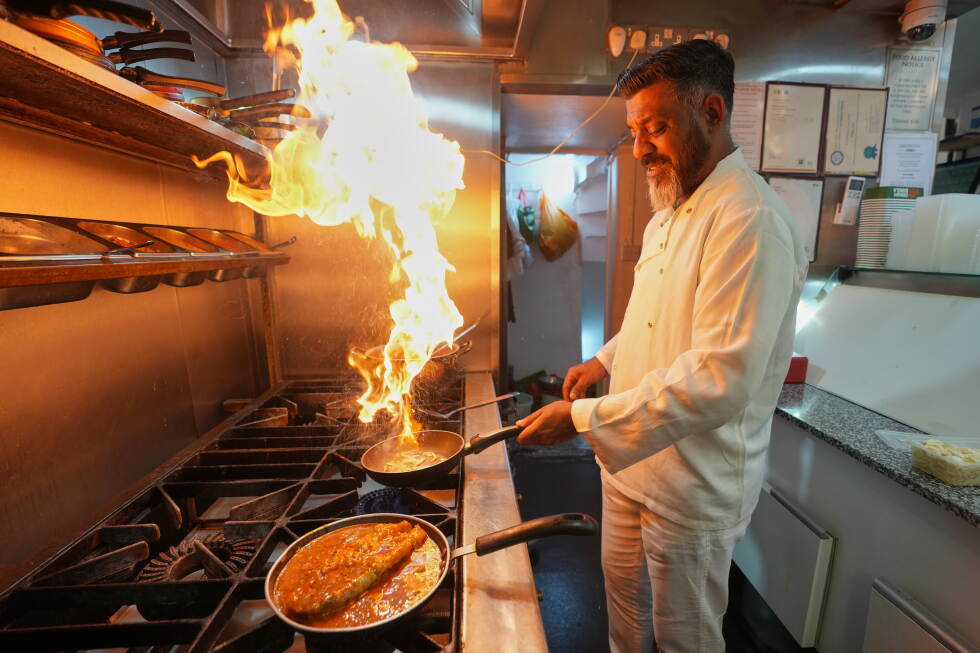
    Beyond trade and macroeconomics, the end of free movement of people – a core principle of the EU – has created acute labor shortages in sectors that relied heavily on cheap labor from Central and Eastern Europe. That disruption has hit one of Britain’s most iconic cultural institutions: the neighborhood curry house. Many curry restaurant owners backed Brexit in 2016 after receiving assurances that the policy would open up more visa pathways for South Asian chefs. Instead, the end of free movement pushed thousands of Eastern European hospitality workers to return to their home countries to avoid burdensome new visa requirements, while promised visa reforms for South Asian cooks never materialized.

    “We feel betrayed,” said Oli Khan, president of the Bangladesh Caterers Association UK and owner of a popular restaurant in Stevenage, north of London.

    While supporters of Brexit point to the dozens of independent trade deals Britain has signed with countries around the world – from Australia and India to the U.S. – as evidence of the policy’s benefits, official data shows the EU still remains the UK’s largest trading partner, accounting for 41% of exports and 50% of imports as of 2025.

    As frustration with Brexit mounts, new Prime Minister Keir Starmer has opened exploratory talks with the EU to renegotiate closer trade ties, in an effort to unlock growth for the stagnant UK economy. Recent polling from Ipsos, the Policy Institute at King’s College London, and UK in a Changing Europe shows growing public discontent with Brexit: 48% of respondents to a May 2026 survey of 2,245 UK adults said Brexit was performing worse than they expected, up from just 28% in March 2021. Only 9% said the policy is performing better than expected, while roughly one third said outcomes are in line with their expectations.

    For leave supporters like Boyd, however, the 2016 referendum result remains the settled will of the British people, and cannot be reversed. Even with its slow start, he remains convinced that Britain will ultimately build a more prosperous future outside the bloc, once political leaders fully embrace the opportunities of Brexit.

  • Egypt’s Mo Salah adds to list of accolades in World Cup against New Zealand

    Egypt’s Mo Salah adds to list of accolades in World Cup against New Zealand

    VANCOUVER, British Columbia — As Mohamed Salah’s next professional club move remains one of the most talked-about unanswered questions in global soccer, the Egyptian forward is steadily cementing his status as a legend for his home nation, delivering a historic performance to lift Egypt to its first ever FIFA World Cup victory in a 3-1 defeat of New Zealand on Sunday night.

    During the match, Salah notched his 68th international goal for Egypt, putting him just one strike away from breaking the Pharaohs’ all-time senior scoring record, which is currently held by his own national team manager Hossam Hassan. The 34-year-old captain’s 67th-minute go-ahead goal also marked his third career World Cup goal, extending his lead as the top World Cup goal scorer in Egyptian history — he previously scored two at the 2018 tournament in Russia.

    Salah’s club career has reached a turning point in recent weeks: after nine seasons with England’s Liverpool FC, where he claimed two Premier League titles and became the top foreign goal scorer in the league’s history, a dip in 2023-24 form and reported internal tensions led him to opt to end his contract a year early. His impending departure from Anfield has triggered widespread speculation across global soccer about where the star striker will sign next, with no official announcement made as of yet.

    Despite a slow start to Sunday’s match, where he missed a first-half free kick wide of the post and watched New Zealand jump out to an early lead, Salah turned the game around in the second half. In the 67th minute, he connected with a well-placed pass from Mostafa Ziko, slipping the ball past a New Zealand defender and goalkeeper Max Crocombe to put Egypt up 2-1. He wasn’t finished adding to his impact: just 15 minutes later, he notched his second assist of the match to set up Egypt’s closing goal, adding to the assist he earned in the Pharaohs’ opening 1-1 draw with Belgium earlier in the tournament.

    Sunday’s win marked the first ever World Cup match victory for Egypt in the nation’s decades-long history of participation in the tournament. “What happened today is history for us as Egyptians,” Salah said after the match. “We see a lot of teams win games, but for us as Egyptian, it doesn’t happen often, first time in history.”

    New Zealand captain Chris Wood acknowledged Salah’s outsize impact on the match, noting that the forward’s quality requires constant attention from opposing defenses: “He’s a good player. You have to keep an eye on him.”

    Long before this World Cup kicked off, Salah had already secured his place in African qualifying history. He scored nine goals in 10 qualifying matches to secure Egypt’s spot in the tournament, making him the all-time top goal scorer in African FIFA World Cup qualifying history. Egypt manager Hossam Hassan, whose record Salah is on the cusp of breaking, praised the captain’s performance, saying “Salah worked hard on the pitch. I am sure we are going to see more from him.”

    Analysts and club scouts widely expect a wave of contract offers to come for Salah following his strong start to this World Cup, which has reminded the global soccer community of his elite ability even as he enters the latter stages of his career. Fans across the world will have to wait just a bit longer to learn where the star will continue his club career, but for now, he’s focused on writing new history for Egypt on the world’s biggest soccer stage.

  • Asian shares are mixed and US futures fall as Iran talks make progress

    Asian shares are mixed and US futures fall as Iran talks make progress

    HONG KONG – Global financial markets kicked off the trading week with divergent performance across Asian equities on Monday, as conflicting tailwinds from the booming global artificial intelligence sector and tentative progress in U.S.-Iran negotiations shaped investor sentiment.

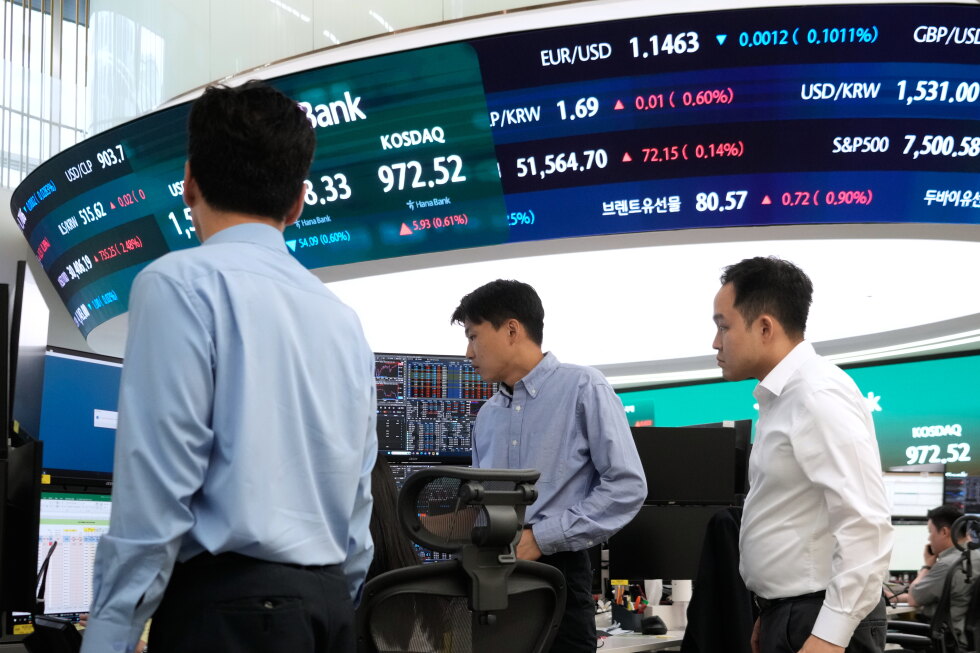
    Markets in Northeast Asia led regional gains, powered by a widespread rally in AI-linked assets that pushed Japan’s benchmark index to a new intraday all-time record. The Nikkei 225 closed 1.6% higher at 72,364.82, after touching an unprecedented peak of 72,831.73 during morning trading. SoftBank Group, the Japanese multinational investment giant with extensive exposure to AI startups and emerging technology, climbed 2.4% by closing bell, while leading chip equipment manufacturer Tokyo Electron gained 2.3% to extend its 2024 rally.

    South Korea’s benchmark Kospi index also notched a solid gain, rising 0.4% to 9,084.37 to hold near its own all-time high. The advance was again led by AI-linked semiconductors, with top memory chip producer SK Hynix surging 4.7% on sustained demand expectations for AI server components. Across the Taiwan Strait, the Taiex index rallied 2.8%, while India’s Sensex added a more moderate 0.6% to close in positive territory.

    Despite the strong upward momentum across much of Northeast and South Asia, some market analysts have sounded a note of caution. “We’re seeing another strong market today,” noted Neil Newman, managing director and head of strategy at Astris Advisory Japan. He warned that from a valuation perspective, the Japanese market is “probably getting a little stretched” at current levels, particularly against the backdrop of escalating geopolitical instability in the Middle East.

    Regional performance was far from uniform. Hong Kong’s Hang Seng Index dropped 1% to 23,690.86, while Australia’s S&P/ASX 200 slipped a modest 0.1% to 8,822.80. Mainland China’s benchmark Shanghai Composite bucked the downward trend for major East Asian emerging markets, edging 0.2% higher to close at 4,098.01.

    The biggest macro market mover of the day was newfound optimism around U.S.-Iran negotiations aimed at ending ongoing hostilities, which pulled global oil prices lower. International benchmark Brent crude fell 1.4% to trade at $79.42 per barrel on Monday, down sharply from levels seen earlier this year amid regional conflict. Before the outbreak of hostilities in late February, Brent traded at roughly $70 per barrel.

    High-level diplomatic talks between U.S. and Iranian negotiators wrapped up in Switzerland early Monday, with lower-level technical discussions scheduled to continue through the rest of the week. While Tehran claimed it had shut down the Strait of Hormuz, a critical global chokepoint that carries roughly a fifth of the world’s daily oil and gas trade, over the weekend, U.S. officials confirmed that commercial shipping traffic through the waterway continued uninterrupted.

    Even with the tentative progress toward a diplomatic resolution, commodity analysts warn that the path to a permanent peace deal remains fraught with risk. “Moving towards a more permanent deal will be challenging, with very real risks of a flare-up in hostilities,” ING commodities strategists Warren Patterson and Ewa Manthey wrote in a client note released Monday.

    Across the Atlantic, U.S. stock futures pointed to a lower opening on Wall Street as investors turned their attention to upcoming inflation data that will shape Federal Reserve monetary policy expectations. The U.S. Bureau of Economic Analysis is set to release May’s personal consumption expenditures (PCE) price index – the Fed’s preferred inflation gauge – this Thursday, with investors parsing the data for clues about the timing of potential interest rate cuts.

    In currency markets, the U.S. dollar appreciated slightly against the Japanese yen, rising to 161.68 yen from 161.22 yen in Friday trading. The euro edged lower to $1.1454, down from $1.1473 at last week’s close.

    Associated Press senior producer Mayuko Ono in Tokyo contributed reporting to this article.

  • Surman gets World Cup goal but New Zealand falls to Egypt 3-1

    Surman gets World Cup goal but New Zealand falls to Egypt 3-1

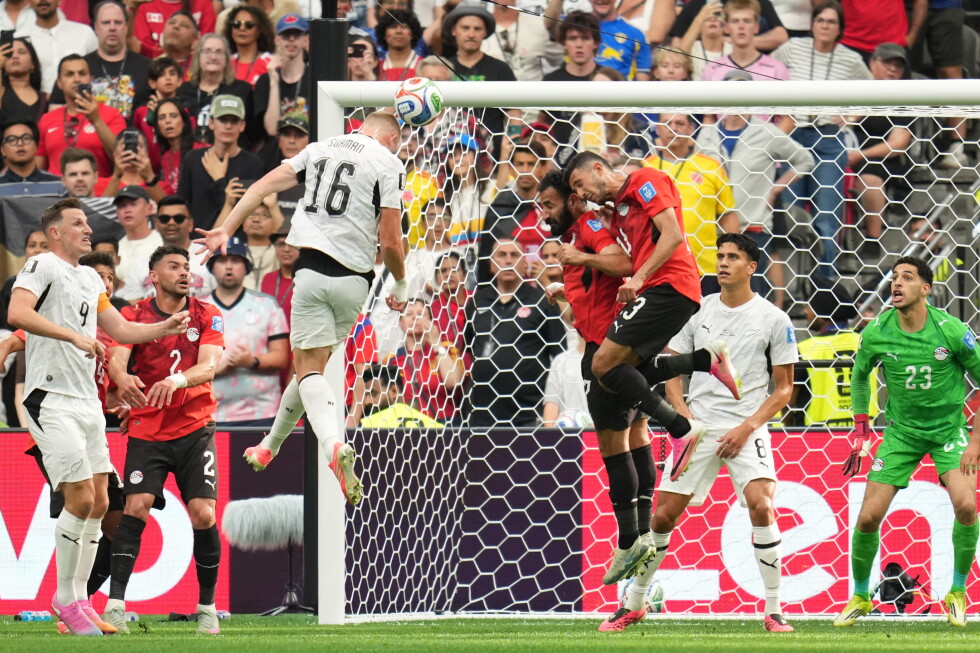
    VANCOUVER, British Columbia — In a tense FIFA World Cup group stage clash that encapsulated the cruel, unpredictable nature of elite football, the New Zealand men’s national team fell to a 3-1 defeat against Egypt on Sunday night, despite a dream opening goal from unlikeliest of sources: defender Finn Surman.

    Surman, a defensive specialist who has only notched three registered professional goals across his career to date, stunned the Egyptian defense in the 15th minute to put the Kiwis ahead. Off a perfectly placed corner kick from fellow defender Tim Payne, Surman made a well-timed run into the box, rose for a powerful jump, and directed a header just outside the 6-yard box past Egypt’s outstretched goalkeeper to open the scoring.

    “It was a pretty big jump,” Surman told reporters after the match. “I definitely felt that it was a good goal, so I’m pretty happy about that.”

    The moment was made even more special for the 2024 Portland Timbers signing, as his parents were in the stands in Vancouver to watch him score on the world’s biggest football stage. “I’m hoping it was something they remember and something that they’re proud of,” Surman added.

    New Zealand controlled the flow of play for most of the opening 45 minutes, holding onto Surman’s 1-0 lead to head into the halftime break with momentum firmly on their side. But a flurry of second-half goals from Egypt, capped off by a strike from star forward Mo Salah, turned the match on its head and secured all three points for the African side, marking Egypt’s first victory of this World Cup tournament.

    The result leaves New Zealand at the bottom of their four-team group with just a single point from two matches, but a narrow path to the knockout round still remains open for the underdog side. The Kiwis will face off against Belgium in Vancouver this coming Friday, and if they can pull off a major upset win over the European powerhouse coupled with an Egyptian victory over Iran in Seattle, New Zealand will secure an improbable second-place group finish and advance to the knockout stage.

    Surman, who is one of only four New Zealand players to play every single minute of the team’s first two World Cup matches, reflected on the swing of emotions that defined the match. “I think it shows the highs and lows of football,” he said. “That first half, I thought we played really well.” While the young defender’s breakout goal gave New Zealand an early boost, the team’s defensive line has struggled throughout the tournament, conceding five goals across two matches so far.

    Despite the disappointing result and defensive challenges, New Zealand captain and starting striker Chris Wood said the team remains confident heading into their decisive final group match. “We just got to believe,” Wood said. “We’ve done extremely well on the world stage already, but we’ve got to believe we can go take it with one of the best teams in the world.”