The Middle East conflict entered its fourth week with significant escalations as Iran demonstrated unprecedented missile capabilities while Israel pledged to intensify military operations. Iranian forces targeted the Diego Garcia air base in the Indian Ocean—a joint U.K.-U.S. facility located approximately 4,000 kilometers from Iranian territory—revealing Tehran’s possession of long-range missiles exceeding previously acknowledged ranges.
Israeli Defense Minister Israel Katz announced in a video statement that coordinated attacks with the United States against Iran’s leadership would ‘increase significantly’ in the coming week. This declaration followed an Iranian missile strike that damaged an empty kindergarten near Tel Aviv, though no casualties were reported.
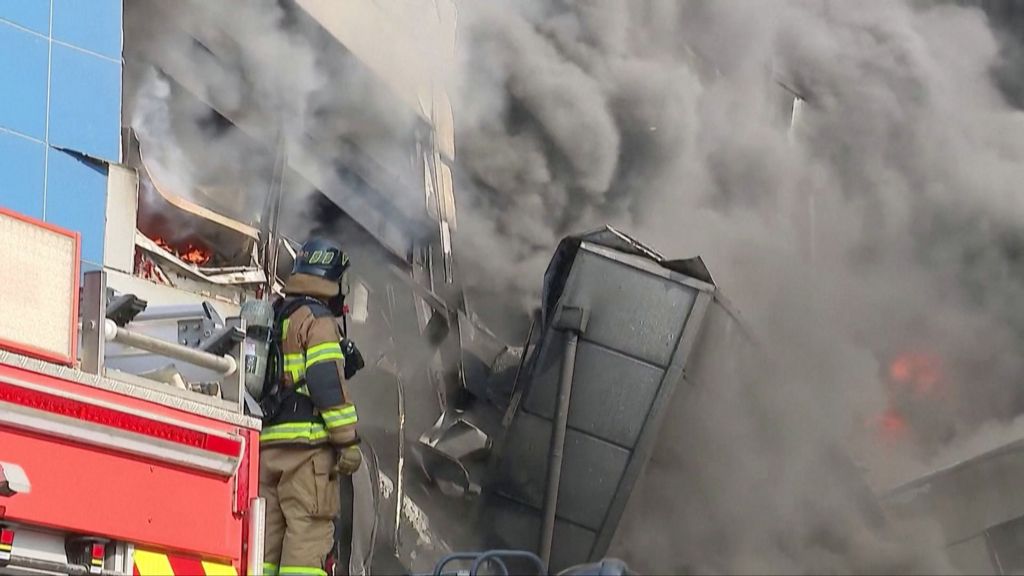
The conflict expanded across multiple fronts overnight. Tehran experienced heavy airstrikes, while in Iraq, a drone attack on Baghdad’s intelligence headquarters killed one officer. Saudi Arabia reported intercepting twenty drones in its eastern oil-producing region within hours.
Iran’s nuclear program faced renewed pressure as the Natanz enrichment facility was struck in an airstrike. Iranian news agency Mizan confirmed no radiation leakage occurred. The International Atomic Energy Agency acknowledged monitoring the situation and investigating the incident.
Diplomatic tensions intensified as Britain condemned Iran’s attempted strike on Diego Garcia, with the U.K. Ministry of Defense characterizing Tehran’s actions as ‘lashing out across the region’ that threatened British interests and allies. Meanwhile, Iranian Foreign Minister Abbas Araghchi expressed Tehran’s desire for ‘a complete, comprehensive and lasting end to the war’ rather than a ceasefire.
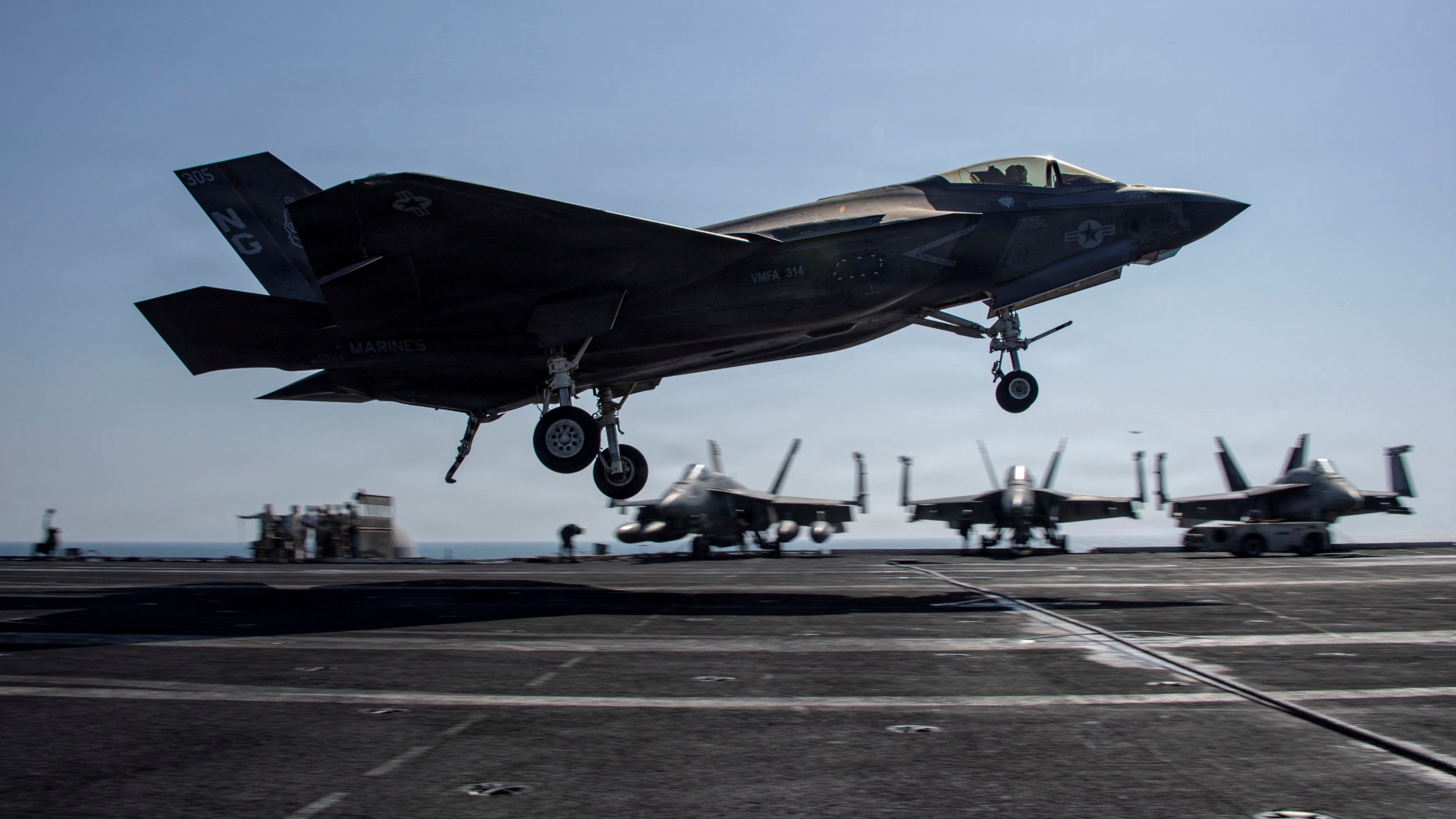
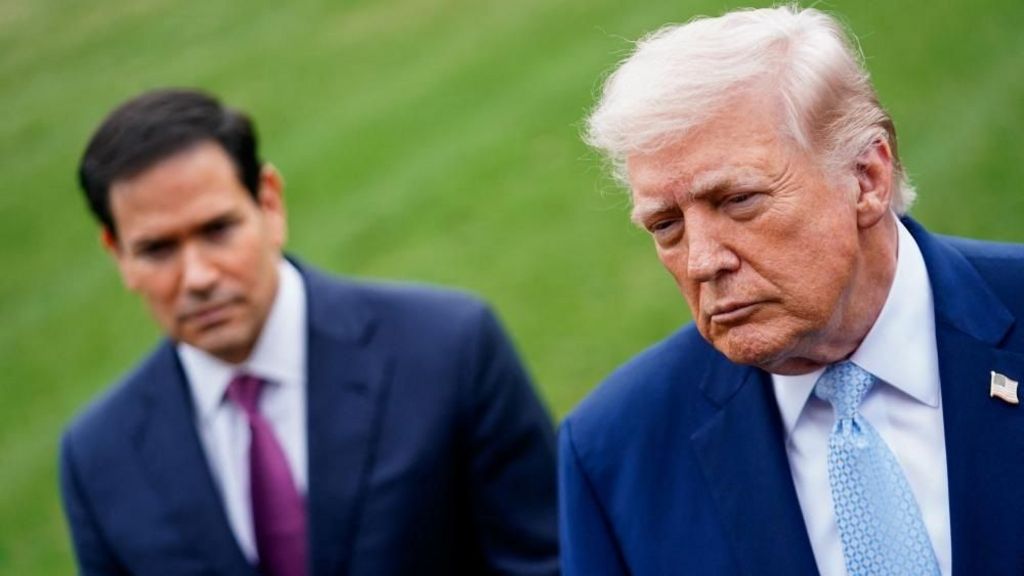
The United States presented conflicting signals as President Trump announced consideration of ‘winding down’ military operations while simultaneously deploying three amphibious assault ships with approximately 2,500 Marines to the region. This deployment followed the recent redirection of another Marine contingent from the Pacific, bringing total U.S. troop presence in the Middle East to over 50,000.
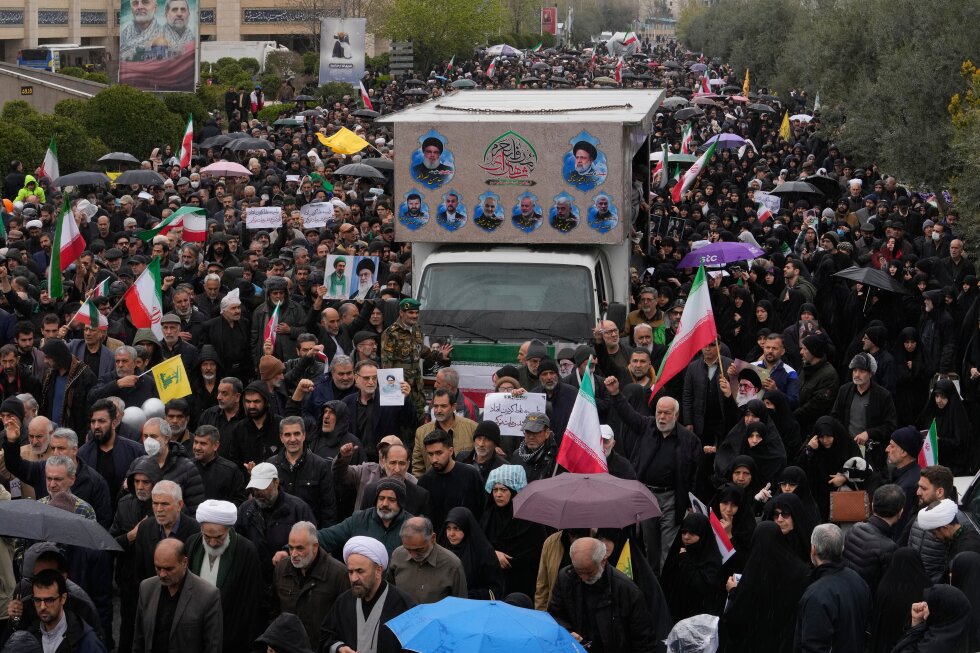
Iran escalated its rhetoric with military spokesperson General Abolfazl Shekarchi warning that ‘parks, recreational areas and tourist destinations worldwide’ would not be safe for Iran’s enemies. Supreme Leader Ayatollah Mojtaba Khamenei, who has not appeared publicly since the conflict began, praised Iranian resilience in a written New Year’s message.
Regional clashes continued as Israeli forces engaged Hezbollah militants in southern Lebanon’s Khiam village, resulting in at least four militant casualties. Lebanese authorities report over 1,000 deaths and one million displacements from Israeli strikes, while Iranian casualties exceeded 1,300 with 15 killed in Israel and 13 U.S. military personnel fatalities.