博客

  • Trump says he may punish countries with tariffs if they don’t back the US controlling Greenland

    Trump says he may punish countries with tariffs if they don’t back the US controlling Greenland

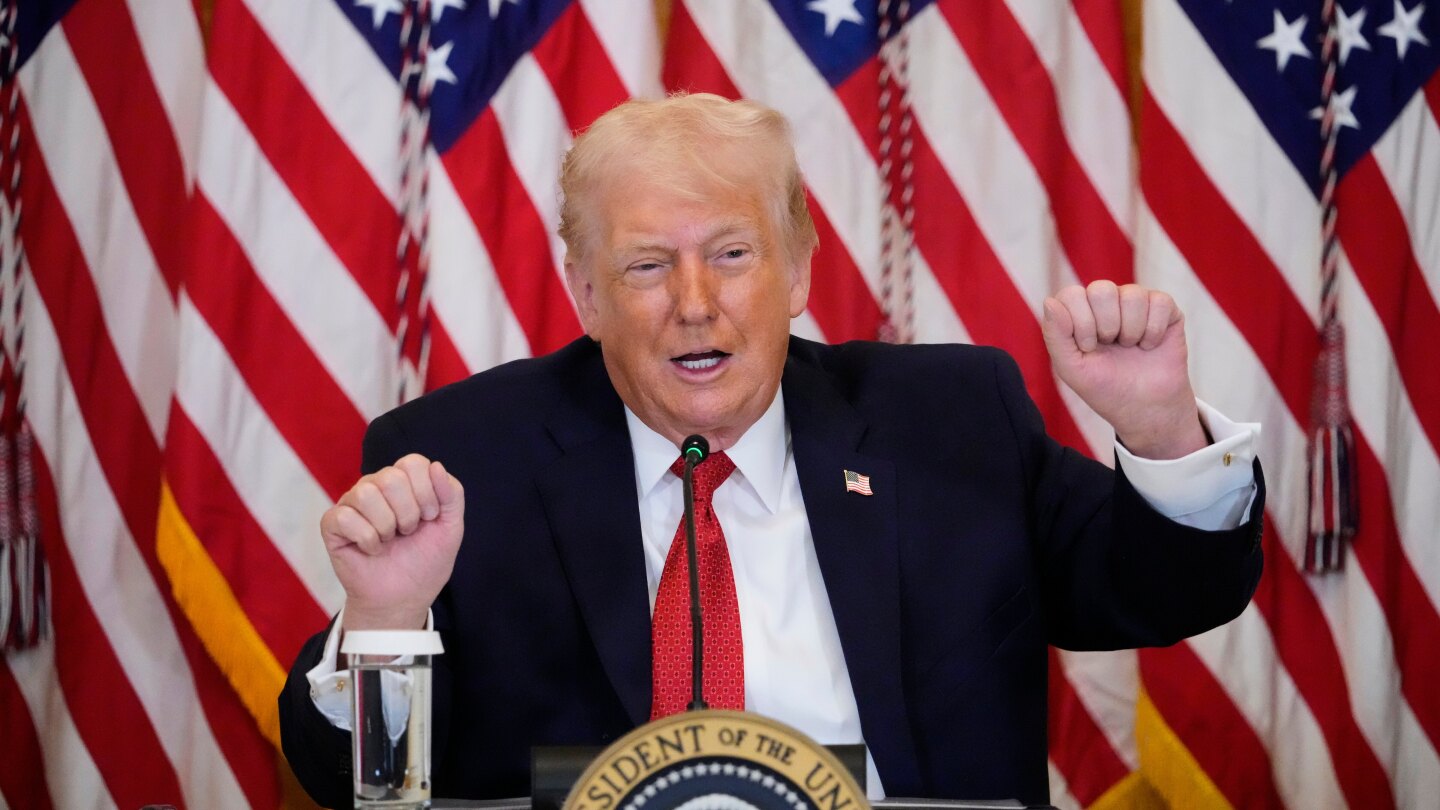
    COPENHAGEN, Denmark — U.S. President Donald Trump has escalated tensions with NATO ally Denmark by suggesting potential tariff impositions on countries that oppose American control over Greenland. The declaration came during a White House event on rural healthcare, marking the first time the president explicitly linked trade policy to his territorial ambitions for the Arctic island.

    Trump asserted that Greenland represents a critical national security priority, justifying his consideration of economic measures against reluctant nations. “I may put a tariff on countries if they don’t go along with Greenland, because we need Greenland for national security,” the president stated, drawing parallels to previous threats against European pharmaceutical exports.

    This hardline stance contrasts sharply with efforts by a bipartisan Congressional delegation visiting Copenhagen to repair diplomatic relations. Led by Senator Chris Coons (D-Delaware), the group emphasized America’s 225-year alliance with Denmark during meetings with Danish Prime Minister Mette Frederiksen and Greenlandic representatives.

    Senator Lisa Murkowski (R-Alaska) articulated the delegation’s contrasting approach, emphasizing that “Greenland needs to be viewed as our ally, not as an asset.” The senator revealed that approximately 75% of Americans oppose acquiring Greenland, reflecting legislation she co-sponsored with Senator Jeanne Shaheen (D-New Hampshire) that would block funding for any annexation of NATO territory without consent.

    The White House’s persistent claims of Chinese and Russian interests in Greenland’s mineral resources have been met with skepticism. Aaja Chemnitz, a Greenlandic politician in the Danish parliament, dismissed these assertions as “lies and exaggeration,” noting that the actual threat originates from American expansionism.

    Greenland’s Prime Minister Jens-Frederik Nielsen has unequivocally stated the territory’s preference for maintaining its current relationship with Denmark and NATO. The Inuit Circumpolar Council chair Sara Olsvig condemned the administration’s rhetoric as reflective of colonial attitudes toward Indigenous peoples, emphasizing that Greenland’s population has no desire to experience recolonization by a global power.
  • Senegal stand in way of Morocco’s 50-year wait for Afcon glory

    Senegal stand in way of Morocco’s 50-year wait for Afcon glory

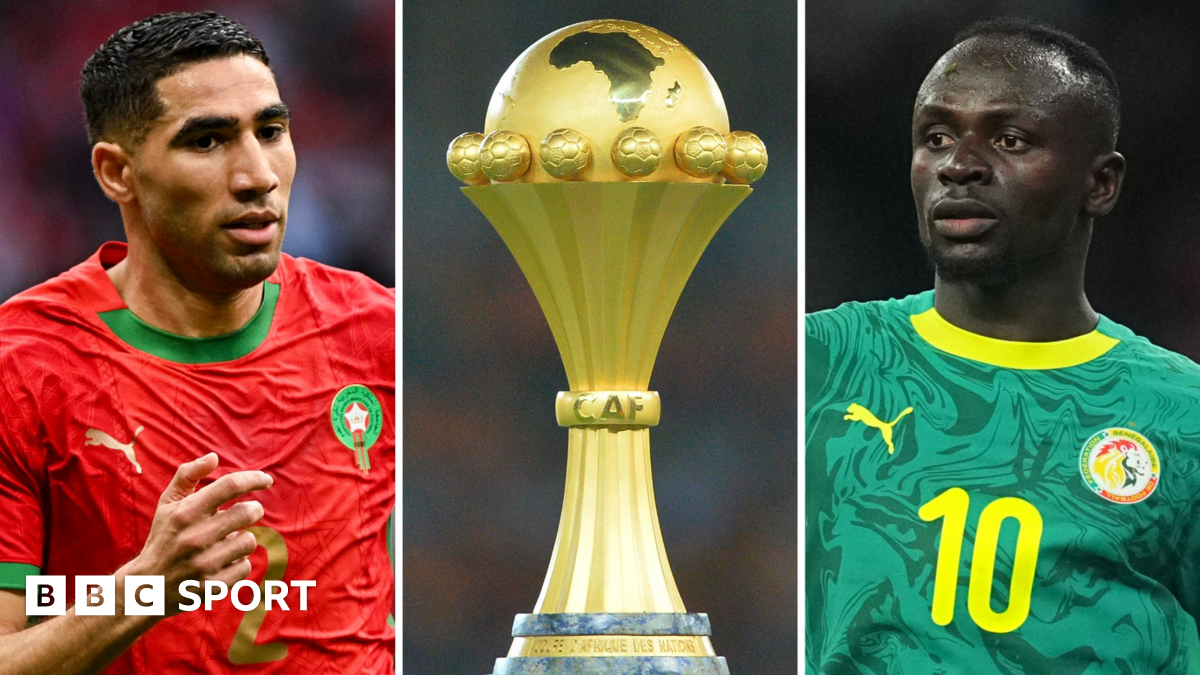
    The stage is set for a monumental showdown in African football as Morocco and Senegal prepare to battle for continental supremacy in the 2025 Africa Cup of Nations final this Sunday in Rabat (19:00 GMT). This clash between the continent’s top-ranked teams represents more than just a football match—it embodies decades of investment, national pride, and footballing legacy.

    Morocco, ranked 11th globally, enters the final seeking to end a half-century wait for their second AFCON title, their sole triumph dating back to 1976. Defender Romain Saiss encapsulated the national sentiment, telling BBC World Service: ‘We are waiting for this trophy for 50 years now. It’s the dream of all Moroccans.’ The Atlas Lions have built their campaign on defensive excellence, conceding only one goal throughout the tournament—a penalty—while maintaining five clean sheets.

    Their opponents, Senegal’s Teranga Lions, stand just eight places behind in global rankings and seek their second AFCON crown after claiming their maiden trophy in 2021. The West Africans boast formidable offensive prowess, having netted 12 times en route to the final. Their progression was secured by veteran forward Sadio Mané, who scored the decisive semi-final goal against Egypt, replicating his heroics from the 2021 final penalty shootout.

    The match represents a clash of contrasting philosophies. Morocco’s journey reflects a royal-backed, systematic investment in football infrastructure initiated by King Mohammed VI in 2008. This long-term project has yielded remarkable successes: a World Cup semi-final appearance in 2022, Olympic bronze, U-20 World Cup victory, and three consecutive African Nations Championship titles. Yet the senior team’s AFCON trophy has remained elusive despite these achievements.

    Senegal meanwhile combines experienced champions from their 2021 triumph with emerging talents. While suspended captain Kalidou Koulibaly and midfielder Habib Diarra will miss the final, the team retains key figures including goalkeeper Édouard Mendy and midfielder Idrissa Gueye.

    Technical leadership adds another compelling narrative layer. For the fourth consecutive edition, the winning coach will be African, with Morocco’s Walid Regragui or Senegal’s Pape Thiaw poised to join recent African-winning managers. Regragui, who experienced AFCON final defeat as a player in 2004, has faced considerable pressure to deliver the trophy despite Morocco’s overall footballing renaissance.

    The Prince Moulay Abdellah Stadium’s expected 69,500-capacity crowd will provide a formidable atmosphere for the hosts, who haven’t lost a competitive home match since 2009. Morocco features tournament top scorer Brahim Díaz, captain Achraf Hakimi, and goalkeeper Yassine Bounou—recently crowned Africa’s best goalkeeper for the second time.

    Beyond the glory and continental bragging rights, the champions will receive $10 million in prize money—a $3 million increase from the previous tournament. For one nation, Sunday’s final represents the culmination of decades of waiting; for the other, an opportunity to solidify their status as Africa’s footballing powerhouse.

  • Machado vows to lead Venezuela ‘when right time comes’

    Machado vows to lead Venezuela ‘when right time comes’

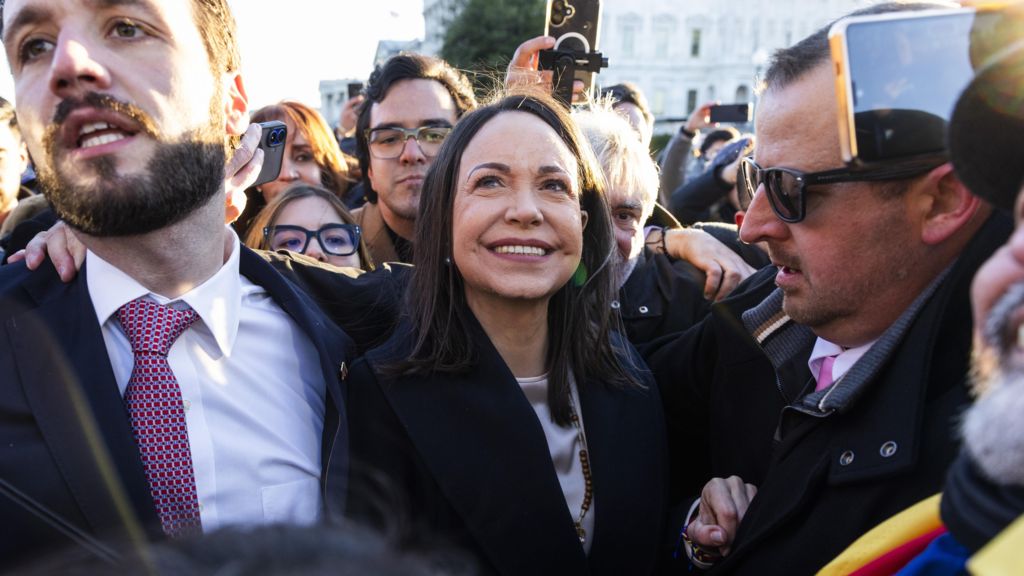
    Venezuelan opposition figure María Corina Machado has declared her intention to assume the presidency “when the right time comes,” positioning herself as the potential first female leader of the nation. During her Washington visit, Machado presented former President Donald Trump with her Nobel Peace Prize medal, characterizing the gesture as acknowledgment of his dedication to Venezuelan liberation.

    This political theater unfolds against the backdrop of extraordinary developments: the U.S. apprehended sitting President Nicolás Maduro in Caracas on January 3rd, transporting him to New York to confront multiple narcotics and weapons trafficking indictments.

    Despite these dramatic events, Trump has refrained from endorsing Machado as Venezuela’s successor leadership, citing insufficient domestic backing—even as her opposition coalition asserts victory in the heavily disputed 2024 elections. Instead, U.S. engagement has focused on interim President Delcy Rodríguez, Maduro’s former vice-president.

    Machado’s Capitol Hill appearances were met with fervent support from chanting admirers waving Venezuelan flags, though their cries of “María, presidente” occasionally overwhelmed her remarks to journalists.

    Concurrently, Rodríguez conducted a significant two-hour meeting with CIA Director John Ratcliffe at Trump’s behest, described by U.S. officials as confidence-building diplomacy. The discussions reportedly addressed potential economic cooperation and reiterated that Venezuela must cease being a sanctuary for American adversaries.

    In her inaugural state of the union address, Rodríguez asserted Venezuela’s readiness to engage the U.S. through political dialogue while defending national “dignity and honor.” She simultaneously announced oil sector reforms inviting greater foreign investment—a notable departure from Maduro’s economic policies. Trump subsequently praised Rodríguez as a “terrific person” following their telephone discussion, which the interim leader characterized as productive and respectful.

  • UAE condemns attack in Chad after several members of armed forces killed

    UAE condemns attack in Chad after several members of armed forces killed

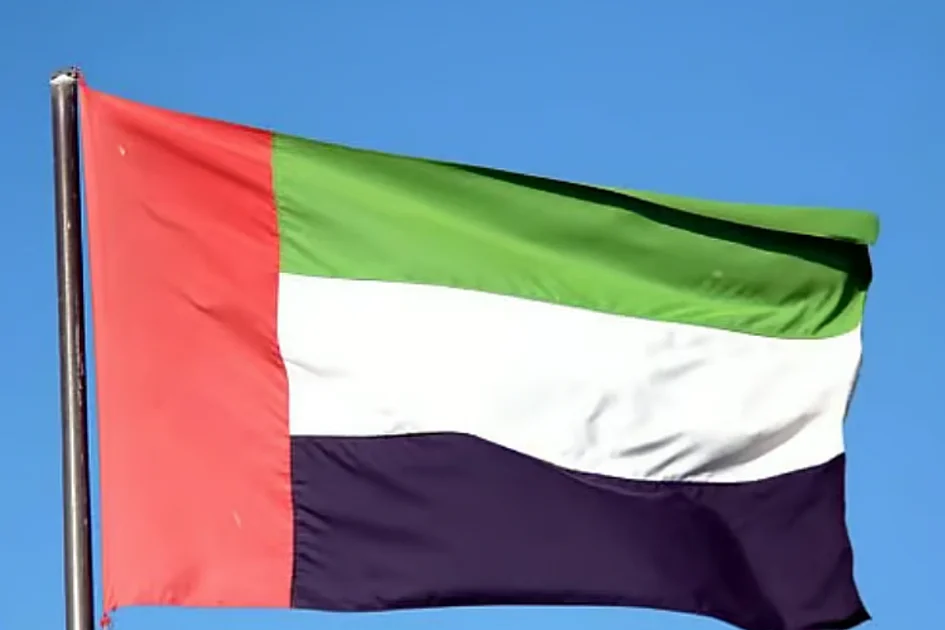
    The United Arab Emirates has issued a formal condemnation of a deadly terrorist assault targeting Chadian military personnel in the nation’s southern region. The attack, executed by an unidentified armed faction, resulted in numerous casualties among security forces members.

    In an official communiqué released by the Ministry of Foreign Affairs, the Emirates government articulated its vehement disapproval of these violent acts, characterizing them as criminal offenses that fundamentally contradict international peace and security norms. The statement further reaffirmed the UAE’s categorical rejection of all manifestations of extremism and terrorism, emphasizing their destabilizing impact on regional security architectures.

    The diplomatic correspondence extended profound sympathies and official condolences to both the bereaved families of deceased service members and the broader Chadian population. Additionally, the UAE government conveyed earnest wishes for the prompt and complete recovery of those injured during the hostilities.

    This development occurs amidst increasing security challenges in the Sahel region, where multiple nations continue grappling with insurgent activities by non-state armed groups. The UAE’s pronouncement underscores its consistent foreign policy stance against transnational terrorism and its humanitarian commitment to conflict-affected nations.

  • Aerial photos capture snow melting on Guizhou grassland

    Aerial photos capture snow melting on Guizhou grassland

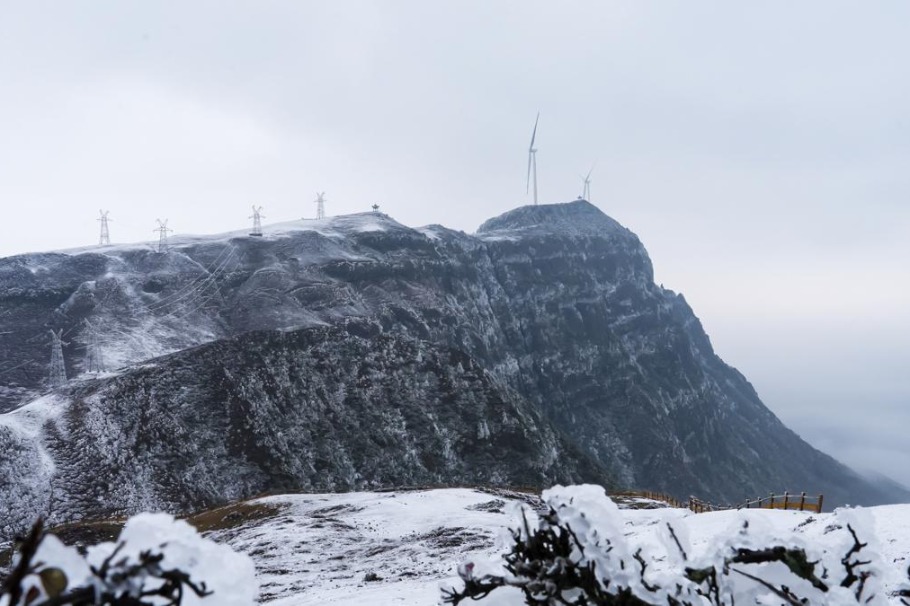
    Spectacular aerial photography has documented the mesmerizing transformation of Wumeng Grassland in Panzhou City, Guizhou Province, as winter’s first snow blanket begins its seasonal retreat. The breathtaking images reveal ethereal mist formations rising from the melting snowscape, creating a dramatic visual contrast between the lingering winter whiteness and the emerging spring terrain.

    Located within the prestigious Wumeng Mountain National Geopark, this expansive grassland ecosystem spans elevations ranging from 2,000 to 2,857 meters above sea level. As one of Guizhou’s most significant high-altitude natural pastures, the area represents a critical component of the region’s unique ecological and geological heritage.

    The photographic documentation, captured by Deng Yongchang, provides valuable visual data regarding seasonal transition patterns in high-altitude environments. The imagery not only showcases nature’s artistic beauty but also serves as an important record of environmental processes occurring within China’s protected geopark system. These visual documents offer researchers and conservationists insights into microclimatic conditions and hydrological cycles characteristic of southwestern China’s highland regions.

    The mist phenomena observed during the snowmelt process result from specific temperature differentials between the cold snow surface and the gradually warming spring air. This atmospheric interaction creates the visually stunning evaporation effects captured in the aerial photographs, demonstrating the dynamic interplay between geological formations, elevation factors, and seasonal weather patterns.

  • Wang Yi’s visit solidifies China’s commitment to Africa

    Wang Yi’s visit solidifies China’s commitment to Africa

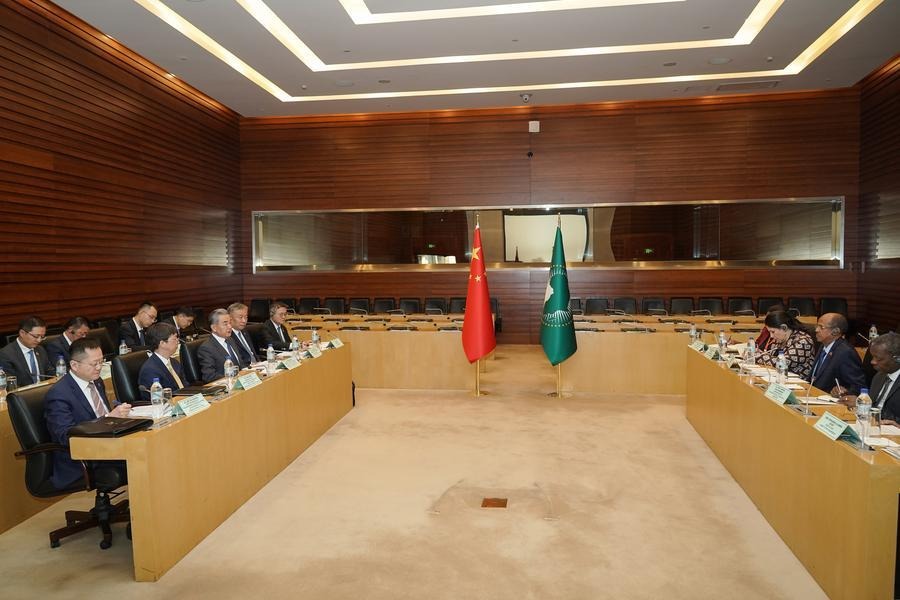
    Chinese Foreign Minister Wang Yi’s recent tour of African nations has underscored Beijing’s enduring commitment to strengthening South-South cooperation amid global uncertainties. The visit, which included stops at the African Union headquarters in Addis Ababa along with Ethiopia, Tanzania, and Lesotho, represents the 36th consecutive year that China’s top diplomat has chosen Africa for their first overseas trip of the year.

    During the strategic engagements, Minister Wang and AU Commission Chairperson Mahmoud Ali Youssouf convened the ninth China-AU Strategic Dialogue, culminating in the official launch of the 2026 China-Africa Year of People-to-People Exchanges. This initiative, established during the 2024 Forum on China-Africa Cooperation Beijing summit, aims to foster deeper connections through educational, cultural, media, and youth engagement programs.

    African analysts have characterized the diplomatic mission as a landmark moment in China-Africa relations. Dr. Al-Sawy Al-Sawy Ahmed, former dean of the Faculty of Arts at Suez Canal University, noted that the visit exemplifies a comprehensive approach integrating political, diplomatic, and economic dimensions. “This tour reflects Beijing’s commitment to strengthening partnerships through enduring development initiatives and collaborative projects that directly benefit local populations while promoting long-term stability,” Ahmed observed.

    Substantive outcomes from the visit include China’s expansion of zero-tariff treatment to all 53 African nations with diplomatic ties to Beijing, a move designed to boost African exports to Chinese markets. Additionally, China reaffirmed its commitment to modernize the Tanzania-Zambia Railway and stimulate integrated development along the economic corridor.

    Hany Soliman, director of the Arab Center for Research and Studies, described the agreements as exemplifying China’s unique approach to combining economic support with long-term development planning. “These initiatives underscore a model of South-South cooperation that balances immediate developmental needs with harmonious, integrated growth while strengthening Africa’s position on the world stage,” Soliman stated.

    Ghada Gaber, a Cairo-based specialist in China-Africa relations, emphasized that the timing and substance of the visit demonstrate how bilateral relations have evolved beyond traditional economic frameworks into deeper political, civilizational, and humanitarian engagement. “This visit transcends short-term, interest-driven considerations and embodies a shared vision grounded in mutual respect and the principle of a ‘shared future for humanity’,” Gaber noted.

    The diplomatic mission also highlighted China’s support for Africa’s expanding role in global governance and institutional reform, positioning the partnership as a counterbalance to traditional Western power structures while advocating for the interests of developing nations on the international stage.

  • Bus crashes into building in South Korea, leaving 13 injured, Yonhap says

    Bus crashes into building in South Korea, leaving 13 injured, Yonhap says

    A significant traffic incident occurred in central Seoul on Friday morning when a public transit bus veered off course and collided with a commercial building, resulting in injuries to thirteen individuals. According to Yonhap News Agency, which cited local fire authorities, two victims sustained serious injuries and were transported to nearby medical facilities for emergency treatment.

    Television footage from YTN broadcast network captured the aftermath of the collision, showing the large passenger bus with its front section embedded in the shattered glass facade of a ground-floor commercial establishment. The vehicle appeared to have mounted a substantial portion of the pedestrian sidewalk before impacting the structure, causing significant property damage alongside the personal injuries.

    Emergency responders arrived promptly at the scene to provide medical assistance and transport the injured. Among those treated were the bus operator himself and two pedestrians caught in the incident’s path. Medical personnel confirmed one female pedestrian in her fifties suffered a fractured leg, while a male pedestrian in his thirties sustained head trauma. The remaining ten casualties experienced varying degrees of minor injuries.

    Local authorities have launched a comprehensive investigation to determine the precise cause of the accident. Preliminary assessments are examining potential factors including mechanical failure, driver error, and road conditions at the time of the incident. The collision caused temporary disruption to both vehicular and pedestrian traffic in the bustling commercial district while cleanup and preliminary structural assessments were conducted.

  • Scientists using Chinese telesecope capture evolutionary process of mysterious flashes

    Scientists using Chinese telesecope capture evolutionary process of mysterious flashes

    In a groundbreaking astronomical discovery, China’s Five-hundred-meter Aperture Spherical radio Telescope (FAST) has captured unprecedented evidence revealing the evolutionary process of mysterious deep-space radio emissions known as fast radio bursts (FRBs). An international research team led by the Purple Mountain Observatory of the Chinese Academy of Sciences has documented the strongest evidence to date that these cosmic phenomena originate from compact binary star systems.

    The research, published in the journal Science, centers on observations of FRB 20220529—a repeating burst located approximately 2.9 billion light-years from Earth. Through meticulous monitoring from June 2022 to August 2024, scientists witnessed a dramatic magnetic environment transformation that provides crucial insights into the burst’s origin.

    Key to the discovery was the detection of a sudden surge in Faraday rotation—a measure of how radio waves twist as they pass through magnetized plasma. In December 2023, researchers observed the signal’s twisting effect spike approximately 20-fold before gradually returning to baseline levels over two weeks. This ‘surge and recovery’ pattern indicates the passage of a dense, magnetized plasma cloud between the burst source and Earth.

    Study corresponding author Wu Xuefeng compared the phenomenon to a solar coronal mass ejection, suggesting the most plausible explanation involves a binary system where a neutron star or magnetar orbits a companion star. Violent activity from the companion star or orbital geometry could eject plasma clouds that temporarily alter radio signals detected on Earth.

    The findings challenge previous theories suggesting FRBs originate from isolated neutron stars. Duncan Lorimer, the West Virginia University astrophysicist who first discovered FRBs in 2007, praised the discovery as ‘an amazing result’ that demonstrates FAST’s extraordinary capabilities.

    FAST’s exceptional sensitivity enabled detailed tracking of FRB 20220529, whose signals are typically too faint for other telescopes to detect. The facility has become instrumental in pulsar studies, gravitational wave research, and cosmic mapping since commencing full operations in 2020.

    Looking forward, China plans a major upgrade to FAST that will add dozens of medium-aperture antennas around the main dish, creating the world’s only mixed synthetic aperture array centered on a giant single-dish telescope. This enhancement will allow scientists to pinpoint FRB sources with unprecedented precision, potentially solving one of astronomy’s most enduring mysteries.

  • Solico Group invests Dh130 million in new SoFood production facility in Jafza to strengthen regional food manufacturing capacity

    Solico Group invests Dh130 million in new SoFood production facility in Jafza to strengthen regional food manufacturing capacity

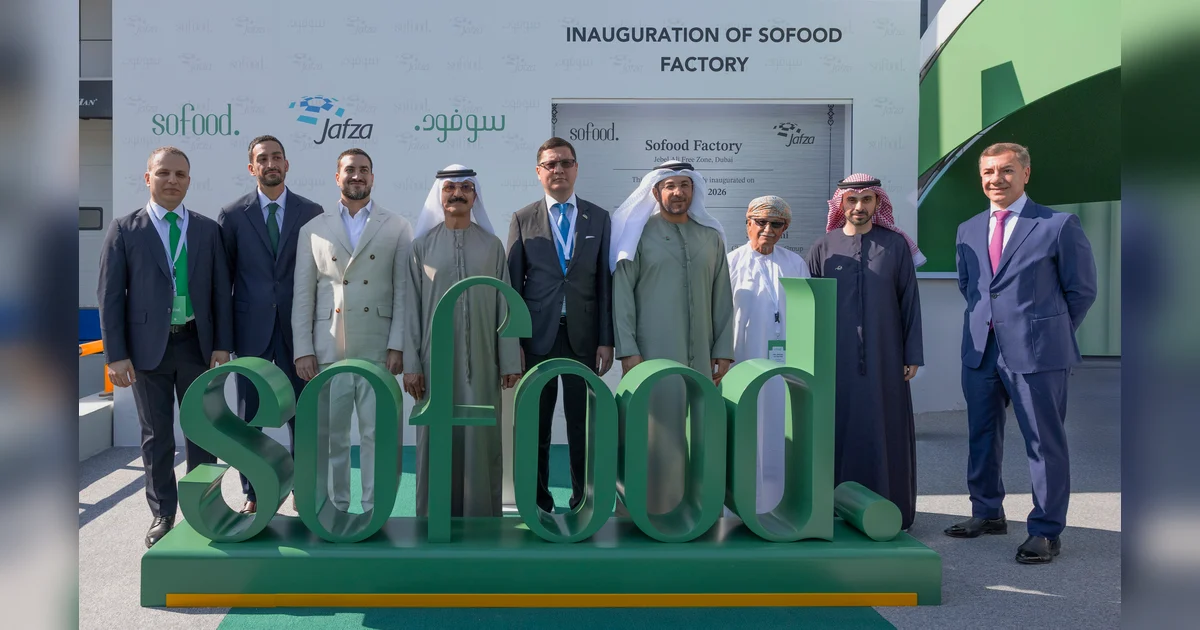
    DUBAI – In a landmark investment for the UAE’s food manufacturing sector, Solico Group has inaugurated a state-of-the-art production facility in Jebel Ali Free Zone (Jafza) with a capital commitment of Dh130 million ($35.4 million). The new entity, branded SoFood, represents the group’s single largest investment in the UAE and is positioned to become its regional innovation and international manufacturing headquarters for the GCC.

    The purpose-built facility, spanning 5,000 square meters, incorporates advanced European manufacturing technologies with an initial production capacity of 40 tons per day. This strategic expansion significantly enhances the UAE’s food manufacturing resilience amid growing consumer demand and global supply chain considerations. The plant’s modular architectural design allows for agile entry into new food categories with minimal operational disruption.

    Gholamali Soleimani, Founder and Group Chairman of Solico Group, emphasized the strategic rationale behind the investment: “The UAE has cultivated one of the world’s most dynamic ecosystems for food manufacturing and economic diversification. This facility enables us to transfer our five decades of expertise into the UAE while building manufacturing capability that will support long-term regional food security objectives.”

    The production roadmap will unfold in phases, beginning with meat and protein products under Solico’s flagship Pemina brand for distribution throughout GCC markets and export channels. Subsequent phases will introduce cheese, dairy products, premixes, sauces, and co-packed solutions tailored for hotel, airline, and food service industries. These categories were specifically selected for their alignment with regional culinary preferences, localization potential, and export viability.

    Beyond manufacturing, SoFood will function as Solico’s regional innovation center, developing products specifically for Middle Eastern palates while shortening supply chains to enhance product freshness. The facility also incorporates comprehensive sustainability measures including energy- and water-efficient systems, waste-minimization processes, and holds multiple certifications including ISO 22000, HACCP, Halal, and Dubai Municipality Grade A accreditation.

    Sultan Ahmed bin Sulayem, Group Chairman and CEO of DP World, noted: “Solico’s decision to establish their largest UAE investment in Jafza underscores Dubai’s industrial ecosystem strength. This facility will strengthen food security, create high-quality employment opportunities, and advance the UAE’s ‘Make it in the Emirates’ manufacturing objectives.”

    The facility’s location within the DP World-operated Jebel Ali ecosystem provides direct access to global logistics corridors, enabling Solico to reach over three billion consumers across nearby markets while supporting the UAE’s broader economic diversification strategy.

  • South Africa investigates Iran’s participation in naval drills off its coast after US criticism

    South Africa investigates Iran’s participation in naval drills off its coast after US criticism

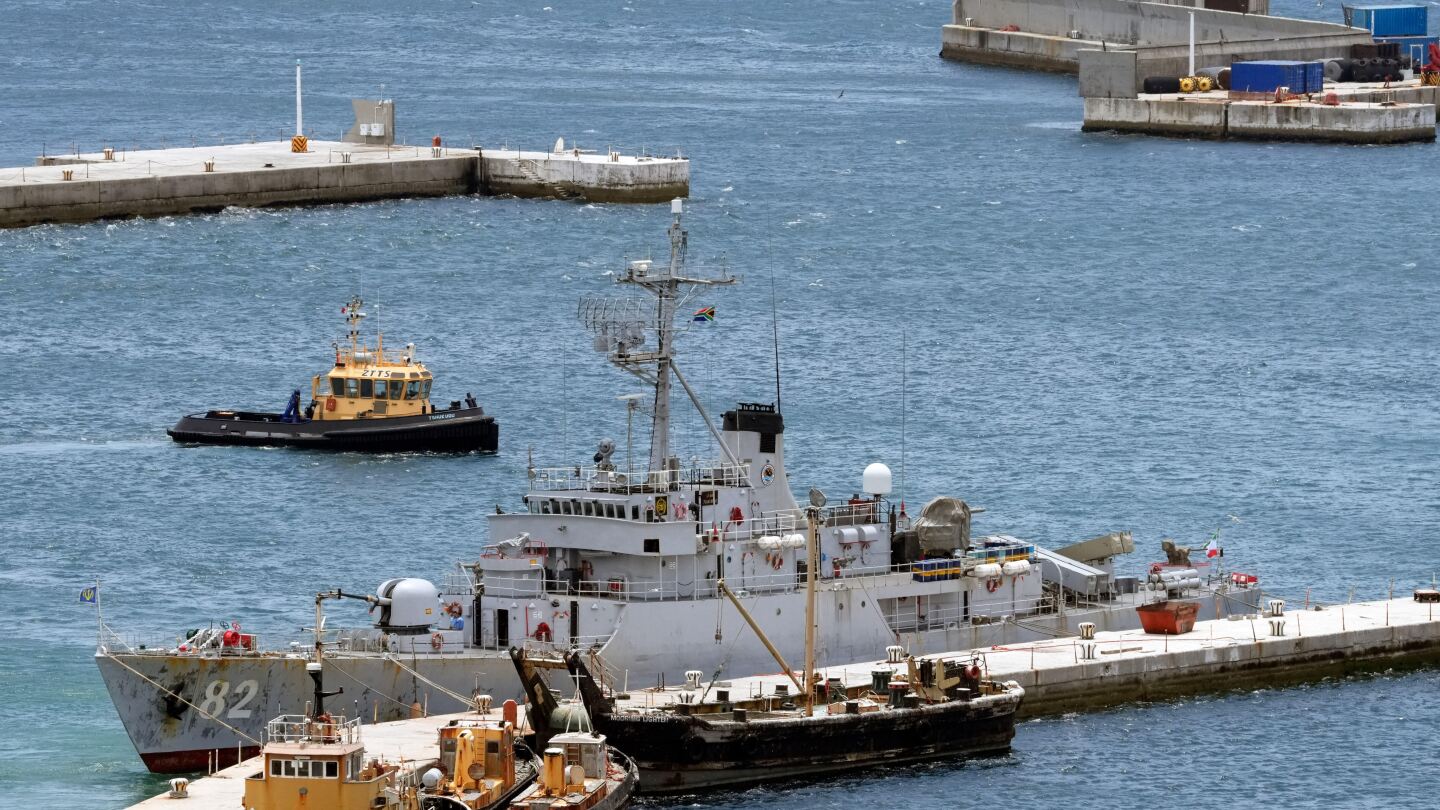
    CAPE TOWN, South Africa — The South African Defense Ministry has initiated a formal investigation into whether military officials disregarded presidential directives regarding Iran’s participation in recent multinational naval exercises. The probe follows revelations that Iranian warships engaged in active combat drills despite President Cyril Ramaphosa’s explicit instructions limiting Tehran to observer status only.

    The controversy emerged amid sharp criticism from the United States, which condemned South Africa’s hosting of Iranian naval forces during joint exercises with China, Russia, and the United Arab Emirates. The U.S. Embassy in Pretoria issued a strongly worded statement characterizing the invitation as ‘unconscionable’ given Iran’s ongoing suppression of domestic protests, which human rights organizations report has resulted in over 2,600 fatalities.

    Defense Minister Angie Motshekga asserted that Ramaphosa’s instructions had been ‘clearly communicated to all parties concerned,’ though specific details of those directives remain undisclosed. The investigation will determine whether these presidential orders were ‘misrepresented and/or ignored’ by defense officials.

    Observers confirmed the presence of at least three Iranian warships in South African waters, including one docked alongside Chinese and Russian vessels in Simon’s Town naval base near Cape Town. The exercises, conducted under the auspices of the BRICS alliance, concluded Friday after several days of operations.

    The diplomatic incident occurs against a backdrop of deteriorating U.S.-South African relations since President Donald Trump’s return to office. The Trump administration has repeatedly criticized Pretoria’s foreign policy orientation, including its diplomatic engagement with Iran and allegations of anti-American alignment. South African officials maintain the country pursues a neutral, non-aligned foreign policy open to dialogue with all nations.

    This development marks Iran’s inaugural participation in BRICS naval operations following its accession to the bloc in 2024, representing another expansion of the coalition designed to counter Western economic and institutional dominance.