博客

  • Villa’s title bid rocked by Everton loss, Newcastle held at Wolves

    Villa’s title bid rocked by Everton loss, Newcastle held at Wolves

    The Premier League landscape underwent a significant shift this weekend, with Aston Villa’s championship aspirations dealt a severe blow and Newcastle United’s top-four ambitions stalling in a frustrating stalemate.

    At Villa Park, Unai Emery’s squad squandered a golden opportunity to close within four points of league leaders Arsenal, instead suffering a 1-0 defeat to Everton. The match’s decisive moment arrived in the 59th minute when Thierno Barry capitalized on defensive errors, chipping a close-range finish past goalkeeper Emiliano Martinez for his third goal in five appearances. The loss was compounded by an early injury to captain John McGinn, adding to Villa’s troubles as their remarkable 11-game home winning streak across all competitions came to an abrupt end.

    Meanwhile, at Molineux Stadium, Newcastle encountered similar frustrations against bottom-placed Wolverhampton Wanderers. Despite recent victories over Burnley, Crystal Palace, and Leeds that had boosted their Champions League qualification hopes, Eddie Howe’s men struggled offensively in torrential conditions. The Magpies required 85 minutes to register their first shot on target, ultimately settling for a 0-0 draw that leaves them positioned eighth in the league table.

    These results substantially benefit Arsenal, who now maintain a seven-point cushion over both third-placed Villa and second-placed Manchester City following their respective setbacks. With critical fixtures against top-four rivals Aston Villa and Liverpool approaching later this month, Newcastle faces mounting pressure to rediscover their scoring form and revive their European ambitions.

  • Egypt golf swing tees off as MENA Golf Tour launches four-event series in Cairo

    Egypt golf swing tees off as MENA Golf Tour launches four-event series in Cairo

    The MENA Golf Tour has inaugurated its landmark Egypt Golf Series, marking a significant expansion of professional golf in the region. This four-tournament circuit commenced on January 19th at New Giza Golf Club in Cairo, offering participants both substantial financial incentives and critical Official World Golf Ranking (OWGR) points.

    The series features a rigorous schedule across Egypt’s premier courses: New Giza Golf Club (January 19-21), followed by two consecutive tournaments at Address Marassi Golf Resort on the Mediterranean coast (January 24-26 and January 29-31), concluding at Madinaty Golf Club in Cairo (February 3-5). Each event carries a $100,000 prize fund alongside OWGR points, creating crucial opportunities for players advancing their professional careers.

    Keith Waters, MENA Golf Tour Chairman and Commissioner, emphasized the strategic importance of this Egyptian venture: “Our partnership with the Egyptian Golf Federation has been instrumental in creating this platform. The series provides exceptional competitive opportunities while showcasing Egypt’s world-class golf facilities to an international audience.”

    The player field combines established professionals and emerging talents. Italy’s Ludovico Addabbo enters following his dominant victory at November’s PGA Aroeira Challenge, currently ranking second in the MENA Tour standings. He leads a strong European contingent including Scotland’s Aidan O’Hagan and Welsh competitor Toby Hunt, both positioned within the tour’s top five rankings.

    Notable participants bring significant DP World Tour experience, with Spain’s Alejandro Cañizares and England’s Ashley Chesters adding competitive depth. The tournament also features a prominent local contingent including Egyptian professionals Ahmed Morgan and Nour Shibl, alongside several talented amateurs representing the host nation.

    New Giza Golf Club, designed by renowned architecture firm Thomson, Perrett & Lobb, provides a challenging championship layout for the opening event. The course’s strategic risk-reward design has rapidly established it among the region’s elite golf destinations since its development on Cairo’s western periphery.

    The Egypt Series represents a strategic milestone for the MENA Golf Tour’s 2026 season, enhancing competitive opportunities while strengthening golf’s development infrastructure across Middle Eastern and North African markets through high-profile international competition.

  • AR Rahman opens up amid controversy over his remarks on Bollywood

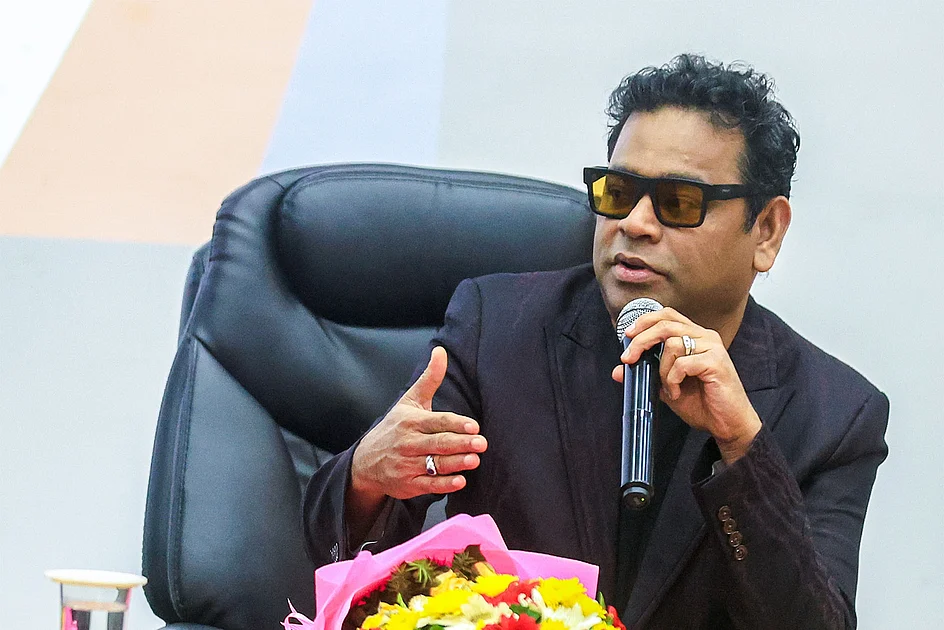
    AR Rahman opens up amid controversy over his remarks on Bollywood

    Academy Award-winning composer AR Rahman has broken his silence following widespread controversy surrounding his recent comments about the Hindi film industry. The music maestro posted a reflective video message on his official Instagram account Sunday, offering clarification without directly addressing the specific remarks that sparked industry backlash.

    In his carefully worded statement, Rahman emphasized his deep connection to Indian culture and his unwavering commitment to musical excellence. “Music has always been my way of connecting, celebrating, and honouring culture,” the composer expressed. “India is my inspiration, my teacher, and my home.”

    The renowned artist acknowledged that intentions can sometimes be misunderstood in public discourse. “I understand that intentions can sometimes be misunderstood, but my purpose has always been to uplift, honour, and serve through music,” he stated, adding that he never intended to cause pain through his words.

    Rahman highlighted several recent projects that demonstrate his ongoing dedication to India’s musical landscape, including his work presented before the Indian Prime Minister, collaborations with young Naga musicians, mentoring the Sunshine Orchestra, and establishing Secret Mountain—India’s first multicultural virtual band. He also referenced his prestigious collaboration with Hans Zimmer on the upcoming “Ramayana” score.

    The controversy originated from Rahman’s interview with BBC Asian Network, where he suggested that his work opportunities in Bollywood had diminished in recent years due to industry changes. These comments prompted reactions from various film personalities, including actress Kangana Ranaut, who claimed Rahman had refused to work on her film “Emergency” because he considered it “propaganda.”

    Despite the surrounding controversy, Rahman’s statement focused primarily on his gratitude for artistic freedom in India and his commitment to creating music that “honors the past, celebrates the present, and inspires the future.”

  • Two dead and five missing after blast at metal plant in Inner Mongolia

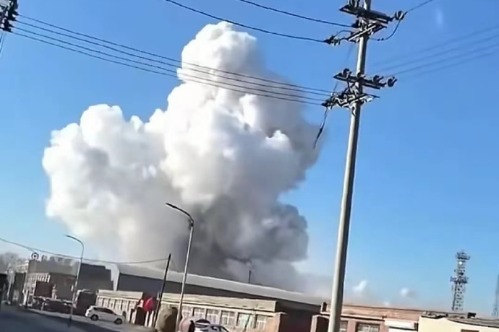
    Two dead and five missing after blast at metal plant in Inner Mongolia

    A severe industrial explosion rocked a sheet metal manufacturing facility operated by Baotou Steel Union Co Ltd in China’s Inner Mongolia Autonomous Region on Sunday afternoon. The incident, which occurred at precisely 3:05 pm local time, has resulted in multiple casualties and triggered a massive emergency response operation.

    According to official statements from regional authorities, the immediate aftermath of the blast proved devastating. Preliminary assessments confirmed two fatalities, with five individuals remaining unaccounted for several hours after the explosion. The human toll extended significantly further, with sixty-six workers transported to medical facilities for emergency treatment. Among those hospitalized, three were reported to be in critical condition, fighting for their lives.

    Emergency protocols were activated immediately following the detonation. Coordinated response teams comprising fire rescue units, law enforcement personnel, and medical emergency specialists converged on the disaster site. Specialized search and rescue equipment was deployed to facilitate operations within the compromised industrial complex. The comprehensive rescue mission continued into the evening hours, with teams working against time to locate missing personnel and secure the affected area.

    The Baotou Steel Union Co Ltd facility, situated within one of China’s significant industrial regions, represents a major component of the area’s manufacturing infrastructure. While investigation teams have begun preliminary assessments, the specific cause of the explosion remains undetermined at this early stage. The incident highlights ongoing challenges in industrial safety management within manufacturing sectors.

  • ‘Europe won’t be blackmailed,’ Danish PM says in wake of Trump Greenland threats

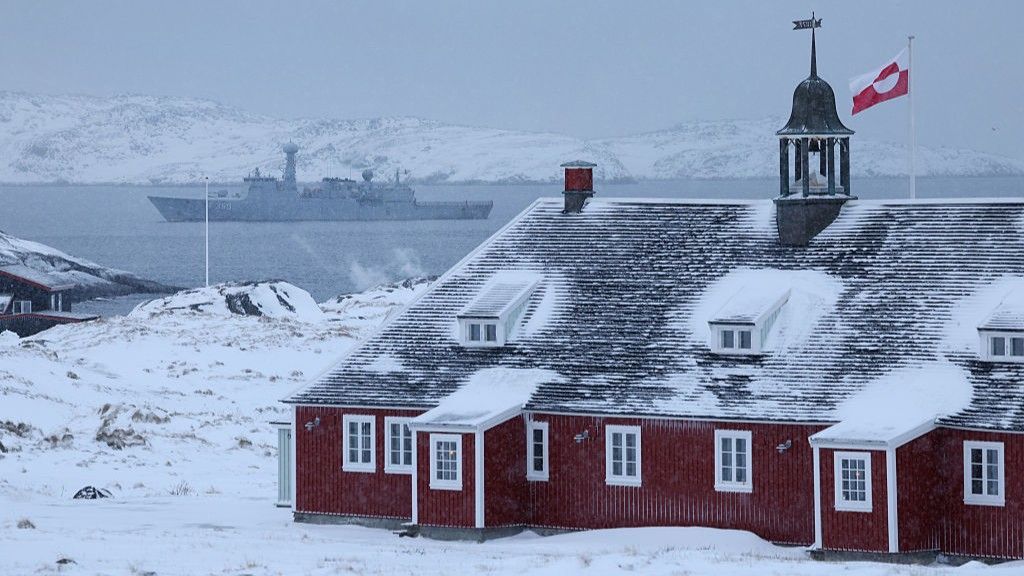
    ‘Europe won’t be blackmailed,’ Danish PM says in wake of Trump Greenland threats

    European leaders have mounted a formidable diplomatic front against President Donald Trump’s unprecedented threat to impose punitive tariffs on eight NATO allies unless they acquiesce to his proposed acquisition of Greenland. The confrontation has escalated transatlantic tensions to levels not witnessed in decades.

    Denmark’s Prime Minister Mette Frederiksen declared “Europe won’t be blackmailed” as she coordinated with counterparts from Finland, France, Germany, Netherlands, Norway, Sweden, and the United Kingdom. These nations issued a joint statement condemning Trump’s approach as risking a “dangerous downward spiral” in international relations.

    The crisis emerged after Trump issued a February 1st deadline for compliance with his Greenland ambitions, threatening initial 10% tariffs that could escalate to 25% on goods from the targeted nations. The U.S. president has framed the autonomous Danish territory as critical to American security interests, openly discussing acquisition “the easy way or the hard way.”

    European response has been swift and unified. An emergency meeting convened in Brussels on Sunday, where leaders discussed activating the EU’s “anti-coercion instrument” should Trump follow through on his tariff threats. French President Emmanuel Macron is coordinating the collective European response, emphasizing principles of sovereignty and territorial integrity.

    The geopolitical stakes extend beyond bilateral relations. NATO Secretary General Mark Rutte confirmed discussions with Trump regarding “the security situation in Greenland and the Arctic,” while Canadian Prime Minister Mark Carney announced plans to “significantly increase Arctic security” in response to the escalating situation.

    Public opposition appears overwhelming on both sides of the Atlantic. Recent polling indicates only 17% of Americans support acquiring Greenland, with 47% opposed. In Greenland itself, a January 2025 referendum showed merely 6% support for joining the United States versus 85% opposition. Weekend protests in Nuuk and Danish cities demonstrated growing public outrage.

    The confrontation now moves to the World Economic Forum in Davos, where Trump, Macron, German leaders, and EU officials are scheduled to discuss “how can we cooperate in a more contested world?”—a theme that has taken on immediate practical significance amid the Greenland crisis.

  • A timeline of how the US and Europe have been at odds

    A timeline of how the US and Europe have been at odds

    The current diplomatic friction between the United States and European powers regarding Greenland’s future represents merely the latest chapter in a long history of trans-Atlantic disagreements. Since the conclusion of World War II, these strategic allies have experienced numerous profound crises that have periodically strained their partnership. Here we examine seven significant historical fractures that have tested the Western alliance.

    The 1956 Suez Crisis marked a pivotal moment when the United States employed substantial diplomatic and economic pressure against its closest Cold War allies. As France, the United Kingdom, and Israel invaded Egypt to depose President Gamal Abdel Nasser and reclaim control of the strategic Suez Canal, Washington’s intervention not only halted the military campaign but also dramatically accelerated Europe’s declining global influence in the postwar era.

    During the Vietnam War, European nations demonstrated limited solidarity with American military efforts. While providing diplomatic support (with France as the notable exception), European governments uniformly refused to contribute troops. Widespread street protests across the continent created significant political challenges for European leaders, who struggled to balance their support for Washington against eroding domestic popularity.

    The Euromissile Crisis of the 1980s emerged when Soviet deployment of SS-20 missiles capable of striking Western European targets prompted NATO to install American Pershing nuclear missiles across Europe. This escalation triggered massive anti-nuclear demonstrations throughout European capitals, with protestors frequently directing their anger toward Washington amid fears of a renewed arms race.

    The 2003 invasion of Iraq created perhaps the most visible rift in modern trans-Atlantic relations. France and Germany’s refusal to support the campaign against Saddam Hussein’s government prompted sharp rebukes from Washington officials. Defense Secretary Donald Rumsfeld’s characterization of these nations as ‘Old Europe’ while praising Eastern European countries as ‘New Europe’ highlighted the deepening division.

    The controversial ‘extraordinary rendition’ program during the war on terror saw the United States capturing and transferring terror suspects to third countries for interrogation using techniques often considered torture. While some European governments secretly cooperated with this program, public revelation forced political leaders to publicly denounce these practices.

    The ongoing war in Ukraine has introduced fresh tensions, particularly with President Trump’s return to office in January 2025. His administration dramatically reversed previous American policy by expressing warmth toward Russian President Vladimir Putin, adopting a cool stance toward Ukrainian leadership, and significantly reducing military assistance to Kyiv. European leaders, viewing their security as directly threatened, have urgently pressed for renewed American support.

    Finally, the Trump administration’s national security strategy document released last December explicitly characterized European allies as weak partners, criticizing their migration and free speech policies while questioning their long-term reliability. This assessment, coupled with threats of heavy trade tariffs against EU nations—America’s largest trading partner—has further strained relations, though both sides eventually agreed to a framework establishing 15% tariffs on most goods.


  • US Army puts 1,500 paratroopers on alert for possible deployment to Minnesota: media

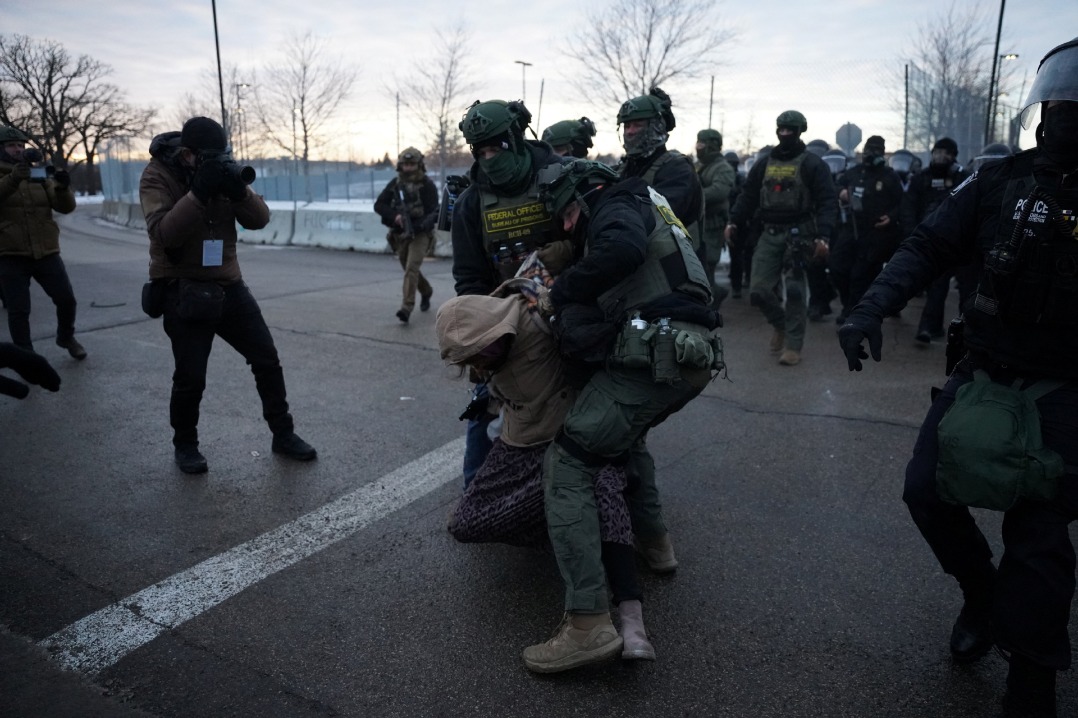
    US Army puts 1,500 paratroopers on alert for possible deployment to Minnesota: media

    The United States Army has placed approximately 1,500 active-duty paratroopers on high alert for potential deployment to Minnesota, according to defense officials speaking to major news outlets on Sunday. The soldiers, belonging to the Alaska-based 11th Airborne Division stationed at Joint Base Elmendorf-Richardson, have been recalled to their base during the holiday weekend to serve as a rapid response force.

    This military preparation follows President Donald Trump’s recent threat to invoke the 1807 Insurrection Act, an archaic federal statute granting presidential authority to deploy military forces domestically under extreme circumstances. While administration officials emphasized that no final decision has been made regarding deployment, they confirmed the military is “taking prudent steps to prepare active-duty Army forces” as a contingency measure.

    The potential deployment comes amid escalating tensions in Minnesota following two officer-involved shootings within approximately one week. The initial incident occurred on January 7 when a U.S. Immigration and Customs Enforcement agent fatally shot 37-year-old mother Renee Nicole Good, sparking nationwide demonstrations. Subsequent protests intensified following another related shooting incident approximately one week later.

    Minnesota authorities confirmed on Saturday that the state’s National Guard units have already been mobilized as security concerns continue to mount in Minneapolis, the state’s largest metropolitan area. The situation represents one of the most significant domestic military preparedness actions in recent years, highlighting the federal government’s concern about potential civil unrest.

  • Indian rupee nears Rs25 per UAE dirham; GCC expats could see remittance gains

    Indian rupee nears Rs25 per UAE dirham; GCC expats could see remittance gains

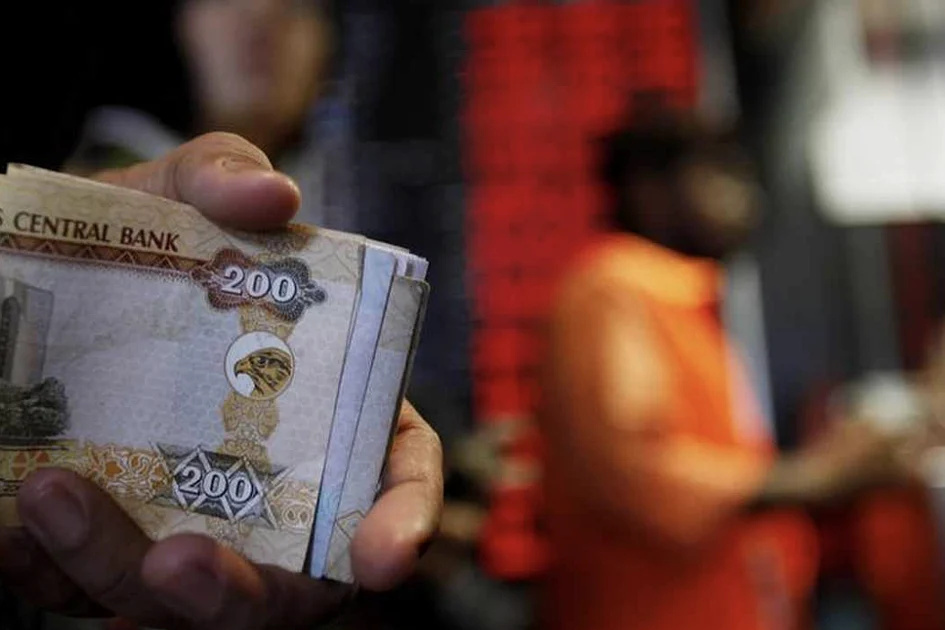
    The Indian rupee is approaching a psychologically significant threshold of 25 against the UAE dirham, creating favorable conditions for expatriate workers across the Gulf Cooperation Council (GCC) region. This currency movement signals potential gains for remittance flows as overseas earners benefit from improved exchange rates.

    Current trading positions the rupee at approximately 90.87 against the US dollar, translating to a UAE dirham rate between 24.70 and 24.75 rupees. Market analysts project further depreciation potentially reaching 92 rupees per dollar, which would push the dirham beyond the unprecedented 25-rupee benchmark. This development would substantially increase the rupee value of monthly transfers sent home by millions of GCC-based workers.

    The Reserve Bank of India (RBI) has indicated a flexible approach to currency management. Governor Sanjay Malhotra clarified that the central bank does not target specific exchange levels, focusing instead on curbing excessive volatility rather than defending psychological thresholds. This policy stance reflects India’s commitment to market-driven exchange rates while maintaining financial stability.

    Several factors contribute to the rupee’s downward trajectory, including global dollar strength, sustained foreign investor outflows, and widening external imbalances. The currency recorded its most significant annual decline in three years during 2025, falling 4.72 percent to close at 89.87 against the dollar—the weakest performance since 2022.

    Economists note that unlike the 2022 currency crisis driven by Federal Reserve rate hikes, the current depreciation occurs despite a 9.5 percent decline in the dollar index. This divergence suggests domestic and regional factors are increasingly influencing the rupee’s trajectory. IDFC First Bank economist Gaura Sen Gupta describes the situation as “largely a capital-flow story” with the RBI adopting a more pragmatic approach to currency management.

    Despite short-term pressures, India’s macroeconomic fundamentals remain robust. The country maintains substantial foreign exchange reserves of approximately $690 billion, coupled with high growth rates and relatively manageable inflation. The RBI governor noted that the rupee’s average annual depreciation of about 3 percent aligns with historical patterns given India’s inflation differential with advanced economies.

    For GCC expatriates, the currency movement translates to tangible financial benefits. Each incremental decline in the rupee’s value amplifies remittance purchasing power, potentially generating thousands of additional rupees annually for families managing education, housing, and healthcare costs in India.

  • Iranian official says at least 5,000 killed in protests

    Iranian official says at least 5,000 killed in protests

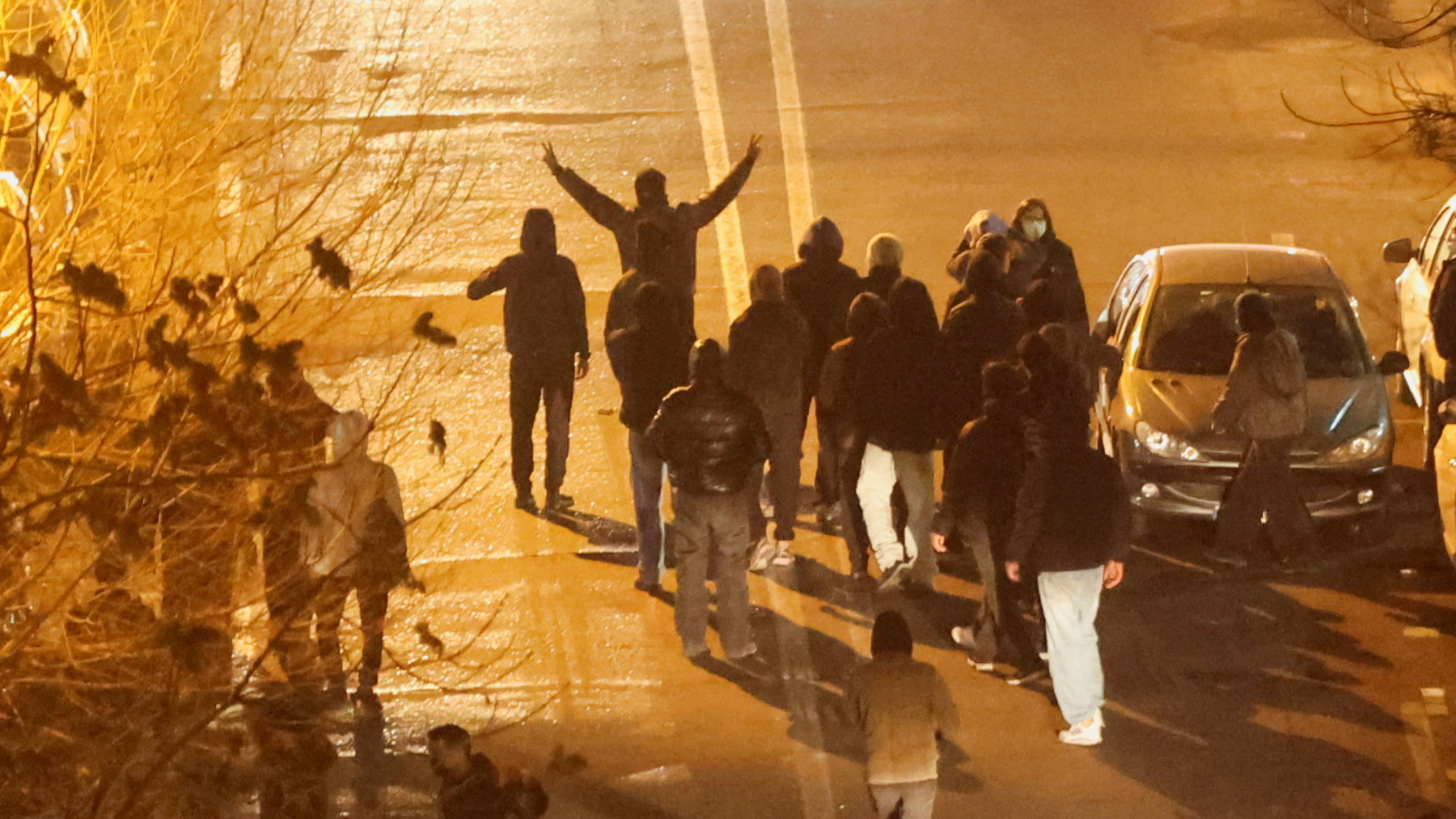
    In a rare official disclosure, an anonymous Iranian authority confirmed on Sunday that at least 5,000 individuals perished during recent anti-government demonstrations that swept across the nation. The protests, initially triggered in late December by widespread discontent with Iran’s deteriorating economic conditions, rapidly evolved into nationwide mobilizations demanding governmental overthrow.

    The administration responded with severe suppression tactics, including a comprehensive internet blackout initiated on January 8th that isolated the country from global communications. Multiple sources documented security personnel employing live ammunition against demonstrators, with the northwestern Kurdish regions experiencing particularly intense violence due to historical tensions between separatists and governmental forces.

    The official attributed the substantial death count to “terrorists and armed rioters” allegedly supported by “Israel and armed groups abroad,” claiming these elements killed “innocent Iranians.” This statement represents the first governmental effort to quantify the human cost of the unrest, though independent organizations present conflicting statistics. US-based HRANA documented 3,090 verified fatalities, while Oslo-based Iran Human Rights NGO reported evidence of execution-style killings against wounded protesters.

    Supreme Leader Ayatollah Ali Khamenei publicly acknowledged the crisis on Saturday, referencing “several thousand” casualties while assigning full responsibility to the United States. Khamenei specifically denounced President Donald Trump as “criminal” for allegedly instigating the violence, destruction, and social turmoil. Despite Trump’s threats of “very strong action” should Iran execute detained protesters, Iranian officials subsequently denied any plans for such measures.

    Recent developments indicate a potential de-escalation, with Tehran residents reporting diminished protest activity and partial restoration of internet and SMS services, though connectivity remains approximately 2% of normal levels according to monitoring group NetBlocks.

  • Senegal wins Africa Cup of Nations after chaotic final against host Morocco

    Senegal wins Africa Cup of Nations after chaotic final against host Morocco

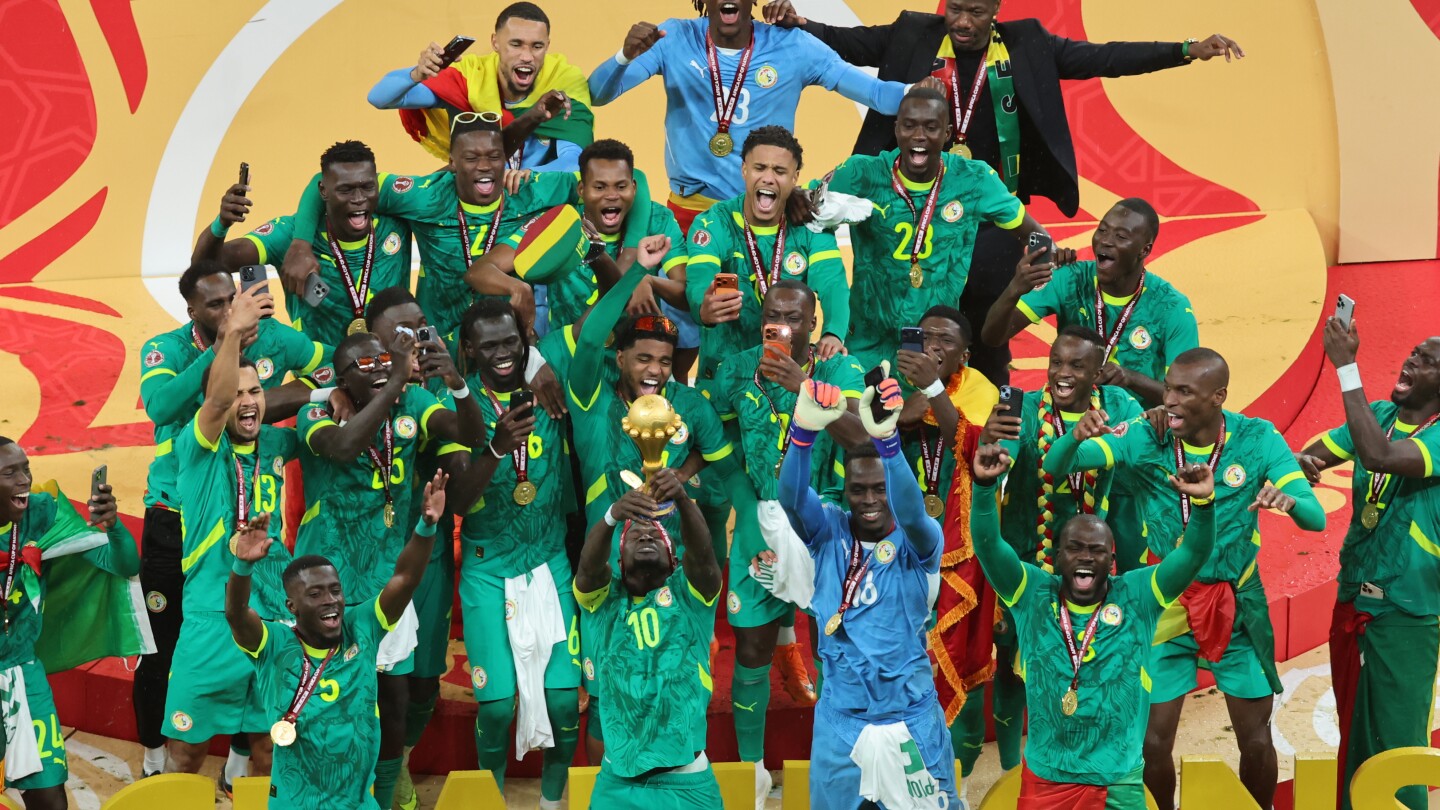
    RABAT, Morocco — Senegal secured its second Africa Cup of Nations title in a tumultuous final against host nation Morocco on Sunday, prevailing 1-0 after extra time in a match marred by controversy, fan unrest, and a 14-minute stoppage. Pape Gueye emerged as the hero, scoring the decisive goal in the 94th minute with a left-footed strike into the top right corner.

    The match descended into chaos during second-half stoppage time when Senegal’s players staged a walk-off protest after a controversial penalty was awarded to Morocco. The decision came moments after Senegal had a potential winning goal disallowed for a disputed foul. Television replays showed minimal contact between Senegalese defender Abdoulaye Seck and Moroccan Achraf Hakimi, who fell before Moussa Niakhaté headed the rebound into the net.

    As tensions escalated, organized Senegalese fans attempted to storm the field from behind one goal, with at least one chair thrown onto the pitch. Additional altercations broke out in the press box, possibly involving fans posing as journalists. Moroccan substitutes clashed with opposing players, requiring intervention from coaching staff including Morocco manager Walid Regragui.

    When play resumed after the extended delay, Moroccan star Brahim Díaz squandered the opportunity to end Morocco’s 50-year trophy drought with a poorly executed Panenka penalty that landed directly into goalkeeper Édouard Mendy’s arms. Díaz, the tournament’s top scorer with five goals, was subsequently whistled by Moroccan fans during the medal ceremony.

    The victory marks Senegal’s first goal from open play in a final across their four appearances. Their previous title in 2021 came via penalty shootout against Egypt.

    For World Cup 2030 host Morocco, the defeat represents a significant setback despite substantial investments in soccer infrastructure. The kingdom’s aggressive sports development has faced criticism from citizens who feel other public services are being neglected.

    Prior to the final, the Senegalese Football Federation had raised concerns about inadequate security, substandard accommodations, and limited ticket access for their supporters, alleging a lack of ‘fair play’ from tournament organizers.