博客

  • ‘Affront to humanity’: Sudan slams Uganda for hosting RSF paramilitary boss

    ‘Affront to humanity’: Sudan slams Uganda for hosting RSF paramilitary boss

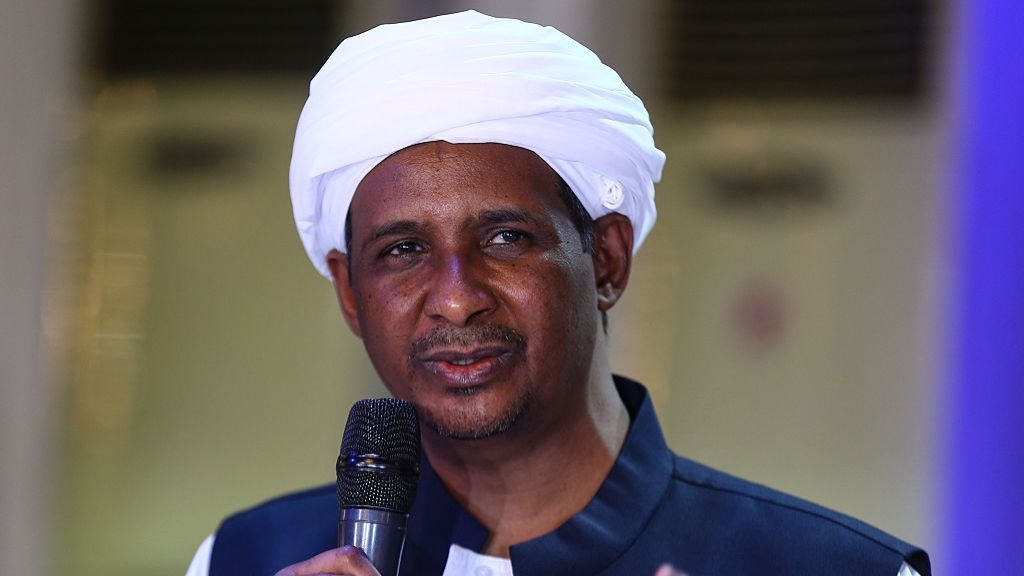
    Sudan’s government has issued a formal condemnation against Uganda for hosting paramilitary leader Mohamed Hamdan Dagalo, commander of the Rapid Support Forces (RSF), labeling the diplomatic engagement an “affront to humanity.” The Sudanese foreign ministry, representing the nation’s armed forces, accused Uganda of violating international law by welcoming Dagalo, whose forces stand accused of perpetrating extensive atrocities throughout Sudan’s ongoing civil conflict.

    The diplomatic confrontation emerged after Ugandan President Yoweri Museveni met with Dagalo—commonly known as Hemedti—at his presidential residence in Entebbe last Friday. Museveni, who serves as an African Union-appointed mediator between Sudan’s military and the RSF, stated that he emphasized the necessity of a “peaceful political solution” to end the conflict.

    In a strongly-worded statement released on Sunday, Sudan’s foreign ministry denounced the reception of the “rebel leader” and described the meeting as an “unprecedented move” that insults not only the Sudanese people but humanity as a whole. While acknowledging Uganda’s sovereign right to host foreign visitors, Khartoum insisted that welcoming Dagalo constitutes a breach of international legal standards.

    The RSF and Sudan’s national armed forces have been embroiled in a devastating power struggle for nearly three years, resulting in hundreds of thousands of casualties and displacing over 13 million people. Both factions face allegations of committing atrocities, with recent UN reports suggesting that RSF actions during the siege of el-Fasher may amount to genocide.

    This incident echoes previous regional tensions, including Sudan’s suspension of imports from Kenya last year after Nairobi hosted RSF representatives. African nations continue to grapple with diplomatic balancing acts as they attempt to mediate a conflict that shows no signs of abatement, with the RSF recently announcing the capture of al-Tina in North Darfur following intense fighting.

  • US relocates troops across Middle East bases amid rising tensions with Iran

    US relocates troops across Middle East bases amid rising tensions with Iran

    The United States military has commenced a significant strategic repositioning of its forces across multiple bases in the Middle East, responding to escalating tensions with Iran that threaten to erupt into direct military confrontation. This comprehensive redeployment involves hundreds of personnel being transferred from critical installations including Qatar’s Al Udeid Air Base, with similar movements observed at facilities in Bahrain, Iraq, Syria, Kuwait, Saudi Arabia, and Jordan.

    According to intelligence reports from The New York Times, the approximately 30,000-40,000 U.S. troops stationed across eight permanent bases in the region currently operate with limited air defense capabilities against potential Iranian retaliation. Military analysts emphasize that any forthcoming conflict would differ substantially from previous engagements, notably the June 2025 strike on Al Udeid where advance warning was provided.

    The Pentagon’s strategic preparations indicate anticipation of multiple potential Iranian targets, including short and medium-range missile facilities, weapons storage depots, nuclear development sites, and headquarters of Iran’s Islamic Revolutionary Guard Corps. This comes in response to explicit warnings from Iran’s UN mission that all American bases, facilities, and assets in the region would become “legitimate targets” in the event of U.S. aggression.

    In a defensive enhancement move, the U.S. is deploying additional air defense systems throughout the region while maintaining two aircraft carriers at strategic distances from Iranian territory to minimize vulnerability. These developments suggest preparation for potentially extended military operations, despite the Trump administration’s continued official commitment to diplomatic resolution. Internal planning has reportedly grown increasingly detailed, with discussions even extending to the possibility of regime change in Tehran, reflecting the gravity of current tensions.

  • Display of St. Francis of Assisi’s bones confirms enduring appeal of relics for Christians

    Display of St. Francis of Assisi’s bones confirms enduring appeal of relics for Christians

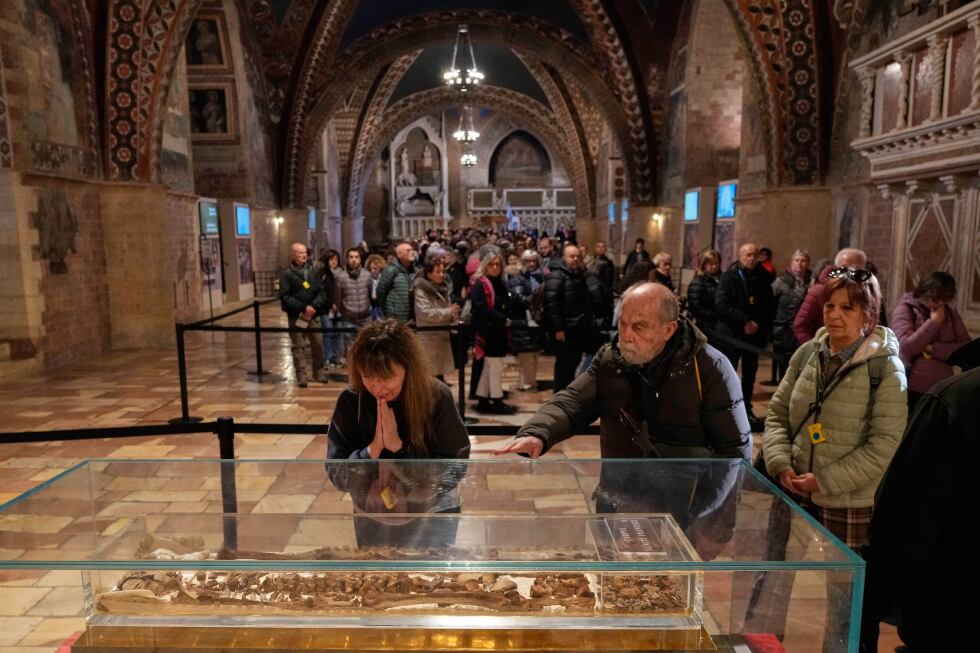
    ASSISI, Italy — In an unprecedented spiritual event marking the 800th anniversary of St. Francis of Assisi’s death, the revered saint’s skeletal remains were unveiled for public veneration Sunday, attracting nearly 400,000 registered pilgrims. The bones, meticulously preserved within a sleek bulletproof Plexiglas case, are displayed in the Lower Basilica of St. Francis—the very hilltop Umbrian town the medieval friar transformed into a global spiritual destination.

    The month-long exposition, running through March 22, represents both a commemorative act and a spiritual revival initiative. Franciscan organizers aim to reinvigorate St. Francis’s enduring messages of peace, fraternity, and radical humility—values that subsequently inspired Pope Francis to adopt his name upon election to the papacy.

    This extraordinary display concludes an eight-century saga surrounding the saint’s physical remains. Born in 1182 to wealth before embracing mendicant poverty, St. Francis reportedly manifested the stigmata—Christ’s crucifixion wounds—toward his life’s end. His posthumous journey proved equally remarkable: fearing relic theft common during medieval Christianity, followers secretly interred his body within the basilica’s unmarked column, where it remained hidden for nearly six centuries until its 1818 rediscovery and subsequent authentication by Pope Pius VII.

    Brother Giulio Cesareo, spokesman for Assisi’s Franciscans, emphasized the exhibition’s theological significance: ‘This is not macabre veneration but rather encountering Francis through venerating the Holy Spirit that animated his humanity. For believers, this becomes a pathway to spiritual renewal.’

    Contemporary visitors witness the striking physical fragility of the saint—his delicate bone structure reflecting documented struggles with health and nutrition. Yet the spiritual magnitude remains undeniable. Devotee Fiorella Farina, who named her children Francesco and Francesca, expressed profound emotion: ‘Just discussing this gives me goosebumps. In our current historical moment, we need his message more than ever.’

    Security measures surrounding the relics are both extensive and discreet, incorporating metal detectors, enhanced police presence, canine units, and surveillance systems—appropriate precautions given historical accounts of attempts to fragment the saint’s garments during his lifetime. Pilgrims experience the relics in carefully managed 10-minute intervals, with registrations opening months in advance.

    As explained by Brother William Short of the University of San Diego: ‘Relic veneration stems from natural human desire for connection. The Church channels this toward Christ through the physical remains of saints—our heavenly siblings.’ Despite historical instances of forgery and commercialization, the spiritual potency of relics remains undiminished for the faithful, making this exhibition a once-in-a-lifetime convergence of history, faith, and tradition.

  • Milan Cortina Olympics to close at Verona Arena as Olympic flag passes to France

    Milan Cortina Olympics to close at Verona Arena as Olympic flag passes to France

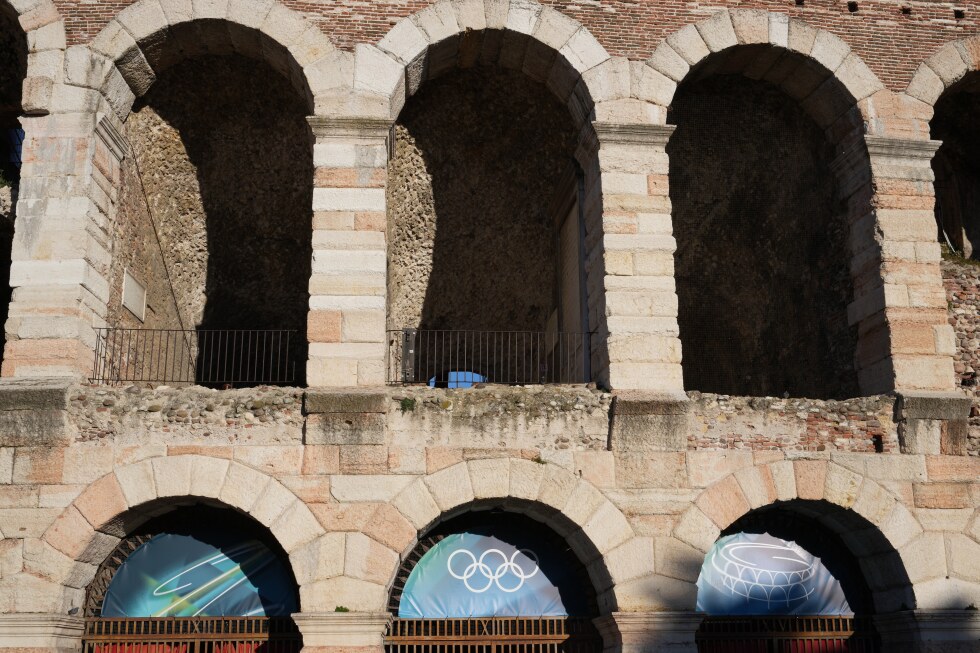
    VERONA, Italy — The 2026 Milan Cortina Winter Olympics concluded Sunday with a spectacular closing ceremony held within the ancient Verona Arena, marking the end of the most geographically dispersed Winter Games in Olympic history. The ceremony celebrated Italy’s rich cultural heritage through a fusion of classical and contemporary performances.

    The 2.5-hour event featured internationally acclaimed ballet dancer Roberto Bolle alongside popular Italian singer Achille Lauro and DJ Gaby Ponte, showcasing Italy’s diverse musical traditions. Approximately 1,500 Olympians—representing just over half of all competitors—paraded into the first-century amphitheater that once hosted gladiator contests and exotic animal hunts.

    Athletes entered en masse behind dual flag bearers from each of the 92 participating nations, including Italy’s gold medalists biathlete Lisa Vittozzi and speedskater Davide Ghiotto, and Team USA’s hockey champion Hilary Knight and ice dancing gold medalist Evan Bates.

    The ceremony paid special tribute to Italian lyric opera, recognized by UNESCO as an intangible cultural treasure, while simultaneously honoring contemporary Italian classics. The Verona Arena provided an ideal backdrop, being the regular summer host to both opera festivals and the prestigious ‘Roberto Bolle and Friends’ dance gala.

    Some 12,000 spectators attended the more intimate closing event, contrasting sharply with the 60,000-strong opening ceremony at Milan’s San Siro stadium that featured Mariah Carey and Andrea Bocelli.

    The Olympic flag was formally transferred to France, host of the 2030 Winter Games in the French Alps, during key ceremonial proceedings overseen by IOC President Kirsty Coventry—a two-time Olympic swimming champion presiding over her first Games as committee head—alongside Italian Prime Minister Giorgia Meloni.

    The Games spanned an unprecedented 22,000 square kilometers (8,500 square miles) across northern Italy, with venues stretching from Milan’s ice sports to border regions near Austria and Switzerland. This distributed model, designed to utilize existing facilities and avoid new construction costs, will influence future Olympics including the 2030 Games that will span the French Alps and Mediterranean coast.

    The ceremony concluded with the simultaneous extinguishing of the dual Olympic cauldrons in Milan and Cortina via video link, featuring a light show替代 prohibited fireworks to protect local wildlife. The Games featured 116 medal events across eight sports and 16 disciplines, including the Olympic debut of ski mountaineering.

    The Verona Arena will next host the Milan Cortina Paralympics opening ceremony on March 6, with competitions running through March 15.

  • Explosions kill police officer and injure 25 in western Ukraine

    Explosions kill police officer and injure 25 in western Ukraine

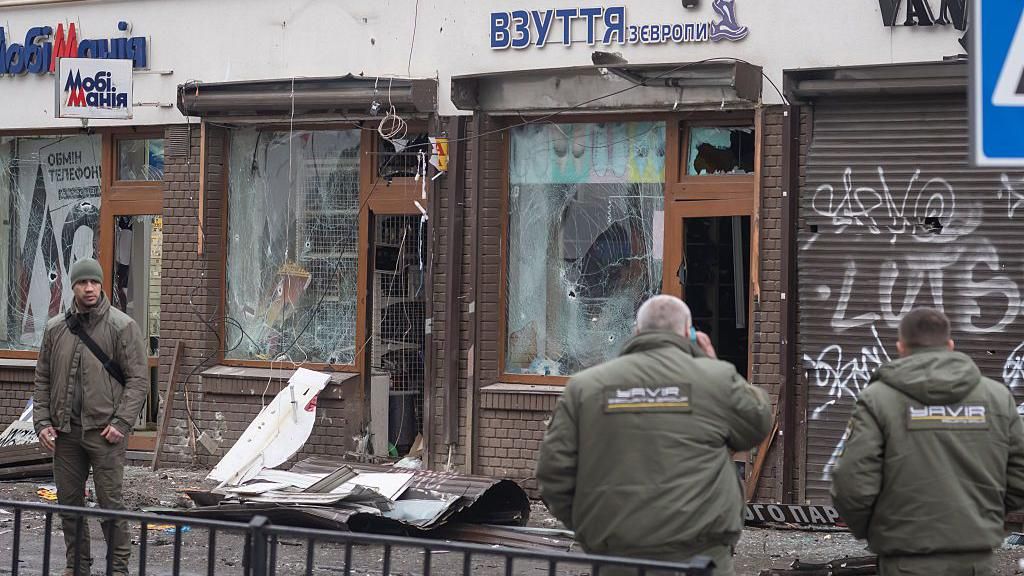
    A devastating terrorist attack struck the western Ukrainian city of Lviv in the early hours of Sunday, resulting in the death of a 23-year-old police officer and injuring 25 others, including multiple law enforcement personnel. Ukrainian authorities confirmed the incident involved strategically planted explosive devices designed to target first responders.

    According to the National Police of Ukraine, the sequence of events began when police crews responded to a reported break-in at a central Lviv shop shortly after midnight. The initial explosion detonated as the first police vehicle arrived on scene. A subsequent blast occurred when additional officers responded to the incident, indicating a calculated ambush targeting emergency personnel.

    The victim was identified as Officer Viktoria Shpylka, who had commenced her service with the national police at the onset of Russia’s full-scale invasion. National police commemorated her service in a Telegram post, noting her dedication during the Kherson region operations.

    Ukrainian President Volodymyr Zelensky confirmed the detention of a primary suspect identified as a 33-year-old Ukrainian woman from the Rivne region. Interior Minister Ihor Klymenko indicated ongoing investigations to identify additional accomplices, while the regional prosecutor’s office has launched a formal terrorism investigation.

    The attack resulted in eleven hospitalizations, including six law enforcement officers in serious condition. The explosives were concealed within waste bins near the incident location, according to police findings.

    This security incident occurred amid continued Russian military aggression, with Ukraine reporting interception of 50 missiles and nearly 300 drones during overnight attacks targeting energy infrastructure, residential areas, and railway systems. The Kyiv region reported one civilian fatality and two hospitalizations from these separate attacks.

  • Ramadan ‘crash’? Why UAE residents get headaches, fatigue in first week of fasting

    Ramadan ‘crash’? Why UAE residents get headaches, fatigue in first week of fasting

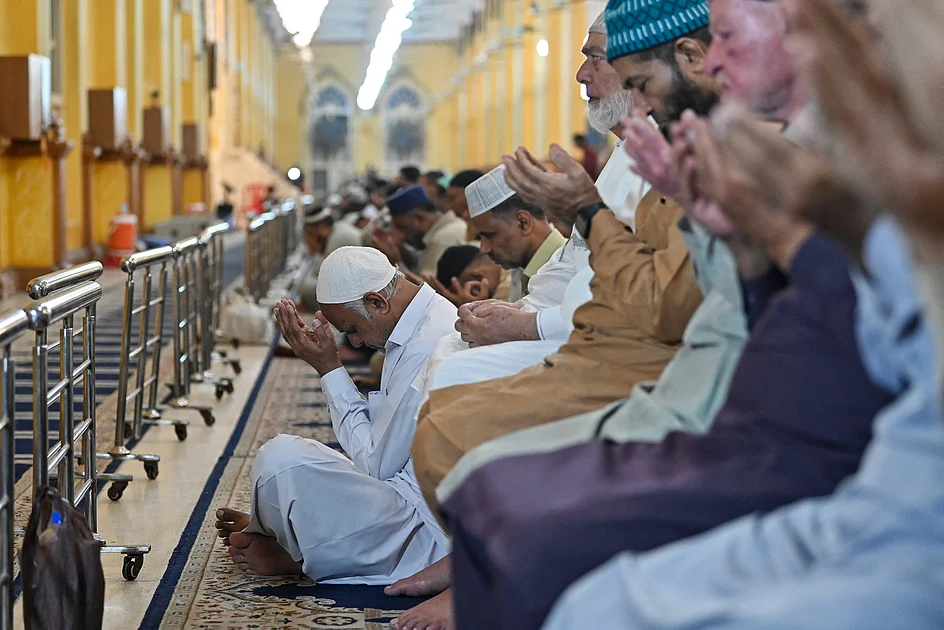
    As Ramadan commences across the United Arab Emirates, healthcare professionals are observing a predictable pattern of physiological adaptation among fasting residents. Many individuals report experiencing pronounced headaches, persistent fatigue, and diminished energy levels during the initial week of fasting, particularly in the hours preceding iftar.

    Medical experts attribute these symptoms to the body’s complex adjustment to altered nutritional intake, hydration patterns, and sleep cycles. Dr. Archana Purushothaman, an endocrinology and metabolism specialist at Fakeeh University Hospital Dubai, explains: “During the first days of Ramadan, the body undergoes significant metabolic recalibration. Blood glucose levels progressively decrease, insulin secretion patterns shift, and mild dehydration frequently develops. Simultaneously, hormonal regulators of energy must establish new rhythmic patterns.”

    This temporary biochemical imbalance manifests most noticeably during late afternoon hours when the body’s glycogen reserves become depleted. Clinical dietitian Swapna Mary John of International Modern Hospital Dubai emphasizes that dehydration plays a more substantial role than commonly recognized: “Thirst represents a delayed indicator of dehydration. Even moderate fluid loss can impair cerebral blood flow and muscular function, resulting in cephalalgia, reduced vitality, and concentration difficulties.”

    The phenomenon, colloquially termed ‘Ramadan crash’ by residents, proves particularly challenging for habitual caffeine consumers experiencing withdrawal symptoms. Salim S., a Dubai resident, describes his experience: “I initiate each day feeling normal, but by mid-afternoon, I develop debilitating cephalgia and diminished focus. The only recourse often involves resting until iftar.”

    Nutritional choices significantly influence energy sustainability throughout the fasting period. Experts identify common suhoor misconceptions, including overreliance on refined carbohydrates and sugary items that provoke rapid glycemic fluctuations. Conversely, healthcare professionals recommend incorporating complex carbohydrates, lean proteins, and healthy fats during pre-dawn meals to stabilize metabolic parameters.

    Hydration management represents another critical consideration. Rather than consuming large volumes simultaneously, medical advisors suggest gradual fluid intake between iftar and suhoor, complemented by moisture-rich foods like fruits and soups. These strategies collectively help mitigate the adaptation challenges associated with Ramadan’s initial phase while honoring religious traditions.

  • France will summon US Ambassador Charles Kushner after US comments on activist’s death

    France will summon US Ambassador Charles Kushner after US comments on activist’s death

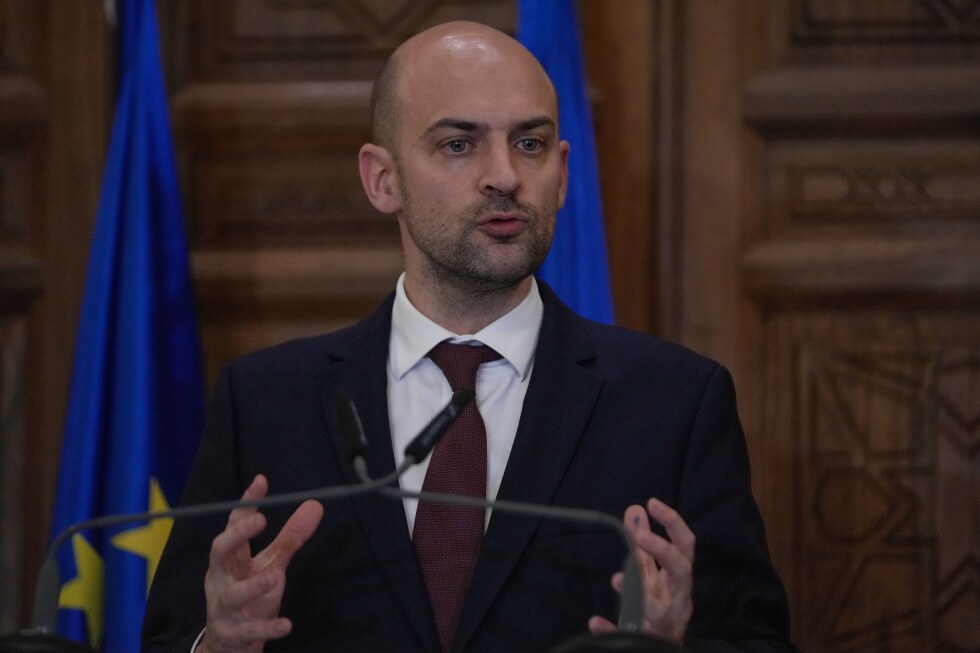
    The French government has announced it will formally summon U.S. Ambassador Charles Kushner to express strong disapproval of the Trump administration’s commentary regarding the fatal assault of far-right activist Quentin Deranque. Foreign Minister Jean-Noel Barrot’s decision comes in direct response to statements issued by the State Department’s Counterterrorism Bureau, which utilized social media platform X to voice concerns about the killing allegedly perpetrated by left-wing militants—claims reportedly supported by France’s Interior Minister.

    Deranque succumbed to severe brain injuries sustained during violent clashes in Lyon, where he was assaulted alongside disturbances at a student gathering featuring far-left legislator Rima Hassan as keynote speaker. This incident has intensified existing political fractures as France approaches next year’s presidential election, prompting President Emmanuel Macron to appeal for national calm following a 3,000-strong memorial march organized by right-wing groups.

    Barrot vehemently rejected what he characterized as political exploitation of the tragedy, stating France requires no instruction from international reactionary movements regarding violence prevention. Meanwhile, the State Department maintained its position that radical leftist violence represents a growing threat to public safety, emphasizing the need for judicial accountability.

    Judicial proceedings have advanced with seven individuals facing preliminary charges including intentional homicide, aggravated violence, and criminal conspiracy. Six defendants received full charges across all counts while the seventh faces complicity allegations.

    Beyond this diplomatic friction, Barrot indicated additional concerns regarding recent U.S. sanctions imposed on Thierry Breton—former EU commissioner overseeing social media regulations—and International Criminal Court judge Nicolas Guillou, both deemed by France as targets of unjustifiable measures.

  • JPMorgan closed Trump’s bank accounts one month after Jan 6 US Capitol attack

    JPMorgan closed Trump’s bank accounts one month after Jan 6 US Capitol attack

    Newly disclosed court filings reveal that JPMorgan Chase formally terminated banking relationships with former President Donald Trump and his hospitality enterprises in February 2021, precisely one month following the January 6th Capitol insurrection. The documentation emerged within the framework of a $5 billion litigation initiated by Trump against both the financial institution and its Chief Executive Officer, Jamie Dimon.

    The correspondence, dated February 19, 2021, did not articulate specific grounds for the account closures. One communication indicated the bank’s prerogative to conclude client relationships when it determines the association no longer serves the institution’s interests. This development occurred amidst a broader pattern of corporate disengagement from Trump-affiliated entities subsequent to the Capitol siege, which included severed ties with legal representatives and the revocation of prestigious golf tournaments.

    JPMorgan’s legal representatives have characterized the lawsuit as without merit, while simultaneously pursuing its transfer from Miami federal jurisdiction to New York courts, citing the latter’s more substantial connections to the dispute. Conversely, Trump’s legal counsel has portrayed the emergence of these termination letters as a pivotal admission that substantiates their allegations of politically motivated financial exclusion.

    The former president’s legal team contends that the banking giant engaged in unlawful de-banking practices that inflicted significant economic detriment. Trump maintains that JPMorgan, as the nation’s premier banking institution, deliberately contravened its established protocols to align with contemporary political currents rather than objective financial criteria.

  • Hungary threatens to block fresh EU sanctions against Russia over oil deliveries

    Hungary threatens to block fresh EU sanctions against Russia over oil deliveries

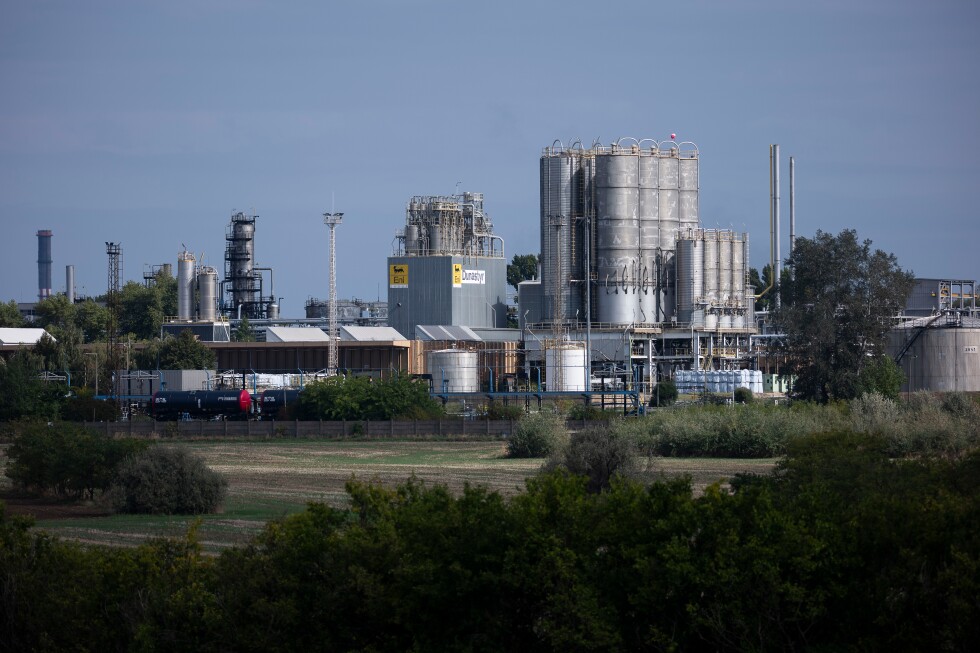
    Hungary has declared it will block the European Union’s proposed 20th sanctions package against Russia and withhold critical financial support for Ukraine until Russian oil deliveries through the Druzhba pipeline resume. The announcement came from Hungarian Foreign Minister Péter Szijjártó in a social media statement on Sunday, just ahead of Monday’s crucial EU foreign ministers meeting in Brussels.

    The diplomatic confrontation stems from the January 27 interruption of Russian oil shipments to Hungary and Slovakia, which Ukrainian authorities attribute to damage caused by Russian drone attacks on the Druzhba pipeline. Szijjártó accused Ukraine of intentionally withholding oil shipments and stated Hungary would prevent any EU decisions favorable to Kyiv until the matter is resolved.

    This stance creates significant complications for EU unity, as sanctions require unanimous approval from all 27 member states. The proposed measures were intended to coincide with the fourth anniversary of Russia’s full-scale invasion of Ukraine on Tuesday.

    In a further escalation, Hungary revealed plans to block a substantial €90 billion EU loan package designed to support Ukraine’s military and economic stability over the next two years. Slovakia has joined Hungary in applying pressure, with Prime Minister Robert Fico threatening to cut emergency electricity supplies to Ukraine if oil deliveries aren’t restored by Monday.

    Ukraine’s Foreign Ministry condemned these actions as “ultimatums and blackmail” that effectively assist Russian aggression. The ministry emphasized that these threats come during extreme winter conditions while Russia systematically targets Ukrainian energy infrastructure.

    Hungarian Prime Minister Viktor Orbán, who maintains Europe’s closest relationship with the Kremlin, has consistently argued that Russian energy is essential for Hungary’s economic stability. While most European nations have dramatically reduced Russian energy imports since the invasion began, Hungary and Slovakia secured temporary exemptions from EU bans on Russian oil imports.

  • Pakistan launches deadly strikes in Afghanistan; children among dozens killed

    Pakistan launches deadly strikes in Afghanistan; children among dozens killed

    Pakistan executed a series of military airstrikes targeting militant positions within Afghan territory during overnight operations, marking a significant escalation in cross-border tensions. The Pakistani Ministry of Information and Broadcasting confirmed the offensive targeted seven locations along the border region, specifically aimed at Afghanistan-based militant organizations including the Pakistani Taliban and an Islamic State affiliate.

    The operation, described as retaliatory measures following recent suicide bombing incidents within Pakistan, represents the most substantial military action since October border clashes that resulted in over seventy casualties. According to Islamabad’s official statement, the strikes were conducted in response to security failures by Taliban authorities to address militant sanctuaries within their territory.

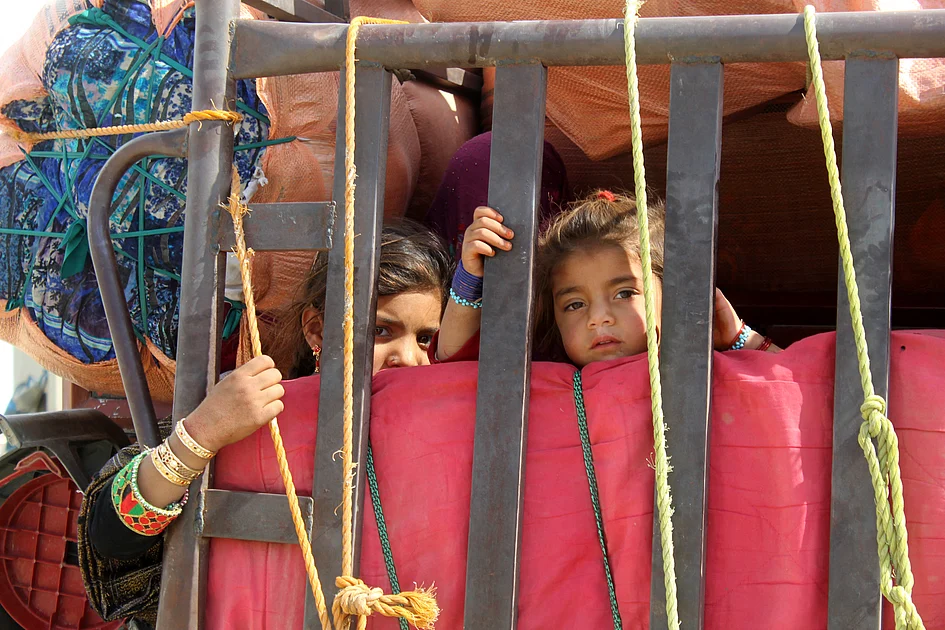
    Afghan government spokesperson Zabihullah Mujahid reported the attacks struck provinces of Nangarhar and Paktika, resulting in numerous casualties including women and children. An AFP journalist in Bihsud district witnessed emergency responders using heavy machinery to search for victims beneath collapsed structures. Confidential security sources indicated that among the deceased were twelve children and teenagers killed when a residential compound was struck.

    The deteriorating relationship between the neighboring nations has intensified since the Taliban’s return to power in 2021, with security concerns constituting the primary point of contention. Pakistan maintains that Afghan territory serves as a base for militant operations against its interests, while Kabul consistently denies these allegations.

    The recent escalation follows a particularly devastating suicide bombing at a Shiite mosque in Islamabad two weeks prior, which claimed at least forty lives and injured over 160 people—the deadliest attack on the capital since 2008. Islamic State claimed responsibility for that assault, though Pakistan attributes broader militant activity to Taliban-tolerant policies.

    Previous border conflicts had been temporarily resolved through Qatar and Turkey-mediated ceasefires, though subsequent diplomatic negotiations in Doha and Istanbul have failed to establish lasting security agreements between the two nations.