博客

  • Diaz will ‘have nightmares’ over ‘Panenka’ failure

    Diaz will ‘have nightmares’ over ‘Panenka’ failure

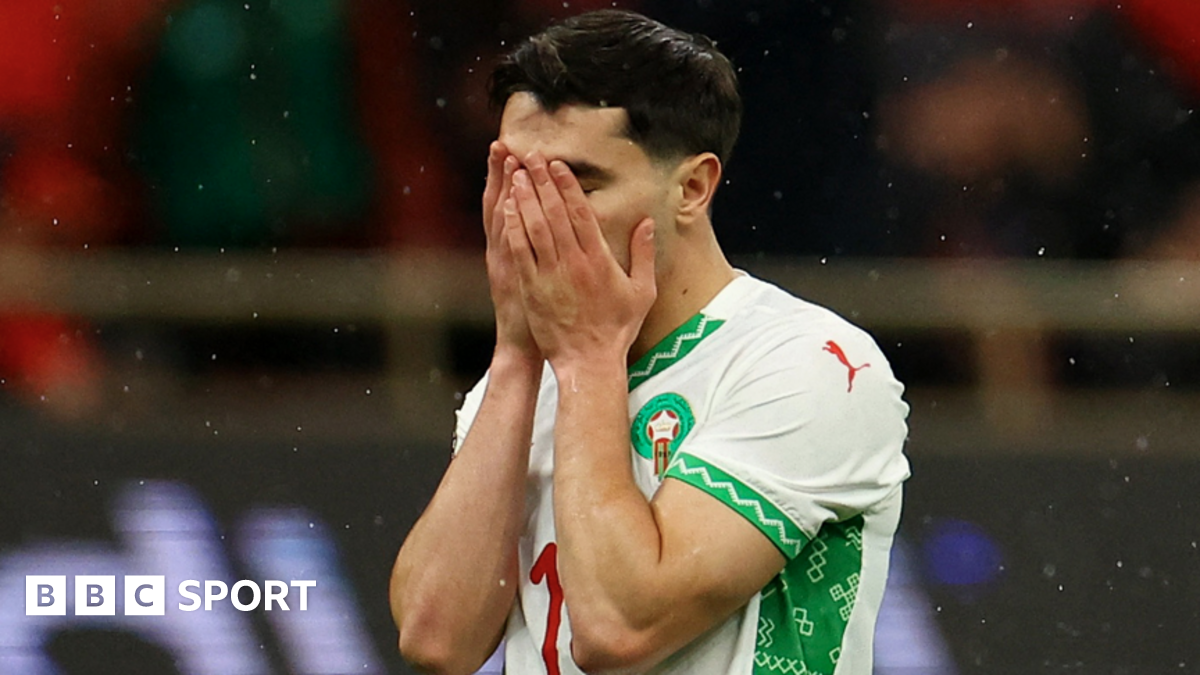
    In a devastating turn of events at the Africa Cup of Nations final, Moroccan sensation Brahim Díaz transformed from national hero to heartbroken villain within seconds. The Real Madrid attacker’s ill-fated decision to attempt a chipped ‘Panenka’ penalty in the 114th minute ultimately cost his nation their first AFCON title in half a century.

    The dramatic finale unfolded amid extraordinary circumstances during added time. With the score deadlocked at 0-0 in the 98th minute, DR Congo referee Jean-Jacques Ndala awarded Morocco a penalty after VAR review showed Senegal’s El Hadji Malick Diouf dragging Díaz down by his neck. What followed was unprecedented chaos as incensed Senegal players, already angered by a disallowed goal minutes earlier, attempted to leave the pitch in protest.

    Former Liverpool striker Sadio Mane remained on the field, desperately trying to persuade his teammates to continue. The resulting 17-minute delay created unbearable psychological pressure on the 24-year-old Díaz, who had been the tournament’s standout performer with five crucial goals.

    When the moment finally arrived, Díaz’s attempted chip proved disastrously misjudged. Senegal goalkeeper Edouard Mendy, who had previously confronted the Moroccan player during the delay, stood his ground and caught the feeble attempt with embarrassing ease. The miss proved catastrophic when Pape Gueye scored the winning goal for Senegal just four minutes into extra time.

    Morocco manager Walid Regragui acknowledged the psychological toll of the extended delay, stating: ‘He had a lot of time before taking the penalty which must have disturbed him. But we can’t change what happened. That is how he chose to take the penalty.’

    The defeat marks a particularly cruel chapter in Panenka history. The technique, pioneered by Czechoslovakian midfielder Antonin Panenka in the 1976 European Championship final, has been successfully executed by legends including Zinedine Zidane, Andrea Pirlo, and Lionel Messi. However, as Díaz joins Sergio Agüero and Raheem Sterling on the list of failed Panenka attempts, the high-risk strategy’s catastrophic potential was once again exposed on football’s biggest stage.
  • Senegal erupts in joy after dramatic win to take the Africa Cup of Nations

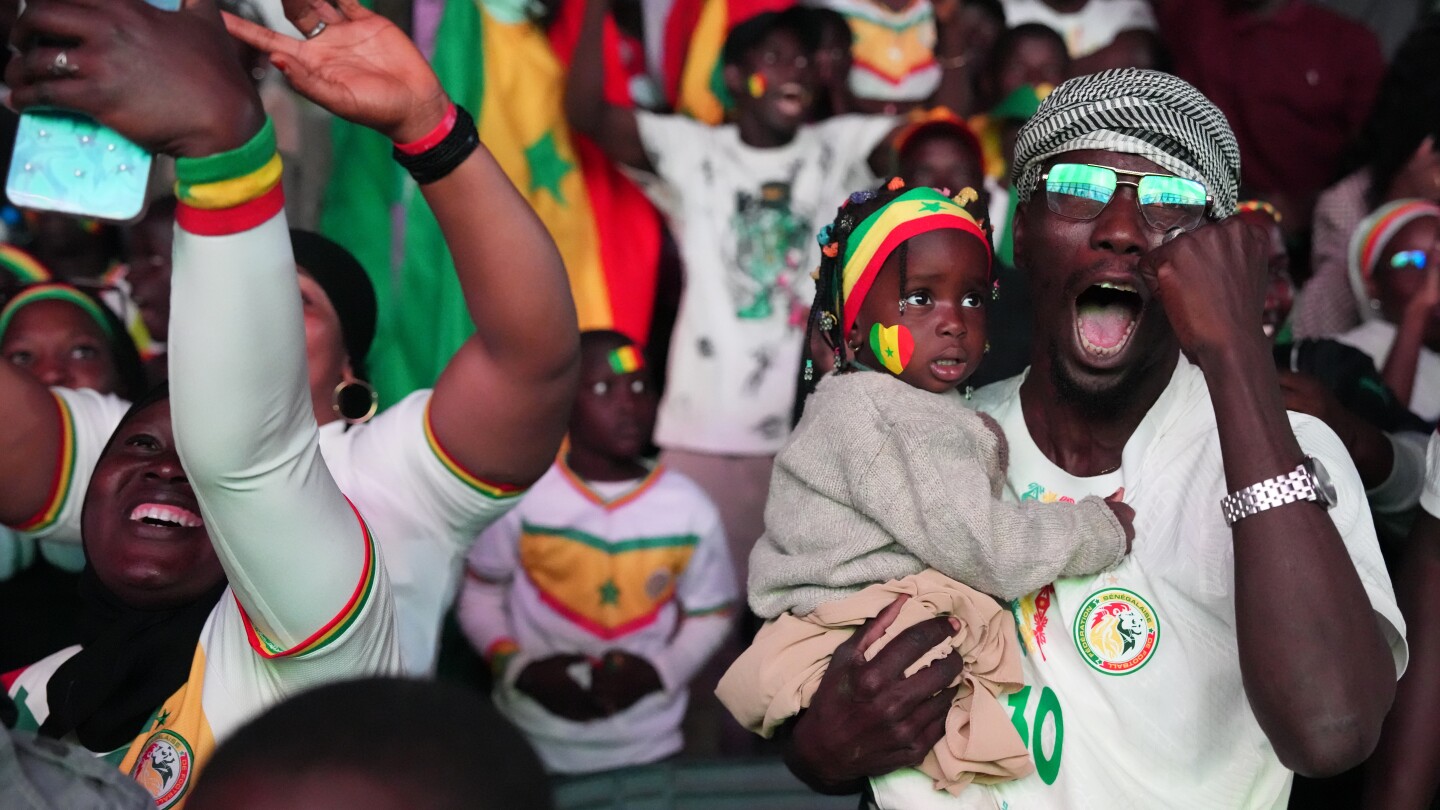
    Senegal erupts in joy after dramatic win to take the Africa Cup of Nations

    DAKAR, Senegal — The streets of Senegal’s capital transformed into a sea of national pride Sunday night as the Teranga Lions secured a dramatic 1-0 victory against Morocco in the Africa Cup of Nations championship. The hard-fought final, held in Rabat, culminated in extraordinary scenes of celebration across the West African nation.

    Pape Gueye emerged as the national hero, scoring the decisive goal during extra time in a match characterized by high tension and controversy. The game reached a critical juncture when Senegalese players temporarily walked off the field protesting a penalty decision deep into second-half stoppage time, while stadium security struggled to contain spectators attempting to storm the pitch.

    The victory marks Senegal’s second continental championship, following their 2021 title win against Egypt in a penalty shootout. This latest triumph solidifies their status as Africa’s premier football team.

    President Bassirou Diomaye Faye addressed the nation via public television, expressing overwhelming pride in the team’s achievement. “The joy is indescribable,” President Faye declared. “We witnessed true patriots fighting for our national honor. This victory belongs not only to the players and coaching staff but to every citizen of Senegal.”

    In recognition of their achievement, the president announced financial rewards for the national team and declared Monday a public holiday to enable nationwide celebrations.

    Across Dakar, fireworks illuminated the night sky while car horns blared continuously. Citizens of all ages, adorned in national colors and waving Senegalese flags, filled neighborhoods with chanting and dancing. In the Parcelles Assainies district, young supporter Pape Ndiaye captured the national sentiment: “Our team has demonstrated they are Africa’s finest. The Lions fought with the courage their name represents.”

    The victory has ignited national optimism about Senegal’s prospects in upcoming international competitions. As Ph.D student Sidy Sylla proclaimed at Cheikh Anta Diop University: “The world must recognize that Senegal is no longer a minor team—we have become a force to be feared, especially with the World Cup approaching.”

  • Australian Open: Michael Zheng was set to collect six figures after a first-round win — but he will forfeit it for being a student

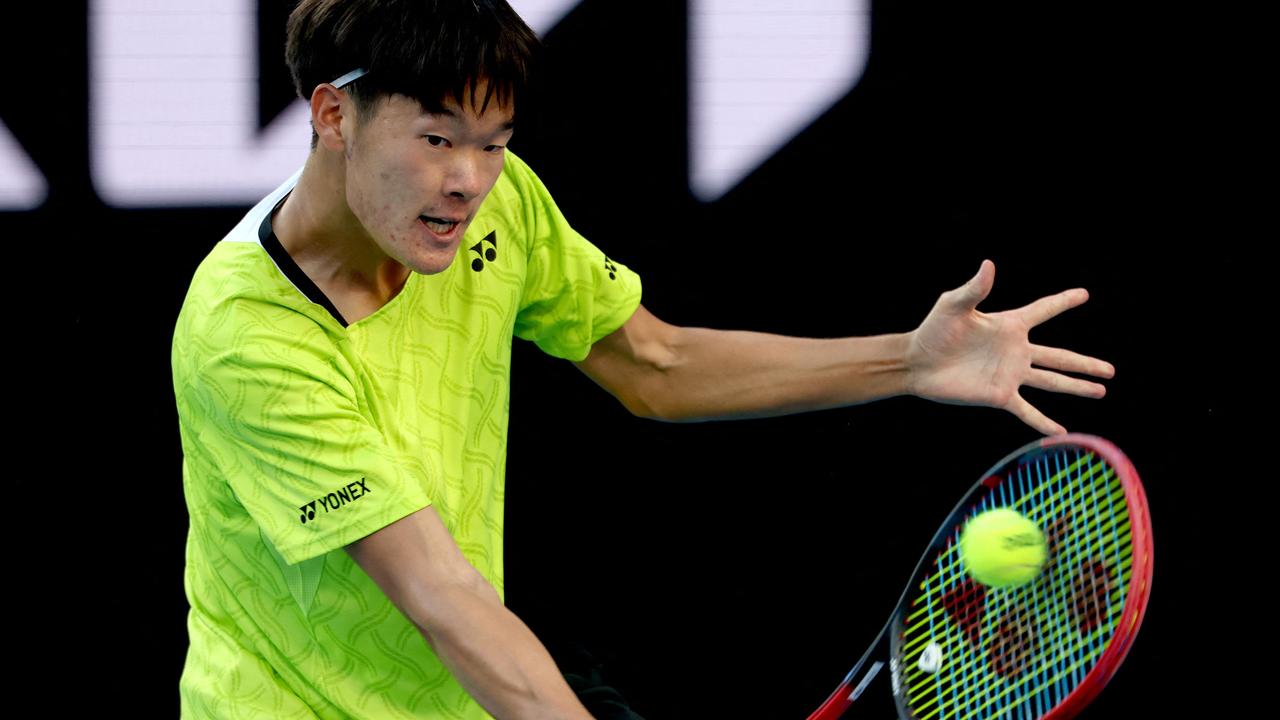
    Australian Open: Michael Zheng was set to collect six figures after a first-round win — but he will forfeit it for being a student

    In an extraordinary display of academic commitment, American tennis sensation Michael Zheng faces the unprecedented dilemma of relinquishing a substantial six-figure prize from the Australian Open to preserve his collegiate athletic status. The 21-year-old Columbia University psychology major delivered one of the tournament’s most stunning upsets by defeating compatriot Sebastian Korda in a gripping five-set match during the opening round.

    Zheng’s remarkable journey through three qualifying matches culminated in his main draw victory against the 23rd-seeded Korda, showcasing exceptional skill and determination. However, his status as a student-athlete bound by NCAA regulations imposes strict limitations on monetary awards from professional competitions. The governing body caps such earnings at a maximum of $10,000 annually for amateur athletes maintaining their eligibility.

    This restriction means Zheng must forfeit approximately $150,000 in guaranteed prize money from his first-round triumph, with potential earnings escalating significantly should he advance further in the tournament. The rising star has just one semester remaining to complete his degree and has consciously prioritized academic completion before transitioning fully to professional tennis.

    When questioned about potential loopholes or alternative arrangements, Zheng expressed cautious adherence to the rules, stating he would not risk compromising his standing or ‘getting in any trouble’ for the financial windfall. His situation highlights the complex intersection of collegiate athletics and professional sports, where aspiring athletes must navigate difficult financial and career decisions.

  • Hispanic voters sent Trump back to power. Now some are souring

    Hispanic voters sent Trump back to power. Now some are souring

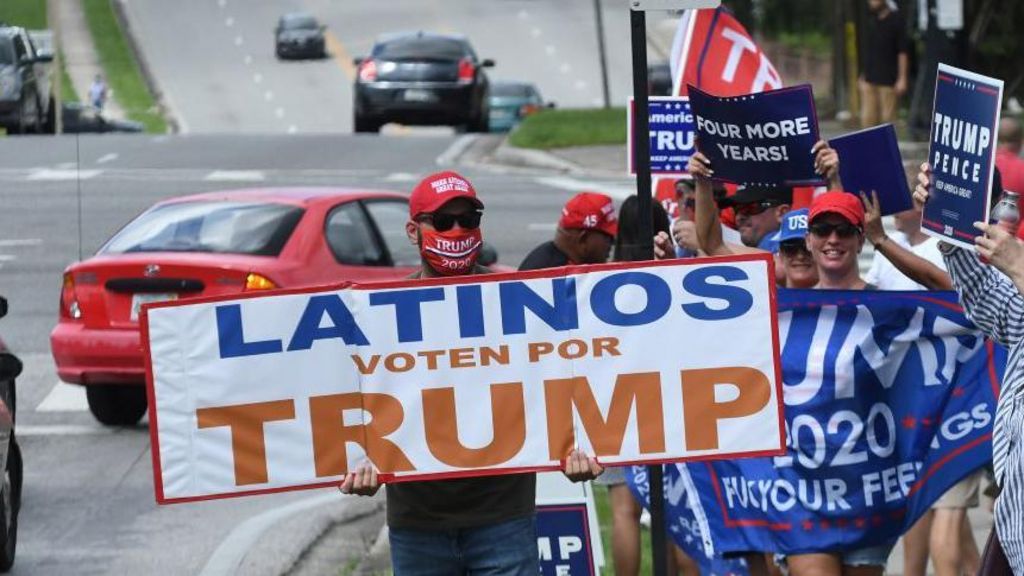
    A significant shift is occurring within the Latino electorate that helped propel Donald Trump to victory in the 2024 presidential election. New polling data from CBS News reveals a notable decline in support, with approval among Latino voters dropping to 38%—a substantial decrease from the 49% recorded in February following his inauguration. This demographic, representing over 36 million people and constituting the largest non-white voting bloc in the United States, appears to be reconsidering its allegiance to the Republican administration.

    The economic concerns that initially drove Latino voters toward Trump have now become his administration’s greatest vulnerability. While 93% of Latino Trump voters cited the economy as their primary issue during the 2024 election according to Pew Research, current CBS polling shows 61% now disapprove of Trump’s economic management, with 69% expressing dissatisfaction with his handling of inflation. Despite White House officials highlighting lower gas prices, tariff revenue, and foreign investment as successes, many Latino voters report continued financial strain.

    Moses Santana, a resident of a predominantly Latino neighborhood in North Philadelphia, observed that ‘things are still getting tight… people who are low-income are definitely feeling the impact of the prices.’ This sentiment was echoed by John Acevedo, a 74-year-old California realtor who noted that ‘He promised they would come down. They haven’t.’

    The administration’s immigration enforcement operations have further complicated the relationship with Latino voters. With over 600,000 deportations between January and early December 2024 and widespread ICE raids, 70% of Latinos disapprove of Trump’s immigration handling according to CBS data—significantly higher than the national average of 58%. While some supporters defend these measures as protecting legal immigrants’ jobs, others like Oscar Byron Sarmiento, a Houston electrician, believe the approach has ‘gone a little bit extreme.’

    Republican strategist Mike Madrid, a prominent observer of Latino politics, suggests that ‘The Latino shift right was more a function of Latinos leaving the Democratic Party [due to the economy] than it was a function of being compelled by the Republican Party.’ He notes that Latino voters, having the ‘weakest partisan anchor of any group,’ are willing to reject both parties when they feel failed.

    As the administration approaches midterm elections, addressing this erosion of support presents a significant challenge. Even staunch supporters acknowledge growing concerns, with Crystal Sarmiento noting that ‘Right now Trump is trending in a lower direction, simply because of not being able to get in front of the messaging.’ The administration’s ability to address economic anxieties and modify its approach to immigration may determine whether it can reclaim the Latino support that proved decisive in 2024.

  • Faisal Islam: Global disruption looms large over biggest-ever Davos

    Faisal Islam: Global disruption looms large over biggest-ever Davos

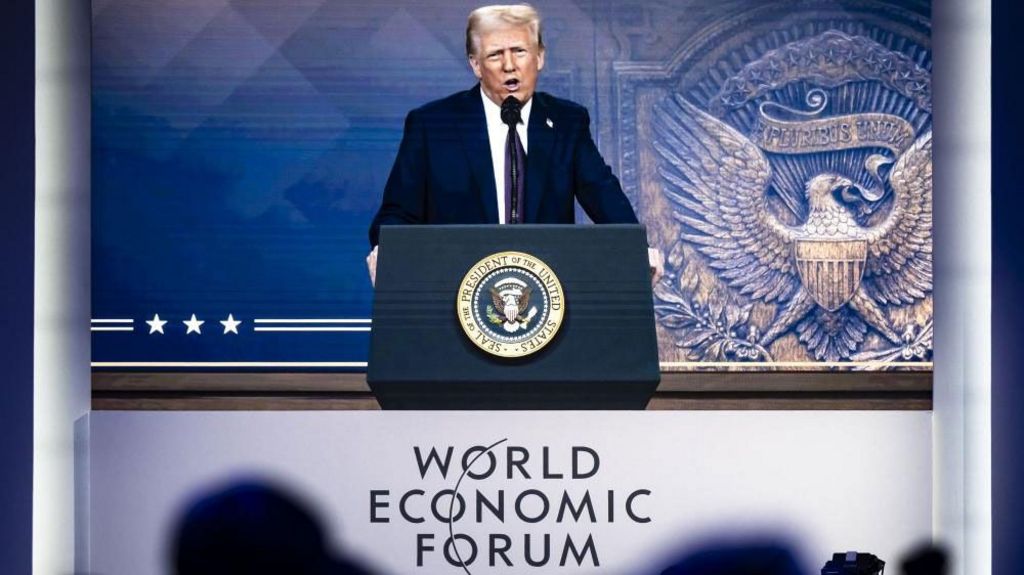
    The pristine slopes of Davos provide an incongruous backdrop for what promises to be one of the most politically charged World Economic Forum gatherings in recent memory. President Donald Trump’s scheduled appearance Wednesday marks his physical debut at the Alpine summit following last year’s remote participation just days after his inauguration.

    The American president returns as what analysts term the ‘chief global disruptor,’ bringing with him an entourage of five cabinet members and corporate titans including Nvidia’s Jensen Huang and Microsoft’s Satya Nadella. His presence has dramatically amplified attendance figures, creating the largest Davos congregation on record.

    Central to the geopolitical tension is Trump’s extraordinary territorial ambition regarding Greenland—a proposition that has left European leaders both bewildered and concerned. The administration’s attempt to economically pressure Europe into selling the autonomous Danish territory represents precisely the type of unilateral action that contradicts the forum’s official theme of ‘spirit of dialogue.’

    This year’s proceedings unfold under unusual circumstances, with reports suggesting the White House pressured organizers to minimize traditional focus areas like environmental sustainability and global development in favor of hardline business discussions. The creation of a ‘USA House’ in a local church—funded by American corporations to celebrate the World Cup and 250th anniversary of U.S. independence—further underscores the administration’s America-first approach.

    The forum gathers an unprecedented 65 heads of state alongside Ukrainian President Volodymyr Zelensky, 850 top executives, and numerous technology pioneers. This concentration of global leadership has sparked comparisons to historic summits like Yalta, particularly given ongoing border disputes from Venezuela’s Caracas to Ukraine’s Donbas region.

    While Trump champions economic nationalism, Canadian leadership presents a contrasting vision of North American cooperation. Prime Minister Mark Carney arrives having successfully navigated U.S. trade turbulence through diversified partnerships and strengthened multilateral alliances, recently advocating for a new world order alongside Chinese leadership.

    China’s substantial delegation, operating at finance minister level, positions the world’s second-largest economy as a stabilizing force amid American disruption. Their growing technological dominance—evidenced by last year’s surprise emergence of the DeepSeek AI chatbot that overshadowed early-week American triumphalism—signals a fundamental power shift that many European manufacturers now acknowledge as irreversible in critical sectors like electric vehicle batteries.

    Despite frequent criticisms of the Davos concept, this year’s forum offers a unique lens through which to observe the accelerating reorganization of global influence and the competing visions for international cooperation in an increasingly fragmented world.

  • ‘The finest in the world’: Why the US is buying icebreakers from Finland

    ‘The finest in the world’: Why the US is buying icebreakers from Finland

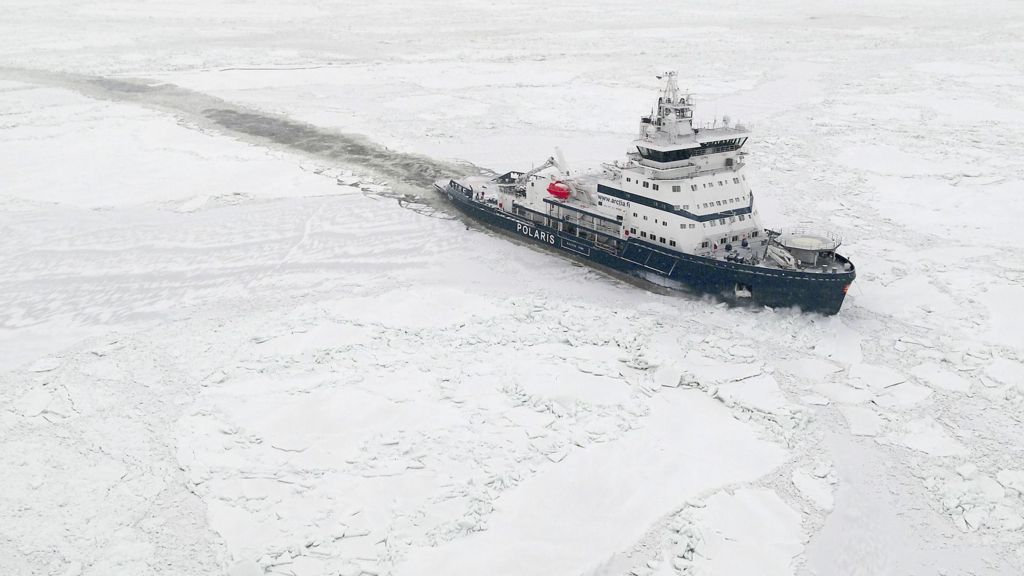
    In the frosty laboratories of Aker Arctic Technology, scale models of icebreakers glide through a 70-meter simulation tank, carving precise channels through solid ice. This Helsinki-based facility represents the epicenter of a specialized global industry where Finland holds undisputed supremacy. Finnish companies have designed 80% of the world’s operational icebreakers, with 60% constructed in Finnish shipyards.

    This expertise has drawn international attention, particularly from the United States. In a significant policy shift, the Trump administration waived domestic construction requirements for naval vessels to acquire four Finnish-designed icebreakers for the U.S. Coast Guard, with plans for seven additional vessels using Finnish designs and expertise. The move responds to growing Arctic competition, particularly from Russia’s fleet of approximately 40 icebreakers (including nuclear-powered vessels) compared to America’s mere three operational units.

    The strategic importance of icebreaking capability has intensified as climate change opens new Arctic navigation routes. Reduced ice levels are making trans-Arctic shipping between Asia and Europe increasingly viable, while also improving access to oil and gas reserves beneath the Arctic Ocean. Peter Rybski, a retired U.S. Navy officer and Arctic expert based in Helsinki, notes: ‘There’s simply a lot more traffic in that part of the world now.’

    Finland’s dominance stems from both necessity and generations of accumulated knowledge. ‘Finland is the only country where all harbors may freeze during winter,’ explains Maunu Visuri of state-owned Artica, which operates eight icebreakers. With 97% of goods arriving by sea, icebreakers are essential infrastructure. ‘We say that Finland is an island,’ Visuri adds.

    Engineering excellence defines Finnish icebreakers. ‘It’s crucial that vessels have sufficient structural strength and engine power,’ says ice performance engineer Riikka Matala. CEO Mika Hovilainen emphasizes hull design: ‘You must have a hull form that breaks ice by bending it downward—not cutting, not slicing.’

    The geopolitical dimension extends beyond practical navigation. Researcher Lin Mortensgaard of the Danish Institute of International Studies observes: ‘No matter how many aircraft carriers you have, you cannot sail them into the central Arctic Ocean. Icebreakers are the only naval vessel to signal Arctic capabilities.’

    With contracts already awarded to Rauma Marine Constructions and production timelines as short as three years, Finland’s century of icebreaker development has positioned it as an unexpected player in global power dynamics, where technological mastery meets strategic necessity in the rapidly changing Arctic landscape.

  • Australia’s richest gain $600,000 a day as inequality deepens, new report reveals

    Australia’s richest gain $600,000 a day as inequality deepens, new report reveals

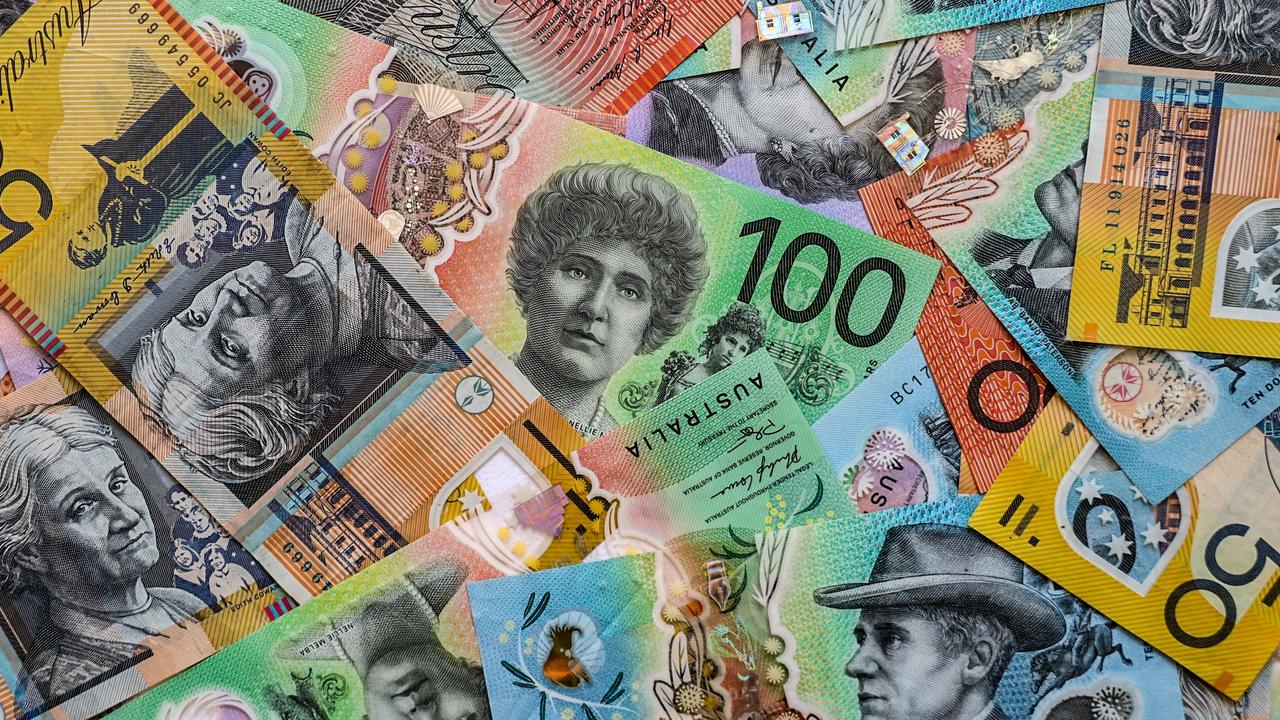
    A stark economic divergence emerged in Australia during 2025 as the nation’s wealthiest individuals experienced unprecedented financial growth while millions faced severe economic hardship. According to Oxfam’s latest inequality assessment, Australia’s 48 billionaires collectively control more wealth than the bottom 11 million citizens combined, highlighting one of the most pronounced wealth disparities in the nation’s history.

    The comprehensive report reveals that each Australian billionaire accumulated over $600,000 daily throughout 2025, exceeding the annual income of approximately 2,000 average workers. This wealth concentration has accelerated dramatically since the pandemic, with Australia adding eight new billionaires to its ultra-wealthy cohort.

    Globally, billionaire fortunes expanded by 16 percent in 2025—three times faster than the five-year average—reaching an unprecedented $27.7 trillion across approximately 3,000 billionaires worldwide. Elon Musk became the first individual to surpass the half-trillion dollar milestone, exemplifying this extraordinary wealth accumulation trend.

    Oxfam Australia CEO Jennifer Tierney attributes this growing inequality to systemic advantages within tax structures. “Current frameworks enable exponential billionaire wealth growth without appropriate taxation mechanisms,” Tierney explained. “There exists no effective limitation on personal wealth accumulation while essential public services remain underfunded.”

    The organization’s analysis indicates billionaires are 4,000 times more likely to hold political office than ordinary citizens, enabling direct influence over policy-making. This political engagement includes substantial electoral investments, exemplified by mining magnate Clive Palmer’s $250 million expenditure across five federal elections.

    Concurrently, Australia faces mounting social challenges with 3.7 million citizens living in poverty—including 757,000 children under 15—while one-third of the population experienced food insecurity during the past year.

    Oxfam proposes implementing a global 5 percent wealth tax on billionaires, which would have generated $17.4 billion from Australian billionaires alone in 2025. This revenue could fund universal childcare, extend energy bill relief programs for two years, or increase humanitarian funding nearly sevenfold.

    The report specifically criticizes tax concessions like negative gearing and capital gains discounts that disproportionately benefit wealthy Australians, estimating these policies cost the national treasury approximately $20 billion annually while exacerbating housing affordability crises.

  • Chile: At least 15 killed, emergency declared due to wildfires

    Chile: At least 15 killed, emergency declared due to wildfires

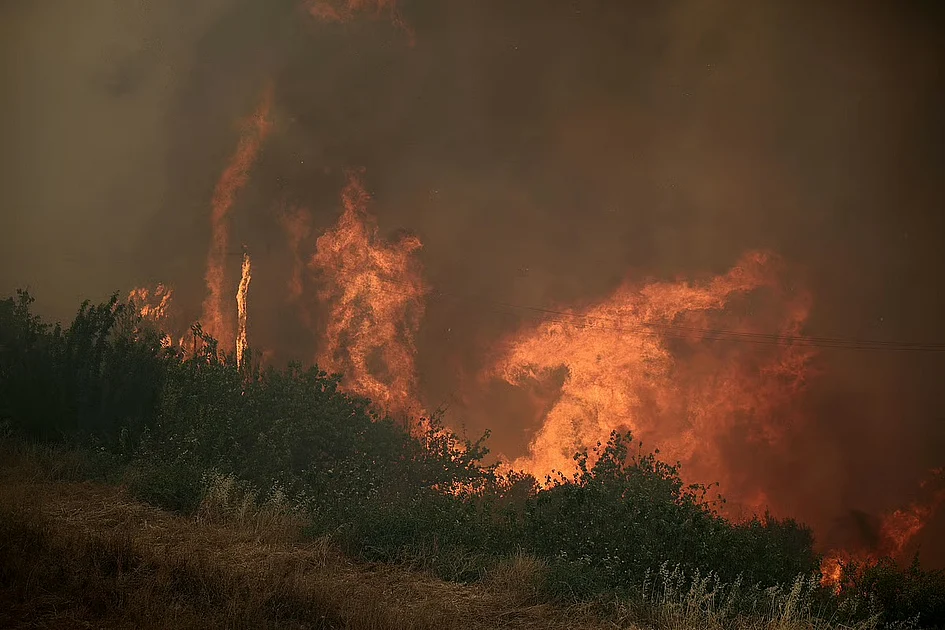
    Chilean authorities have declared a state of emergency in southern regions as devastating wildfires continue to rage, resulting in at least 15 fatalities and the evacuation of over 50,000 residents. The catastrophic blazes, primarily concentrated in the Nuble and Biobio regions approximately 500 kilometers south of Santiago, have been fueled by intense summer heat and powerful winds characteristic of the Southern Hemisphere’s current season.

    Security Minister Luis Cordero confirmed the death toll Sunday as firefighting crews battled nearly two dozen separate infernos across the affected areas. Interior Minister Alvaro Elizalde characterized the situation as ‘complicated,’ emphasizing the severity of the crisis unfolding in the south-central territories.

    President Gabriel Boric activated emergency protocols through a social media announcement, mobilizing all available national resources including military assistance. The declaration enables armed forces deployment to support fire containment and evacuation efforts amid the escalating disaster.

    National Service for Disaster Prevention and Response director Alicia Cebrian reported that the majority of evacuations occurred in the Biobio cities of Penco and Lirquen, with a combined population of approximately 60,000 inhabitants. Local television broadcasts depicted harrowing scenes of streets filled with charred vehicles and neighborhoods engulfed in flames.

    This tragedy echoes previous wildfire catastrophes that have plagued Chile’s south-central regions in recent years. In February 2024, simultaneous fires near Viña del Mar resulted in 138 fatalities and affected approximately 16,000 residents, according to official records from the public prosecutor’s office.

  • Chile declares state of catastrophe in two regions after wildfires kill 16

    Chile declares state of catastrophe in two regions after wildfires kill 16

    Chilean President Gabriel Boric has enacted a state of catastrophe across the Nuble and Biobio regions following devastating wildfires that have resulted in at least 16 fatalities. The emergency declaration, announced Sunday via the president’s official social media channel, mobilizes all available national resources to combat the escalating crisis.

    According to Chile’s National Forestry Corporation, 24 active fires were burning across the country as of Sunday morning, with the most severe concentration in Nuble where nine separate blazes are raging. The most extensive fire has consumed approximately 2,200 hectares in the city of Ranquil within the Nuble region.

    The scale of displacement is substantial, with National Disaster Prevention and Response Service director Alicia Cebrian reporting that approximately 30,000 residents have been evacuated from the severely impacted communities around Penco in Biobio. Comprehensive assessment of residential damage remains ongoing as emergency crews battle the spreading flames.

    This tragedy evokes memories of Chile’s devastating 2024 wildfire season, when infernos swept through the central Valparaiso region claiming 138 lives and destroying tens of thousands of homes. The current emergency declaration enables military deployment and unlocks federal emergency funding to support firefighting operations and victim assistance.

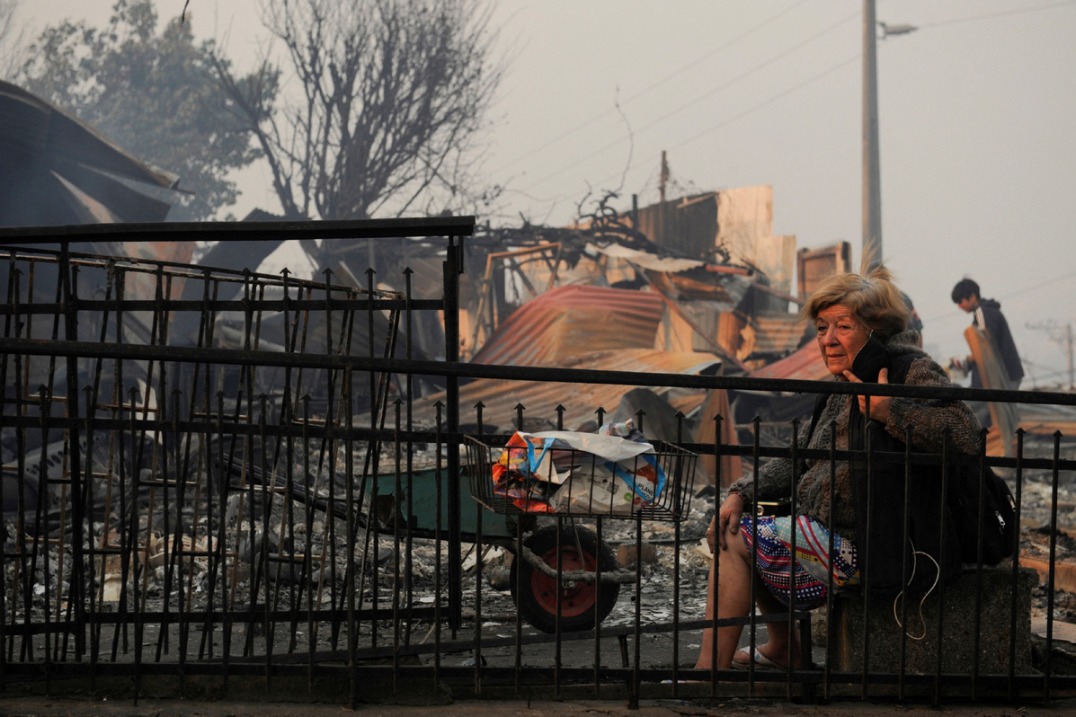
    Photographic evidence from affected areas shows residents surveying the charred remnants of their communities, with buildings reduced to rubble and landscapes transformed into ash-covered wastelands. The declaration of catastrophe status reflects the severity of what officials are describing as one of Chile’s most significant wildfire events in recent years.

  • World markets face fresh jolt as Trump vows tariffs on Europe over Greenland

    World markets face fresh jolt as Trump vows tariffs on Europe over Greenland

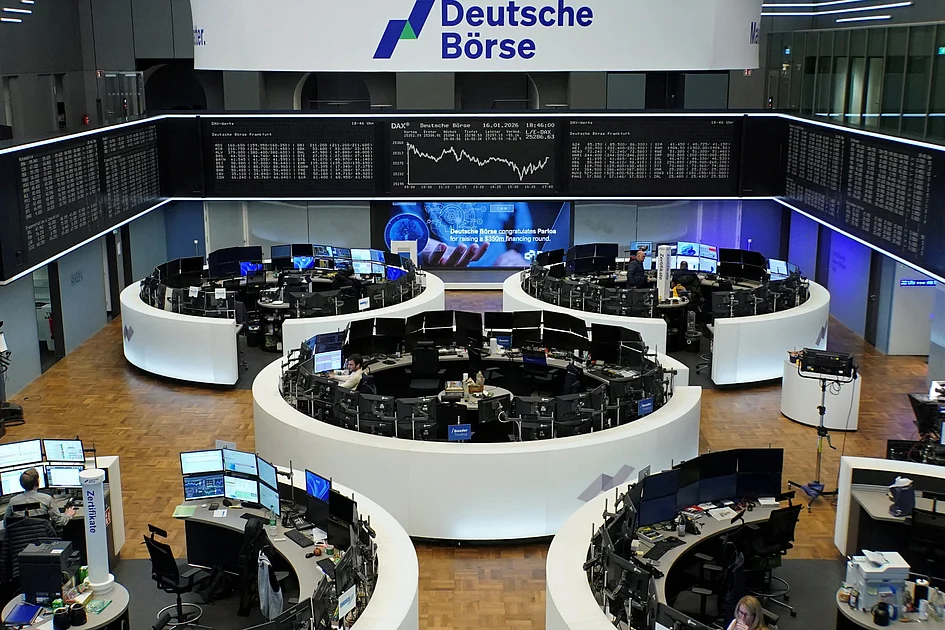
    Global financial markets are bracing for significant turbulence following President Donald Trump’s unexpected declaration of punitive tariffs against eight European nations. The unprecedented trade measure, linked to the United States’ pursuit of acquiring Greenland, marks a dramatic escalation in transatlantic trade tensions.

    Effective February 1st, the administration will impose an immediate 10% tariff increase on imports from Denmark, Norway, Sweden, France, Germany, the Netherlands, Finland, and Britain. These levies are scheduled to escalate to 25% by June 1st should diplomatic negotiations fail to produce a resolution regarding Greenland’s status.

    The collective European response emerged swiftly, with affected nations issuing a unified statement reaffirming their support for Greenland’s territorial integrity. Irish Taoiseach Leo Varadkar indicated the European Union stands prepared to implement retaliatory measures should the U.S. proceed with its tariff implementation.

    Financial analysts express concern that this development shatters the recent period of trade stability. Berenberg Chief Economist Holger Schmieding noted, ‘Optimism that tariff tensions had subsided for the foreseeable future has been abruptly dismantled. We now confront a scenario reminiscent of last spring’s volatility.’

    Market projections suggest the euro will face immediate pressure during Asian trading sessions, potentially extending its recent decline against the dollar. Meanwhile, European defense equities are anticipated to benefit from heightened geopolitical uncertainties, having already surged approximately 15% this month amid growing international tensions.

    Denmark’s currency mechanism will face particular scrutiny as the krone maintains its peg to the euro amidst mounting pressure. Geopolitical strategist Tina Fordham observed, ‘The U.S.-EU trade conflict has dramatically reignited,’ highlighting the irony of this development coinciding with the EU’s signing of a new free trade agreement with Mercosur nations.

    Beyond immediate market impacts, this confrontation raises fundamental questions about NATO alliance cohesion and the durability of recent trade agreements. The World Economic Forum’s latest risk assessment has elevated economic confrontation between nations to its primary concern, surpassing armed conflict for the first time.

    Investors are expected to adopt a risk-averse stance, potentially boosting traditional safe-haven assets including gold, which continues trading near record highs. However, market resilience demonstrated during previous geopolitical crises suggests a tempered reaction may emerge as participants weigh the probability of implemented policies versus rhetorical threats.