博客

  • Japan’s Takaichi calls Feb 8 snap election

    Japan’s Takaichi calls Feb 8 snap election

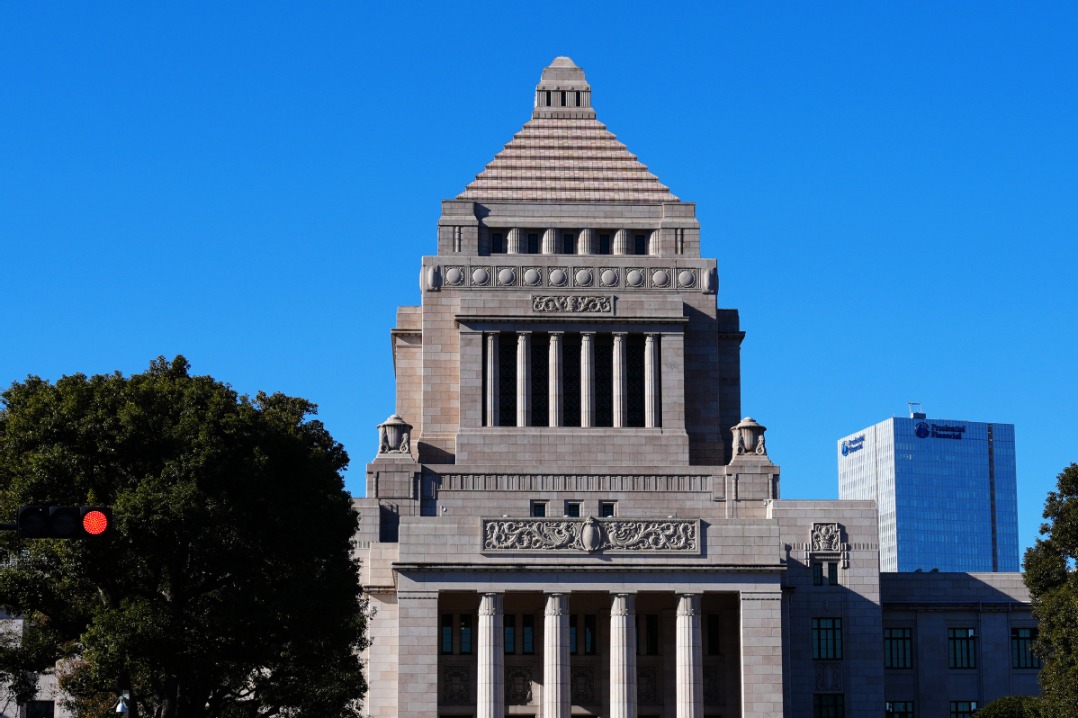
    TOKYO – Japanese Prime Minister Sanae Takaichi has declared her intention to dissolve the House of Representatives this Friday, setting the stage for an unexpected general election scheduled for February 8, 2026. The announcement, made during a Monday evening press conference, marks a significant political maneuver that will test Takaichi’s leadership just months after assuming office.

    The electoral process will follow Japan’s established system where voters will select representatives from 289 single-member constituencies alongside 176 proportional representation seats. Media reports indicate the official campaign period will commence on January 27, creating a condensed two-week window for political mobilization.

    This snap election arrives despite the current parliamentary term having approximately two years remaining. Japan’s constitution permits such dissolution of the lower house before the completion of the standard four-year legislative term, providing sitting prime ministers with strategic flexibility.

    The political landscape has shifted notably since Takaichi’s October 21 inauguration. In response to the conservative ruling coalition, the Constitutional Democratic Party of Japan has joined forces with Komeito, previously a long-standing ally of the ruling Liberal Democratic Party (LDP). This newly formed Centrist Reform Alliance positions itself as the primary opposition force challenging the established power structure.

    Takaichi’s decision follows her consultation with senior LDP members and coalition partners last week, indicating a calculated political strategy to capitalize on current circumstances. The February election will serve as the first national referendum on Takaichi’s administration and could significantly reshape Japan’s political alignment.

  • Cold wave sweeps China, forcing school closures and snow response

    Cold wave sweeps China, forcing school closures and snow response

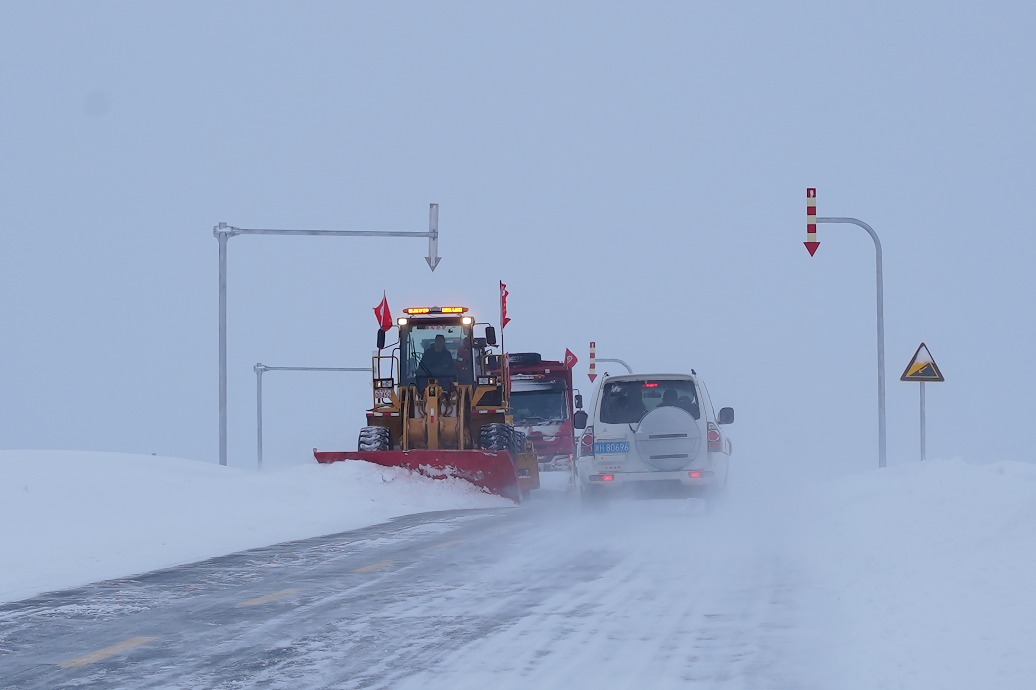
    A formidable arctic front has descended upon China, triggering widespread operational disruptions and prompting a coordinated national response to extreme winter conditions. Educational institutions across multiple provinces suspended activities while municipal authorities activated extensive emergency protocols to mitigate the storm’s impact.

    In Jiangsu province, Xuzhou’s education bureau preemptively canceled classes for all primary, secondary schools, and kindergartens on Monday and Tuesday. The decision followed official meteorological warnings predicting substantial snowfall accumulation ranging from 5-8 centimeters, accompanied by potentially hazardous freezing conditions and blizzard-strength winds across several municipalities including Suqian and Huai’an.

    Henan Province implemented comprehensive transportation contingency measures, deploying 113 specialized equipment units that distributed approximately 900 metric tons of de-icing compounds. The province’s expressway network established 211 emergency supply stations, with preparedness efforts involving more than 6,700 maintenance personnel, 217 dedicated rescue teams, and over 1,000 winter service vehicles remaining on high alert.

    The Hunan Provincial Meteorological Observatory elevated its cold wave advisory on Monday morning, forecasting sub-freezing temperatures across most regions through Wednesday morning. Residents received official guidance to adopt enhanced protective measures including thermal clothing, securing residential and commercial structures, and exercising extreme caution during outdoor travel.

    China’s National Meteorological Center maintained its cold wave alert through Monday, projecting temperature declines of 6-10°C throughout vast portions of the country until midweek. The comprehensive response reflects the severity of the meteorological event that has significantly impacted daily life across multiple Chinese provinces.

  • Did Rockstar grant a terminally ill fan early access to ‘GTA 6’?

    Did Rockstar grant a terminally ill fan early access to ‘GTA 6’?

    In a remarkable display of corporate compassion within the gaming industry, Rockstar Games appears to have responded positively to an extraordinary request concerning a terminally ill fan. The situation emerged following Ubisoft Toronto developer Anthony Armstrong’s emotional LinkedIn appeal in late 2025, shortly after Rockstar’s announcement delaying Grand Theft Auto VI’s release to November 2026.

    Armstrong’s public plea detailed the heartbreaking circumstances of a family member with terminal cancer who had received a devastating prognosis of six to twelve months to live. Recognizing the fan’s unlikely survival until the game’s November launch, Armstrong reached out to his industry connections at Rockstar Games, specifically mentioning the proximity to Rockstar’s Oakville studio. The proposal included arrangements for a strictly controlled playtest under non-disclosure agreement, respecting the company’s legendary confidentiality protocols.

    The gaming community’s response was immediate and overwhelming, with the post rapidly gaining traction across social platforms. Subsequent updates from Armstrong indicated that both Rockstar Games and parent company Take-Two Interactive had made contact with promising developments, strongly suggesting the request would be honored.

    While Armstrong has since removed the original post and requested privacy regarding the matter, this incident reflects Rockstar’s previously demonstrated compassion. In 2018, the studio similarly granted early access to Red Dead Redemption 2 for a terminally ill player, establishing precedent for such humanitarian gestures within their corporate culture. Take-Two subsidiary 2K Games has also arranged comparable experiences for Borderlands franchise fans facing similar health challenges.

    The gaming industry continues to demonstrate its capacity for meaningful human connection beyond commercial interests, with this potential act of kindness resonating throughout the global gaming community.

  • Senegal reserve keeper jokes after Afcon towel scuffles

    Senegal reserve keeper jokes after Afcon towel scuffles

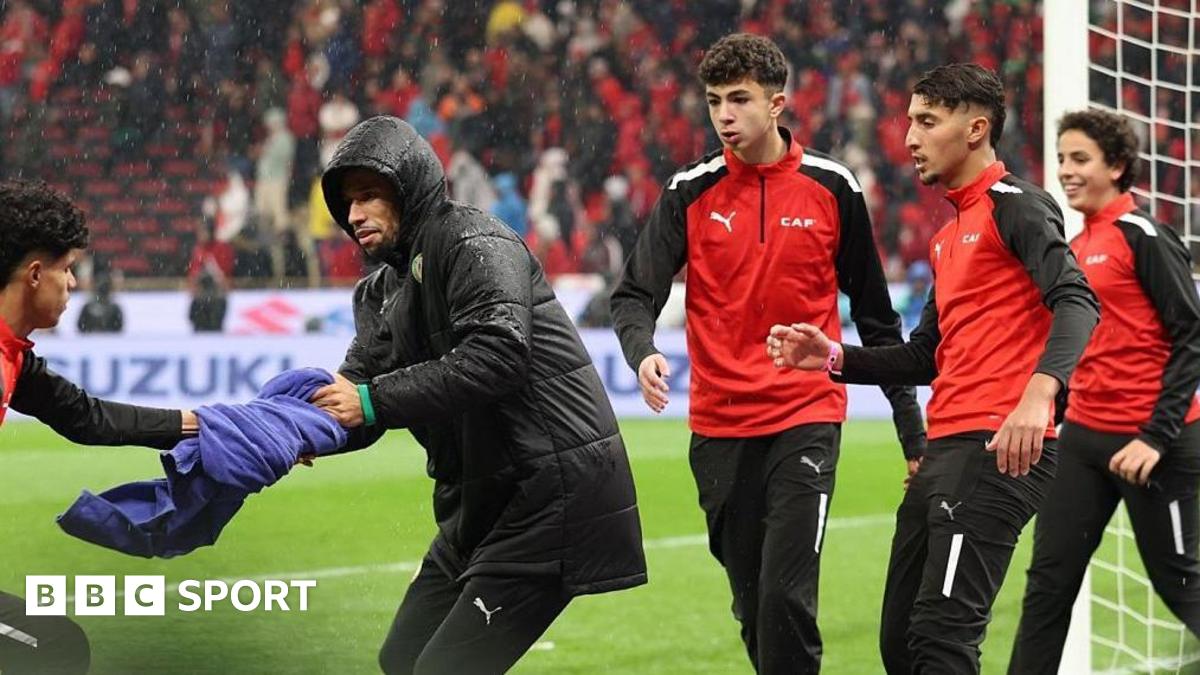
    In an extraordinary twist to Senegal’s Africa Cup of Nations triumph, reserve goalkeeper Yehvann Diouf has emerged as an unexpected hero for his unconventional role as towel protector during Sunday’s rain-soaked final against Morocco. The 26-year-old shot-stopper, who remained an unused substitute throughout the tournament, found himself at the center of a bizarre tactical battle that unfolded alongside the dramatic football action.

    The final at Prince Moulay Abdellah Stadium descended into chaos as torrential conditions created unprecedented challenges. Starting goalkeeper Édouard Mendy, the former Chelsea star, required frequent drying of his gloves to maintain grip—a necessity that Morocco’s staff repeatedly attempted to disrupt by discarding the crucial towel. This tactic, previously observed during Morocco’s semi-final victory against Nigeria, prompted Diouf to assume his impromptu defensive duties.

    Throughout the 120-minute spectacle, Diouf engaged in physical confrontations with ball attendants and flag bearers determined to remove the drying implement. Video evidence captures the Senegal keeper being tackled to the ground by three ball boys and dragged across the wet surface before eventually scrambling away to protect his precious cargo. The situation escalated when Morocco captain Achraf Hakimi was filmed tossing one of Senegal’s towels over an advertising board.

    The match itself reached unprecedented levels of controversy when Senegal temporarily refused to continue playing after a disputed disallowed goal and subsequent penalty award to Morocco in second-half stoppage time. Following a 17-minute delay during which Sadio Mané successfully persuaded his teammates to return, Real Madrid forward Brahim Díaz—the tournament’s leading scorer—missed a critical Panenka-style penalty that would ultimately prove decisive.

    Pape Gueye secured Senegal’s second continental title in five years with a spectacular extra-time winner in the 124th minute, but post-match attention has focused equally on the unusual sidelines drama. Diouf humorously acknowledged his peculiar contribution via Instagram, posting images of both his winner’s medal and the now-famous towel accompanied by love-struck and crying-laughing emojis with the caption: ‘There it is – the medal and the towel.’

    FIFA President Gianni Infantino has since condemned the ‘ugly scenes’ that marred the final, while football commentators worldwide have debated the ethics of Morocco’s towel-disruption tactics and the overall conduct surrounding the championship decider.

  • Guangzhou hospitals expand use of cell, gene therapies

    Guangzhou hospitals expand use of cell, gene therapies

    Medical institutions across Guangzhou are accelerating the clinical implementation of cutting-edge cell and gene therapies, demonstrating promising outcomes for patients battling chronic and degenerative conditions. This strategic expansion positions the southern Chinese metropolis at the forefront of regenerative medicine innovation.

    At Nansha Hospital of Guangzhou First People’s Hospital, physicians have pioneered novel therapeutic applications targeting three distinct medical challenges: acute-on-chronic liver failure, ischemic stroke, and knee osteoarthritis. The orthopedic department, under the direction of Chief Physician Wang Jianwei, has achieved breakthrough results using cell therapy injections administered directly to affected knee joints. This innovative approach modifies the local immune environment and facilitates cartilage regeneration. Clinical follow-ups conducted one month post-treatment revealed substantial symptom alleviation and enhanced quality of life for participating patients.

    Concurrently, the Guangzhou Institute of Biomedicine and Health, operating under the Chinese Academy of Sciences, is advancing stem cell research for oncological and neurological disorders. Senior Researcher Pan Guangjin explained their dual-focused initiative: “We’re engineering stem cells to generate specialized anti-tumor immune cells for cancer immunotherapy, while simultaneously developing stem cell-derived neural cells to combat Parkinson’s disease through clinical trials.” The researcher emphasized that Parkinson’s treatment via neuronal replacement therapy represents one of the most clinically advanced applications in the field.

    The transition from experimental research to practical medical application remains a priority for the scientific community. Sun Fei, Vice-President of the Guangzhou Institute of Biomedicine and Health, noted: “The entire biomedical sector has recognized cell therapy’s transformative potential. Recent years have witnessed unprecedented research activity and industrial development in this domain.” The institute’s commitment to quality assurance is demonstrated through its accredited standardized cell testing laboratory, established in 2019 and certified by the China National Accreditation Service for Conformity Assessment.

  • Look: Shaban 1447 AH crescent photographed in Abu Dhabi

    Look: Shaban 1447 AH crescent photographed in Abu Dhabi

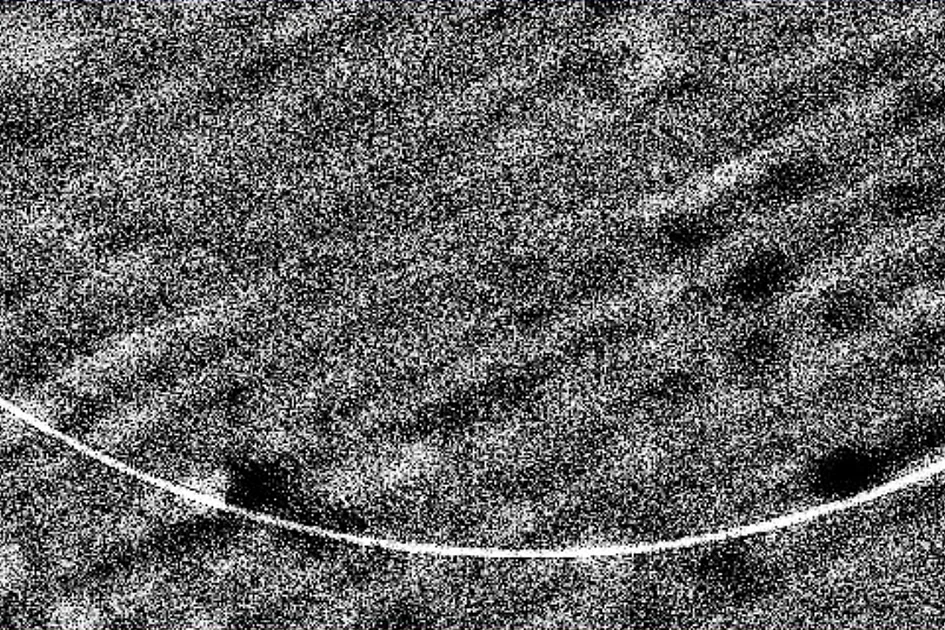
    Abu Dhabi’s astronomical community has achieved another significant milestone with the successful photographic documentation of the crescent moon marking the commencement of Shaban 1447 AH. The Al Khatim Astronomical Observatory, operating under the International Astronomy Center, captured the celestial phenomenon at precisely 11:00 AM UAE time on Monday, January 19th, 2026.

    The observation team, consisting of Osama Ghannam, Anas Muhammad, Khalafan Al-Naimi, and Muhammad Awda, documented the moon positioned 6.7 degrees from the sun, providing exceptional clarity for astronomical records. This achievement follows their previous success in photographing the concluding crescent of Rajab on January 18th from the same facility.

    In coordination with these scientific observations, the UAE Fatwa Council officially confirmed Monday as the final day of Rajab 1447 AH, with Shaban commencing on Tuesday, January 20th. The Council’s declaration followed comprehensive review of astronomical data collected by the nation’s specialized celestial authorities.

    These crescent sightings carry profound religious significance for Muslim communities worldwide, as they determine the Islamic lunar calendar’s progression. The current documentation of Shaban’s beginning directly influences the anticipated timing of Ramadan 2026, which astronomical projections suggest will likely commence on Thursday, February 19th, though traditional moon-sighting committees will make the final determination on the 29th of Shaban.

    The conclusion of Ramadan will initiate Eid Al Fitr celebrations, marking the UAE’s first extended weekend of 2026 and concluding the holy month of fasting.

  • ‘Europe is at a total loss’: Russia gloats over Greenland tensions

    ‘Europe is at a total loss’: Russia gloats over Greenland tensions

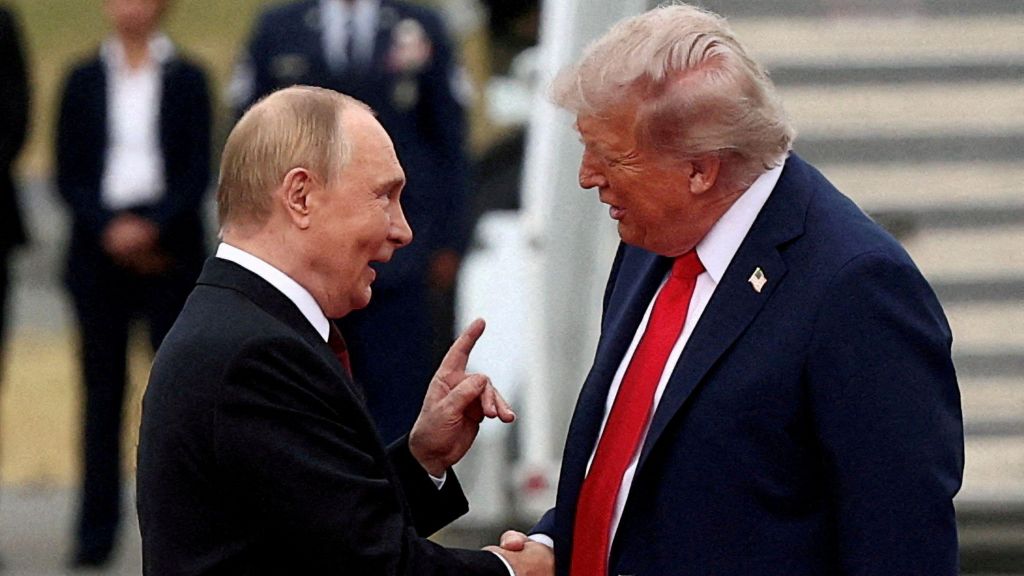
    In a remarkable geopolitical alignment, Russian state media has emerged as an unexpected champion of former President Donald Trump’s controversial pursuit of Greenland. The official government newspaper Rossiyskaya Gazeta has published extensive praise for Trump’s territorial ambitions while simultaneously criticizing European allies who oppose the potential annexation.

    The publication characterizes Trump’s push for Greenland as a “historic breakthrough” that would cement American greatness. The article suggests that acquiring the autonomous Danish territory would represent Trump’s “greatest deal” and elevate him to the status of historic figures like Abraham Lincoln. According to their analysis, US control of Greenland would expand American territory to become the world’s second-largest nation after Russia, surpassing Canada in total area.

    Russian commentary explicitly encourages Trump to pursue rapid annexation before the 2026 midterm elections, warning that backtracking would weaken Republican political standing. This endorsement comes despite Trump’s own rhetoric portraying Russia and China as aggressive actors in the Arctic region, claiming their military presence necessitates US control of Greenland.

    Analysts observe that Moscow’s support stems from strategic calculations rather than genuine admiration. The Greenland controversy has created significant strain within NATO and the transatlantic alliance, with Trump threatening tariffs against European nations that oppose his territorial ambitions. Russian tabloid Moskovsky Komsomolets openly expressed satisfaction with European disarray, noting “it’s a pleasure to watch this” development.

    Furthermore, pro-Kremlin commentators are leveraging the Greenland situation to justify Russia’s ongoing war in Ukraine. Moscow perceives that maintaining positive relations with the Trump administration supports its primary objective of achieving victory in Ukraine. This calculated endorsement reflects Russia’s broader strategy of exploiting divisions within Western alliances to advance its geopolitical interests.

  • As faith in the US fades a year into Trump 2.0, Europe breaks with reliance on American security

    As faith in the US fades a year into Trump 2.0, Europe breaks with reliance on American security

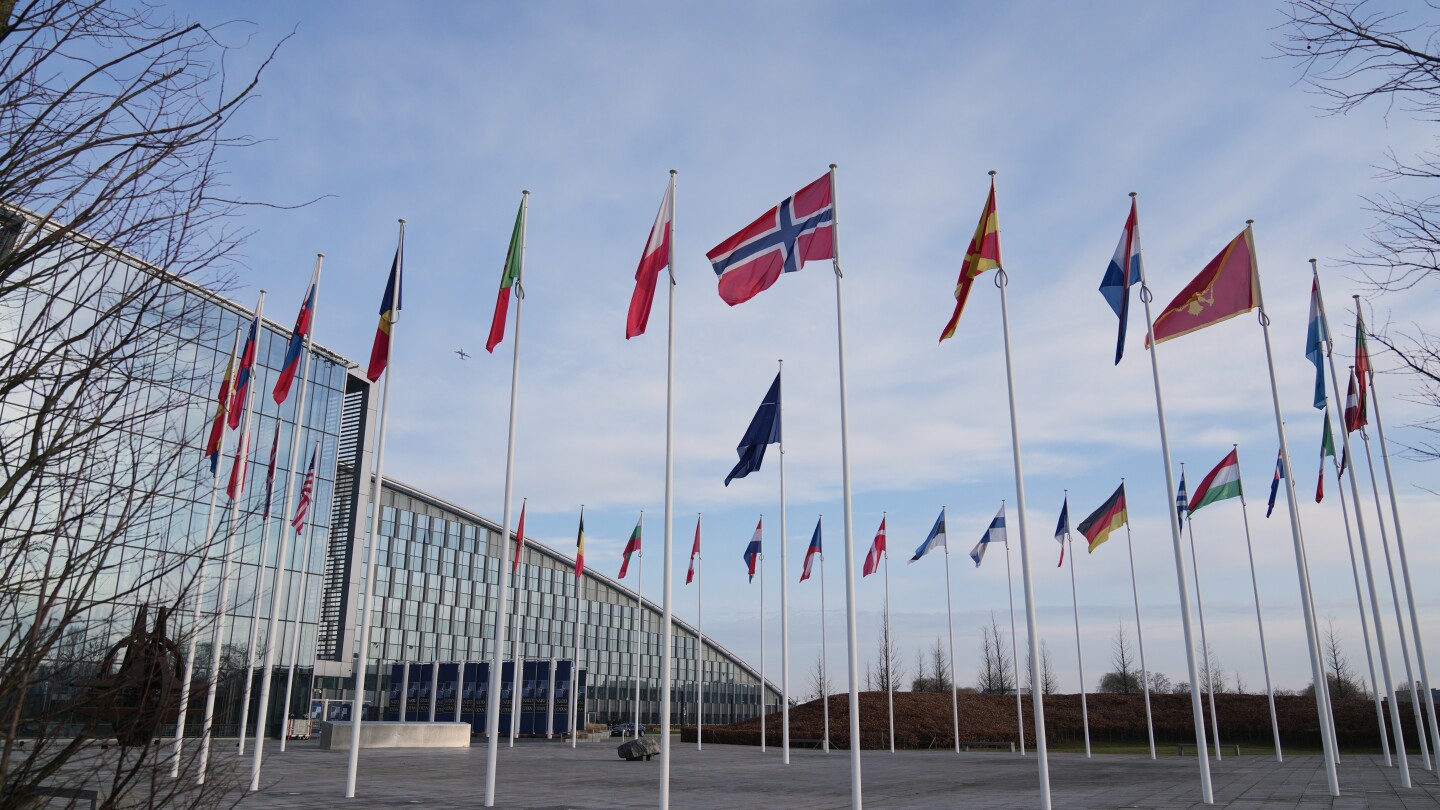
    BRUSSELS — European leaders are confronting an unprecedented crisis in transatlantic relations as the Trump administration’s second term accelerates a dramatic recalibration of NATO alliances. The diplomatic rupture has intensified following President Trump’s threat to impose tariffs against nations opposing U.S. control over Greenland, with EU officials characterizing the move as “intimidation,” “threats,” and “blackmail.”

    The geopolitical landscape has fundamentally shifted since Trump’s return to power twelve months ago, with European confidence in American partnership deteriorating rapidly. The previously inconceivable notion that NATO’s most powerful member would threaten territorial seizure from an ally has triggered profound strategic reassessments across European capitals.

    Former NATO Secretary-General Jens Stoltenberg’s memoir reveals the alliance nearly reached collapse during Trump’s first term, noting: “I feared that NATO was about to stop functioning” after the 2018 summit crisis. This fragility has resurfaced with greater intensity, as Danish Prime Minister Mette Frederiksen explicitly warned that any attempted annexation of semiautonomous Greenland would terminate bilateral relations, including NATO cooperation.

    Maria Martisiute, European Policy Centre analyst, states: “We are at the very early stage of a rather deep political-military crisis. There is greater realization, even though political leaders will not like to admit it, that America has abandoned NATO.”

    The transformation became evident in early 2025 when U.S. Defense Secretary Pete Hegseth delivered a stark ultimatum at NATO headquarters: European allies must assume primary responsibility for regional security without expecting American assistance. The policy shift included halting Ukraine’s NATO membership prospects, accepting Russian territorial gains, and withdrawing security guarantees for European forces operating in Ukraine.

    Concurrently, the Trump administration has embraced a new national security strategy that characterizes European allies as weak, offers tacit support to far-right political movements, and criticizes European policies on free speech and migration. This approach has accelerated European moves toward strategic autonomy.

    The EU has established a multibillion-euro defense fund prioritizing European arms manufacturers, relaxed debt constraints for security spending, and committed to funding Ukraine’s military and economic needs for the next two years. Last week’s deployment of French, German, British, Norwegian, Swedish, and Dutch troops to Greenland—though small in scale—carried significant symbolic weight as a demonstration of European resolve.

    French President Emmanuel Macron articulated the shifting paradigm: “Europe is being shaken from some of its certainties. It sometimes has allies that we thought were predictable, fearless, always by our side, who are now causing us to doubt a lot, or are even turning against those who expected it the least.”

    As European leaders work to develop an independent security strategy, German Chancellor Friedrich Merz acknowledges the necessity for Europe to become “much more independent” from the United States in response to escalating global threats. This strategic decoupling, driven by American unpredictability and renewed Russian hostility, marks the most significant transformation in transatlantic relations since NATO’s founding.

  • What is Trump’s ‘Board of Peace’ and who will govern Gaza?

    What is Trump’s ‘Board of Peace’ and who will govern Gaza?

    A newly revealed charter for former President Donald Trump’s proposed ‘Board of Peace’ outlines an ambitious international organization with potential to rival the United Nations in conflict mediation. Originally conceived as part of Trump’s post-war governance framework for Gaza following Israel’s two-year military campaign, the initiative appears to have expanded into a broader peace-building entity with global aspirations.

    The charter, obtained by Middle East Eye, describes the Board as seeking to ‘promote stability, restore dependable and lawful governance, and secure enduring peace in areas affected or threatened by conflict.’ It explicitly calls for a ‘more nimble and effective international peace-building body’ than existing institutions, suggesting a fundamental challenge to current diplomatic frameworks.

    The document grants Trump extensive authority as chair, including unilateral power to appoint and remove member states—a decision reversible only by a two-thirds majority vote. Membership terms reveal a financial threshold for extended participation: countries serving three-year terms unless contributing over $1 billion within the first year of operations.

    Simultaneously, the White House unveiled a hierarchical structure beneath the Board featuring a ‘founding executive board’ specifically for Gaza stabilization. This seven-member body includes prominent figures such as Secretary of State Marco Rubio, former presidential adviser Jared Kushner, billionaire real estate developer Steve Witkoff, former UK Prime Minister Tony Blair, World Bank President Ajay Banga, and Apollo Global Management CEO Marc Rowan.

    The appointments have drawn immediate criticism from Palestinian analysts and rights groups who note the absence of Palestinian representation in senior roles. Islamic Jihad, Gaza’s second-largest militant group, condemned the board’s composition as aligning with ‘Israeli specifications.’

    The complex governance architecture extends to include a High Representative for Gaza (former UN envoy Nikolay Mladenov), an 11-member Gaza Executive Board with regional representatives, and a technocratic National Committee for the Administration of Gaza led by former Palestinian deputy minister Ali Shaath.

    This sweeping initiative represents Trump’s most ambitious attempt to reshape international conflict resolution mechanisms, though its implementation faces significant geopolitical challenges and widespread skepticism from affected communities.

  • The buzzwords shaping Davos 2026: Key terms defining the global conversation

    The buzzwords shaping Davos 2026: Key terms defining the global conversation

    The World Economic Forum’s 2026 Annual Meeting in Davos has established a new vocabulary for global economic discourse, reflecting the rapidly evolving priorities of world leaders. Under the theme “A Spirit of Dialogue,” the gathering of government officials, business executives, and academic experts from January 19-23 has identified several transformative concepts reshaping international policy and commerce.

    The economic landscape is being redefined by three pivotal developments. Green Growth has transitioned from environmental advocacy to mainstream economic strategy, with the green economy now valued at over $5 trillion annually. Companies with substantial green revenue streams are consistently outperforming competitors across multiple financial metrics, making climate investment an economic imperative rather than merely an ecological concern.

    Geopolitical coordination is undergoing a fundamental restructuring through Minilateralism—targeted alliances between limited groups of nations with aligned interests. This approach offers agility in addressing complex challenges like supply chain security and climate action, complementing rather than replacing traditional multilateral frameworks.

    The concept of Resilience Economics has evolved from defensive crisis management to proactive growth strategy. Nations and corporations now recognize that investments in infrastructure, digital capabilities, and skills development are essential for long-term competitiveness in an era of persistent disruption.

    Technological innovation has introduced both opportunities and challenges. Inclusive AI emphasizes equitable access and participation in artificial intelligence development, recognizing that fairness and transparency are critical for societal benefit. However, the accelerating adoption of AI has revealed The Electron Gap—disparities in electricity generation capacity between nations that could determine technological leadership.

    The proliferation of generative AI has also spawned “AI Slop,” low-quality mass-produced content that threatens information ecosystems. This phenomenon has elevated discussions about media literacy and platform accountability.

    Looking toward the next technological frontier, the Quantum Economy encompassing computing, sensing, and secure communications promises to revolutionize multiple industries. With potential economic value reaching trillions of dollars within the decade, quantum technologies represent both extraordinary opportunity and significant challenges regarding intellectual property and digital inequality.