博客

  • Harry set for final courtroom battle against UK media

    Harry set for final courtroom battle against UK media

    Prince Harry, the Duke of Sussex, is poised for a landmark legal confrontation as he returns to London’s High Court this week for what represents the culmination of his extensive campaign against British media intrusion. The trial, scheduled to commence on Monday, is expected to unfold over a nine-week period and stands as the third and final legal action initiated by the royal against newspaper groups.

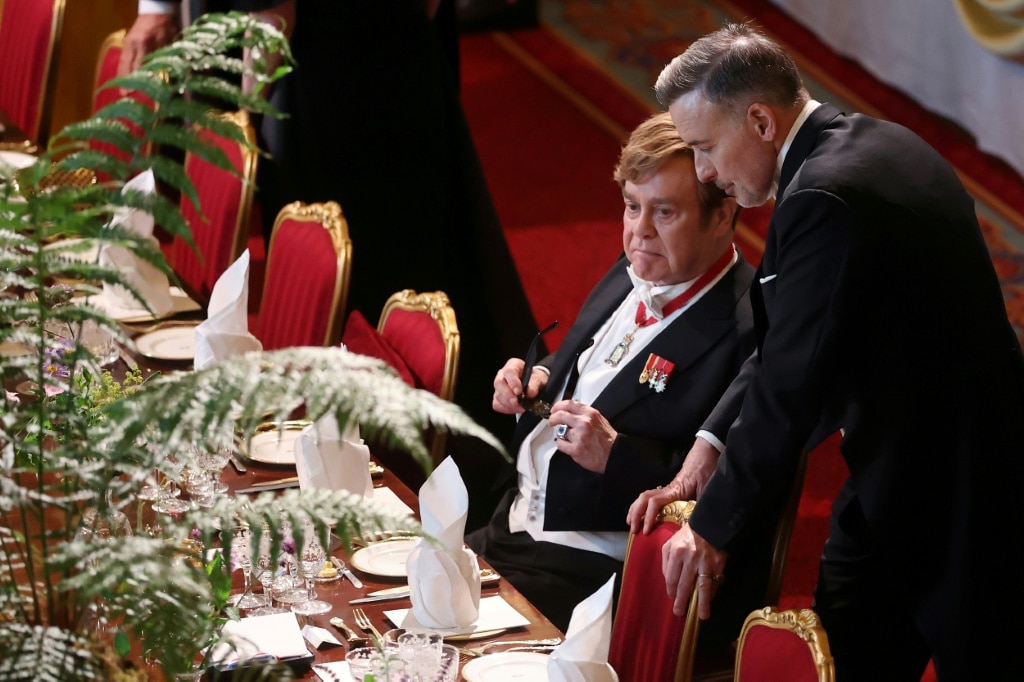
    This high-profile case unites Prince Harry with six other prominent figures—including music legend Elton John, his husband David Furnish, and actor Elizabeth Hurley—in a collective lawsuit targeting Associated Newspapers, publisher of the Daily Mail and Mail on Sunday. The plaintiffs allege systematic unlawful information gathering practices spanning decades, encompassing the deployment of private investigators to plant listening devices in vehicles, impersonation tactics to acquire confidential medical records (a practice known as ‘blagging’), and unauthorized access to private telephone communications.

    The defendant media group has vigorously denied these allegations, dismissing them as both ‘lurid’ and ‘preposterous’ in their entirety.

    Court documents indicate Prince Harry will personally provide testimony during the trial’s opening week, marking his second appearance as a witness in legal proceedings against media organizations. His previous court appearance in 2023 broke a century-long precedent, making him the first senior royal to testify in court since the Edwardian era.

    This UK visit represents a rare return for the Duke, who relocated to California with his wife Meghan following their 2020 withdrawal from royal duties. While his September 2023 visit included a meeting with King Charles III aimed at reconciling familial tensions, reports indicate no planned audience with the monarch during this legal journey.

    The current trial follows Prince Harry’s successful settlements with two other media conglomerates. In January 2025, Rupert Murdoch’s News Group Newspapers agreed to pay ‘substantial damages’ while issuing a ‘full and unequivocal apology’ for intrusions into both his and Princess Diana’s private lives. Similarly, a December 2023 ruling against Mirror Group Newspapers resulted in a £140,600 damages award for phone hacking violations.

    Legal experts suggest this final case transcends individual grievances, potentially establishing broader precedents for media accountability. Noted media lawyer Mark Stephens observed that while press freedom remains essential, so does ‘freedom from being illegally spied upon.’ He characterized the proceedings as less concerned with ‘yesterday’s gossip’ and more focused on ‘tomorrow’s accountability for the media more generally.’

    The outcome of this watershed case may redefine the boundaries between press freedom and personal privacy in Britain’s evolving media landscape.
  • Why India’s approach makes sense in the Gulf today

    Why India’s approach makes sense in the Gulf today

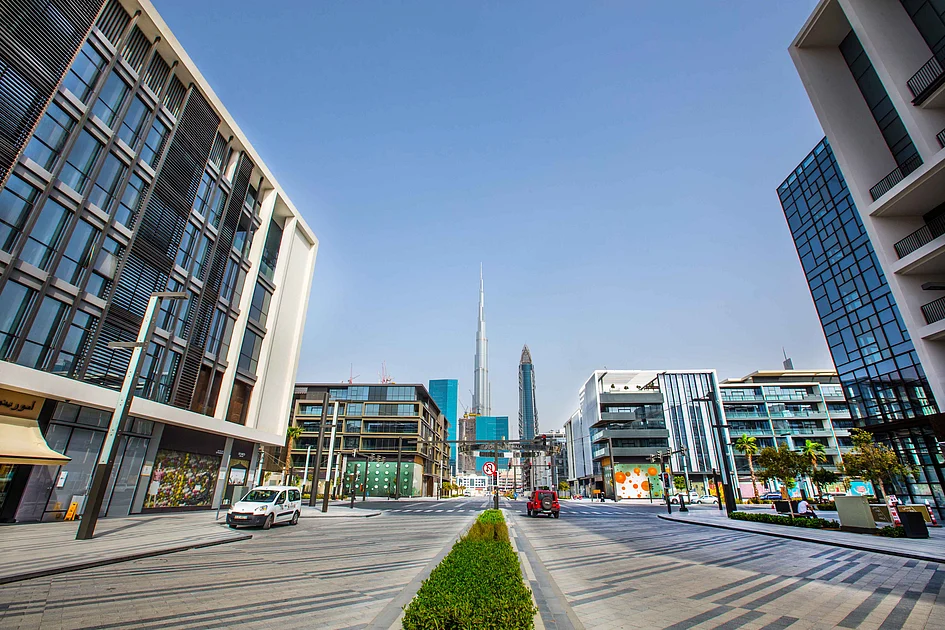
    In the volatile landscape of West Asian geopolitics, India has cultivated a distinctive diplomatic approach characterized by strategic patience and principled engagement. Rather than resorting to public posturing or reactive measures, New Delhi’s foreign policy operates on the foundational belief that sustainable peace represents a collective responsibility rather than a concession between powers.

    This philosophy finds expression in India’s consistent advocacy for dialogue and de-escalation during regional tensions. Recent developments involving Iran have demonstrated the practical application of this methodology, with India prioritizing measured communication over condemnation and maintaining open channels across political divides. Prime Minister Narendra Modi’s explicit statement that “this is not the time for war” encapsulates this consistent warning against escalation in an interconnected world where conflicts rapidly transcend local boundaries.

    India’s credibility in advocating restraint stems from its demonstrated refusal to advance interests through proxy relationships or zero-sum diplomacy. The nation has maintained multifaceted ties with key regional players including the United Arab Emirates and Saudi Arabia, with partnerships spanning energy security, trade networks, defense cooperation, and technological exchange. These relationships are strengthened by substantial people-to-connections, with millions of Indian expatriates contributing to Gulf economies while Gulf investments fuel India’s own growth trajectory.

    The conceptual framework of Vasudeva Kutumbakam—the ancient Indian principle envisioning the world as one family—informs this diplomatic paradigm. Far from abstract idealism, this worldview promotes practical bridge-building where others establish hardened camps. India’s conflict resolution approach emphasizes inclusion over humiliation, believing sustainable peace emerges when local stakeholders claim ownership of solutions rather than having outcomes externally imposed.

    While some critics misinterpret this consistent posture as ambiguity, it actually reflects strategic clarity refined through historical experience. India’s role may not generate sensational headlines, but its steady emphasis on dialogue, sovereignty respect, and shared prosperity provides stabilizing reassurance during periods of uncertainty. In an increasingly transactional global environment, India’s commitment to diplomacy rooted in mutual respect and long-term vision offers a compelling alternative model for international engagement.

  • CATL showcases advanced energy storage solutions at WFES 2026

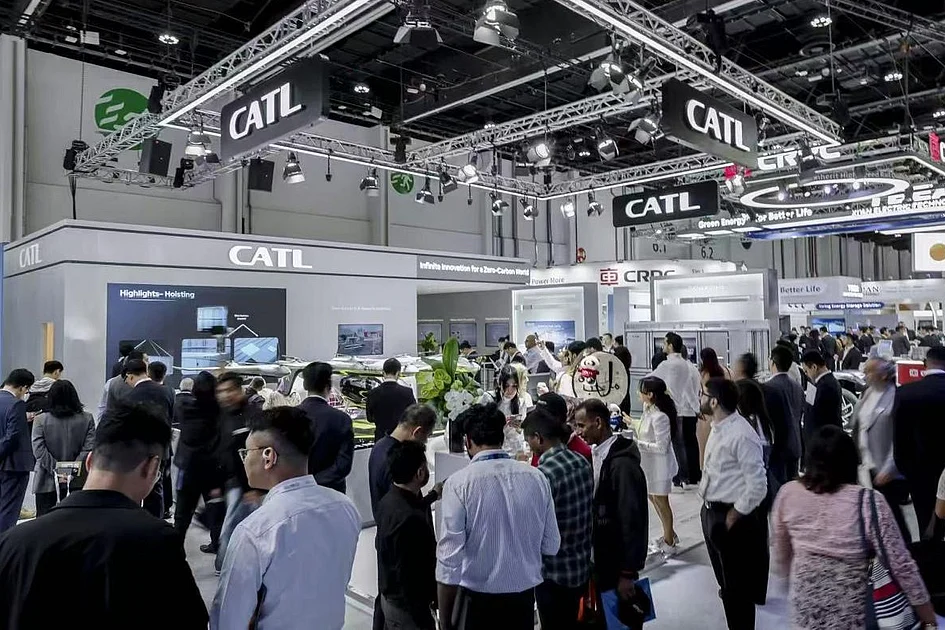
    CATL showcases advanced energy storage solutions at WFES 2026

    At the prestigious 2026 World Future Energy Summit (WFES), Contemporary Amperex Technology Co. Limited (CATL) unveiled its cutting-edge energy storage solutions, positioning energy storage technology as the critical backbone for the Middle East’s accelerating clean energy transformation. The exhibition comes as regional governments and industries substantially increase investments in renewable energy infrastructure, electric mobility, and comprehensive electrification initiatives.

    Kui Weng, CATL ESS Middle East CEO, addressed summit attendees, emphasizing that while renewable generation capacity continues its rapid expansion across the region, the readiness of supporting infrastructure remains a significant challenge. “The deployment of renewable energy is accelerating across the Middle East, but the capability to efficiently store and manage this energy is becoming equally crucial as generation itself,” Weng stated. “Energy storage systems ensure reliability, stability, and flexibility as power networks evolve.”

    Among the technological highlights presented was CATL’s Tener Stack energy storage solution, engineered specifically for large-scale applications and demanding operational environments. This advanced system addresses critical challenges including renewable intermittency, peak demand management, and grid stability enhancement.

    The company detailed how energy storage facilitates optimal integration of solar and other renewable sources, particularly during high-demand periods. “Storage technology enables the capture of surplus renewable energy for subsequent release during peak requirements, effectively reducing grid pressure and enhancing overall system efficiency,” Weng explained.

    CATL further demonstrated the integral role of energy storage in supporting the expanding electric vehicle charging ecosystem. As commercial fleets electrify and public charging networks multiply, charging stations increasingly strain power systems. The integration of energy storage with charging infrastructure ensures stable power delivery and enhanced charging performance.

    “High-power charging facilities, particularly those serving commercial vehicles, demand reliable and predictable energy supply,” Weng noted. “Energy storage solutions effectively smooth demand curves and support consistent charging operations without overwhelming local grid infrastructure.”

    Beyond transportation applications, CATL emphasized the technology’s significance for industrial and commercial sectors, including ports, logistics centers, and manufacturing facilities. These environments increasingly depend on electrified equipment and automated systems requiring uninterrupted power supply.

    The summit served as a platform for CATL to engage with regional stakeholders regarding the long-term development of sustainable energy infrastructure. Weng highlighted that the Middle East’s distinctive climate conditions and massive scale necessitate solutions prioritizing safety, durability, and long-term operational performance.

    “Regional operating conditions demand rigorous attention to safety protocols and lifecycle performance,” he asserted. “Energy storage is evolving into permanent infrastructure, and must be engineered accordingly.”

    CATL concluded that continued collaboration with regional partners will be essential as energy storage deployment expands, ultimately supporting renewable integration, widespread electrification, and the region’s comprehensive sustainability objectives.

  • China’s economy grows 5% in 2025, buoyed by strong exports despite Trump’s tariffs

    China’s economy grows 5% in 2025, buoyed by strong exports despite Trump’s tariffs

    China’s economy achieved a 5% annual growth rate in 2025, meeting the government’s official target despite facing significant headwinds from a slowing property market and persistent consumer spending weaknesses. The expansion was primarily driven by robust export performance, which generated a record $1.2 trillion trade surplus and helped offset domestic economic vulnerabilities.

    The year-end figures revealed a concerning trend, however, with fourth-quarter growth decelerating to 4.5% – the slowest quarterly pace since China began easing its stringent COVID-19 restrictions in late 2022. This represents a noticeable drop from the previous quarter’s 4.8% growth rate, indicating mounting economic pressures.

    Export resilience emerged as the economy’s primary growth engine, though economists question its sustainability. Lynn Song, ING’s chief economist for Greater China, noted: “The key question is how long this engine of growth can remain the primary driver.” While Chinese exports to the U.S. declined following President Trump’s return to office and imposition of new tariffs, increased shipments to other global markets compensated for these losses.

    The government’s efforts to stimulate domestic demand through various initiatives, including trade-in programs for vehicles and home appliances, have yielded limited success. These programs have been losing momentum in recent months, failing to significantly boost consumer confidence or spending.

    Chi Lo, senior market strategist at BNP Paribas Asset Management, emphasized that “stabilization, not necessarily recovery, of the domestic property market is key to revive public confidence and household consumption.” Many small businesses and ordinary citizens continue facing economic hardships, with restaurant owner Liu Fengyun from Guizhou province reporting that customers increasingly cite financial constraints: “Money is hard to earn now” and “making breakfast at home is cheaper.”

    Looking ahead, economists project further moderation in growth, with Deutsche Bank forecasting approximately 4.5% expansion for 2026. This slowdown aligns with China’s broader economic transition as it prioritizes technological self-reliance through investments in artificial intelligence and advanced technologies while navigating complex global trade dynamics and domestic structural challenges.

  • Boy fighting for life after being mauled by shark in Australia

    Boy fighting for life after being mauled by shark in Australia

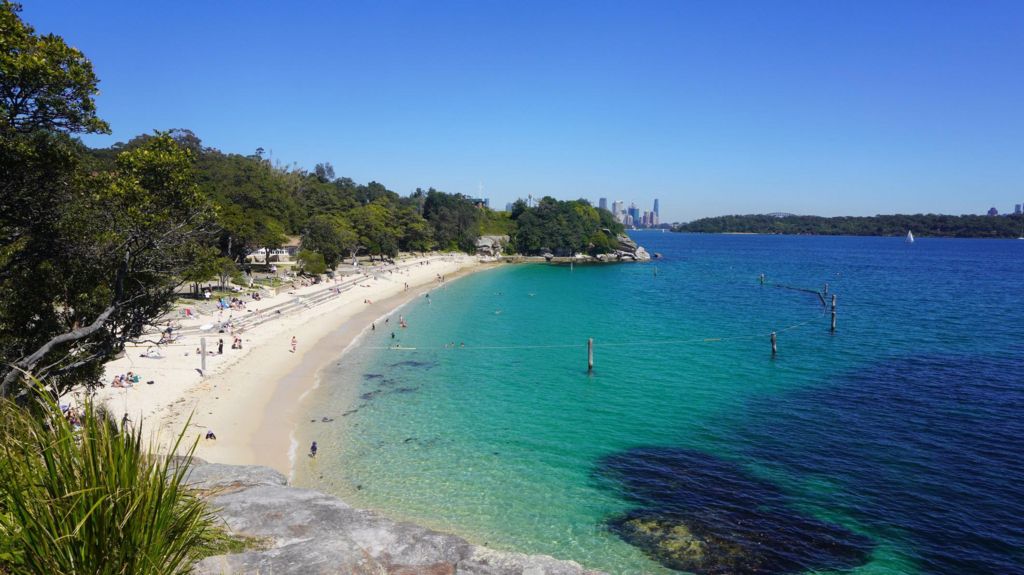
    A 12-year-old Australian boy remains in critical condition following a severe shark attack at Shark Beach in Sydney Harbour on Sunday. The incident occurred while the victim and his friends were jumping from a six-meter rock ledge in the Vaucluse suburb.

    Marine authorities confirmed the boy sustained life-threatening injuries to both legs during the encounter with what experts believe was a bull shark—a species notorious for its aggressive behavior in warm, shallow waters. His immediate rescue was credited to quick-thinking friends who pulled the unconscious boy from the water before emergency services arrived.

    New South Wales Marine Area Commander Joseph McNulty described the teenagers’ response as ‘gallant’ and ‘brave,’ noting they confronted a traumatic scene to save their friend. ‘Their actions gave him a fighting chance at survival,’ McNulty stated.

    Emergency responders faced what officials called a ‘horrendous scene’ upon arrival. Police transported the boy via speedboat to a waiting ambulance at a nearby wharf, applying tourniquets to stem bleeding and performing resuscitation efforts during transit.

    Authorities suggested unusual environmental conditions contributed to the attack. Recent heavy rainfall created brackish water conditions that may have flushed nutrients into the harbor, attracting sharks closer to shore—what McNulty termed a ‘perfect storm environment.’

    Despite its alarming name, Shark Beach has historically been considered safe for swimming, with rare reported incidents. The location remains a popular swimming destination despite Australia’s status as one of the world’s most active regions for shark encounters, recording at least five fatal attacks in 2023 alone.

    New South Wales Premier Chris Minns joined in praising the rescuers: ‘I want to acknowledge the young people who did everything possible to save his life. That was a brave thing to do.’

    The incident highlights both the unpredictability of marine environments and the importance of emergency preparedness in coastal communities. Medical professionals continue to monitor the boy’s condition in intensive care as recovery efforts continue.

  • ‘It wasn’t clean’: Mother mourns son killed in US Maduro assault

    ‘It wasn’t clean’: Mother mourns son killed in US Maduro assault

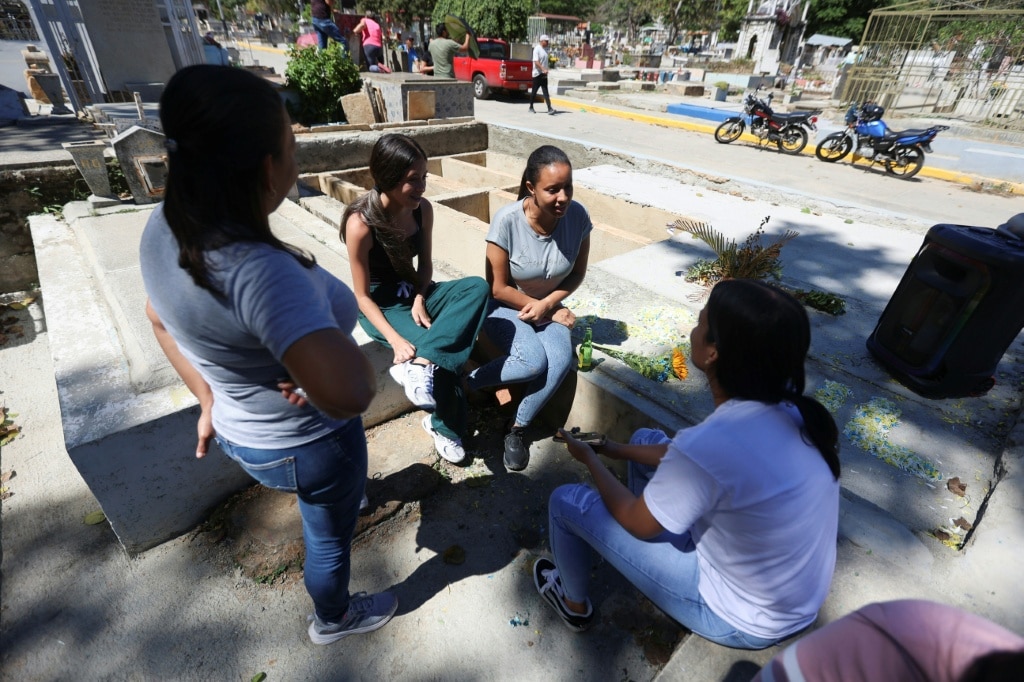
    Natividad Martinez stands vigil at her son’s gravesite in a Caracas cemetery, her grief contradicting official accounts of a surgical military operation. Her 18-year-old son, Saul Pereira Martinez, was among the Venezuelan soldiers killed during a January 3rd assault by US forces targeting then-President Nicolás Maduro.

    The night of the invasion, Pereira had just completed his guard duty shift at Fort Tiuna when he sent his mother a final message: ‘I love you. It has begun.’ Hours later, he would become one of at least 83 casualties officially acknowledged by Venezuela’s defense ministry—a death toll that directly contradicts Washington’s claims of a casualty-free operation.

    ‘You can’t come to my country and kill people like that,’ Martinez stated during her cemetery visit. ‘Because they say it was a clean operation. It wasn’t clean. Do you know how many people died?’

    According to family accounts, Pereira was caught within Maduro’s security perimeter, making his unit a primary target. His stepfather, a government security official who requested anonymity, believes the young soldier’s death resulted from ‘collateral effect of that infiltration’—referring to US intelligence sources that located Maduro.

    The operation, ordered by then-President Donald Trump, involved substantial military deployment throughout the Caribbean region. Despite bellicose rhetoric and previous strikes on alleged drug-smuggling vessels, the family maintained they never anticipated the situation would escalate to direct assault on Venezuelan soil.

    Pereira had recently completed training with the Honor Guard in December and was studying at the military academy. His mother had welcomed his military service, noting how it transformed him from a directionless youth into a disciplined young man who studied diligently and helped with household chores during visits home.

    At the graveside gathering, family and friends remembered Pereira as ‘a brave man’ through tears, salsa music, and toasts in his honor. The government posthumously promoted him, but his mother emphasizes that beyond political divisions—Venezuela remains polarized between Maduro supporters and opponents—each fallen soldier represented a human being mourned by loved ones.

    ‘Those who died are also human beings. They are all Venezuelans. On one side or the other, they are all human beings, they all have people who mourn them,’ Martinez reflected. Despite her anguish, she expressed pride in her son’s sacrifice: ‘He died for his country. Regardless of what they say, to me, my son was a patriot.’

  • Vietnam’s Communist Party congress meets to pick new leaders​

    Vietnam’s Communist Party congress meets to pick new leaders​

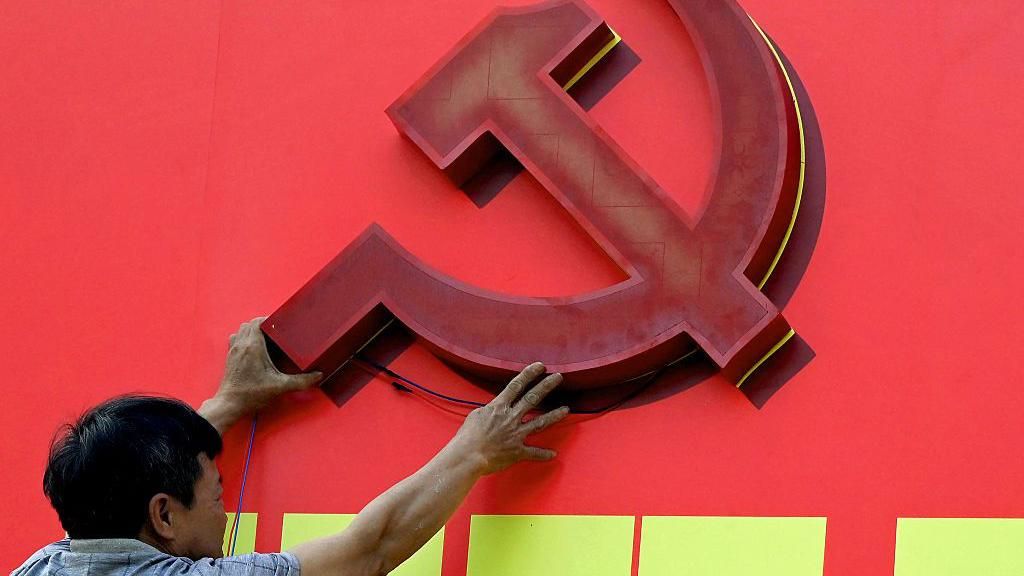
    Vietnam’s political landscape enters a pivotal phase as the ruling Communist Party commences its quintennial congress, a decisive gathering that will determine the nation’s leadership structure and establish critical economic objectives for the coming years. This high-stakes assembly brings together approximately 1,600 delegates tasked with approving comprehensive policy frameworks and electing key governing bodies.

    At the forefront of leadership considerations stands General Secretary Tô Lâm, widely regarded as the predominant candidate for continuation in the party’s most influential position. The 68-year-old leader, who assumed office in August 2024 following the passing of his predecessor Nguyễn Phú Trọng, has championed an ambitious reform agenda during his tenure. Lam’s background as a former police official within the secretive public security ministry has shaped his governance approach, characterized by both economic modernization initiatives and consolidation of institutional power.

    The political proceedings follow a meticulously orchestrated sequence: delegates will first elect a new Central Committee of approximately 200 members, who in turn will select the 17-19 member Politburo—the party’s supreme decision-making authority. This body ultimately determines the general secretary position through a closed-door process devoid of electoral competition, typically resulting in near-unanimous approvals. The Vietnamese public maintains no direct involvement in selecting national leadership.

    Economically, Vietnam confronts both remarkable opportunities and significant challenges. While boasting Southeast Asia’s most rapidly expanding economy with consistent growth exceeding 6% annually, the administration has established an ambitious 10% growth target for 2026. This objective emerges amidst complex global trade dynamics, particularly concerning U.S. tariff policies that initially threatened 46% levies before settling at 20% on Vietnamese exports. Remarkably, official statistics indicate a 28% increase in exports to the United States despite these trade barriers.

    The nation’s single-party socialist system has fostered policy continuity that attracts substantial foreign investment, especially as multinational corporations diversify supply chains away from China. However, maintaining this economic momentum requires navigating persistent challenges including institutional corruption—which precipitated the resignation of two previous presidents—and the looming uncertainty of international trade relations.

    Lam’s vision for national development extends beyond immediate economic targets, envisioning transformation into an upper-income, knowledge-driven technological economy by 2045. His administration has prioritized administrative reforms, private sector expansion, and national development initiatives while simultaneously centralizing authority and enhancing the police ministry’s influence.

    Leadership transitions may extend beyond the congress’s January 25 conclusion, with legislative elections scheduled for March 15 and the new National Assembly convening in April to formally appoint senior government officials. Reports suggest potential constitutional modifications regarding leadership structure, including possible consolidation of the general secretary and presidential roles—a arrangement Lam experienced temporarily between May and August 2024.

    The congress outcomes will fundamentally shape Vietnam’s political and economic direction, testing the Communist Party’s capacity to deliver prosperity and maintain legitimacy through fulfilling its ambitious developmental promises.

  • India gets Trump’s invite to join Board of Peace on Gaza, source says

    India gets Trump’s invite to join Board of Peace on Gaza, source says

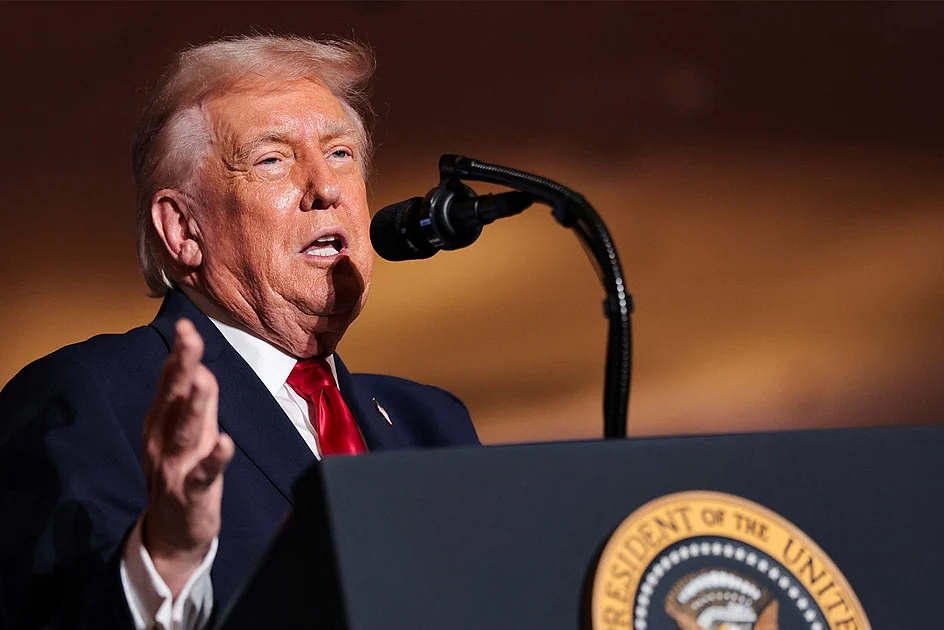
    The Trump administration has formally invited India to participate in its newly proposed “Board of Peace” initiative targeting global conflict resolution, with initial focus on the Gaza situation, according to a senior Indian government official speaking on Sunday, January 18, 2026.

    The invitation arrives during a period of diplomatic strain between New Delhi and Washington, primarily driven by the collapse of bilateral trade negotiations. The failed trade deal would have reduced substantial tariffs currently imposed on Indian exports to the United States, which stand among the world’s highest at approximately 50 percent.

    President Trump has reportedly extended similar invitations to nearly 60 nations worldwide, including Pakistan—India’s regional neighbor and strategic rival. The Pakistani government has already indicated its willingness to engage with international peace and security efforts concerning the Palestinian territory.

    India’s Ministry of External Affairs has not yet issued an official response regarding its potential participation in the initiative. The silence leaves observers questioning whether New Delhi will commit to the multinational diplomatic effort.

    The proposed Board of Peace represents the Trump administration’s latest attempt to address protracted global conflicts through a coalition of willing nations. Its formation and operational framework remain undefined, though the Gaza conflict appears to be its initial testing ground.

  • Syrian government, Kurdish forces agree to immediate ceasefire

    Syrian government, Kurdish forces agree to immediate ceasefire

    In a significant development for Syria’s protracted conflict, the Syrian government and the Kurdish-led Syrian Democratic Forces (SDF) have reached a comprehensive ceasefire agreement effective immediately. The breakthrough accord, announced Sunday through an official document published by the Syrian Presidency, follows intense negotiations amid recent military escalations in northeastern territories.

    The agreement mandates the simultaneous withdrawal of all SDF-affiliated military units to positions east of the Euphrates River. This strategic repositioning occurs alongside the complete transfer of military and administrative control over the Kurdish-held provinces of Deir al-Zor and Raqqa to Damascus authorities. The arrangement encompasses all critical infrastructure, including border crossings and hydrocarbon facilities containing Syria’s vital oil and gas fields.

    A key provision requires the SDF to facilitate the evacuation of all non-Syrian leadership and forces associated with the Kurdistan Workers’ Party (PKK) beyond national borders. The framework further outlines the integration of SDF combat units into Syria’s formal defense and interior ministries following comprehensive security vetting procedures.

    The documented accord bears the signatures of both Syrian President Ahmed al-Sharaa and SDF commander Mazloum Abdi, signaling high-level endorsement from both factions. President al-Sharaa characterized the agreement as resolving “all lingering files with the SDF” during statements to state media, while confirming scheduled direct negotiations with Commander Abdi for Monday.

    This diplomatic achievement represents a substantial recalibration of Syria’s complex geopolitical landscape, potentially altering power dynamics in the region’s decade-long conflict. The accord facilitates government reassertion over strategically and economically significant territories while providing structured integration for Kurdish forces into national institutions.

  • My children were recruited in a trafficking scam. I joined a police hunt to find them

    My children were recruited in a trafficking scam. I joined a police hunt to find them

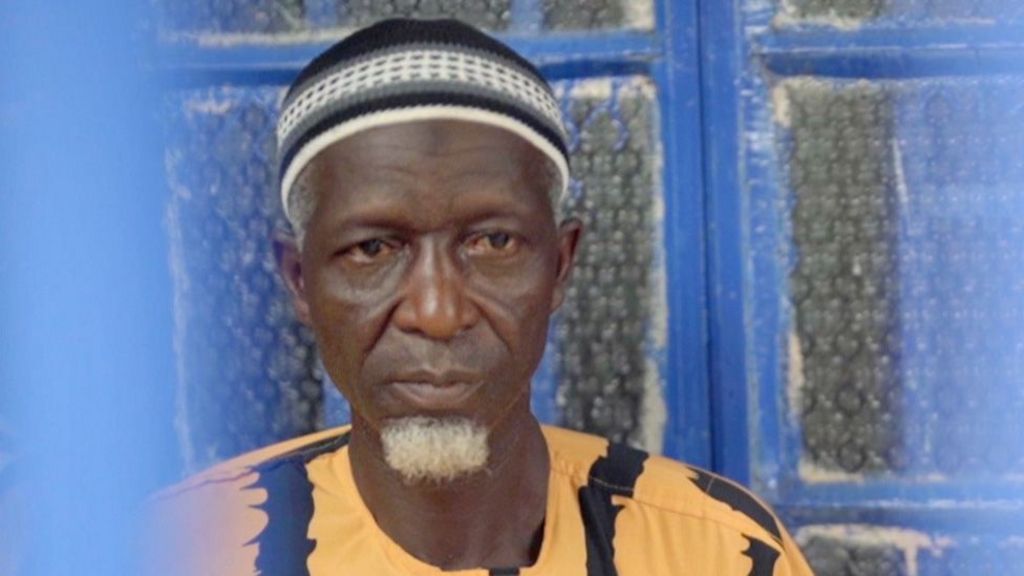
    A heartbreaking human trafficking epidemic is devastating families across West Africa, where criminal networks are exploiting desperate job seekers through sophisticated scams operating under the guise of legitimate company QNET. The BBC Africa Eye investigation has uncovered the brutal reality of these operations through the tragic story of Foday Musa, a Guinean father separated from his children for nearly two years.

    Musa’s nightmare began in February 2024 when his 22-year-old son and 18-year-old daughter were recruited from their remote village in Guinea’s Faranah region by agents promising overseas employment. Instead of legitimate jobs, the seven recruits found themselves captives of human traffickers who transported them across the border into Sierra Leone.

    “My heart is broken. I can’t stop crying. If you look at my eyes, you can see the pain,” Musa told BBC investigators, describing the agony of listening to his son’s desperate 76-second voice message begging for rescue.

    The criminal syndicates have weaponized the name of QNET—a legitimate Hong Kong-based wellness and lifestyle company—to lend credibility to their operations. Traffickers target vulnerable individuals with promises of employment in the United States, Canada, Dubai, and Europe, demanding substantial upfront payments for alleged administrative costs.

    Victims who pay these fees—often their family’s entire savings—are typically trafficked to neighboring countries and informed they can only proceed abroad after recruiting additional participants. Even when victims successfully enlist friends and family members, the promised jobs never materialize.

    INTERPOL’s anti-trafficking unit in Sierra Leone has made combating these networks a priority. “It’s very easy for these traffickers to manoeuvre across each of our borders at these illegal crossing points,” explained Mahmoud Conteh, head of investigations at Sierra Leone’s anti-trafficking unit.

    The investigation revealed that traffickers maintain multiple safe houses where victims are held in squalid conditions. During one raid in Makeni, central Sierra Leone, authorities discovered 10-15 people sleeping per room, with some victims as young as 14. Most originated from Guinea, highlighting the transnational nature of the crisis.

    The psychological impact on victims is profound. Aminata (pseudonym), a 23-year-old Sierra Leonean woman, described how traffickers forced her into prostitution to survive after her family’s college savings were stolen. Victims are compelled to participate in elaborate deception campaigns, complete with fake passports and staged airport photos to maintain the illusion of international travel.

    Despite police conducting over 20 raids in the past year and rescuing hundreds of victims, prosecutions remain scarce. US State Department statistics reveal only four trafficking convictions in Sierra Leone between July 2022 and April 2025, underscoring the challenges under-resourced authorities face.

    In a bittersweet development, INTERPOL confirmed that Musa’s children were eventually released by traffickers. His daughter has returned to Guinea but hasn’t contacted her family, reflecting the deep shame experienced by many victims. Musa’s son remains missing, leaving the father’s anguish unresolved.

    “After all that has happened, I really just want it all to be over and to see my kids,” Musa expressed, his voice heavy with the weight of nearly two years of uncertainty and heartbreak.