博客

  • Libya signs $2.7bn deal to expand Misurata Free Zone, in diversification push

    Libya signs $2.7bn deal to expand Misurata Free Zone, in diversification push

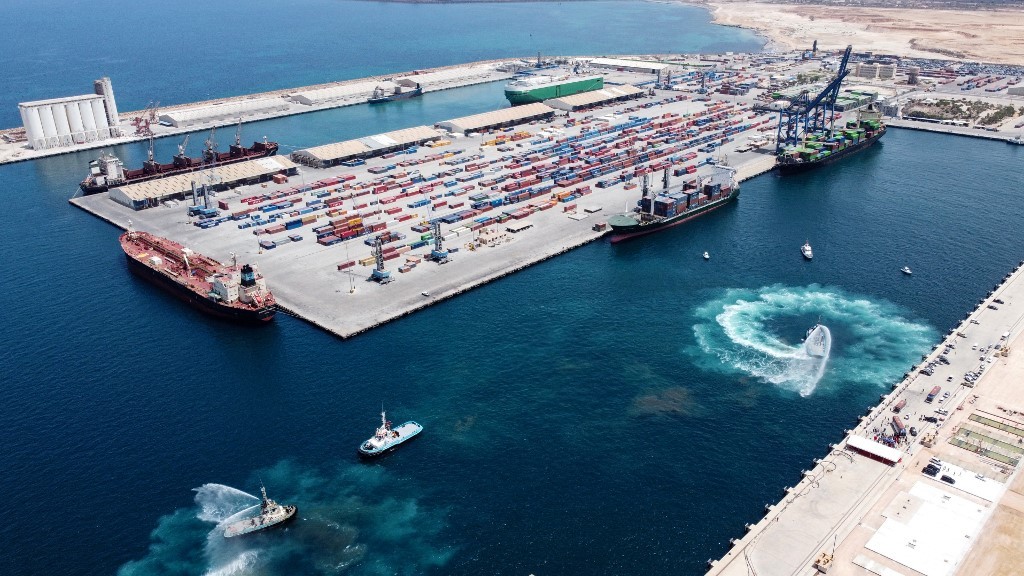
    In a significant economic development, Libya’s Government of National Unity has finalized a landmark strategic partnership with international firms to dramatically expand the Misurata Free Zone. Prime Minister Abdulhamid Dbeibah announced the agreements on Sunday, revealing the project is projected to attract approximately $2.7 billion in foreign investment—a crucial step toward diversifying the nation’s oil-dependent economy.

    The partnership brings together Terminal Investment Limited and Doha-based Maha Capital Partners, combining operational expertise with long-term capital investment. According to government projections, the expanded zone is expected to generate annual operating revenues of around $500 million while transforming the port into a competitive logistics hub connecting Africa, Europe, and the Middle East.

    Prime Minister Dbeibah emphasized the strategic importance of the project in a statement on social media platform X, noting that it “enhances Libya’s position among the region’s largest ports in terms of size and capacity” while relying on “direct foreign investment within a comprehensive international partnership.”

    The expansion represents a conscious effort to reduce Libya’s overwhelming dependence on hydrocarbons, which currently account for more than 95% of economic output. Officials envision the project as a catalyst for broadening the country’s economic base through modernized infrastructure and transformed state assets.

    Substantial employment benefits are anticipated, with the project expected to create approximately 8,400 direct jobs and roughly 60,000 indirect positions. The terminal’s capacity will be increased to handle four million containers annually, up from its current 190-hectare footprint.

    The signing ceremony at the Misurata Free Zone was attended by high-profile figures including Sheikh Mohammed bin Abdulrahman al-Thani and Antonio Tajani. Muhsin Sigutri, the free zone’s chairman, stated that the partnership reflects “Misurata’s determination to build modern, internationally competitive infrastructure that can unlock new industries, support local employment, and strengthen Libya’s position within regional and global supply chains.”

    This development occurs against the backdrop of prolonged instability following the 2011 NATO-backed uprising, which led to rival administrations emerging in eastern and western Libya in 2014, significantly complicating economic recovery efforts.
  • ‘Set the record’: Pauline Hanson claims Trump, Farage ‘followed’ her as One Nation vote surges to 22 per cent

    ‘Set the record’: Pauline Hanson claims Trump, Farage ‘followed’ her as One Nation vote surges to 22 per cent

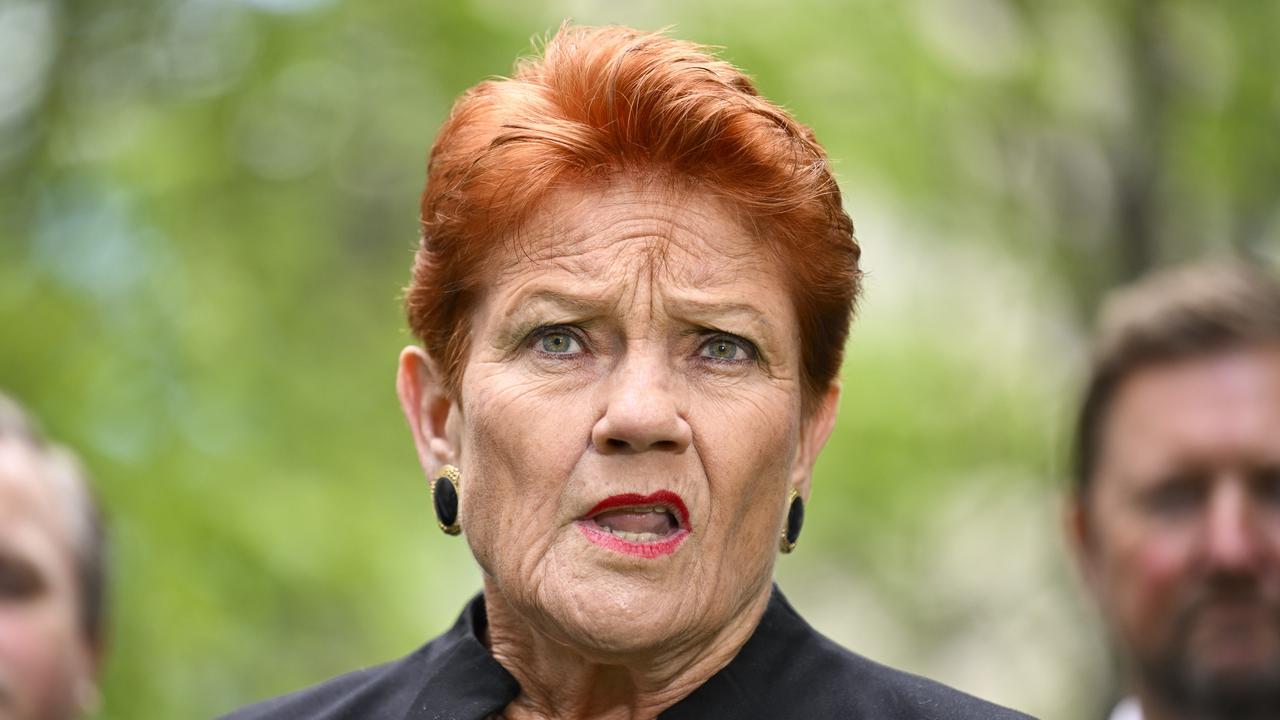
    In a stunning political realignment, Pauline Hanson’s One Nation party has eclipsed the Coalition in the latest Newspoll, capturing an unprecedented 22% of the primary vote following a seven-point surge over two months. The controversial leader framed this seismic shift as public endorsement of her longstanding nationalist agenda while pointing to recent violent incidents as catalysts for awakening Australian consciousness.

    Addressing media at Parliament House, Senator Hanson positioned herself as the original architect of global right-wing populism, asserting her ideological precedence over figures like Nigel Farage and Donald Trump. ‘I’ve set the record—I stand up for what I believe in and don’t back away from anything,’ she declared, characterizing her consistency as the cornerstone of her appeal.

    The One Nation leader specifically referenced the alleged assassination attempt on American commentator Charlie Kirk and the Bondi Beach terror attack as pivotal moments that galvanized public support. She described these events as ‘wake-up calls’ that exposed systemic failures in national security and immigration policy. ‘Mass migration has been a huge issue for Australians calling out to government,’ Hanson stated, linking housing shortages, job insecurity, and cost-of-living pressures to uncontrolled immigration.

    Her commentary extended to defending her notorious 2017 burqa stunt in Parliament, which resulted in her exclusion from recent Senate condolence proceedings. ‘It wasn’t a stunt—I was standing my ground,’ she insisted, maintaining that the gesture highlighted security concerns about full-face coverings in public spaces.

    The party’s momentum was further amplified by defector Barnaby Joyce, who joined One Nation after fracturing with the Nationals. The former deputy prime minister rejected characterization of the party as radical, asserting ‘It is not radical if it’s the truth.’ Joyce criticized performative political empathy without substantive action, questioning the value of ’empathetic self-aggrandisement.’

    As Liberal Senator Jonathon Duniam acknowledged the polling indicates ‘we’ve got our work cut out for us,’ Hanson revealed ambitions beyond protest politics. ‘You bet I want to form government,’ she stated, confirming active recruitment strategies for Queensland lower house seats while recognizing the formidable challenge of maintaining record polling numbers.

  • Death toll in Karachi shopping plaza fire rises to 10 as search continues for dozens missing

    Death toll in Karachi shopping plaza fire rises to 10 as search continues for dozens missing

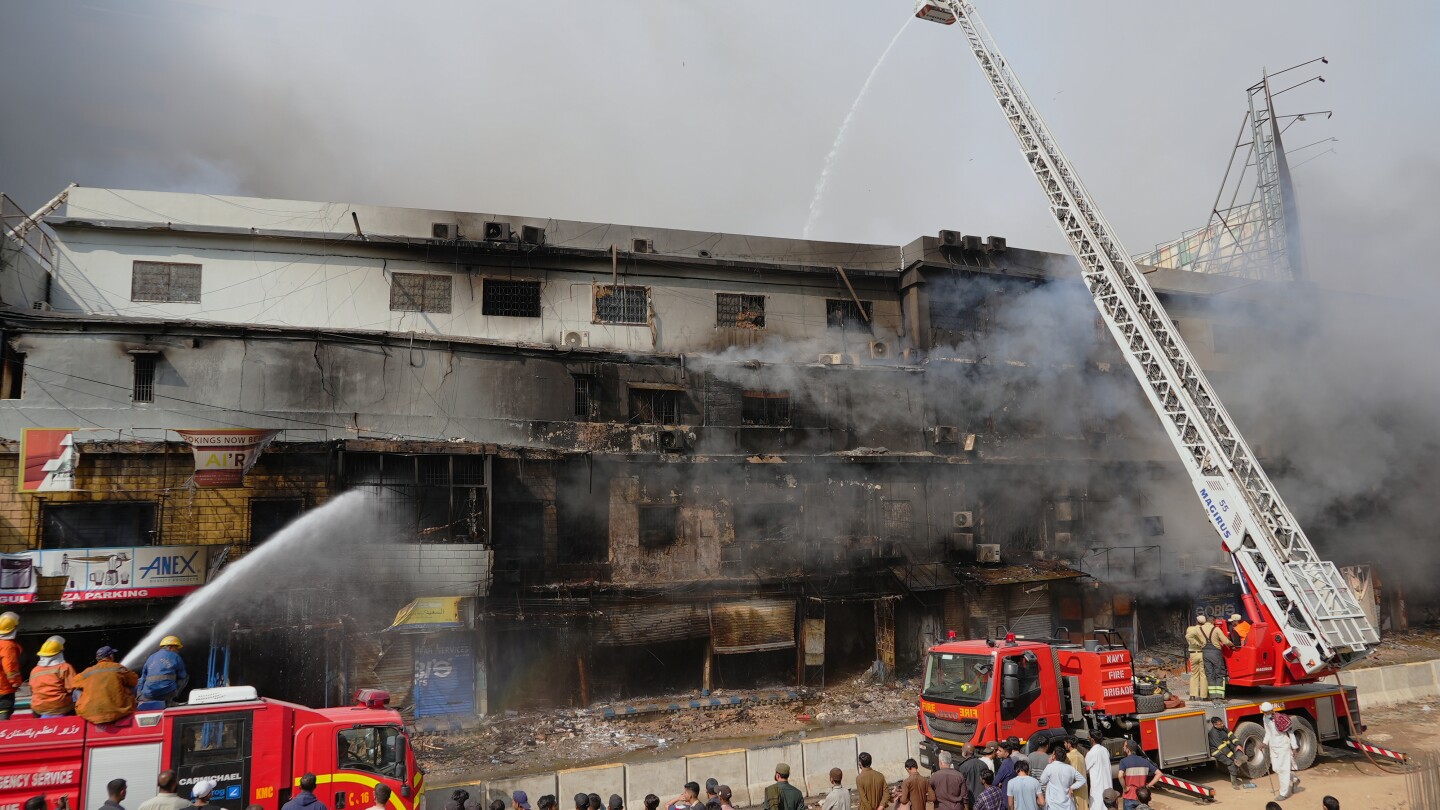
    KARACHI, Pakistan — A devastating multi-story fire at Gul Plaza shopping complex has resulted in at least 10 confirmed fatalities, with rescue teams recovering four additional bodies during overnight operations. The blaze, which ignited late Saturday, consumed the building for nearly 24 hours before firefighters finally contained the inferno late Sunday.

    According to Mayor Murtaza Wahab, the death toll continues to rise as emergency crews comb through the severely damaged structure. Local media sources indicate the fatalities may have reached 14 individuals. The rapid spread of flames through shops containing highly flammable materials—including cosmetics, garments, and plastic goods—created extremely hazardous conditions, according to Dr. Abid Jalal Sheikh, Karachi’s chief rescue officer.

    The scale of the tragedy became increasingly apparent as Sindh Chief Minister Murad Ali Shah revealed that approximately 60 individuals have been reported missing by concerned families. This prompted authorities to initiate an intensive search operation amid emotional scenes outside the charred building, where distraught relatives gathered awaiting news of their loved ones.

    Karachi, the provincial capital of Sindh, has experienced numerous deadly fires throughout its history, with safety experts frequently citing inadequate safety protocols and unauthorized construction practices as contributing factors. This latest incident echoes previous tragedies, including a November 2023 shopping mall fire that claimed 10 lives and injured 22, and the horrific 2012 garment factory blaze that resulted in 260 fatalities—one of Pakistan’s deadliest industrial disasters.

    Authorities have launched a formal investigation to determine the origin and cause of the fire, though preliminary findings have not been released. The incident has renewed concerns about urban safety standards and emergency response capabilities in Pakistan’s largest metropolitan area.

  • Vietnam party meeting opens with leadership and economic growth on the line

    Vietnam party meeting opens with leadership and economic growth on the line

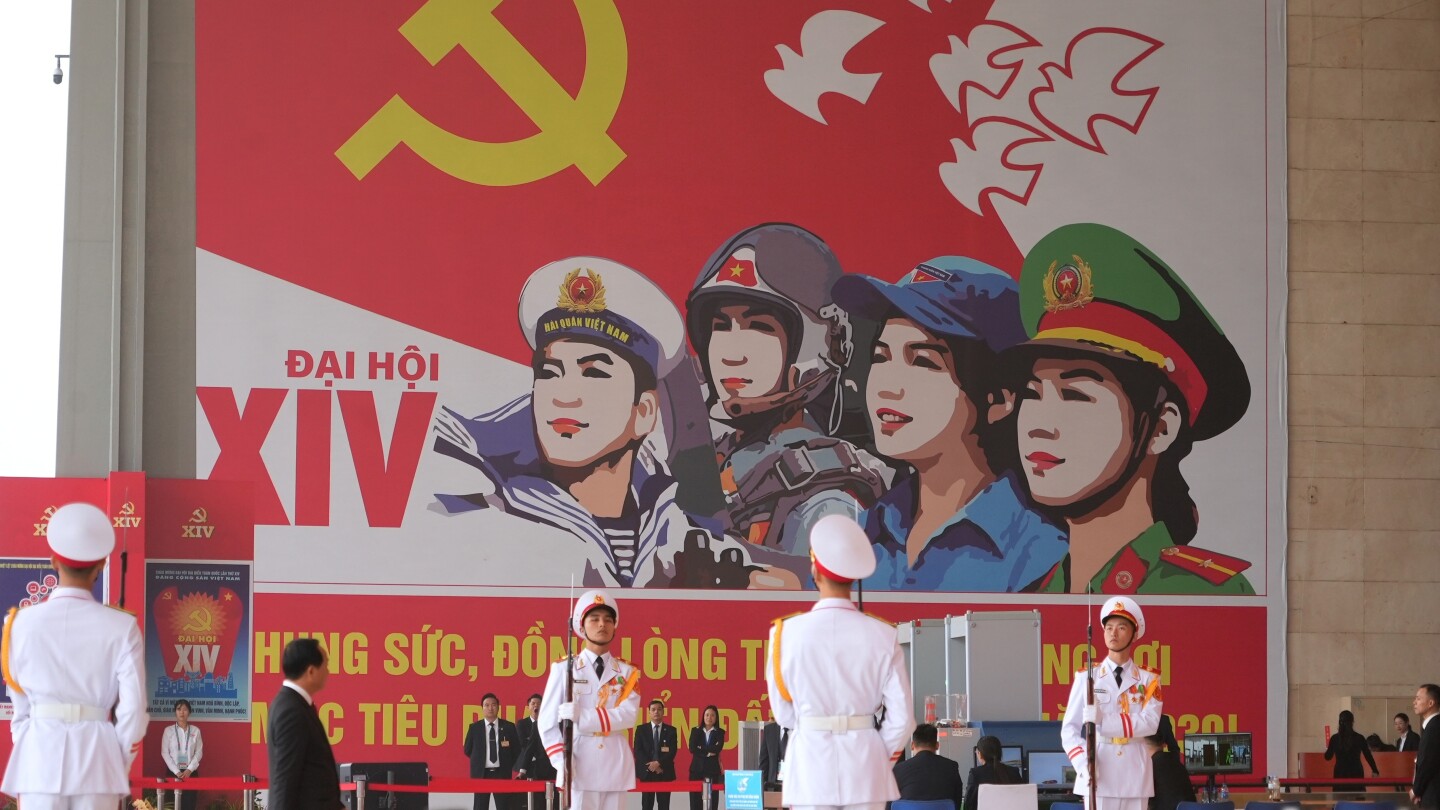
    HANOI, Vietnam — Vietnam’s political landscape enters a pivotal phase as the ruling Communist Party commenced its five-year National Congress on Monday. This critical gathering brings together 1,588 delegates in Hanoi to determine the nation’s leadership structure and policy trajectory through 2031.

    The conclave represents the party’s supreme decision-making authority, convening every five years to elect approximately 200 Central Committee members. This body subsequently appoints 17-19 individuals to the influential Politburo through a meticulously orchestrated selection process.

    At the forefront of deliberations is Communist Party General Secretary To Lam, anticipated to secure a full five-year term. Significant attention focuses on whether Lam will consolidate power by assuming both party leadership and state presidency roles—a potential departure from Vietnam’s traditional ‘four pillars’ governance model that maintains balance between party chief, president, prime minister, and National Assembly chair. Such consolidation would mirror political structures in China under Xi Jinping and neighboring Laos.

    Lam’s political ascent stems from his tenure as Minister of Public Security since 2016, where he spearheaded the extensive anti-corruption initiative championed by predecessor Nguyen Phu Trong. His administration has implemented the most substantial bureaucratic and economic reforms since Vietnam’s late-1980s economic liberalization, including significant public-sector workforce reduction, administrative boundary restructuring, and initiation of major infrastructure projects.

    Analysts note internal party dynamics between Lam’s security-aligned faction and more conservative military-associated elements. According to Nguyen Khac Giang of Singapore’s ISEAS–Yusof Ishak Institute, conservatives express concern about potential deviation from socialist principles and advocate for maintaining checks on concentrated power.

    The Congress simultaneously addresses Vietnam’s ambitious development agenda, particularly its goal of achieving high-income economy status by 2045. Delegates are finalizing a resolution targeting unprecedented 10% average annual GDP growth from 2026-2030, building upon 2025’s 8% expansion despite previous shortfalls in growth targets.

    This economic vision emphasizes industrial upgrading, production modernization, and technology-driven growth, exemplified by military-run Viettel’s inaugural semiconductor chipmaking plant launched in January. The project aims for trial production by 2027, representing Hanoi’s strategic push for technological self-reliance.

    Notably, draft documents recognize the private sector as ‘one of the most important driving forces of the economy,’ signaling a potential shift from state-owned enterprise dominance. The resolution equally prioritizes foreign relations with national security, acknowledging Vietnam’s export economy’s global interdependence, while elevating environmental protection to central status alongside economic and social development.

  • Prince Harry returns to court in battle with British tabloids

    Prince Harry returns to court in battle with British tabloids

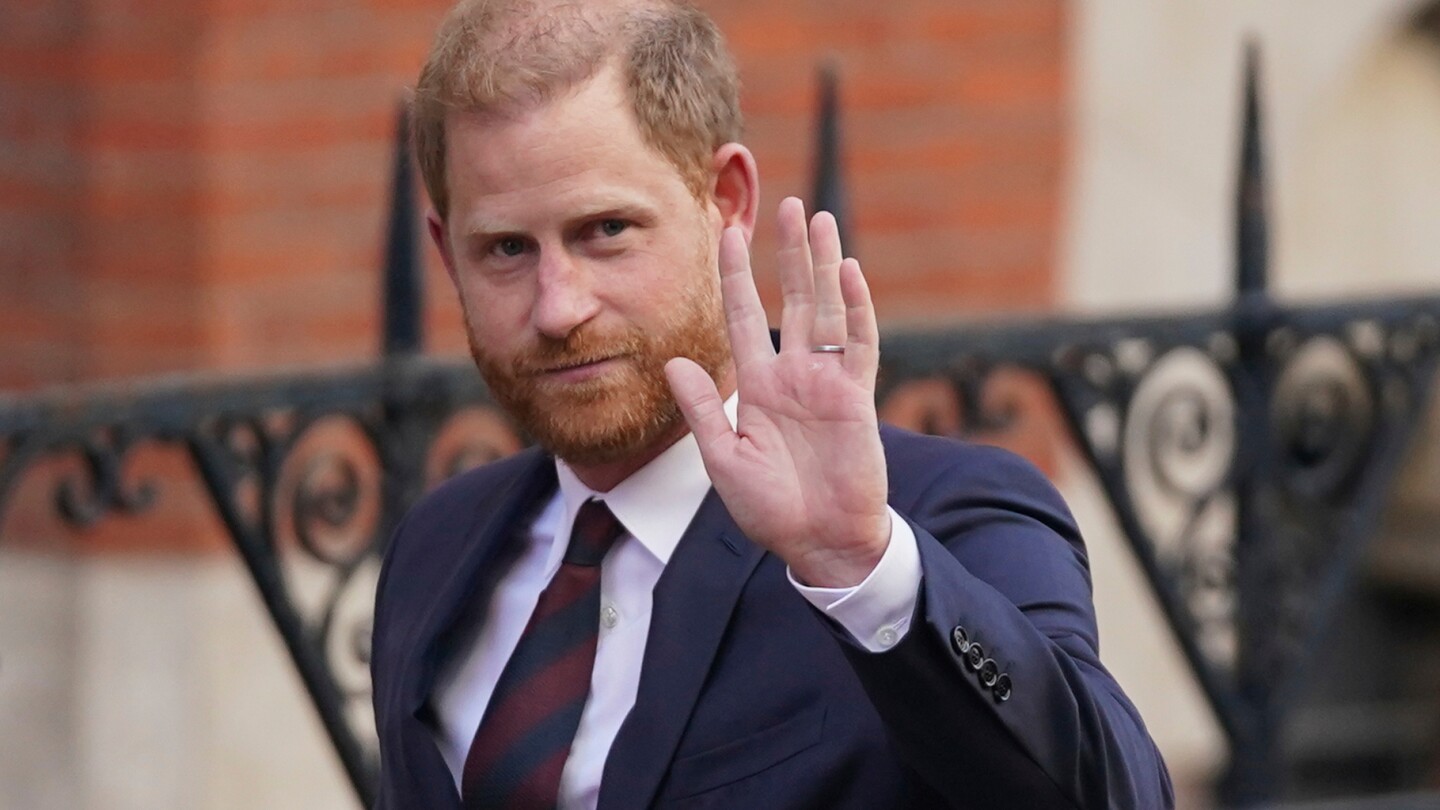
    LONDON — The High Court in London has commenced a pivotal nine-week trial that pits Prince Harry and six other prominent figures against Associated Newspapers Ltd., publisher of the Daily Mail and Mail on Sunday. The plaintiffs allege systematic privacy invasions through unlawful information-gathering methods spanning more than two decades.

    The Duke of Sussex serves as the lead claimant in this collective action that accuses the media conglomerate of employing private investigators to conduct surveillance operations including phone interception, vehicle bugging, and unauthorized access to private records. The celebrity cohort includes music icon Elton John, actors Elizabeth Hurley and Sadie Frost, anti-racism campaigner Doreen Lawrence, and former politician Simon Hughes.

    Associated Newspapers has categorically denied all allegations, dismissing them as “preposterous” in previous court filings. The trial represents the third major legal confrontation between Prince Harry and British media organizations, following his successful 2023 lawsuit against Mirror Group Newspapers that resulted in substantial damages for “widespread and habitual” phone hacking.

    Legal analysts note the case’s complexity stems from its historical scope, with some claims dating back to 1993. Justice Matthew Nicklin previously ruled that the plaintiffs had demonstrated a “real prospect of succeeding” despite defense arguments that the statute of limitations should invalidate older claims.

    The proceedings have been complicated by contradictory sworn statements from private investigator Gavin Burrows, who initially claimed to have conducted “hundreds of jobs” for the Daily Mail between 2000-2005 before submitting a subsequent affidavit denying any unlawful work for the publisher.

    The trial coincides with ongoing tensions within the royal family, though palace observers note that Harry’s current visit appears strictly focused on legal proceedings rather than family reconciliation. The timing coincides with King Charles III’s scheduled engagements in Scotland, minimizing opportunities for father-son interaction.

    This legal battle forms part of Prince Harry’s broader campaign against British tabloid culture, which he holds partially responsible for his mother Princess Diana’s 1997 death and the subsequent treatment of his wife Meghan that prompted their royal exit and relocation to California.

  • Architect behind Singapore’s public housing system dies aged 87

    Architect behind Singapore’s public housing system dies aged 87

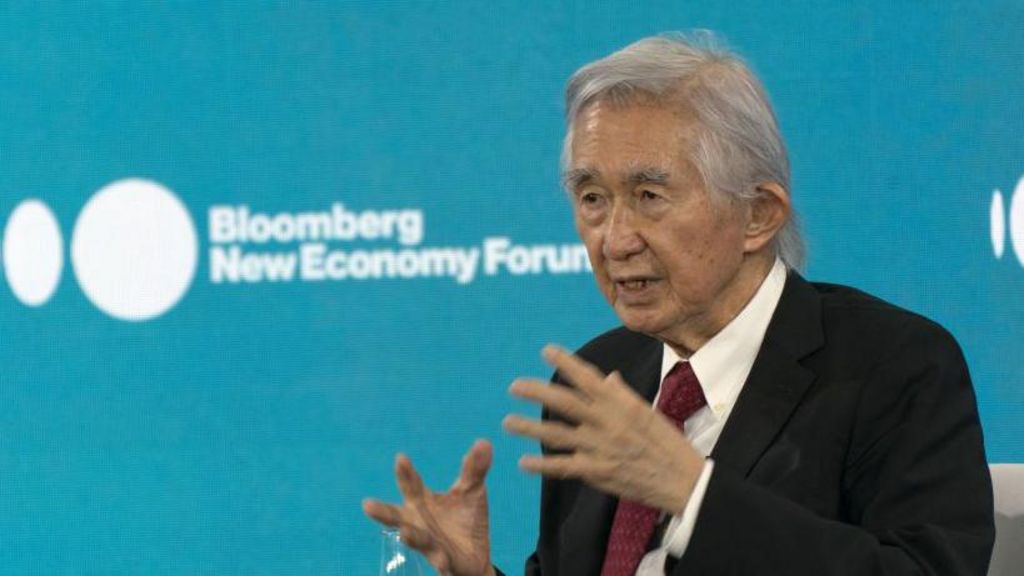
    Singapore is mourning the loss of Dr. Liu Thai Ker, the master architect behind the nation’s transformative public housing system, who passed away at age 87 on Sunday due to complications from a fall. The visionary urban planner, widely celebrated as the principal designer of modern Singapore’s landscape, leaves behind a physical and social legacy that houses approximately 80% of the country’s 5.9 million residents.

    Liu’s innovative approach to urban development through Singapore’s Housing and Development Board (HDB) fundamentally reshaped the nation’s identity. His distinctive housing blocks, now iconic features of Singapore’s skyline, replaced overcrowded slums with meticulously planned townships that blended functionality with community living. During his tenure as HDB’s chief architect, Liu spearheaded the creation of 20 new towns and approximately 500,000 housing units, effectively engineering one of the world’s most successful public housing models.

    The Singaporean system distinguished itself globally through its unique ownership model. Unlike traditional public housing, HDB flats are heavily subsidized but purchased by citizens, becoming personal assets with 99-year leases that can be resold on the open market after a minimum occupancy period. This system has become a cornerstone of Singapore’s wealth creation and social stability, though it has faced criticism for its partial market-driven approach that some argue prices out lower-income citizens.

    Born in Malaysia in 1938, Liu moved to Singapore at age six and later pursued architecture studies in Australia before earning a master’s degree in city planning from Yale University. He gained professional experience working alongside renowned architect I.M. Pei in New York before returning to Singapore in 1969, where he dedicated 24 years to public service, eventually leading the Urban Redevelopment Authority.

    National leaders including Prime Minister Lawrence Wong and President Tharman Shanmugaratnam offered heartfelt tributes, recognizing Liu’s profound impact on Singapore’s development. PM Wong noted that the ‘buildings, homes and public spaces that Singaporeans use every day stand as a quiet testament to his dedication and vision,’ while President Tharman credited Liu with helping ‘make Singapore a liveable city in the tropics.’

    Citizens and institutions across Singapore, including Liu’s alma mater Chung Cheng High School, expressed profound gratitude for his contributions, with many noting that he ‘didn’t just build buildings, he built a nation’ through his visionary urban planning that created both physical infrastructure and social cohesion.

  • Watch: Footage inside Spanish train as passengers evacuate from crash

    Watch: Footage inside Spanish train as passengers evacuate from crash

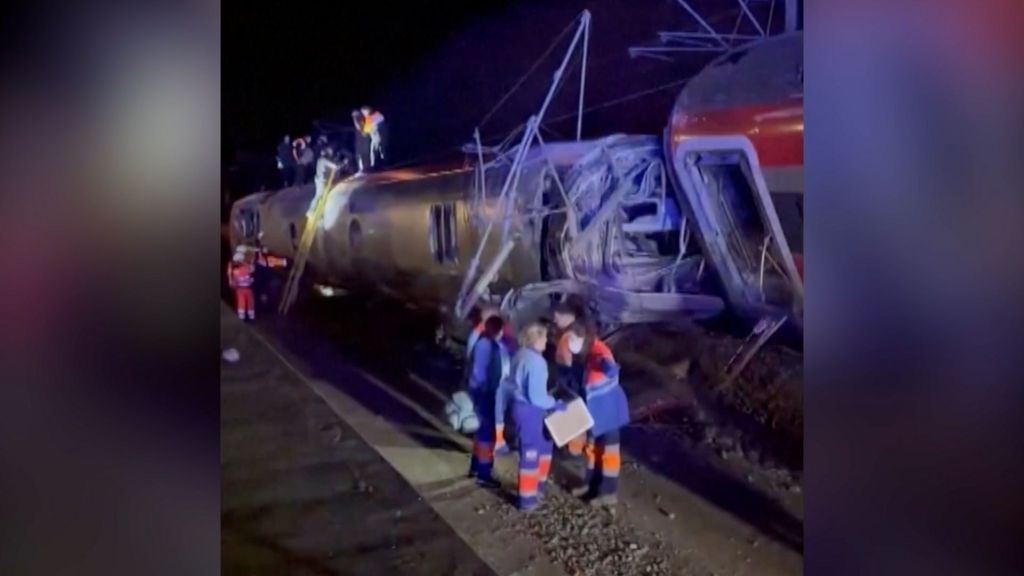
    Distressing mobile footage has emerged from inside a Spanish passenger train following a significant derailment in the southern region of Andalusia. The video evidence, captured by a traveler aboard the service, depicts the immediate chaotic aftermath of the incident, showcasing a severely damaged carriage with significant structural compromise.

    In the visuals, passengers can be seen taking matters into their own hands to ensure their safety, with one individual documented meticulously climbing through a fractured section of the train’s exterior to reach the safety of the tracks below. The scene inside the cabin reveals a state of disarray, with personal belongings scattered and visible signs of the impact’s force. The footage stands as a critical firsthand account of the rescue and evacuation procedures undertaken by civilians prior to the arrival of emergency services.

    The derailment, which occurred on a key transit route, prompted a large-scale response from local emergency crews, including multiple firefighting units, medical teams, and law enforcement. Preliminary reports from authorities indicate the incident resulted in a confirmed number of fatalities and several individuals sustaining injuries, though official numbers are pending a full assessment. An investigation into the precise cause of the crash has been launched, with early scrutiny focusing on track conditions and operational factors.

  • Syria: SDF left weakened, short of territory and oil after ceasefire, experts say

    Syria: SDF left weakened, short of territory and oil after ceasefire, experts say

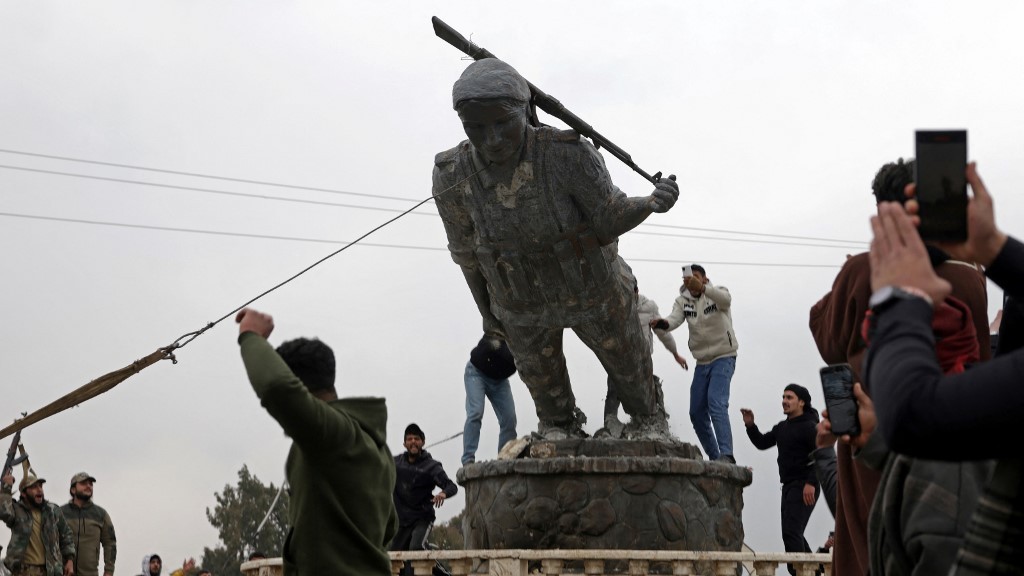
    In a significant geopolitical shift, the Syrian government has achieved a decisive military and political victory over the Kurdish-led Syrian Democratic Forces (SDF) through a comprehensive ceasefire agreement signed on Sunday. The accord follows weeks of intense fighting that saw government forces capture strategic territories and critical economic assets previously under SDF control.

    The 14-point agreement, formally released by Syria’s information ministry, represents a substantial reversal of fortunes for the SDF. Government forces made rapid advances in the preceding days, capturing the country’s largest oil field and numerous Arab-majority districts where SDF control had shown signs of fragility. These battlefield successes fundamentally altered the negotiation dynamics, stripping the SDF of both economic leverage and territorial advantages before talks commenced.

    Under the terms of the agreement, the SDF will execute a complete military and administrative handover of Raqqa and Deir Ezzor regions, retaining only limited presence in northeastern Hasakah. The accord mandates that SDF fighters integrate into Syrian state forces as individuals rather than organized units, while all border crossings and energy resources return to Damascus control.

    The agreement specifically addresses international security concerns by transferring full responsibility for ISIS detainees to the Syrian government. Additionally, foreign elements linked to the Kurdistan Workers’ Party (PKK) must depart Syria, with remaining fighters undergoing security vetting before integration into state forces.

    Analysts note the striking resemblance between this agreement and terms offered to the SDF a year ago. Fadil Hanci, Syria analyst, observed that ‘Damascus has the upper hand now and wants to transform the military success into a political gain. The agreement is meant to achieve that.’ The document reflects Damascus’s interpretation of previous frameworks while leaving minimal room for SDF reinterpretation.

    The political implications extend to leadership changes, with SDF leader Mazlum Abdi reportedly assuming the governorship of Hasakah province—a position subordinate to Syria’s foreign minister rather than the senior national role some had anticipated.

    This strategic realignment also reveals deeper vulnerabilities in SDF support structures. Arab tribes in previously SDF-controlled areas, dissatisfied with Kurdish dominance and limited economic development, largely supported the government’s advance. From Turkey’s perspective, the agreement represents a significant security achievement, rolling back what Ankara had long perceived as a threat to its national security.

  • UAE announces January 19 as end of Rajab 1447 AH

    UAE announces January 19 as end of Rajab 1447 AH

    The UAE Fatwa Council has officially declared Monday, January 19, 2026, as the conclusive day of the Islamic month of Rajab 1447 AH. This determination was reached following meticulous examination of astronomical data regarding the crescent moon, conducted in coordination with the nation’s specialized astronomical authorities.

    Consequently, Tuesday, January 20, 2026, will be recognized as the inaugural day of Shaban 1447 AH within the Islamic Hijri calendar. Shaban holds particular significance as it immediately precedes Ramadan, the holy month of fasting. This period traditionally serves as a spiritual preparatory phase for Muslims worldwide, who observe dawn-to-dusk fasting during Ramadan.

    The commencement date for Ramadan 2026 remains subject to final confirmation via traditional moon-sighting practices. Islamic months span either 29 or 30 days, contingent upon lunar observations. Official moon-sighting committees will convene on the 29th of Shaban to ascertain the exact beginning of Ramadan. Should the crescent moon be sighted that evening, Ramadan will initiate the following day.

    Current astronomical projections suggest Thursday, February 19, 2026, as the probable start date, though this remains conditional upon actual visual confirmation. The conclusion of Ramadan will subsequently usher in Eid Al Fitr, a significant Islamic festival marking the end of fasting, which will provide UAE residents with their first extended weekend break of the year.

  • Thousands march in US to back Iranian anti-government protesters

    Thousands march in US to back Iranian anti-government protesters

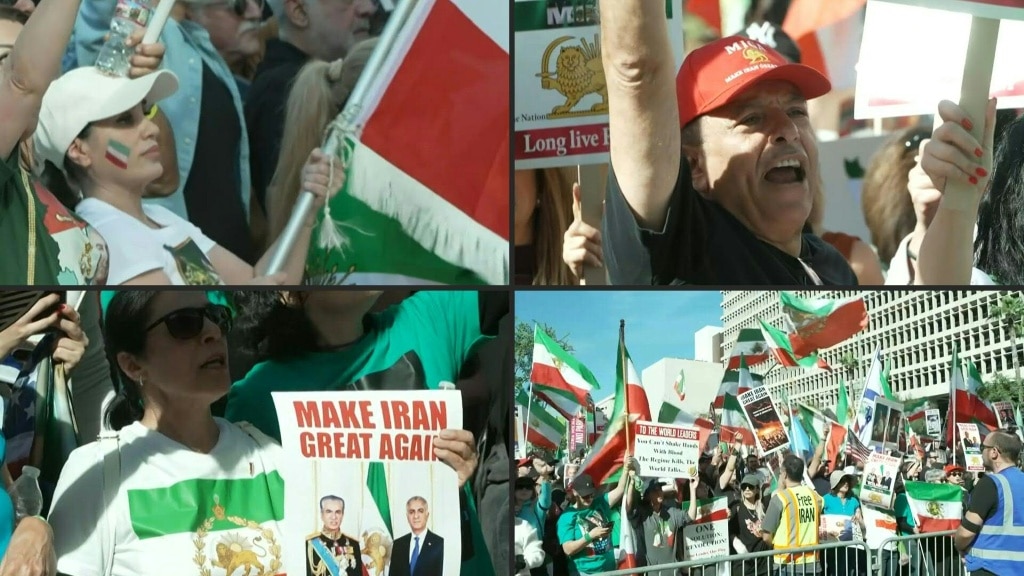
    Mass demonstrations erupted across major American cities this weekend as thousands gathered to denounce the Iranian government’s violent suppression of domestic protests. The gatherings, organized by members of Iran’s extensive diaspora community, represented a powerful display of international solidarity with protesters facing escalating violence in their homeland.

    Los Angeles, hosting the world’s largest Iranian expatriate population, witnessed several thousand marchers flooding its streets. Simultaneously, several hundred protesters assembled in New York City, creating a coordinated coast-to-coast expression of outrage. Participants carried emotionally charged signage condemning what they termed a ‘New Holocaust’ and ‘genocide in the making’ by Iranian authorities.

    The protests originated from December’s economic dissatisfaction demonstrations in Iran, which rapidly evolved into the most significant challenge to the Islamic Republic’s leadership in recent history. A severe government crackdown accompanied by nationwide internet restrictions has reportedly resulted in substantial casualties. Iran Human Rights, an Oslo-based monitoring organization, has documented 3,428 protest-related fatalities through verified sources within Iran’s medical system and independent witnesses. The NGO emphasizes that actual numbers likely significantly exceed this verified count.

    Demonstrators expressed complex and sometimes contradictory political perspectives. While many participants voiced support for U.S. presidential intervention, others displayed skepticism toward American involvement. The diaspora community appears divided between those advocating for Western-backed regime change and those insisting on Iranian self-determination without foreign interference.

    This ideological tension was visibly present at the Los Angeles gatherings, where some protesters championed Reza Pahlavi, son of Iran’s deposed Shah, while others explicitly rejected monarchical restoration. The political divisions within the exile community mirror the fragmented nature of Iran’s domestic opposition movement, complicating prospects for unified resistance against the current regime.

    The demonstrations occurred amid ambiguous signals from the U.S. administration regarding potential intervention. While threatening consequences for violence against protesters, American officials have simultaneously expressed satisfaction with Iranian assurances regarding demonstrator treatment. This diplomatic ambiguity has created uncertainty among diaspora communities seeking clearer international support for protesters facing life-threatening repression.