博客

  • How US commerce secretary’s Epstein links were uncovered by British whistleblower

    How US commerce secretary’s Epstein links were uncovered by British whistleblower

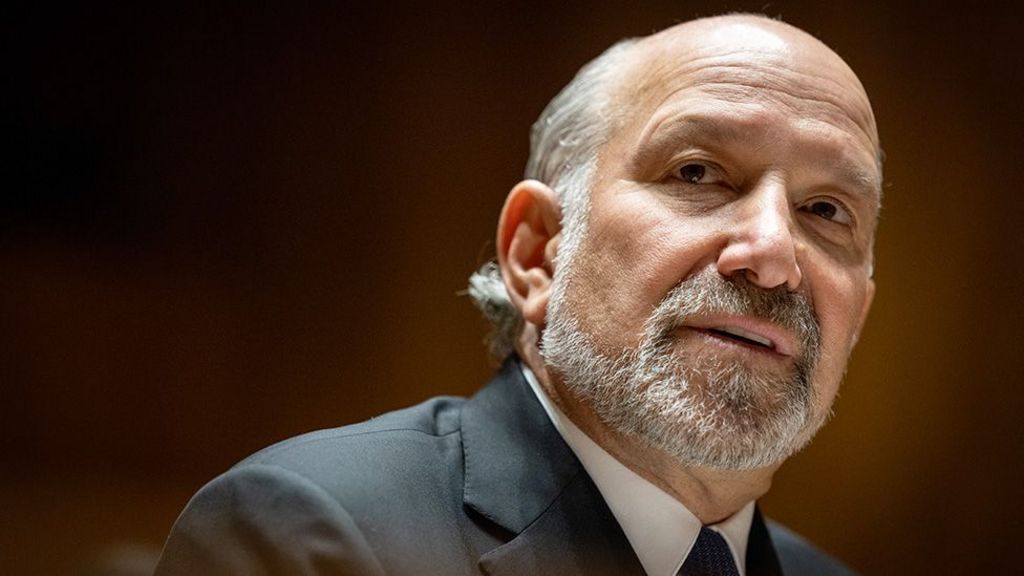
    A former senior Wall Street executive has uncovered new documentary evidence that contradicts public statements from U.S. Commerce Secretary Howard Lutnick regarding his long-concealed business relationships with convicted sex offender Jeffrey Epstein and Britain’s disgraced Prince Andrew. Simon Andriesz, who previously served as a managing director at BGC Partners — a financial brokerage under Lutnick’s Cantor Fitzgerald umbrella — shared his findings from the massive cache of publicly released Epstein court documents with members of the U.S. House Oversight Committee ahead of Lutnick’s May 2025 confirmation hearing appearance.

    Andriesz, who has been locked in a years-long legal battle with his former employer after blowing the whistle on accounting misconduct at BGC in 2016, told the BBC he uncovered a 2018 email chain directly exchanged between Lutnick and Epstein about a joint startup investment both men held stakes in. After noticing that Cantor Fitzgerald executives routinely used initials instead of full names in internal communications, Andriesz searched the 3.5 million-page document trove for Lutnick’s initials HWL, rather than his full name — a search strategy that uncovered the correspondence missed by other researchers.

    In the exchange, Epstein asked Lutnick directly for his perspective on growth prospects for Adfin, a digital advertising startup that counted both Epstein and Cantor Fitzgerald as investors. Lutnick replied that the firm was finally generating revenue and predicted it would become financially self-sufficient within the next 12 months. This directly contradicts Lutnick’s public and congressional testimony that he had no knowledge of Epstein’s investment in Adfin until 2025, and that he had only met Epstein once as neighbors in Manhattan 20 years prior.

    The newly released Epstein files also contain a 2012 photograph showing Lutnick alongside Epstein on Little St James, Epstein’s private Caribbean island, years after the financier’s 2008 conviction for soliciting prostitution from a minor. In a separate finding, Andriesz uncovered details of a 2013 business proposal from Cantor Fitzgerald to partner with then-Prince Andrew, who was a close associate of Epstein. The plan outlined a £1 million loan to a firm controlled by Prince Andrew in exchange for exclusive access to the prince’s high-level global business contacts, a deal Andriesz described in an interview as an attempt to “buy a prince.”

    Epstein himself warned Prince Andrew’s business advisor against the exclusive terms of the deal, which required Prince Andrew to only introduce wealthy clients to Cantor Fitzgerald. Documents show advisors from both sides negotiated the proposal for four months before it was ultimately abandoned. Cantor Fitzgerald did not deny that discussions took place, but confirmed the deal was never finalized. Prince Andrew, who was stripped of his royal titles in 2025, has not responded to requests for comment on the proposal.

    When Lutnick appeared before the House Oversight Committee in May, he repeated his claim that he had only learned of Epstein’s Adfin investment in 2025, stated he unequivocally condemns Epstein’s criminal actions, and noted he has never been formally accused of any wrongdoing tied to the sex offender. All 21 Democratic members of the committee signed a formal letter calling for Lutnick’s immediate resignation, accusing him of lying to Congress about his ties to Epstein.

    In response to questions from the BBC, the U.S. Commerce Department dismissed the allegations as a partisan political distraction, arguing there is no evidence of wrongdoing on Lutnick’s part. The White House echoed this defense, calling the BBC’s reporting a “pathetic and desperate attempt to slander” Lutnick, who it described as the most consequential commerce secretary in modern U.S. history. BGC Partners has dismissed all of Andriesz’s allegations as “categorically false,” arguing multiple investigations across different jurisdictions have failed to substantiate his claims. The firm says it terminated Andriesz’s employment in 2017 for refusing to follow medical guidance, declining to perform core job duties, and abandoning his role, and denies any retaliation against him for whistleblowing.

    Andriesz, who now lives in a quiet seaside village in Cornwall, UK, says his decade of legal conflict with Cantor Fitzgerald and BGC has destroyed his career, drained his finances, and damaged his health. Though he received a $420,000 whistleblower award from U.S. regulators after BGC was ordered to pay a $3 million penalty for supervision, reporting, and record-keeping violations stemming from his original 2016 allegations, he says neither U.S. nor UK authorities have held the firm or its leadership fully accountable, nor protected him from retaliation. He told the BBC he has been frustrated by the lack of public and official interest in his findings on Lutnick’s ties to Epstein.

    Epstein died by suicide in a New York jail in 2019 while awaiting trial on federal sex trafficking charges, leaving behind a massive trove of personal and business documents that have been gradually released to the public over the past year. Lutnick, a prominent Wall Street executive, was appointed to lead the Commerce Department by President Donald Trump in 2025, after which he sold his controlling stake in Cantor Fitzgerald and transferred leadership of the firm to his sons.
  • Surging oil costs and subsidy cuts to send Australian petrol prices soaring

    Surging oil costs and subsidy cuts to send Australian petrol prices soaring

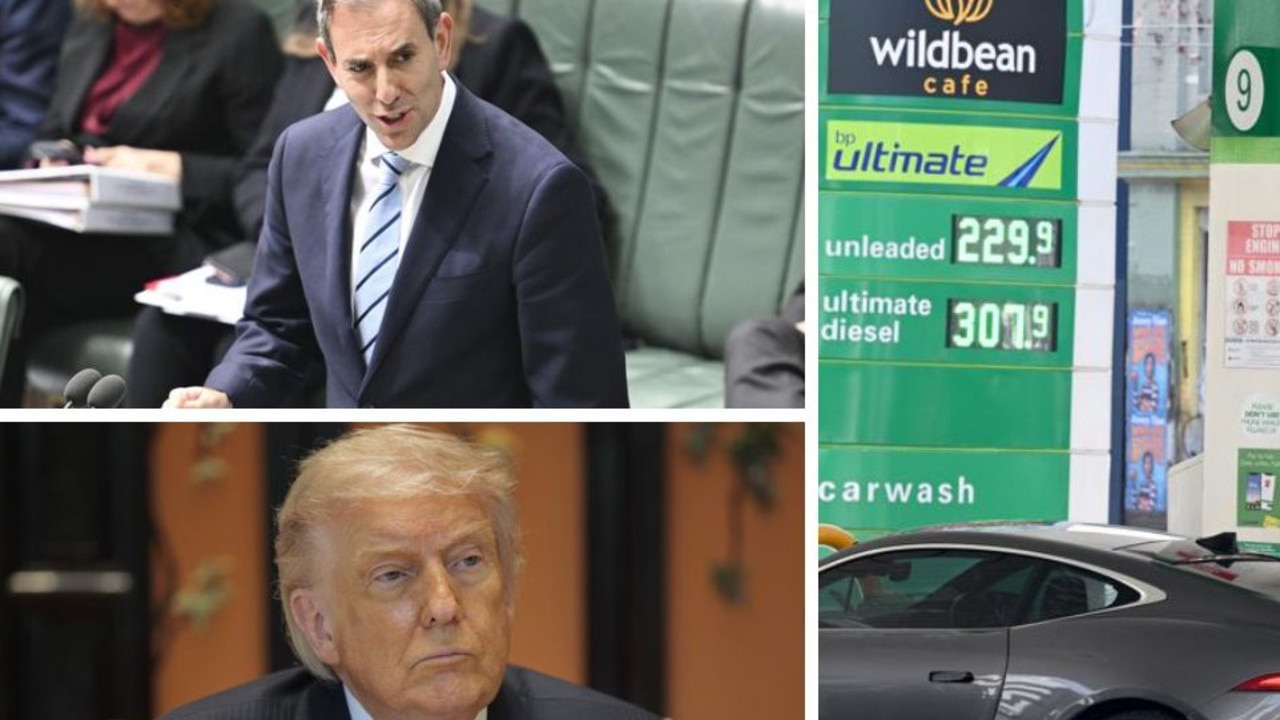
    Australian drivers are bracing for a dramatic spike in petrol prices that could push costs to nearly $2 per litre in the coming weeks, compounded by three overlapping pressures: a global oil market rally, the phased rollback of government fuel subsidies, and new geopolitical tensions around the Strait of Hormuz. This latest development delivers another significant financial blow to households already stretched thin by ongoing cost-of-living pressures across the country.

    Over the past seven days alone, global benchmark Brent Crude has jumped more than 15%, climbing above $84 per barrel. The upward trajectory has accelerated sharply following U.S. President Donald Trump’s announcement that the United States will position itself as the “guardian” of the Strait of Hormuz — a critical chokepoint that carries roughly a fifth of the world’s daily oil trade — and impose a 20% toll on all cargo passing through the waterway to offset security costs. “The USA will be, from this point forward, known as ‘THE GUARDIAN OF THE HORMUZ STRAIT,’ but as such, and as a matter of FAIRNESS, will be reimbursed, at the rate of 20 per cent on all cargo shipped, for any and all costs necessary to do the job of providing safety and security to this very volatile section of the World,” Trump wrote on his social platform Truth Social, confirming the security initiative would begin immediately.

    AMP’s chief economist Shane Oliver notes that oil markets have already adjusted to the heightened tensions, with prices up roughly $11 per barrel since hostilities between the U.S. and Iran resumed. Industry convention holds that every $10 increase in per-barrel crude translates to a 10-cent rise in retail petrol prices. “The longer the Strait of Hormuz stays effectively closed and the more the world economy runs down its oil reserves, that will become unsustainable and we could get a much bigger spike in oil prices,” Oliver warned. That said, he added that the most extreme scenario of crude climbing to $150 per barrel remains unlikely, as both the U.S. and Iran would face severe economic damage from sustained high fuel prices. Australia, he noted, is also better positioned to weather the crisis than it was at the onset of tensions, thanks to strategic stockpiling of oil reserves by the federal government earlier this year.

    Geopolitical volatility is not the only factor pushing up prices at the pump. Australia’s federal government began unwinding its six-month fuel excise cut this month. Introduced in March to offset post-conflict price increases, the policy halved the fuel excise, delivering a 26.3-cent per litre discount that cut the cost of a 50-litre tank by $13. State governments followed by returning excess GST revenue to drivers, bringing total combined discounts to 32 cents per litre. That discount was halved to 16 cents per litre on July 1, and will expire entirely on August 2, returning excise taxes to pre-crisis levels. Combined with the global crude rally, this phased rollback is expected to push average retail petrol prices from the current ~$1.50 per litre toward the $2 threshold. Early data from the NRMA already shows prices surging: in Sydney, regular unleaded has jumped 17 cents per litre in a week to 164.4 cents, while diesel has risen 21.1 cents to 182.2 cents per litre.

    The price spike is mounting political pressure on the federal government to extend the excise cut, though Oliver said that broad-based relief is poor policy. “As a motorist I’d say they should extend it but as an economist I’d say they shouldn’t extend it because there are better ways to help those who need a hand,” he explained, noting that broad tax cuts distort market price signals that encourage fuel conservation. “There are better ways to channel money or assistance to farmers, truck drivers and low income earners who need the help.”

    Already, months of sustained high fuel prices have pushed a large share of Australian drivers to make permanent changes to their transportation habits, new data from Credit24 (compiled by Primara Research) shows. The survey found 37% of Australians have cut back on driving to offset persistent fuel cost increases. Among those adjusting their habits, 23.5% have shifted to public transport for regular commutes, 14% now walk or cycle more often, 6% have purchased an electric vehicle, and 4.6% have even changed jobs to cut down on commuting fuel costs.

    Primara Research head Peter Drennan noted that these shifts are not temporary adjustments — they are permanent behavioral changes driven by sustained cost pressure. “Once a cost stops feeling temporary, Australians adjust and stay adjusted. That’s the real signal in this data,” he said. “When a cost holds for long enough, budgeting isn’t optional anymore, people are forced to find the money somewhere else in their lives.”

    The survey also revealed a clear generational divide in behavioral change. Millennials, who are more likely to juggle overlapping financial pressures including mortgages, childcare, and household budget constraints, were the most likely to adopt permanent changes, with 47.8% reporting cutbacks. They were followed by Gen Z and Gen X, while Baby Boomers — who generally have fewer overlapping financial commitments and larger savings buffers — were the least likely to change their driving habits. “The generational gap here is really a gap in how much financial buffer people have to begin with,” Drennan added.

  • Greens question Telstra $2.3bn profit after equipment claim in national outage

    Greens question Telstra $2.3bn profit after equipment claim in national outage

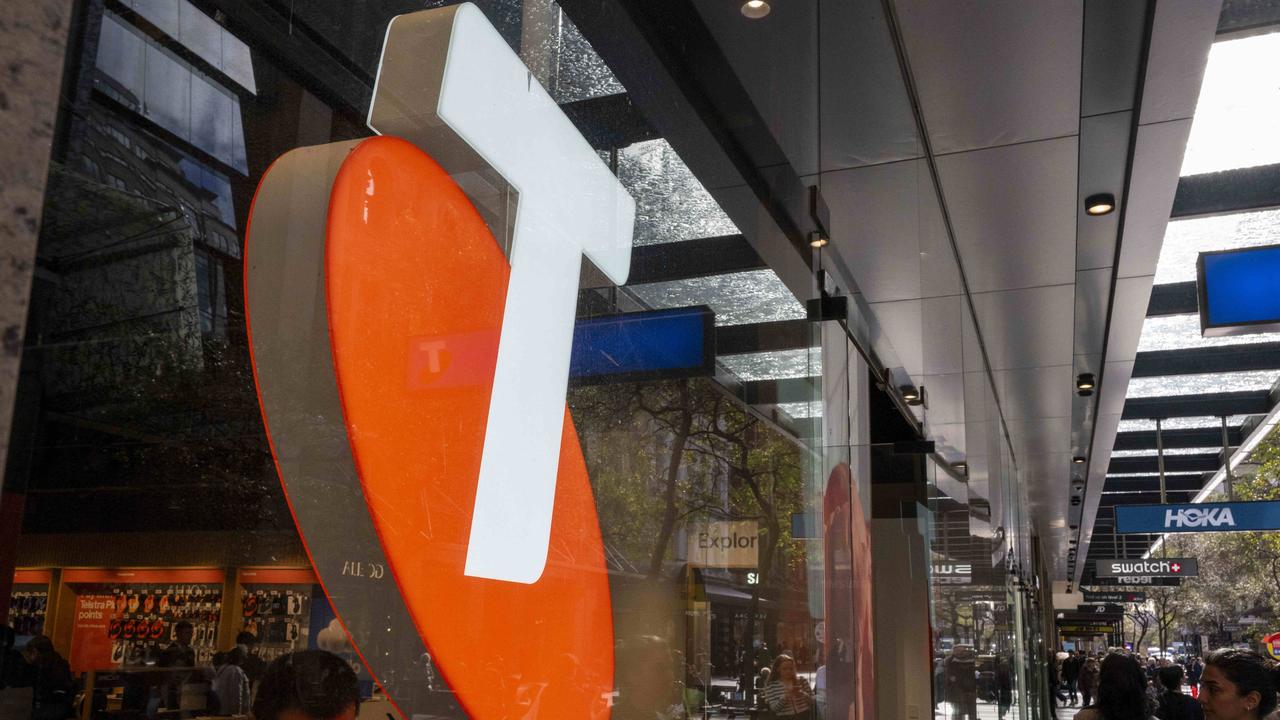
    Australia’s largest telecommunications provider Telstra is facing intense public and political backlash after a 12-hour nationwide service outage that disrupted critical emergency triple-0 services across the country, coming just months after the firm posted a $2.3 billion pre-tax annual profit. The outage last week marked the latest high-profile failure of a major Australian telecom, following a 2023 outage at competitor Optus that was linked to two preventable deaths when access to triple-0 was cut off.

    When the outage first occurred, Telstra CEO Vicki Brady — who was on personal holiday when the fault emerged — released a public statement attributing the widespread service collapse to an unexpected software glitch in the company’s internal time-tracking systems. Brady offered a full apology to Australian customers, acknowledging the central role Telstra services play in personal communication, business operations and public safety. “We know how much people rely on us to keep in touch, do their work, run businesses and stay safe. It’s extremely frustrating when mobile services aren’t available, and we’re deeply sorry for the impact this had on so many people,” Brady’s statement read. The company has committed to conducting a full internal investigation into the root cause of the failure.

    Political backlash has grown rapidly in the days since the outage, with Greens Senator Sarah Hanson-Young leading calls for accountability. Hanson-Young, who will chair a formal Senate inquiry launching Friday to investigate the incident, has raised sharp questions about Telstra’s profit-driven investment priorities, citing unconfirmed reports that the outage traces back to a $20,000 piece of outdated equipment that the company delayed replacing for years. Speaking on her weekly podcast Tuesday, Hanson-Young questioned how a company recording nearly a quarter of a trillion Australian dollars in annual profit could fail to invest in basic critical infrastructure. “If it is in fact true, then it really begs the question, how can a company that banked $2.3bn in profit last year, not keep its equipment up to date?” she said. “(That) has ended up costing the entire company … potentially billions of dollars more because of the massive failure.”

    Hanson-Young has gone further, calling for a fundamental rethink of how Australia manages critical emergency communications infrastructure, suggesting the nation’s triple-0 emergency system should be nationalized to prioritize public safety over corporate profit motives. “We should start considering whether we need to nationalise triple-0 built for the public interest, not the business model of the big telcos, who can pick and choose how much they want to invest in their systems,” she said. “How is it possible that there’s no legal requirement on these companies? This is political. It’s a political choice to force these companies to put their consumers first and public safety first, rather than just their profits.”

    Federal government officials have also joined in condemning Telstra, with Communications Minister Anika Wells noting that the company has long held a special position of public trust that is now at risk. “It’s time for Telstra to face the music,” Wells stated last week. “But, that trust really stands in peril today. It is going to take Telstra a lot of time and a lot of work to rebuild that trust with Australians.” Education Minister Jason Clare added that the company could face regulatory fines of up to 30 million Australian dollars for the failure, depending on the findings of official investigations.

    Alongside demands for accountability, the incident has also sparked unfounded misinformation, with One Nation MP Barnaby Joyce claiming without evidence that the outage may be linked to Chinese interference. Labor Party MPs have publicly rejected the baseless claim, pushing back against the unsubstantiated conspiracy theory.

  • China investigates mine-safety official for corruption after deadly gas explosion

    China investigates mine-safety official for corruption after deadly gas explosion

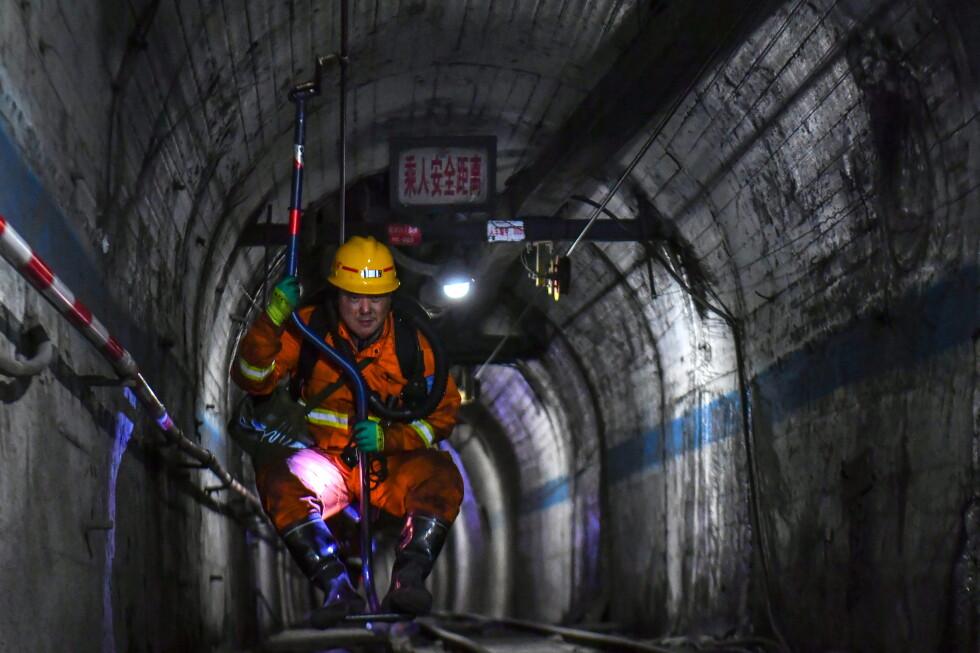
    BEIJING – Months after a catastrophic gas explosion at a Shanxi province coal mine claimed 82 lives, China’s top anti-corruption watchdog has announced that the region’s leading mine safety regulator is facing formal investigation for suspected graft and serious violations of disciplinary and legal rules. The Central Commission for Discipline Inspection (CCDI) confirmed in a public notice released Monday evening that Hu Haijun, who holds dual roles as director of the Shanxi Bureau of the National Mine Safety Administration and the bureau’s Communist Party chief, is the subject of the ongoing probe. The short announcement posted to the CCDI’s official website did not disclose further details about the specific violations alleged against Hu. Per reporting from Caixin, a leading Chinese independent business publication, Hu marks the highest-ranking official swept into the expanding investigation into governance and safety practices across Shanxi’s coal mining sector, one of the world’s largest concentrated coal production hubs. The deadly May accident, which stands as China’s deadliest industrial mining disaster in several years, prompted Chinese authorities to launch a sweeping, province-wide blanket safety inspection of all operating coal mines in the region. While China has made consistent, measurable progress in reducing mining fatalities and improving overall worksite safety over the past decade, systemic gaps in mine oversight and industrial safety regulation remain persistent challenges for national regulators. The mine where the explosion occurred is operated by Shanxi Tongzhou Coal & Coke Group, which was formally listed as a high-risk, disaster-prone operation by the National Mine Safety Administration earlier this year in 2024. Even as China accelerates its global-leading buildout of wind and solar renewable energy capacity, coal continues to anchor the country’s national energy mix, accounting for more than half of China’s total annual energy consumption. As China’s preeminent coal-producing province, Shanxi is home to roughly 800,000 coal mining workers and churned out 1.3 billion tons of coal in 2023 alone – nearly one-third of the entire country’s total annual coal output. The probe into Hu comes as Beijing continues to push a years-long national campaign to crack down on corruption across critical regulated industries, with safety oversight highlighted as a priority for anti-graft efforts following high-profile industrial accidents.

  • Death toll from a Bangkok music bar fire rises to 30, dozens remain in hospital

    Death toll from a Bangkok music bar fire rises to 30, dozens remain in hospital

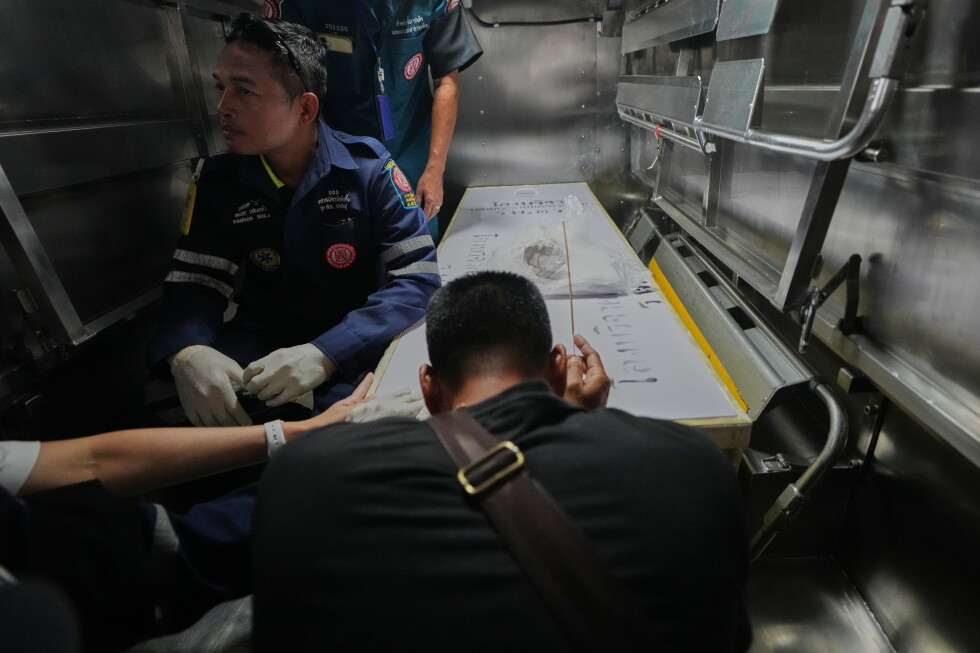
    BANGKOK – Thai capital officials announced Tuesday that the death count from a catastrophic blaze at a popular Bangkok music and beer hall has climbed to 30, marking the city’s deadliest fire incident in nearly two decades. The deadly inferno broke out late Sunday evening at Rong Beer Na Ladprao, a sprawling nightlife venue located in northern Bangkok, and it took responding firefighters 30 minutes to fully contain the spread of flames.

    In addition to the rising death toll, city health authorities confirmed that more than 70 injured survivors remain in hospital care, with 24 of those patients still fighting for their lives in critical condition. The venue, which brands itself as a large-scale brewery and beer hall in Thai, publicly advertises a maximum capacity of 600 patrons, though investigators have not yet confirmed how many people were inside the establishment when the fire ignited.

    Police leading the investigation have revealed that most of the deceased were found trapped inside windowless bathroom spaces, where many victims had fled in a desperate bid to escape the advancing flames. Authorities have launched a full probe into both the root cause of the fire and whether the venue was compliant with mandatory public safety and fire code regulations, with results still pending.

    By Tuesday, former customers and grieving community members had begun gathering at the cordoned-off disaster site to pay their respects. A growing mound of white flowers and handwritten condolence notes, written in Thai, Korean and multiple other languages, has accumulated against the guardrails blocking access to the charred venue. Investigators cleared charred debris from the building on Monday, moving destroyed remains including blackened chair frames and melted musical instruments out to the adjacent sidewalk, where the twisted wreckage still lies scattered.

  • Business executives making ‘contingency plans’ for UAE-Saudi Arabia feud

    Business executives making ‘contingency plans’ for UAE-Saudi Arabia feud

    The already tense relationship between neighboring Gulf powers Saudi Arabia and the United Arab Emirates has escalated into what insiders describe as an economic war of attrition, pushing global business leaders and financial institutions to draw up emergency contingency plans to mitigate potential fallout.

    Multiple major international publications have documented the growing rift, which stretches across both geopolitical and economic spheres. The two oil-rich nations already hold opposing positions on several high-stakes regional issues, from the ongoing conflict in Yemen to power struggles in Sudan and diplomatic engagements with Israel. Beyond geopolitics, however, the rivalry has deepened into direct economic competition that threatens the operations of foreign companies operating across both markets.

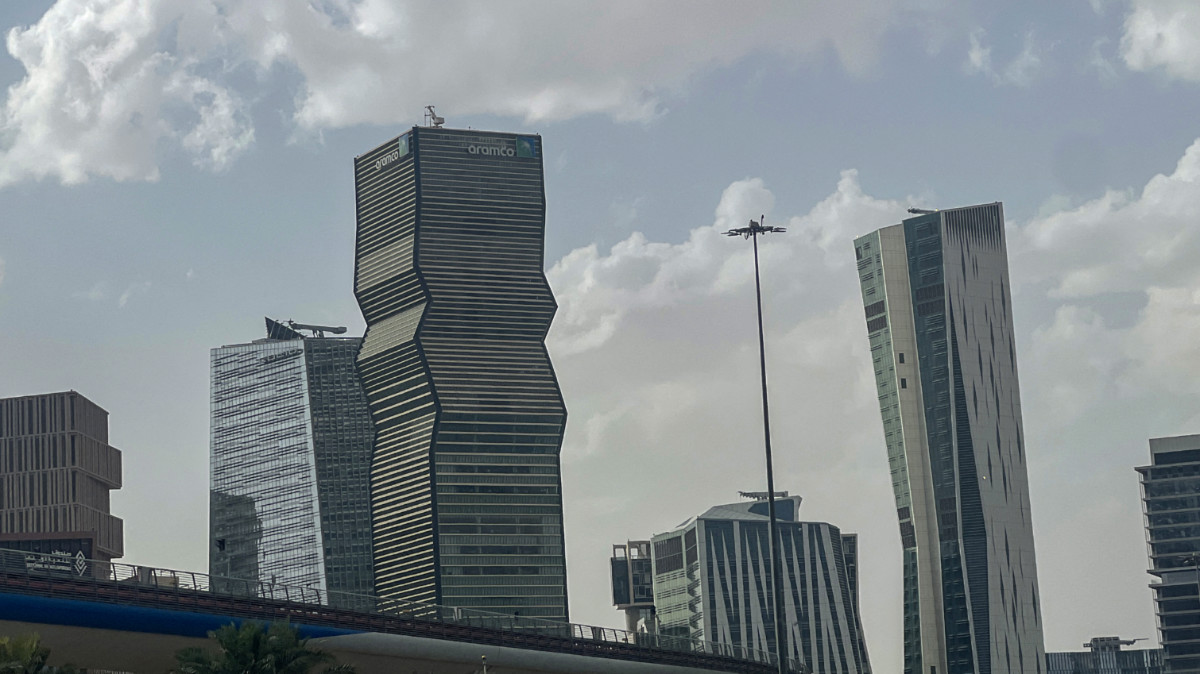
    One of the most visible flashpoints is competition to become the Gulf region’s leading business hub. Saudi Arabia has invested heavily in transforming Riyadh into a top global commercial center, a strategy that directly challenges the long-standing dominance of the UAE’s Dubai. The pair also clashed openly on energy policy earlier this year, when the UAE withdrew from the Saudi-led OPEC production alliance and rapidly scaled up its own crude output.

    Tangible disruptions to cross-border trade and finance have already emerged, according to recent on-the-ground reporting. Semafor documented that border crossing wait times for commercial trucks moving from the UAE into Saudi Arabia have stretched to several days in recent months, with some drivers reporting waits as long as a week, forcing many to sleep in their vehicles while waiting for entry approval. The Financial Times additionally revealed that Saudi banks have repeatedly held up or returned payments sent to UAE-based accounts belonging to Dubai-based companies and individuals since May, in most cases without providing any formal explanation for the disruptions.

    Against this backdrop, Bloomberg reported Monday that leading global investment banks are bracing for an unprecedented ultimatum: they may soon be forced to choose between maintaining major operations in Abu Dhabi or expanding their presence in Riyadh, as both sides pressure international firms to pick sides in the deepening rivalry.

    Businesses across sectors have already begun taking proactive steps to prepare for further escalation. Some firms have developed separate logistics networks operating independently in each country to avoid disruptions if the border closure worsens. Other organizations are conducting full reviews of existing commercial contracts, with a particular focus on identifying force majeure clauses that could protect them if existing agreements collapse. Many are also auditing their local partnerships to identify any connections that could prompt retaliation from either government.

    The Gulf region has long been a high-priority market for Western businesses, drawn by vast state capital pools, booming infrastructure projects, and growing investment opportunities in emerging sectors like artificial intelligence. For decades, Western law firms, consulting practices, and financial institutions have generated substantial profits from working with Gulf governments. Even so, Saudi Arabia has in recent years begun reducing spending on foreign advisors as part of a push to create more jobs for local citizens and cut unnecessary costs.

    Despite the lack of an open, formal break between the two nations, business leaders are refusing to take risks amid the creeping escalation. One anonymous international law firm told Bloomberg it has begun turning down certain client engagements specifically to avoid alienating either Saudi or Emirati officials. In another high-profile case, a global investment firm raising capital for a new regional fund was informed by Saudi stakeholders that it was prohibited from allocating any capital to UAE-based projects, and could only invest in assets focused exclusively on the Saudi market.

  • ‘You can’t make that stuff up’: Benji Marshall fires back at false reports of a fractured relationship with Jarome Luai

    ‘You can’t make that stuff up’: Benji Marshall fires back at false reports of a fractured relationship with Jarome Luai

    Wests Tigers head coach Benji Marshall has publicly pushed back against fabricated media speculation that a personal rift with star playmaker Jarome Luai prompted the club’s controversial decision to release Luai from the final year of his contract. The decision, confirmed by the NRL club this past Saturday, has sent rugby league circles into a frenzy, with pundits and fans dissecting cryptic social media posts to uncover the root of Luai’s early exit.

    Luai, the Tigers’ co-captain, has already been locked in as the marquee signing for the PNG Chiefs when the expansion club enters the NRL competition in 2028. When he first signed that deal, both Luai and Marshall publicly reaffirmed that the five-eighth would see out his existing contract at Wests Tigers through the 2026 season, with Luai set to help the side end a more than decade-long finals drought. The sudden reversal to release him a year early has dominated rugby league headlines, prompting widespread unsubstantiated rumors of tension between Luai and his coach.

    In a blunt, on-the-record address, Marshall pushed back hard against those claims, labeling accounts of a fractured relationship between the pair as completely manufactured. “A lot of things have been made up, insinuated, or guessed in terms of our relationship,” Marshall said. “This process hasn’t just happened overnight. We’ve been talking for the last four or five weeks openly and honestly about where we’re at as a club, and also where we’re at in terms of Jarome and his role moving forward.”

    Marshall explained that Luai’s long-term commitment to join PNG was never a point of conflict, and the club had fully supported his decision to sign with the expansion side when it was first announced. The early release, he said, stemmed solely from a long-term strategic call to prioritize the development of the Tigers’ emerging young playmakers Javon Andrews and Latu Fainu. Holding back the pair for another 12 months to accommodate Luai, Marshall argued, would put the club’s future at risk by potentially losing the promising young talents.

    “What baffles me is that off a hint of a few things or a situation, people think you should have a rift on it. It’s not right. You can’t make that stuff up,” Marshall said. “I don’t mean this to anyone personally in here, but in the media, some shit has been made up that he and I have a fractured relationship, which is far from the truth. The best part about this whole thing is we’ve been open and transparent together on it and had open conversations as men.”

    Marshall also downplayed a recent social media comment from Luai’s father that had been interpreted by many as confirmation of a rift, noting that the relationship between player and coach remains solid. He added that Luai had responded to the decision with grace, even offering to structure his exit in a way that freed up salary cap space to benefit his current teammates at the Tigers.

    “To Jarome’s credit, he accepted it really well and even said he wanted to leave a parting gift to some of the players, so even though he goes, it benefits other players here. That speaks volumes of Jarome,” Marshall said. “The club can never repay Luai for what he’s done since he left Penrith to join us last season, and that the four-time premiership winner’s influence in the locker room will never be fully appreciated externally.”

    Luai will remain the Tigers’ starting five-eighth for the remainder of the 2026 NRL season, and Marshall is confident the playmaker will not attempt to poach current Tigers players to join him at the PNG expansion side. The coach also acknowledged that the club’s poor form—eight losses from 10 matches since Luai signed his PNG deal—has been partially his responsibility, saying he is still learning to manage off-field contract distractions as a first-time head coach.

    “As a coach, I probably need to learn how to manage those situations better and understand what the team needs to get us out of that. That’s something I’m constantly evolving and learning as not only a coach but as a man,” Marshall said. “The buck starts and stops at me as the coach. I said to the team it will become a distraction if we let it become a distraction, and I think I let the players down there where I probably let it become a distraction. We haven’t given up on making the finals for the first time since 2011, and we’re moving forward with this decision because it puts our club in the best position long-term.”

    Following his release from Wests Tigers at the end of the 2026 season, Luai is widely expected to sign a short-term deal with the Parramatta Eels for the 2027 season before joining the PNG Chiefs for their inaugural NRL campaign the following year.

  • AFL 2026: Melbourne is ‘getting close’ to ruling one of its decorated star’s out for the season

    AFL 2026: Melbourne is ‘getting close’ to ruling one of its decorated star’s out for the season

    The Melbourne AFL club is nearing a final call to wrap up veteran midfielder Jack Viney’s 2024 campaign, after a grueling season plagued by persistent Achilles and back injuries, senior coach Steven King has confirmed.

    A fan-favorite warrior of the club, Viney left the door open to a potential return as recently as last week, even as he acknowledged he had not yet mapped out a clear timeline to resume full running after his ongoing injury battles. Currently sitting sixth on the AFL ladder, the Demons are gearing up for a push through the final stretch of the regular season to secure a strong finals position, but club leadership has made clear that protecting Viney’s long-term health will always take priority over a rushed comeback this year.

    “I think it’s getting close to that point now,” King told reporters on the decision to rule Viney out for the remainder of the season. “Without speaking on Jack’s behalf, it’s getting to a point now where he has progressed to a level but whether it’s still on the table, we’ll have to sit down with the medical team and really nut that out. Obviously with each week that goes on it’s getting more and more difficult, but I’d love to have him out there. Especially at this time of year and what’s coming ahead for us, he’d be valuable. But we don’t want to compromise Jack in any way and his long-term health is going to be more important than trying to get him back just for this year. That’s something we still have to manage.”

    While Viney’s season looks all but over, the Demons have received promising injury updates on three other key players, with a return to the senior side on the near horizon for most.

    Veteran defender Christian Salem, who has been sidelined by a foot injury, recently made his comeback through Melbourne’s reserve VFL affiliate Casey, where he got through a full half of match play. King said the club is not rushing Salem’s return, but expects the experienced defender to push for senior selection in the coming weeks after he builds up more match fitness.

    “He got through a half so I think he’d need at least another week to play a full game,” King explained. “Without putting any timeline on it, just let him get back to feeling good again about playing after such a long time out. His experience and class is going to help us, so we just let him tick another box this week and then hopefully he puts his hand up for selection following that.”

    Two other key Demons players, Harrison Petty and Bayley Fritsch, are also on track to return this weekend. Petty pulled out as a late starter ahead of Melbourne’s victory over Richmond on Sunday due to a hamstring issue, while Fritsch sat out the entire round to recover from a finger injury. King confirmed the pair are slated to train fully on Thursday, and are expected to be available for selection for Melbourne’s Saturday afternoon clash against North Melbourne at Marvel Stadium.

    “I expect them both to train on Thursday, hopefully they can both come back this week,” King said. “Which will be great to add a bit to our front end and put the squeeze on selection a little bit as well. We’re hoping they’re both available.”

  • Messi meets England at last with World Cup final place on the line

    Messi meets England at last with World Cup final place on the line

    After a storied 19-year international career spanning 200 appearances for Argentina, 39-year-old Lionel Messi will finally check one unfulfilled box off his legendary resume Wednesday: squaring off against England for the first time, with a place in the World Cup final hanging in the balance.

    Messi’s journey with the Albiceleste began far more dramatically than anyone could have predicted back in August 2005. Fresh off leading Argentina to an Under-20 World Cup title in the Netherlands and breaking into FC Barcelona’s senior squad just months prior, the 18-year-old wunderkind was handed his senior international debut by manager Jose Pekerman in a friendly against Hungary in Budapest. Coming on as a 64th-minute substitute to partner strike legend Hernan Crespo up front, Messi was shown a red card just 90 seconds later for an elbow offense, marking one of the most humbling debuts in modern international football.

    Crespo, Messi’s strike partner that day, later criticized the officiating for the harsh treatment of the young debutant, saying: “An 18-year-old kid who is making his debut for the national team and has so much hope — he can’t be punished like that. The referee needed to be more understanding.” That red card triggered a three-month suspension that forced Messi to miss a subsequent friendly against England in Geneva, a coincidence that set up the years-long wait for this first meeting.

    That long-awaited clash will finally kick off under the roof of Atlanta’s Mercedes-Benz Stadium, with a spot in the World Cup final at stake. Speaking after Argentina’s quarter-final victory over Switzerland in Kansas City, Messi acknowledged the historic weight of the moment: “I have played against everyone except England and it is special because they are a major nation, a powerhouse, and it is always nice to play against a side like that, especially in a World Cup semi-final.”

    This match carries extra historic resonance for Argentina, recalling the iconic 1986 World Cup quarter-final between the two sides where Diego Maradona cemented his legacy with the infamous “Hand of God” goal followed by what many still call the greatest World Cup goal of all time – a solo run that sliced through half of England’s defense. Now, four years after Messi emulated Maradona by lifting the World Cup trophy in Qatar, he will look to channel that legendary magic against England once again.

    Entering this semi-final, Messi already holds the all-time record for most World Cup appearances at 32, and leads the tournament’s 2026 golden boot race with 21 total World Cup goals, one ahead of France captain Kylian Mbappe. He notched goals in nine consecutive World Cup matches before the quarter-final against Switzerland, where he stepped back into a playmaking role to let forward Julian Alvarez lead the attacking charge.

    For Argentina, a win on Wednesday would book their spot in a third World Cup final in four tournaments, and make them the first nation to retain the World Cup title since Brazil in 1962. Should Messi reach the final, he will match an achievement only Brazil great Cafu has pulled off in modern history – appearing in three consecutive World Cup finals, a mark even Maradona never hit, having only played in two.

    Messi emphasized the rarity of the moment, saying: “Getting to another semi-final is not a normal, mundane thing, so this is something we should really enjoy because we don’t know if it will happen again.”

    For the England side, the opportunity to face the player widely regarded as the greatest to ever step onto a football pitch is already being framed as a career-defining moment. Defender Nico O’Reilly, who is expected to start at left-back and mark Messi if he retains his place in the starting eleven, called the clash a once-in-a-lifetime opportunity in comments to BBC Radio 5 Live: “He’s coming towards the end of his career. For me personally, he’s the best player to ever touch a football pitch. And yeah, I can’t wait for the challenge.”

  • China’s June exports surge 27% from a year earlier as AI boom drives strong demand

    China’s June exports surge 27% from a year earlier as AI boom drives strong demand

    HONG KONG – New data released by China’s General Administration of Customs on Tuesday shows the country’s export growth accelerated sharply in June, climbing 27% year-on-year in a performance that outpaced nearly all economist projections. The reading marked a notable jump from May’s 19.4% annual growth, with industry analysts linking the stronger-than-expected expansion to multiple global market factors, most prominently the worldwide boom in artificial intelligence development.

    Imports also saw stronger growth than forecast in June, surging 36% compared to the same period last year, up from May’s 27.4% annual increase. Analysts note that rising geopolitical tensions, particularly the ongoing conflict involving Iran, have pushed up global commodity and energy costs, contributing to the higher overall value of China’s import volumes for the month. The country’s monthly trade surplus widened to $125.6 billion in June, up from $105.4 billion recorded in May.

    Julian Evans-Pritchard, head of China Economics at Capital Economics, highlighted in a client note released Tuesday that the surge in trade values reflects a broader market shift tied to AI development. “Trade values took another big leg up in June,” Evans-Pritchard wrote. “This predominantly reflects the recent surge in semiconductor prices on the back of the AI boom. But even putting that aside, foreign demand for Chinese goods remains robust.”

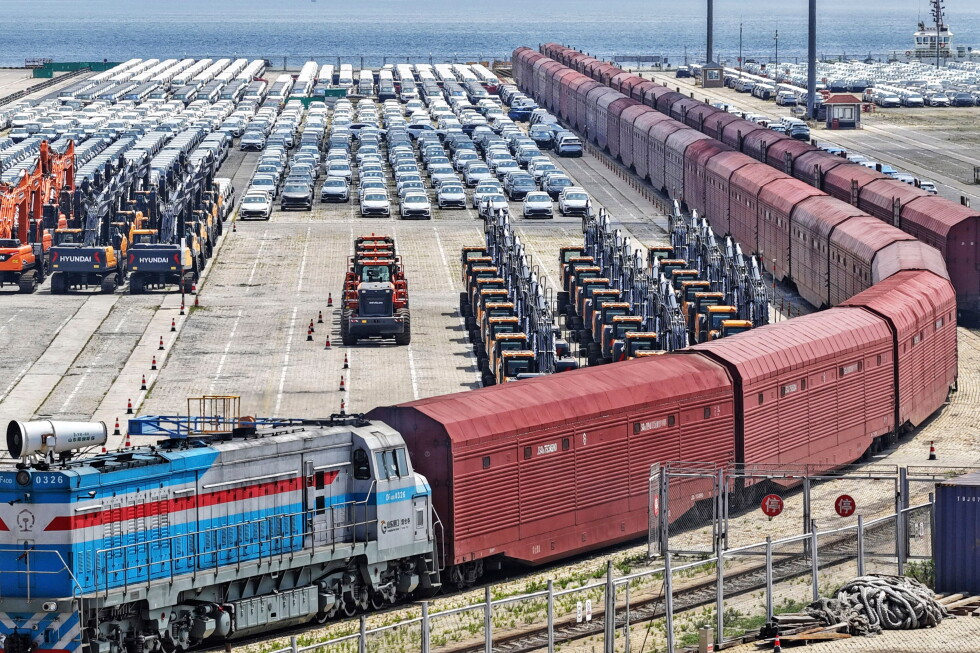
    Beyond semiconductors, China has seen rapid export growth in two key high-value sectors: electric vehicles (EVs) and other technology-focused manufactured goods. As global industries rush to integrate AI tools into operations, demand for semiconductors, circuit boards and other electronic components produced in Chinese factories has risen sharply, driving the overall export expansion. EV exports have emerged as a particularly bright spot, with separate data showing China’s passenger vehicle exports jumped 80% year-on-year in June amid rising global demand for affordable electric vehicles.

    The strong performance of China’s export manufacturing sector has provided critical support for the country’s overall economic growth this year, offsetting persistent softness in domestic consumer spending and fixed investment. The sluggishness in domestic activity stems largely from a prolonged downturn in China’s real estate industry, which has historically accounted for a large share of the country’s economic output and household wealth.

    For the first half of 2026 overall, Chinese customs data shows exports grew 17.6% year-on-year, while imports rose 26.6% over the same period. Breaking down export growth by region, shipments to Southeast Asia surged nearly 35% year-on-year in June, while exports to the European Union and Latin America rose more than 18% and 28% respectively. Exports to the United States also climbed almost 14% from a year earlier, a gain partially driven by comparison to weak 2025 volumes that dropped after former U.S. President Donald Trump implemented new higher tariffs on Chinese goods during his second term.

    Policymakers in the U.S. and Europe have repeatedly raised concerns over growing bilateral trade deficits with China in recent years. In response to trade barriers including higher tariffs, many Chinese manufacturing firms have relocated production capacity to regional hubs across Europe and other global markets to bypass import restrictions. China has also actively diversified its export markets, ramping up shipments to fast-growing economies in Southeast Asia, Latin America and Africa to reduce reliance on traditional Western markets.

    While many analysts project China’s export growth will continue in the coming months, they warn the expansion is increasingly fragile. Wei Li, head of Multi-Asset Investments at BNP Paribas Securities (China), noted that the strong growth in auto and AI-related goods exports remains heavily dependent on sustained global consumer and business demand, as well as future changes to international trade regulations that could create new headwinds.

    China is scheduled to release its official second-quarter gross domestic product (GDP) growth data on Wednesday. Chinese policymakers have set an annual GDP growth target of 4.5% to 5% for 2026, which is slightly lower than the 5% growth the country recorded in 2025. Last week, the International Monetary Fund (IMF) upgraded its 2026 growth forecast for China by 0.2 percentage points to 4.6%, but the organization projects China’s annual growth will slow to 4.1% by 2027 amid long-term structural headwinds.

    To counter softness in domestic demand, Chinese leaders have rolled out a series of stimulus measures aimed at boosting consumer spending, including trade-in subsidies for new vehicles and home appliances. However, many households remain cautious amid ongoing economic uncertainty, with many consumers delaying large, big-ticket purchases to preserve savings.