博客

  • Iran says framework for negotiations with US to be finalised in coming days

    Iran says framework for negotiations with US to be finalised in coming days

    Iran’s Foreign Ministry revealed on Monday that a structured framework for diplomatic negotiations with the United States is nearing completion, with expectations for finalization within days. This development emerges amid heightened tensions as President Donald Trump continues to threaten potential military action against Tehran.

    Foreign Ministry spokesman Esmaeil Baqaei confirmed that regional nations are actively facilitating backchannel communications between the two historically adversarial states. “Countries of the region are acting as mediators in the exchange of messages,” Baqaei stated, while maintaining discretion regarding the specific content under discussion.

    The diplomatic breakthrough follows Saturday’s announcement by top Iranian security official Ali Larijani, who declared via social media platform X that substantive progress was being made despite what he characterized as “artificial media warfare” creating a misleading perception of deadlock. Larijani’s statement emphasized that contrary to public assumptions, the architectural foundation for formal negotiations was actively taking shape.

    Baqaei elaborated that multiple critical elements have already been addressed, with technical teams currently refining the procedural details of each phase within the proposed diplomatic process. “Several points have been addressed and we are examining and finalising the details of each stage,” he noted, underscoring the complexity of establishing mutually acceptable communication channels between nations with decades of entrenched hostility.

    This diplomatic maneuvering occurs against a backdrop of increasingly confrontational rhetoric from Washington, where President Trump has simultaneously expressed openness to dialogue while authorizing military preparations for potential engagement. The paradoxical situation presents a delicate balancing act for both governments as they navigate domestic political pressures and international expectations.
  • China’s Spring Festival travel rush begins

    China’s Spring Festival travel rush begins

    China has officially initiated its monumental Spring Festival travel period, known as Chunyun, marking the beginning of the world’s largest annual human migration. The extensive travel season commenced on Monday, February 2, 2026, and will extend for forty consecutive days until March 13.

    The travel surge coincides with the Lunar New Year celebration, with Spring Festival falling on February 17 this year. Official national holidays have been scheduled from February 15 through February 23, providing a nine-day break that enables millions of Chinese citizens to undertake journeys to reunite with family members across the country.

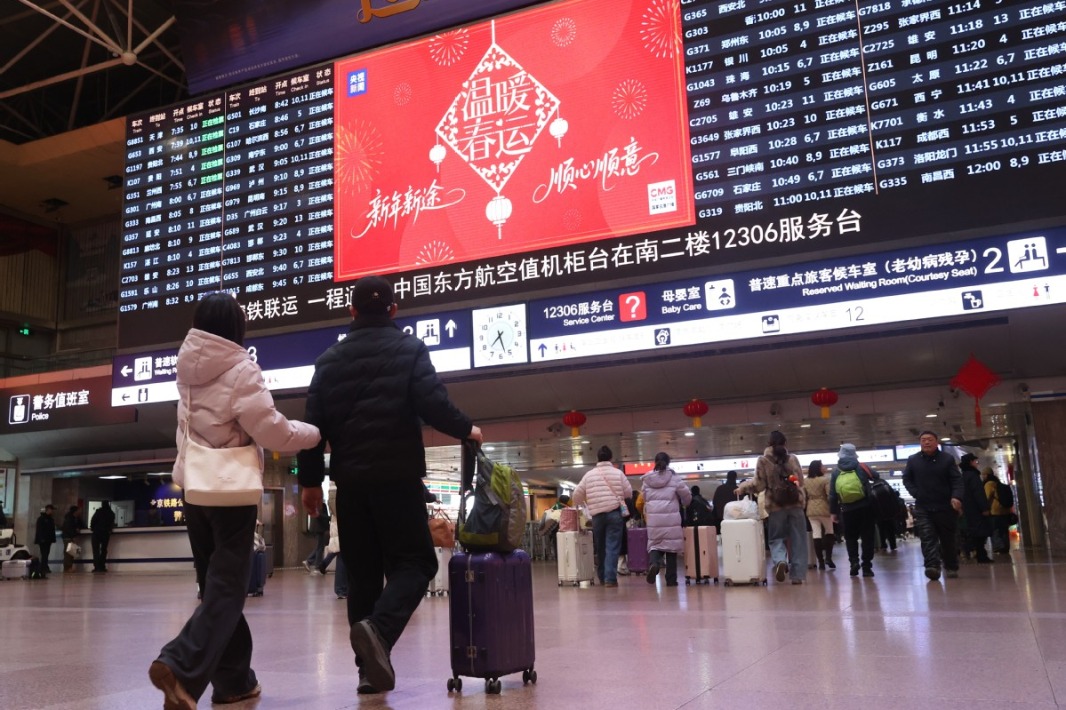
    Early scenes from Beijing West Railway Station captured the initial wave of travelers, with passengers forming orderly queues while awaiting train boarding procedures. Transportation hubs nationwide are implementing enhanced operational measures to accommodate the unprecedented passenger volume characteristic of this annual phenomenon.

    The Chunyun period represents a critical logistical challenge for China’s transportation infrastructure, with railway networks, highway systems, and air travel corridors all experiencing substantial capacity demands. Authorities have coordinated comprehensive preparations to ensure safe and efficient transit during this culturally significant migration period that underscores the deep-rooted tradition of family reunion in Chinese culture.

  • China boosts wetland conservation, adds over 1 million hectares since 2012

    China boosts wetland conservation, adds over 1 million hectares since 2012

    China has demonstrated extraordinary progress in ecological preservation, having successfully rehabilitated and expanded its wetland territories by more than one million hectares since 2012. This monumental achievement reinforces the nation’s status as Asia’s largest wetland ecosystem and the world’s fourth most significant wetland reservoir.

    The National Forestry and Grassland Administration unveiled these accomplishments during the 30th World Wetlands Day celebrations, highlighting how this environmental milestone was realized through the implementation of over 3,800 specialized conservation projects. This year’s observance carried the theme ‘Wetlands and Traditional Knowledge: Celebrating Cultural Heritage,’ emphasizing the cultural dimensions of ecological stewardship.

    China has pioneered a novel conservation framework that integrates prioritized restoration with categorized protection systems. The administration emphasized wetlands’ indispensable ecological, social, economic, and cultural values, noting strengthened legal protections including the 2022 national wetland conservation law and updated regulations across 21 provincial regions.

    The country has established a comprehensive tiered management system featuring 82 internationally significant wetlands, 80 nationally designated sites, and 1,208 provincial-level protected areas. Additionally, 903 national wetland parks now operate with approximately 90% offering free public access, collectively attracting about 320 million annual visitors.

    Mangrove conservation efforts have seen particular success with 9,200 hectares planted since 2012. The International Mangrove Center, launched in late 2024, has expanded its consortium to 20 member nations, demonstrating China’s growing leadership in global wetland preservation.

    The administration outlined ambitious plans for the 15th Five-Year Plan period (2026-30), including legal framework enhancements, total wetland area control systems, and improved monitoring and early warning mechanisms.

    At Zhalong National Nature Reserve in Heilongjiang province, technological innovation transforms conservation practices. Staff employ integrated monitoring networks combining remote sensing, video surveillance, drone technology, and ground patrols. ‘This comprehensive biodiversity monitoring system significantly enhances our conservation efficiency and effectiveness,’ stated Zhang Jianfei, director of the reserve’s protection center.

    Field rangers like 47-year-old Li Chuanling utilize Beidou navigation devices and drone technology to monitor the reserve’s 210,000-hectare expanse. These technological advancements have enabled more successful rescues of rare bird species, with 28 birds from 15 protected species saved in 2025 alone.

    Conservation efforts have yielded particularly impressive results for red-crowned cranes, with the reserve maintaining a stable population of approximately 300 birds—the world’s largest breeding ground for this first-class protected species.

  • Multiple Minneapolis schools closed by hoax threat

    Multiple Minneapolis schools closed by hoax threat

    Multiple schools in Columbia Heights, a suburban community near Minneapolis, were compelled to close on Monday following a bomb threat deemed credible by local authorities. Despite thorough searches by law enforcement confirming no suspicious devices were found, Columbia Heights Public Schools administration opted for closure as a precautionary measure, with normal classes scheduled to resume Tuesday.

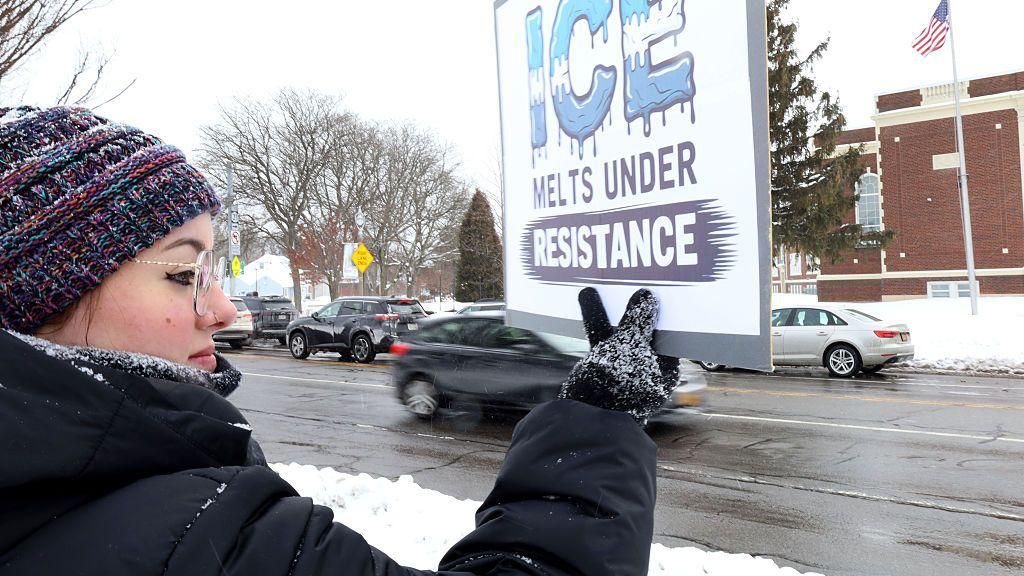
    This security incident occurs against a backdrop of escalating tensions surrounding federal immigration enforcement actions in Minnesota. Recent weeks have seen Immigration and Customs Enforcement (ICE) operations result in student detentions within the district, sparking significant public outcry. The case of five-year-old Liam Ramos, whose photograph being held by ICE agents in a blue bunny-eared hat circulated nationally, became a focal point for critics. Ramos and his father were subsequently released from a Texas detention center over the weekend following a federal judge’s emergency order.

    In a related development, Florida Attorney General Pam Bondi announced the arrests of two individuals—Ian Davis Austin and Jerome Deangelo Richardson—in connection with an anti-immigration enforcement protest at a Minnesota church last month. Bondi emphasized on social media that those who “riot in a place of worship” would be found and held accountable.

    The legal repercussions extend to media figures as well. Former CNN journalist Don Lemon and eight co-defendants face charges including conspiracy against religious freedom following a January 18th protest at Cities Church in St. Paul. Lemon maintains he was acting as an independent journalist covering the event and was released after a court appearance.

    These events unfold amid a substantial deployment of over 3,000 federal immigration officers to Minnesota, part of President Trump’s intensified crackdown on illegal immigration. The operations have drawn criticism after reports emerged that some U.S. citizens, including protesters Renee Good and Alex Pretti who were fatally shot by immigration officials in January, have been affected.

    The ongoing situation has triggered widespread demonstrations across the United States. Friday witnessed a national “no work, no school, no shopping” strike, with weekend protests continuing in multiple cities including Boston, Los Angeles, and New York, reflecting deepening national divisions over immigration policy.

  • Watch: North Carolina hit with historic snowstorm

    Watch: North Carolina hit with historic snowstorm

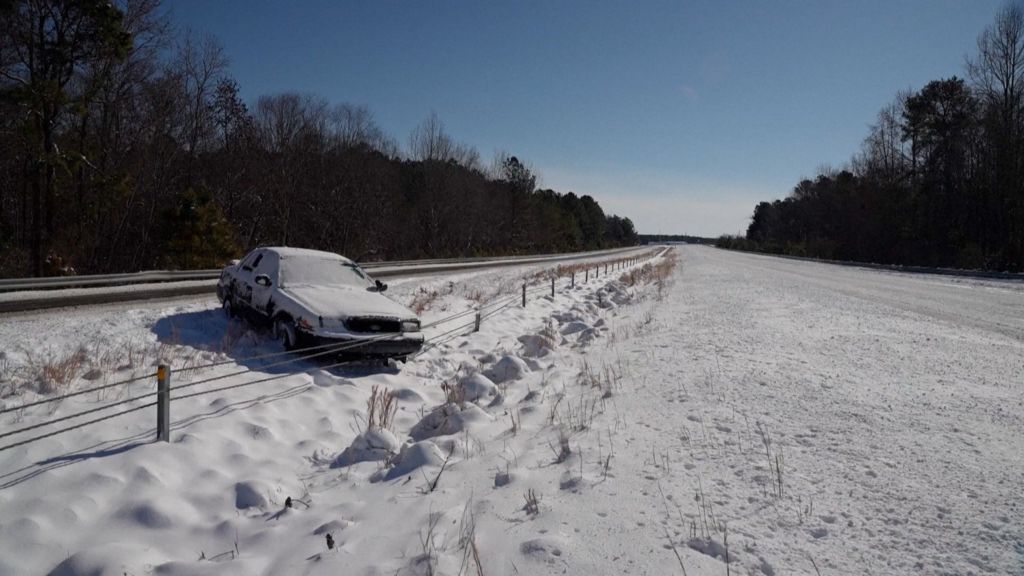
    A formidable bomb cyclone unleashed its fury across North Carolina and the mid-Atlantic region over the weekend, triggering a state of emergency characterized by paralyzing snowfall, hurricane-force winds, and perilous travel conditions. The tempest, which commenced its onslaught late Friday, persisted relentlessly through the weekend, with coastal territories and the Outer Banks bearing the brunt of its force and accumulating up to 15 inches of snow.

    The National Weather Service has officially designated this meteorological event a ‘historic storm,’ a classification underscored by data from the North Carolina State Climate Office. Their analysis confirms that snowfall volumes in certain state districts have exceeded all other winter occurrences recorded thus far in the 21st century. The rapid intensification of the cyclone, meeting the criteria for ‘bombogenesis,’ resulted in a precipitous drop in atmospheric pressure, fueling the violent winds that compounded the blinding snow and created near-zero visibility.

    Transportation networks experienced severe disruptions as major highways became impassable, forcing numerous road closures and stranding motorists. Emergency services issued stern warnings for residents to remain indoors, citing life-threatening wind chills and the high risk of hypothermia. Utility companies reported widespread power outages as heavy, wet snow and gusty winds downed trees and power lines across the affected states.

    The extensive impact of this extreme weather event underscores the growing challenges communities face from rapidly intensifying winter storms, prompting discussions on infrastructure resilience and emergency preparedness for future climatic anomalies.

  • Grammy Awards: 5 times stars made powerful political statements on stage

    Grammy Awards: 5 times stars made powerful political statements on stage

    The 2026 Grammy Awards ceremony evolved into a potent platform for political activism as numerous recording artists leveraged their acceptance speeches and red carpet appearances to protest stringent U.S. immigration policies. The event witnessed coordinated demonstrations against recent aggressive enforcement actions by immigration authorities, transforming music’s premier celebration into a forum for social commentary.

    Puerto Rican superstar Bad Bunny established the evening’s defiant tone with a direct “ICE out” declaration during his award acceptance, referencing U.S. Immigration and Customs Enforcement. This sentiment resonated throughout the night as Billie Eilish, Olivia Dean, Gloria Estefan, Kehlani, and Shaboozey delivered emotionally charged remarks celebrating immigrant contributions while condemning policies they characterized as inhumane.

    Visual symbolism complemented verbal protests, with numerous artists sporting distinctive “ICE OUT” pins on the red carpet and during performances. Several speakers drew upon deeply personal narratives connected to their families’ immigrant heritage, lending authentic emotional weight to their political statements. The production occasionally encountered technical difficulties as broadcasters attempted to censor particularly confrontational remarks, resulting in several bleeped-out moments during prime-time segments.

    This year’s politically charged atmosphere continues a established tradition of Grammy artists addressing contentious social issues from the awards podium. Historical precedents include past demonstrations supporting racial justice, gender equality, and LGBTQ+ rights, establishing the Grammys as one of entertainment’s most consistently activist award ceremonies.

  • Israel ‘withholding 766 bodies’ of identified Palestinians

    Israel ‘withholding 766 bodies’ of identified Palestinians

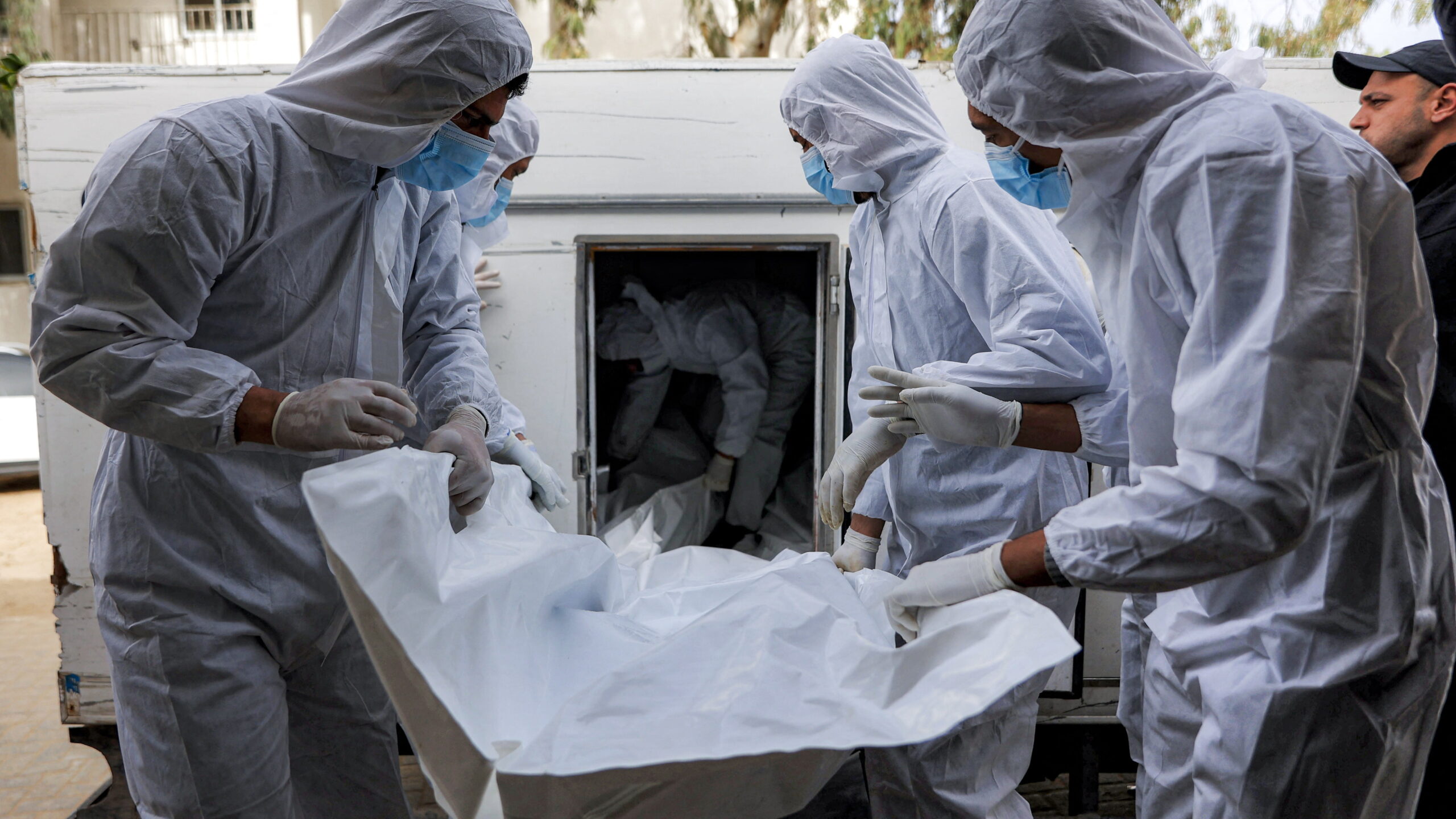
    A deeply contentious policy implemented by Israeli authorities has come under intense international scrutiny, with reports confirming the withholding of at least 766 identified Palestinian bodies. Nearly half of these individuals have been held since October 2023, a period marked by significant escalation in regional conflict, despite Hamas having returned all Israeli captives’ remains.

    Official data reveals that the majority of these Palestinians were killed by Israeli security forces, while 88 were detainees who perished while in Israeli custody over the preceding two years. This group comprises 53 individuals from Gaza, 32 from the occupied West Bank, and three Palestinian citizens of Israel. According to investigations by Haaretz, 373 of these bodies entered Israeli possession following the October 7 attacks.

    The circumstances surrounding the deaths of those in detention are particularly alarming. Most were being held without formal charge or trial, with their deaths subsequently attributed to either direct violence perpetrated by Israeli officers or the deplorable conditions within detention facilities.

    Compounding this situation, Israel continues to retain the bodies of seven additional prisoners who died prior to the recent conflict in Gaza, as documented by the Palestinian organisation Jerusalem Legal Aid and Human Rights Center (JLAC). The organization further reports that an unknown number of Palestinian bodies, belonging to individuals killed during and after the 1967 conflict, remain withheld and buried in undisclosed locations within Israel.

    The disposition of these remains varies significantly. Haaretz reports that 520 identified bodies are currently stored in morgues at military facilities, while approximately 256 have been interred in what Palestinians refer to as ‘cemeteries of numbers’—burial sites marked solely by numerical identifiers rather than names. These cemeteries contain the remains of Palestinians and other Arabs, with some graves dating as far back as 1948.

    This practice represents a long-standing Israeli policy wherein forces routinely seize the bodies of Palestinians killed in both the occupied West Bank and Gaza Strip. Many families had placed their hopes in the October agreement between Israel and Hamas, which included provisions for the exchange of both living and deceased prisoners alongside efforts to conclude hostilities in Gaza. However, Israel only returned 360 Palestinian bodies as part of this arrangement, with JLAC confirming that just approximately 100 were identified, while the remainder were buried as unknown individuals.

    Disturbing evidence has emerged regarding the condition of bodies returned by Israel. Sources indicate numerous cases showing signs of torture, execution-style killings, and injuries consistent with being run over by military vehicles. Forensic examinations revealed severe abuse including strangulation marks, multiple broken bones, and various forms of mutilation. Several bodies were discovered with hands and feet bound and eyes blindfolded, while others were missing limbs entirely.

    Multiple human rights organizations have consistently condemned Israel’s policy of withholding Palestinian bodies, demanding immediate release and repatriation to grieving families. Although Israeli law currently permits this practice through a 2018 amendment to the Counterterrorism Law—later upheld by the Israeli Supreme Court—that authorizes the state to withhold bodies of Palestinians deemed to have committed violent acts, this stands in direct contradiction to international humanitarian law. The Fourth Geneva Convention explicitly prohibits the withholding of bodies, mandating that the deceased must be treated with dignity, afforded honorable burial, and where possible, laid to rest according to their religious rites. Article 130 further stipulates that graves must be respected, properly maintained, and clearly marked to ensure perpetual recognition.

  • Billionaire Frank Stronach faces sexual assault trial in Canada

    Billionaire Frank Stronach faces sexual assault trial in Canada

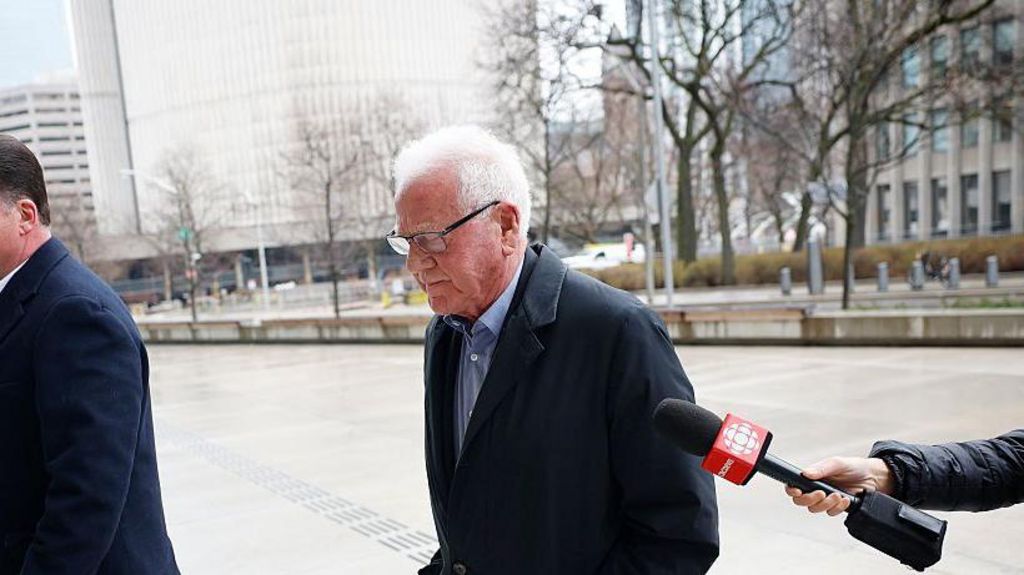
    Canadian courtroom proceedings commenced this week against Frank Stronach, the 93-year-old Austro-Canadian business magnate, who stands accused of multiple historical sexual offenses. The Toronto trial, presided over by Superior Court Justice Anne Malloy, will proceed without jury deliberation, placing judicial responsibility solely on the presiding magistrate.

    Stronach, founder of global automotive parts manufacturer Magna International and once among Canada’s wealthiest individuals, confronts 18 criminal charges involving 13 separate complainants. These allegations span an extensive temporal range from 1977 to 1990, necessitating application of since-amended Criminal Code provisions. Prosecutors have strategically divided the case into two distinct legal proceedings, with the Toronto segment addressing 12 charges ahead of a subsequent York Region trial scheduled for spring.

    The defendant has maintained an unwavering not guilty plea through legal representatives, publicly characterizing the accusations as fundamentally incompatible with his personal ethos. “Those acquainted with my character recognize these claims contradict my established principles,” Stronach previously told CBC following their 2024 investigative report containing employee allegations.

    This exceptional judicial process requires Justice Malloy to adjudicate based on historical legal definitions no longer present in Canadian legislation, though the nation’s elimination of sexual assault statutes of limitations enables prosecution regardless of temporal passage. The court anticipates hearing comprehensive evidence from Crown prosecutors alongside complainant testimonies throughout the trial duration.

    Beyond his corporate legacy, Stronach briefly entered Austrian political spheres in 2012 by founding the right-wing populist Team Stronach party, which has since become defunct. His transition from industrial titan to defendant marks a significant development in Canada’s ongoing examination of historical sexual misconduct cases involving powerful figures.

  • Catholic Church and Italy investigate sacred and profane cherub seemingly modeled on Meloni

    Catholic Church and Italy investigate sacred and profane cherub seemingly modeled on Meloni

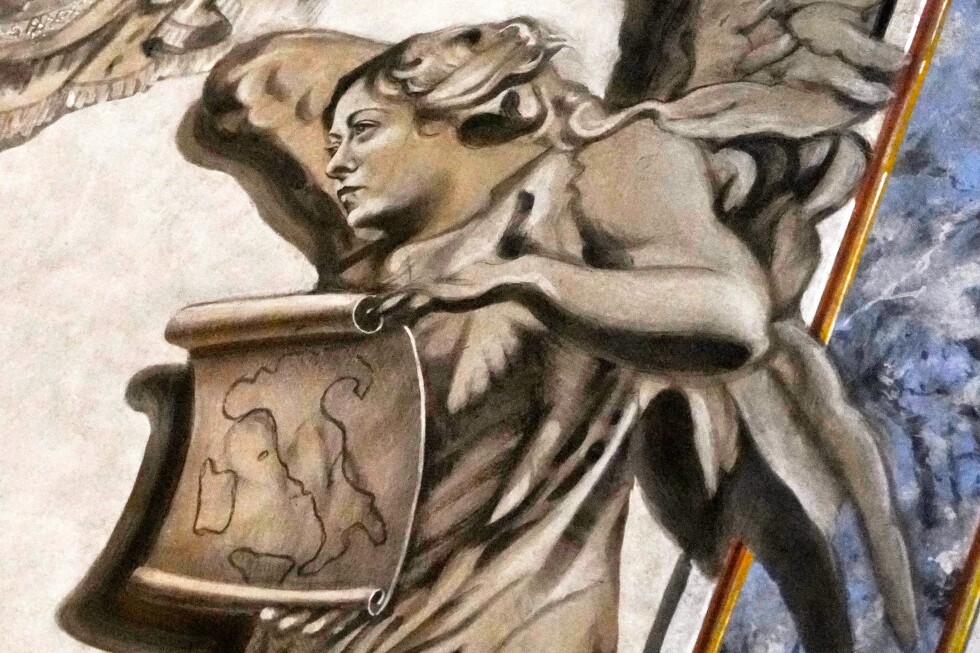
    A centuries-old tradition of incorporating contemporary figures into religious artwork has ignited an unprecedented controversy in Rome, where a recently restored cherub bearing remarkable resemblance to Prime Minister Giorgia Meloni has triggered dual investigations by both ecclesiastical and state authorities.

    The Basilica of San Lorenzo in Lucina, one of Rome’s most ancient churches consecrated in 440 AD, has become the epicenter of this unusual scandal. The problematic artwork appears in a side chapel near the main altar, depicting a cherub holding a map of Italy in a position of deference before a bust of Italy’s last king, Umberto II. This particular chapel underwent renovation in 2000 and required restoration in 2023 due to water damage.

    Both the Diocese of Rome and the Italian Culture Ministry have launched formal inquiries into the restoration work. Their swift response demonstrates institutional intolerance for perceived profanity within sacred spaces. The basilica, though historically significant, has gained newfound celebrity status as curiosity-seekers flock to photograph the controversial angel, sometimes disrupting religious services.

    Prime Minister Meloni herself addressed the controversy with humor, writing on social media: ‘No, I definitely don’t look like an angel,’ accompanied by a laughing/crying emoji. Her lighthearted response contrasts with the seriousness of the institutional investigations.

    The controversy carries historical weight given Italy’s complex relationship with its monarchical past. Italians rejected the monarchy after World War II due to its support for Fascist dictator Benito Mussolini. Meloni’s right-wing party traces its roots to the neo-fascist movement that succeeded Mussolini, adding political sensitivity to the artwork’s perceived deference to royalty.

    Restorer Bruno Valentinetti has denied using Meloni as a model, asserting that any resemblance exists ‘in the eye of the beholder’ and that he merely restored his original 2000 painting. Parish priest Rev. Daniele Micheletti acknowledged the resemblance but dismissed its significance, noting artistic precedent for depicting real people in religious contexts, such as Caravaggio’s use of a prostitute as model for the Virgin Mary.

    Cardinal Baldassare Reina, vicar of Rome, has taken a firmer stance, criticizing Micheletti’s blasé attitude and emphasizing that sacred art must not be ‘misused or exploited’ but should exclusively support liturgical life and prayer. The Culture Ministry has deployed special delegate Daniela Porro to ascertain the nature of the work and determine appropriate actions.

    The investigations now focus on determining the original appearance of the 2000 cherub and whether the restoration improperly altered its features. The basilica, currently property of Italy’s Interior Ministry, remains open to visitors while authorities determine the appropriate resolution to this intersection of art, religion, and politics.

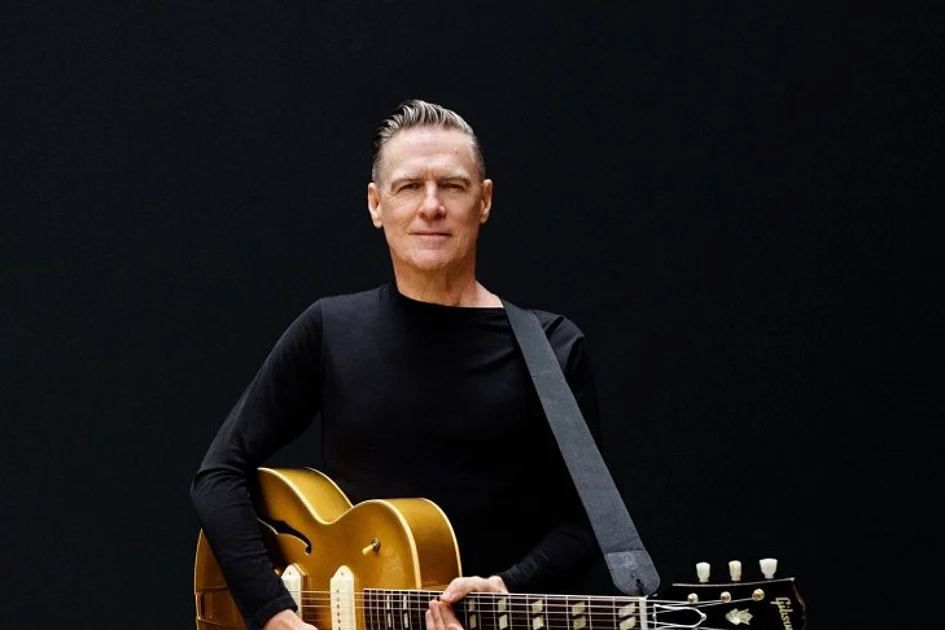
  • Bryan Adams is coming to Abu Dhabi

    Bryan Adams is coming to Abu Dhabi

    Abu Dhabi prepares to welcome rock music icon Bryan Adams for a highly anticipated performance at the Saadiyat Nights concert series on February 15. The Canadian singer-songwriter’s appearance coincides with the anniversary of his groundbreaking 1980 debut album that launched his extraordinary career spanning over four decades.

    Adams’ musical journey represents one of rock’s most enduring success stories, having sold an estimated 75-100 million records worldwide. His performance will feature timeless hits that have become cultural touchstones, including “Summer of ’69,” “Have You Really Loved a Woman,” and the iconic power ballad “Everything I Do, I Do It For You” that continues to resonate with audiences across generations.

    The upcoming concert marks another chapter in Adams’ ongoing relationship with the UAE. Beyond his musical achievements, the artist has previously showcased his photographic talents in Dubai, where he exhibited portraits of global figures including the Dalai Lama, Queen Elizabeth II, and fashion icons Kate Moss and Naomi Campbell.

    Reflecting on the power of music during his previous UAE visit, Adams told local media: “Music is a very powerful medium—it transports us to different places, soothes our soul, inspires us to dance and reflect. A world without music would be a profoundly lonely place.”

    Adams joins an impressive roster of international performers in the Saadiyat Nights series, following appearances by music heavyweights including Mariah Carey (February 7), John Mayer, and Ricky Martin, cementing Abu Dhabi’s growing reputation as a premier destination for world-class entertainment.