博客

  • UAE: AD Ports acquires Spain’s Balenciaga Astilleros Shipyard to fuel global expansion

    UAE: AD Ports acquires Spain’s Balenciaga Astilleros Shipyard to fuel global expansion

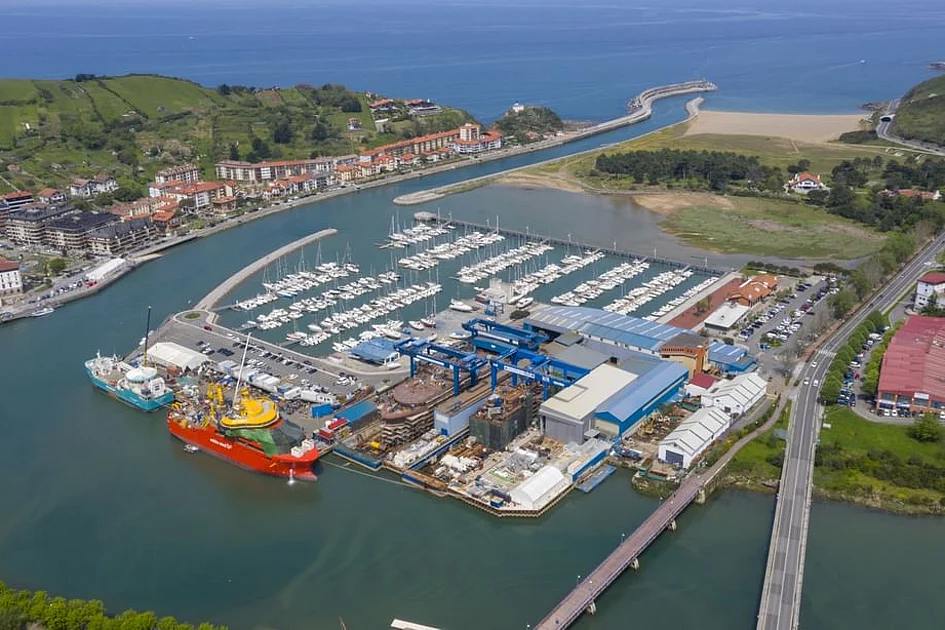
    In a decisive move to accelerate its international growth strategy, Abu Dhabi’s AD Ports Group has secured full ownership of Spain’s historic Balenciaga Astilleros Shipyard through a €11.2 million transaction. The acquisition, executed by group subsidiary Safeen Drydocks, marks a significant expansion of the Emirati company’s European footprint and enhances its capabilities in the rapidly evolving offshore energy sector.

    The Basque-based shipyard brings nearly a century of specialized shipbuilding expertise to the UAE ports and logistics operator, including two drydocks, a 105-meter slipway, and automated fabrication facilities spanning over 22,000 square meters. This strategic asset positions AD Ports among the limited number of European operators capable of constructing Service Operation Vessels critical for offshore wind farm maintenance, alongside research vessels and specialized maritime support craft.

    Captain Ammar Al Shaiba, Chief Executive of the Maritime and Shipping Cluster at AD Ports Group, emphasized that the acquisition aligns with the company’s portfolio diversification objectives and clean energy ambitions. The transaction enables significant technology transfer and operational synergies across Safeen Drydocks and the group’s expanding global maritime network.

    This European expansion occurs alongside robust operational growth within the UAE, where Khalifa Port has demonstrated consistent container throughput increases supported by new shipping services and expanded terminal capacity. The group has reported double-digit revenue growth across recent reporting periods, driven by simultaneous expansion across its ports, maritime, logistics, and economic cities divisions.

    The Balenciaga acquisition represents the latest in a series of strategic international investments spanning Europe, Africa, and Central Asia over the past three years. These moves have included the earlier acquisition of Spanish logistics firm Noatum and numerous port concessions and inland terminals that strengthen trade corridors connecting Asia, the Middle East, and Europe.

    Notably, the shipyard’s geographic proximity to major offshore wind clusters in Northern Europe positions AD Ports to capitalize on the region’s accelerating renewable energy expansion. The move complements the group’s existing partnership with Masdar in offshore wind development and anticipates growing demand for specialized vessels as European nations intensify their transition to clean energy sources.
  • UK approves plans for contentious Chinese mega-embassy in London

    UK approves plans for contentious Chinese mega-embassy in London

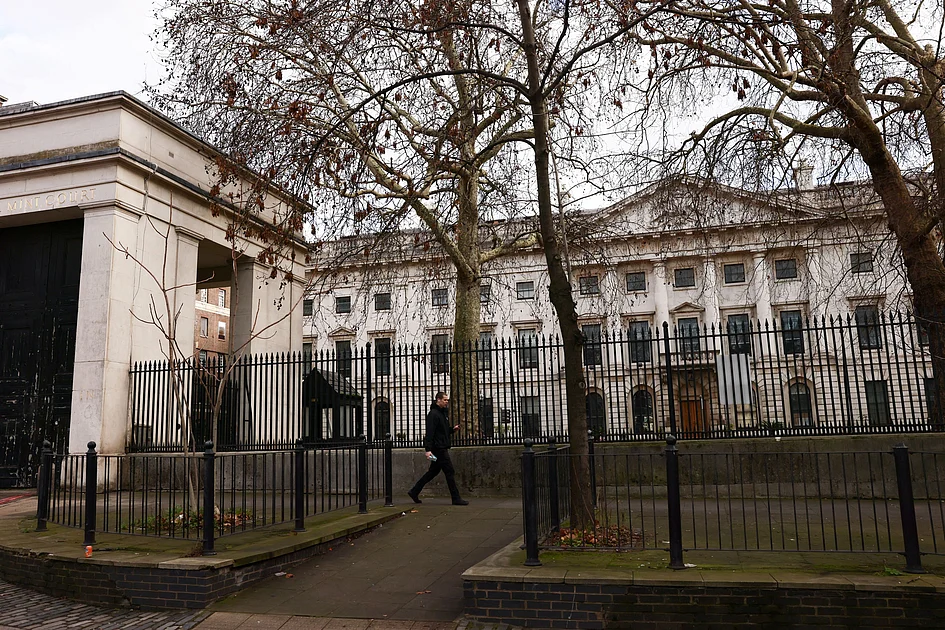
    The UK government has granted final approval for China’s expansive new embassy complex in central London, concluding an eight-year deliberation process marked by intense security debates and public opposition. Housing Minister Steve Reed formally authorized the contentious project on Tuesday, permitting Beijing to consolidate its seven current London diplomatic sites into a single 20,000-square-meter compound that will become Britain’s largest embassy by area.

    The decision follows protracted negotiations addressing national security considerations, with British intelligence agencies implementing what a government spokesperson characterized as ‘an extensive range of measures to manage any risks.’ The Chinese government has agreed to centralize its diplomatic operations, a move officials claim provides ‘clear security advantages’ through consolidated oversight.

    Despite government assurances, the project faces potential legal challenges from local residents and human rights advocates. The Royal Mint Court Residents’ Association has declared its intention to contest the approval in court, while Conservative MP Iain Duncan Smith condemned the decision as ignoring ‘the appalling brutality of the Chinese Communist Party.’

    Critics have raised alarms about potential surveillance capabilities and harassment of dissidents, with The Daily Telegraph reporting unredacted plans indicating 208 underground rooms including a ‘hidden chamber.’ The project has become a delicate diplomatic issue for Prime Minister Keir Starmer, who seeks to reset relations with China while acknowledging the ‘real national security threats’ it poses. Starmer is reportedly planning the first UK prime ministerial visit to China since 2018, though Downing Street has not confirmed the trip.

    Hong Kong exiles in London have expressed particular concern about transnational repression, with protesters describing genuine fear of Chinese government overreach. The embassy approval represents both a practical consolidation of diplomatic facilities and a symbolic gesture in UK-China relations, which deteriorated under the previous Conservative administration before Labour’s 2024 election victory.

  • Sky Bridge Cars completes shift to all-electric fleet for London airport transfers

    Sky Bridge Cars completes shift to all-electric fleet for London airport transfers

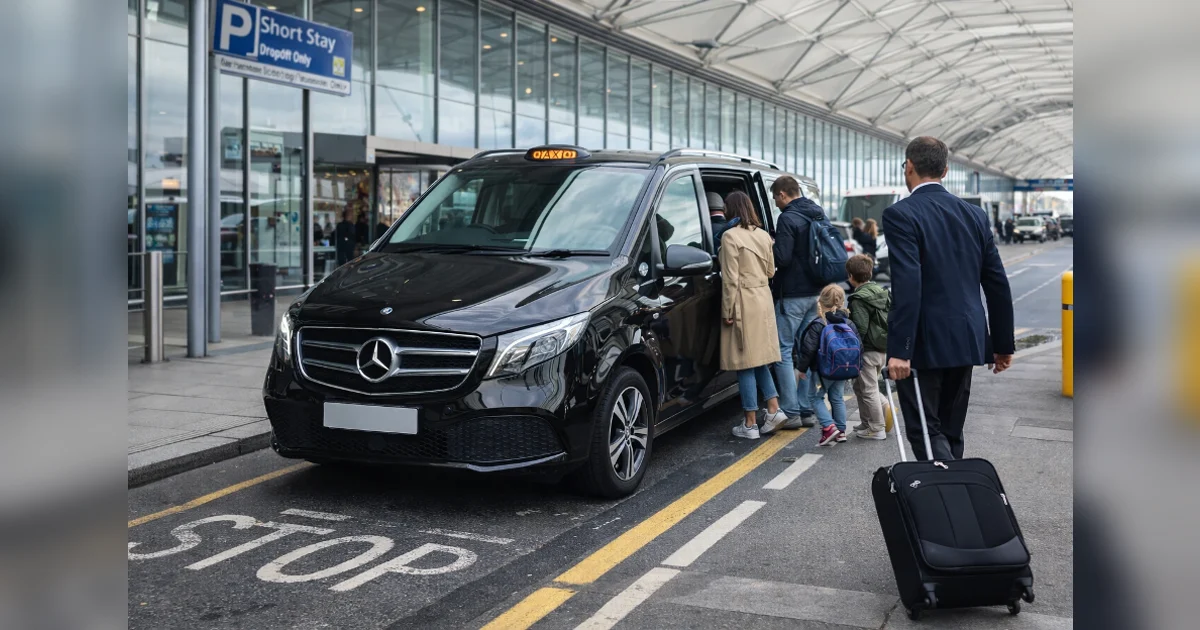
    In a significant environmental milestone for London’s transportation sector, Sky Bridge Cars has successfully completed its transition to an entirely electric vehicle fleet for airport transfer services. The company now operates exclusively with zero-emission vehicles including Tesla Model S, Model X, Mercedes-Benz EQS luxury sedans, and Volkswagen ID models across its entire operation serving Heathrow, Gatwick, Stansted, Luton, and London City airports.

    The comprehensive electrification initiative represents one of the most substantial fleet conversions among private ground transportation providers in the British capital. Company data reveals the electric fleet has already accumulated over two million miles since the transition began, preventing approximately 800 tonnes of carbon dioxide emissions compared to conventional petrol or diesel vehicles. This achievement supports the company’s ambitious target of achieving fully carbon-neutral operations by 2026, which will involve offsetting indirect emissions from electricity generation and other business activities.

    This strategic shift occurs against the backdrop of London’s increasingly stringent environmental regulations. The expansion of the Ultra Low Emission Zone across Greater London in 2023 and ongoing congestion pricing mechanisms have created strong incentives for transportation providers to adopt cleaner technologies. Transport for London has explicitly encouraged private operators to complement rather than compete with public transit systems, particularly by enhancing connectivity to rail stations and underground stops.

    To support its electric operations, Sky Bridge Cars has implemented substantial infrastructure investments including rapid charging stations strategically positioned near each of the five airports it serves. The company employs real-time battery monitoring systems across its fleet to prevent service interruptions and has integrated machine-learning software into dispatch operations. This advanced system analyzes historical traffic patterns, current road conditions, weather forecasts, and scheduled events to optimize routing, resulting in approximately 15% reduction in average journey times compared to standard navigation systems.

    Qazi Hussain, Director of Sky Bridge Cars, emphasized the company’s commitment: ‘Completing our transition to a fully electric fleet represents our serious approach to environmental responsibility as a London transport operator. We’ve demonstrated that through strategic investments in electric vehicles, charging infrastructure, and intelligent routing technology, we can significantly reduce emissions without compromising reliability or passenger experience.’

    The company’s technological integration extends to flight tracking systems that automatically adjust pickup times when flights are delayed or arrive early, eliminating the need for passenger communication. The service maintains fixed pricing regardless of traffic conditions and includes features such as 60 minutes of complimentary waiting time, terminal meet-and-greet services, and real-time journey tracking.

    While testing advanced driver-assistance systems in select vehicles, the company has not announced timelines for autonomous vehicle deployment, focusing instead on safety enhancements. This transformation positions Sky Bridge Cars as an industry leader in sustainable airport transportation within a market that serves millions of passengers annually across London’s five major airports.

  • Israel raids Hebron amid fears for Ibrahimi Mosque and settlement expansion

    Israel raids Hebron amid fears for Ibrahimi Mosque and settlement expansion

    A major Israeli military operation has entered its second day in the occupied West Bank city of Hebron, imposing severe restrictions on Palestinian residents while raising concerns about long-term displacement objectives. The extensive assault involves road closures, home raids, and a comprehensive curfew affecting approximately 18,750 Palestinians across multiple southern neighborhoods including Khilat al-Qubba, Jabal Jawhar, and al-Sahla.

    The Israeli military announced the operation would continue for several days, warning residents to expect increased troop movements and audible explosions. According to official statements, the raid aims to confiscate weapons and enhance security through coordinated efforts between the army, police, and border guard units.

    Residents report extreme measures including the deployment of military vehicles and bulldozers creating barriers with earth mounds, iron gates, and even repurposed civilian vehicles. A security cordon encompassing approximately four square kilometers has effectively isolated the targeted areas, with concrete blocks and checkpoints sealing all access points.

    Local accounts describe intensive house raids, arbitrary arrests, and the occupation of Palestinian homes as military barracks. Farid Burqan, a Jabal Jawhar resident, revealed that the army informed locals of an eight-day curfew minimum, preventing them from leaving their homes. Educational institutions have been shuttered since the operation’s inception, while access to basic necessities and freedom of movement remain severely constrained.

    The industrial zone containing several major factories has ceased operations, disrupting livelihoods and economic activity. Lafi Ghaith, a stone factory employee, reported being unable to reach his workplace while his family endured home invasions and property destruction. Many residents interpret the operation as part of a broader strategy to facilitate settlement expansion and Palestinian displacement.

    Hebron’s political complexity adds significance to the operation. Under the 1997 Hebron Agreement, the city remains divided into H1 (Palestinian Authority control) and H2 (full Israeli control, including the Old City and Ibrahimi Mosque). For over 25 years, Israel has maintained approximately 120 checkpoints and gates around the mosque area, which houses both Palestinian residents and settlement outposts.

    Deputy Mayor Asma Sharabati emphasized the operation targets a densely populated area containing 12 government schools and four municipal service centers. She warned that the assault extends beyond immediate security concerns to broader political objectives, including altering the architectural character of the Ibrahimi Mosque and expanding settlement infrastructure connecting to Kiryat Arba.

    The timing coincides with unprecedented restrictions barring the Ibrahimi Mosque’s director and head custodian from entering the holy site for 15 days—a move reminiscent of Jerusalem’s Al-Aqsa Mosque restrictions. This development suggests potential efforts to transfer administrative control from Hebron Municipality to the religious council of Kiryat Arba settlement.

    Youth Against Settlements coordinator Issa Amr identified the operation’s core objective as separating eastern and southern areas from central Hebron while depopulating the industrial zone. The absence of arrests targeting known lawbreakers in the area further reinforces concerns about ulterior motives behind the military action.

    Local authorities are calling for urgent intervention from the Palestinian Authority and international community, emphasizing Hebron’s unique vulnerability as a city containing settlement outposts within its urban fabric. Any expansion of these outposts could trigger significant Palestinian displacement and complicate territorial control indefinitely.

  • Aurora lights up Alaska skies with stunning green and red display

    Aurora lights up Alaska skies with stunning green and red display

    A dramatic celestial phenomenon illuminated skies across multiple continents this week as an intense geomagnetic storm triggered spectacular auroral displays. Early morning observers in Anchorage, Alaska, were treated to a breathtaking natural light show featuring vibrant bands of emerald green and crimson red dancing across the night sky.

    The astronomical event extended far beyond Alaska’s boundaries, with the aurora borealis visible from unprecedented locations including the urban skyline of San Francisco, the Great Lakes region near Chicago, throughout Canada, and across numerous European nations. Social media platforms became digital galleries as enthusiasts shared captivating photographs of the shimmering atmospheric phenomenon.

    According to experts at the National Oceanic and Atmospheric Administration’s Space Weather Prediction Center, these intense visual displays resulted from a significant disturbance in Earth’s magnetic field coupled with powerful solar radiation storms. This event continues a pattern of heightened solar activity that previously produced remarkable auroral sightings in November, when the phenomenon reached as far south as Texas in the United States and created dazzling displays across European nations including Hungary and the United Kingdom.

    The widespread visibility of this typically polar phenomenon demonstrates the exceptional strength of current solar cycles, providing rare opportunities for populations at lower latitudes to witness one of nature’s most magnificent atmospheric performances.

  • Syria government agrees new truce with Kurdish forces

    Syria government agrees new truce with Kurdish forces

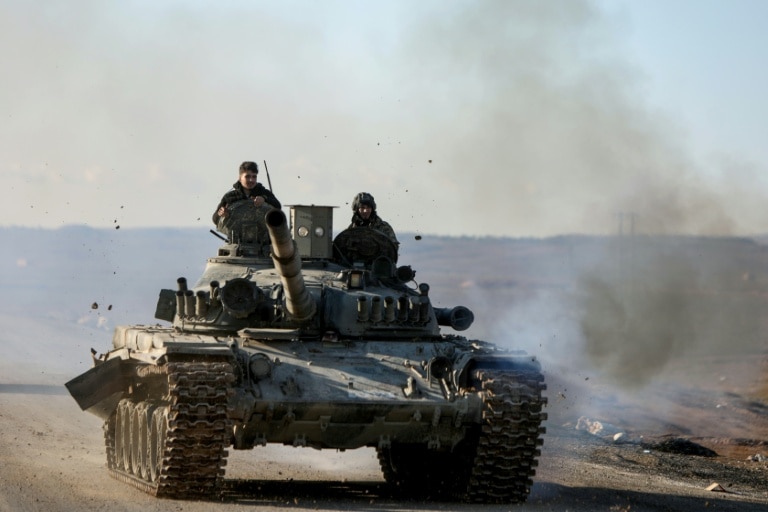
    In a significant development for Syria’s protracted conflict, the Damascus government and the Kurdish-led Syrian Democratic Forces (SDF) have solidified a new ceasefire agreement. The truce, which commenced on Tuesday evening for an initial four-day period, follows a major military escalation and paves the way for implementing a broader political accord.

    The agreement emerges amidst substantial Syrian army reinforcements advancing towards the strategic northeastern Hasakeh province, a traditional SDF stronghold. Concurrently, Kurdish forces executed a tactical withdrawal from the contentious Al-Hol camp, a facility housing thousands of individuals with alleged affiliations to the Islamic State (IS), including foreign nationals.

    This military de-escalation directly facilitates a political deal brokered on Sunday between President Ahmed al-Sharaa and SDF commander Mazloum Abdi. The core of this agreement involves the integration of the Kurdish autonomous administration into the central Syrian state, marking a potential end to the de facto self-rule established by the Kurds in northeastern regions.

    The SDF, which once governed vast territories across north and east Syria with critical backing from a U.S.-led coalition against IS, has recently ceded control of Arab-majority areas like Raqa and Deir Ezzor. This shift follows a sustained military push by government forces that began earlier this month in Aleppo.

    The U.S. stance appears to be adapting to this new reality. American envoy Tom Barrack stated that the SDF’s primary purpose as the main ground force against ISIS has ‘largely expired,’ asserting that Damascus is now both willing and positioned to assume full security responsibilities, including management of ISIS detention facilities.

    On the ground, the atmosphere remains tense. In Hasakeh city, AFP correspondents reported Kurdish civilians, including women and the elderly, taking up arms in support of SDF patrols. Meanwhile, SDF Chief Abdi delineated the defense of predominantly Kurdish areas as a ‘red line’ and called upon the international coalition to uphold its responsibilities regarding IS detainee facilities.

    The situation has triggered international reactions, including protests on the Syria-Turkey border and condemnations from figures like Nadia Murad, who decried the perceived abandonment of Syria’s Kurds. The outcome of this four-day ceasefire and the subsequent negotiations will critically determine the future balance of power and security architecture in northeastern Syria.

  • RAG Global Meet 2026 in Doha catalyses new investment pipelines into Dubai and the GCC

    RAG Global Meet 2026 in Doha catalyses new investment pipelines into Dubai and the GCC

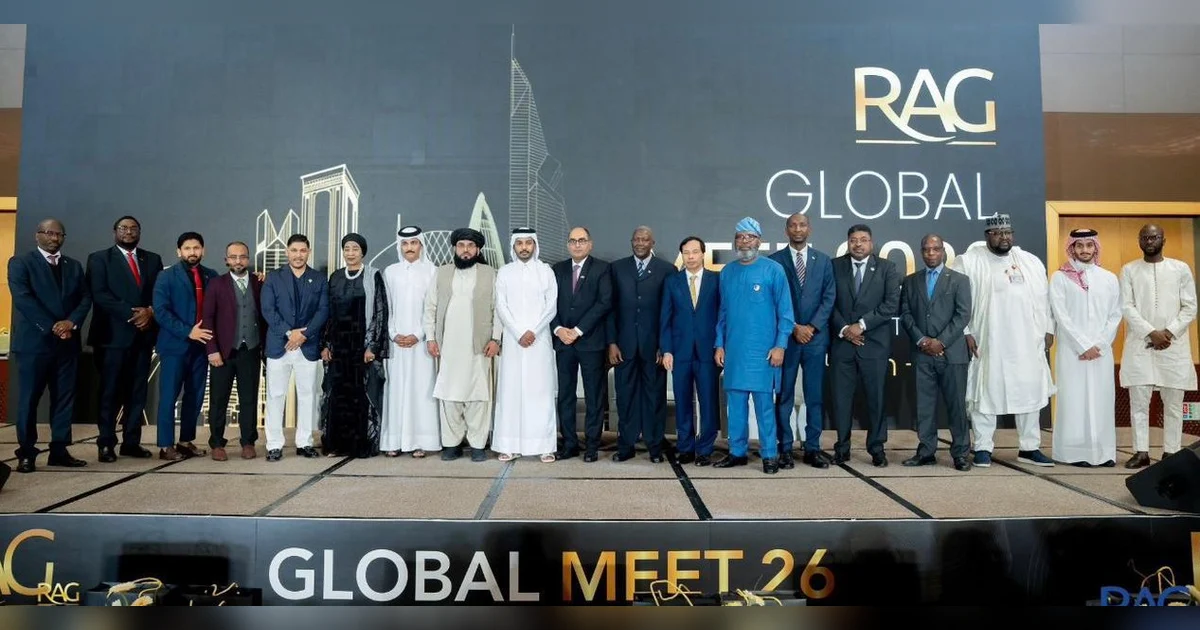
    The RAG Global Meet 2026, hosted in Doha last week, has successfully established new investment pipelines into Dubai and the broader Gulf Cooperation Council (GCC) region. The high-level forum gathered diplomats, government officials, and business leaders from over 35 countries, emphasizing the Gulf’s evolving role as a strategic gateway for international investment.

    Held at the Grand Hyatt Doha, the event featured prominent attendees including Hamad Mubarak Al Hajri, founder and CEO of Snoonu, as chief guest, and Sheikh Mansoor bin Khalifa Al Thani, founder and chairman of MBK Holding, as guest of honor. The gathering also saw participation from ambassadors representing nations including the UAE, Saudi Arabia, Singapore, India, Poland, Vietnam, Sweden, and Nigeria.

    Central discussions focused on foreign direct investment, cross-border trade facilitation, and long-term economic development strategies. Key topics included streamlining market entry processes, reducing company formation timelines, and enhancing talent mobility across the region. The forum emphasized translating diplomatic engagement into concrete outcomes for SMEs, job creation, and sustainable business growth.

    During the event, RAG Holdings announced its official recognition by the Qatar Ministry of Commerce and Industry as one of the country’s ‘Big Five’ business consulting firms. Additionally, RAG Dubai launched two new services—RAG Experience and Smart Access—designed to simplify company formation, provide business infrastructure access, and offer comprehensive post-setup support for international entrepreneurs establishing regional operations in the UAE.

    Rasal Ahmed, founder and CEO of RAG Holdings, commented: ‘This forum was specifically designed to transform international dialogue into tangible economic value. When governments, investors, and businesses collaborate with focused attention on market entry and partnership development, it generates employment opportunities, company formations, and sustainable regional partnerships.’

    The event successfully reinforced the GCC’s growing influence in global business discussions while positioning Dubai and the Gulf as preferred destinations for international companies seeking Middle Eastern market access.

  • Doctors in Minnesota decry fear and chaos amid Trump administration’s immigration crackdown

    Doctors in Minnesota decry fear and chaos amid Trump administration’s immigration crackdown

    MINNEAPOLIS — A severe healthcare accessibility crisis is unfolding across Minnesota as federal immigration enforcement operations create widespread fear among immigrant communities, resulting in dangerous delays in medical treatment and critical care avoidance. Medical professionals report unprecedented levels of patient absenteeism since the Trump administration revoked longstanding protections that previously shielded hospitals, schools, and churches from immigration enforcement activities.

    Physicians across the state describe troubling cases: pregnant women skipping essential prenatal appointments, diabetic patients avoiding insulin pickups, and individuals with treatable conditions developing severe complications due to delayed care. In one critical instance, medical personnel discovered a patient in active labor at home after she missed her clinic visit due to enforcement fears. Another concerning case involves a kidney cancer patient who disappeared within detention facilities without access to his medication, despite legal interventions to secure his prescriptions.

    The situation escalated dramatically in January when the Department of Homeland Security deployed approximately 2,000 federal agents to the Minneapolis area under ‘Operation Metro Surge’—reportedly the largest immigration enforcement operation in U.S. history. Government filings indicate over 3,000 arrests of undocumented individuals during this initiative.

    Dr. Roli Dwivedi, past president of the Minnesota Academy of Family Physicians, characterized the current environment as medical facilities ‘under siege,’ noting that even veteran healthcare workers have never witnessed such ‘chaos and fear,’ including during the peak COVID-19 crisis. The anxiety extends to hospital staff from various immigrant backgrounds—including Latin America, Somalia, and Myanmar—who now fear reporting to work.

    This enforcement surge has triggered multiple consequences: increased requests for potentially unsafe home births, heightened tensions between local and federal authorities, and tragic outcomes including the death of a mother of three during an encounter with Immigration and Customs Enforcement officers. Recent protests have extended to religious institutions, with demonstrators disrupting a St. Paul church service due to its pastoral connection to ICE leadership, prompting a Department of Justice civil rights investigation.

  • B’Tselem says at least 84 Palestinians killed in Israeli torture camps

    B’Tselem says at least 84 Palestinians killed in Israeli torture camps

    A damning investigation by Israeli human rights organization B’Tselem has exposed the nation’s prison system as a coordinated network of facilities engaging in systematic torture against Palestinian detainees. The report, released Tuesday, documents widespread abuse, deaths in custody, and what the group identifies as a deliberate state-sanctioned policy of violence.

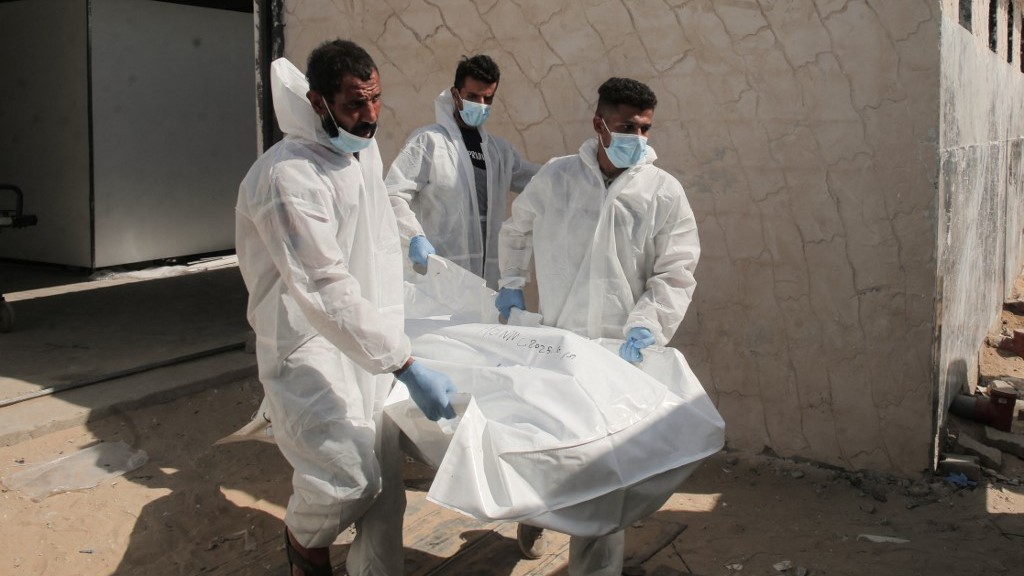
    According to the findings, at least 84 Palestinians have died in Israeli detention facilities since October 2023, with the actual number believed to be significantly higher due to unverified and concealed cases. The victims include 50 from Gaza, 31 from the occupied West Bank, and three Palestinian citizens of Israel, alongside one child. Israeli authorities are additionally withholding the bodies of 80 Palestinians, refusing to return them to families as of January 2026.

    Disturbing testimonies from released detainees describe systematic physical and psychological violence, inhuman conditions, deliberate starvation, and denial of medical treatment. Several former prisoners reported experiencing or witnessing sexual violence while in custody.

    B’Tselem’s Executive Director Yuli Novak characterized the findings as evidence of a coordinated campaign against Palestinians as a collective people. “The Israeli regime has turned its prisons into a network of torture camps for Palestinians,” Novak stated, connecting the prison conditions to broader policies of “genocide in Gaza and ethnic cleansing in the West Bank.”

    The report concludes that the abuse represents declared, deliberate policy originating from the highest levels of government, with political backing and institutional protection. National Security Minister Itamar Ben Gvir, who oversees the prison service, has publicly boasted about the treatment of Palestinian detainees.

    Parallel findings from Palestinian rights organizations reinforce these conclusions, documenting at least 100 Palestinian deaths in custody since October 2023. As of September 2025, approximately 10,900 Palestinians were held in Israeli prisons under conditions described as appalling, with the number dropping to around 9,200 by January 2026 following prisoner exchanges.

    The organizations emphasize that Israel’s mass incarceration of Palestinians—over 800,000 detained over decades, many without charge or trial—represents a central pillar of its system of control, designed to fragment Palestinian society through fear, violence, and collective punishment.

  • WEF 2026: Key CEOs insights on global economic progress and GCC’s role

    WEF 2026: Key CEOs insights on global economic progress and GCC’s role

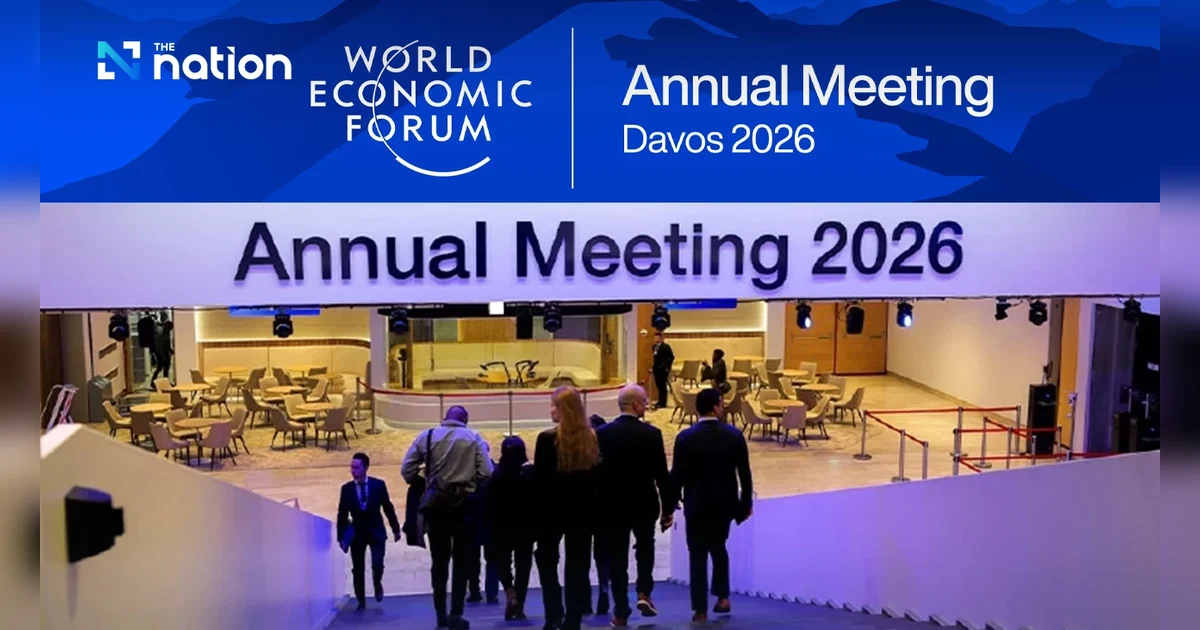
    Davos, Switzerland – The 2026 World Economic Forum has become a pivotal convergence point for global economic leadership, with corporate chiefs and government leaders including US President Donald Trump gathering to shape international economic discourse. The United Arab Emirates has deployed one of its largest delegations in history, joining fellow GCC nations with over 100 ministers and senior executives representing both public and private sectors.

    The GCC region’s growing influence forms a central narrative at this year’s forum, with regional CEOs highlighting the transformative power of collaborative dialogue in economic development. Sebastian Goeres, CEO of LGT (Middle East) Ltd., emphasized that the GCC’s unique position at the crossroads of global capital flows and cultures has fueled remarkable progress, particularly as emerging technologies and new leadership generations reshape the economic landscape.

    Logistics transformation represents another critical dimension, with AbdulAziz Busbate, CEO of DHL Express Mena, noting the GCC’s emergence as a dynamic hub amid global supply chain restructuring. The region is making significant investments in creating smarter, more sustainable trade flows, with technological acceleration and sustainability expectations driving this evolution.

    Financial innovation stands as a cornerstone of the GCC’s economic advancement. Hasan Fardan Al Fardan, CEO of Al Fardan Exchange, highlighted how regulatory collaboration has accelerated the development of open finance frameworks, real-time payment systems, and regulated financial innovations including AED-backed stablecoins. This cooperative model between regulators and institutions has been instrumental in building digital trust while ensuring responsible scaling of innovation.

    The tangible outcomes of this collaborative approach are already materializing. Michael Hunter, CEO of Holo, revealed that the UAE economy is projected to exceed 5% growth in 2026, driven by robust non-oil sectors including real estate and technological innovation. Advanced digital frameworks are streamlining property transactions and mortgage processing, while strategic initiatives in smart city development and artificial intelligence adoption are shaping future market landscapes.

    Across sectors, business leaders agree that meaningful dialogue between policymakers, regulators, and innovators remains essential for creating efficient, inclusive, and future-ready markets. This collaborative spirit, deeply embedded in the GCC’s economic trajectory, positions the region as a defining force in global economic progress through 2026 and beyond.