博客

  • Social media mobilize to find Boro, a dog who survived Spain’s train crash

    Social media mobilize to find Boro, a dog who survived Spain’s train crash

    MADRID — In the devastating aftermath of Spain’s catastrophic rail collision that claimed 42 lives and injured over 150 passengers, an unexpected story of hope and compassion has captured the nation’s attention. Ana García, a 26-year-old survivor bearing visible injuries from the tragedy, has ignited a massive search effort for her missing dog Boro, who vanished during the chaos of the rescue operation.

    The tragedy unfolded when the high-speed train from Malaga to Madrid derailed under unclear circumstances, resulting in a catastrophic collision with an oncoming train that sent cars tumbling down an embankment. García, who was traveling with her pregnant sister, managed to escape the wreckage with rescue crews’ assistance but lost sight of her canine companion during the evacuation.

    Following medical treatment, García immediately returned to the disaster perimeter, delivering an emotional public appeal while visibly fighting back tears. “Please, if you can help, look for the animals,” she implored, emphasizing that Boro was “family, too” after their family weekend trip.

    Spanish citizens have responded with extraordinary solidarity, transforming social media platforms into a nationwide search network. Videos of García’s heartfelt plea have been shared thousands of times, while photos of Boro—a medium-sized black dog with distinctive white eyebrows and chest markings—have gone viral across multiple platforms.

    The search gained significant momentum when television broadcaster TVE captured footage of a dog resembling Boro running through a field near the crash site during their Monday afternoon coverage. Although the sighting provided a moment of hope, the elusive dog remained unlocated despite extensive efforts.

    In a remarkable demonstration of institutional support, Spain’s animal rights political party secured official permission from the Interior Ministry to deploy specialized animal rescue teams within the investigation perimeter. Party president Javier Luna announced in a video statement that rescue patrols would commence on Wednesday, expressing confidence that the operation would successfully locate the missing dog.

    This extraordinary display of collective empathy highlights how personal stories of loss and hope can emerge even from the most devastating tragedies, uniting a nation in support of survivors grappling with multiple layers of trauma.
  • Chinese researchers develop eye surgery robot

    Chinese researchers develop eye surgery robot

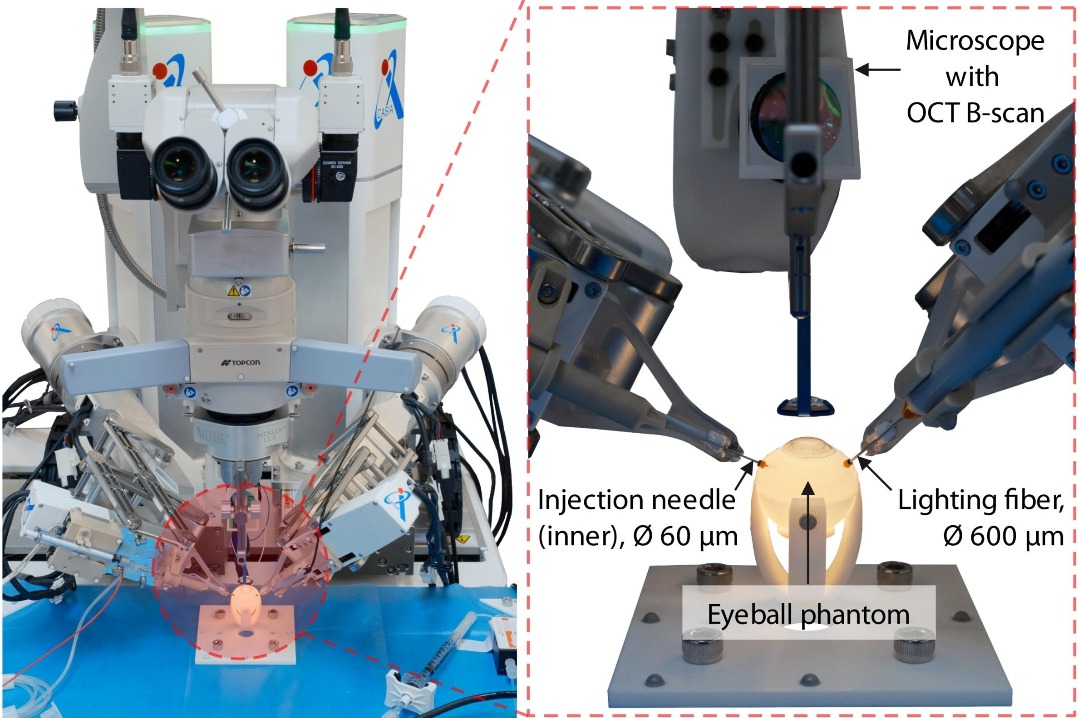
    Chinese researchers have achieved a groundbreaking advancement in medical robotics with the development of an autonomous system capable of performing delicate ocular injections. The robotic platform, created by scientists at the Institute of Automation under the Chinese Academy of Sciences, represents a significant leap forward in ophthalmic microsurgery technology.

    The innovative system employs sophisticated algorithms for three-dimensional spatial perception, cross-scale precise positioning, and trajectory control to navigate the challenging environment of the human eye. Retinal surgery has traditionally been among the most demanding medical procedures due to the eye’s minute and delicate structures, requiring exceptional surgical precision.

    Experimental results published in Science Robotics demonstrate remarkable performance metrics. During animal testing, the autonomous robot achieved a 100 percent success rate in both subretinal and intravascular injections. Comparative analysis revealed the system reduced average positioning errors by approximately 80 percent compared to manual procedures and by 55 percent relative to surgeon-controlled robotic operations.

    The technology’s potential extends beyond precision enhancement. Researchers indicate the autonomous system could standardize surgical outcomes, reduce the extensive training period required for ophthalmic surgeons, and potentially enable complex eye operations in remote locations or extreme environments where specialist surgeons are unavailable. This development may significantly improve accessibility to advanced eye care in underserved regions.

    The successful implementation in animal models using eyeball phantoms, ex vivo porcine, and in vivo animal eyeballs confirms the clinical feasibility of autonomous intraocular microsurgical robots. The research team’s work establishes a new benchmark for robotic-assisted medical procedures in ophthalmology and demonstrates China’s growing capabilities in advanced medical technology innovation.

  • High-speed train staff members in Beijing busy preparing for Spring Festival travel rush

    High-speed train staff members in Beijing busy preparing for Spring Festival travel rush

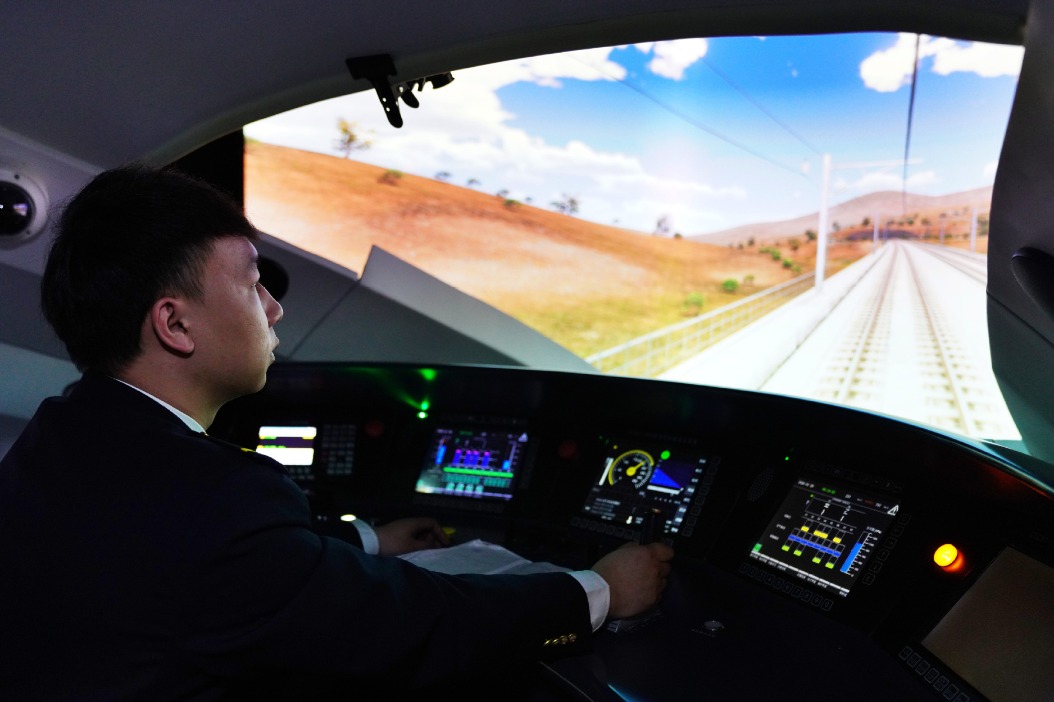
    As the 2026 Spring Festival approaches, Beijing’s high-speed railway workforce has entered a phase of intensive preparation to accommodate the monumental travel demand characteristic of China’s annual migration period. At specialized training facilities throughout the capital, personnel ranging from train operators to service staff are undergoing rigorous simulation exercises to ensure operational excellence during the challenging travel season.

    Simulation training bases across Beijing have become hubs of activity where drivers meticulously practice handling various scenarios on advanced simulator equipment. These exercises replicate diverse weather conditions, technical challenges, and passenger management situations that might occur during actual operations. The comprehensive training regimen focuses on both technical proficiency and emergency response capabilities, emphasizing passenger safety and service quality.

    The preparation extends beyond driving simulations to include customer service training, maintenance drills, and logistical coordination exercises. Station staff are rehearsing crowd management techniques while technical crews are conducting preventive maintenance checks on rolling stock and infrastructure. This multilayered approach addresses both the visible passenger services and the behind-the-scenes operational requirements necessary for smooth festival travel.

    Authorities have implemented these preparation measures recognizing that the Spring Festival travel rush represents the largest periodic human migration globally, with hundreds of millions expected to travel via high-speed rail. The preparations reflect China’s continuous effort to enhance transportation capacity and service quality during peak travel periods, building upon experiences from previous years while incorporating new technological solutions and operational protocols.

  • EU chief says Trump’s threats challenge Europe’s security and prosperity, ahead of emergency summit

    EU chief says Trump’s threats challenge Europe’s security and prosperity, ahead of emergency summit

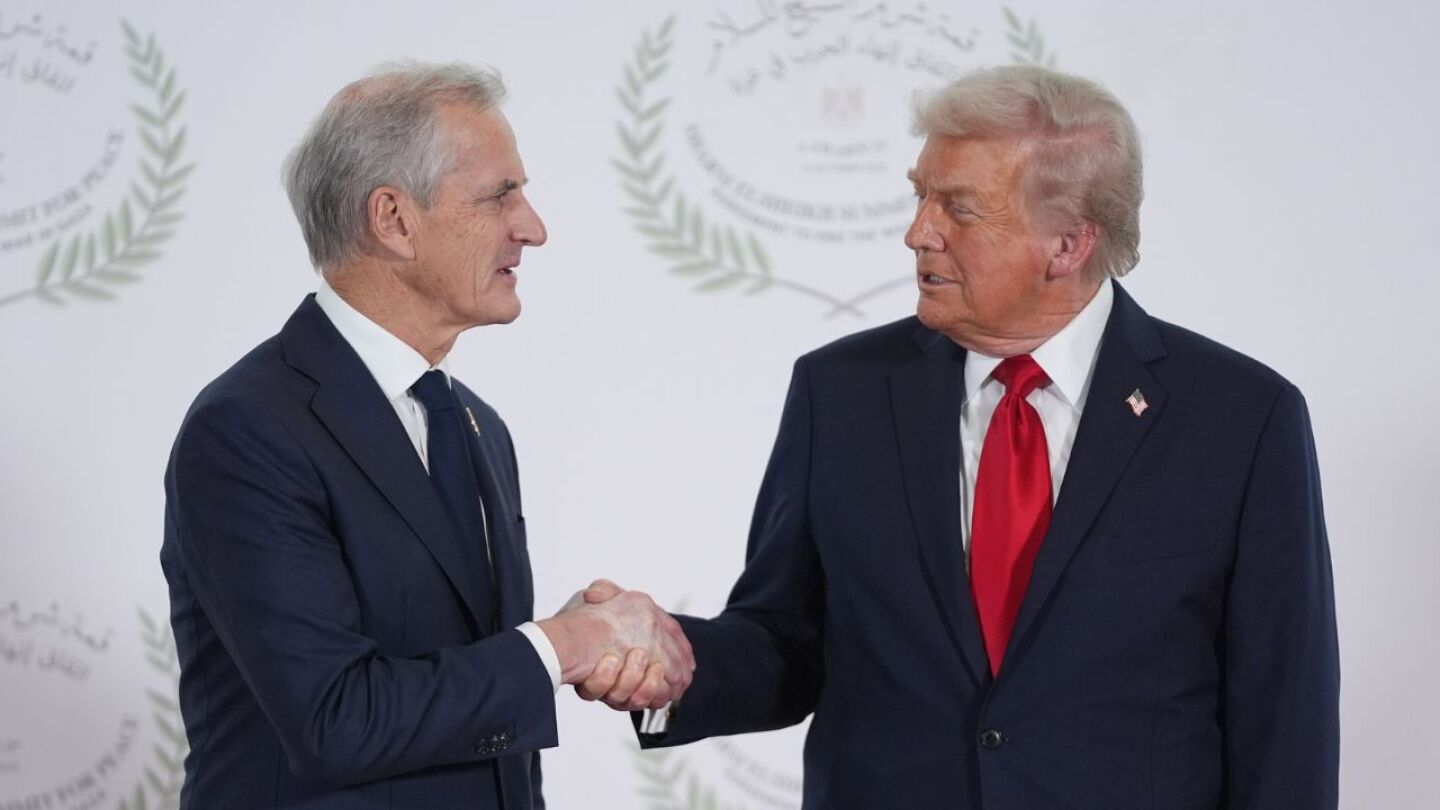
    BRUSSELS — European Council President António Costa issued a stark warning on Wednesday that President Donald Trump’s dual threats of annexing Greenland and imposing tariffs on European allies represent a fundamental challenge to European security, principles, and economic prosperity.

    The escalating transatlantic tensions have prompted Costa to convene an emergency summit of the EU’s 27 national leaders in Brussels, where they will formulate a unified response to what they perceive as unprecedented provocations from Washington.

    Trump’s expressed determination to acquire mineral-rich Greenland, justified under questionable security pretexts, has severely eroded trust among traditional allies in Europe and Canada. The situation intensified when Denmark deployed military reconnaissance forces to Greenland—a semi-autonomous Danish territory—prompting Trump’s ire. Several European nations contributed small troop contingents to this operation, with Denmark considering a more permanent military presence in the Arctic region.

    Costa emphasized that EU leaders remain steadfast in their commitment to international law, territorial integrity, and national sovereignty—principles previously invoked in defending Ukraine against Russian invasion and now relevant to Greenland’s status. In an address to EU lawmakers in Strasbourg, France, Costa unequivocally stated that only “Denmark and Greenland can decide their future.”

    The European Council President further warned that additional tariffs would fundamentally undermine transatlantic relations and violate the EU-US trade agreement negotiated last July. European lawmakers, who must ratify this agreement, have threatened to withhold approval in response to Trump’s tariff threats.

    European Commission President Ursula von der Leyen announced developing plans for a “massive European investment surge in Greenland” to strengthen its economy and infrastructure, alongside a new European security strategy. She proposed enhancing security around the island through partnerships with the UK, Canada, Norway, and Iceland.

    Polish Prime Minister Donald Tusk, historically a strong advocate for transatlantic cooperation, declared on social media that “appeasement is always a sign of weakness,” emphasizing that “European assertiveness and self-confidence have become the need of the moment.” Von der Leyen echoed this sentiment, stating the EU stands “fully prepared to act, if necessary, with unity, urgency and determination.”

  • Syria army enters Al-Hol camp holding relatives of jihadists: AFP

    Syria army enters Al-Hol camp holding relatives of jihadists: AFP

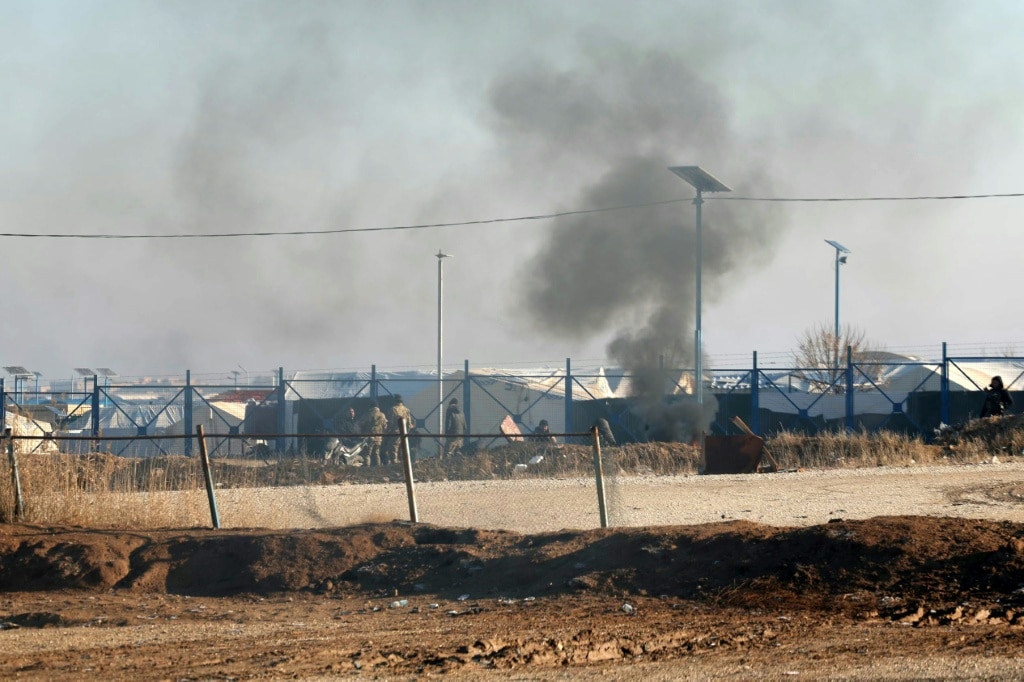
    In a significant shift of control in northeastern Syria, government forces entered the sprawling Al-Hol detention camp on Wednesday following the withdrawal of Kurdish-led security units. An AFP correspondent on site witnessed Syrian soldiers opening the main gate and establishing security perimeters around the facility, which houses approximately 24,000 individuals with alleged connections to Islamic State militants.

    This military movement follows Tuesday’s ceasefire agreement between Damascus and the Syrian Democratic Forces (SDF), ending hostilities that had seen government troops reclaim extensive territories previously administered by Kurdish forces. The truce arrangement includes provisions for the eventual integration of Kurdish-majority regions under Syrian state authority while preserving limited autonomy for local administrations.

    The Al-Hol facility represents one of the most complex humanitarian and security challenges in post-conflict Syria, containing detainees from nearly 40 nations, including about 6,200 women and children. Parallel developments occurred at other detention sites, with reports indicating disturbances at Shadadi prison where authorities confirmed 120 IS members escaped before 81 were recaptured.

    Diplomatic dimensions intensified as U.S. officials acknowledged the evolving nature of their alliance with Kurdish forces. President Trump characterized the relationship as transactional while emphasizing continued protection for Kurdish interests. The American envoy to Syria noted that the primary counter-ISIS mission of Kurdish forces had ‘largely expired,’ signaling a potential recalibration of international engagement in the region.

    Under the newly established framework, SDF commander Mazloum Abdi will propose candidates for key governmental positions, including Hasakeh governor and deputy defense minister, facilitating political integration while maintaining Kurdish cultural and administrative presence in their traditional territories.

  • Widow of Iran’s last shah says ‘no turning back’ after protests

    Widow of Iran’s last shah says ‘no turning back’ after protests

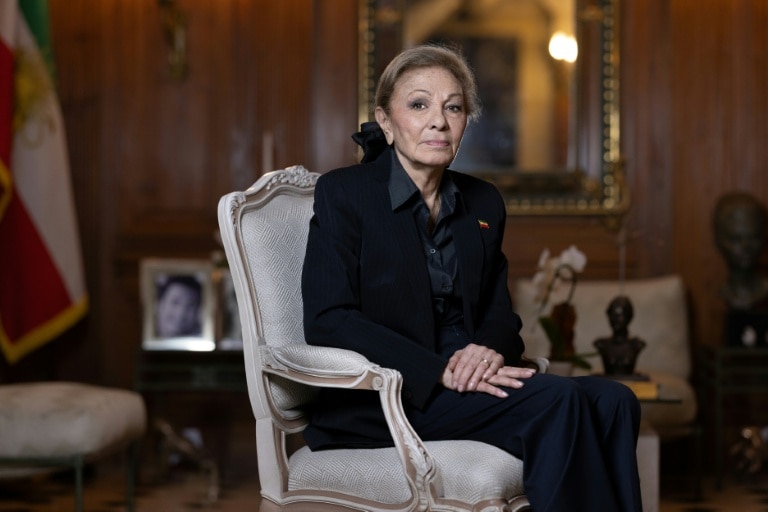
    In an exclusive Paris interview with AFP, Farah Pahlavi, the 87-year-old widow of Iran’s last Shah, has delivered a powerful statement regarding the ongoing protest movement challenging Iran’s clerical establishment. The former empress, who was exiled alongside her husband during the 1979 Islamic Revolution, expressed unwavering conviction that the Iranian people would ultimately achieve victory in their struggle for freedom.

    Seated before Iran’s former imperial flag adorned with the lion and sun emblem, Pahlavi articulated her profound connection to the protestors, particularly emphasizing her maternal bond with the youth leading the demonstrations. She revealed her deepest personal longing to return to Iran after 47 years in exile, stating, “My desire and my need today are to return to Iran and to hold these exceptional children in my arms.”

    The nationwide protests, which initially emerged in response to economic grievances in late December, rapidly evolved into a direct challenge against the Islamic Republic’s four-decade rule. Pahlavi acknowledged the severe government crackdown that international rights organizations report has resulted in thousands of casualties, yet she maintained that the movement had reached an irreversible point. “One thing is now certain: there is no turning back,” she declared. “This path is one-way—it leads to freedom—and every day, tragically, it is drenched in the blood of the daughters and sons of this land.”

    Regarding the role of external opposition, Pahlavi outlined two critical responsibilities: maintaining strong connections between Iranians inside the country and international communities, while simultaneously organizing global demonstrations to raise awareness about the situation. When questioned about potential foreign military intervention, she instead appealed for continued international solidarity and support, emphasizing that a democratic Iran would contribute to regional stability.

    Concerning her son Reza Pahlavi’s potential political role, the former empress emphasized that any position would be determined solely by the Iranian people’s will, noting that her son views himself primarily as a spokesperson for young Iranians until freedom is achieved.

  • A bar with no bar

    A bar with no bar

    In an innovative approach to social inclusion, Shanghai’s Changning district now hosts HandyCup, a pioneering establishment redefining the concept of accessible nightlife. Situated on Xinhua Road, this barrier-free pub has been specifically designed to foster natural interaction between disabled and non-disabled patrons, creating what founder Xia Yujie describes as ‘a home for meaningful connections.’

    The venue represents a significant departure from conventional bars through its meticulously planned accessibility features and intentionally welcoming atmosphere. Unlike typical establishments that often present physical and social obstacles for people with disabilities, HandyCup eliminates these barriers through both architectural design and community-focused programming.

    Founder Xia Yujie conceptualized the space after recognizing the scarcity of social environments where disabled individuals could comfortably socialize without facing the usual constraints. His vision materialized as a warm, inviting pub that encourages organic relationships to develop across different ability spectrums.

    The establishment has quickly evolved into more than just a drinking venue—it has become a community hub where friendships form naturally over shared experiences. Patrons consistently report that the environment facilitates genuine connections that might not occur in more conventional social settings.

    HandyCup’s innovative model has attracted attention from disability advocates and urban planners alike, serving as a potential blueprint for more inclusive social spaces in cities worldwide. The success of this establishment demonstrates how thoughtful design and intentional community building can create environments where diversity is not just accommodated but celebrated.

    As the concept gains recognition, HandyCup stands as a testament to Shanghai’s growing commitment to accessibility and social innovation, offering a replicable model for other cities seeking to create more inclusive public spaces.

  • Japan restarts world’s largest nuclear plant

    Japan restarts world’s largest nuclear plant

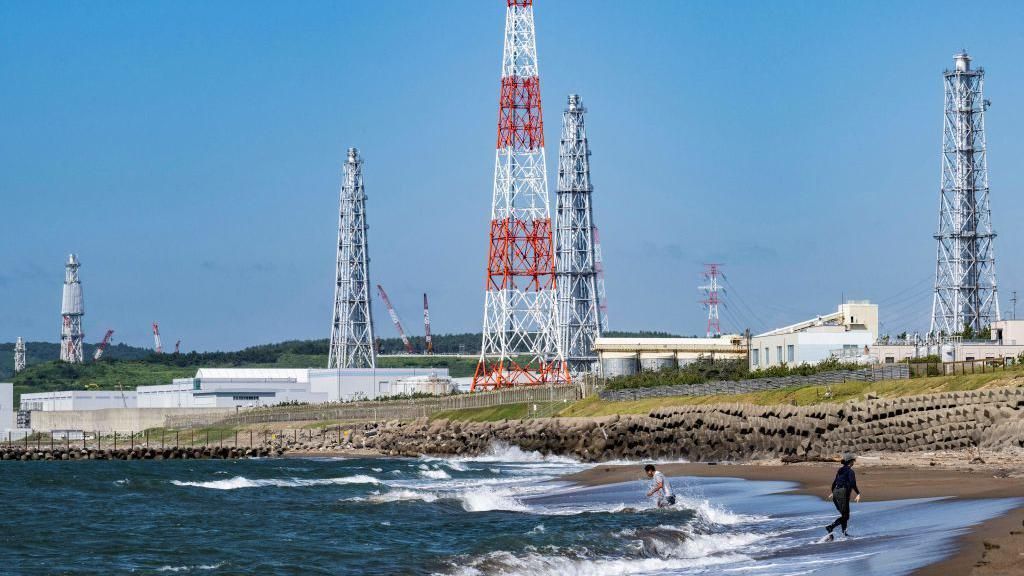
    Japan has initiated the restart of reactor No. 6 at the Kashiwazaki-Kariwa Nuclear Power Plant—the world’s largest nuclear facility by installed capacity—nearly fifteen years after the catastrophic Fukushima Daiichi disaster prompted a nationwide nuclear shutdown. The reactivation, originally scheduled for Tuesday but delayed due to an alarm system malfunction, marks a significant milestone in Japan’s protracted nuclear energy revival efforts.

    Operated by Tokyo Electric Power Company (Tepco), the plant’s restart represents the first Tepco-operated facility to resume operations since the 2011 disaster. However, the path to full operational capacity remains protracted: reactor No. 7 is not anticipated to restart before 2030, while the remaining five reactors face potential decommissioning. This would reduce the plant’s maximum output to a fraction of its historical 8.2-gigawatt capacity.

    The revival occurs against a backdrop of profound public skepticism and technical challenges. The 2011 Fukushima catastrophe—triggered by a record-breaking earthquake and subsequent tsunami—resulted in widespread radioactive contamination, mass evacuations, and a dramatic erosion of public trust in nuclear safety. An official government inquiry later characterized the disaster as “man-made,” citing systemic failures in preparedness and crisis management.

    Despite enhanced safety protocols—including the construction of 15-meter seawalls and watertight barriers at Kashiwazaki-Kariwa—concerns persist regarding Japan’s preparedness for unprecedented natural disasters and climate-change-induced risks. Dr. Florentine Koppenborg of the Technical University of Munich cautioned that while Japan is “super well-prepared” for historical scenarios, its readiness for “something really unexpected” remains uncertain.

    Public opposition remains formidable. Surveys indicate that approximately 70% of Japanese citizens support reducing nuclear dependence, and protests continue near Tepco’s headquarters and the Niigata prefectural assembly. Recent scandals—including mishandled confidential documents and data manipulation at other facilities—have further undermined confidence in the industry’s operational integrity.

    Financially, nuclear reactivation has proven more costly than anticipated due to stringent new safety requirements. These expenses may ultimately be borne by consumers or taxpayers, contradicting decades of official assertions regarding nuclear energy’s affordability. Prime Minister Sanae Takaichi, however, emphasizes nuclear power’s role in achieving energy self-sufficiency, particularly amid growing demand from data centers and semiconductor manufacturing.

    Japan’s nuclear energy targets have been substantially scaled back: whereas pre-2011 plans aimed for 50% nuclear dependency by 2030, current objectives target just 20% by 2040. As of 2023, nuclear power accounted for merely 8.5% of Japan’s electricity generation, highlighting the considerable gap between ambition and reality in the nation’s contested nuclear renaissance.

  • Disaster relief efforts underway after 5.1-magnitude quake hits China’s Yunnan

    Disaster relief efforts underway after 5.1-magnitude quake hits China’s Yunnan

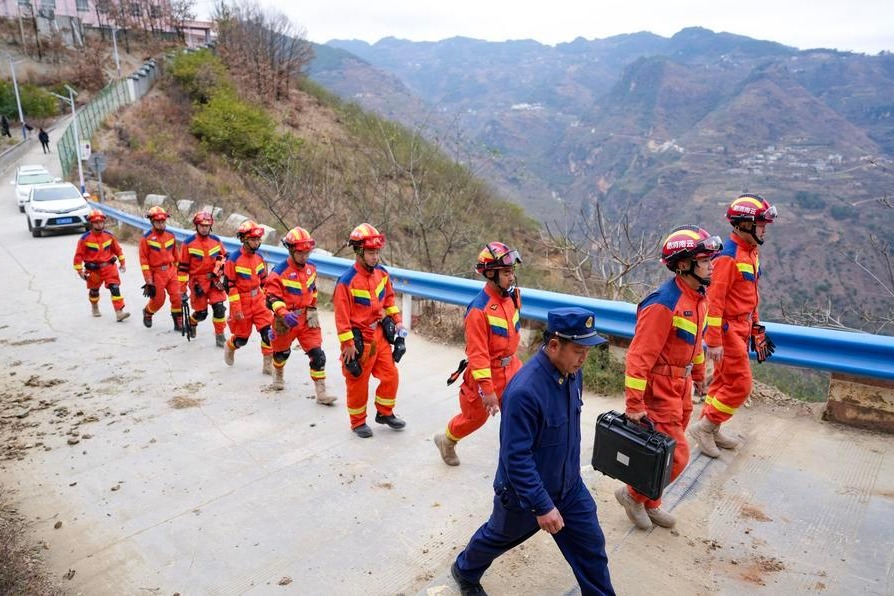
    Emergency response systems sprang into action across southwestern China’s Yunnan Province following a significant seismic event that struck Qiaojia county on Monday evening. The 5.1-magnitude earthquake, occurring at 7:32 pm local time with a focal depth of 10 kilometers, triggered comprehensive disaster management protocols despite the absence of casualties or structural collapses.

    According to official reports released by Tuesday afternoon, the tremor resulted in damage to approximately 1,540 residential structures while prompting the evacuation of 297 residents from 129 households. These individuals have been temporarily relocated to emergency shelters established within the affected region, with the village office in Hongshiyan—the epicenter area—serving as a primary refuge center.

    Infrastructure assessment teams from provincial authorities have conducted rapid evaluations of over 63,000 dwellings, identifying predominantly minor structural damage including hairline fractures in auxiliary facilities and production structures. County Deputy Administrator Cao Shanyou confirmed that no residential buildings had collapsed, though the seismic activity did cause 19 mountain fissures, 262 minor rockfall incidents, and some roadway damage.

    Financial support mechanisms were immediately activated, with the Yunnan Provincial Department of Finance allocating 5 million yuan (approximately $714,224) in emergency relief funding to facilitate disaster response operations. These resources will support hazard mitigation, secondary disaster prevention, and reconstruction initiatives throughout Zhaotong City’s administrative region.

    The China Earthquake Administration implemented a Level-III emergency response, deploying specialized working teams to assist local relief operations. China’s four-tier emergency framework designates Level I as the most severe classification, indicating the current situation remains managed within provincial capabilities.

    Personal accounts from residents illustrate the earthquake’s sudden impact. Zhao Kunyun, a Hongshiyan village local, described the intense shaking that prompted his family’s immediate evacuation. While his property sustained damage including a collapsed water tower and compromised retaining walls, structural engineers confirmed the main residence’s integrity.

    Temporary shelter occupants like villager Qian Zhenzhen reported efficient crisis management, noting that authorities provided accommodation and provisions within 30 minutes of the seismic event. This coordinated response demonstrates China’s enhanced disaster preparedness protocols for moderate seismic events in geographically vulnerable regions.

  • Xi greets Touadera on reelection as president

    Xi greets Touadera on reelection as president

    Chinese President Xi Jinping has formally congratulated Faustin-Archange Touadera on his reelection as President of the Central African Republic, expressing commitment to advancing the strategic partnership between the two nations. The message comes after the Central African Republic’s Constitutional Council officially certified the final results of the December 28 presidential election on Monday, confirming Touadera’s victory and securing his third term in office since initially assuming power in 2016.

    In his congratulatory message, President Xi emphasized the continued deepening of political mutual trust between China and the Central African Republic in recent years. He highlighted how both nations have consistently supported each other on issues concerning their core interests and major concerns while steadily progressing cooperation across multiple sectors.

    President Xi underscored his personal commitment to bilateral relations, stating his intention to collaborate with President Touadera in actively implementing the outcomes established during the 2024 Beijing Summit of the Forum on China-Africa Cooperation. China remains prepared to drive the continuous enhancement of the strategic partnership between the two countries, aiming to generate increased benefits for both populations.

    The 68-year-old Touadera centered his campaign platform on restoring peace and promoting national development. In preparation for the election, he reportedly signed peace agreements with major rebel groups, according to Xinhua News Agency. Diplomatic relations between China and the Central African Republic, which were reestablished in 1998, have facilitated a gradual recovery in bilateral trade cooperation over subsequent years.