博客

  • Former Jiangxi official sentenced to life for bribery

    Former Jiangxi official sentenced to life for bribery

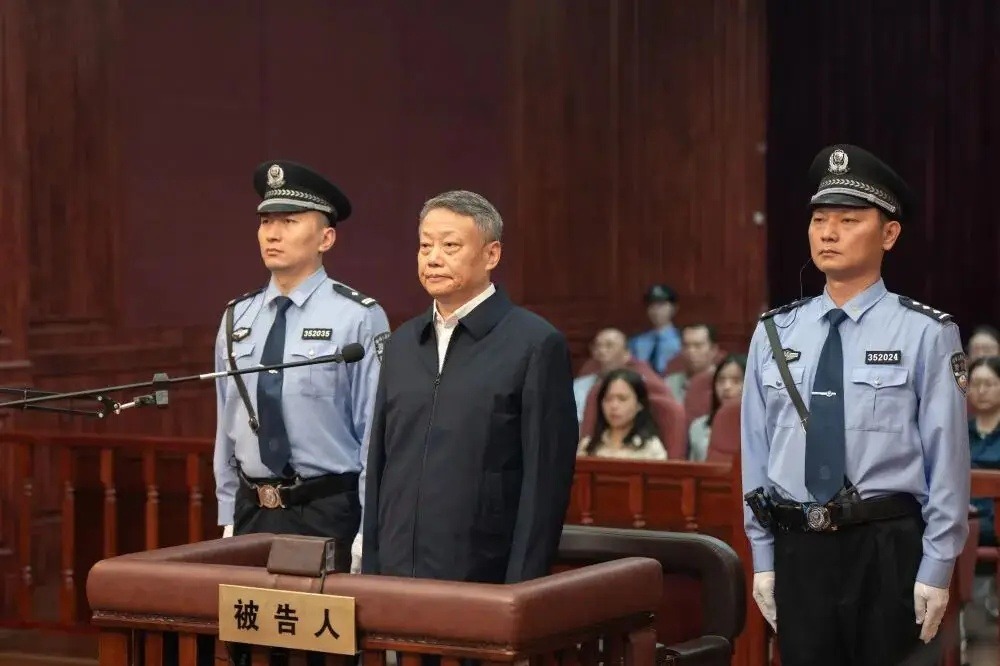
    In a significant judicial ruling demonstrating China’s ongoing anti-corruption campaign, Tang Yijun, former senior official from Jiangxi province, has been sentenced to life imprisonment for extensive bribery offenses. The Xiamen Intermediate People’s Court in Fujian province delivered the verdict on Monday, concluding a high-profile case that has drawn national attention.

    The court established that between 2006 and 2022, Tang systematically exploited his influential positions—including serving as governor of Liaoning province, Party chief of Ningbo city in Zhejiang province, and minister of justice—to provide unlawful advantages to various organizations and individuals. His corrupt activities encompassed multiple sectors, facilitating company listings, orchestrating favorable land repurchase deals, securing bank loans, and manipulating legal case outcomes.

    In exchange for these illicit services, Tang accepted bribes exceeding 137 million yuan (approximately $19.7 million), according to official reports from China Central Television. The court determined that his actions constituted severe bribery crimes involving extraordinary sums of money, resulting in particularly substantial damage to state and public interests.

    Beyond the life imprisonment term, the court imposed additional penalties including permanent deprivation of Tang’s political rights and comprehensive confiscation of all personal assets. All illicit gains and associated proceeds recovered in the investigation will be transferred to the state treasury, with provisions for continued recovery of any outstanding amounts.

    The ruling underscores China’s intensified judicial efforts against corruption at senior governmental levels, reflecting the central government’s commitment to maintaining disciplinary integrity within the Communist Party of China and public institutions.
  • Gaza’s Rafah crossing makes limited reopening after two-year war

    Gaza’s Rafah crossing makes limited reopening after two-year war

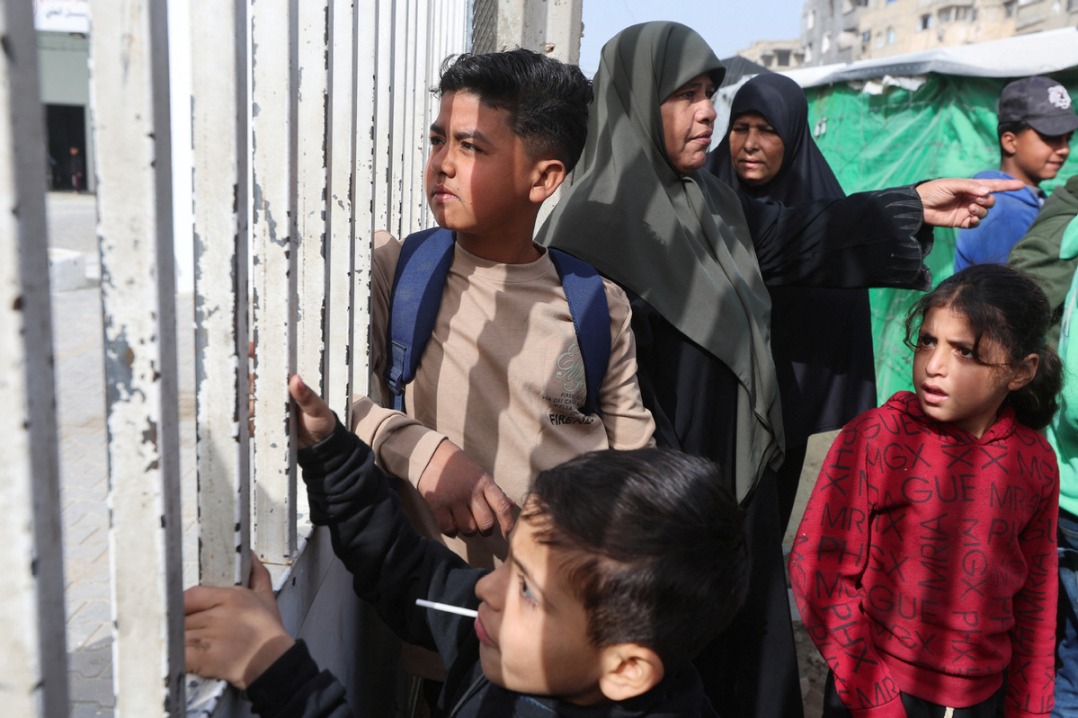
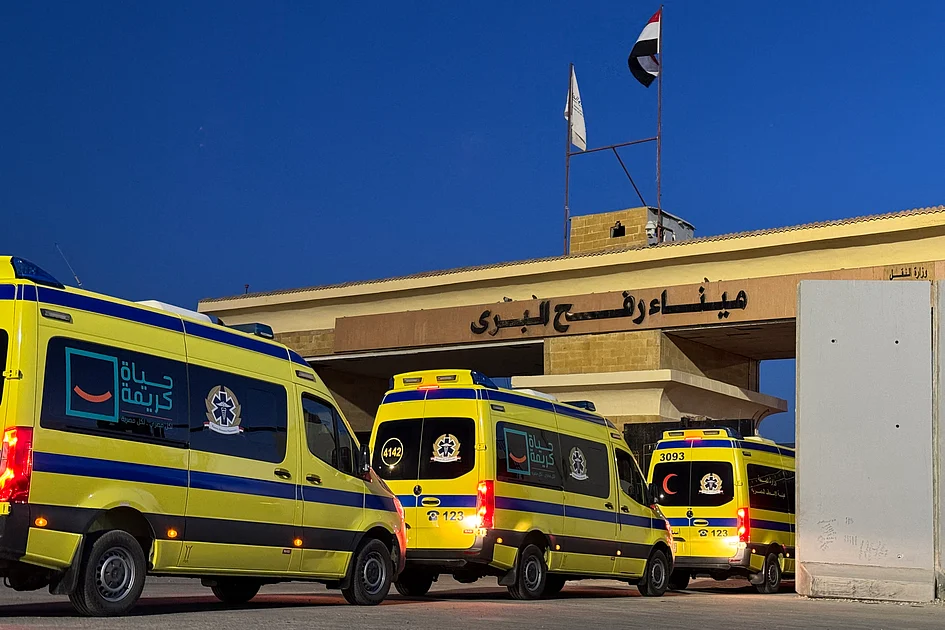
    In a significant development for the war-ravaged Gaza Strip, the Rafah border crossing with Egypt partially resumed operations on Monday under a tightly controlled pilot program. An Israeli security official confirmed the reopening, marking the first time in over two years that Palestinian residents can utilize this critical gateway.

    The initial phase will see extremely limited traffic, with Egyptian state-linked media reporting just 50 people permitted to cross in each direction daily. This cautious approach follows months of intense diplomatic pressure from international aid organizations highlighting Gaza’s deteriorating humanitarian situation.

    The reopening comes against a backdrop of renewed violence. Gaza’s civil defense reported dozens killed in Israeli strikes over the weekend, which the military described as retaliation for Palestinian fighters emerging from a tunnel in Rafah city—an action Israel claims violated the fragile US-brokered ceasefire in effect since October 10.

    European Union border assistance mission (EUBAM) teams have arrived to monitor operations and support Palestinian border guards. Israeli state broadcaster Kan indicated the crossing would operate for approximately six hours daily during this initial phase.

    For Gaza’s residents, the crossing represents a vital lifeline. Mohammed Nassir, a Palestinian who underwent leg amputation due to war injuries, expressed desperate hope: ‘I need to undergo surgery that is unavailable in Gaza but can be performed abroad.’

    Medical preparations are underway on the Egyptian side, with AlQahera News (linked to Egypt’s state intelligence) reporting that 150 hospitals and 300 ambulances have been prepared to receive Palestinian patients. Additionally, 12,000 doctors and 30 rapid deployment teams have been allocated for their care.

    The reopening follows Israel’s recovery and burial of Ran Gvili, the last Israeli hostage held in Gaza, whose return Israel had previously tied to the crossing’s resumption. Despite this development, COGAT, Israel’s defense ministry body coordinating Palestinian civilian affairs, made no mention of allowing the long-awaited surge of humanitarian aid into Gaza, focusing only on individual movement.

    The conflict, sparked by Hamas’s October 7, 2023 attack on Israel that killed 1,221 people according to Israeli figures, has left Gaza with at least 71,795 fatalities according to the Hamas-run health ministry—figures the UN considers reliable. Rafah remains under Israeli military control following their withdrawal behind a designated ‘Yellow Line’ as part of the ceasefire agreement, with Israeli troops still controlling more than half of Gaza territory.

  • Israel issues evacuation warning for village in southern Lebanon ahead of strike

    Israel issues evacuation warning for village in southern Lebanon ahead of strike

    The Israeli military issued urgent evacuation warnings for residents of southern Lebanese villages on Monday, signaling impending airstrikes against Hezbollah targets. Through Arabic-language spokesperson Avichay Adraee on social media platform X, the military announced its intention to “strike military infrastructure belonging to the Hezbollah terrorist organization in the near future.” The warning specifically identified buildings in the villages of Kfar Tibnit and Ain Qana that required immediate evacuation.

    This development follows recent Israeli military actions, including a January 27 operation targeting what Israel described as Hezbollah infrastructure across multiple southern Lebanese locations. Reuters additionally reported that Israeli military spokespersons confirmed plans to attack specific sites in the village of Yanouh, marking the second such operation within days.

    The heightened tensions occur despite a US-brokered ceasefire agreement reached in 2024 that ended over a year of intense fighting between Israel and Hezbollah. That conflict had culminated in Israeli strikes that significantly degraded the Iran-backed militant group’s capabilities. Since the ceasefire, both sides have repeatedly exchanged accusations of violations.

    In a parallel diplomatic development, both nations have dispatched civilian envoys to a military committee overseeing the ceasefire arrangement. This move represents a step toward fulfilling the United States’ months-long demand for expanded talks, aligning with former President Donald Trump’s Middle East peace agenda. The committee’s work aims to maintain the fragile truce while addressing ongoing security concerns in the region.

  • US envoy Witkoff to visit Israel, meet Netanyahu, Israeli officials say

    US envoy Witkoff to visit Israel, meet Netanyahu, Israeli officials say

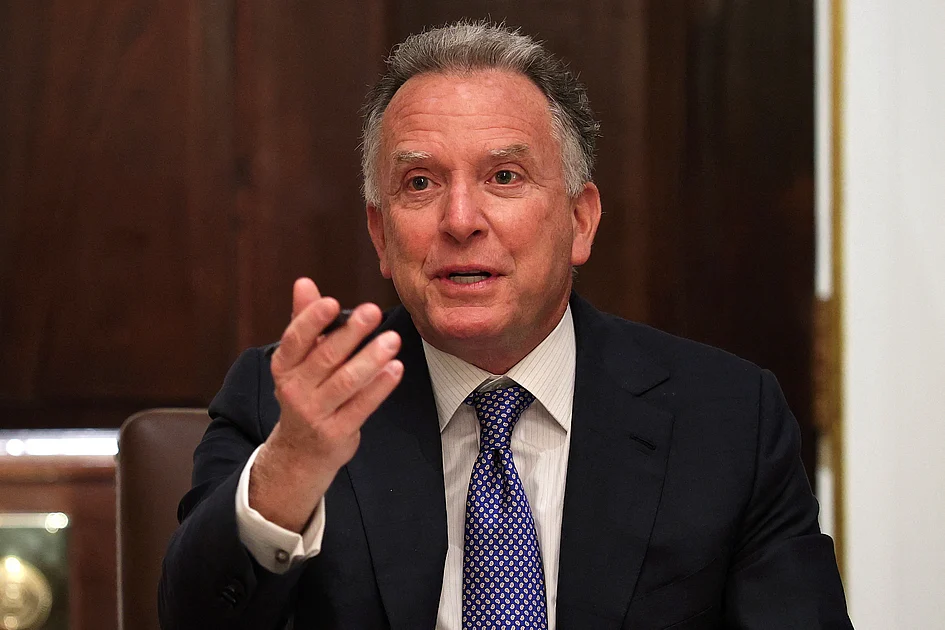
    In a significant diplomatic development, US President Donald Trump’s senior envoy Steve Witkoff is scheduled to arrive in Israel on Tuesday for high-level meetings with Israeli Prime Minister Benjamin Netanyahu and military leadership. This visit occurs against a backdrop of escalating regional tensions with Iran and coincides with the Trump administration’s ongoing efforts to resolve the Gaza conflict.

    Concurrently, Iran and the United States are actively negotiating terms to resume nuclear discussions, with both nations demonstrating renewed willingness to revive diplomatic channels. This potential breakthrough aims to address longstanding nuclear disagreements and alleviate mounting concerns about potential military confrontation in the region.

    According to Israeli officials, Witkoff’s meetings will serve as preparatory discussions ahead of anticipated US-Iran negotiations. These talks follow weekend consultations between Israeli military chief Eyal Zamir and US General Dan Caine at the Pentagon, indicating coordinated strategic planning between the allies.

    The diplomatic movements unfold amid heightened military preparedness by US forces near Iranian territory. This military posture follows Iran’s violent suppression of anti-government protests last month—the most severe domestic unrest since the country’s 1979 revolution. The convergence of diplomatic initiatives and military posturing creates a complex geopolitical landscape where dialogue and deterrence proceed simultaneously.

    The upcoming discussions represent the most substantial effort in months to address the nuclear standoff through diplomatic means, potentially signaling a shift from the recent cycle of escalation that has raised global concerns about regional stability.

  • Palestinian patients start moving from Khan Younis toward Rafah border to cross it: sources

    Palestinian patients start moving from Khan Younis toward Rafah border to cross it: sources

    A tentative medical evacuation process commenced from southern Gaza on Monday, marking a fragile humanitarian breakthrough amid persistent regional instability. The first contingent of five critically ill patients, accompanied by ten family members, departed from the Palestinian Red Crescent Society’s field headquarters in Khan Younis toward the Rafah border crossing with Egypt.

    This limited movement occurred as the crucial border passage reopened on a trial basis for the first time since Israeli forces assumed control of the Palestinian side in May 2024. The Rafah crossing has historically served as Gaza’s primary gateway for both humanitarian aid and civilian movement.

    The evacuation approval process revealed significant operational challenges. According to Dr. Atef al-Hout, director of Nasser Medical Complex, Israeli authorities approved merely five patients from a list of 27 urgently requiring overseas medical treatment. Dr. al-Hout characterized the situation as being mired in ‘ambiguity and lack of clarity’ regarding travel permissions.

    Simultaneously, violence continued elsewhere in Gaza. Palestinian medical sources reported three fatalities from separate Israeli military actions, including a three-year-old child killed by naval shelling south of Khan Younis and a civilian casualty in northern Gaza from an Israeli drone strike on a displacement shelter.

    Gaza health authorities provided sobering statistics, indicating that despite the current ceasefire effective since October 2025, at least 526 Palestinians have been killed by Israeli fire, contributing to a devastating total death toll of 71,800 since the conflict’s inception in October 2023.

    The Israeli military did not immediately comment on the specific incidents reported Monday, highlighting the ongoing communication challenges in the region.

  • Flooding affects over 650,000 people in Mozambique

    Flooding affects over 650,000 people in Mozambique

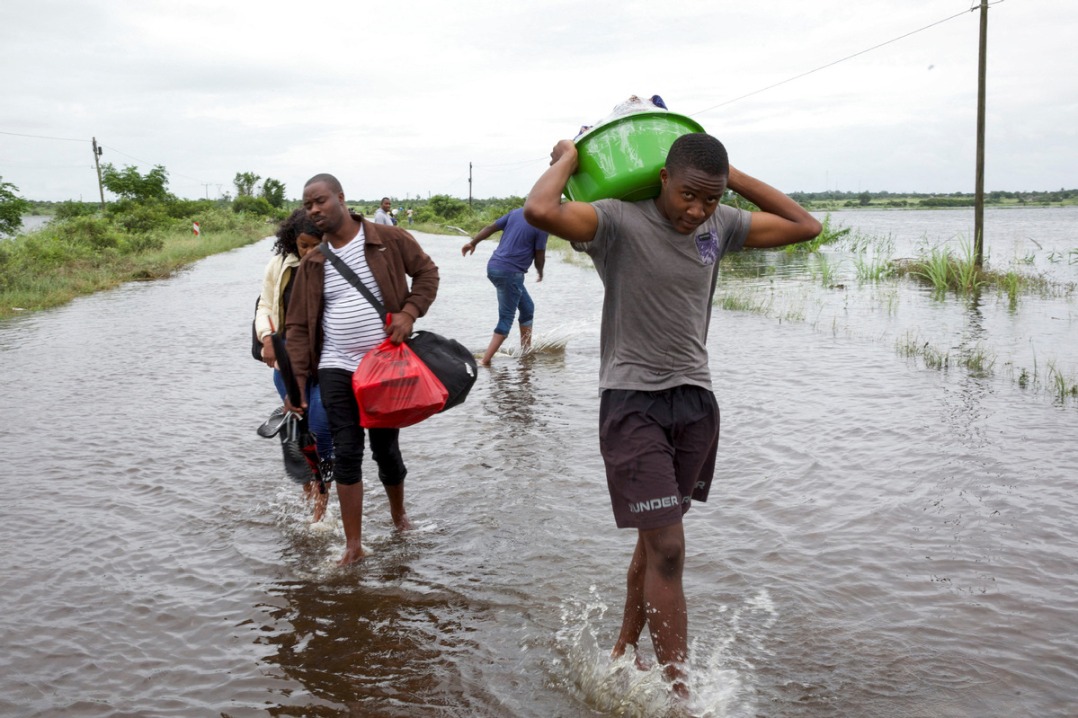
    Southern and central Mozambique face a severe humanitarian emergency as relentless rainfall has triggered extensive flooding, directly impacting an estimated 652,000 individuals. The World Health Organization (WHO) confirms that the provinces of Gaza, Maputo, and Sofala are among the hardest-hit regions.

    The scale of displacement is immense, with floodwaters submerging homes and forcing more than half of the affected population to flee. The official death toll stands at 22, with 45 individuals injured and a concerning 90 people reported missing, underscoring the human cost of the disaster.

    Critical healthcare infrastructure has been severely compromised. A total of 229 health facilities have sustained damage, primarily concentrated in Gaza Province, with at least 26 forced to cease operations entirely due to flood destruction. This collapse in medical services exacerbates the vulnerability of displaced communities.

    Logistical challenges are severely hindering relief operations. Widespread road closures, vast expanses of floodwater, and the geographic isolation of many communities are creating significant barriers to delivering essential life-saving aid and medical supplies.

    In response, a coordinated international effort is underway. Humanitarian organizations are amplifying their support for government-led initiatives, focusing on delivering immediate, life-sustaining assistance. The United Nations Office for the Coordination of Humanitarian Affairs (OCHA) has consolidated these efforts into a formal response plan, appealing for $187 million to provide crucial aid to 600,000 people.

    Recognizing the need for expanded resources, the UN is actively seeking deeper engagement from the private sector. OCHA’s dedicated Private Sector Unit is offering neutral guidance to facilitate public-private partnerships, aiming to bolster collaboration and channel vital support to the devastated communities in Mozambique.

  • China secures first extradition from South Africa

    China secures first extradition from South Africa

    In a landmark demonstration of international judicial cooperation, Chinese authorities have successfully secured their first extradition from South Africa since the bilateral treaty came into effect over two decades ago. The Ministry of Public Security confirmed on Monday that a suspect identified only by the surname Chen has been transferred from South African custody to face charges in China.

    The case centers on allegations of extensive unauthorized currency exchange operations between the Chinese yuan and South African rand, with transactions exceeding 49 million yuan ($6.8 million). According to official statements, the People’s Procuratorate of Chongming District in Shanghai issued an arrest warrant for Chen in June 2020 on charges of illegal business operations.

    The international dimension of the case unfolded in July 2025 when South African law enforcement apprehended Chen based on Chinese warrants. Following established diplomatic channels, Beijing submitted a formal extradition request to Pretoria. After judicial review, a South African court rendered its decision in December 2025, approving the transfer of the suspect to Chinese jurisdiction.

    Ministry officials emphasized that this successful operation represents more than just the transfer of a single individual. It signals a strengthening of bilateral relations in the crucial area of law enforcement collaboration and demonstrates both nations’ commitment to combating transnational financial crimes. The development establishes a significant precedent for future judicial cooperation between China and South Africa, potentially paving the way for more streamlined procedures in cross-border law enforcement initiatives.

    The extradition treaty between the two nations, which took effect in November 2004, had previously remained untested in practical application. This case therefore marks its first operationalization, providing a real-world framework for how future collaborations might unfold in combating international crime networks operating across both jurisdictions.

  • BBC reports from Oslo court ahead of rape trial of Crown Princess’s son

    BBC reports from Oslo court ahead of rape trial of Crown Princess’s son

    The Norwegian royal institution confronts one of its most significant public challenges as judicial proceedings commence against a member of its immediate lineage. The son of Crown Princess Mette-Marit stands accused of sexual assault allegations that have captured national attention and international media coverage.

    Judicial authorities in Oslo are undertaking extensive preparations for the high-profile case, with the BBC confirming its presence in the courthouse to document developments. The allegations emerge against a complex backdrop of previous royal controversies, including the Crown Princess’s documented associations with the convicted sex offender Jeffrey Epstein.

    Legal experts indicate the trial could extend over several weeks, with both prosecution and defense teams preparing detailed evidentiary submissions. The case has prompted broader discussions about accountability within privileged social circles and the evolving nature of Scandinavia’s constitutional monarchies in modern society.

    Royal commentators note the House of Glücksburg maintains its commitment to judicial transparency while acknowledging the personal difficulties facing the accused’s family members. The monarchy’s historical standing remains generally positive among Norwegians, though recent events have undoubtedly tested public perception.

  • Russia’s Syria interests go well beyond air and naval bases

    Russia’s Syria interests go well beyond air and naval bases

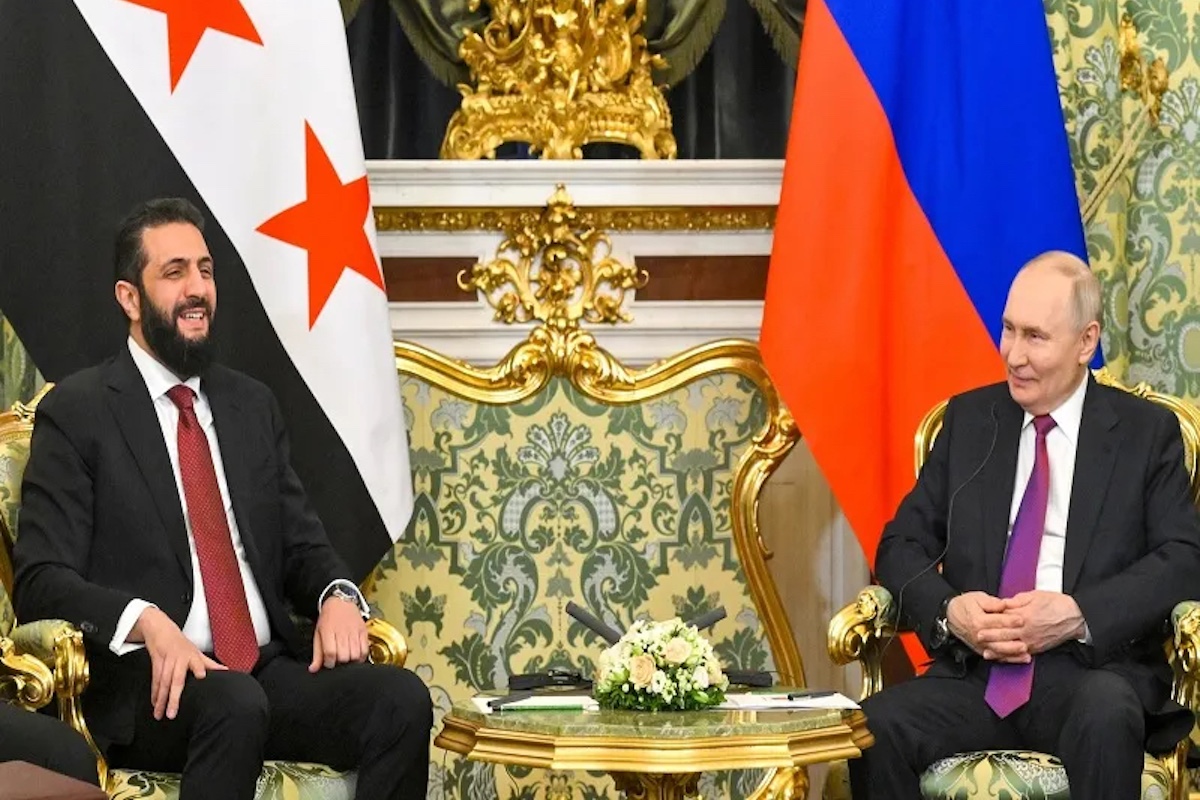
    Syrian President Ahmed al-Sharaa’s recent diplomatic engagement in Moscow signifies a substantial evolution in Russian-Syrian relations that transcends mere military logistics. While the preservation of Russia’s air and naval installations in Syria remains strategically vital—particularly for supporting its Africa Corps operations—the bilateral partnership now encompasses far more ambitious nation-building objectives.

    During high-level discussions with President Vladimir Putin, al-Sharaa articulated a comprehensive vision for Russian collaboration in constructing what he termed the ‘New Syria.’ This initiative mirrors the Soviet Union’s historical nation-building endeavors across the Global South during the Cold War era, representing a postmodern approach to international development and influence projection.

    The Russian strategy advances multiple interconnected interests: preserving and expanding commercial activities amid Western sanctions, demonstrating reconstruction capabilities in conflict-affected regions, and strengthening geopolitical partnerships. This model has already shown promising applications in the Central African Republic and the Alliance of Sahelian States, with potential expansion to the Democratic Republic of the Congo and Sudan.

    Contrary to expectations that Russian influence would diminish following the Assad administration, the strengthened Moscow-Damascus alliance now serves as a strategic blueprint for other nations facing similar geopolitical challenges. This includes post-Maduro Venezuela and potentially Iran, where Russia aims to maintain influence despite Western pressure.

    The Syrian paradigm demonstrates that pragmatic partnerships with Russia can provide nations with increased political flexibility while avoiding excessive dependence on Western patrons. This approach has significant appeal for newly US-aligned states, conflict-affected regions, and geopolitically neutral Global South countries seeking balanced international relationships.

    Additionally, Russia’s constructive role in Muslim-majority Syria enhances its soft power within the international ummah (Muslim community), potentially facilitating broader diplomatic engagement across the Islamic world. While military bases remain operationally important, Russia’s comprehensive strategy ultimately seeks to establish itself as a reliable partner for economic development and post-conflict reconstruction.

  • Dubai-based Binghatti’s 2025 net profit nearly doubles to Dh3.58 billion

    Dubai-based Binghatti’s 2025 net profit nearly doubles to Dh3.58 billion

    Dubai’s property sector continues to demonstrate remarkable resilience as Binghatti Holding Ltd, a premier UAE real estate developer, announced extraordinary financial results for 2025. The company revealed a staggering 96% year-on-year surge in net profit, reaching Dh3.58 billion, alongside revenue that nearly doubled to Dh12.43 billion from Dh6.34 billion in the previous year.

    The exceptional performance stems from multiple strategic factors including robust operating leverage, sustained sales momentum, accelerated project completions, and a diversified portfolio spanning mainstream, premium, luxury, and ultra-luxury property segments. CEO Katralnada BinGhatti attributed this success to Dubai’s strong market fundamentals and the company’s vertically integrated business model that ensures quality control while optimizing costs from design to delivery.

    Dubai’s real estate market continues to outperform global counterparts, fueled by consistent population growth, increasing homeownership rates, and steady international capital inflows. Long-term development initiatives including the Dubai Economic Agenda D33 and Dubai 2040 Urban Master Plan further strengthen the city’s economic foundation and sustain housing demand.

    According to Property Monitor data, Binghatti dominated Dubai’s off-plan market in December 2025, capturing a commanding 24.7% market share with 2,965 transactions across multiple developments. Key projects driving this performance included Binghatti Vintage in Majan (883 sales), Binghatti Titania (447 sales), and several other premium developments across Jumeirah Village Circle, Jumeirah Village Triangle, and Business Bay.

    The company maintained impressive profitability metrics with 44% gross margin, 35% EBITDA margin, and 29% net margin. Financially, Binghatti strengthened its balance sheet significantly with total assets growing 92% to Dh24.37 billion and cash reserves reaching Dh8.84 billion, providing substantial liquidity for continued strategic expansion.

    The year concluded with landmark achievements including the launch of Mercedes-Benz Places Binghatti City, the world’s first Mercedes-Benz-branded urban development, and the sale of the Middle East’s most expensive penthouse at approximately $150 million (Dh550.5 million), setting new benchmarks in ultra-luxury residential demand.