博客

  • Ancient pressure cooker making a stir

    Ancient pressure cooker making a stir

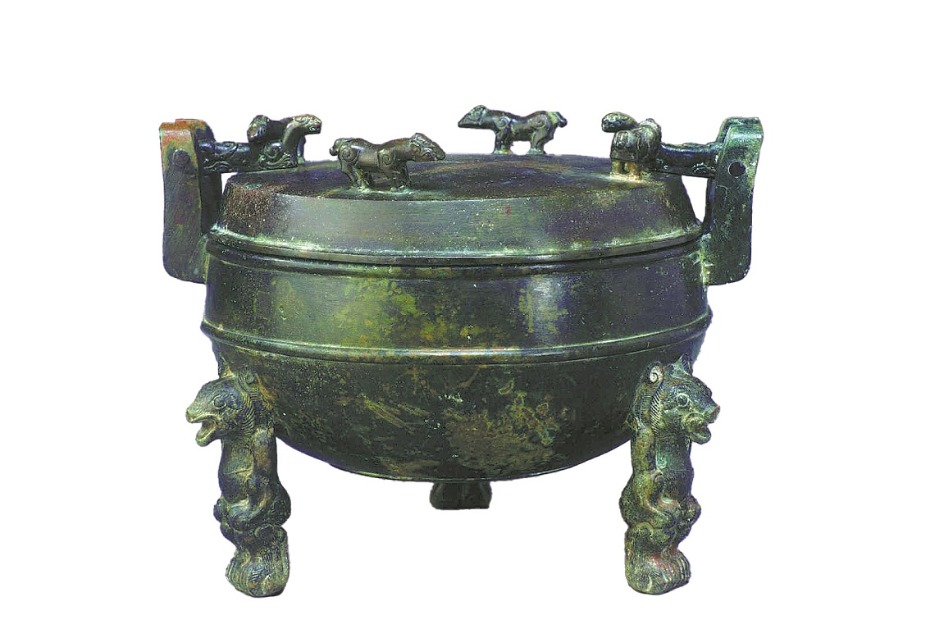
    A remarkable archaeological artifact from China’s Western Han Dynasty (206 BC-AD 24) has captured widespread public attention, demonstrating that pressure cooking technology existed more than two millennia before its official invention in the West. The Tripod with Bear-Shaped Feet, currently displayed at Hebei Museum in Shijiazhuang, represents an extraordinary fusion of culinary innovation, artistic craftsmanship, and ancient scientific understanding.

    Discovered in 1968 within the tomb of Prince Liu Sheng, this 18.1-centimeter bronze vessel features three distinctive bear-shaped feet that serve both decorative and symbolic purposes. During the Han Dynasty, bears were considered auspicious symbols representing good fortune and protection. Beyond its charming aesthetic, the tripod’s true technological marvel lies in its sophisticated sealing mechanism.

    The vessel incorporates an ingenious locking system consisting of flip-down animal-shaped latches attached to dual handles. When the lid is positioned and the latches are engaged with a slight twist, they secure beneath four standing animal figures on the lid’s surface, creating an exceptionally tight seal. This design, enhanced by raised patterns on both the rim and lid, effectively contains steam and increases internal pressure, significantly reducing cooking times while tenderizing ingredients.

    Archaeological experts from Peking University’s School of Archaeology and Museology have confirmed the functionality of this ancient pressure cooking system through replica testing. Professor Chen Jianli noted that chicken pieces placed inside a reconstructed model became perfectly tender after merely thirty minutes of cooking—a remarkable efficiency for the period.

    The technological sophistication evident in this artifact predates French physicist Denis Papin’s 17th-century “steam digester” by approximately 1,700 years. Museum researcher Chen Jing emphasized that the tripod’s manufacturing required exceptional bronze-casting skills, reflecting the advanced metallurgical capabilities of Han Dynasty craftspeople.

    The artifact has generated substantial interest on Chinese social media platforms, with many commentators expressing admiration for their ancestors’ ingenuity. The piece serves as a powerful reminder that innovative thinking transcends historical periods, connecting ancient culinary technology with modern kitchen practices through timeless scientific principles.


  • Trump’s MAGA movement ramps up attacks on ‘progressive white women’

    Trump’s MAGA movement ramps up attacks on ‘progressive white women’

    The MAGA movement aligned with former President Donald Trump has significantly escalated its rhetorical attacks against progressive white women in recent weeks, employing increasingly vitriolic language to characterize this demographic. This offensive follows the death of 37-year-old Renee Good, who was killed during protests against Trump’s immigration policies in Minnesota, an event that triggered a wave of harsh commentary from conservative voices.

    Right-wing commentators have developed derogatory terminology targeting these women, with radio host Erick Erickson introducing the acronym ‘AWFUL’ (Affluent White Female Urban Liberal). Vincent Oshana, a conservative comedian, asserted on social media platform X that ‘White liberal women are a cancer on the nation,’ claiming they engage in social causes due to boredom rather than conviction. Columnist David Marcus similarly dismissed women activists protesting immigration policies as ‘organized gangs of wine moms.’

    This targeted criticism occurs within a broader conservative campaign that challenges modern feminist ideals while promoting traditional masculinity. Some far-right elements, particularly Christian nationalists, have advocated for reconsidering women’s societal roles, with firebrand pastor Dale Partridge controversially declaring the 19th Amendment granting women suffrage ‘a moral and political tragedy for America.’

    According to Professor Juliet Williams, a gender studies expert at UCLA, these statements reflect a patriarchal worldview that necessitates male superiority. The Trump administration has concurrently emphasized masculine imagery, exemplified by Pentagon official Pete Hegseth’s frequent exercise videos and Health Secretary Robert F. Kennedy Jr.’s comments praising Trump’s testosterone levels.

    Despite Trump maintaining majority support among white women overall in the 2016, 2020, and 2024 elections, polling data reveals a growing generational divide. Younger white women increasingly identify as progressive, while their male counterparts show stronger conservative leanings—a demographic dynamic that contributed significantly to Trump’s recent electoral success.

    The movement’s aesthetic dimensions have also emerged, with prominent Trump-affiliated women often presenting a specific appearance characterized by stylish attire, elaborate hairstyles, and cosmetic enhancements. Katie Miller, podcast host and wife of senior adviser Stephen Miller, explicitly claimed ‘Conservative women are just hotter than Liberal women,’ linking physical appearance to political ideology and reproductive choices. This perspective coincides with several high-profile pregnancies within Trump’s circle, including the Millers’ fourth child and Vice President JD Vance’s growing family.

  • Social media firms have come to ban ‘kicking and screaming’, says Australia eSafety boss

    Social media firms have come to ban ‘kicking and screaming’, says Australia eSafety boss

    Australia’s groundbreaking social media prohibition for users under 16 has achieved remarkable early results according to the nation’s internet regulator, with millions of accounts already removed since its December implementation. eSafety Commissioner Julie Inman Grant revealed to the BBC that social media platforms have demonstrated significant resistance to the policy, fearing it might establish a global precedent that other nations could emulate.

    The comprehensive ban, which targets ten major platforms including Facebook, Instagram, Snapchat, Threads, TikTok, X, YouTube, Reddit, Kick, and Twitch, represents the world’s most stringent youth protection legislation. Unlike similar measures elsewhere, Australia’s framework notably excludes parental approval exemptions, setting a new benchmark for digital child safety regulations.

    Government data indicates substantial compliance, with approximately 4.7 million accounts identified as belonging to minors already deactivated. Commissioner Inman Grant characterized children as an “incredibly lucrative” demographic for social media corporations, noting that platforms originally designed for adults incorporate addictive features that make youth protection particularly challenging.

    Despite initial concerns about potential migration to alternative platforms or circumvention through age verification manipulation, early monitoring data suggests these scenarios have not materialized significantly. The regulatory body maintains a vigilant stance, preparing to issue additional compliance notices to companies including Snapchat, with non-compliance carrying potential penalties reaching A$49.5 million.

    The international community watches closely as the United Kingdom considers parallel legislation, with the House of Lords recently endorsing similar restrictions through amendments to educational legislation. While technology firms like Meta acknowledge the need for enhanced youth protection measures, they contest the blanket ban approach, advocating instead for app store-level age verification systems.

    Legal challenges have emerged, with Reddit mounting a constitutional challenge in Australia’s High Court despite complying with the regulations, arguing the policy infringes upon privacy and political rights. The government remains resolute, with Communications Minister Anika Wells affirming that Australia “will not be intimidated by big tech” in protecting children’s digital wellbeing.

  • Panelists: China, US lean toward practical risk control

    Panelists: China, US lean toward practical risk control

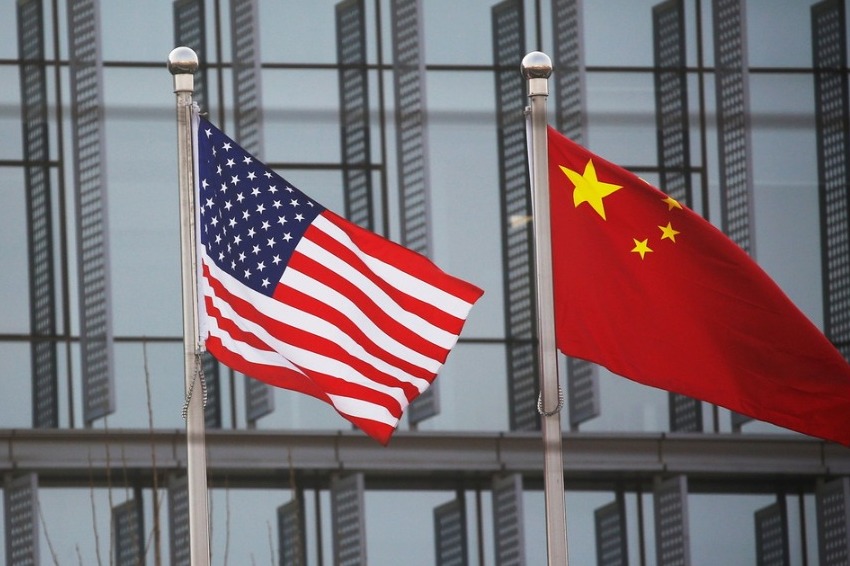
    DAVOS, Switzerland – Leading international relations experts assembled at the World Economic Forum on Wednesday identified a significant pragmatic shift in U.S.-China relations, with both global powers increasingly prioritizing practical risk management over ideological confrontation.

    During a panel titled “US and China: Where Will They Land?” prominent scholars and diplomats highlighted how recent economic tensions have driven both nations toward establishing stronger communication channels and crisis guardrails. This development follows a period of escalated trade tensions that saw the U.S. implement substantial tariffs on Chinese goods, prompting retaliatory measures from Beijing before both parties reached a temporary truce through five rounds of high-level negotiations.

    Harvard University’s Graham Allison, who originated the concept of the “Thucydides Trap” describing how rising powers can trigger conflict with established ones, cautioned against interpreting current easing tensions as a permanent resolution. “A landing point, as if we had a permanent place to land, is not likely,” Allison stated, noting that the relationship has evolved into one of “mutual deterrence” where both recognize their capacity to inflict significant harm on each other.

    Australian Ambassador to the U.S. Kevin Rudd emphasized that the central challenge lies not in seeking a final endpoint but in constructing practical mechanisms to manage strategic competition while minimizing risks of crisis, conflict, and war. He identified three critical flashpoints that will determine the global order: tariffs, technology, and Taiwan.

    University of Southern California law professor Angela Huyue Zhang expressed measured optimism for 2026, citing three stabilizing factors: Washington’s recognition that containment strategies have inadvertently accelerated China’s technological advancement, both nations’ identification of mutual vulnerabilities during last year’s trade war, and neither side having appetite for further instability.

    U.S. Senator Christopher Coons noted bipartisan support for “clear-eyed engagement” with China while acknowledging serious security tensions, particularly regarding artificial intelligence. He highlighted the pressing need for improved military communication channels to reduce misunderstanding risks.

    Chinese scholar Zhao Hai from the Chinese Academy of Social Sciences challenged the prevailing “tech war” narrative, arguing that AI represents a shared challenge requiring bilateral regulation rather than containment. He advocated for formal, multilevel mechanisms to regulate U.S.-China ties, emphasizing that continuous dialogue between leaders remains crucial for maintaining bilateral stability.

  • Vietnam’s leader returns to power with bold promises. Can he deliver?

    Vietnam’s leader returns to power with bold promises. Can he deliver?

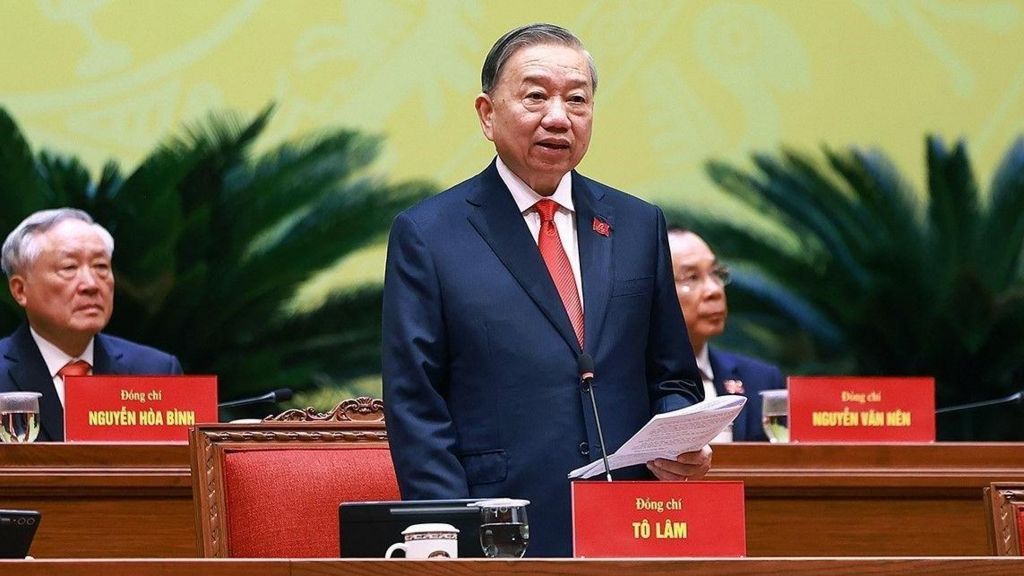
    HANOI – Vietnam’s political landscape has entered a definitive new chapter following the conclusion of the Communist Party Congress, which reconfirmed To Lam as General Secretary for a second five-year term. The assembly of nearly 1,600 delegates concluded ahead of schedule on Friday, a move interpreted by observers as either indicating strong consensus or effectively subdued opposition to Lam’s increasingly centralized authority.

    Professor Edmund Malesky of Duke University characterized the development as “the strongest concentration of power in one individual that I’ve seen since 1991,” highlighting the unprecedented nature of Lam’s political control.

    Since assuming leadership 18 months ago following the death of his predecessor Nguyen Phu Trong, Lam has orchestrated a remarkable pivot from his previous role as head of Vietnam’s powerful Ministry of Public Security, where he led extensive anti-corruption campaigns. Upon reaching the apex of power, he unveiled sweeping economic reforms described as the most ambitious in four decades.

    The cornerstone of Lam’s vision emerged through Resolution 68, ratified by the Politburo in May last year, which officially designated the private sector as “the most important driving force of the national economy.” This marked a significant ideological shift in officially socialist Vietnam, where state-owned enterprises have traditionally been celebrated as the economy’s foundation.

    The resolution established breathtaking targets: double-digit annual growth, doubling private businesses by 2030, and transforming Vietnam into an upper-income, knowledge-based economy by 2045 – the centenary of independence from French colonial rule. Central to this strategy is cultivating “leading cranes” – privately-owned national champions capable of global competition.

    Currently, Vietnam’s economic structure presents substantial challenges. Despite three decades of impressive growth and poverty reduction, state-owned enterprises still account for 29% of GDP through 671 entities that enjoy preferential access to licenses, funding, and resources. Meanwhile, most private companies remain small-scale, with only 2% employing over 200 people.

    The reform agenda faces complications from recent political developments. Resolution 79, passed earlier this month, seemingly walked back private sector prioritization by declaring state-owned enterprises could also serve as “leading geese” and setting ambitious targets for their regional dominance.

    Vietnam’s economic model faces external challenges as well. The country’s export-dependent manufacturing economy, particularly vulnerable to U.S. tariff policies under the Trump administration, relies heavily on foreign investment, technology, and markets. Lam himself acknowledged this vulnerability in January last year, questioning Vietnam’s position at the “lowest end of the value chain.”

    The development of national champions illustrates both promise and pitfalls. While technology firm FPT has achieved international contracts with companies like Airbus, conglomerate Vingroup exemplifies the challenges of global expansion. Despite dominating Vietnam’s domestic market through extensive political connections, its Vinfast electric vehicle subsidiary has struggled internationally, reportedly losing approximately $11 billion since 2021 while failing to gain traction in U.S. and European markets.

    Nguyen Khac Giang of the ISEAS–Yusof Ishak Institute in Singapore warned: “The main challenge remains unchanged: how to create globally competitive firms without spawning politically-connected rent-seekers. To Lam’s approach risks replacing one form of rent-seeking with another.”

    As Lam consolidates power, his administration must navigate fraught international relations while addressing fundamental structural economic challenges. Vietnam’s renowned “bamboo diplomacy” – maintaining friendships with all and enmity with none – faces severe tests in the emerging Trump II era, particularly given the country’s exceptional reliance on U.S. market access.

  • Ten photos from across China: Jan 16 – 22

    Ten photos from across China: Jan 16 – 22

    A captivating visual chronicle from January 16-22, 2026, reveals China’s diverse cultural landscape through ten striking photographs published by China Daily. The collection showcases remarkable human experiences across the nation’s distinctive seasonal settings.

    The series highlights an extraordinary culinary innovation at Harbin’s Ice and Snow World in Heilongjiang province, where adventurous diners embraced a unique gastronomic experience within a snow-themed hotpot restaurant. This architectural marvel features an impressive two-story snow castle containing ten individual snow rooms, complete with dining tables meticulously carved from ice. The venue masterfully blends contrasting elements, creating a memorable atmosphere where the chill of the surroundings harmonizes with the warmth of traditional hotpot dining, offering patrons an exceptionally romantic ambience.

    Beyond this frozen culinary adventure, the photographic essay captures additional facets of contemporary Chinese life, presenting a multifaceted portrait of society during the winter season. Each image tells a distinct story of cultural practices, recreational activities, and social interactions that characterize the nation’s diverse regions. The collection serves as both artistic expression and documentary evidence of how communities adapt to and celebrate seasonal changes while maintaining rich cultural traditions.

    The visual narrative extends beyond mere documentation, offering insights into regional characteristics and the creative ways in which Chinese citizens engage with their environment. From urban centers to rural landscapes, the photographs present a cohesive story of a nation embracing winter’s challenges while transforming them into opportunities for community engagement and cultural expression.

  • Gold and tech stocks surge to lift ASX despite widespread market falls

    Gold and tech stocks surge to lift ASX despite widespread market falls

    The Australian Securities Exchange (ASX) registered modest gains on Friday, propelled by a powerful surge in gold mining stocks and a robust rebound in technology shares, effectively counterbalancing significant declines within the banking sector. The benchmark S&P/ASX 200 index advanced by 11.40 points, or 0.13 percent, concluding the session at 8,860.10. The broader All Ordinaries index demonstrated a stronger performance, climbing 17.40 points, or 0.19 percent, to settle at 9,189.90.

    This upward momentum on the local bourse was partially inspired by a Wall Street recovery overnight. The shift in sentiment followed US President Donald Trump’s decision to retract threats of military intervention and tariffs concerning Greenland, coupled with an encouraging upward revision of US third-quarter GDP growth to an annualized rate of 4.4 percent. Concurrently, the Australian dollar sustained its rally, appreciating to a fresh 15-month peak of 68.48 US cents.

    Market activity revealed a sectoral divergence. Only three out of the eleven primary sectors finished the trading day positively. The information technology sector emerged as a standout performer, spearheaded by an extraordinary rally in Life360 Inc. The family safety application developer witnessed its stock price skyrocket by 27.37 percent to $33.79, following an announcement of a projected 32 percent year-on-year revenue increase for fiscal 2025, estimated between $US486 million and $US489 million. Other tech giants also contributed significantly, with Xero Ltd. ascending 3.54 percent to $101.22 and TechnologyOne Ltd. gaining 2.76 percent to close at $27.18.

    The resources sector provided substantial buoyancy, primarily fueled by record-breaking gold prices which momentarily touched approximately $US4,965 per ounce. Leading gold producers recorded impressive gains: Northern Star Resources surged 5.42 percent to $27.60, Evolution Mining rallied 5.32 percent to $14.86, and Regis Resources led the pack with a formidable 10.16 percent climb to $8.35. According to AMP Chief Economist Shane Oliver, this historic gold rally is underpinned by concerns over U.S. Federal Reserve independence and escalating geopolitical tensions, driving investor demand for a reliable inflation and risk hedge.

    However, these gains were substantially offset by pronounced weakness in the financial sector. The ‘big four’ banks all closed in negative territory: Commonwealth Bank of Australia (CBA) receded 0.75 percent to $149.48, Westpac dropped 0.44 percent to $38.74, National Australia Bank (NAB) edged down 0.19 percent to $42.35, and ANZ Banking Group declined 0.52 percent to $36.21.

    Other notable movers included Guzman y Gomez, whose shares jumped 3.83 percent to $23.30 after the fast-food chain publicized a new multi-year exclusive delivery partnership with Uber Eats in Australia. In contrast, Capstone Copper shares fell 3.36 percent to $14.95 following operational updates at its Mantoverde site, where a workers’ strike is underway. Defence contractor DroneShield Ltd. was the session’s most significant laggard, slumping 5.50 percent to $4.47 without any accompanying corporate announcement.

  • US, China once had rare-earth aces in the hole but the US folded

    US, China once had rare-earth aces in the hole but the US folded

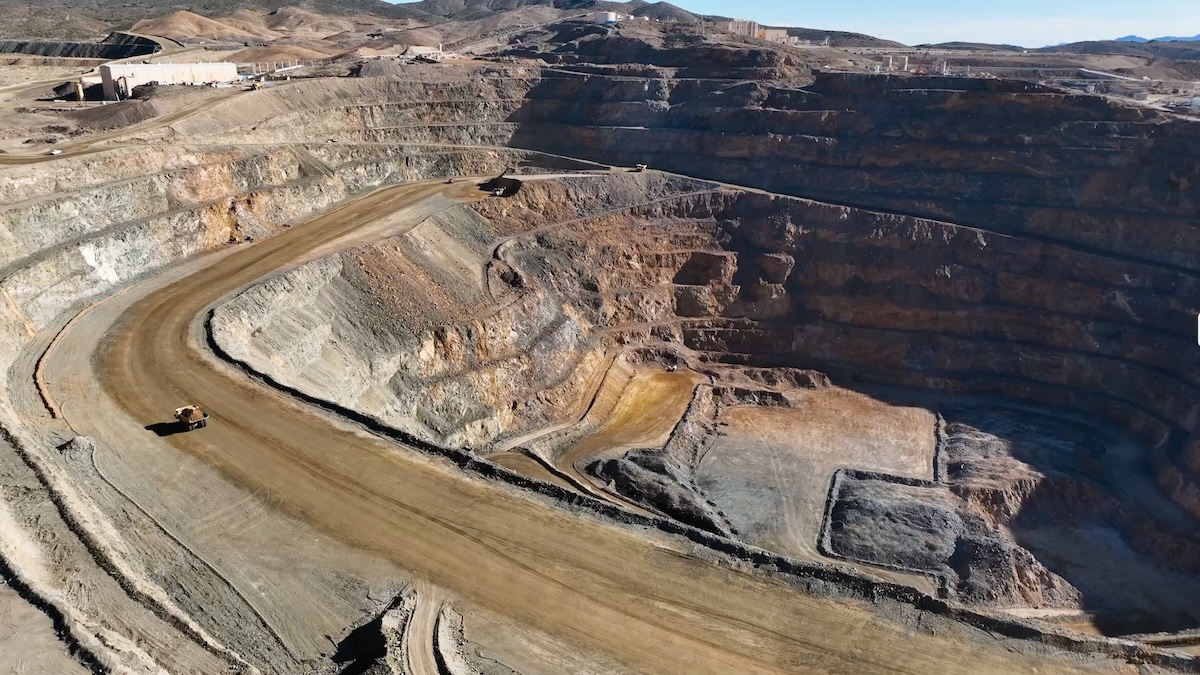
    In 1992, during a visit to Baotou’s rare earth mines in Inner Mongolia, Deng Xiaoping made a prophetic declaration: ‘The Middle East has oil. China has rare earths.’ This statement, initially overlooked by the international community, would ultimately foreshadow China’s ascent as the undisputed global leader in critical mineral resources that underpin modern technology.

    Rare earth elements—17 metallic components from the periodic table—form the fundamental building blocks of contemporary technological advancement. These minerals enable functionality in smartphones, electric vehicles, wind turbines, military drones, and sophisticated aerospace systems including the F-35 fighter jet. Despite their name, these elements are relatively abundant in nature but occur in dispersed formations that require complex, environmentally challenging extraction processes.

    While the United States led global rare earth production throughout the 1980s, Western nations gradually offshored mining operations to China, attracted by lower environmental standards and reduced labor costs. Regulatory changes by the Nuclear Regulatory Commission and International Atomic Energy Agency further accelerated this transition by classifying rare earths as ‘source material,’ dramatically increasing compliance costs for domestic operations.

    China capitalized on this strategic opportunity, investing heavily in developing a comprehensive rare earth ecosystem despite environmental consequences. By 2024, China controlled 44 million metric tons of reserves (the world’s largest), 70% of global mining production, 85% of refining capacity, and 98% of processing capabilities. The nation further solidified its dominance through intellectual property control, holding 80% of rare earth patents while establishing 39 university programs specializing in rare earth studies and seven institutions focused exclusively on processing technologies.

    This strategic positioning granted China significant geopolitical leverage during the 2025 trade war. When the White House imposed 145% tariffs on Chinese goods, Beijing responded with export controls on seven critical rare earth types and magnets. Although representing a small percentage of overall exports, these materials proved essential to American defense manufacturing and technological innovation.

    A RAND Corporation study revealed that a 90-day supply disruption could halt production at 78% of U.S. defense contractors. This vulnerability extends beyond military applications to next-generation computing, robotics, medical devices, and quantum hardware—effectively giving China a ‘kill switch’ over American technological advancement.

    The United States now faces a monumental challenge in rebuilding its rare earth infrastructure. Estimates suggest requiring a decade and $10-15 billion to establish a self-sufficient supply chain. Even with successful mineral discovery in locations like Greenland’s Kanana region (containing rich deposits of dysprosium and terbium), developing complete extraction, refining, and application ecosystems remains extraordinarily complex.

    China’s four-decade investment has enabled unprecedented purity standards advancement from 98% to 99.9999%—a critical factor in cutting-edge technology applications. As the global economy transitions toward AI and automation, rare earth elements have supplanted oil as the fundamental resource shaping geopolitical power structures, with China positioned as the dominant force controlling innovation pace through supply chain management.

  • Icebreakers, the key tech to unlock Greenland, are only made by either US allies or adversaries

    Icebreakers, the key tech to unlock Greenland, are only made by either US allies or adversaries

    The United States’ strategic ambitions in Greenland and the broader Arctic region face a formidable natural barrier: immense ice formations that choke harbors, entomb mineral resources, and transform shorelines into navigational minefields year-round. This challenging environment necessitates specialized icebreaking vessels with reinforced hulls and powerful engines capable of cleaving through frozen seas.

    Despite former President Donald Trump’s expressed interest in securing Greenland for both security and economic reasons—including countering Russian and Chinese influence and accessing rare earth minerals—the U.S. possesses only three functional icebreakers, with one nearly inoperable. This deficiency creates a significant operational gap, leaving the nation unable to reliably access Arctic territories for extended periods.

    Icebreaker construction requires highly specialized expertise predominantly found in northern nations with Arctic experience. Finland has designed approximately 60% of the world’s fleet of over 240 icebreakers and built the same percentage, while Russia maintains the largest fleet with about 100 vessels, including nuclear-powered ships. Canada ranks second and plans to double its fleet to approximately 50 icebreakers.

    The U.S. has entered agreements through the Ice PACT with Finland and Canada to obtain 11 new icebreakers. Four will be constructed in Finnish shipyards, while seven will be built in U.S. facilities under Canadian ownership and utilizing Finnish designs. This international cooperation highlights America’s current dependence on allied nations for Arctic capabilities.

    European Commission President Ursula von der Leyen emphasized this technological interdependence at the World Economic Forum, noting that Finland’s sale of icebreakers to the U.S. demonstrates European Arctic readiness. She stressed that Arctic security ultimately requires multinational cooperation, a sentiment echoed by Danish leadership which conditionally supports increased U.S. involvement provided territorial integrity is respected.

    Even with adequate icebreaking capability, establishing mining operations or defensive installations like the proposed $175 billion Golden Dome missile defense network would entail enormous costs and technical challenges in Greenland’s extreme environment, with investments potentially requiring decades to yield returns.

  • Chinese Coast Guard says 8 missing and 13 rescued after boat capsizes near disputed shoal

    Chinese Coast Guard says 8 missing and 13 rescued after boat capsizes near disputed shoal

    Chinese maritime authorities reported a significant search and rescue operation in the South China Sea on Friday after a vessel carrying Filipino nationals capsized in highly contested waters. According to an official statement from China’s Coast Guard, the incident occurred approximately 55 nautical miles northwest of Scarborough Shoal, a region known for its geopolitical tensions.

    The maritime accident left eight individuals missing while emergency responders successfully rescued thirteen people from the water. Rescue operations continued throughout the day as multiple vessels participated in the search effort.

    The location of the capsizing represents one of the most politically sensitive areas in the South China Sea, where territorial claims overlap between multiple nations. China, the Philippines, Vietnam, Malaysia, Brunei, and Taiwan all maintain competing sovereignty claims over Scarborough Shoal and surrounding waters.

    This incident occurs against a backdrop of increasing maritime confrontations in the region. Just two months prior, in August, a Chinese naval vessel accidentally collided with a Chinese Coast Guard ship during operations to block a Philippine Coast Guard vessel near the same shoal. The frequency of such encounters has raised concerns among international observers about potential escalation in the strategically vital waterway.