
The global fashion community converged upon Rome to pay final respects to the legendary Italian couturier Valentino Garavani, who passed away at 93. The solemn funeral service, held in the Italian capital, became a gathering of international luminaries from the worlds of fashion, film, and celebrity culture. Among the distinguished mourners were actress and model Elizabeth Hurley and Vogue’s editorial director Anna Wintour, both emblematic figures whose careers intersected with Valentino’s enduring influence on haute couture. The ceremony reflected the designer’s monumental impact on fashion, drawing both industry insiders and public admirers who gathered to commemorate his life’s work. Valentino’s death marks the conclusion of an extraordinary 70-year career that redefined elegance and established an unmistakable aesthetic of sophistication and luxury. His legacy includes dressing generations of royalty, Hollywood stars, and style icons, cementing his status as one of fashion’s most transformative figures. The gathering in Rome represented not just a farewell to an individual designer, but the closing of a significant chapter in fashion history.
博客
-
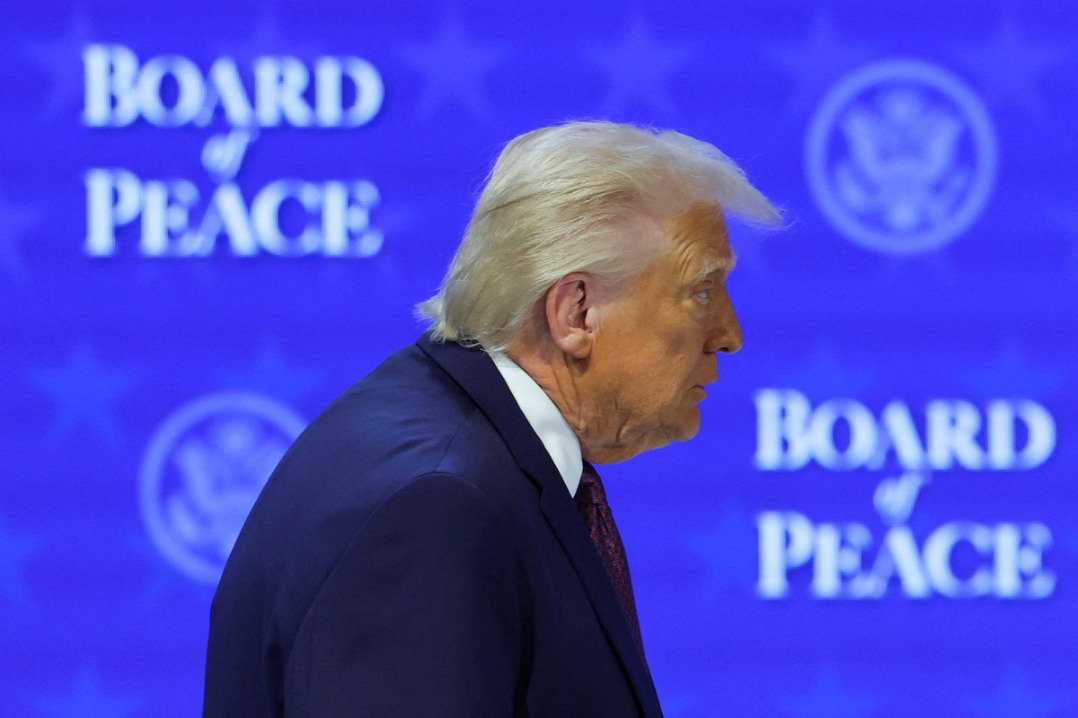
US ‘America First’ reshapes transatlantic ties
DAVOS, Switzerland – President Donald Trump’s appearance at the World Economic Forum has underscored a fundamental realignment of international relationships driven by his ‘America First’ doctrine. The inauguration of his Board of Peace initiative, focused initially on Gaza reconstruction, drew participation from fewer than 20 nations, with conspicuous absences from traditional allies including France, the United Kingdom, and Israel.
The diplomatic developments occurred alongside Trump’s announcement of a framework agreement with NATO concerning Greenland, further illustrating how domestic political priorities are recalibrating longstanding transatlantic partnerships. This strategic pivot has created unexpected opportunities for expanded international cooperation, particularly with China.
Policy experts from prominent think tanks have analyzed the profound implications of these shifts. Matthew Kroenig of the Atlantic Council warned that Trump’s confrontational approach has ‘destroyed much of the domestic political space in Europe’ for those advocating accommodation with the United States, potentially causing enduring damage to transatlantic relations.
Chatham House analysts examining the Greenland situation emphasized that European nations must accelerate ‘strategic autonomy to stop a hemorrhage of sovereignty,’ suggesting the Anti-Coercion Instrument could emerge as a significant tool in this new geopolitical landscape.
Forum participants noted China’s increasingly central role amid these transformations. Kimberley Botwright of the WEF highlighted China’s ‘systemic relevance’ in global value chains and clean technology sectors, observing that Chinese perspectives on shared priorities are receiving substantial international attention.
Academic Tom Harper from the University of East London characterized China as a ‘stabilizing force’ during this period of American institutional withdrawal, advocating for strengthened European-Chinese relations. WEF Managing Director Gim Huay Neo pointed to China’s 5% economic growth and its 15th Five-Year Plan as generators of ‘new opportunities for global businesses and cooperation.’
Chinese Vice-Premier He Lifeng reiterated China’s commitment to World Trade Organization reforms that enhance inclusivity for Global South nations, while cautioning against ‘rising unilateralism and protectionism’ in international affairs.
-

Malawi rolls out cholera vaccines as rains and floods raise the threat of deadly outbreaks
BLANTYRE, Malawi — Facing a mounting public health emergency, Malawi has initiated an urgent cholera vaccination campaign targeting high-risk communities following devastating floods that have contaminated water sources across the southern African region.
The three-day immunization drive, concluding Friday, focused on densely populated areas including Chilomoni township in Blantyre, where at least 17 confirmed cholera cases and one death have been reported in recent weeks. Health authorities warn of a concerning national uptick in infections linked to contaminated water sources.
Dr. Gift Kawalazira, Blantyre District Health Office director, identified the Muluda stream—polluted with human and animal waste—as a primary transmission source. Impoverished residents who cannot afford clean water (priced at 5 cents per 20 liters) frequently use the contaminated waterway for drinking, cooking, and washing.
Malawi aims to distribute 24,000 oral vaccines initially, targeting vulnerable populations first. This effort comes against the backdrop of Africa’s worst cholera toll in 25 years, with cases exceeding 300,000 in 2022 according to Africa CDC data.
The current crisis has been exacerbated by unusually heavy seasonal rains that have caused severe flooding across southern Africa, particularly impacting Mozambique where over 500,000 people face compromised access to safe water and food. UNICEF has warned of “a lethal combination” of waterborne diseases and malnutrition in flood-affected regions.
Globally, cholera vaccine stocks reached critically low levels in 2022 due to overwhelming demand and limited production capacity. This shortage particularly affected developing nations like Malawi, where a recent major outbreak claimed nearly 2,000 lives.
In response to recurring cholera threats, African nations are pursuing vaccine self-sufficiency. A South African pharmaceutical company began trials in November for what could become the continent’s first domestically produced cholera vaccine.
While health workers emphasize community cooperation as crucial to outbreak containment, residents like Noel Kanjere argue for sustained preventive education alongside emergency response measures.
-
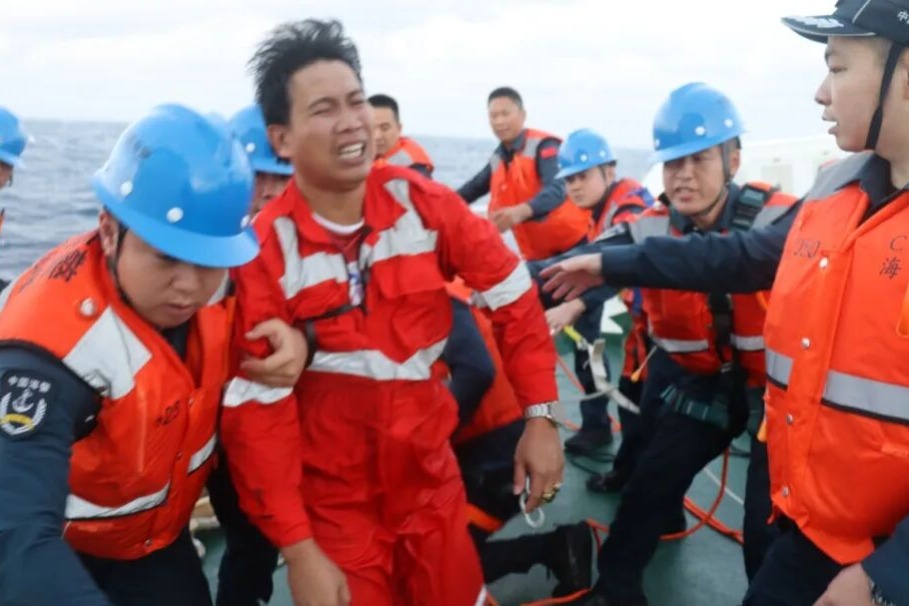
China Coast Guard rescues 13 Filipino sailors in the South China Sea
In a demonstration of maritime cooperation, China Coast Guard personnel conducted a successful rescue operation early Friday morning, saving all 13 Filipino crew members from a capsized cargo vessel in the South China Sea waters.
The emergency response was initiated following distress signals received from the Philippine-flagged commercial ship that encountered severe weather conditions approximately 120 nautical miles from the nearest coastline. Chinese maritime authorities immediately deployed rescue vessels and aircraft to coordinate the complex operation amid challenging sea states.
According to official statements released by China’s maritime safety administration, the rescue team reached the incident location within three hours of receiving the initial alert. Using advanced search-and-rescue equipment and employing specialized maritime rescue protocols, all 13 sailors were safely extracted from the water without serious injuries reported.
Medical personnel provided immediate first aid and thorough health assessments aboard the rescue vessels before transferring the Filipino mariners to proper medical facilities on Hainan Island for further observation. Philippine diplomatic representatives have been notified and are coordinating with Chinese authorities regarding the repatriation process.
This incident marks another instance of regional maritime cooperation in emergency situations, highlighting the importance of international maritime safety protocols and joint rescue capabilities in strategically significant waterways. Both Chinese and Philippine authorities have expressed mutual appreciation for the professional execution of the rescue operation and the preservation of human life at sea.
-
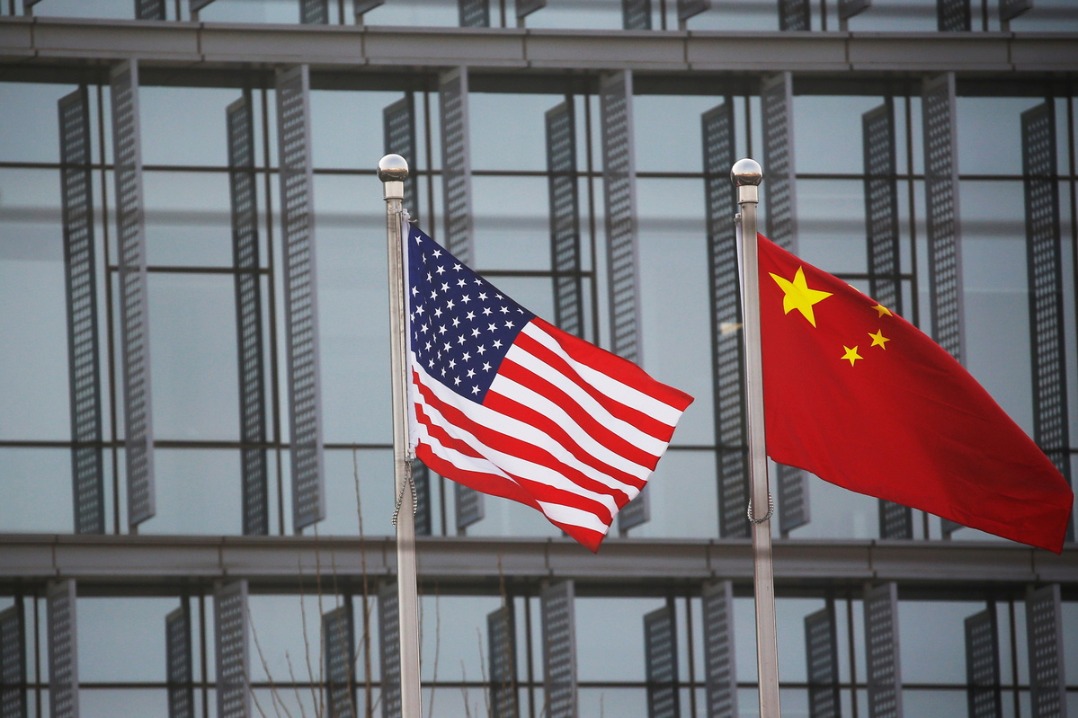
Survey finds bipartisan support for China cooperation
A comprehensive national survey has uncovered significant bipartisan support among American citizens for enhanced cooperation between the United States and China, alongside growing apprehension that escalating geopolitical tensions are adversely affecting Chinese American communities.
The groundbreaking research, jointly conducted by the Committee of 100 and the University of Chicago’s National Opinion Research Center (NORC), represents one of the most extensive independent social studies in the United States. According to Alex Chew, NORC AmeriSpeak director and head of Amplify AAPI, this third iteration of the State of Chinese Americans research provides unprecedented breadth in understanding public perception regarding issues impacting the Chinese American population.
The data reveals that 59% of Americans advocate for closer governmental collaboration between Washington and Beijing on diplomatic matters and mutually relevant policies. This position transcends political divisions, with 65% of Democrats and 63% of Republicans expressing support for strengthened bilateral cooperation.
The cooperative sentiment extends into scientific and technological domains, where only 23% of respondents supported prohibiting Chinese researchers from working at U.S. institutions. This perspective demonstrated notable partisan variation, with 16% of Democrats and 34% of Republicans endorsing such restrictions.
Sam Collitt, research lead at Committee 100 and co-author of the survey report, emphasized that these findings indicate minimal public support for policies that would strain international relations. The research was conducted amid numerous federal and state initiatives seeking to prosecute, restrict, or ban Chinese researchers from collaborating with American institutions.
The survey aligns with recent studies by Pew Research and the Chicago Council suggesting that negative attitudes toward China among the American public may have reached their zenith. However, researchers caution that it remains uncertain whether this represents a temporary fluctuation or the beginning of a sustained trend toward improved perceptions.
Historical context provided by University of Maryland Professor Madeline Hsu suggests that Americans often overlook China’s historical position as an elite civilization and economic powerhouse prior to 1800, before its decline under Western imperial exploitation. This historical amnesia, according to Hsu, complicates America’s ability to contextualize China’s reemergence as a global power as a restoration rather than an unprecedented development.
The human cost of bilateral tensions was highlighted through examples including the China Initiatives program, which resulted in numerous Chinese American scientists facing false espionage allegations. The tragic case of Northwestern University’s Dr. Jane Wu, who committed suicide after being abruptly accused of wrongdoing and stripped of her position, exemplifies the devastating personal consequences that can result from sweeping geopolitical measures.
-
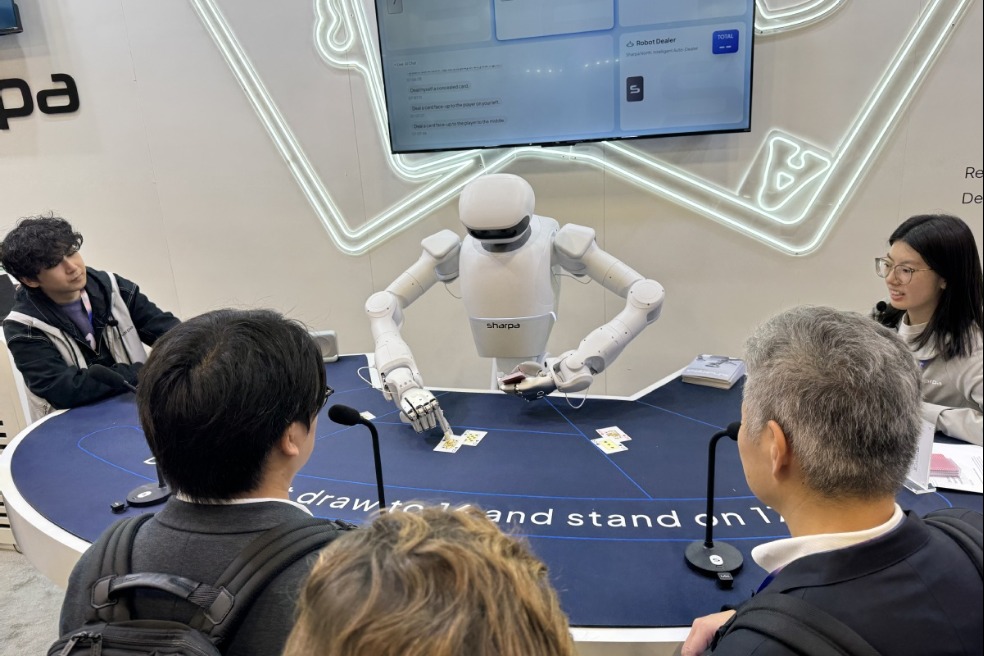
CES 2026: a new era of global innovation
Las Vegas witnessed the culmination of CES 2026 on January 9, establishing the event as the largest post-pandemic gathering in the technology calendar. With over 148,000 participants from 150+ countries, including 4,100 exhibitors and 1,200 startups, the conference demonstrated a pivotal evolution from theoretical concepts to practical implementation of cutting-edge technologies.
The exhibition highlighted the maturation of artificial intelligence into tangible, ecosystem-level applications alongside sustainability innovations and intelligent devices. Gary Shapiro, Executive Chair and CEO of the Consumer Technology Association, emphasized these technologies would “define the next decade of economic growth and competitiveness.”
Chinese technology firms emerged as dominant forces across multiple sectors including intelligent devices, automotive technologies, next-generation displays, and AI-driven lifestyle solutions. Their presentations attracted significant international attention, reflecting not only technical prowess but increasingly localized global strategies and partnership-oriented approaches.
Analysts noted Chinese companies are demonstrating deepened commitment to long-term innovation participation rather than mere export expansion. Many highlighted R&D collaborations across North America and Europe, alongside diversified supply chain networks spanning Asia, Latin America, and the Middle East.
Despite geopolitical complexities, Chinese brands reported sustained acceptance in North American markets. Kenneth Hong, Head of Public Relations for Hisense Americas, noted: “Political narratives have minimal impact on daily business operations. Retailers and consumers prioritize product quality above geopolitical considerations.”
A defining conference theme was the transition to “physical AI” where intelligence integrates directly into machines capable of perceiving, interpreting, and acting within physical environments. Chinese robotics companies featured prominently, with Shanghai-based AgiBot demonstrating advanced humanoid platforms exhibiting real-world interaction and motion planning capabilities. CES data revealed over half of humanoid robotics exhibitors originated from China, underscoring the country’s expanding influence in embodied AI technologies.
The event featured significant cross-border collaboration dialogues, including a high-level discussion presided by Lenovo Chairman Yang Yuanqing with semiconductor leaders from Nvidia, AMD, Qualcomm, and Intel. This gathering emphasized global AI progress’s dependence on international cooperation rather than fragmentation.
Beyond commercial applications, CES 2026 addressed AI’s societal implications, particularly regarding global equity. Derrick Johnson, President of the NAACP, emphasized the need to “narrow, not widen, the gap between developing and developed countries through AI implementation.” Representatives from Ghana’s Ministry of Labour highlighted AI’s potential as an industrial upgrade catalyst and job creation mechanism in emerging economies.
Business and community leaders consistently emphasized the critical role of public policy in ensuring responsible AI deployment. Jacquelyn Puente of the US Hispanic Chamber of Commerce noted: “Without clear regulatory frameworks, AI systems cannot achieve meaningful organizational integration or deliver necessary solutions.” This sentiment was echoed by Claire Casey of the AARP Foundation, who stressed the necessity of public-private collaboration for scalable global solutions.
-
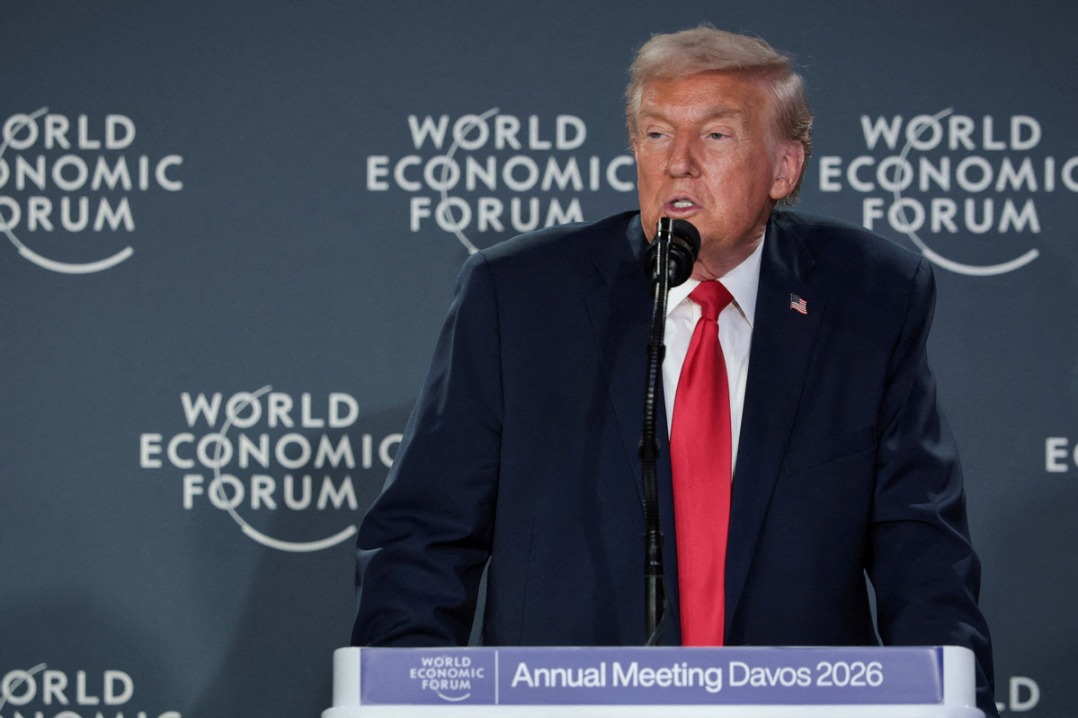
Trump pushes ‘America First’ at Davos
At the 2026 World Economic Forum in Davos, the United States delegation led by President Donald Trump delivered a stark departure from traditional globalist consensus with an uncompromising ‘America First’ agenda. The record-sized US contingent focused programming around aggressive trade protectionism, artificial intelligence dominance, and sovereign expansion ambitions.
President Trump’s 70-minute special address defended tariff policies as essential tools for national growth, claiming a 77 percent reduction in monthly trade deficits while positioning the US as the planet’s primary economic engine. The administration’s trade representative, Jamieson Greer, framed tariffs as legitimate geopolitical instruments, explicitly repudiating twenty-five years of trade policy by declaring the US market would not remain “permanently available to everyone.”
The delegation’s confrontational stance extended to artificial intelligence, where officials promoted deregulation and infrastructure ownership. Trump announced an extraordinary offer to Silicon Valley: nuclear power plant approvals within three weeks to fuel AI development. Administration officials criticized the European Union’s AI Act as “an absolute disaster” while advocating a “light-touch” regulatory approach.
Commerce Secretary Howard Lutnick explicitly declared that “globalization has failed the West and the United States of America” in both panel discussions and a Financial Times op-ed. The administration’s position emphasized economic security and sovereign control, particularly regarding Trump’s renewed pursuit of Greenland acquisition for its strategic resources and shipping lanes.
The delegation’s statements generated significant geopolitical concern, with experts warning that the administration’s denial strategy risks further fragmenting the international system and eroding consensus on global rules and norms. The proceedings highlighted a fundamental shift in how the United States engages with multilateral institutions and international partners.
-
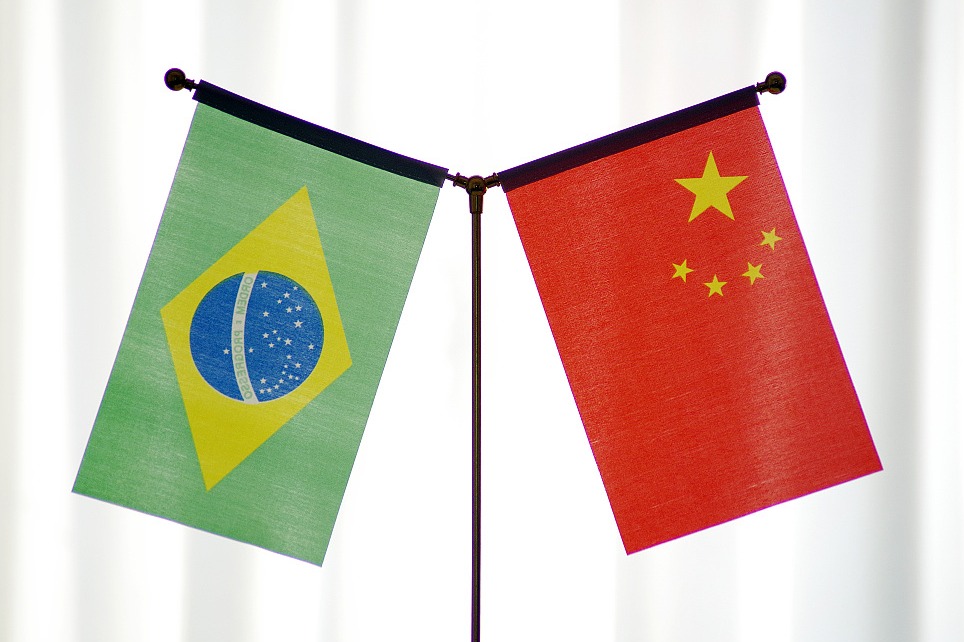
Xi holds phone talks with Lula
In a significant diplomatic engagement, Chinese President Xi Jinping and Brazilian President Luiz Inácio Lula da Silva conducted comprehensive phone talks on Friday, reinforcing the strategic partnership between their nations. President Xi emphasized that China’s commitment to high-quality development through extensive opening-up policies would generate substantial cooperative opportunities for both countries.
During their conversation, President Xi highlighted the crucial role China and Brazil play as constructive forces in maintaining global peace and enhancing international governance systems. He urged both nations to align with historical trends and strengthen their collaboration in safeguarding the collective interests of the Global South.
The leaders affirmed their joint commitment to preserving the United Nations’ central role in global affairs and promoting international fairness and justice. This dialogue occurs amid growing South-South cooperation and increasing coordination between major emerging economies on the world stage. The discussion covered broad aspects of bilateral relations, with both leaders expressing satisfaction with the current trajectory of Sino-Brazilian cooperation across trade, investment, and strategic areas.
The phone conversation represents the continuation of longstanding diplomatic exchanges between the two BRICS nations, underscoring their mutual dedication to multipolar world order and sustainable development principles.
-

Chinese mainland reaches 5.32m invention patents, trademarks close to 50m
China has solidified its position as a global innovation leader with intellectual property holdings reaching unprecedented levels by the end of 2025. According to the China National Intellectual Property Administration, the mainland now holds 5.32 million valid invention patents, representing one of the world’s largest portfolios of protected intellectual innovations.
The administration’s year-end report revealed remarkable progress across multiple metrics. Throughout 2025, Chinese authorities granted 972,000 new invention patents while significantly streamlining application processing times to just 15 months. This efficiency improvement demonstrates China’s commitment to fostering an innovation-friendly regulatory environment.
Per capita measurements further underscore the nation’s technological advancement. The average ownership of high-value invention patents reached 16 patents per 10,000 people, indicating widespread innovation activity across Chinese society.
The trademark landscape similarly experienced explosive growth, with over 4.2 million trademarks registered in 2025 alone. The cumulative total of effectively registered trademarks approached the 50 million milestone, reaching 49.87 million by year’s end.
China’s brand value achievement places the nation firmly among global leaders. With Chinese brands accounting for $1.81 trillion in value among the world’s top 5,000 brands, China now ranks second globally in brand valuation, reflecting the international market’s recognition of Chinese products and services.
These developments occur amid China’s broader push toward technological self-reliance and innovation-driven growth, positioning intellectual property rights as a cornerstone of the nation’s economic strategy.
-
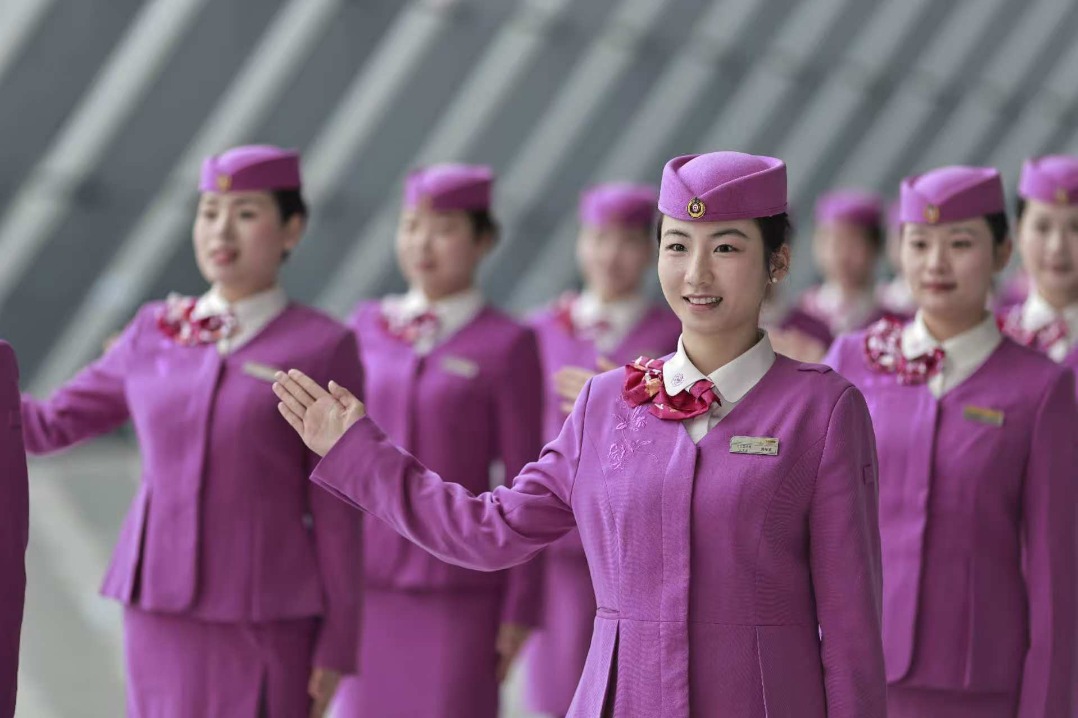
Chongqing railway attendants undergo training ahead of travel rush
In preparation for the massive passenger influx expected during the 2026 Spring Festival travel period, railway attendants from the Chongqing Passenger Transport Section have commenced comprehensive professional training programs. These intensive sessions, organized by China Railway Chengdu Group, focus on elevating service standards through refined etiquette protocols and enhanced passenger interaction techniques.
The training curriculum encompasses multiple dimensions of customer service excellence, including standardized communication procedures, emergency response protocols, and cultural sensitivity awareness. Participants engage in practical simulations replicating high-pressure scenarios commonly encountered during peak travel seasons, ensuring readiness for the anticipated surge in passenger volume.
Visual documentation from the January 22nd training session reveals attendants practicing precise movement coordination, formal greeting ceremonies, and efficient baggage assistance techniques. The program emphasizes both technical proficiency and emotional intelligence development, recognizing that quality service during China’s largest annual human migration event requires exceptional interpersonal skills alongside operational expertise.
Railway authorities indicate this preparatory initiative reflects China’s ongoing modernization of transportation services, particularly crucial for the Chongqing hub which serves as critical infrastructure connecting southwestern China. With Spring Festival travel representing both operational challenge and cultural tradition, these training measures aim to transform necessary transportation into comfortable travel experiences for millions of journeying citizens.