On a recent Friday, Pakistan’s Ministry of Foreign Affairs formally confirmed that it has completed its domestic ratification of the landmark Mecca Joint Defence Agreement, a trilateral security pact first signed on August 7 in the Saudi holy city of Mecca by Pakistani Prime Minister Shehbaz Sharif, Turkish President Recep Tayyip Erdogan, and Saudi Arabia’s Crown Prince Mohammed bin Salman.
Foreign Office spokesperson Sajjad Haider Khan, speaking in an official transcript released by the diplomatic body, noted that ongoing consultations between the three signatory nations cover all facets of the pact, from formal ratification proceedings to eventual operational deployment. At present, Turkey is still in the final stages of its internal legislative approval process, meaning the full tripartite ratification prerequisite for activating the accord has not yet been met.
The core framework of the agreement enshrines collective defence obligations: should any of the three member states face an external armed incursion, the other two parties will extend tailored support calibrated to the specific contextual circumstances of the attack. Progress toward implementing these commitments accelerated following a high-level gathering of the three nations’ Strategic Political and Defence Committee held on October 5, where attendees explicitly called for the activation of collective defence pledges and the expedited deployment of military assets and personnel to Saudi Arabia, with all actions bound to comply with each participating country’s domestic legal frameworks. Pakistani officials have repeatedly emphasized that the accord is strictly defensive in nature and fully aligned with the core principles of the United Nations Charter.
This diplomatic milestone unfolds against a backdrop of spiralling regional security volatility, stoked by sustained cross-border missile and drone assaults on Saudi territory launched by Yemen’s Houthi movement. Just days prior to Pakistan’s ratification announcement, Saudi Arabia’s General Directorate of Civil Defence issued public safety alerts for multiple southwestern regions of the kingdom, including populated hubs Abha and Khamis Mushait, urging residents to adhere to official safety guidance, avoid public gatherings, and refrain from capturing footage of restricted zones. Officials did not publicly specify the exact nature of the perceived threat, but later confirmed the elevated risk period had passed. A Reuters report dated October 21 previously noted that Saudi Arabia’s international partners had largely been providing defensive support to shield critical national infrastructure amid the Houthi threat.
Compounding regional anxieties are widespread reports that U.S. and Israeli authorities are actively evaluating the possibility of renewed targeted military strikes against Iran, nearly eight months after the onset of open hostilities between Tehran and the two nations. Former U.S. President Donald Trump publicly stated on the same Friday of Pakistan’s ratification announcement that Washington was weighing the launch of a fresh military operation against Iran. A recent exclusive report from The Business Times, citing anonymous U.S. government sources, revealed that U.S. and Israeli military planners have already finalized detailed strike blueprints that could be executed shortly after the November 3 U.S. midterm elections, with potential targets spanning Iranian energy facilities, nuclear sites, and long-range missile and drone production infrastructure.
Parallel to these diplomatic and military developments, the Israel Defence Forces announced plans for large-scale, two-day military exercises across the nation’s northern and central territories scheduled for the following Sunday and Monday. The drills, which will mobilize the Israeli Air Force alongside units from the IDF’s Northern and Central Commands, are designed to simulate response scenarios for surprise aerial and ground incursions, test the military’s multi-front defence readiness, and ensure operational preparedness for any unplanned escalation along Israel’s national borders.
博客
-
Pakistan ratifies Mecca pact as Saudi Arabia faces attacks and Israel holds military drills
-

From Chelsea reject to Watkins ‘upgrade’ – Jackson makes fast Villa start
On a pivotal Premier League Saturday, 25-year-old Senegal international striker Nicolas Jackson delivered a masterclass two-goal performance to hand Aston Villa a landmark victory over reigning champions Manchester City, shattering City’s perfect winning record to open the new season. The heroics capped a blistering early run of form for the summer signing, who arrived at Villa Park in a £65 million maximum-value transfer from Chelsea as the direct, high-stakes replacement for long-serving fan favorite Ollie Watkins, who departed for Saudi Pro League side Al-Hilal in August after a six-year tenure that saw him notch 91 Premier League goals in 221 appearances, never failing to hit double-digit league tallies in any of his Villa campaigns.
Jackson’s immediate impact has exceeded even the most optimistic projections from Villa’s hierarchy: across his first 11 appearances for the claret and blue side, he has notched 7 total goals, with 6 coming in his last 6 outings. His red-hot form has not only steadied Villa after a tentative opening stretch of the domestic season, but also fueled the club’s flawless 100% winning start to their Champions League group stage campaign. The striker, who previously spent two full seasons at Chelsea and a loan spell at German powerhouse Bayern Munich before his Villa move, has posted dramatic statistical improvements compared to his Stamford Bridge tenure. At Chelsea, he averaged a goal every 210 minutes across 65 Premier League appearances, with a 15% shot conversion rate, and was frequently criticized for wasting high-quality scoring chances. By contrast, through his first seven Premier League matches for Villa, he is scoring once every 138 minutes, boasts a 21% shot conversion rate, and has outperformed his expected goals tally by exactly two goals, a mark of far sharper finishing. Both of Villa’s shots on target against Manchester City came off Jackson’s right foot, and both found the back of the net.
The victory landed on the fourth exact anniversary of Unai Emery’s appointment as Aston Villa’s head coach, a tenure that has already transformed the club from a mid-table Premier League side into a consistent top-flight contender, regular Champions League participant, and Europa League winner that ended a 30-year major trophy drought. Jackson’s pre-existing working relationship with Emery dates back to their shared time at Spanish side Villarreal, where the forward developed his game before Chelsea signed him for £35 million in 2023, a familiarity that club legends and analysts say has accelerated his adaptation to the Villa system dramatically.
Former Villa and England defender Martin Keown hailed the striker as a transformative upgrade, noting, “I’ve liked him all season. I think he’s key to Villa’s success. I think he’s an upgrade on Ollie Watkins, I really do. Ollie was magnificent for them, but this guy is more of a predator in and around the penalty area. Pace will always trouble top defenders and he’s got it in abundance. Having worked with the manager before at Villarreal, he’s sort of fast-tracking his quick development. He looks like a really good piece of business right now. The team suffered and you need a striker who can give you belief you can win games when suffering and this guy is a special talent. With a talent like that you can go a long way.”
Speaking to BBC Match of the Day after the Man City win, Jackson said, “The players, the manager, the team – everything is incredible. I’m very happy that I’m here and hopefully we can do amazing things together.” Emery echoed that praise, noting, “I knew him at Villarreal and he started playing the level he is now. I know his capacity to exploit his qualities and I know, as well, his humility. The mentality is coming through – how focused he is in life and professional career.” Former Scotland international and WSL Aston Villa alum Rachel Corsie highlighted Emery’s famously obsessive, detail-oriented management style as a core driver behind the club’s track record of elevating incoming players, noting his near-constant presence at the training ground to refine individual player skills and tactical execution. Jackson added in comments to TNT Sports, “It’s not easy to settle at a new club but easier because of the coach and the players. It’s an incredible dressing room with an incredible manager. I’m very happy to be here and hopefully I will score many goals.” If his current trajectory holds, the £65 million transfer fee will rapidly be regarded as one of the shrewdest striker signings in recent Premier League history.
-

Six Flags adding seat belts to Goliath rollercoaster following death
Following a deadly ejection incident on the Goliath rollercoaster at Six Flags Over Georgia earlier this month, North America’s largest regional theme park operator has unveiled sweeping cross-park safety upgrades, including the installation of supplementary seat belts on dozens of high-intensity rides that were previously only equipped with lap bar restraint systems.
In a public letter addressed to park guests released late Friday, Six Flags CEO John Reilly confirmed the immediate rollout of new safety protocols across the company’s 34 North American locations, which collectively operate more than 220 rollercoasters and welcome over 28 million annual visitors. The Goliath ride at the Georgia park, which launched in 2006 and boasts a 200-foot elevation, 170-foot near-vertical plunge, 540-degree spiral turn and top speeds of 70 miles per hour, will stay fully shuttered alongside eight additional comparable thrill rides across five separate Six Flags properties, pending full third-party safety audits as a precautionary measure.
The October 12 incident that prompted the sweeping reforms claimed the life of 42-year-old Hassan Jihad Ibn Kariem, who was ejected from the Goliath mid-ride; four other passengers sustained non-life-threatening injuries during the event, per local law enforcement reports. Witness accounts of the scene described the episode as deeply unsettling and chaotic, with many onlookers expressing shock that a ride rated level four out of five on the park’s official thrill scale could produce such a catastrophic outcome.
Reilly noted that the company has retained a team of independent, third-party ride inspection specialists and licensed civil engineers to conduct a top-to-bottom review of all operational safety procedures, restraint system functionality, and pre-ride inspection workflows across every Six Flags property, with formal progress updates to be shared publicly as the review advances. “Our hearts remain with the family and loved ones of Hassan Kariem, those injured, and everyone impacted by the tragic incident,” Reilly wrote in the customer letter. “What happened has deeply affected all of us at Six Flags, and we are fully committed to implementing every evidence-based recommendation the independent safety experts put forward to prevent similar tragedies in the future.”
The Georgia fatality is far from the first high-profile safety incident in Six Flags’ operational history: a U.S. Iraq War veteran was killed in a 2011 ejection from a rollercoaster at the company’s New York park, a woman died in 2013 after slipping out of her restraints and falling 75 feet from a Texas coaster, and in 2022 a 22-year-old man sustained a fatal brain injury after riding the X2 coaster at Six Flags Magic Mountain in California. That 2022 incident led to a wrongful death lawsuit settled by the park this August, followed by the permanent closure of the X2 ride just one month later, after more than 100 additional guests came forward to report that they had suffered brain injuries linked to the ride’s intense g-forces and high-speed maneuvers. Local law enforcement and state amusement safety regulators are still conducting an active, ongoing investigation into the exact root cause of the October 12 Goliath ejection incident. -

Vanessa Trump says she is cancer-free six months after revealing diagnosis
Vanessa Trump, ex-wife of former U.S. President Donald Trump’s eldest son Donald Trump Jr, has revealed she is fully free of breast cancer months after her public diagnosis earlier this year, sharing the uplifting update via a short, heartfelt video posted to her 19-year-old daughter Kai’s verified Instagram profile on a recent Friday. The 48-year-old mother of five, who separated from Donald Trump Jr in 2018, confirmed in the clip that her latest round of post-treatment medical screenings returned entirely clear results, marking the end of her battle with the illness. The Instagram post served as a teaser for a full-length YouTube documentary-style discussion set to premiere the following Saturday, featuring Vanessa, Kai, and renowned medical expert Dr. Nicole Saphier. The conversation will dive deep into Vanessa’s personal treatment journey, actionable breast cancer prevention strategies, and the life-saving importance of early detection, timed to align with global Breast Cancer Awareness Month observed every October. Kai Trump penned a caption for the post explaining that the special collaborative project was designed to destigmatize conversations around the disease and extend vital support to other families navigating similar diagnoses. The announcement quickly garnered widespread public attention, racking up more than 20,000 likes and hundreds of supportive comments from followers across the U.S., including public well-wishes from celebrated American singer and media personality Mary Millben. Vanessa first shared her breast cancer diagnosis publicly back in May, disclosing that she had already completed surgical intervention at that point and was working closely with her oncology care team to finalize a comprehensive long-term treatment roadmap after first receiving the unsettling news in April. Context from the American Cancer Society underscores the public health urgency of their awareness effort: data shows the average lifetime risk of a woman in the United States developing breast cancer sits at roughly 13%, or 1 in 8, making the condition responsible for 30% of all new cancer diagnoses recorded in women each year. While surgical intervention successfully eradicates the majority of breast cancer cases, residual traces of the disease can be targeted with supplementary treatments including chemotherapy, radiotherapy, and endocrine therapy to drastically reduce the risk of long-term recurrence. Medical innovation in the space has accelerated rapidly in recent years, with new breakthroughs including highly targeted therapies for early-stage breast cancer, next-generation hormonal treatments, and far more precise, less invasive radiotherapy protocols transforming patient outcomes. The public update comes roughly a year after Vanessa Trump made headlines for confirming her new romantic relationship with legendary professional U.S. golfer Tiger Woods.
-
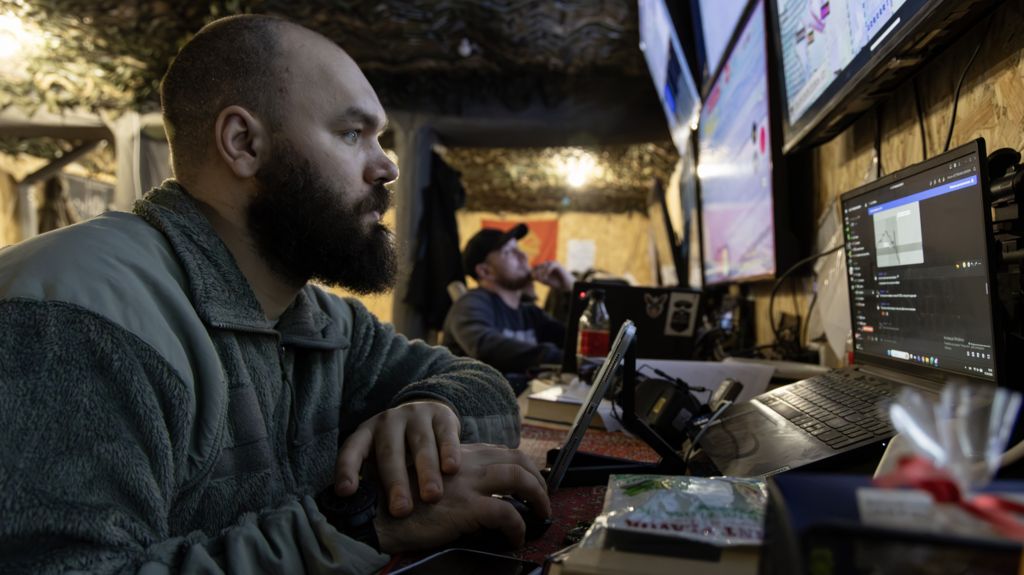
Ukraine says Starlink connection ‘now stable’ after network limits
Ukraine’s Ministry of Defence has confirmed that full, unconstrained connectivity for the SpaceX Starlink low Earth orbit satellite network has been reinstated, following several days of disruptive restrictions that hindered critical frontline military operations. Defence Minister Yevhenii Khmara announced the milestone in a public Saturday statement, noting that user devices can now maintain stable connections even when travelling at speeds exceeding 400 km/h, a sharp improvement from the recent 161 km/h (100 mph) cap that had crippled drone performance for combat units.
The sprawling constellation of roughly 10,000 low Earth orbit satellites forms the backbone of Ukraine’s battlefield communications infrastructure, supporting drone piloting, remote logistics coordination, and real-time data sharing in remote, cellular-network-dead zones across the frontline. Kyiv utilises both the mass-market civilian Starlink service and the hardened, military-focused Starshield platform, which SpaceX owner Elon Musk has repeatedly stated falls under full operational control of the U.S. Department of Defence.
The week-long connectivity crisis unfolded against a heated backdrop of diplomatic friction between U.S. President Donald Trump and Ukrainian President Volodymyr Zelensky, sparked by Kyiv’s sustained long-range drone and missile strikes targeting Russian oil refining infrastructure. Ukrainian officials initially alleged that Trump had personally directed Musk to impose the speed restrictions on Starlink terminals to limit the range and functionality of Ukraine’s strike assets, a claim Trump first denied before later confirming he had intervened to resolve the outage and restore full service.
The dispute is rooted in conflicting priorities for the ongoing conflict: Kyiv argues that targeting Russian oil facilities is a critical tactic to slash Moscow’s core war funding revenue, while the Trump administration has claimed such strikes are driving up global fuel prices, a politically sensitive issue as the U.S. approaches upcoming midterm elections. Recent policy moves by the Trump White House, including partial waivers of longstanding sanctions on Russian energy and a temporary agreement to import Russian diesel for U.S. domestic markets, have drawn sharp condemnation from Ukrainian officials and European allied governments alike. Zelensky also alleged that the U.S. had threatened to cut off vital intelligence sharing partnerships if Ukraine did not halt its cross-border oil infrastructure strikes, a second accusation that Trump publicly rejected.
Notably, the Starlink network is geofenced to block service entirely within Russian territory, meaning Ukrainian long-range assets lose connectivity the moment they cross the international border to strike targets deep inside Russia. Musk previously floated the theory that the recent connectivity disruptions may have been implemented by Pentagon administrators, rather than acting on direction from the White House, to restrict Ukraine’s cross-border strike capabilities.
While the diplomatic wrangling unfolded, active hostilities on the ground continued unabated. Russian-installed officials in the illegally annexed Crimean Peninsula reported widespread power outages across the region following a Ukrainian drone attack on Saturday, with Moscow-backed regional governor Sergey Aksyonov announcing rolling electricity and water usage restrictions for local residents. In a separate incident, Russian-supported occupation authorities stated that at least three civilians were killed and one more injured in a Ukrainian strike targeting a location in Russian-held territory of the Kharkiv region.
-
Why ultra‑Orthodox parties will decide Netanyahu’s electoral fate
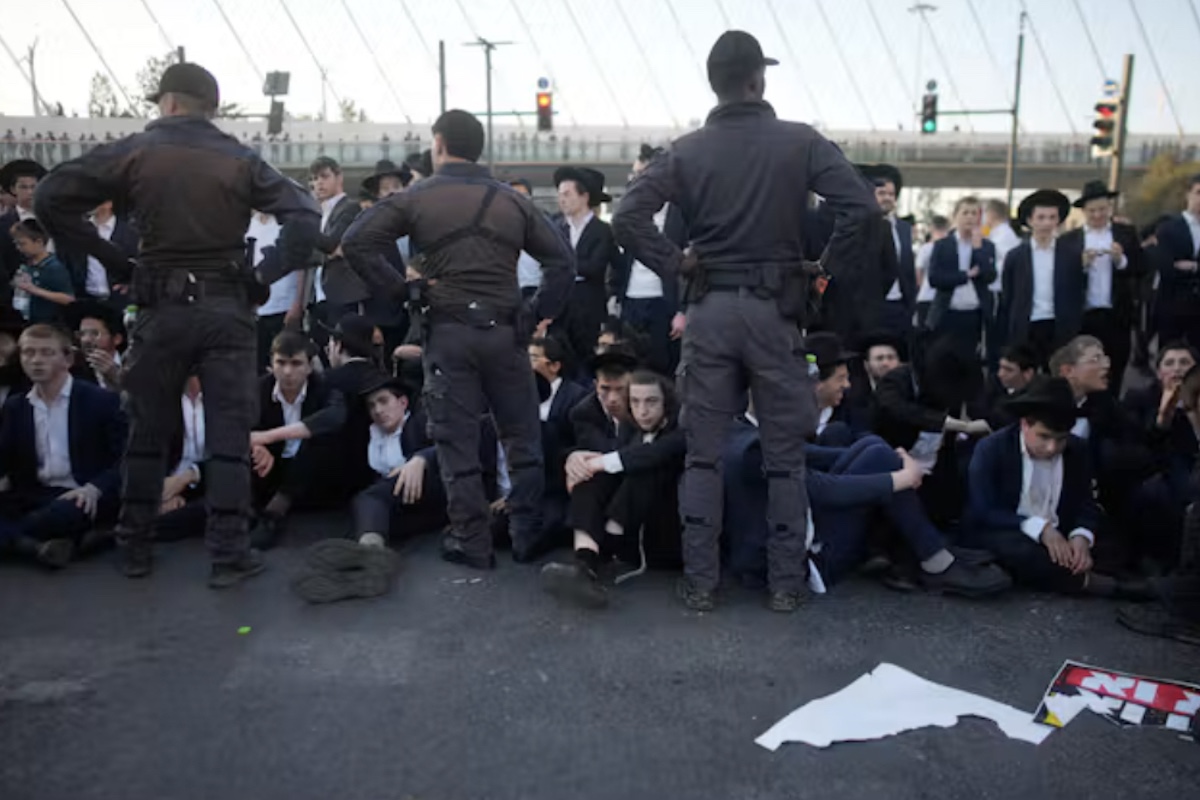
On October 20, 2026, just seven days before Israel’s scheduled parliamentary elections, law enforcement authorities detained dozens of young ultra-Orthodox (Haredi) men on suspicion of evading mandatory national military service – a move that drew immediate public condemnation from Prime Minister Benjamin Netanyahu, who labeled the arrests “unacceptable.” The incident has thrust a decades-long, highly charged national debate over equitable military burden-sharing back to the center of the election campaign, exposing deep rifts between competing political blocs, religious communities, and the broader Israeli public. For generations, Haredi men enrolled in full-time religious seminary programs have operated under de facto exemptions from the universal conscription rules that apply to nearly all other Jewish Israeli citizens, a status quo that was upended by a landmark 2024 Israeli Supreme Court ruling mandating that Haredi youth be drafted on the same terms as their non-Haredi Jewish peers. In the two years since that ruling, Netanyahu’s government has failed to broker a viable compromise: it has neither passed legislation to formalize a legal path for continued Haredi draft exemptions, nor fully enforced the court’s conscription order, even as Netanyahu has repeatedly stated that Haredi men not engaged in full-time religious study have a civic obligation to enlist. The unresolved policy impasse comes at a moment when the Israeli Defense Forces are deployed across multiple active conflict zones, including Gaza, southern Lebanon, the West Bank, and operations targeting Iran, making the unequal distribution of military service obligations increasingly unpopular among the general public. Polling data shows more than 70% of Jewish Israeli voters support requiring Haredi communities to share the national security burden. Despite this widespread public sentiment, Haredi political factions hold outsized strategic value for Netanyahu, who is fighting to retain his premiership amid growing challenges from rival right-wing and centrist contenders in the wake of the 2023 October 7 attacks and subsequent regional conflicts. The Haredi community, which strictly adheres to traditional Jewish religious law and largely rejects liberal secular interpretations of Jewish identity, currently makes up roughly 14% of Israel’s total population. Characterized by large average family sizes of six children per household, the community’s birth rate far outpaces that of non-Haredi Jewish Israelis: official projections from the Israeli Central Bureau of Statistics estimate Haredi residents will account for nearly 25% of the national population by 2050. Roughly half of all Haredi adult men pursue full-time religious study as their primary lifelong occupation, and the community’s 33% poverty rate is more than double that of non-Haredi Jewish households, leaving many families dependent on government welfare and seminary stipends for financial stability. Three distinct Haredi political parties are competing in the 2026 Knesset elections: the long-established United Torah Judaism (UTJ) representing Ashkenazi Haredi communities with ancestral roots in Eastern and Northern Europe, the Sephardi/Mizrachi-focused Shas party representing Haredi populations tracing their origins to the Iberian Peninsula and Middle East, and a new third faction, Haredi Public, founded in July 2026 to represent community members who feel underserved by the two older parties, with a platform focused on employment access, poverty reduction, affordable housing, and education reform – notably, it is the first major Haredi party to include women on its official candidate list. Under Israel’s proportional representation electoral system, any party clearing the 3.25% national vote threshold earns Knesset seats proportional to its total vote share, a structure that has ensured no single political party has ever won an absolute 50% majority to govern unilaterally. To maximize their combined seat count in 2026, Shas and UTJ have reached a formal agreement to transfer surplus votes to one another to avoid wasting support. For the past two decades, Netanyahu’s conservative Likud party has relied on Haredi factions as core coalition partners to secure a parliamentary majority, a dynamic that has granted Haredi parties disproportionate negotiating power to defend their longstanding priority of blanket draft exemptions. The 2024 Supreme Court ruling that struck down those exemptions as unlawful triggered a political crisis that saw Shas and UTJ exit Netanyahu’s governing coalition in 2025, prompting Likud to form a new parliamentary alliance with far-right nationalist factions including the Jewish Power party, a Kahanist faction once banned for racist advocacy that had long been considered a forbidden coalition partner for mainstream Israeli political leaders. The ideological rift between Netanyahu’s new far-right allies and the Haredi factions runs deep: while secular nationalist politicians frame military service as the ultimate demonstration of civic commitment to the Zionist state, most Haredi communities reject core tenets of Zionism, arguing that the modern state of Israel was established prematurely without divine mandate, and that their full-time religious study constitutes a critical form of service to the Jewish people that justifies exemption from armed service. Netanyahu’s public condemnation of the recent draft evasion arrests, paired with his support for a 2026 temporary law shielding Haredi draft evaders from arrest, signals he is actively positioning to bring Haredi parties back into a post-election governing coalition to shore up his political survival, even as leading rival candidates – former prime minister Naftali Bennett of the Together alliance, and centrist Yashar party leader Gadi Eisenkot – have laid out competing policies ranging from cutting Haredi community subsidies for draft evaders to a limited exemption policy that would allow only 3% of Haredi men to pursue full-time religious study. The ongoing tensions over conscription, electoral representation, and state subsidies are set to remain a defining structural political challenge for Israel for decades to come, as the fast-growing Haredi population moves toward proportional political influence that will force a long-overdue reckoning over the meaning of shared civic obligation in the Jewish state.
-
Seven missing after multi-storey building collapses in Kenya’s capital
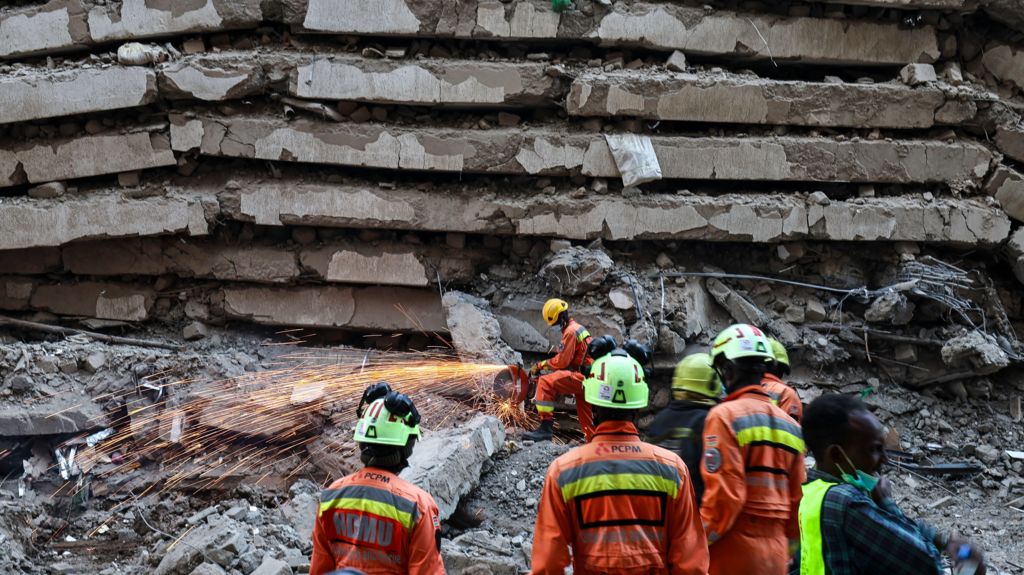
A large-scale search and rescue operation is in full swing in Nairobi’s densely populated Eastleigh neighborhood, after a high-rise under construction crumpled unexpectedly on Friday afternoon, leaving seven people feared trapped beneath tons of concrete and steel rubble. The mid-rise structure, estimated to stand between 16 and 18 storeys, was captured on viral on-site footage failing catastrophically when its ground level gave way first, triggering a cascading collapse that sent a thick billowing cloud of dust surging out onto adjacent streets.
Remarkably, nearly all of the dozens of construction personnel working on the upper levels of the development escaped the disaster with almost no injuries. Interior ministry official Kipchumba Murkomen confirmed that out of the 67 builders present inside the site at the time of the collapse, 66 walked away completely unharmed, while the sole remaining worker sustained non-life-threatening injuries. The seven missing individuals, however, are believed to have been inside 11 retail shops that had already begun operating on the lower ground floors of the structure, even as scaffolding still wrapped the building’s exterior to signal ongoing construction work.
Emergency response teams have been navigating major hurdles to reach the trapped victims, local reports from the Daily Nation indicate. Responders made the critical decision to pause the use of heavy excavation diggers over fears that large-scale earth-moving work would cut off vital air pockets that could be sustaining survivors under the rubble, forcing teams to rely on slower, precision tools including metal cutting saws to carefully navigate through stacked collapsed concrete slabs.
The catastrophic incident has reignited widespread public and official scrutiny of Kenya’s long-criticized construction regulation framework. Nairobi Governor Sakaja Johnson told local press that the property’s owners never secured the necessary legal documentation to allow any part of the building to be occupied, even as ground-floor shops opened for business. He has formally called on the national Kenyan government to expand enforcement powers for local municipal authorities, so they can impose harsher penalties on rogue developers who deliberately ignore approved architectural plans and mandatory construction safety standards. The National Construction Authority confirmed in an official statement that it has already identified the property’s development firm, its lead architect, and the project’s structural engineer for further investigation, though it did not confirm whether any pre-collapse safety inspections had ever been conducted at the site. High-profile building collapses are a recurring public safety crisis in Nairobi, with decades of previous incidents regularly linked to substandard building materials, unapproved design modifications, and lax regulatory oversight.
-
Three released without charge after fatal arson attack
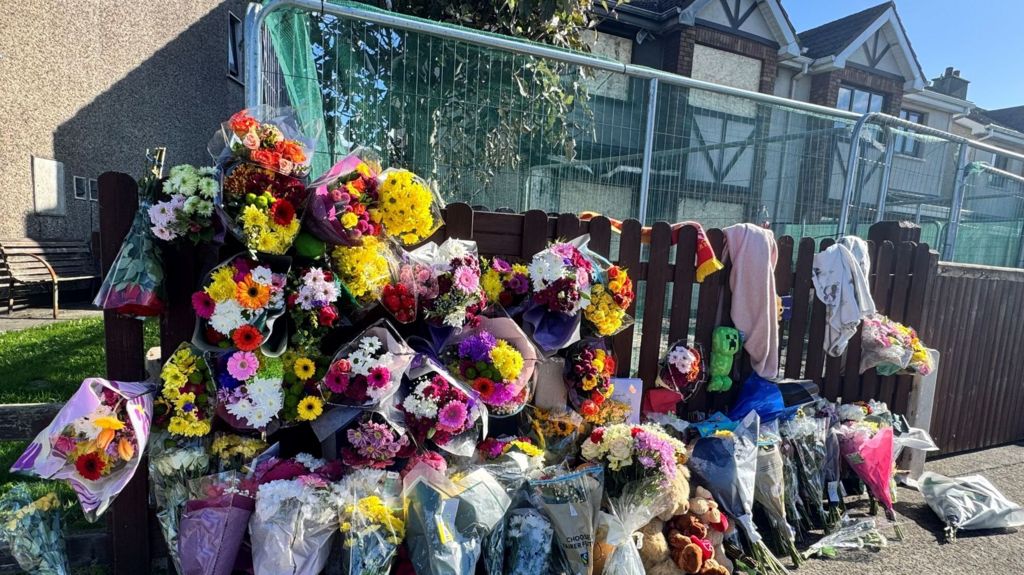
Flowers and handwritten tributes now line the front entrance of the burned Birch Avenue property on the outer edges of Waterford, where a devastating suspected arson fire claimed the lives of an entire Irish family earlier this month. The victims, Philip and Kim English alongside their two young sons, 9-year-old Jayden and 12-year-old Callum, were fatally trapped when their residential home was deliberately set ablaze, sending shockwaves through the tight-knit local community.
In an official update shared by An Garda Síochána (Ireland’s national police service) on Saturday, authorities confirmed that three individuals taken into custody earlier that week in connection with the deadly incident have been released with no charges filed against them. The group, consisting of two women in their 30s and one man in his 50s, had been apprehended by investigators the prior Tuesday as part of an ongoing large-scale probe into the fatal attack.
The statement also clarified that a separate 20-something man, who had already faced formal charges linked to the arson alongside a woman in her 30s in earlier stages of the investigation, was not among the recently released group. A different 20-year-old man, arrested by officers last Thursday in a new round of questioning, continues to be held in custody as detectives pursue additional lines of inquiry. Local residents have gathered repeatedly at the site of the tragedy to lay floral tributes, honoring the four family members whose unexpected deaths have prompted widespread calls for thorough, transparent investigative work to deliver full accountability for the attack. -
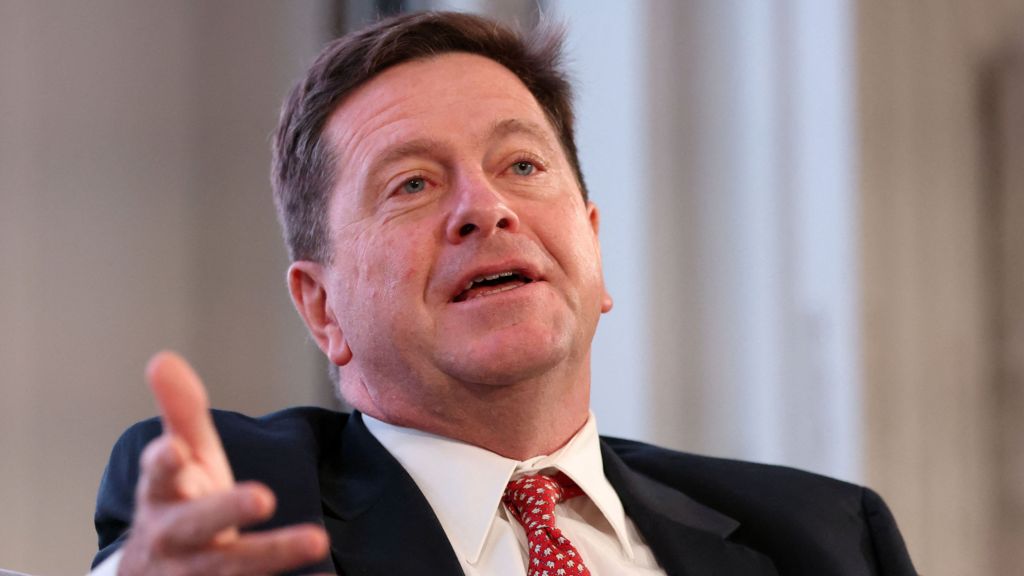
Iran trying harder to target US personnel in Middle East, intelligence chief warns
In a newly disclosed unclassified memo sent to US Secretary of State Marco Rubio on Friday, US Director of National Intelligence Jay Clayton has issued a stark public warning that Iranian operatives have pushed lethal, targeted plotting against US citizens to advanced operational stages across the Middle East and additional unspecified global jurisdictions. The intelligence assessment, which Clayton notes he is actively declassifying at maximum possible scope to enable broad distribution across State Department teams, coincides with urgent adjustments to US diplomatic staffing across the region, including this week’s mandatory ordered departure of all non-emergency personnel from the US Embassy in Saudi Arabia. A senior State Department official confirmed to the BBC that ongoing, real-time evaluations of rapidly shifting security conditions are driving these operational changes, with both the growing threat of Houthi strikes and verified Iranian terror targeting of US officials directly informing staffing adjustments for all regional diplomatic posts operating under Restricted Operations Status. The immediate trigger for the heightened security posture traces to a sharp surge in attacks by the Iran-aligned Houthi movement in Yemen targeting Saudi territory over the past month. Saudi official data confirms at least 21 people have been killed in Houthi assaults on Saudi airports since the start of October, including a catastrophic 10 October missile strike on Riyadh’s main international airport that left 13 dead and 308 wounded – the deadliest single attack on Saudi soil in more than 10 years. The Houthi movement has framed its campaign of drone and missile strikes as retaliation for what it describes as a longstanding Saudi blockade of Yemeni ports and airports, as well as a Saudi air raid on Sanaa International Airport. These developments unfold against the wider, years-long Yemeni civil war that erupted in 2014, when Houthi fighters seized the Yemeni capital Sanaa and ousted the internationally recognized government. The conflict escalated dramatically in 2015 with the launch of a Saudi-led military intervention aimed at restoring the ousted government to power. A fragile four-year informal ceasefire that had largely reduced large-scale hostilities began to unravel in July of this year, when the Houthis declared a formal “maritime embargo” against Saudi Arabia and resumed sustained cross-border missile and drone attacks. Houthi-controlled Yemeni health authorities report that at least 155 Yemeni civilians have been killed in the violence since that ceasefire collapse. The resurgence of Yemeni conflict is also unfolding against the backdrop of a broader regional conflagration between the US and Iran that ignited in February, when a joint US-Israeli air campaign killed Iran’s top supreme leader. That strike prompted Tehran to launch widespread retaliatory assaults on US allied targets across the Middle East, and to effectively shut down the strategic Strait of Hormuz – the global chokepoint that normally carries roughly 20% of all international oil and gas shipments. Washington and Tehran negotiated a tentative preliminary ceasefire deal in June that was intended to reopen the strait, but the agreement collapsed in a matter of weeks after Iran resumed attacks on commercial shipping, leading the US to reinstate its full maritime blockade on Iranian trade. The dual closure risks in the Strait of Hormuz and Houthi-imposed maritime restrictions targeting Saudi export routes have already triggered sharp, volatile spikes in global oil prices, deepening the economic spillover of the region’s spiraling security crisis.
-
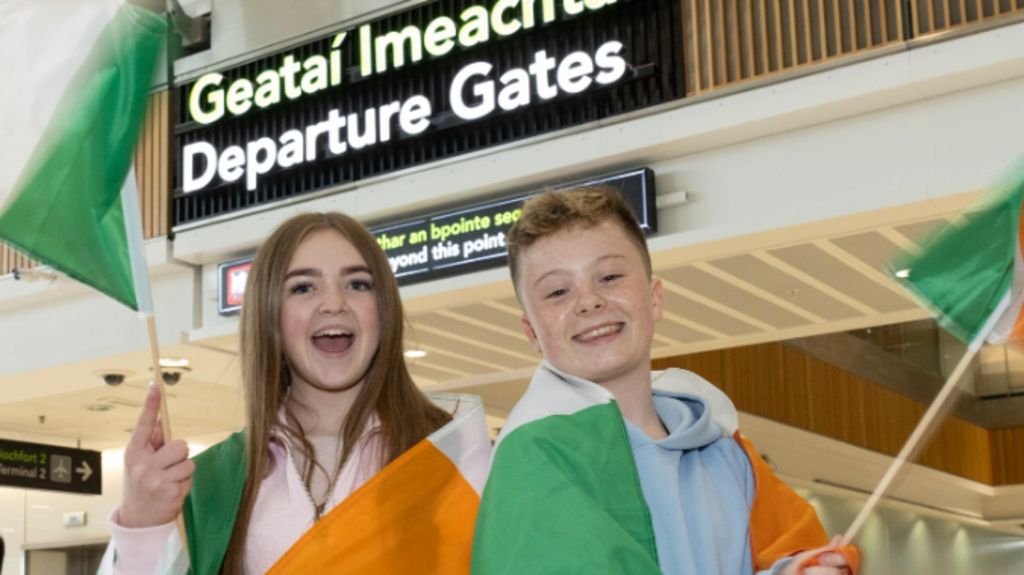
Ireland’s Junior Eurovision duo to step onto ‘magical’ stage
Fresh off their arrival in Malta earlier this week, 13-year-old Naomi from Mayobridge, County Down, and 14-year-old Caleb from Dublin — the sole competing duo at the 2026 Junior Eurovision Song Contest — are gearing up for the biggest stage of their young performing careers, equal parts giddy anticipation and gentle pre-show jitters.
Hosted under the vibrant community-focused theme “The Festa,” a tribute to Malta’s beloved traditional village celebrations, this year’s contest will bring together 16 youth performers from across 15 nations to compete for the iconic Junior Eurovision trophy, with the Irish pair slotted to take the stage 13th in the pre-drawn running order ahead of Saturday’s live broadcast.
Their uplifting Irish-language entry *Níos Láidre* — which translates directly to “Stronger” — carries a core message of collective solidarity: as Caleb explains, the track celebrates individual inner strength while highlighting how shared support makes every person far more powerful than they could ever be alone. For Naomi, performing is a multigenerational family passion passed down from her grandmother and grandfather, and she has spent years honing her craft on local stages where she says she feels most at home; Caleb, meanwhile, has trained in the performing arts consistently since he was just six years old.
The pair’s unexpected partnership came together earlier this year during Ireland’s national selection process, where judges were so evenly split between the two solo hopefuls that they made the unprecedented call to combine their talents as a joint national representative. Both performers note that the experience of sharing the spotlight with a new friend has made the entire lead-up to the global contest feel like a joyful, almost magical adventure.
After several successful full rehearsals on the purpose-built Malta stage, the duo has already built close friendships with fellow young contestants including Cyprus’ Harry, Albania’s Eslin, and Malta’s own representative Beppe, alongside all their accompanying backup dancers. Offstage, their families — including Caleb’s mother Jennifer Kirwan, who traveled to Malta alongside Naomi’s mother — have been overwhelmed by the outpouring of cross-border support, with fans planning to tune in to the live broadcast not just across Ireland, but as far afield as Perth, Brisbane, and the United States.
Viewers in Ireland can catch the full contest live on TG4 at 20:00 BST, with a unique voting structure that sets it apart from the senior Eurovision competition: fans are permitted to vote for their home country, with two distinct voting windows open. The first voting period runs from 22:59 BST on Friday through 19:59 BST on Saturday, immediately before the broadcast kicks off, while a second 15-minute voting window will open right after the final live performance concludes, with all public votes tallied and converted to points that will be announced live during the grand finale.