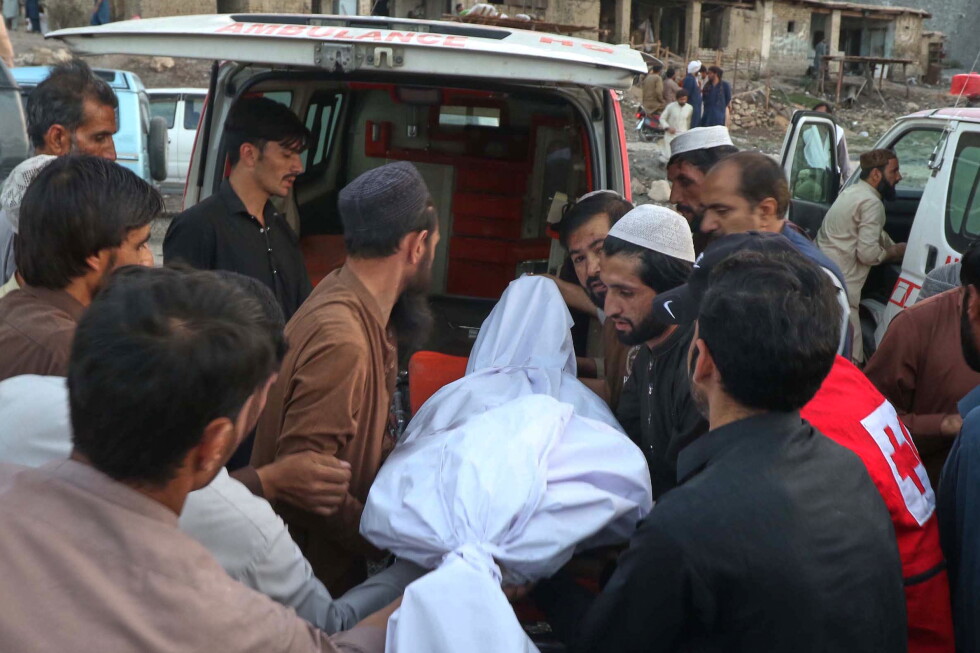
QUETTA, Pakistan – A devastating methane gas explosion at an underground coal mine in southwestern Pakistan has claimed the lives of 34 miners, local authorities confirmed Friday, after emergency crews spent hours working through the night to reach trapped workers.\n\nThe Provincial Disaster Management Authority reported that rescuers had pulled 32 bodies from the blast site located on the outer edges of Quetta, the capital city of Balochistan province, as of Friday morning. Search operations were still underway to recover the remains of the two remaining deceased miners.\n\nGhani Baloch, a local mine inspector, shared that officials initially estimated 42 miners were working inside the mine when the explosion struck Thursday. It was later confirmed that 34 workers were killed in the incident.\n\nShoaib Nosherwani, Balochistan’s Minister for Mines and Minerals, released a statement offering deep condolences to the families of all killed miners. He also announced a compensation package of 500,000 Pakistani rupees, equivalent to roughly $1,800, for each victim’s next of kin. Nosherwani added that a full official investigation will be launched to determine the root cause of the explosion, and that a province-wide review of coal mine safety protocols will be conducted in the wake of the disaster.\n\nFatal industrial accidents are a persistent crisis in Pakistan’s coal mining sector, especially in Balochistan. Many mining operations across the province lack critical basic safety infrastructure, including sufficient ventilation systems, functional gas detection equipment, and emergency response resources. Despite the severe occupational hazards and low pay that come with mining work, thousands of local residents depend on these jobs to support their households. Balochistan is Pakistan’s largest province by area, but also its least developed, with persistently high rates of poverty and unemployment leaving few alternative livelihood options for working-class communities.
博客
-
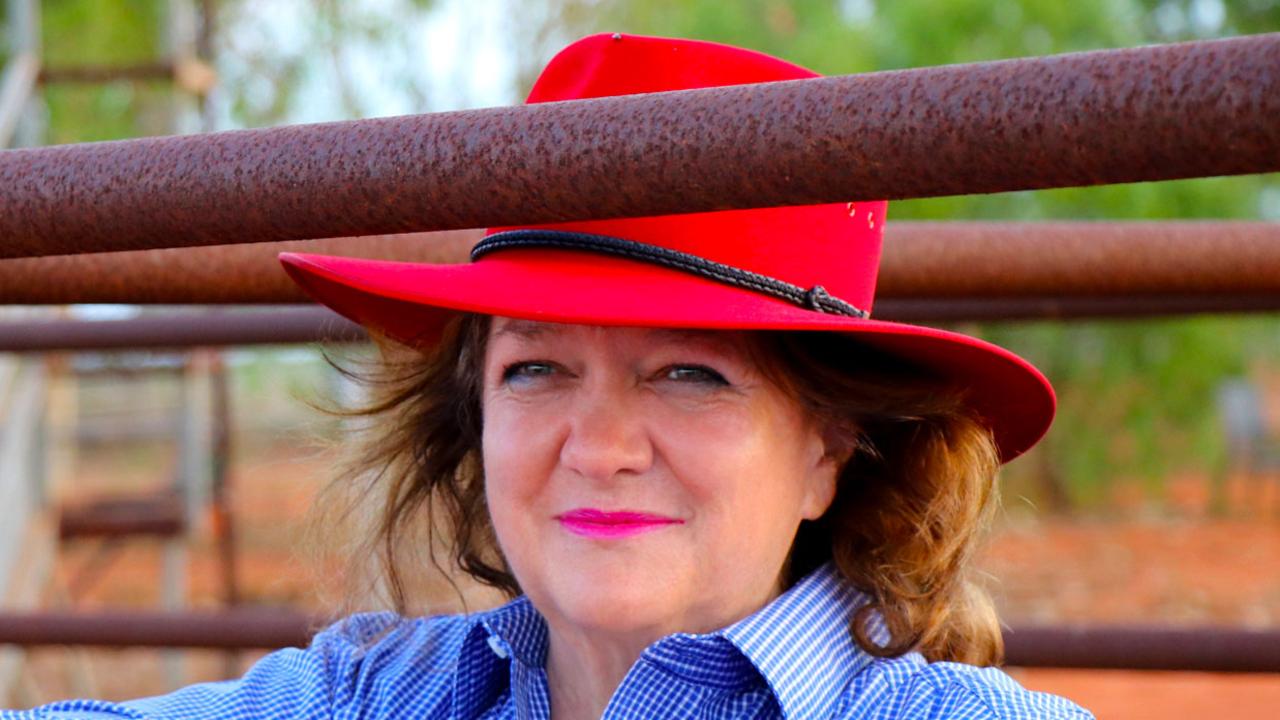
Gina Rinehart launches legal action against ABC over ‘sausage roll’ segment
One of Australia’s most high-profile and wealthy figures has initiated formal legal proceedings against the Australian Broadcasting Corporation (ABC), the country’s national public broadcaster, after a prime-time program aired a four-minute clip containing explicit violent rhetoric targeting her. Gina Rinehart, Australia’s richest individual and executive chairman of mining giant Hancock Prospecting Pty Ltd, confirmed the legal assault this week over the controversial segment that aired as part of ABC’s *Race Around The World* competition series three weeks prior.
The segment, created by competition contestant Kate McGuinness, closed with a disturbing voiceover that called for graphic physical violence against Rinehart: “When the revolution comes, will you hide under the bed or will you know exactly how to shove a stick right up Gina Rinehart’s butthole, stirring it round, mixing her guts up nice and smooth, to make one big sausage roll to make something out of nothing.”
A week before launching full legal action, Hancock Prospecting submitted a formal request to the ABC board, demanding the segment be immediately removed from all ABC digital and broadcast platforms, that the broadcaster issue a public apology for the harmful content, and that an internal inquiry be launched to examine how the violent segment cleared editorial review to air. In a formal statement announcing the legal action, Hancock Prospecting slammed the ABC’s inaction in the seven days following the initial request.
“One week later, the ABC’s board and senior management have provided no substantive public response, nor any substantive response to Hancock or Mrs Rinehart, and have taken no steps to remove the material from ABC platforms, despite widespread public condemnation and the serious risks its publication and continued publication pose to Mrs Rinehart,” the statement read. The company has now named the ABC’s top leadership—chair Kim Williams AM, deputy chair Lisa Caffery, and managing director Hugh Marks—in the formal legal notice, outlining detailed allegations of serious breaches of multiple Australian criminal and civil laws stemming from the original broadcast and the ABC’s decision to keep the content online.
Initially, the ABC defended the segment as “editorially justifiable” consistent with the network’s editorial independence guidelines. But facing growing public and political pressure, the broadcaster has since referred the entire matter to its internal independent Ombudsman, an oversight body that reports directly to the ABC Board.
On Thursday afternoon, McGuinness issued a public apology through the ABC, insisting she never intended to incite violence against Rinehart, and framing the graphic language as over-the-top satirical farce. “The sense of humour featured in each of my films on the Race Around The World program is farcical,” McGuinness said. “In no way was it my intention to promote violence. My writing is cartoonish and always satirical. Unfortunately, jokes do not land with everyone. Its purpose was never to be taken literally. I apologise to anyone I’ve offended.” The ABC confirmed it supported McGuinness’ apology.
Federal Communications Minister Anika Wells became the highest-ranking government official to weigh in on the controversy Wednesday, labeling the segment “unacceptable.” “Like any Australian, there’s stuff I see on TV that I don’t agree with,” she said. “As the Minister for Communications, I respect the editorial independence of the ABC, but I understand they have now referred it to the Ombudsman. I think that was the right thing to do.”
The Australian Communications and Media Authority (ACMA), the country’s media regulatory board, announced it would hold off on any independent action pending the outcome of the ABC Ombudsman’s investigation, in line with its co-regulatory obligations. The legal process is now unfolding as questions mount over editorial standards at the public broadcaster and the line between free political satire and incitement to violence against private individuals.
-
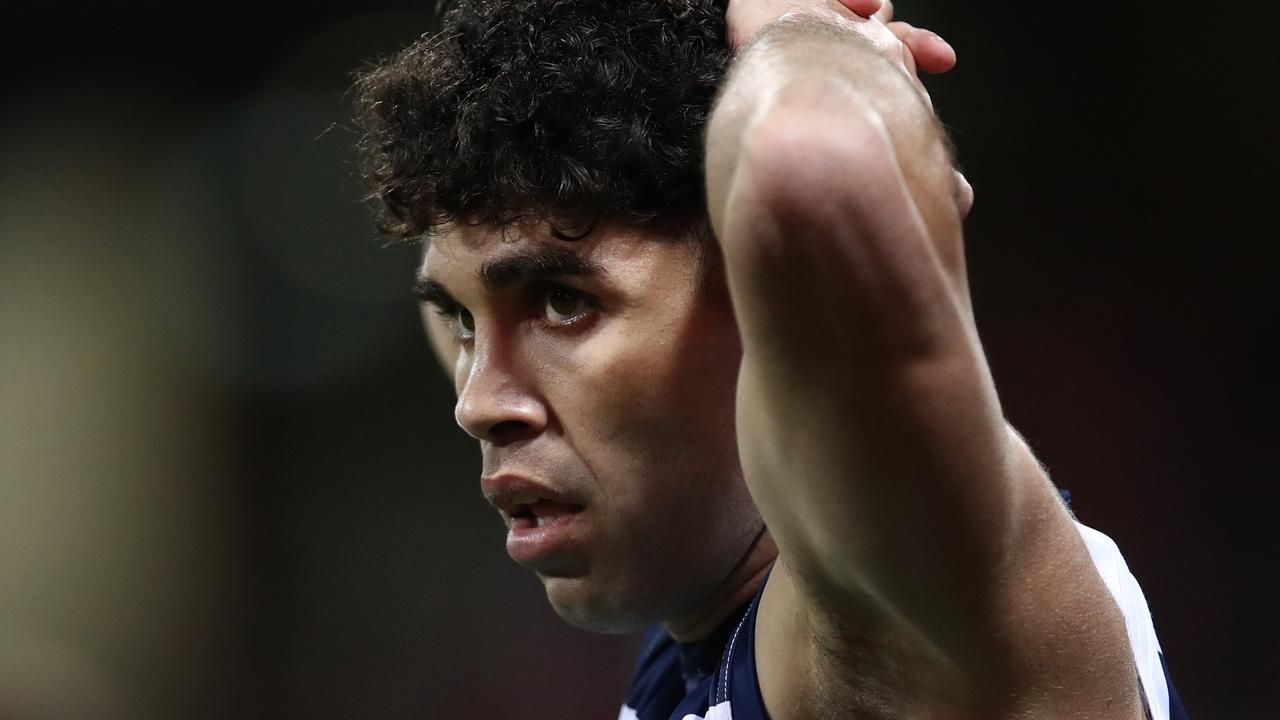
Geelong Cats confirm shock exit of star forward Tyson Stengle
After weeks of behind-the-scenes negotiations, AFL club Geelong Cats and premiership-winning small forward Tyson Stengle have officially confirmed their mutual separation, bringing a dramatic, weeks-long contract saga to a close. The 2022 premiership winner and All-Australian selection, who had not featured for the Cats at all during the 2025 season, broke his silence in a joint statement released with the club on Friday afternoon.
The controversy surrounding Stengle first emerged in April, when Australian broadcaster Channel 7 first reported the forward had stepped out of the public eye and cut off contact with most people connected to the club. Stengle had previously been granted an extended Christmas break on personal grounds, and returned to club training shortly after the break concluded. However, senior football journalist Caroline Wilson later revealed that the 2022 premiership star had severed ties across multiple circles linked to him: he cut off contact with his entire management team, which included Anna Betts, wife of AFL legend Eddie Betts, ended communication with local Indigenous leaders he had previously worked with, and left only a tiny handful of Geelong club personnel with any ability to reach him.
At the time of the announcement, Stengle remained contracted to Geelong through to the end of 2029, with an estimated $2.1 million still outstanding on the remaining three years of his contract. The mutual termination of this deal closes one of the most unusual and high-profile off-field sagas of the current AFL season.
In his first public comment since stepping out of view, Stengle expressed gratitude for the support he received during his tenure at the club. “Thank you so much to the Geelong Footy Club. In particular, to my teammates, the coaching staff, the support staff and most importantly to the fans,” Stengle said. “Your unwavering and loyal support through the great times and the tough times has meant more to me than you will ever know. I am deeply grateful and look forward to supporting the club as a fan.”
Geelong’s executive general manager Andrew Mackie said the club had concluded that a mutual separation was the best outcome for both Stengle and the club moving forward. “We would like to congratulate Tyson on what he has achieved over his career, including his time at Geelong,” Mackie said. “To play over 100 games, earn All Australian selection and be part of a premiership team are achievements we are proud to have shared with him. We thank Tyson for his contribution to the Cats and celebrate what he has achieved in his football career.”
-

Australian company behind Logan Paul’s Prime drink ceases trading amid $8m debt
The Australian subsidiary of the firm behind one of the most hyped influencer-led energy drinks of recent years has entered administration, leaving more than $8 million in outstanding debts and no clear path to a rescue buyout, new corporate filings confirm.
Congo Brands Australia, the Melbourne-based license holder for Logan Paul and KSI’s viral Prime energy drink and Mr Beast’s Lunchily snack brand, has already terminated all of its employees amid the liquidation process, administrator Alice Ruhe of The Ruhe Group confirmed during the company’s first creditors meeting held July 17.
Documents filed with the Australian Securities and Investments Commission (ASIC) lay bare the firm’s steep financial decline, which accelerated far beyond the worrying results disclosed in its last 2023 annual filing. The bulk of the outstanding debts are owed to related international entities: parent company Congo LLC is owed $8.85 million, while international arms of the brand including Congo Brands Korea, Japan and Switzerland are owed $361,900, $39,987, and $854,327 respectively. Third-party vendors that handled logistics, manufacturing and packaging for the brand are also out of pocket, with claims totaling more than half a million dollars from firms including BR International Logistics, Refresco Australia and CCL Label.
Against its more than $8 million in total liabilities, the company holds just $12,000 in cash reserves, alongside $400,000 in remaining inventory and $265,000 in outstanding trade receivables, according to administrator filings.
The collapse caps a dramatic two-year fall from grace for the Prime brand in Australia, which exploded into mainstream popularity after its 2022 launch, driven by massive social media hype from co-founders Logan Paul and KSI, two of the world’s biggest digital content creators. At the height of its popularity, the drink developed a cult following among Australian schoolchildren, with resold bottles sometimes fetching as much as $30 per can amid widespread retail shortages.
Financial filings show the brand’s domestic sales have plummeted since that peak. In the 2023 financial year, revenue halved from $31 million the previous year to just $14.5 million, with the firm posting a net loss of $1.42 million for the 2024 fiscal year. Over the 12-month period between 2023 and 2024, the company wrote down $4.57 million in unsold inventory, cutting its total stock holdings from $28.9 million to just $1.7 million. By the end of the last reporting period, the firm held only $84,855 in cash reserves against $7.92 million in already accumulated debts, setting the stage for its eventual collapse.
-
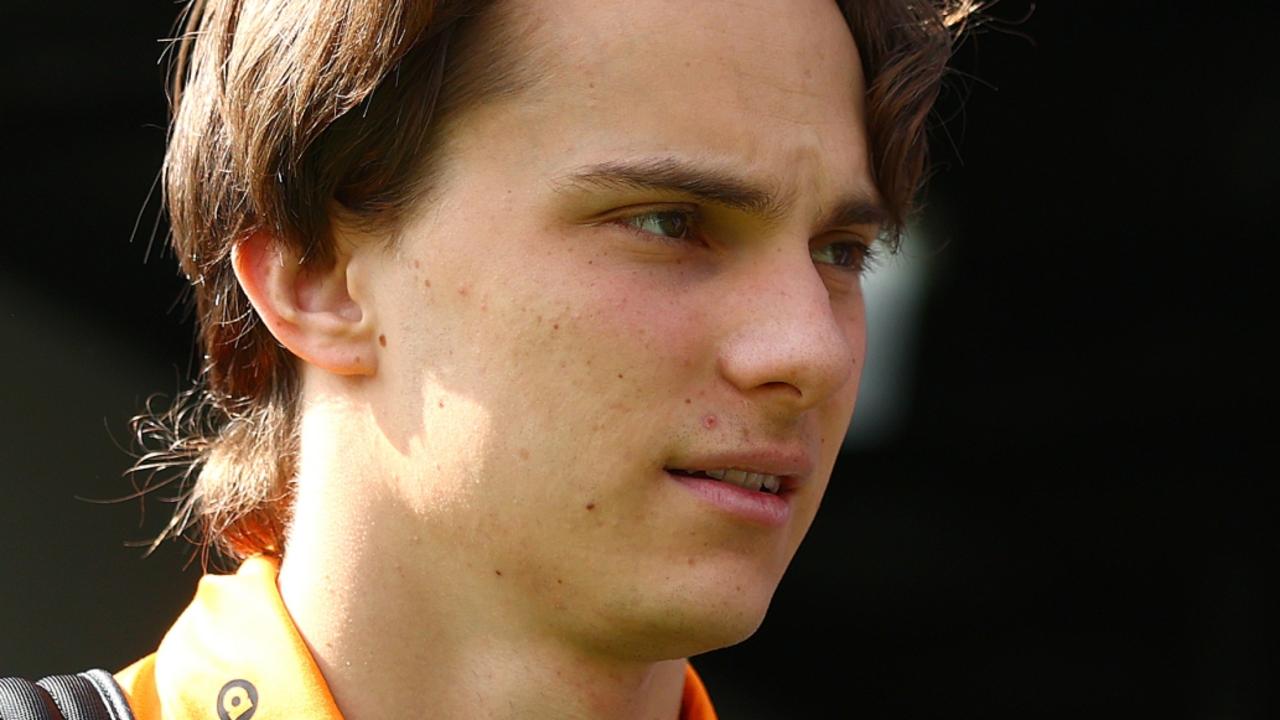
McLaren boss backs Oscar Piastri amid underwhelming start to F1 season
It has been a dramatic 12-month reversal of fortune for Australian Formula One driver Oscar Piastri: from leading the world championship a year ago to sitting 7th in the standings as the 2026 season hits its summer break. But McLaren team principal Andrea Stella insists the 25-year-old’s current struggles are just a temporary adjustment period, not a sign of a lasting slump.
Piastri’s tough start to the 2026 campaign hit a new low at last weekend’s Hungarian Grand Prix, a race that started with immense promise. The Melbourne-native surged up to third place on the opening lap and was firmly in contention for a race victory before a collision with backmarker Carlos Sainz, who was driving for Williams at the time, as Piastri attempted to complete an overtake to lap the slower car. Still on track to claim a podium finish after the incident, a late gearbox failure forced Piastri to retire his car early, cutting what could have been a strong result short.
Heading into the August off-season, Piastri has only secured two podium finishes across the first 12 races of 2026, totaling just 92 championship points. That puts him 17 points adrift of sixth-placed Max Verstappen, a stark contrast to his position this time last year. When the 2025 season entered its summer break, Piastri sat atop the drivers’ standings with six race wins and 284 points, buoyed by a dominant McLaren car package that gave him a clear edge over the competition.
The 2026 season brought sweeping new regulatory changes, including a shift to lower-grip car specifications that have required a major adjustment from all drivers on the grid. Speaking to reporters after the Hungarian Grand Prix, Stella explained that Piastri is still working to acclimate to the new car requirements, and he sees clear progress behind the scenes.
“Oscar is still getting in tune with these 2026 cars, low-grip cars,” Stella said. “There’s an opportunity there to find some pace, and there’s great work happening between Oscar, his engineering team, and the wider team. I think we have seen a great trajectory of development for Lando (Norris), and this is honestly the same with Oscar as well. So, I think we will see a very strong Oscar for the second part of the season.”
Piastri and teammate Lando Norris are currently completing pre-break testing at Portimao before heading off for their scheduled summer breaks. The Formula One 2026 season will resume on August 23 with the Dutch Grand Prix at Zandvoort, where fans will get their first look at whether Piastri can deliver on the upturn in form Stella has predicted.
-
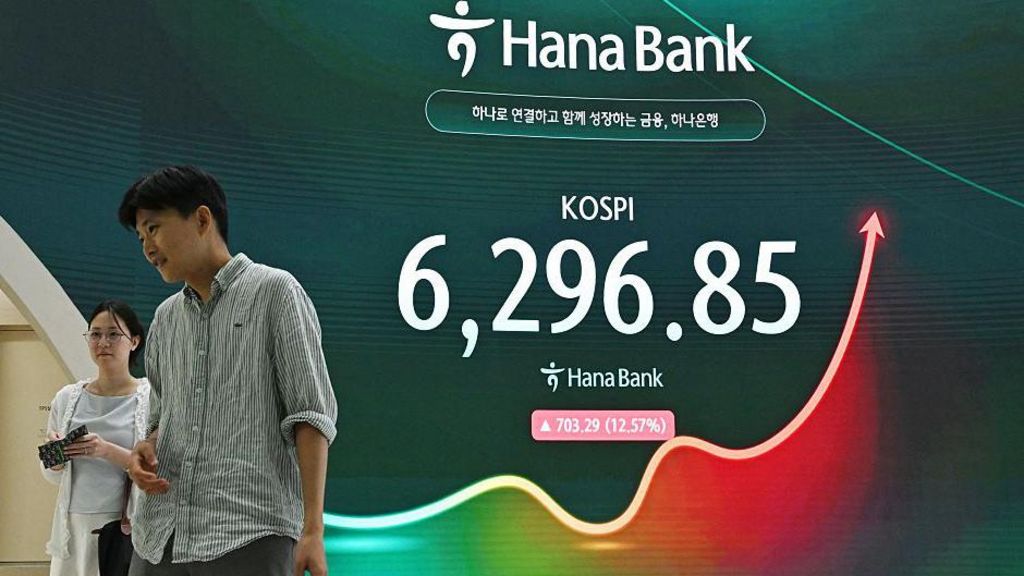
South Korean shares surge after chip stock rout
After a brutal three-day sell-off that erased hundreds of billions of dollars in market capitalization from South Korea’s equity markets, share prices staged a dramatic rally on Friday, clawing back a large portion of the recent losses. By the afternoon trading session, the country’s benchmark Kospi index surged nearly 17%, with the uptick fueled almost entirely by outsized gains from the nation’s two leading semiconductor manufacturers, SK Hynix and Samsung Electronics.
This sudden turnaround came on the heels of two key developments that restored investor confidence in AI-linked assets. First, positive earnings updates from United States tech giants Amazon and Microsoft rekindled market optimism around the massive capital inflows pouring into artificial intelligence research and infrastructure. Second, South Korean financial regulators rolled out targeted emergency measures designed to curb the aggressive sell-off that had shaken the market earlier in the week.
The rally in AI chip stocks spilled over into other regional markets, lifting benchmark indices in both Japan and Taiwan as bullish sentiment spread across the Asia-Pacific tech sector. For SK Hynix, a key memory chip supplier to AI industry leader Nvidia, share prices closed more than 17% higher on Friday, while Samsung, the world’s largest memory chip maker, notched a 23% gain.
Both companies had seen sharp valuation declines earlier in the week, as a global pullback in AI-related equities gathered steam. Investors had grown jittery over the scale of AI investments being made by large technology firms, with many questioning whether the sector’s sky-high valuations were justified by near-term revenue prospects.
South Korea’s equity markets have seen extraordinary volatility in recent months, driven in part by a surge in participation from retail investors who have piled into tech stocks amid the global AI boom. So far this year, the tech-heavy Kospi has triggered market-wide circuit breakers multiple times; these mechanisms are designed to pause trading temporarily to halt uncontrolled panic selling.
Despite the sharp pullback from the index’s all-time high set in mid-June, the Kospi still holds significant year-to-date gains: after more than doubling in value between January and mid-June, the index remains 50% above its closing level at the end of 2025, underscoring the dramatic run-up that preceded this week’s correction.
-
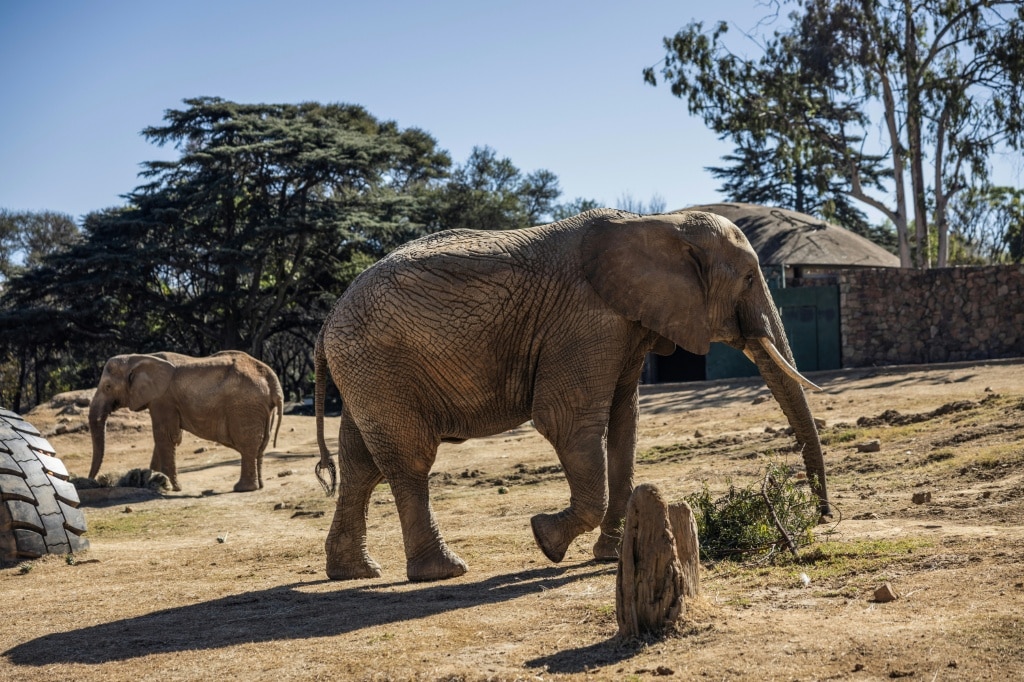
The last trio: S.Africa’s zoo elephants await their fate
On a recent day at Johannesburg Zoo, the three remaining elephants Lammie, Ramadiba, and Mopane walked single file into their public enclosure, where scattered fresh fruit and vegetables had been laid out to encourage natural foraging behavior. For the dozens of tourists and local schoolchildren gathered at the viewing platform, the moment was a rare thrill: a chance to observe Africa’s iconic largest land mammal up close in person. But behind this seemingly cheerful tourist attraction lies a bitter, high-stakes legal battle over the fate of the three pachyderms— the last elephants still kept in a traditional urban zoo enclosure across the entire African continent.
Animal welfare campaigners, backed by a team of international elephant conservation experts, have taken their case to South African courts to force the immediate transfer of the trio to a dedicated rewilding sanctuary, arguing that their current captive conditions amount to unnecessary cruelty that has left the animals in chronic psychological distress. The three elephants, with ages ranging from 26 to 47, are highly intelligent, socially complex sentient beings, the campaigners argue, and the limited space of a zoo enclosure cannot meet their basic physical and psychological needs. In court filings submitted in May, the legal team documented repeated observations of abnormal, depressed behaviors among the animals that signal poor welfare. They are asking the judiciary to order an urgent relocation to a sanctuary where the elephants can regain a more natural lifestyle and rehabilitate from decades of captivity.
Megan Carr, senior researcher at the EMS Foundation, one of the organizations leading the legal application, confirmed to Agence France-Presse that a ruling is expected in the coming weeks. She emphasized that this case is unprecedented: Lammie, Ramadiba, and Mopane are the final elephants still held for public exhibition in a conventional zoo setting anywhere in Africa. The legal push follows a recent win for animal welfare advocates earlier this year, when a 42-year-old elephant that spent 40 years in captivity at Pretoria’s national zoo was successfully transferred to a private game reserve after years of negotiations with the South African government.
During an on-site visit by an AFP reporting team, young children crowded the fence, excitedly calling out for the elephants as the trio slowly moved through their enclosure. Lammie, the 47-year-old matriarch who was born in the Johannesburg Zoo and has never lived anywhere else, focused entirely on foraging for the scattered food. Ramadiba, 28, and Mopane, 26, were brought to the zoo in 2019.
Johannesburg City Parks and Zoo, which manages the facility, has pushed back hard against the relocation effort, arguing that the three elephants are well cared for and have recently received a clean bill of health from veterinary professionals. An anonymous senior official at the zoo noted that the enclosure can accommodate up to five elephants, and each animal has two dedicated full-time keepers. Food is intentionally scattered across the enclosure to encourage natural movement and foraging, in line with modern captive care practices. In court filings, zoo managing director Thanduxolo Mendrew argued that the elephants have lived in captivity their whole lives, particularly Lammie, and are well-suited to their current conditions. Losing the elephants would eliminate a critical educational and research opportunity for the public, he added, especially for schoolchildren from low-income backgrounds who would never otherwise get the chance to see a live elephant in person.
But campaigners reject this reasoning outright. Carr argues that educational goals do not justify keeping elephants in compromised living conditions, noting that high-quality videos and documentaries can give children a clear view of elephants without subjecting the animals to unnecessary confinement. According to data presented in the case, the elephants are held overnight in two 160-square-meter enclosures—each smaller than a standard tennis court. During the day, they are moved to a larger unshaded outdoor area roughly the size of a football pitch, a space that campaigners insist is still far too small to meet the needs of a species that roams across dozens of kilometers of wild territory in their natural habitat. Carr points out that elephants require vast open spaces to maintain long-term physical and mental health, and no zoo enclosure, no matter how large, can ever replicate that.
As the nation awaits the court’s decision, South Africa already has one of the largest African elephant populations in the world: official government data from August 2023 counts roughly 44,000 wild savannah elephants across the country, with around 6,000 of those held in private and community-owned reserves and sanctuaries, giving the country ample space to accommodate the relocated trio if the court rules in the campaigners’ favor.
-
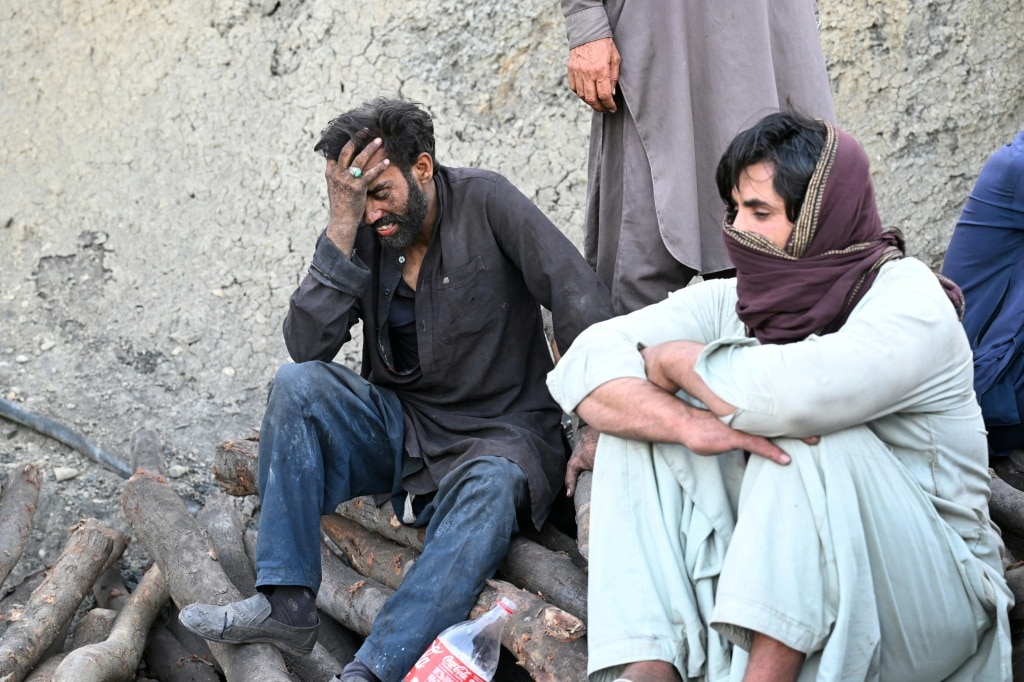
Explosion at coal mine kills 34 in southern Pakistan
A devastating methane-linked explosion at a southern Pakistan coal mine has claimed the lives of at least 34 workers, with search operations ongoing for additional trapped miners, local disaster authorities confirmed Friday. The blast ripped through the mine site in Sorange, located roughly 50 kilometers from Quetta, the capital of resource-rich Balochistan province, during operational hours on Thursday, triggering an urgent overnight rescue mission that extended into the next day.
In an official statement released in the early hours of Friday, the Southern Balochistan Provincial Disaster Management Authority confirmed that recovery teams had retrieved 34 deceased miners from the collapsed tunnel. The authority noted that joint search and rescue teams remained on site to locate any remaining trapped workers, but declined to share how many miners were inside the mine at the time of the explosion.
Witness accounts from the site reveal that fellow miners rushed to the tunnel immediately after the blast to attempt a self-rescue before official teams arrived. “Other miners descended into the mine after the explosion for a rescue operation, but they also died,” Ahmed Zada, a mine worker present at the site, told Agence France-Presse.
By Thursday night, crowds of distraught relatives, first responders, and local mine workers had gathered at the concrete tunnel entrance to await updates. Footage and witness reports show rescuers, some only wearing standard street clothes rather than full safety gear, carrying soot-covered bodies out of the mine on stretchers to waiting ambulances and transport vehicles.
Mining disasters are a recurring crisis in Pakistan, with Balochistan recording disproportionately high rates of workplace fatalities in the sector. The province, Pakistan’s largest by geographic area and one of its poorest, lags far behind other regions of the country in key development metrics including education, employment access, and infrastructure growth. Despite its vast natural reserves of coal, gold, and copper, weak regulatory enforcement has left the mining sector rife with unsafe working conditions. Labor rights groups have repeatedly called on provincial and national authorities to strengthen mandatory safety standards and increase inspections to prevent preventable accidents, though little substantive reform has been enacted to date.
-
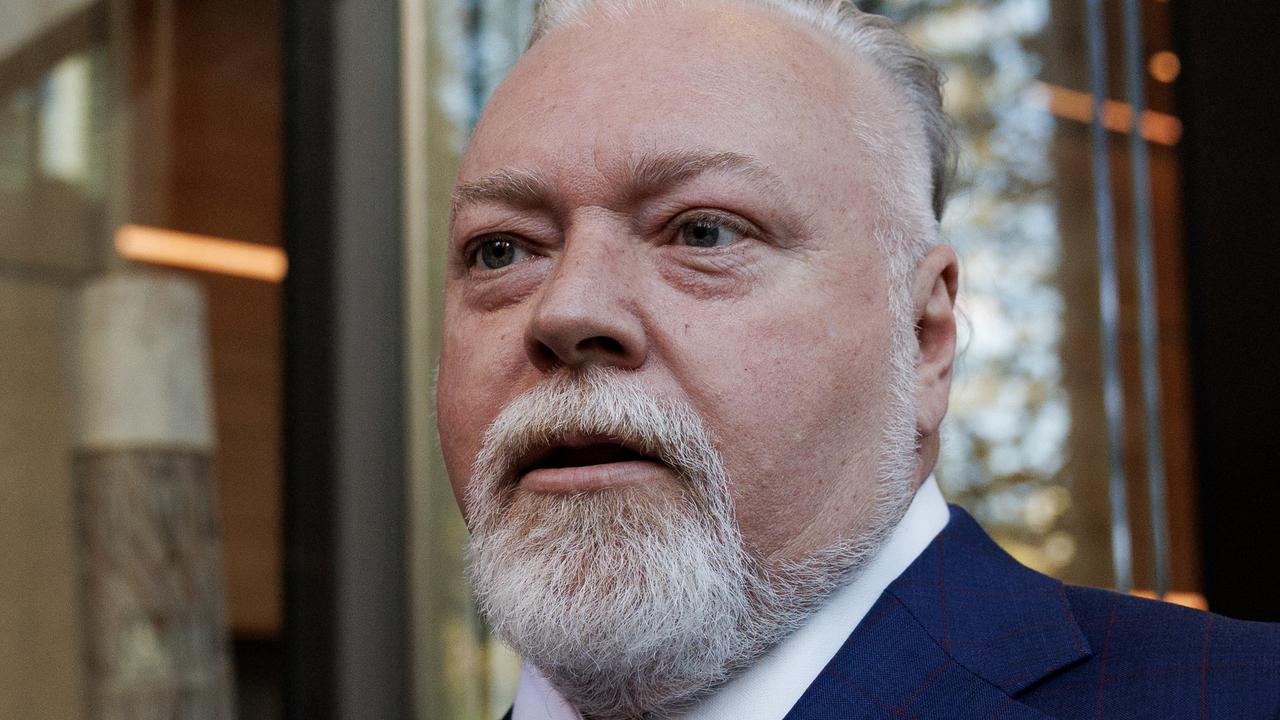
Kyle Sandilands quits Australian Idol after pressure from activist campaign
Veteran Australian radio personality and media personality Kyle Sandilands has announced his immediate departure from his judging role on the hit reality singing competition *Australian Idol*, citing a deliberate activist campaign targeting the show’s advertising partners as the core reason for his exit. The 55-year-old, who has twice held a judging seat on the program, framed his exit as a decision made to protect the long-term viability of the *Australian Idol* brand.
Sandilands confirmed the exit in comments to Nine Newspapers, explaining that advocacy group Mad F**king Witches had directly targeted both returning and potential advertisers for the Channel Seven-broadcast series, creating significant disruptions for the network’s sales department. “Those activists have attacked the potential clients for Australian Idol or the clients from last year, and has caused a problem in Channel Seven’s sales team,” Sandilands told reporters. “So I’ve told Channel Seven this morning … that I’m standing down from Idol for the good of the brand to continue.”
Sandilands’ exit caps a turbulent 12 months for the high-profile media personality, a period marked by public splits, legal battles, major health news and an upcoming career pivot. Most notably, he split from his long-time on-air co-host Jackie O Henderson earlier this year, a rift that came after he made controversial public comments calling Henderson “off with the fairies” and “unfocused.” The disagreement led to the early termination of his $100 million contract with major radio network ARN, owner of KIIS FM, in March. Sandilands subsequently filed an unfair dismissal case against ARN, which settled out of court in June for a payout reported to exceed $12 million.
In addition to his professional upheaval, Sandilands also revealed a serious 2025 health diagnosis: a brain aneurysm located in a high-risk position behind his eye, which surgeons have deemed inoperable. The split from Henderson also sparked public drama, with Sandilands recently sharing that actor Russell Crowe personally urged him to reach out and reconcile with his former co-host amid the ongoing fallout.
Sandilands first served as an *Australian Idol* judge from the program’s 2005 launch through 2009, before returning to the judging panel in 2022 alongside international star Meghan Trainor and Australian recording artist Amy Shark. His exit comes just weeks after the show wrapped its 11th season on Channel Seven, with the finale airing in April.
Looking ahead, Sandilands is on track to launch his new independent venture, *Kyle Sandilands Live*, a subscriber-only show distributed via a dedicated mobile app, scheduled to go live mid-August. Access to the new show will cost subscribers $99, and Sandilands has already released a tell-all documentary series detailing his side of the split from ARN and Henderson. This exit from *Australian Idol* clears the way for Sandilands to focus full-time on his new independent project as he navigates ongoing personal and professional transitions.
-
What to know about the conflict in Mali and the world’s most terrorized region
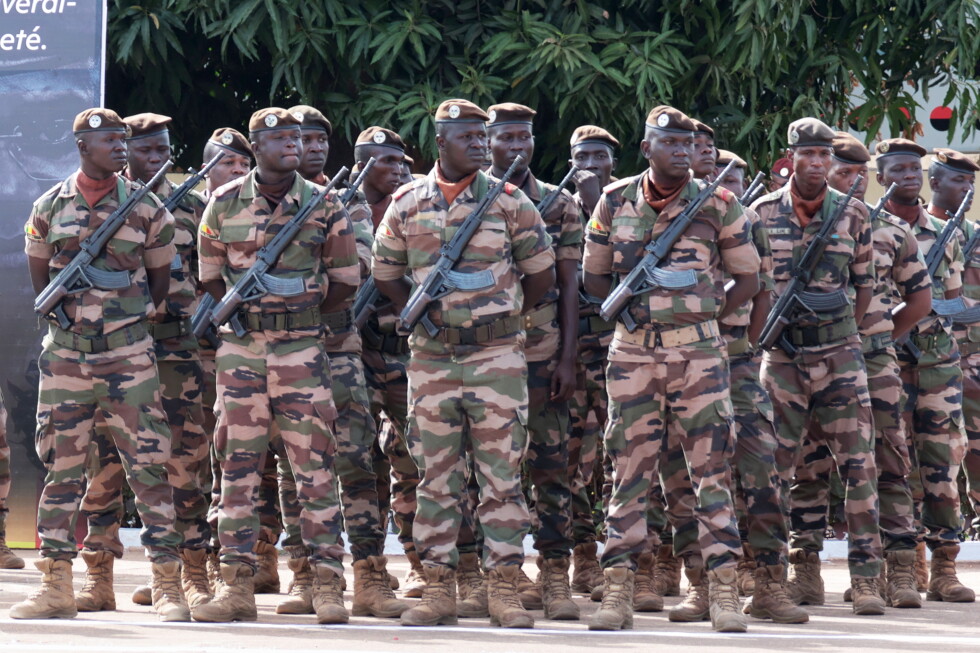
In the vast and violence-plagued Sahel region of West Africa, Mali is now confronting its most severe security breakdown in a decade, after two once-disparate armed factions — an al-Qaida-linked jihadi network and a Tuareg separatist group — formed a tactical partnership that has sharply intensified attacks on state military targets.
This unprecedented alliance between Jama’at Nusrat al-Islam wal-Muslimin (JNIM), the Sahel’s most powerful al-Qaida affiliate, and the newly formed Azawad Liberation Front (FLA), a separatist movement fighting for northern Mali’s independence, marks a dangerous new turning point in a conflict that has stretched across decades. Analysts warn the coordinated campaign has already produced some of the deadliest assaults on Malian security forces and their international allies seen in recent years.
The scale of the escalation became clear in April, when the allied groups launched large, simultaneous attacks across multiple regions of Mali — the first coordinated offensive of its size in 10 years. Earlier this month, the partnership carried out a deadly ambush on a Malian military convoy, leaving dozens of soldiers dead or captured and ratcheting up pressure on the country’s ruling military junta, which has held power since a 2020 coup.
Data from the Armed Conflict Location and Event Data (ACLED), an independent conflict monitoring organization, confirms the rapid worsening of violence. Fatalities linked to militant attacks across Mali jumped 35% in the first seven months of this year, rising to 3,435 from 2,546 recorded in the same period in 2024.
“The JNIM and FLA gain clear strategic advantage from collaborating, because each acts as a force multiplier for the other,” explained Heni Nsaibia, ACLED’s senior analyst for West Africa. Nsaibia noted both groups share a core immediate goal: defeating their common enemy, which they identify as the Malian armed forces and Russia’s Africa Corps, the Kremlin-aligned paramilitary group that now supports the junta.
FLA spokesperson Mohamed Elmaouloud Ramadane confirmed the arrangement to the Associated Press, describing the partnership as “a form of tactical coordination” focused exclusively on military operations. Ramadane added that the groups have agreed that once northern Mali achieves independence, local communities will vote to decide what form of sharia law, if any, will be implemented in the region.
To understand the current crisis, it is necessary to trace the long arc of instability in Mali. The modern conflict first ignited in 2012, when a Tuareg rebellion in northern Mali opened a power vacuum that jihadi groups quickly moved to fill, pushing the entire Sahel — a vast semi-arid belt stretching from North Africa to the Atlantic coast of West Africa — onto a path of persistent, large-scale violence. In 2020, Malian soldiers seized control of the civilian government, justifying the coup by pointing to the ongoing security failure. That power grab triggered a wave of follow-up coups across the Sahel, which the Institute for Economics and Peace now classifies as the deadliest region on Earth, accounting for more than half of all global terror-related fatalities annually.
Analysts broadly agree that military rule has failed to reverse the security decline, and has instead allowed armed groups to expand their territorial control across Mali and the wider Sahel. To contextualize the current fighting, a breakdown of the major active factions follows:
### Jama’at Nusrat al-Islam wal-Muslimin (JNIM)
Formed in 2017 from the merger of four separate al-Qaida-aligned factions operating in Mali, JNIM is widely recognized as the most powerful armed group in the Sahel and one of al-Qaida’s deadliest global affiliates. Its founding stated goal was to expel French counterterrorism forces, which were deployed to support the Malian government at the time.Led by Iyad Ag Ghaly, a veteran Tuareg rebel and former Malian diplomat, JNIM operates across nearly all of Mali’s northern, southern, western and central regions. Last year, the group imposed a continuing blockade on fuel imports into Mali, severely disrupting supplies to the capital Bamako. It has also expanded its operations into neighboring Niger and Burkina Faso, and is pushing its influence into coastal West African states.
JNIM has forced the Malian military to spread its forces thin across vast swathes of territory, stretching the army’s operational capacity to breaking point. In recent years, the group has increasingly positioned itself as a legitimate alternative to the weak central government.
“JNIM has progressively expanded its influence, becoming an increasingly unavoidable interlocutor for some local communities and exercising de facto authority in certain areas where state institutions have only a limited presence,” said Beatrice Bianchi, an adviser for the Sahel-Sahara Security Strategies Centre.
### Azawad Liberation Front (FLA)
Founded in 2024, the FLA is the latest iteration of Tuareg separatist movements that have fought for northern Mali’s independence since the 1960s, shortly after Mali gained sovereignty from France. Separatist leaders have long argued that the central government in Bamako has systematically marginalized the northern region both politically and economically.In 2012, a coalition of Tuareg rebel groups under the Coordination of Azawad Movements declared independence for the Azawad region, sparking a broader rebellion that aligned with the rising jihadi insurgency. A 2015 peace accord brokered by Algeria between the Malian government and rebel groups paused large-scale hostilities, but the ruling junta withdrew from the agreement in 2024 amid surging tensions, triggering a return to open conflict. In response, leaders from multiple separatist factions merged to form the FLA.
### Islamic State Sahel Province (ISSP)
The Sahel branch of the Islamic State network, ISSP was formed by defectors from al-Mourabitoun, one of the four al-Qaida groups that merged to create JNIM. The Islamic State leadership formally recognized ISSP’s allegiance in 2022. Compared to JNIM, ISSP is far less prominent across Mali, with most of its operations concentrated in the Menaka region bordering Niger.Unlike JNIM, which works to build local acceptance alongside its military campaign, ISSP’s explicit goal is to establish a global Islamic caliphate in the region, and it relies far more heavily on violence and intimidation against civilian populations. “Both organizations are responsible for significant violence against civilians, but JNIM has generally sought to combine coercion with efforts to build local acceptance, while the Islamic State has relied more heavily on overt violence and intimidation,” Bianchi said. The two jihadi groups are also frequent rivals, violently competing for territory and clashing over competing interpretations of jihad, reflecting the long-running global rivalry between al-Qaida and the Islamic State.
### Africa Corps
The Africa Corps is a Russian paramilitary force that replaced the disbanded Wagner Group after its 2023 mutiny, and falls under the direct command of the Russian Ministry of Defense. After seizing power, the Malian junta expelled French counterterrorism forces from the country in 2022, framing the move as a defense of national sovereignty amid the worsening security crisis. The junta then abandoned its long-standing Western security partnerships to turn to Russia, first engaging the Wagner Group as a security proxy, before the Kremlin replaced Wagner with the Africa Corps. The paramilitary fights alongside Malian government forces, but has been widely accused of systematic gross human rights violations against civilian populations.### Pro-Government Auxiliary Forces
A number of smaller ethnic militia groups also support the Malian government, though their alliances are often fluid. These include the Dozo, a faction of former hunters that has become militarized, and Tuareg self-defense groups such as the Imghad Tuareg Self-Defense Group and Allies (GATIA) and the Movement for the Salvation of Azawad (MSA), both active in the Menaka region. One prominent militia, Dan Na Ambassagou, which targets Fulani communities accused of harboring jihadis, was once backed by the government but has since been renounced by state authorities.