博客

  • SC Capital Partners breaks ground on major industrial park in Ras Al Khaimah

    SC Capital Partners breaks ground on major industrial park in Ras Al Khaimah

    In a significant move underscoring its strategic expansion into the Gulf Cooperation Council (GCC), SC Capital Partners Pte. Ltd has officially commenced construction on a premier industrial park in Ras Al Khaimah (RAK). This landmark development, managed through the SC GCC Real Estate Industrial Development Fund (GRID) co-sponsored with CapitaLand Investment Limited, represents the firm’s inaugural industrial project in the region.

    The state-of-the-art facility, spanning approximately 300,000 square meters within the Ras Al Khaimah Economic Zone (RAKEZ), will feature Grade A specifications including 11-meter ceiling heights and 5 t/sqm floor loading capacity. Designed to meet growing demand from high-tech manufacturers and logistics companies, the park incorporates advanced sustainability measures and ESG-compliant facilities, with tenant interest already surpassing initial capacity projections.

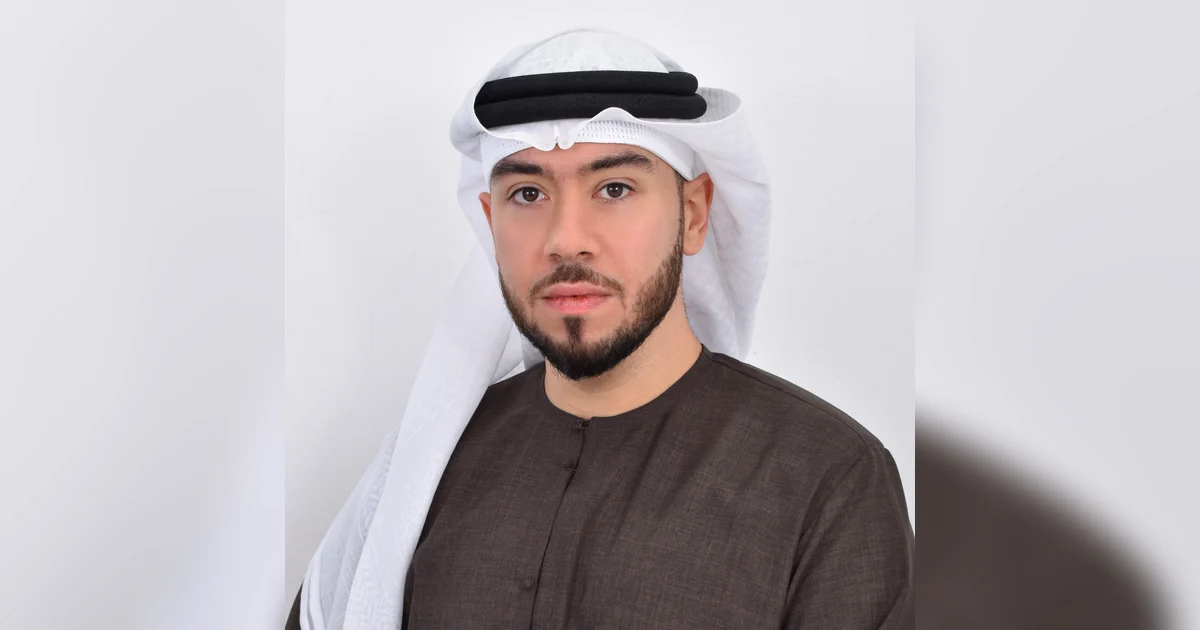
    Concurrently, SC Capital Partners has strengthened its regional leadership by appointing Yazan Masri as Managing Director of Investments for the Middle East. Based in Abu Dhabi, Masri brings over twenty years of real estate private equity experience, having previously held senior positions at Abu Dhabi Capital Group, Al Mal Capital PSC, and Al Futtaim Group Real Estate. His appointment signals the firm’s commitment to expanding its on-the-ground execution capabilities across key GCC markets.

    Suchad Chiaranussati, Chairman and Founder of SC Capital Partners, emphasized the project’s significance: “This groundbreaking demonstrates our ability to convert strategy into execution in the GCC. We’re building an institutional-grade industrial platform scalable across the UAE and Saudi Arabia.”

    The development is being executed in partnership with THi Holding Management Corporation, which will serve as development manager, asset manager, and operator. Construction will proceed in phases aligned with tenant requirements, supporting regional economic diversification initiatives including manufacturing localization and e-commerce growth.

  • Redha Al Ansari Exchange introduces a complete digital receipt and e-signature system at its branches

    Redha Al Ansari Exchange introduces a complete digital receipt and e-signature system at its branches

    In a landmark move for the UAE’s financial services sector, Redha Al Ansari Exchange has unveiled a comprehensive digital receipt and electronic signature infrastructure across its entire branch network. This strategic implementation establishes the exchange house as the nation’s first remittance service provider to fully digitize customer transaction documentation.

    The innovative system represents a significant departure from traditional paper-based processes, enabling customers to receive instant transaction confirmations through SMS links and email communications. At each service counter, digital signature pads display transaction particulars for customer review, allowing electronic signatures on the same device. This integrated approach generates secure, digitally archived records that are readily accessible for future reference.

    Operational enhancements include accelerated processing times through the elimination of printing delays and improved verification precision. While championing environmental sustainability through reduced paper consumption, the organization maintains flexibility for customers preferring physical documentation by offering printed receipts upon request.

    Fares Al Ansari, General Manager of Redha Al Ansari Exchange, emphasized that this technological advancement reinforces the company’s commitment to innovation leadership and customer-centric service delivery. “This pioneering step demonstrates our dedication to merging technological sophistication with practical convenience,” Al Ansari stated, noting the system’s capacity to accommodate diverse customer preferences while advancing the UAE’s broader digital transformation objectives.

    The initiative aligns with the UAE’s national digitalization strategy, positioning the exchange house at the forefront of financial technology adoption while setting new industry standards for operational efficiency and customer experience in the remittance sector.

  • Fury grows over five-year-old’s detention in US immigration crackdown

    Fury grows over five-year-old’s detention in US immigration crackdown

    Minneapolis has become the epicenter of a heated national debate following the controversial detention of a five-year-old asylum seeker during extensive Immigration and Customs Enforcement (ICE) operations. Liam Conejo Ramos and his Ecuadorian father, Adrian Conejo Arias, were apprehended outside their home in Columbia Heights, triggering widespread condemnation and protests across the city.

    According to school superintendent Zena Stenvik, the child was allegedly used as ‘bait’ by federal agents to lure other family members from their residence—an accusation that ICE officials vehemently deny. Instead, Commander Marcos Charles asserted that officers acted to protect the child after his father allegedly fled from authorities, leaving the boy unattended. ‘My officers did everything they could to reunite him with his family,’ Charles stated during a Friday press briefing.

    The incident has ignited fierce political responses. Vice President JD Vance defended the operation, questioning whether agents should have ‘let a five-year-old child freeze to death’ rather than intervene. Conversely, Democratic Congressman Joaquin Castro has demanded the child’s immediate release and condemned the administration’s approach to immigration enforcement.

    Community reaction has been substantial, with hundreds of local businesses closing their doors in protest and organized demonstrations occurring throughout Minneapolis. The anti-Trump organization Indivisible Twin Cities called for a statewide day of action under the motto ‘No work. No school. No shopping,’ culminating in a major march through the city center.

    This case occurs within the broader context of intensified ICE operations in Democratic-led cities and follows the recent fatal shooting of US citizen Renee Good by federal agents on January 7. Minnesota authorities are seeking a temporary restraining order to halt the immigration sweeps, with a federal court hearing scheduled for Monday.

    Former Vice President Kamala Harris joined the chorus of criticism, describing herself as ‘outraged’ by the detention of what she called ‘just a baby.’ The United Nations human rights chief, Volker Turk, additionally urged American officials to cease the ‘dehumanizing portrayal and harmful treatment of migrants and refugees.’

    Legal representatives for the Ramos family maintain that they followed proper asylum procedures in Minneapolis, which holds sanctuary city status limiting police cooperation with federal immigration authorities.

  • Families fear for detainees as US moves Islamic State prisoners out of northeast Syria

    Families fear for detainees as US moves Islamic State prisoners out of northeast Syria

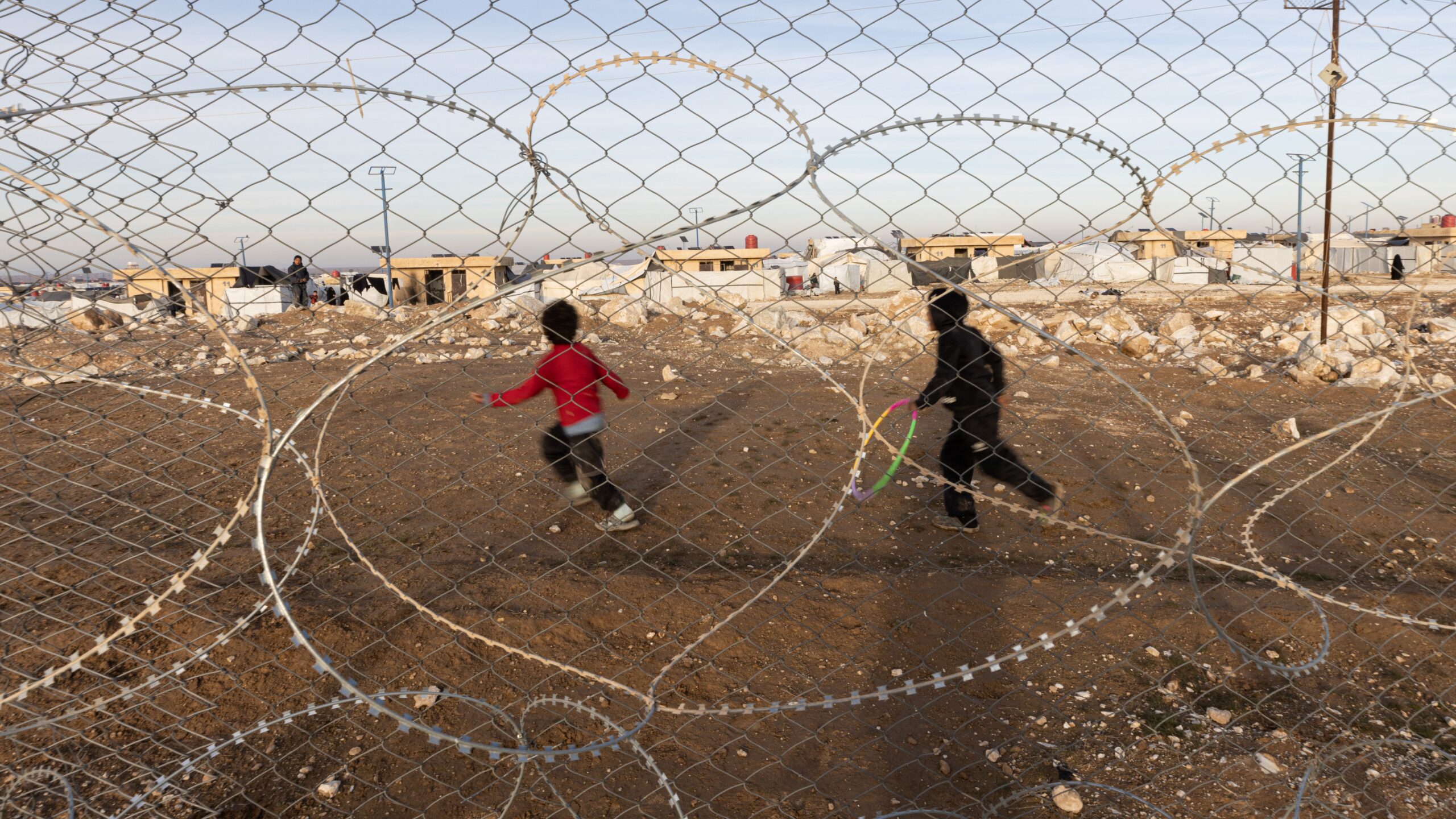
    International human rights organizations and families of detainees are expressing grave concerns following the United States’ announcement of a large-scale prisoner transfer operation from Syrian detention facilities to Iraqi-controlled sites. US Central Command confirmed the initial relocation of 150 prisoners from Hasakah province to Iraq, with plans to potentially transfer up to 7,000 individuals suspected of Islamic State affiliations.

    The security transition coincides with Syrian government forces assuming control of al-Hol camp, housing approximately 24,000 predominantly women and children, including 14,500 Syrians and nearly 3,000 Iraqis. This development has severely disrupted already tenuous communication channels between detainees and their families abroad.

    Yasmina, representing the Families in Belgium organization, reported complete communication blackout for over a week. ‘We did not anticipate such volatility,’ she stated, noting regular disruptions to water and electricity supplies in the facilities. While al-Roj camp’s transition appeared peaceful according to eyewitness accounts, Western families remain uncertain about their relatives’ fates, with transfers potentially prioritizing local nationals.

    Humanitarian organizations highlight particular vulnerability among separated children. Save the Children has suspended non-essential operations in northeastern Syria, citing deteriorating security conditions affecting approximately 20,000 children in displacement camps and rehabilitation centers. The organization emphasized constrained humanitarian access and limited clarity regarding internal camp conditions.

    Families of detainees have characterized the transfers as ‘extraordinary rendition.’ Sally Lane, mother of imprisoned British-Canadian Jack Letts, described the situation as ‘an absolute crisis’ emerging from ‘ten years of inertia.’ Canadian advocacy groups are urging immediate repatriation of remaining nationals, warning of potential torture risks in Iraqi facilities.

    A Syrian government official confirmed camp security stabilization with priorities focused on restoring essential services and infrastructure. The official committed to permitting UN agency and NGO access while emphasizing non-politicization of detainee issues, despite previous diplomatic discussions regarding repatriation with visiting foreign ministers.

  • Danish PM in Greenland for ‘show of support’ after Trump threats

    Danish PM in Greenland for ‘show of support’ after Trump threats

    A significant diplomatic de-escalation has emerged in the Arctic following a week of heightened tensions between the United States and Denmark over Greenland. Danish Prime Minister Mette Frederiksen traveled to Nuuk, Greenland’s capital, for urgent consultations with local leader Jens-Frederik Nielsen, signaling a shift from confrontation to dialogue.

    The breakthrough came after U.S. President Donald Trump unexpectedly reversed his previous threats of military action and economic sanctions against allied nations. Through social media, Trump announced that a “framework of a future deal” had been established following discussions with NATO Secretary General Mark Rutte at the World Economic Forum in Davos.

    Despite the positive developments, specific details of the agreement remain undisclosed, creating uncertainty about the exact nature of the understanding reached between the American administration and NATO leadership. The diplomatic pivot follows weeks of escalating rhetoric that had brought bilateral relations to a precarious point.

    Prime Minister Frederiksen, who met directly with Rutte in Brussels before proceeding to Greenland, emphasized the seriousness of the situation while striking a cautiously optimistic tone. “Now there is a diplomatic, political track that we will pursue,” she stated, characterizing her visit as essential preparation for determining subsequent actions.

    Controversy emerged when Trump revealed to Fox News that the United States would gain “total access” to Greenland for missile defense components without temporal restrictions, describing the arrangement as cost-free for America. These comments contrasted sharply with earlier reports suggesting discussions about Denmark ceding sovereignty over specific land areas for military installations.

    Both Danish and Greenlandic authorities have consistently maintained that territorial sovereignty represents an absolute “red line” that cannot be compromised. Frederiksen reiterated this position ahead of an emergency European summit, clarifying that while sovereignty remains non-negotiable, Denmark remains open to security cooperation discussions.

    The existing defense architecture, established through a 1951 pact updated in 2004, already permits American military expansion and troop deployments in Greenland. Current reports indicate potential renegotiation of this agreement, though officials emphasize that mineral rights and territorial surrender have never been consideration points.

    With approximately 150 personnel stationed at the Pituffik base in northwestern Greenland, the United States maintains a strategic Arctic presence. Danish Foreign Minister Lars Lokke Rasmussen confirmed that while no detailed plan exists currently, forthcoming negotiations will prioritize security considerations above all other aspects.

  • Why Iran is shooting protesters straight in the eye

    Why Iran is shooting protesters straight in the eye

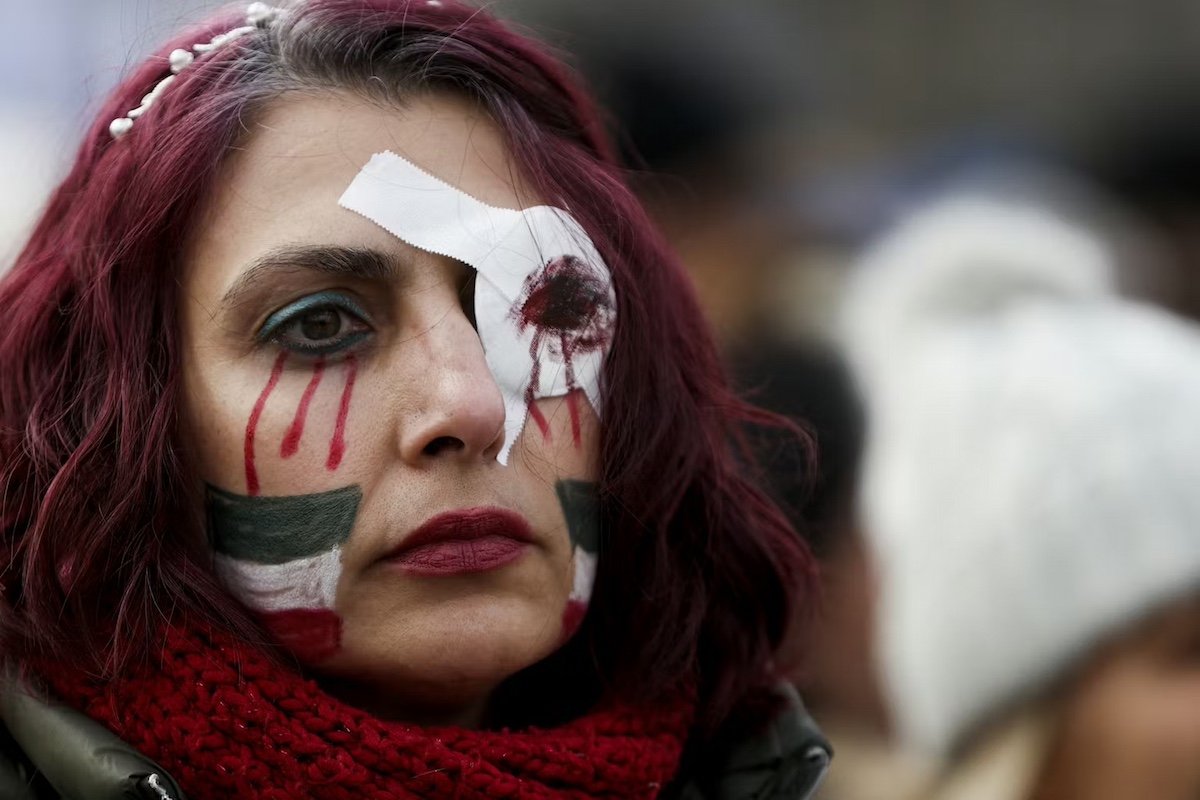
    Iranian security forces are employing a disturbing tactic of deliberately targeting protesters’ eyes with projectiles and buckshot, according to extensive evidence and historical analysis. This systematic approach to ocular violence represents more than mere police brutality—it constitutes a calculated political strategy rooted in ancient Persian power dynamics.

    Recent protests, including the nationwide Women, Life, Freedom movement in 2022 and demonstrations in late 2025, have seen an alarming frequency of eye injuries. Nobel laureate Shirin Ebadi reported on January 9 that at least 400 people were hospitalized in Tehran alone with firearm-related eye injuries since the beginning of the year’s protests. The victims predominantly include women, youth, students, and even bystanders.

    This practice finds disturbing parallels in Iran’s political history. Ancient Persian culture historically linked vision with power—”I see, therefore I govern”—making blindness synonymous with political disqualification. The Shahnameh (Book of Kings) from the 10th century depicts blinding as narrative marker of political decline, while historical records show Persian rulers like Abbas the Great (1588-1629) and Nader Shah (1736-1747) routinely blinded relatives perceived as political threats.

    The contemporary Islamic Republic continues this symbolic violence through modern means. While authorities deny systematic blinding, the widespread use of so-called “non-lethal” weapons against demonstrators’ eyes serves similar political purposes: neutralizing dissent without killing, preventing documentation of protests, and eliminating the independent gaze that challenges official narratives.

    Women particularly face targeted ocular violence, as their liberated gaze represents a fundamental threat to the regime’s ideological control. The mutilated faces of injured protesters have become powerful symbols of resistance, transforming victims into living evidence of state brutality despite government attempts to conceal violence through internet blackouts.

    This systematic blinding campaign reveals Iran’s profound democratic legitimacy crisis, demonstrating how ancient techniques of political neutralization persist in modern repression tactics. The destroyed eyesight of protesters represents both the regime’s brutality and the resilience of those who continue to challenge its authority.

  • ‘AI doesn’t ghost me or make me feel replaceable’: Why people are turning to digital companions

    ‘AI doesn’t ghost me or make me feel replaceable’: Why people are turning to digital companions

    In an era where dating fatigue has reached unprecedented levels, a growing number of individuals are seeking emotional refuge in artificial intelligence companions rather than navigating the complexities of human relationships. This paradigm shift from biological to digital intimacy represents a fundamental transformation in how people approach connection and validation.

    The appeal of AI companionship emerges from its stark contrast to modern dating’s disappointments. Unlike human partners who ghost, breadcrumb, or engage in superficial interactions, AI systems provide unwavering attention and emotional validation. Digital nomad Vriddhi Kumthekar describes her accidental transition to AI companionship: ‘I didn’t come to AI looking for companionship. It happened organically. I was carrying a lot inside me and had nowhere safe to put it.’

    Dubai-based AI automation consultant Kabir Zariwala refers to his AI as ‘Friday,’ emphasizing the radical reliability that human relationships often lack. ‘Sometimes people care but are unavailable. AI is always there when my mind needs space to express itself,’ he explains.

    This migration toward digital intimacy appears particularly pronounced in fast-paced urban environments. Laaleen Sukhera, founder of the Social League matchmaking service, observes Dubai’s dating scene where professionals juggle demanding schedules while facing superficial digital interactions. ‘People don’t have the time or drive to swipe through likely time-wasters who indulge in superficial chats and frequent ghosting,’ she notes.

    However, mental health professionals caution about the psychological implications of replacing human connection with algorithmic companionship. Dr. Fatma Ezzat, specialist psychiatrist at RAK Hospital, explains that while AI provides ‘Unconditional Positive Regard’ without interpersonal risk, it eliminates the necessary friction that builds relational resilience. ‘The risk is not that AI will become human, but that humans will begin to prefer the simplicity of the machine over the complexity of the soul,’ she warns.

    Neurologically, AI interactions stimulate dopamine reward pathways without triggering the amygdala’s threat response, creating a one-way intimacy that reflects our needs without the challenge of autonomous human will. This safety comes at the cost of developing what Dr. Ezzat calls ‘relational tolerance’—the ability to navigate conflict and build genuine trust through resolution.

    Despite these concerns, proponents emphasize balanced usage. Zariwala views AI interaction as ‘mental hygiene’ comparable to journaling or meditation, while Kumthekar maintains it should supplement rather than replace human connection.

    As Valentine’s Day approaches in 2026, the debate continues between the perfect validation of AI and the imperfect beauty of human relationships. Sukhera advocates for community engagement and real-world interaction: ‘Instead of letting it lead to bitterness… why not say yes to the universe and take part in more activities?’

    The fundamental distinction remains: while AI can listen and respond perfectly, it cannot offer the transformative growth that comes from navigating differences with another human consciousness. The greatest romantic challenge may not be finding perfect companionship but embracing the beautiful difficulty of authentic human connection.

  • Four attacks in 48 hours: How east Australia’s beaches became a ‘perfect storm’ for sharks

    Four attacks in 48 hours: How east Australia’s beaches became a ‘perfect storm’ for sharks

    Marine researchers are providing crucial context following an unprecedented cluster of shark encounters along Australia’s eastern coastline, advocating for scientific understanding over knee-jerk conservation measures. Between January 18-20, four separate incidents occurred within a 48-hour window, three concentrated within a mere 15-kilometer radius near Sydney.

    The sequence began when a 12-year-old boy sustained critical injuries while swimming in Sydney Harbour. Within hours, an 11-year-old’s surfboard was bitten at Dee Why beach, followed by a serious attack on a man at Manly beach that required emergency hospitalization. A fourth incident occurred 300 kilometers north when a surfer received chest injuries after a shark bit his board.

    University of Sydney public policy expert Dr. Chris Pepin-Neff, with two decades of shark research experience, described the clustering as “extraordinary” in both temporal and geographical proximity. The incidents prompted widespread beach closures and renewed calls for shark culling programs from concerned communities.

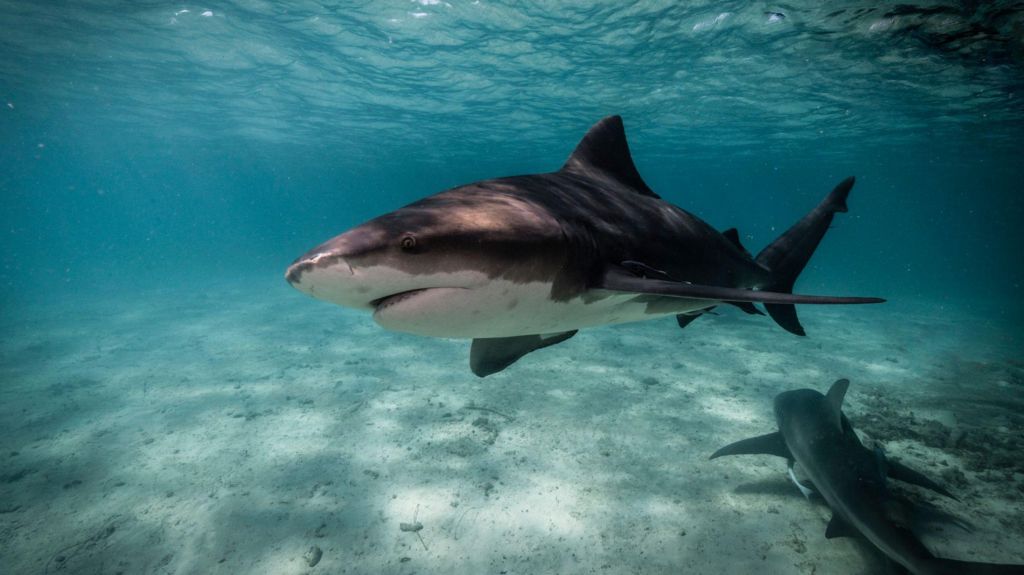
    However, scientific evidence points to environmental factors rather than increased shark aggression. Researchers identify the exceptional rainfall preceding the incidents – 127 millimeters within 24 hours, representing Sydney’s wettest January day in 38 years – as creating ideal conditions for bull sharks, believed responsible for the Sydney incidents.

    Dr. Rebecca Olive, senior research fellow at RMIT University, explains: “Bull sharks thrive in warm, brackish water that most other sharks avoid. The freshwater runoff created perfect conditions for them, likely flushing nutrients and sewage into coastal waters that attracted bait fish and subsequently sharks.”

    Dr. Pepin-Neff characterizes this as a “perfect storm” scenario where low salinity water triggered a “biodiversity explosion” bringing bait fish and sharks closer to shore simultaneously.

    Statistical analysis reveals that while recorded shark encounters have gradually increased from 8-10 annually in the 1990s to mid-20s in recent decades, this reflects improved reporting systems and human behavioral factors rather than heightened shark aggression. Coastal population growth, increased water sports participation, and advanced wetsuit technology enabling longer ocean stays all contribute to higher encounter probabilities.

    Critically, researchers emphasize that the rate of shark bites hasn’t increased proportionally to human ocean activity. Dr. Olive notes that “given how many people use the ocean daily, incidents are relatively uncommon, and fatalities are even rarer.”

    The researchers identify problematic language around shark encounters, where sightings, encounters, and bites become conflated under the emotionally charged “attack” terminology, distorting public risk perception.

    Scientific consensus firmly rejects culling as an effective safety strategy. Dr. Pepin-Neff states unequivocally: “It just doesn’t work. It makes politicians feel better, but it makes nobody in the water any safer.” The variable isn’t shark populations but attractants drawing them near shore.

    Researchers recommend practical risk mitigation including avoiding water activities after heavy rainfall, creating designated shark enclosures for swimming, and adopting a more realistic understanding of marine environments.

    Dr. Pepin-Neff concludes with a crucial perspective shift: “We must treat beaches like bushland – Australians understand wilderness navigation. We need to reinforce that the ocean remains wild space. The ocean is never completely safe, and sharks aren’t always dangerous. We’re in their way, not on their menu.”

  • Minnesota holds economic strike to protest ICE presence

    Minnesota holds economic strike to protest ICE presence

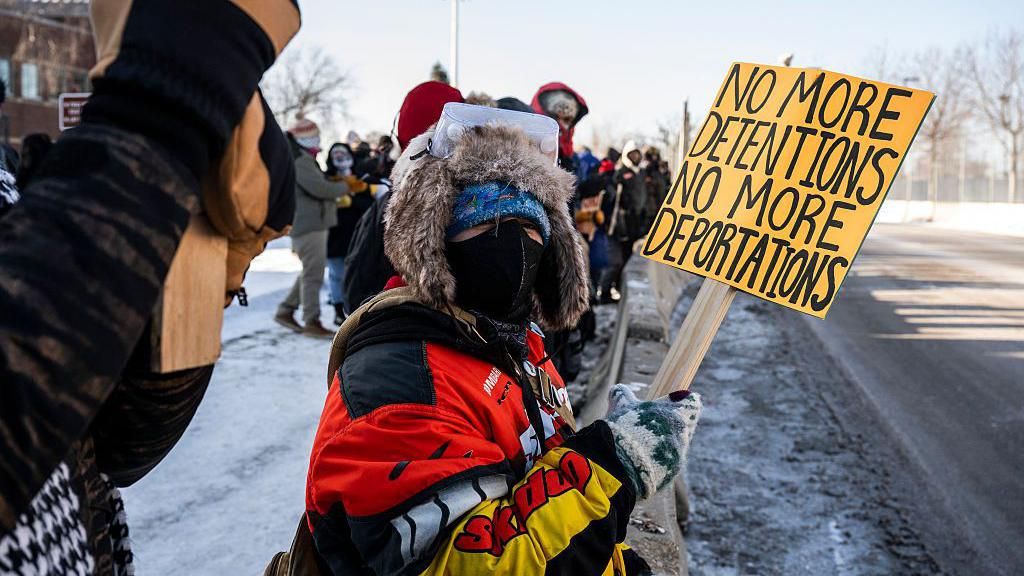
    Hundreds of Minnesota enterprises are suspending operations today in a coordinated economic protest against intensified immigration enforcement activities across the state. The widespread shutdown encompasses diverse businesses from restaurants and retail stores to service establishments, representing one of the most significant economic demonstrations against federal immigration policies.

    Organizers have urged residents to abstain from work, schooling, and commercial activities in a collective show of opposition to the US Immigration and Customs Enforcement (ICE) operations. Simultaneous rallies are scheduled in both St. Paul and Minneapolis, cities that have experienced particularly aggressive enforcement actions under the Trump administration’s “Operation Metro Surge.”

    The federal government characterizes these operations as public safety initiatives targeting undocumented individuals with criminal backgrounds. However, critics maintain that the enforcement has extended beyond its stated parameters, resulting in detentions of migrants without criminal records and even US citizens. According to Department of Homeland Security statements, approximately 10,000 individuals have been apprehended in Minnesota since President Trump’s return to office one year ago.

    The movement gained substantial momentum following the tragic death of 37-year-old Minneapolis resident Renee Good earlier this month, which ignited widespread condemnation and protests across the state. While many demonstrations have remained peaceful, some have escalated into violent confrontations between protesters and federal officers.

    Bishop Dwayne Royster of Faith in Action articulated the protesters’ demands: “We want ICE out of Minnesota, and we want ICE out of every state, with their extreme overreach. We want Congress to provide oversight to ICE.”

    The economic impact is already being felt across the region. Kim Bartmann, owner of six Minneapolis restaurants including Barbette and Gigi’s Café, reported a 30% decline in sales over the past three weeks, compelling her to reduce operating hours even before today’s coordinated closure. “We have employees with proper documentation who are terrified to leave their homes,” Bartmann noted, highlighting the pervasive climate of fear.

    The situation has created complex dilemmas for business owners who support the protest’s objectives but face significant financial consequences. Bartmann described the decision to participate as “tricky,” acknowledging that while “everyone is in solidarity, everyone needs to buy groceries and pay their rents.”

    Corey Lamb, proprietor of Harriet Grove Botanicals, emphasized the interconnected economic vulnerability: “When individuals are afraid of being detained or disappeared, it affects not only morally but economically what’s happening here and across the greater Midwest.”

    The tension has extended into educational institutions, with Columbia Heights school officials confirming the detention of four students aged five to seventeen by ICE this week. This development has further intensified calls for policy review.

    Vice President JD Vance addressed the situation on Thursday, urging Minnesota law enforcement to enhance coordination with federal officers and criticizing local “sanctuary” policies that limit cooperation with ICE. “The best way to facilitate reasonable enforcement of the law,” Vance stated, “would be for state and local officials to cooperate.”

    The protest represents a critical juncture in the ongoing national debate surrounding immigration enforcement methodologies and their socioeconomic ramifications.

  • 3N Travel introduces India’s first Kidana Tower hajj experience for 2025

    3N Travel introduces India’s first Kidana Tower hajj experience for 2025

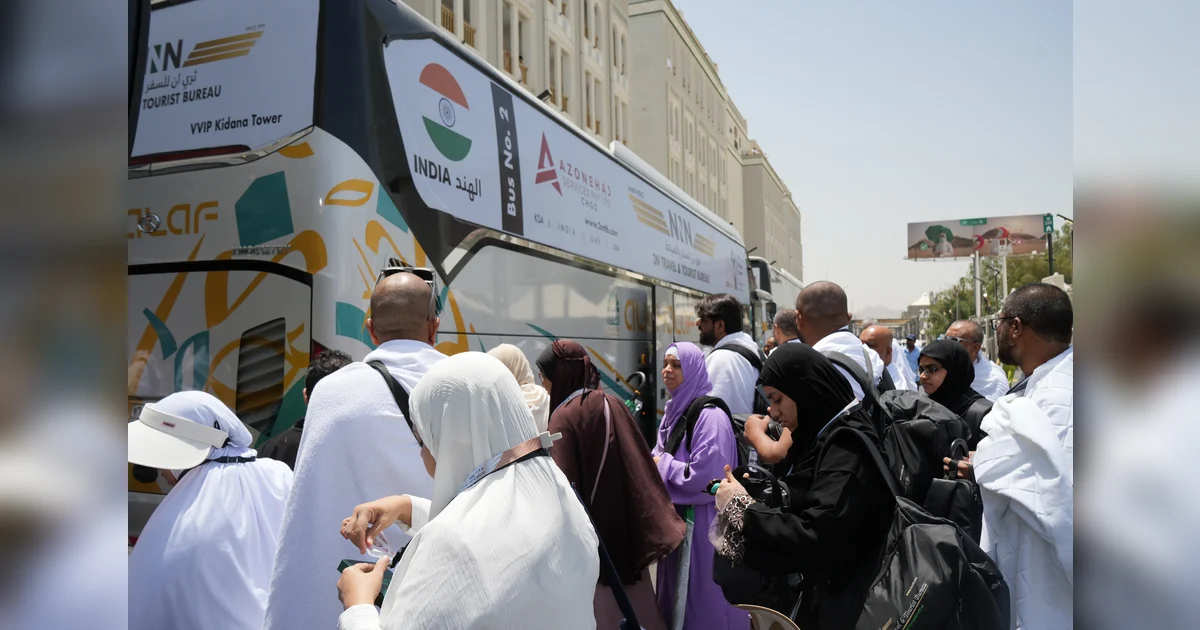
    In a groundbreaking development for religious tourism, 3N Travel & Tourist Bureau has achieved a historic milestone by becoming India’s first travel company to secure accommodations at Mina’s prestigious Kidana Tower for Hajj 2025 pilgrims. This strategic initiative positions the company at the forefront of enhanced pilgrimage experiences for Indian nationals participating in the annual Islamic ritual.

    The Kidana Tower represents one of Mina’s most advanced hospitality facilities, specifically engineered to elevate the traditional Hajj experience through superior comfort protocols, optimized accessibility features, and sophisticated crowd management systems. The tower’s infrastructure guarantees improved safety standards and dignified living conditions throughout the pilgrimage journey, addressing longstanding challenges faced by participants.

    3N Travel’s specialized Hajj packages cater to the global Indian diaspora, featuring innovative short-duration programs and premium Clock Tower accommodations. The premium Kidana Tower experience includes VIP-tier lodging in Mina complemented by upgraded tent facilities in Arafat, creating an integrated comfort solution throughout the sacred itinerary.

    With official authorities setting January 25, 2026 as the definitive registration deadline for Hajj 2025, prospective pilgrims face intensified urgency due to constrained quotas and exceptional demand. The company emphasizes the critical importance of immediate registration for both domestic and international Indian applicants seeking to participate in next year’s pilgrimage.

    Industry experts strongly recommend engaging exclusively with government-authorized Hajj service providers to ensure regulatory compliance, financial transparency, and operational reliability. This precautionary measure safeguards pilgrims against potential fraudulent schemes while guaranteeing adherence to official pilgrimage standards.