博客

  • Canadian prime minister calls Iran war an extreme example of a rupturing world order

    Canadian prime minister calls Iran war an extreme example of a rupturing world order

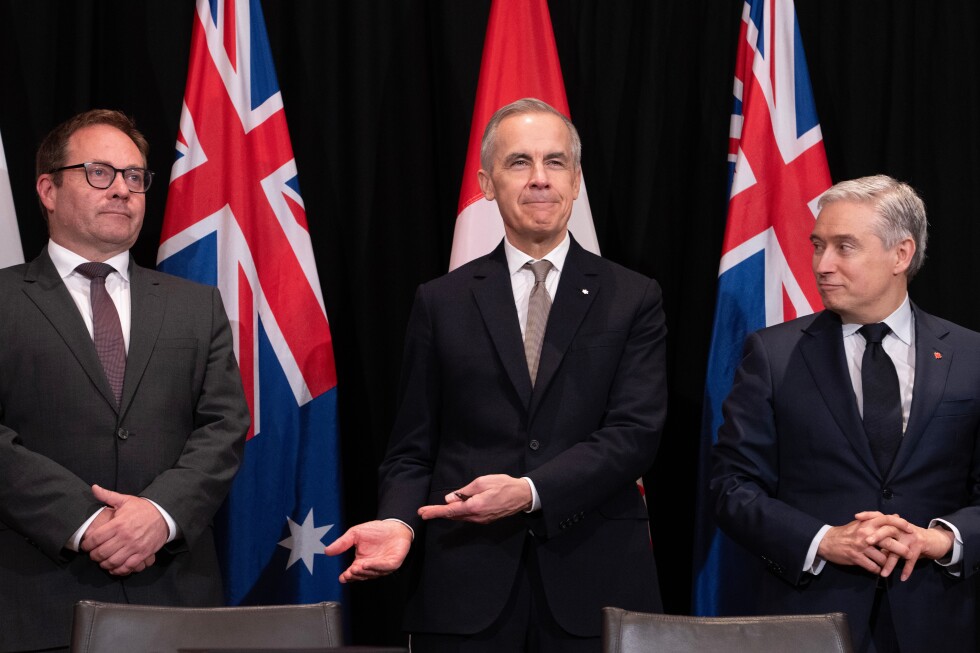
    MELBOURNE, Australia — Canadian Prime Minister Mark Carney delivered a stark warning about the deteriorating global order during his address at Sydney’s Lowy Institute on Wednesday, identifying the Iran conflict as a concerning manifestation of nations increasingly disregarding international norms and legal frameworks.

    Speaking during the Australian segment of his three-nation trade mission that commenced in India, Carney articulated his grave concerns about hegemonic powers operating without constraints while other nations shoulder the consequences. “The extremes of this disruption are being played out in real time in the Middle East,” Carney stated, building upon themes he initially presented at the World Economic Forum in Davos last January.

    The Prime Minister emphasized Canada’s continued support for preventing nuclear proliferation and maintaining international security, though he expressed profound regret about the current Middle East situation representing another failure of the international order. Carney specifically noted that recent U.S. and Israeli military actions against Iran occurred without United Nations engagement or consultation with allied nations, including Canada.

    While acknowledging Canada’s proactive stance in addressing global realities, Carney maintained that determining whether the airstrikes violated international law would require judgment from appropriate legal bodies. The Prime Minister’s visit also focused on strengthening bilateral cooperation, with Canada and Australia aiming to enhance partnerships in critical minerals, artificial intelligence, and defense technologies. Carney is scheduled to address the Australian Parliament on Thursday before concluding his tour in Japan.

  • Funding for Africa clean energy financing surges despite fewer project approvals

    Funding for Africa clean energy financing surges despite fewer project approvals

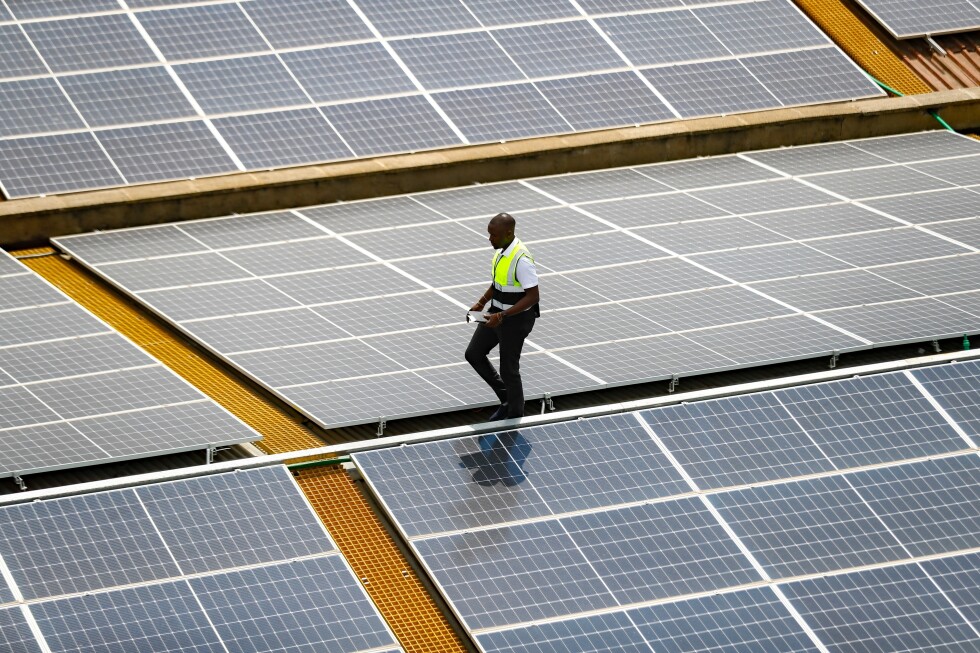
    NAIROBI, Kenya — Africa’s premier clean energy financing mechanism is poised for substantial growth, with plans to escalate its funding capacity to $2.5 billion within the next two years. This ambitious expansion signals accelerating momentum behind the continent’s transition to sustainable energy solutions.

    The African Development Bank’s Sustainable Energy Fund for Africa (SEFA) has demonstrated remarkable progress, with contributions surging to $88 million in 2025—a significant increase from $54.3 million the previous year. This upward trajectory reflects renewed investor confidence in Africa’s renewable energy sector, predominantly fueled by support from European Union member nations.

    Joao Duarte Cunha, overseeing the bank’s Renewable Energy Funds Division, revealed the fund’s strategic projections: “Based on our extensive projects pipeline, we anticipate capital mobilization reaching $2.5 billion. By 2030, we expect our portfolio to yield over $10 billion in commercial capital mobilization.”

    The fund’s operational performance has been particularly strong recently, with 27 projects approved over the past two years. In 2024 alone, SEFA sanctioned 14 renewable energy initiatives across Kenya, Nigeria, Burkina Faso, Ethiopia, and Chad. These projects will contribute approximately 840 megawatts of generating capacity and establish 1.5 million new electricity connections.

    Notably, eight of these initiatives were classified as green baseload projects—essential for meeting minimum national energy demands—while two involved green mini-grids and four focused on energy efficiency improvements.

    International support continues to strengthen SEFA’s mission. Germany committed $40.1 million during last year’s COP 30 climate summit in Brazil, while Italy announced a $5.9 million contribution. These investments will advance SEFA’s universal energy access objectives and support its green hydrogen program.

    Kevin Kariuki, Vice President for Power, Energy, Climate and Green Growth at the African Development Bank Group, emphasized SEFA’s growing impact: “SEFA is demonstrating its catalytic value through accelerated approvals, disbursements, and expanding influence across the continent.”

    The fund’s innovative approach extends beyond traditional utility-scale projects. SEFA is actively investing in decentralized energy platforms, including mini-grid developers and private equity funds specializing in distributed energy solutions. Additionally, the organization is piloting new financing mechanisms for clean cooking technologies and commercial bank partnerships.

    Cunha highlighted the fund’s evolving strategy: “Demand for catalytic financing continues to grow exponentially. We remain deeply committed to driving Africa’s energy transition and achieving universal energy access by 2030 through meaningful innovation in the clean energy space.”

  • A first repatriation flight brings stranded French citizens home as war in Iran disrupts travel

    A first repatriation flight brings stranded French citizens home as war in Iran disrupts travel

    PARIS — The French government has launched emergency evacuation operations for its citizens trapped in the Middle East amid escalating regional hostilities. The initial repatriation flight arrived at Paris Charles de Gaulle Airport early Wednesday, carrying vulnerable French nationals from conflict-affected areas.

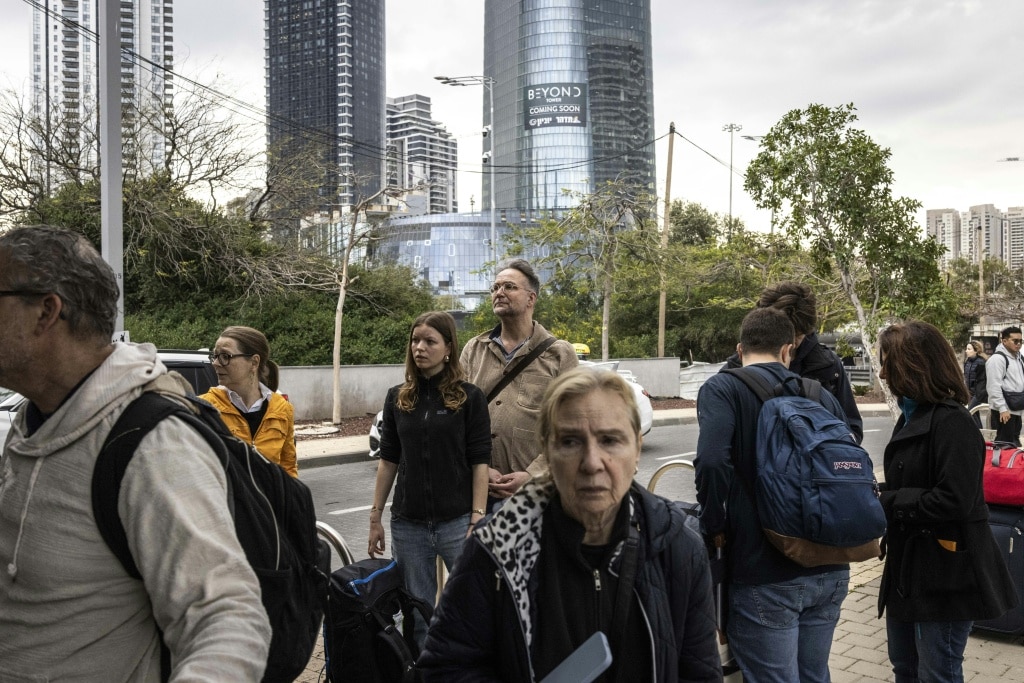
    According to Eleonore Caroit, Minister for French Nationals Abroad, the government secured approximately 100 priority seats on the aircraft for families with children, elderly citizens, and individuals with medical conditions. The flight originated from Muscat, Oman, with an intermediate stop in Cairo, Egypt, before concluding its journey in Paris. A subsequent evacuation flight transporting French citizens who had crossed from Israel into Egypt is scheduled to arrive later today.

    President Emmanuel Macron revealed that approximately 400,000 French citizens are currently situated within the conflict zone, either as permanent residents or temporary visitors. Widespread airspace closures and severe flight restrictions across the Gulf region have created unprecedented travel disruptions, leaving thousands stranded both within immediate conflict areas and in distant transit hubs.

    The global response has intensified as multiple nations initiate emergency repatriation efforts. The United States has issued urgent advisories for American citizens to immediately depart from over fifteen Middle Eastern countries using available commercial options. Similarly, the British government has arranged charter flights from Oman, prioritizing vulnerable individuals among the thousands of registered UK nationals in the region.

    Commercial aviation shows tentative signs of recovery with Etihad, Emirates, and Virgin Atlantic resuming select flights from the UAE to London. Norway has deployed emergency diplomatic teams to Dubai to assist approximately 1,500 registered Norwegian citizens, reflecting the international scale of the evacuation challenge.

  • Iran regime change a fantasy without US boots on the ground

    Iran regime change a fantasy without US boots on the ground

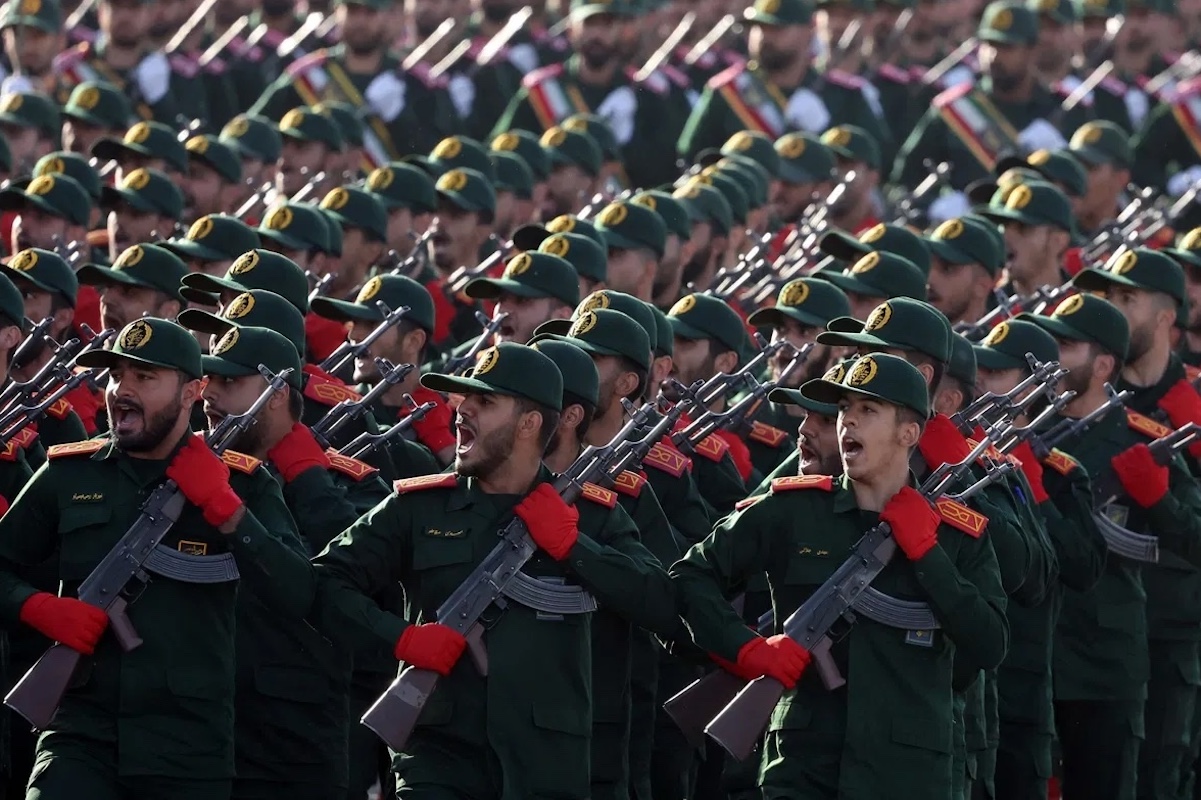
    In an unprecedented call to action, US President Donald Trump and Israeli Prime Minister Benjamin Netanyahu have publicly urged Iranian citizens to overthrow their government following extensive aerial bombardment campaigns. Both leaders characterized this moment as a “once-in-a-lifetime opportunity” for regime change, despite Iranian civilians facing the Islamic Revolutionary Guard Corps—a 150,000-strong security apparatus with demonstrated lethal capabilities against dissent.

    The parallel appeals, delivered via video messages from Trump’s Florida estate and Netanyahu’s office, emphasized temporal urgency. “When we are finished, take over your government. It will be yours to take,” Trump declared, adding this might be “your only chance for generations.” Netanyahu, having consistently identified Iran as regional antagonist to Israel throughout his three-decade career, echoed similar sentiments about the historical window.

    This strategy faces substantial practical obstacles according to security analysts. Daniel Block, Foreign Affairs senior editor, noted that “armed bombing campaigns have never in history incited successful uprisings” and that eliminating state repressive capacity through aerial attacks remains “incredibly difficult.” The absence of organized opposition movements with weaponry further complicates prospects for successful civilian mobilization.

    Historical parallels raise additional concerns. The 1991 Iraqi uprising following President George H.W. Bush’s encouragement resulted in approximately 80,000 Kurdish and Shiite casualties after Saddam Hussein’s forces crushed rebellions—a scenario that current leadership appears to disregard. Instead, the administration seems focused on avoiding extended military engagements labeled as “forever wars,” preferring Venezuelan-style regime change without ground troop commitment.

    Critical differences emerge in comparing Iran to Venezuela. The Revolutionary Guard represents a comprehensive security entity overseeing political control, border defense, ballistic missile operations, and strategic choke points like the Strait of Hormuz—through which 31% of global oil shipments transit. Unlike Venezuela, Iran possesses significant asymmetric warfare capabilities including drones, naval mines, and cyber operations that provide substantial regional leverage.

    Secretary of State Marco Rubio clarified that primary objectives involve preventing nuclear weapons development and eliminating long-range missile capabilities, while Trump simultaneously expressed openness to negotiations—creating ambiguity regarding ultimate regime change intentions.

  • Visiting cruise ship arrives in Tianjin

    Visiting cruise ship arrives in Tianjin

    TIANJIN, CHINA – March 3, 2026, witnessed a significant milestone in northern China’s tourism revival as the luxury cruise vessel MS Regatta made its inaugural call at Tianjin International Cruise Home Port. Operated by Oceania Cruises, the ship completed its journey from South Korea, signaling the official commencement of the 2026 cruise season for the region.

    The arrival ceremony showcased the strategic importance of Tianjin as a growing hub for international maritime tourism. Nearly 600 international travelers from diverse backgrounds, including the United States, Canada, and Australia, disembarked to explore Tianjin’s rich cultural heritage and historical landmarks during their two-day stay.

    Port authorities implemented streamlined clearance procedures to ensure efficient processing of passengers, reflecting China’s ongoing efforts to enhance its tourism infrastructure and welcome international visitors. The event demonstrated the successful coordination between multiple government agencies and the cruise industry to facilitate seamless travel experiences.

    This visit represents a positive development for China’s coastal tourism economy, particularly for northern regions seeking to capitalize on the growing Asian cruise market. Industry analysts view this as an indicator of strengthening regional tourism connections and China’s continuing appeal as a destination for luxury travel experiences.

    The MS Regatta’s itinerary continues to generate economic benefits for local businesses, with passengers expected to visit major cultural sites, sample local cuisine, and contribute to the retail economy during their shore excursion.

  • Symposium held on second volume of book on Xi’s visits to people’s homes

    Symposium held on second volume of book on Xi’s visits to people’s homes

    Beijing hosted a significant symposium on March 4, 2026, focusing on the second volume of publications documenting General Secretary Xi Jinping’s interactions with citizens during domestic inspection tours. The event brought together government officials, women’s federation representatives, and family delegates to examine the content and implications of these documented engagements.

    State Councilor Shen Yiqin, who also serves as President of the All-China Women’s Federation, delivered a keynote address emphasizing the importance of thoroughly studying the publication’s content. She urged women’s federations across all administrative levels to strengthen family values and traditions appropriate for the contemporary era. Shen specifically called for aligning these efforts with China’s 15th Five-Year Plan period (2026-2030), encouraging women and families to contribute meaningfully to national development goals.

    The symposium featured participation from officials representing central government bodies and the All-China Women’s Federation, alongside grassroots women’s federation cadres and family representatives. This diverse attendance underscored the publication’s relevance across different levels of society and governance.

    The book series chronicles Xi’s visits to ordinary households across China, capturing his dialogues with citizens and demonstrating leadership engagement at the community level. This second volume continues the narrative established in the first publication, providing additional insights into the governance approach of personal connection with the populace.

  • South Africa’s long-serving former defence minister and former Robben Island prisoner dies

    South Africa’s long-serving former defence minister and former Robben Island prisoner dies

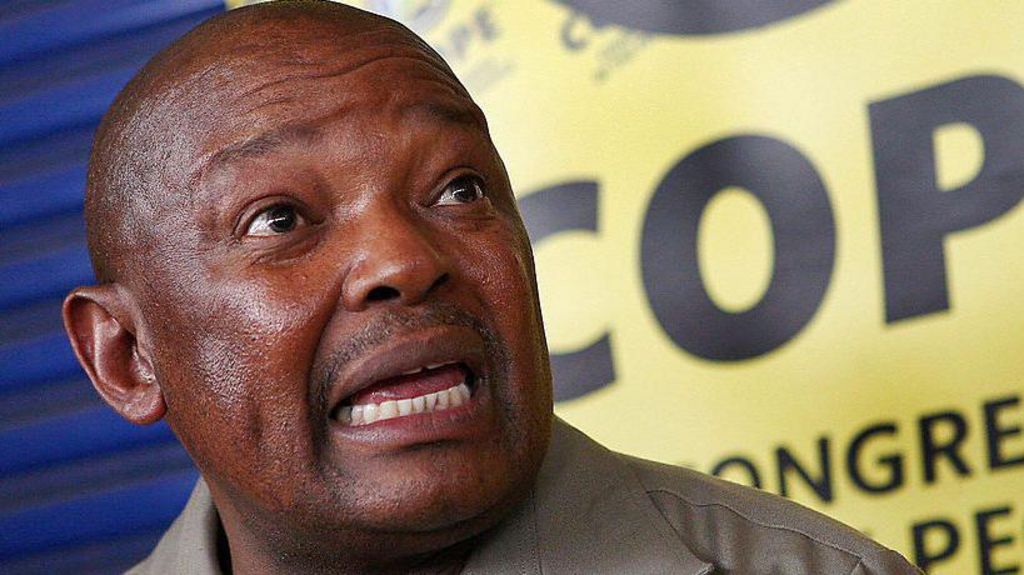
    South Africa mourns the loss of distinguished liberation struggle veteran Mosiuoa Lekota, who passed away at age 77 following an extended illness. His political party, Congress of the People (Cope), confirmed the demise of the former defense minister and anti-apartheid campaigner in an official communiqué.

    Lekota’s legacy is deeply intertwined with South Africa’s journey to democracy. As a prominent figure in the fight against institutionalized racial segregation, he endured imprisonment alongside Nelson Mandela on the notorious Robben Island. His political career spanned decades of service, beginning as a leader within the African National Congress (ANC) where he contributed significantly to the liberation movement.

    President Cyril Ramaphosa, current leader of the ANC, honored Lekota as both “a freedom fighter and a servant of the people” whose life exemplified “resilience, courage, and steadfast belief in justice.” These accolades underscore Lekota’s monumental role in shaping post-apartheid South Africa.

    Beyond his activism, Lekota established an impressive governmental career. He holds the distinction of being South Africa’s longest-serving defense minister, overseeing the nation’s military affairs from 1998 to 2008. Additionally, he chaired the ANC for ten years and became the inaugural premier of the Free State province following the democratic transition in 1994.

    His later political journey saw him diverge from the ANC to establish Cope, demonstrating his continued commitment to political principles despite changing affiliations. Lekota’s passing marks the conclusion of an era for South Africa’s liberation generation, leaving behind a complex legacy of struggle, service, and political evolution.

  • Shohei Ohtani is the show again in Japan for the World Baseball Classic

    Shohei Ohtani is the show again in Japan for the World Baseball Classic

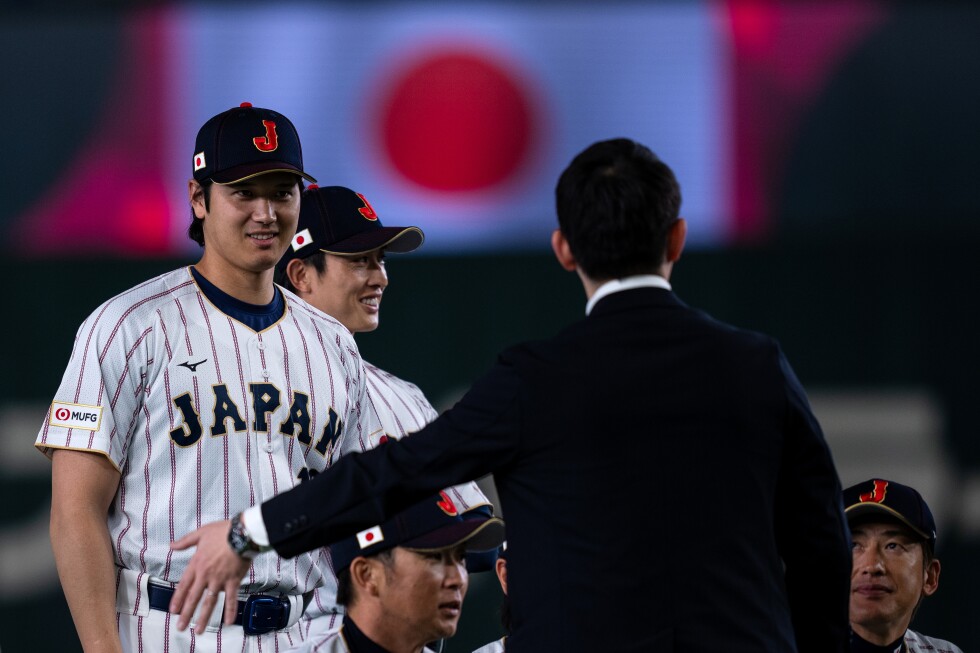
    TOKYO — The World Baseball Classic has effectively become the Shohei Ohtani showcase in Tokyo, where the two-way superstar’s presence dominates the tournament atmosphere ahead of Japan’s opening match against Taiwan on Friday. Ohtani’s larger-than-life imagery blankets the Tokyo Dome complex, while his merchandise commands premium positioning in stadium shops with jerseys retailing at approximately $125 each.

    Japan enters the tournament as defending champions and overwhelming favorites to advance from Group C, which also features competitive teams from South Korea, Australia, and the Czech Republic. The Japanese squad is widely anticipated to secure one of two quarterfinal berths that would see them continue their championship defense in the United States.

    Despite limited appearances in exhibition matches since arriving in Japan—going 0-for-5 at the plate and skipping Wednesday’s batting practice—Ohtani remains the tournament’s central attraction. The 31-year-old phenom acknowledged the changing composition of Japan’s national team during a press conference, noting: ‘Each time I join the Japanese team, I observe increasingly younger players joining the roster. This progression naturally makes me feel I’m aging within the squad.’

    While Ohtani is scheduled to serve exclusively as a designated hitter for Japan—with the Los Angeles Dodgers organization limiting his pitching availability to preserve his arm for the regular season—he hinted at potential flexibility regarding mound appearances. When questioned about pitching possibilities, Ohtani responded through interpreter Will Ireton: ‘The situation remains uncertain. However, if Mike Trout were participating, the temptation would certainly intensify.’

    Trout, unfortunately, will not compete for Team USA due to insurance complications that have sidelined several prominent players across tournament rosters.

    Japan’s offensive arsenal features formidable power hitters including Munetaka Murakami, Kazuma Okamoto, and Seiya Suzuki alongside Ohtani. The pitching staff, while missing stars like Roki Sasaki, Shota Imanaga, and Yu Darvish from the 2023 roster, will be anchored by World Series MVP Yoshinobu Yamamoto—Ohtani’s Dodgers teammate.

    Australian second baseman Travis Bazzana, recently selected first overall by the Cleveland Guardians in the 2024 MLB draft, identified Ohtani as his primary baseball inspiration: ‘I personally consider him the greatest of all time. He exemplifies superior work ethic and mastery of craft. While I admire his excellence, when game time arrives we must focus on competition rather than opposition celebrities.’

    Australian manager Dave Nilsson, a former Milwaukee Brewers All-Star catcher, acknowledged the unique challenge ahead: ‘Facing the world’s premier team and competing against Ohtani constitutes a special event. The atmosphere will undoubtedly create monumental moments for Japanese fans, but we intend to maintain competitive focus rather than become distracted by the surrounding spectacle.’

    The tournament carries particular significance for Japan following their dramatic 3-2 victory over the United States in the 2023 final, when Ohtani memorably struck out Trout to secure the championship—a moment that substantially elevated the World Baseball Classic’s global profile.

  • Call to revise national property management rule

    Call to revise national property management rule

    China’s legislative authorities are advancing comprehensive revisions to the national property management regulations, signaling a significant enhancement of legal supervision mechanisms in residential governance. The initiative emerges from systematic reviews conducted by the National People’s Congress Standing Committee’s Legislative Affairs Commission, which identified numerous inconsistencies between local property regulations and national laws.

    Recent examinations revealed several problematic provisions in local governance frameworks. In one notable case from 2024, a municipal regulation mandated that 70% of commercial revenue from common areas be allocated to maintenance funds prior to homeowners’ association establishment. Legislative experts determined this violated the Civil Code’s principle that such income belongs collectively to homeowners who must decide its utilization.

    Another contentious regulation permitted residential compounds to lease parking spaces to non-residents with only homeowners’ committee approval. The commission emphasized that such decisions involving common areas require collective homeowner consensus under the Civil Code, as they impact property rights, safety, and community order.

    Yan Dongfeng, an official with the Legislative Affairs Commission, highlighted that the current property management regulation implemented in September 2009 has become outdated, with many provisions remaining vague and unaligned with newer legal frameworks. The rapid development of China’s property management industry has exposed deficiencies in service quality, fee mechanisms, and oversight systems, leading to frequent disputes and increasing requests for legislative review.

    Multiple NPC deputies have joined the call for either substantial revisions to the existing regulation or the enactment of specialized property management legislation. Lawmakers Chen Weiguo from Hubei and Gao Huarui from Jiangsu have specifically advocated for clearer procedures regarding homeowners’ committees, enhanced oversight of property companies, and strengthened legislation on social governance.

    The Legislative Affairs Commission has responded by urging relevant State Council departments to expedite the regulatory revision process while considering more comprehensive legislation to address prominent sector issues and better safeguard public interests.

  • Iran claims ‘complete control’ of key waterway for energy transit

    Iran claims ‘complete control’ of key waterway for energy transit

    Amid escalating hostilities in the Middle East, Iran’s Revolutionary Guards declared complete dominance over the strategically vital Strait of Hormuz on Wednesday. This assertion comes as Israel intensified its aerial campaign against Tehran, launching fresh strikes on the Iranian capital while global governments accelerated evacuation efforts for their citizens.

    The strategic waterway, responsible for approximately one-fifth of global oil transit, has become a focal point in the conflict that entered its fifth day. The Revolutionary Guards issued warnings against maritime traffic attempting to navigate the strait, following reports of multiple vessel attacks. Major shipping conglomerates have consequently suspended transit operations through the critical chokepoint.

    President Donald Trump confirmed U.S. naval readiness to escort oil tankers through the Gulf shipping corridor while announcing the neutralization of Iran’s naval capabilities, air force, and radar infrastructure. Pentagon officials reported nearly 2,000 targets struck since initial operations commenced on Saturday.

    The conflict has expanded beyond Iran’s borders, with Lebanon experiencing intensified Israeli airstrikes targeting areas near the presidential palace and Hezbollah’s strongholds in southern Beirut. Lebanese authorities confirmed eleven fatalities from the renewed bombardments.

    Regional volatility manifested through multiple attack vectors: Saudi Arabia intercepted two cruise missiles, drone strikes hit near the U.S. consulate in Dubai and the Al-Udeid military base in Qatar, while Kuwait reported civilian casualties including an 11-year-old girl killed by falling shrapnel. The Pentagon identified four of six U.S. service members killed in a drone attack in Kuwait.

    Civilian displacement has reached critical levels, with Tehran’s normally bustling streets described as eerily empty. A nurse residing in the capital reported: ‘There are so few people that you’d think no one ever lived here.’ Iranian authorities previously urged evacuation from urban centers, with security forces establishing checkpoints at major intersections.

    European powers demonstrated diplomatic fractures regarding the conflict. The European Commission affirmed readiness to protect EU interests after President Trump threatened trade termination with Spain over its refusal to permit U.S. military base usage. Spanish Prime Minister Pedro Sanchez countered: ‘We will not be complicit in something harmful to the world and contrary to our values and interests.’

    Humanitarian organizations report 787 fatalities within Iran from U.S.-Israeli operations, though these figures remain unverified independently. Iranian judicial authorities promised severe retaliation against those assisting ‘the country’s enemies,’ reflecting the escalating nature of the multinational conflict.