博客

  • Trump stirs talk of ‘new world order’ as leaders signal shifting global alliances

    Trump stirs talk of ‘new world order’ as leaders signal shifting global alliances

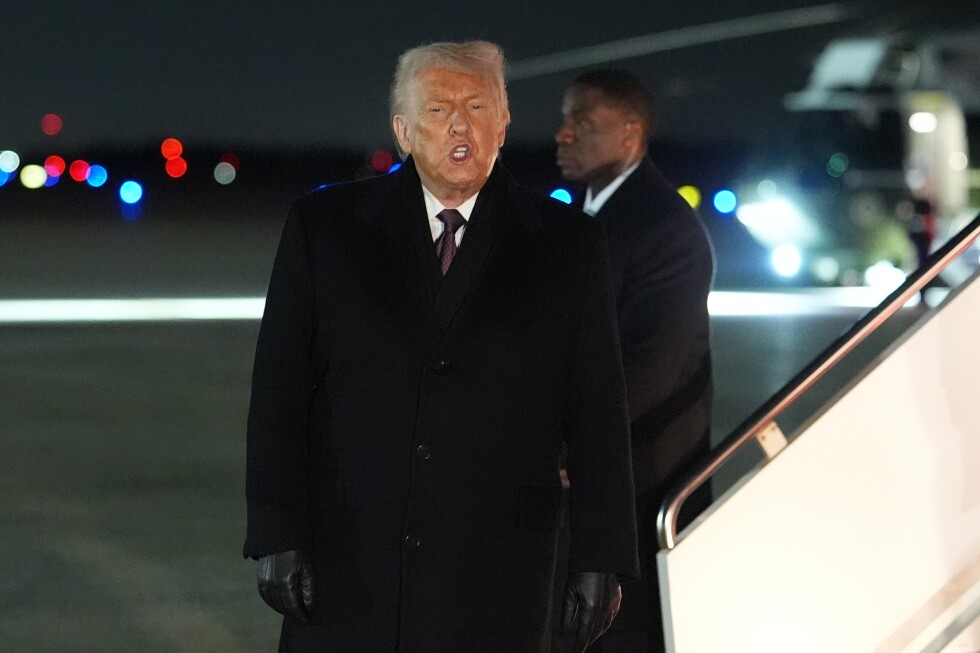
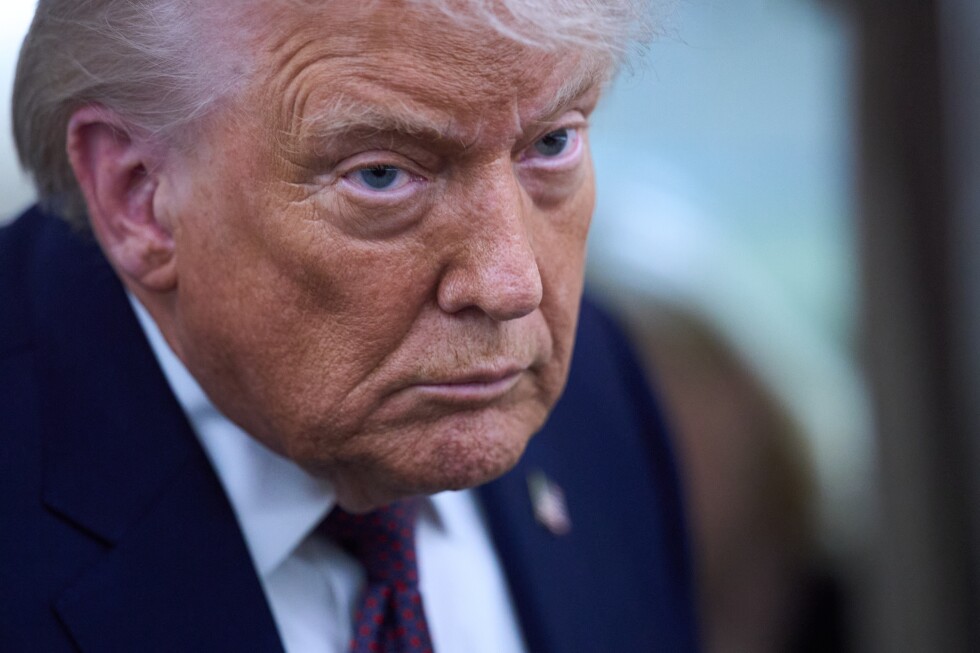
    WASHINGTON — President Donald Trump’s unconventional approach to international relations reached new heights this week as his personal reactions to foreign leaders triggered dramatic policy shifts and diplomatic confrontations. The president’s mercurial temperament has become the central driver of U.S. foreign policy, fundamentally challenging the post-World War II international order.

    In a series of consequential moves, Trump revoked Canadian Prime Minister Mark Carney’s invitation to join his Board of Peace initiative following what he perceived as Canada’s increasingly assertive posture toward the United States. The organization, initially formed to maintain the Israel-Hamas ceasefire, has expanded into a potential rival to the United Nations, drawing skepticism from Western allies.

    During his appearance at the World Economic Forum, Trump demonstrated his transactional approach by threatening tariffs against Switzerland after its leader allegedly “rubbed me the wrong way” during a phone conversation. Although he ultimately lowered the proposed tariffs, the incident highlighted how personal chemistry influences his economic decisions. Similarly, the president pressured Denmark to acquiesce to U.S. ambitions regarding Greenland with a stark ultimatum: “say yes and we will be very appreciative. Or you can say no and we will remember.”

    This pattern of behavior reflects Trump’s deliberate effort to dismantle the rules-based international system that has governed Western diplomacy for decades. His supporters view this approach as a necessary correction to what they consider an inefficient system overly focused on compromise. However, critics argue that replacing established norms with a personality-driven framework creates dangerous instability.

    Republican Senator Lisa Murkowski of Alaska, returning from Davos, reported hearing concerns about a “new world order” among international leaders. She noted that traditional allies now question American reliability, with nations considering alternative partnerships due to uncertainty about U.S. intentions.

    The administration’s maximalist strategy, described by former adviser Steve Bannon as continuing “until you meet resistance,” has encountered little opposition from the Republican-controlled Congress. However, foreign leaders are increasingly vocal in their pushback.

    Prime Minister Carney has emerged as a leading voice for middle powers seeking to counter American unpredictability. Speaking before Trump in Davos, Carney advocated for collective action among secondary nations, stating, “If you are not at the table, you are on the menu.” He proposed creating a “third path” based on legitimacy, integrity, and rules—a vision that drew Trump’s ire and prompted threats against Canada.

    UK Prime Minister Keir Starmer condemned Trump’s recent comments questioning NATO’s mutual defense commitments as “insulting and frankly appalling.” The criticism came despite NATO’s Article 5 being invoked only once—in defense of the United States following the 9/11 attacks.

    Analysts worry that Trump’s tactics may cause lasting damage to American global standing while encouraging nations to strengthen ties with China. Former Biden national security adviser Jake Sullivan observed that Chinese leadership views Trump’s conflicts with allies as beneficial to Beijing’s interests.

    Democratic Senator Chris Coons of Delaware, who participated in a bipartisan delegation to Denmark, noted that Trump appears to respect only those nations that demonstrate toughness and resilience, while treating accommodating partners with disregard.

    The president’s personal diplomacy has created a fundamental shift in how the United States engages with the world, replacing established protocols with a system where flattery, personal animus, and immediate gratification drive international decision-making.
  • For some intrepid travelers, sky will not be limit

    For some intrepid travelers, sky will not be limit

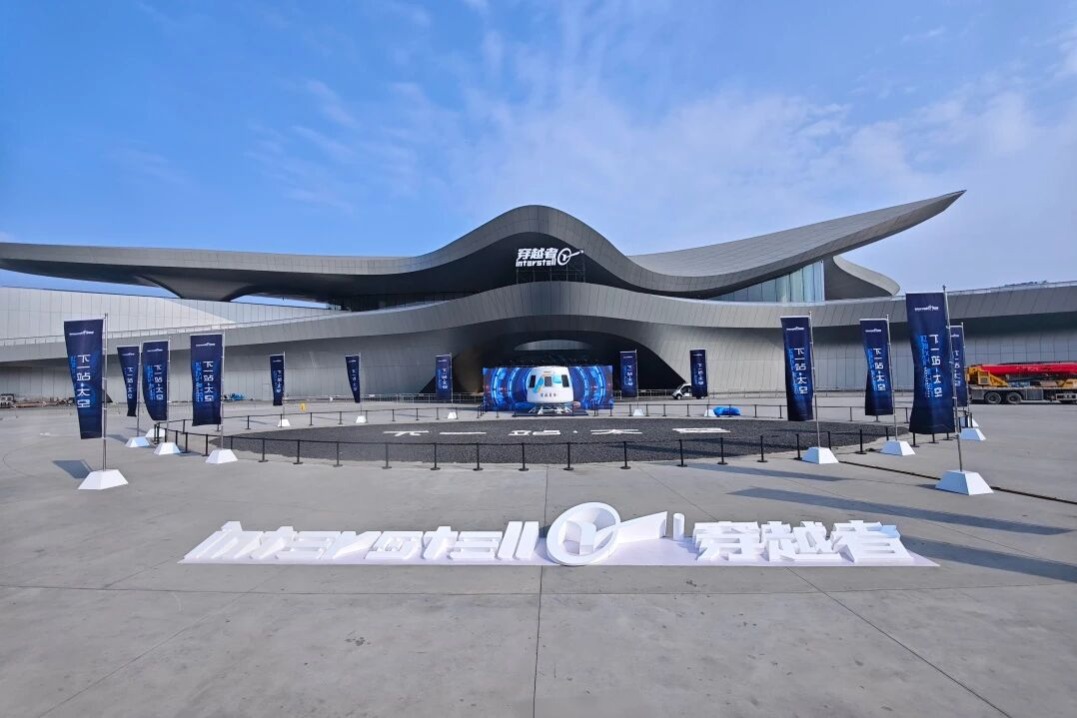
    China’s commercial space sector is poised for a revolutionary leap as private aerospace company Beijing InterstellOr Human Spaceflight Technology reveals ambitious plans to offer civilian space travel experiences. The announcement comes amid a wave of favorable government policies designed to boost the nation’s commercial space industry.

    At a recent business presentation in Chengdu, company founder and CEO Lei Shiqing detailed the development of the CYZ-1 manned spaceship, engineered to provide paying passengers with what she described as a “safe, comfortable and affordable” suborbital flight experience. The spacecraft represents a significant milestone in China’s growing private space sector.

    The technical specifications reveal a sophisticated design: the 8-metric-ton spacecraft features a 4-meter diameter with 21 cubic meters of interior space, comprising two primary components—a crew module accommodating six passengers and a standalone escape capsule for emergency scenarios. The vessel will be propelled by a small carrier rocket that separates at approximately 70 kilometers altitude.

    Following separation, the craft will continue its ascent through momentum, crossing the internationally recognized Kármán line at 100 kilometers—the conventional boundary of space—with capacity to reach altitudes up to 200 kilometers without achieving orbital velocity. Passengers will experience approximately three minutes of weightlessness during the 20-minute journey before the spacecraft initiates atmospheric reentry.

    The landing sequence employs multiple giant parachutes to ensure a soft touchdown, completing what InterstellOr promises will be an extraordinary adventure for space enthusiasts.

    Chief designer Zhang Minjie, formerly of the China Academy of Space Technology, emphasized the incorporation of innovative technologies in escape, reentry, and landing systems. “Our focus on reusability significantly reduces operational costs while maintaining stringent safety standards,” Zhang stated. “We will conduct extensive ground testing to verify all systems before manned missions.”

    The company’s roadmap includes two unmanned test flights scheduled before late 2028, with the inaugural crewed mission to follow shortly thereafter. Remarkably, over 20 seats on initial flights have already been reserved by Chinese business leaders, a prominent actor, and a distinguished scientist at approximately $430,000 per ticket.

    Looking beyond suborbital tourism, InterstellOr has announced development of the CYZ-2 model capable of reaching low-Earth orbit, with maiden voyage projected around 2032. Recent successful tests of the landing-buffering system have yielded satisfactory results, with post-examination analysis confirming system reliability and structural integrity.

    This venture signals China’s accelerating entry into the commercial space tourism market, potentially creating new opportunities for civilian space experiences while demonstrating technological advancements in reusable spacecraft design.

  • UAE to host two-day trilateral peace talks between US, Russia, Ukraine

    UAE to host two-day trilateral peace talks between US, Russia, Ukraine

    The United Arab Emirates is poised to facilitate a critical diplomatic initiative by hosting two-day multilateral peace negotiations among the United States, Russia, and Ukraine. Scheduled for late January 2026, this strategic dialogue represents a significant development in international conflict resolution efforts regarding the ongoing Eastern European tensions.

    According to regional diplomatic sources, the UAE’s selection as neutral territory underscores its growing influence in global affairs and its capacity to mediate between conflicting international powers. The Gulf nation’s established relationships with all involved parties position it uniquely to foster constructive dialogue where previous venues have faced challenges.

    This diplomatic undertaking follows multiple previous attempts to establish sustainable communication channels between the conflicting nations. The extended duration of the talks suggests participants are preparing for substantive discussions beyond preliminary positioning, potentially addressing core security concerns and humanitarian considerations that have previously hindered progress.

    International observers note the timing coincides with increasing global pressure for conflict de-escalation amid evolving geopolitical dynamics. The participation of both US and Russian representatives at the negotiating table, alongside Ukrainian delegates, indicates potential openness to exploring alternative frameworks for stability in the region.

    The international community continues monitoring developments closely, recognizing that successful mediation could establish new precedents for conflict resolution in complex geopolitical environments while potentially reshaping regional power dynamics.

  • EFG Hermes tops LSEG MENA ECM Bookrunner rankings for second consecutive year

    EFG Hermes tops LSEG MENA ECM Bookrunner rankings for second consecutive year

    EFG Hermes, the premier investment banking institution within EFG Holding, has once again clinched the foremost position in London Stock Exchange Group’s (LSEG) MENA equity capital markets (ECM) bookrunner rankings for 2025. This achievement marks the second consecutive year the financial powerhouse has dominated the regional league tables, reinforcing its commanding presence across Middle Eastern and North African capital markets.

    LSEG’s comprehensive assessment methodology evaluates financial institutions based on two critical parameters: total capital proceeds raised throughout the assessment period and the aggregate number of successfully completed transactions. EFG Hermes demonstrated exceptional performance across both metrics during the 2025 review cycle.

    The investment bank’s transaction volume reached unprecedented levels with 12 completed ECM operations—precisely double the deal count of the second-ranked institution. These transactions spanned multiple regional exchanges including Tadawul, Nomu, Abu Dhabi Securities Exchange, Dubai Financial Market, Nasdaq Dubai, Muscat Stock Exchange, Bourse Kuwait, and the Egyptian Exchange.

    Mostafa Gad, Global Head of Investment Banking at EFG Hermes, emphasized that this industry recognition reflects the firm’s expanding regional footprint and enduring client relationships. “Our continued focus remains on executing sophisticated transactions that simultaneously advance client objectives while contributing to the broader development of MENA capital markets,” Gad stated, highlighting the institution’s unique capacity to navigate diverse regulatory environments.

    EFG Hermes established itself as the sole investment bank to execute ECM transactions across five key markets—Saudi Arabia, the UAE, Oman, Kuwait, and Egypt—during the assessment period. Beyond equity markets, the firm advised on 42 regional transactions encompassing 18 ECM deals, 16 debt capital market operations, and 8 mergers and acquisitions.

    The bank’s expertise extended across various ECM structures including initial public offerings, accelerated bookbuilds, and rights issues. Notable 2025 transactions included serving as sole financial advisor for the Jamjoom IPO in Saudi Arabia and joint global coordinator for the ADNOC Gas secondary offering—the largest placement in ADX history.

    Christopher Laing, Head of ECM at EFG Hermes Investment Banking, attributed the firm’s outstanding performance to its comprehensive research coverage and unparalleled access to institutional and family office investors throughout the region. The institution has maintained its position as the top trader on the Dubai Financial Market for eight consecutive years.

    This latest industry recognition solidifies EFG Hermes’ status as the preeminent equity capital markets facilitator in the MENA region amid sustained issuance activity across developing capital markets.

  • Chaos, defeat and repression: How Afcon drama drowned out Morocco’s Gen Z crackdown

    Chaos, defeat and repression: How Afcon drama drowned out Morocco’s Gen Z crackdown

    While Morocco captivated global attention hosting the African Cup of Nations tournament, a potent protest movement dubbed GenZ 212 highlighted the nation’s stark domestic tensions. The demonstrations, which swept across dozens of cities between September and December 2025, were initially sparked by public outrage over the deaths of eight women from botched caesarean sections at a public hospital in Agadir. This tragedy galvanized a youth-led movement demanding urgent reforms to Morocco’s chronically underfunded healthcare and education systems, alongside calls to address systemic corruption and enhance political rights.

    The government response was severe. Security forces shot and killed at least three protesters, while over 2,400 individuals were arrested during the unrest. Hundreds remain in custody, with many reporting brutal beatings and dire detention conditions. Omar, a relative of one detainee who spoke under pseudonym for security reasons, described overcrowded cells designed for ten people holding forty, where diseases spread rapidly.

    The timing of the protests created a striking contrast with Morocco’s ambitious sporting ambitions. As the government prepared to co-host the 2030 World Cup, investing $1.4 billion in new stadiums including plans for the world’s largest arena in Casablanca, protesters adopted a powerful chant: “The stadiums are here, but where are the hospitals?” This slogan encapsulated their critique of the state’s misplaced priorities.

    During the Afcon tournament, authorities implemented overwhelming security measures. Public spaces felt heavily monitored, gatherings were deemed suspicious by default, and political expression became significantly riskier. International attendees encountered stringent checks, including biometric passport registration on an app developed by a relative of the king’s closest aide.

    According to Jonathan Hill, director of the Institute of Middle Eastern Studies at King’s College London, hosting such mega-events forms part of Morocco’s strategy to gain international recognition and demonstrate economic strength. However, GenZ 212 members describe this as more than mere ‘sportswashing’—characterizing it as comprehensive propaganda masking systemic failures.

    Beneath the spectacle of sporting achievement lies a nation of profound inequality. The World Inequality Database indicates Morocco’s top 1 percent earn a similar proportion of national income as the bottom 50 percent. With hundreds still detained and sentences of up to 15 years being handed down for protest-related charges, analysts predict further social unrest is inevitable given the structural limits of Moroccan democracy.

    The movement maintains significant organizational capacity, with over 180,000 users on its Discord server continuing discussions. As one activist noted, the current calm represents not acceptance but ‘enforced calm through violence’—a temporary condition that cannot permanently suppress an educated, connected generation aware of the system’s repressive nature.

  • Award-winning Colibri Views by Major Developments in RAK nearly sold out in record time

    Award-winning Colibri Views by Major Developments in RAK nearly sold out in record time

    Major Developments’ premier residential project, Colibri Views, has achieved near complete sell-out status at unprecedented velocity within Ras Al Khaimah’s rapidly evolving urban core. The twin-tower development reports 100% absorption of studio and one-bedroom configurations, with only a limited inventory of two-bedroom residences and two exclusive penthouses remaining available at RAK Central.

  • US carries out first known strike on alleged drug boat since Maduro’s capture

    US carries out first known strike on alleged drug boat since Maduro’s capture

    In a significant escalation of its counter-narcotics operations, the United States military has confirmed conducting a lethal strike against a suspected drug trafficking vessel in the eastern Pacific Ocean. This operation, executed on Friday, represents the first such action since the high-profile raid that captured Venezuelan President Nicolás Maduro earlier this month.

    According to U.S. Southern Command’s official statement released through social media channels, the targeted boat was actively engaged in narco-trafficking operations. The military operation resulted in two fatalities with one individual surviving the attack. Search and rescue procedures were immediately initiated for the survivor through coordination with the U.S. Coast Guard.

    Accompanying visual evidence depicts a maritime vessel navigating through open waters before being engulfed in explosive flames. This development occurs amid intensified U.S. military focus on intercepting sanctioned oil tankers with connections to Venezuela, following the Trump administration’s audacious operation to apprehend President Maduro and transfer him to New York to face federal drug trafficking charges.

    The previous maritime strikes occurred in late December when military forces targeted five alleged drug-smuggling boats over a 48-hour period, resulting in eight casualties with numerous individuals abandoning vessels. The Coast Guard subsequently suspended its search operations days after these engagements.

    President Donald Trump has consistently defended these military operations, asserting their critical effectiveness in disrupting narcotics transportation routes through Caribbean and eastern Pacific corridors. During recent remarks at the World Economic Forum in Davos, Trump claimed unprecedented success, stating: “We’ve stopped — virtually stopped almost 100% of all drugs coming in by water.”

    Meanwhile, Maduro had previously characterized U.S. military actions as politically motivated attempts to remove him from power, allegations that gained renewed attention following the January 3rd large-scale strike in Caracas that resulted in his capture and extradition to the United States.

  • Israeli soldier’s videos show continued demolitions in Gaza after ceasefire

    Israeli soldier’s videos show continued demolitions in Gaza after ceasefire

    New evidence has emerged through social media posts by an Israeli soldier documenting the continued demolition of Palestinian homes in the Gaza Strip, occurring more than 100 days after the implementation of a ceasefire agreement. Middle East Eye has verified and analyzed three separate videos uploaded in late December by a soldier operating under the private Instagram account name Ariel Ashkenazi.

    One video, dated December 25th, was geolocated to the northern Gaza area of Beit Hanoun, showing extensive demolition operations. Subsequent posts on December 26th and 28th featured additional footage of destruction activities. The videos contained concerning captions, with two using the phrase ‘Aliyah Bet’ – a historical reference to illegal Jewish immigration to Palestine between 1921 and 1948. Another video carried the caption ‘the power of the Spartan,’ evoking imagery of brutal strength and enemy elimination.

    This terminology aligns with Israeli Prime Minister Benjamin Netanyahu’s September statement urging Israel to prepare to become a ‘super Sparta,’ referencing ancient Greek warfare tactics against Persia.

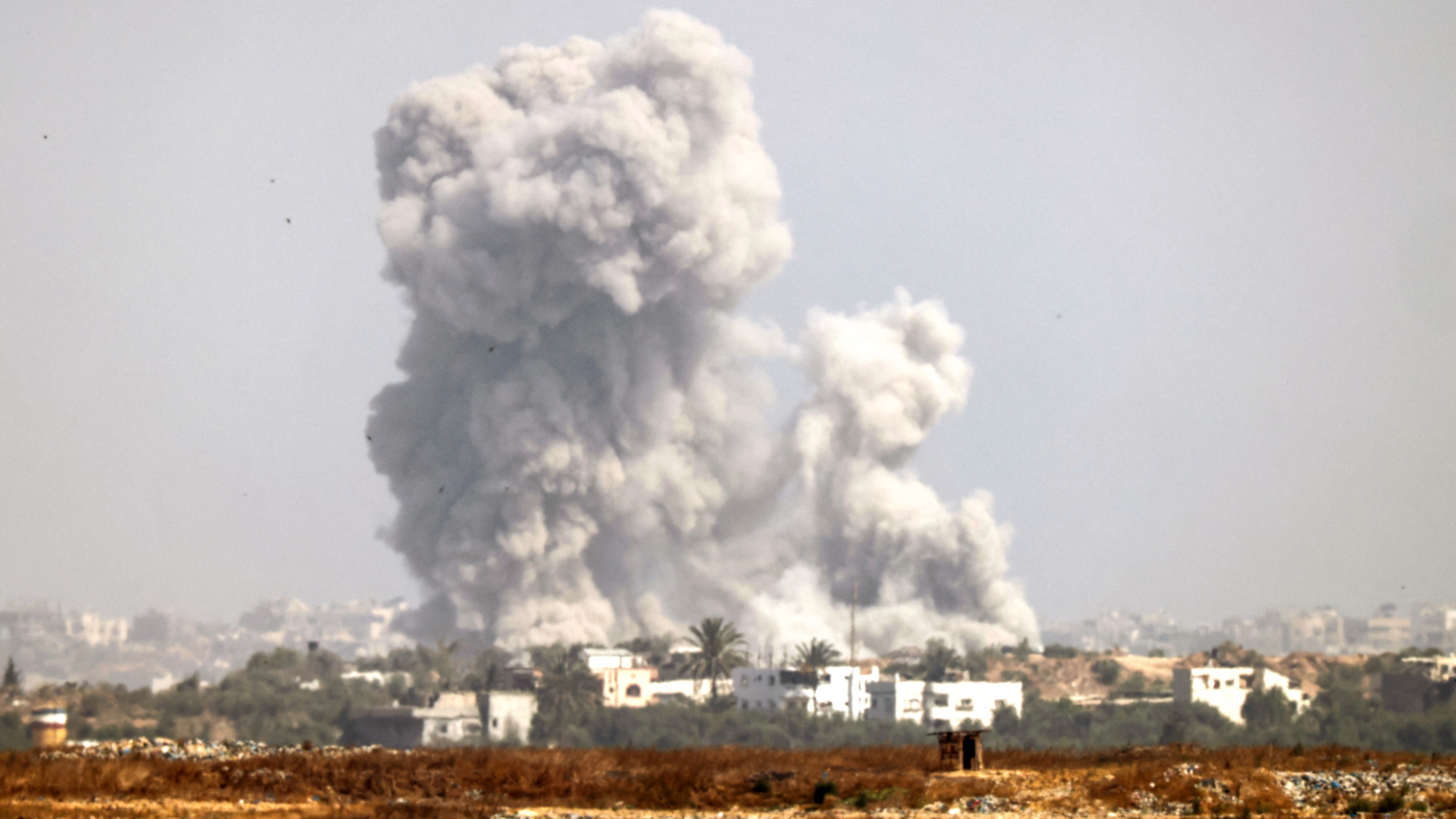
    The documented demolitions have occurred on both sides of the so-called ‘yellow line’ established by Israeli forces following the October ceasefire. This ceasefire was intended to conclude over two years of intense conflict in Gaza that resulted in approximately 71,000 Palestinian fatalities and the destruction of nearly 90% of the territory’s infrastructure.

    Despite the ceasefire agreement, reports indicate Israeli forces have killed at least 477 individuals and wounded more than 1,300 others since its implementation. According to Gaza’s Government Media Office, Israeli forces have committed at least 1,300 ceasefire violations, including approximately 200 incidents involving structural demolitions, 430 cases of gunfire directed at civilians, 66 incursions into residential areas, and more than 600 strikes.

    Throughout the Gaza conflict, Israeli soldiers have extensively recorded themselves engaging in activities that international experts suggest may constitute war crimes. Documented footage shows soldiers celebrating while detonating civilian structures including homes, universities, and mosques. Other videos reveal disturbing conduct including soldiers forcing bound and blindfolded prisoners to deliver humiliating messages, looting money from Palestinian homes, destroying humanitarian aid parcels with military bulldozers, and burning educational facilities while singing inflammatory songs. Additional content shows soldiers posing in women’s underwear taken from Palestinian residences.

  • Is China quietly winning the AI race?

    Is China quietly winning the AI race?

    In a significant shift within the artificial intelligence landscape, major U.S. technology firms are increasingly integrating Chinese-developed AI models into their core operations, challenging the long-standing dominance of American AI laboratories. Pinterest, the visual discovery platform with hundreds of millions of monthly users, has emerged as a prominent case study in this technological transformation.

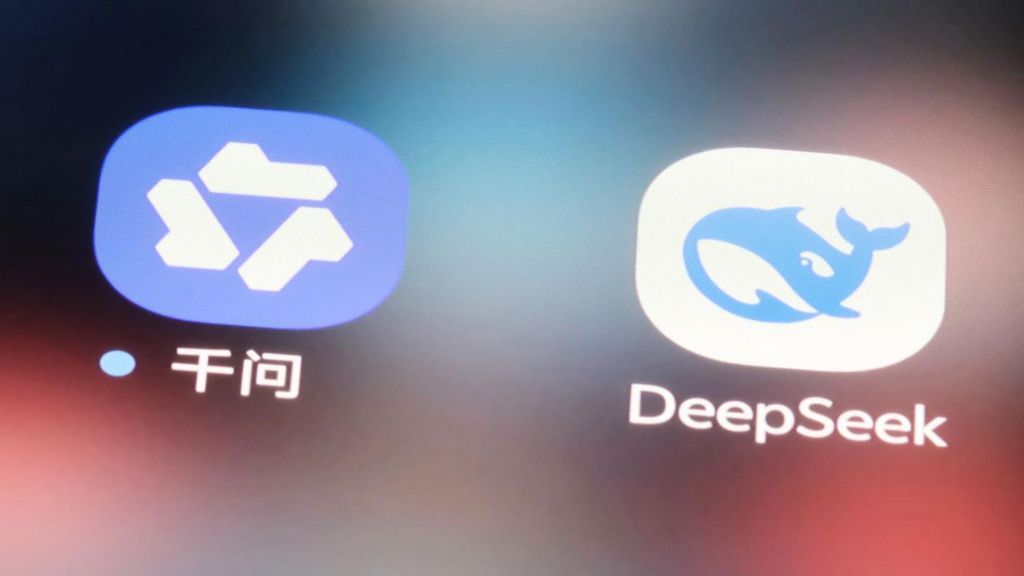
    The San Francisco-based company has been experimenting with Chinese AI architectures, including the DeepSeek R-1 model launched in January 2025, to enhance its recommendation systems and shopping assistant capabilities. According to CEO Bill Ready, this strategic implementation has effectively transformed Pinterest into an AI-powered commerce platform, with the ‘DeepSeek moment’ representing a pivotal breakthrough in open-source AI development.

    Technical leadership at Pinterest reveals compelling advantages driving this adoption. Chief Technology Officer Matt Madrigal reported that open-source techniques employed from Chinese models demonstrate 30% greater accuracy than leading off-the-shelf alternatives while reducing operational costs by up to ninety percent compared to proprietary systems from U.S. developers like OpenAI.

    This trend extends well beyond Pinterest’s operations. Across the Fortune 500 landscape, Chinese AI models are gaining substantial traction. Airbnb has incorporated Alibaba’s Qwen model extensively to power its AI customer service infrastructure, with CEO Brian Chesky citing superior performance, speed, and cost-effectiveness as decisive factors.

    Hugging Face, the premier platform for AI model distribution, provides further evidence of this market shift. Product lead Jeff Boudier noted that Chinese models consistently dominate the platform’s trending rankings, with some weeks featuring four out of the top five training models originating from Chinese laboratories. In September, Alibaba’s Qwen surpassed Meta’s Llama to become the most downloaded large language model family on the platform.

    The competitive landscape has evolved rapidly since Meta’s release of its open-source Llama models in 2023, which initially established industry standards for bespoke applications. However, the underwhelming reception of Llama 4 and Meta’s subsequent collaboration with Alibaba, Google, and OpenAI for training new models signals a fundamental restructuring of AI development alliances.

    According to a recent Stanford University analysis, Chinese AI models have not only caught up but potentially surpassed their global counterparts in both capability metrics and user adoption rates. This development coincides with increased pressure on U.S. firms like OpenAI to prioritize revenue generation and profitability, potentially creating strategic openings for Chinese technological advancement in the open-source domain.

    Former UK deputy prime minister Sir Nick Clegg observed the paradoxical nature of this competition, noting that China appears to be democratizing AI technology more effectively than Western democracies despite their different governance models. The Stanford report further suggests that substantial government support has contributed significantly to China’s open-source AI achievements, while U.S. companies face increasing commercial pressures that may influence their development priorities.

  • Watch: Empty shelves and road preparations as US readies for winter storm

    Watch: Empty shelves and road preparations as US readies for winter storm

    A formidable winter storm system is poised to unleash severe weather across vast portions of the United States, prompting urgent preparatory actions from millions of citizens. Meteorological authorities have issued grave warnings, indicating that over 160 million individuals, nearly half the nation’s population, are projected to confront perilous conditions characterized by heavy snowfall, significant ice accumulation from freezing rain, and dangerously low temperatures.

    In anticipation of the severe weather event, residents in affected regions have engaged in widespread stockpiling of essential supplies. Reports from numerous grocery stores depict a familiar scene of crisis preparation, with shelves once holding bread, milk, eggs, and bottled water now largely barren. This consumer behavior reflects deeply ingrained protocols for winter emergency readiness across many American communities.

    Simultaneously, transportation departments and municipal workers are executing comprehensive road treatment strategies. Crews are preemptively applying brine and salt mixtures to major highways and secondary roads in an effort to prevent ice bonding to pavement surfaces. Officials are strongly advising against all non-essential travel once the storm commences, warning that whiteout conditions and treacherous ice may render roads impassable.

    The impending storm’s significant magnitude underscores the substantial challenges that extreme weather events pose to public infrastructure and safety systems. The coordinated response between government agencies and civilian preparation highlights the ongoing adaptation to increasingly volatile winter weather patterns affecting populated areas.