博客

  • US government invests $1.6bn for stake in rare earths firm

    US government invests $1.6bn for stake in rare earths firm

    The Trump administration has committed $1.6 billion in federal support to USA Rare Earth, an Oklahoma-based critical minerals company, in a significant move to challenge China’s global dominance in the rare earth elements market. This non-binding agreement, announced Monday, represents the latest strategic initiative to secure America’s supply chain for minerals essential to both consumer electronics and advanced defense technologies.

    The financing package consists of a $1.3 billion loan from the Commerce Department—which will grant the government a stake in the company—alongside $277 million in direct federal funding. Simultaneously, USA Rare Earth revealed it had secured an additional $1.5 billion through private investment rounds. The company specializes in ‘heavy’ rare earth elements, which are particularly crucial for defense applications.

    Market response was immediately positive, with the miner’s shares surging up to 20% following the dual announcements. This investment continues the administration’s pattern of supporting domestic rare earth production, following previous agreements including a $1.4 billion deal with magnet startup Vulcan Elements and investments in MP Materials, operator of America’s sole active rare earth mine.

    This development occurs against the backdrop of tense trade negotiations between Washington and Beijing, where rare earths have emerged as a strategic bargaining chip. China currently processes approximately 90% of the world’s rare earths and has previously restricted exports to gain leverage in trade discussions. The U.S. reliance on these materials—vital for smartphones, electric vehicles, and military technologies—has created significant supply chain vulnerabilities.

    Beyond domestic investments, the administration has pursued international partnerships to diversify sources. Recent agreements include a minerals partnership with Australia and discussions regarding resource access in Greenland, though full independence from Chinese processing remains a longer-term objective.
  • LuLu Group: A Deeper Investment Push Across India

    LuLu Group: A Deeper Investment Push Across India

    LuLu Group has dramatically escalated its investment footprint across India, marking Republic Day with substantial commitments to retail expansion and agricultural export infrastructure. The multinational conglomerate unveiled comprehensive plans for new shopping malls, hypermarkets, and specialized food processing centers spanning multiple states.

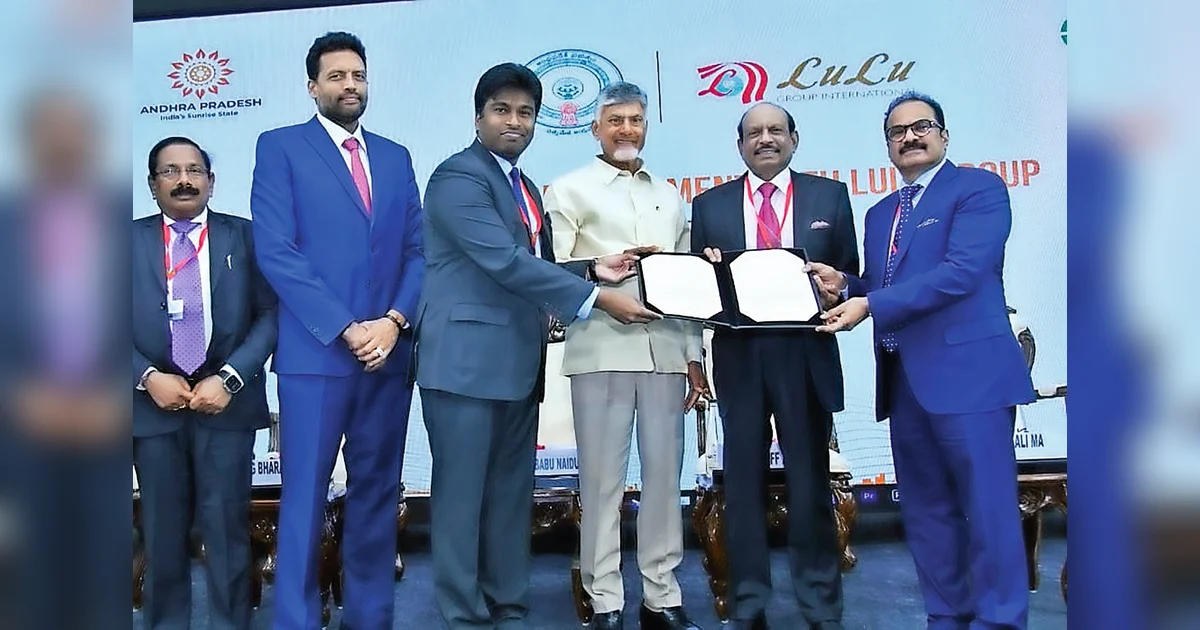
    In a strategic move, Chairman Yusuffali M.A. formalized agreements with Andhra Pradesh Chief Minister N Chandrababu Naidu to establish multiple flagship projects. These include a monumental shopping mall in Visakhapatnam—positioned to rank among India’s largest retail developments—alongside specialized food sourcing and export facilities in Vijayawada and Rayalaseema. The Visakhapatnam mall alone anticipates generating approximately 5,000 direct employment opportunities and an additional 12,000 indirect jobs upon its scheduled opening within three years.

    The export-oriented initiatives will focus on value-added processing of regional agricultural products including mango pulp, guava pulp, and premium spices under the LuLu brand. These facilities are designed to enhance market access for local farmers while strengthening international trade channels to GCC markets and Egypt.

    Concurrently, LuLu Group is advancing its retail network with new hypermarkets in Chennai scheduled for mid-2026 completion. Additional Express Stores and shopping complexes are being finalized in key urban centers including Bengaluru, Lucknow, Noida, and Gurugram. The expansion strategy also includes identifying potential mall locations in Gujarat’s Chandkheda area, situated within the Gandhinagar parliamentary constituency along the SP Ring Road corridor.

    Chief Minister Naidu characterized the Visakhapatnam development as the ‘Navaratna’ (nine jewels) of LuLu’s Indian portfolio, emphasizing its dual role as both retail destination and tourism experience center. He encouraged accelerated construction timelines aiming for a six-month early opening.

    This comprehensive investment push demonstrates LuLu Group’s deepening integration within India’s economic ecosystem, combining retail innovation with agricultural supply chain development to create multifaceted growth opportunities across multiple states.

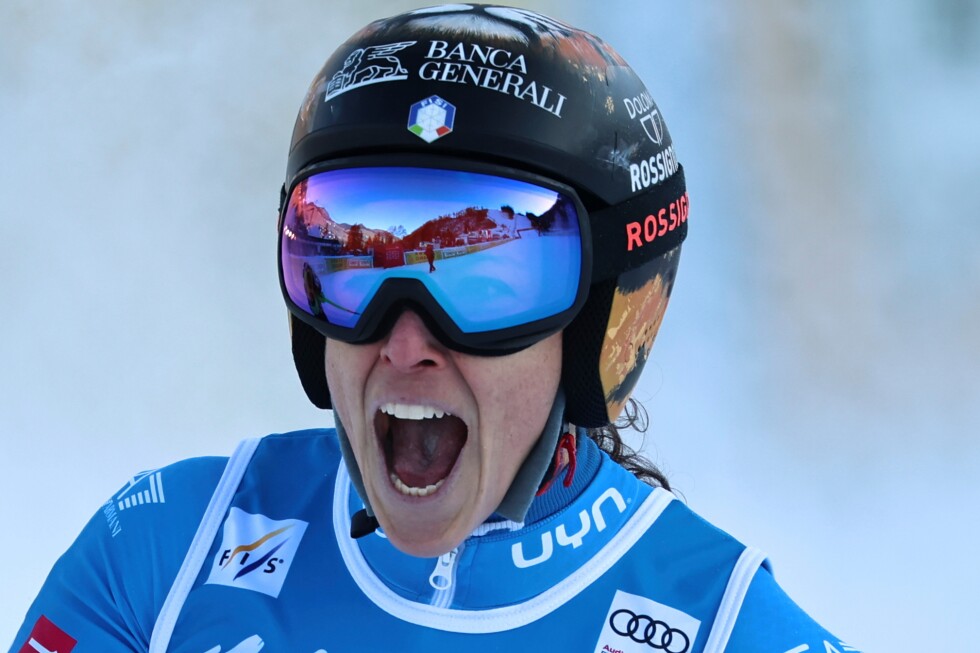
  • Host Italy announces 196-member team for Milan Cortina Olympics, including Fontana and Brignone

    Host Italy announces 196-member team for Milan Cortina Olympics, including Fontana and Brignone

    ROME — Italy has unveiled its largest Winter Olympics delegation in history, selecting 196 athletes to represent the host nation at the upcoming Milan Cortina Games commencing next week. The monumental squad, announced on Monday, surpasses the country’s previous record of 184 competitors set during the 2006 Turin Olympics—Italy’s last hosting of the Winter Games.

    The team composition features 103 male and 93 female athletes, showcasing Italy’s commitment to gender balance in winter sports. The roster is headlined by multiple Olympic veterans including short track speedskating legend Arianna Fontana, Alpine skiing stars Federica Brignone, Sofia Goggia, and Giovanni Franzoni, biathlon competitor Dorothea Wierer, and defending curling mixed doubles champions Stefania Constantini and Amos Mosaner.

    Notable age diversity characterizes the selection, with 16-year-old Alpine skier Giada D’Antonio—of Italian-Colombian-Ecuadorean heritage—representing the youngest team member. At the opposite spectrum, 45-year-old snowboarder Roland Fischnaller prepares for his seventh consecutive Olympic appearance, setting a new Italian Winter Games record while coming off his second parallel racing world title earned last year.

    Fontana, aged 35, enters her sixth Olympic competition since her debut as a 15-year-old in Turin. With an impressive collection of 11 medals (2 gold, 4 silver, 5 bronze) across five previous Games, she stands as Italy’s most decorated Winter Olympian.

    The Alpine skiing team features exceptional longevity with 41-year-old Christof Innerhofer, 36-year-old Dominik Paris, and 35-year-old Brignone all preparing for their fifth Olympic appearances. Brignone, the reigning overall World Cup champion, has recently returned to competition following a serious crash and subsequent injuries sustained in April.

    The Milan Cortina Winter Olympics opening ceremony is scheduled for February 6, marking the commencement of Italy’s historic hosting endeavor with its unprecedented athlete representation.

  • Russia, Ukraine say talks in UAE were ‘constructive’

    Russia, Ukraine say talks in UAE were ‘constructive’

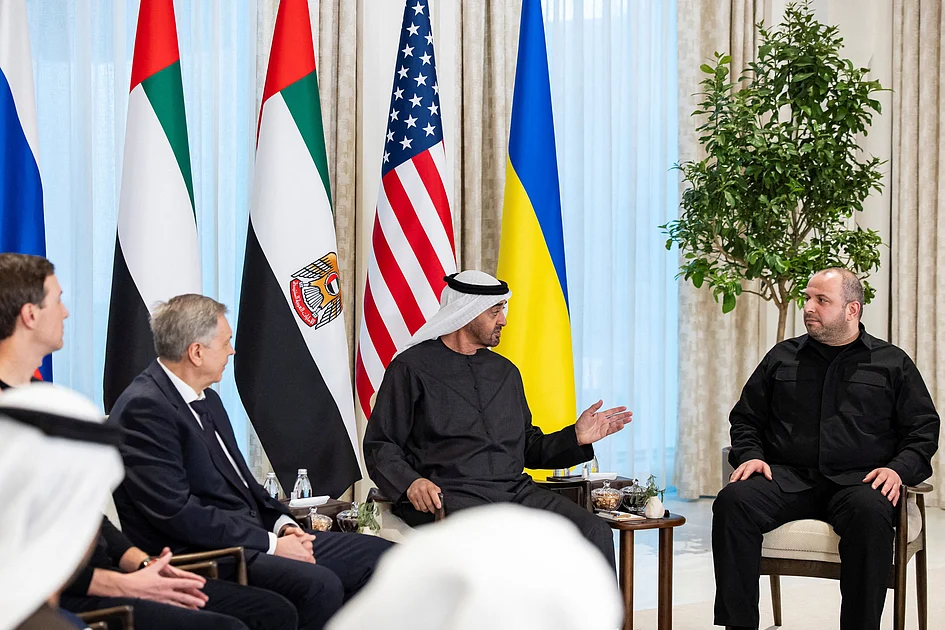
    In a significant diplomatic development, Russian and Ukrainian negotiators convened for trilateral talks in Abu Dhabi on Friday and Saturday, marking their first face-to-face discussions centered on a peace initiative promoted by former US President Donald Trump to resolve the nearly four-year conflict. Both Moscow and Kyiv characterized the preliminary negotiations as constructive despite acknowledging substantial challenges ahead.

    The Kremlin spokesperson Dmitry Peskov addressed journalists on Monday, emphasizing that while initial contacts should not be expected to yield immediate breakthroughs, the fact that discussions proceeded in a constructive manner represents a positive development. ‘It would be a mistake to expect any significant results from the initial contacts,’ Peskov stated. ‘But the very fact that these contacts have begun in a constructive spirit can be viewed positively. However, there is significant work ahead.’ He further clarified that while no atmosphere of friendliness existed given the circumstances, constructive dialogue remains essential for negotiation progress.

    Ukrainian President Volodymyr Zelensky echoed this sentiment, confirming that the Abu Dhabi meetings involved extensive discussions conducted in a constructive manner. This diplomatic effort occurred against a backdrop of continued military aggression, as Russian forces launched 138 drones overnight into Ukrainian territory, with impacts recorded at 11 locations according to Ukraine’s air force. These attacks, which disrupted electricity for millions amid sub-zero temperatures, prompted Kyiv to accuse Moscow of attempting to undermine the negotiation process.

    The talks, brokered by the United States, are scheduled to resume on February 1, according to US officials, indicating continued international engagement in seeking a resolution to the prolonged conflict that has devastated the region.

  • NATO chief wishes ‘good luck’ to those who think Europe can defend itself without US help

    NATO chief wishes ‘good luck’ to those who think Europe can defend itself without US help

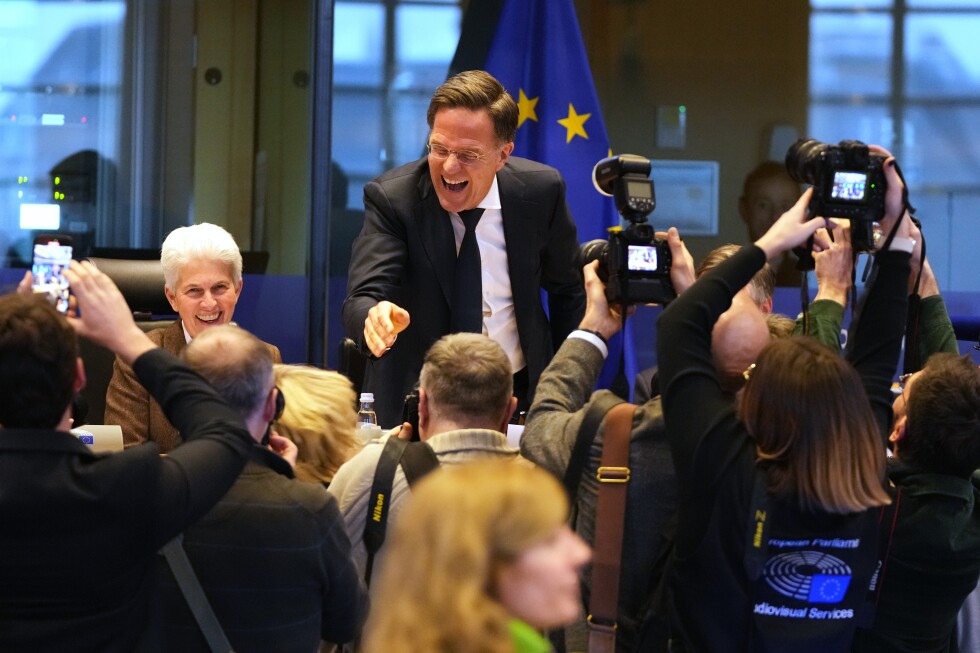
    BRUSSELS — NATO Secretary-General Mark Rutte delivered a stark warning to European Union legislators on Monday, asserting that European nations remain fundamentally incapable of autonomous self-defense without American military backing. Rutte emphasized that achieving true strategic independence would require more than doubling current defense spending targets and developing independent nuclear capabilities—a financially prohibitive endeavor.

    During his address at the EU parliamentary session, Rutte explicitly dismissed notions of European strategic autonomy as unrealistic. “Should anyone believe that the European Union or Europe collectively could defend itself absent American support, they are merely indulging in fantasy,” he stated. “The transatlantic partnership remains indispensable—we mutually depend on one another.”

    The Secretary-General’s remarks arrive amid escalating tensions within NATO following recent controversies involving former U.S. President Donald Trump. These included renewed threats to annex Greenland—a semi-autonomous Danish territory—and the imposition of tariffs against its European supporters. Although these threats were subsequently withdrawn following diplomatic intervention and a tentative agreement regarding the mineral-rich region, the incidents highlighted the alliance’s fragility.

    Rutte referenced the July NATO summit in The Hague, where European members (excluding Spain) and Canada committed to matching U.S. defense spending relative to economic output within ten years. The agreement stipulated elevating core defense expenditure to 3.5% of GDP, with an additional 1.5% allocated to security infrastructure—totaling 5% of GDP by 2035.

    However, Rutte cautioned that truly independent defense would necessitate expenditures approaching 10% of GDP, alongside the development of an independent nuclear deterrent costing “billions upon billions of euros.” He underscored Europe’s continued reliance on the U.S. nuclear umbrella as “the ultimate guarantor of our freedom.”

    These developments occur against growing French-led advocacy for European “strategic autonomy,” a movement that gained momentum after the Trump administration indicated shifted security priorities and suggested European nations should assume greater defense responsibility.

  • Former BCCI president Inderjit Singh Bindra passes away at 84

    Former BCCI president Inderjit Singh Bindra passes away at 84

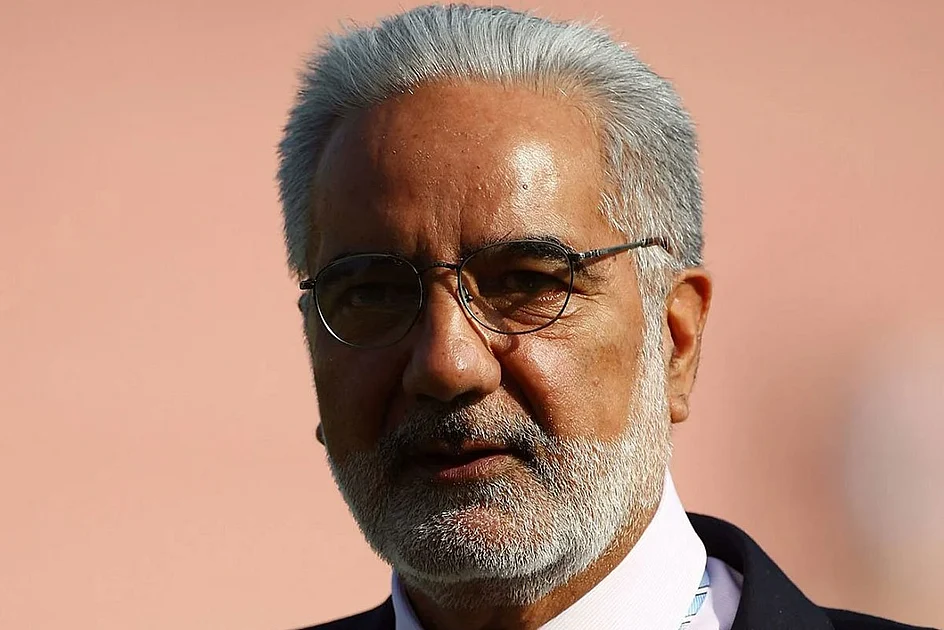
    The cricketing world mourns the loss of I.S. Bindra, the former President of the Board of Control for Cricket in India (BCCI), who passed away in New Delhi at the age of 84. The BCCI officially confirmed the news, paying tribute to one of the most transformative figures in the sport’s administration.

    Bindra’s tenure as BCCI president from 1993 to 1996 marked a pivotal era in Indian cricket. His influence, however, extended far beyond those years. He held an unprecedented 36-year presidency at the Punjab Cricket Association (PCA), a testament to his enduring commitment to the game’s development at the regional level.

    His legacy is physically embodied in the PCA Stadium in Mohali, a world-class venue he was instrumental in developing. This ground has been the stage for numerous historic contests, including the electrifying 2011 World Cup semifinal between India and Pakistan and a dramatic run-chase led by Virat Kohli in the 2016 T20 World Cup.

    Perhaps his most profound impact was on the global stage. Bindra, alongside contemporaries NKP Salve and Jagmohan Dalmiya, was a central architect in shifting cricket’s power dynamics. They successfully brought the 1987 World Cup to the Indian subcontinent, breaking the Anglo-Australian monopoly on hosting the sport’s premier event. This move catalyzed a new era, empowering Asian cricketing nations and leading to subsequent World Cup victories for Pakistan (1992) and Sri Lanka (1996).

    A skilled diplomat, Bindra played a crucial role in diffusing geopolitical tensions, notably ahead of the 1987 tournament. His strategic thinking continued to shape international cricket as a principal advisor to ICC President Sharad Pawar from 2010 to 2012. Tributes have poured in from across the cricket community, with current ICC Chairman Jay Shah highlighting Bindra’s enduring legacy as an inspiration for future generations.

  • Guyanese businessman facing US extradition elected opposition leader

    Guyanese businessman facing US extradition elected opposition leader

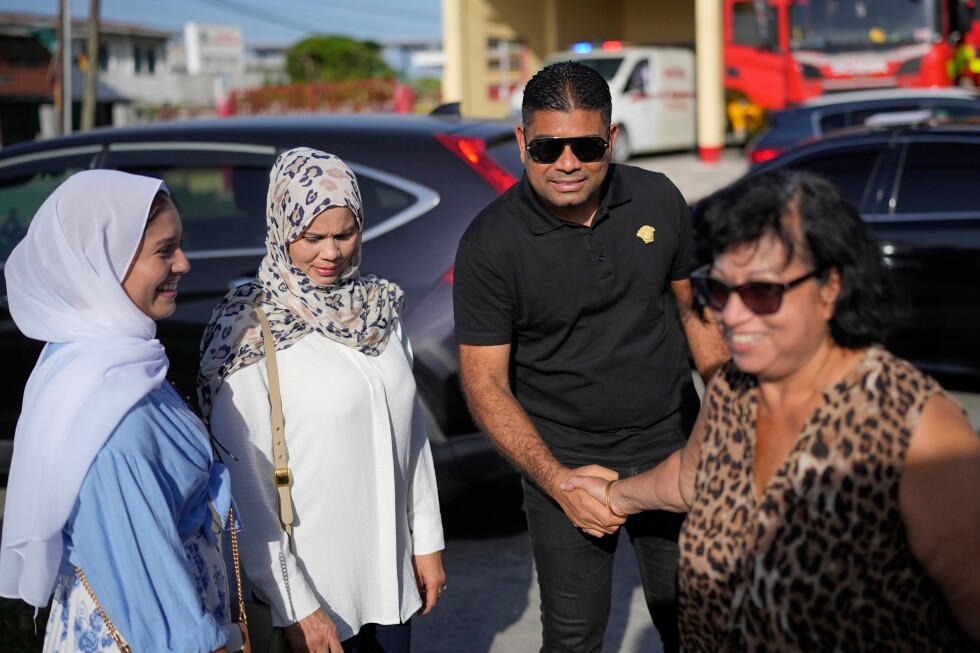
    GEORGETOWN, Guyana — In a remarkable political development, Azruddin Mohamed, a 38-year-old Guyanese businessman confronting serious U.S. criminal charges, has been formally elected as the nation’s official opposition leader. This unprecedented political ascension occurred Monday through a parliamentary vote held six months after Mohamed established his We Invest in Nationhood Party (WIN), which has rapidly emerged as Guyana’s second-largest political force.

    The parliamentary confirmation proceeded with 17 lawmakers—16 from WIN and one from a single-seat party—voting in Mohamed’s favor. This political milestone unfolds simultaneously as a magistrate’s court deliberates on state arguments for his extradition to the United States, where he and his father face federal indictments for gold smuggling and money laundering.

    Last year, Florida prosecutors unsealed indictments against the Mohamed family, alleging their involvement in smuggling over 10,000 kilograms of gold from Guyana to the United States while evading more than $50 million in taxes. These charges followed earlier sanctions imposed by the U.S. Treasury Department, which identified the Mohameds as significant players in Guyana’s gold industry through their extensive business operations, including foreign exchange outlets and substantial real estate holdings.

    The case has highlighted persistent governance challenges in the oil-rich South American nation, with authorities having shuttered all Mohamed family businesses and commercial bank accounts following the sanctions announcement.

    Monday’s parliamentary session, attended exclusively by opposition lawmakers, occurred amid mounting international pressure. Western nations and civil society groups had accused Guyanese authorities of deliberately delaying parliamentary proceedings to obstruct Mohamed’s election. Parliament had convened only once since its dissolution in July preceding September’s general elections.

    Addressing concerns about potential extradition, Mohamed asserted the fundamental legal principle that “a person is innocent until proven guilty.” He suggested political motivations behind the legal actions, contending that his prosecution relates directly to WIN’s successful opposition to the ruling People’s Progressive Party (PPP).

    “I announced my candidacy because of the people of this country,” Mohamed told reporters outside parliament. “The people asked me. I would not have had any court issues if I did not contest this election. I am ready to serve the people of this country.”

    House Speaker Manzoor Nadir acknowledged the unusual circumstances, describing himself as being in a “difficult position” for overseeing the appointment of an indicted individual as opposition leader. Despite these reservations, Nadir presided over the proceedings and formally congratulated Mohamed on his electoral victory.

  • Beckham family tensions put spotlight on celebrity trademark disputes

    Beckham family tensions put spotlight on celebrity trademark disputes

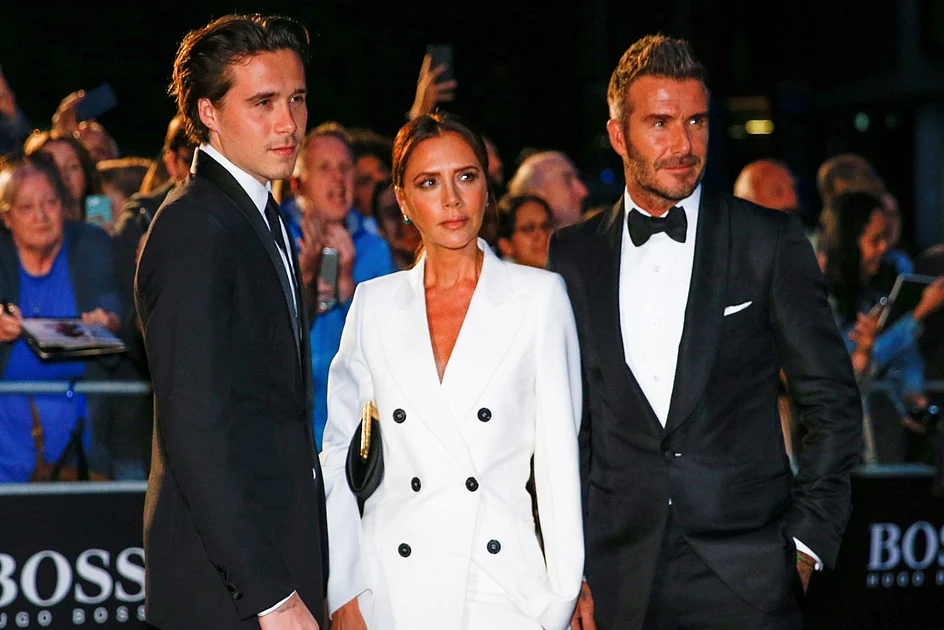
    The Beckham family’s internal conflicts have escalated into public discourse, revealing the complex legal landscape of celebrity trademark practices. Brooklyn Beckham, eldest son of global icons David and Victoria Beckham, recently made explosive allegations that his parents prioritized ‘Brand Beckham’ over family relationships, particularly regarding control of his name rights.

    UK Intellectual Property Office records confirm that all four Beckham children’s names were registered as trademarks, with Victoria Beckham listed as legal owner in her capacity as parent and guardian. Brooklyn’s name was specifically trademarked in 2016 when he was 17, covering extensive commercial categories including beauty products, cosmetics, apparel, toys, and entertainment services. This registration is scheduled to expire in December of this year.

    According to Brooklyn’s social media statements, his parents pressured him to ‘sign away the rights to my name’ preceding his 2022 marriage to Nicola Peltz, daughter of American billionaire Nelson Peltz. While Beckham family representatives have remained silent on these allegations, the controversy has highlighted how celebrity families increasingly utilize trademark protections to safeguard their commercial interests.

    This practice has become increasingly common among high-profile figures seeking to prevent unauthorized commercial exploitation of their names. Notable precedents include Australian singer Kylie Minogue’s opposition to reality star Kylie Jenner’s trademark application for ‘Kylie,’ and singer Katy Perry’s ongoing legal battle with Australian fashion designer Katie Perry.

    Legal experts note that trademark registration remains relatively accessible in both UK and US jurisdictions. In Britain, basic registration costs approximately £170 plus £50 for each additional commercial class, providing protection for a decade. The Beckhams have built a multimillion-pound empire through strategic brand management, with David’s football legacy and Victoria’s fashion and beauty ventures creating a comprehensive commercial ecosystem.

    Intellectual property specialists suggest Brooklyn could potentially challenge trademark renewal or pursue independent registration if the name hasn’t been actively commercially exploited. However, complications arise from the inherent connection between ‘Brooklyn’ and the powerful ‘Beckham’ brand identity. Any resolution would likely involve negotiated settlements determining permissible usage across various product categories.

    Notably, Brooklyn has already begun incorporating his wife’s surname into his professional identity, using the initials ‘BPB’ (Brooklyn Peltz Beckham) for endorsements and his Cloud23 hot sauce venture, signaling a possible shift toward independent brand development outside the Beckham family enterprise.

  • China says Canada deal does not target the US after Trump tariff threat

    China says Canada deal does not target the US after Trump tariff threat

    Former U.S. President Donald Trump has issued a stark warning to Canada, threatening to impose 100% tariffs on Canadian products should the nation finalize its recently announced trade agreement with China. The threat was delivered via Trump’s Truth Social platform over the weekend, where he asserted that China is “successfully and completely taking over” Canada and cautioned against the country becoming a “drop off port” for Chinese goods destined for the U.S. market.

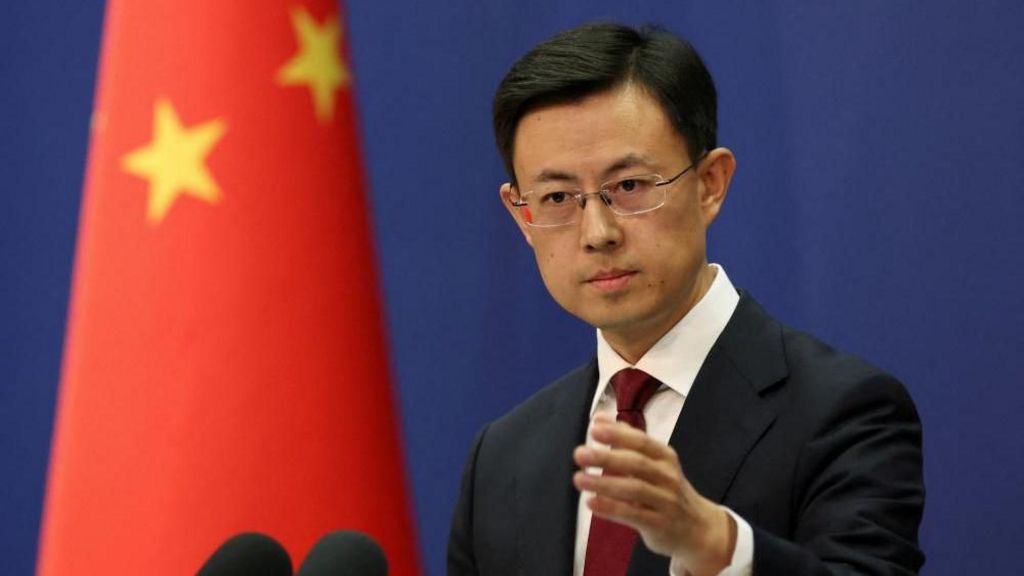
    In response to these allegations, both Canadian and Chinese officials have moved to clarify the nature of their new arrangement. Chinese Foreign Ministry spokesperson Guo Jiakun stated on Monday that the partnership “does not target any third party” and is designed to “serve the common interests of the people of both countries.” He emphasized that international relations should be approached with a “win-win rather than the mentality of zero-sum” framework.

    Canadian Prime Minister Mark Carney explicitly denied that the agreement constitutes a free-trade deal with Beijing, stating Canada has “never” considered such an arrangement. He clarified that the understanding focuses on specific tariff adjustments: reducing levies on Canadian canola oil exports to China from 85% to 15% by March, while Canada will apply the Most-Favoured-Nation rate of 6.1%—a significant reduction from 100%—to a limited number of Chinese electric vehicle imports.

    Prime Minister Carney suggested that Trump’s threats are likely a negotiation tactic ahead of a mandatory review of the United States-Mexico-Canada Agreement (USMCA) scheduled for later this year. “The president is a strong negotiator, and I think some of these comments and positioning should be viewed in the broader context of that,” Carney told reporters. He also reaffirmed Canada’s commitment to diversifying its trade portfolio to become “less dependent on the United States,” a position he recently underscored in a speech at Davos where he noted the rupture of the U.S.-led world order.

    The escalating tension marks a notable shift from Trump’s previous stance, which had characterized a potential Canada-China deal as “a good thing.” U.S. Treasury Secretary Scott Bessent later sought to clarify the conditional nature of the tariff threat, explaining it would apply specifically “if we see that the Canadians are allowing the Chinese to dump goods.”

  • Dubai’s Al Habtoor Group warns Lebanon of legal action over Dh6-billion losses

    Dubai’s Al Habtoor Group warns Lebanon of legal action over Dh6-billion losses

    Dubai-based conglomerate Al Habtoor Group has issued a formal warning to the Lebanese government, signaling imminent legal proceedings over substantial financial losses exceeding $1.7 billion (Dh6.24 billion). The multinational corporation alleges systematic violations of bilateral investment agreements through restrictive measures imposed by Lebanese authorities and the central bank, Banque du Liban.

    The dispute centers on the Group’s diversified portfolio across Lebanon’s hospitality, retail, leisure, real estate, and banking sectors. According to official statements, these investments have suffered severe deterioration due to capital control measures preventing access to lawfully deposited funds in Lebanese financial institutions. These financial restrictions, exacerbated by Lebanon’s prolonged political and economic crises, have created an unsustainable operational environment for foreign investors.

    Al Habtoor Group emphasized having exhausted all diplomatic channels and good-faith negotiation attempts since formally notifying Lebanon of the investment dispute in January 2024. The six-month cooling-off period mandated under UAE-Lebanon bilateral investment treaties concluded without resolution, despite the Group’s engagement with relevant authorities.

    The conglomerate now asserts that international legal action represents the only remaining recourse to enforce its rights under binding international agreements. These treaties obligate Lebanon to ensure protection, fair treatment, and effective remedies for foreign investors. While maintaining openness to constructive solutions, the Group stated it cannot continue absorbing losses resulting from what it characterizes as systemic failure and prolonged governmental inaction.

    This development follows Chairman Khalaf Al Habtoor’s January 2025 announcement canceling all Lebanese investment projects and divesting existing properties, citing security concerns including personal threats received in 2024. The case highlights worsening investor confidence in Lebanon’s ability to stabilize its financial systems and protect foreign investments amid ongoing economic collapse.