博客

  • Nigerian officers to face trial over coup-plot allegations

    Nigerian officers to face trial over coup-plot allegations

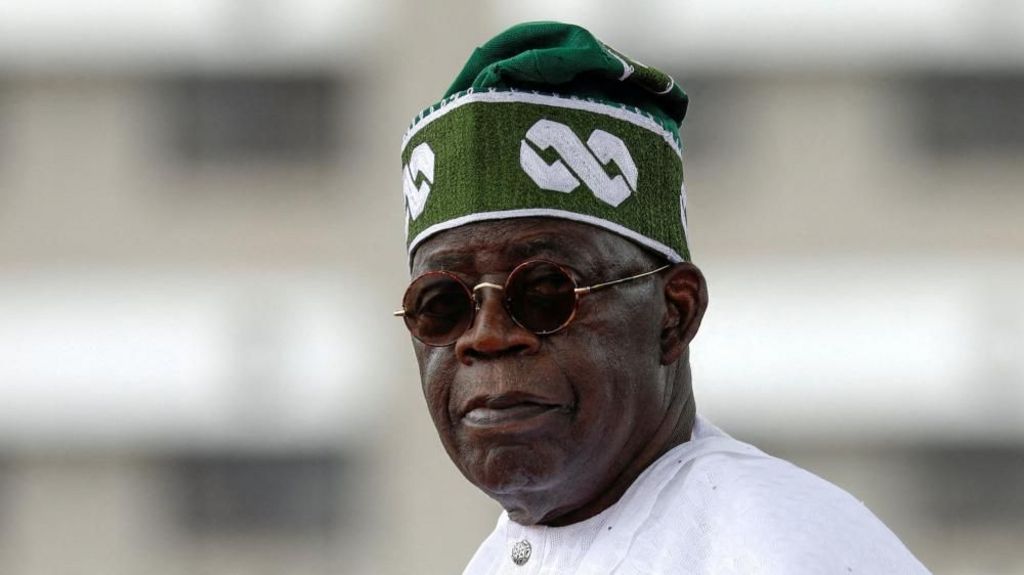
    Sixteen Nigerian military officers will face court-martial proceedings over allegations of plotting to overthrow President Bola Tinubu’s government last year, according to an official armed forces statement. The officers, arrested in October following what authorities described as “acts of indiscipline and breaches of service regulations,” are now formally charged with attempting to subvert the constitutional order.

    While military officials initially dismissed rumors of an attempted coup, subsequent investigations have led to acknowledging that some of the detained officers will undergo trial before a military judicial panel. The armed forces emphasized that the judicial process would uphold principles of fairness and due process while ensuring accountability.

    This development occurs against Nigeria’s complex historical backdrop of military involvement in politics, which included multiple successful coups between 1966 and 1993. The sensitivity surrounding coup allegations reflects the nation’s transition to sustained civilian governance since 1999.

    The military statement explicitly condemned any attempts to unseat elected government as “inconsistent with the ethics, values and professional standards” of Nigeria’s armed forces. Recent years have seen occasional rumors about military dissent amid concerns over national instability, security challenges, and public frustration—all of which the military has consistently denied.

    Nigeria’s armed forces have repeatedly publicly reaffirmed their commitment to democratic governance and loyalty to civilian authority throughout the current period of uninterrupted civilian rule.
  • Mexico’s president joins ARMY fan base in BTS concert push

    Mexico’s president joins ARMY fan base in BTS concert push

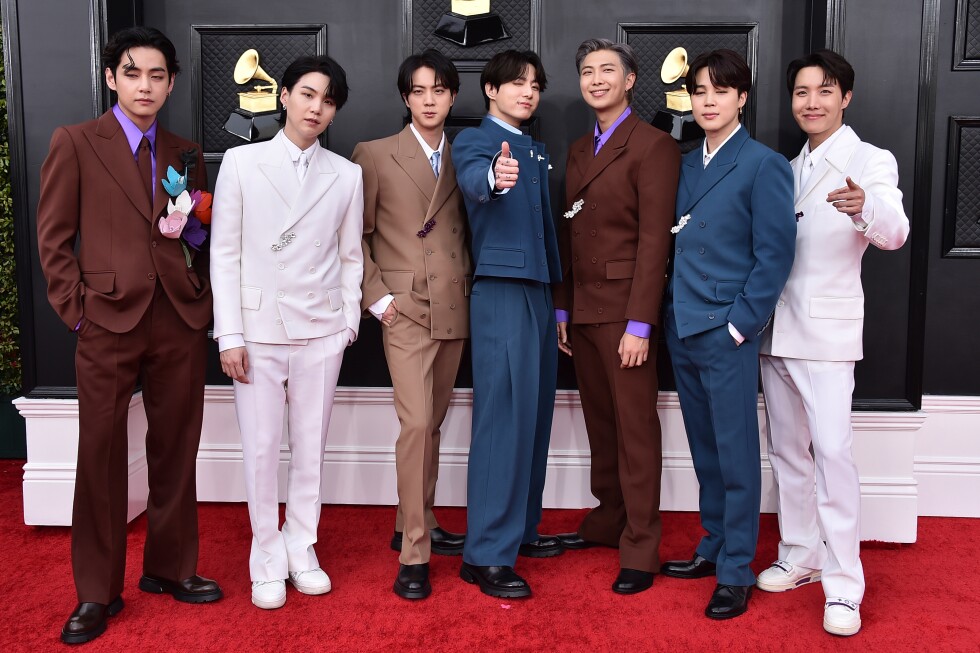
    MEXICO CITY — What began as a typical concert announcement has transformed into a matter of diplomatic significance, with Mexican President Claudia Sheinbaum personally advocating for additional BTS performances following an instantaneous sell-out of the group’s scheduled shows. The unprecedented demand from the ARMY fanbase reached presidential levels, compelling Sheinbaum to address the situation during her official Monday news briefing.

    The president revealed she has undertaken extraordinary measures to secure more dates for the Korean supergroup, including direct communication with South Korea’s prime minister through formal diplomatic channels. “We have not yet received a response, but we hope it will be positive,” Sheinbaum stated regarding her request for expanded concert availability during BTS’s May visit.

    Simultaneously, the administration has engaged with concert promoter Ocesa to explore logistical possibilities for additional performances. However, the organizer has indicated that expanding the current schedule of May 7, 9, and 10 concerts at Mexico City’s 65,000-capacity GNP Seguros Stadium presents significant challenges.

    This presidential involvement continues Sheinbaum’s pattern of enthusiastic support for the band’s visit, which she previously characterized during her January 19 briefing as fulfilling a “historic request” from Mexican youth. Her comments celebrating BTS’s cultural impact gained international attention, featuring prominently in South Korean media outlets.

    The administration has coupled its advocacy for expanded access with consumer protection measures. Sheinbaum detailed collaborative efforts between Mexico’s consumer protection agency, Ocesa, and Ticketmaster Mexico to ensure pricing transparency and combat ticket scalping practices.

    Mexico’s status as a premier concert destination received further validation with Pollstar magazine naming GNP Seguros Stadium as the world’s top concert venue for 2025—the second consecutive year it has earned this distinction. The country has hosted landmark performances from global artists including Lady Gaga, Shakira, Oasis, and Bad Bunny throughout the year.

    BTS’s upcoming performances mark a significant return following the group’s nearly four-year musical hiatus during which members completed mandatory military service in South Korea. The group will release their new album “ARIRANG” on March 20 before embarking on an extensive world tour comprising over 70 dates across multiple continents through March 2027.

  • A Shared Ascent: The UAE–India Growth Story

    A Shared Ascent: The UAE–India Growth Story

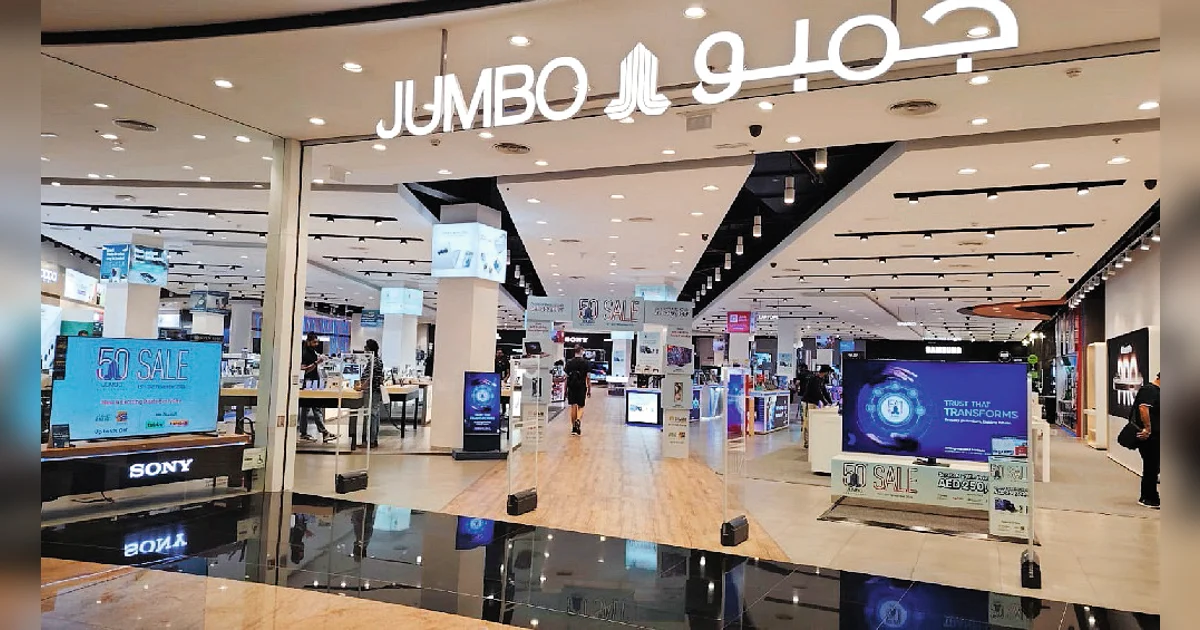
    As India commemorates its 77th Republic Day, the profound economic and cultural synergy between the United Arab Emirates and India emerges as a blueprint for successful bilateral partnership. This relationship, characterized by mutual values and ambitious growth trajectories, finds embodiment in enterprises like Jumbo Group, whose five-decade evolution mirrors the broader UAE-India success story.

    Vidya Chhabria, Chairperson of Jumbo Group, reflects on how Indian principles of resilience, innovation, and progress have fundamentally shaped the company’s journey from a single retail store to a major UAE distribution powerhouse. The organization’s growth strategy has consistently leveraged opportunities within the UAE market while maintaining its foundational Indian ethos.

    The company’s commercial evolution illustrates the bilateral partnership’s practical application. Beginning with longstanding collaborations with global brands like Sony and expanding through recent partnerships including international lifestyle brand Christy, Jumbo has demonstrated how UAE-India cooperation drives business diversification and market relevance.

    This economic interconnection extends beyond corporate strategy to human capital development. Jumbo’s workforce prominently features talented Indian diaspora professionals whose contributions have been instrumental to the company’s achievements. Through both retail operations and distribution networks, the organization has actively participated in job creation, talent cultivation, and the UAE’s broader innovation-focused economic agenda.

    The timing of this reflection coincides with the UAE’s designation of the Year of Family, creating cultural resonance with Indian family-centric values. These shared principles influence business approaches toward customer service and community engagement, ensuring commercial activities contribute meaningfully to quality of life for residents and visitors alike.

    This symbiotic relationship continues to strengthen through aligned ambitions and heritage, positioning the UAE-India partnership as a model of international cooperation with tangible economic and social benefits.

  • Health as a Pillar of National Strength

    Health as a Pillar of National Strength

    On India’s Republic Day commemoration, national discourse has turned toward redefining progress through the lens of holistic wellness. The country’s leadership emphasizes that true national strength extends beyond economic and technological advancement to encompass the comprehensive well-being of its citizens.

    India possesses a unique confluence of assets positioning it as a potential global healthcare innovator: world-class medical expertise, rapidly developing healthcare infrastructure, and ancient philosophical traditions that conceptualize health as an intricate balance between physical, mental, and environmental harmony. This distinctive combination of scale, historical continuity, and scientific advancement offers unprecedented opportunities.

    Globally, healthcare systems face mounting challenges from lifestyle-related diseases, mental health crises, and the limitations of reactive treatment models. The future demands a paradigm shift toward preventive care, resilience-building, and sustained vitality across lifespans rather than merely addressing illness episodically.

    India’s ancient knowledge systems—emphasizing disciplined living, natural harmony, and inner equilibrium—provide foundational principles for this transformation. When rigorously integrated with contemporary medical science and advanced diagnostics, these traditions can inform healthcare models that are both scientifically validated and profoundly human-centered.

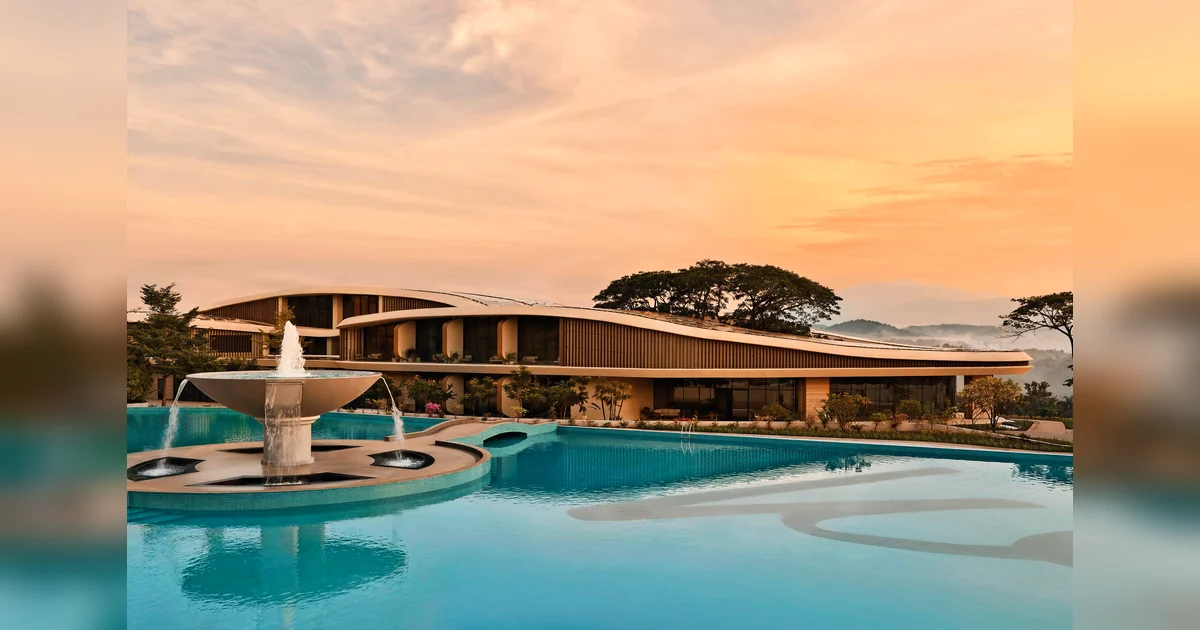
    The recently established tulåh Clinical Wellness initiative in Kerala exemplifies this synthesis. Designed as an evidence-based clinical wellness ecosystem, it merges cutting-edge medical diagnostics with India’s time-tested healing traditions within a structured, disciplined framework that approaches health as a lifelong pursuit.

    International partnerships, particularly the strategic relationship between India and the UAE, accelerate this vision. Combining India’s depth in medical science and traditional knowledge with the UAE’s role as a global innovation platform creates powerful opportunities to develop health models with worldwide applicability.

    This Republic Day serves as a reminder that investing in comprehensive wellness is fundamental to sustainable development, directly influencing productivity, social cohesion, and intergenerational thriving. The constitutional promise of dignity for all finds expression in building systems that support healthier, more balanced, and purposeful lives for India’s future generations.

  • US government invests $1.6bn for stake in rare earths firm

    US government invests $1.6bn for stake in rare earths firm

    The Trump administration has committed $1.6 billion in federal support to USA Rare Earth, an Oklahoma-based critical minerals company, in a significant move to challenge China’s global dominance in the rare earth elements market. This non-binding agreement, announced Monday, represents the latest strategic initiative to secure America’s supply chain for minerals essential to both consumer electronics and advanced defense technologies.

    The financing package consists of a $1.3 billion loan from the Commerce Department—which will grant the government a stake in the company—alongside $277 million in direct federal funding. Simultaneously, USA Rare Earth revealed it had secured an additional $1.5 billion through private investment rounds. The company specializes in ‘heavy’ rare earth elements, which are particularly crucial for defense applications.

    Market response was immediately positive, with the miner’s shares surging up to 20% following the dual announcements. This investment continues the administration’s pattern of supporting domestic rare earth production, following previous agreements including a $1.4 billion deal with magnet startup Vulcan Elements and investments in MP Materials, operator of America’s sole active rare earth mine.

    This development occurs against the backdrop of tense trade negotiations between Washington and Beijing, where rare earths have emerged as a strategic bargaining chip. China currently processes approximately 90% of the world’s rare earths and has previously restricted exports to gain leverage in trade discussions. The U.S. reliance on these materials—vital for smartphones, electric vehicles, and military technologies—has created significant supply chain vulnerabilities.

    Beyond domestic investments, the administration has pursued international partnerships to diversify sources. Recent agreements include a minerals partnership with Australia and discussions regarding resource access in Greenland, though full independence from Chinese processing remains a longer-term objective.

  • LuLu Group: A Deeper Investment Push Across India

    LuLu Group: A Deeper Investment Push Across India

    LuLu Group has dramatically escalated its investment footprint across India, marking Republic Day with substantial commitments to retail expansion and agricultural export infrastructure. The multinational conglomerate unveiled comprehensive plans for new shopping malls, hypermarkets, and specialized food processing centers spanning multiple states.

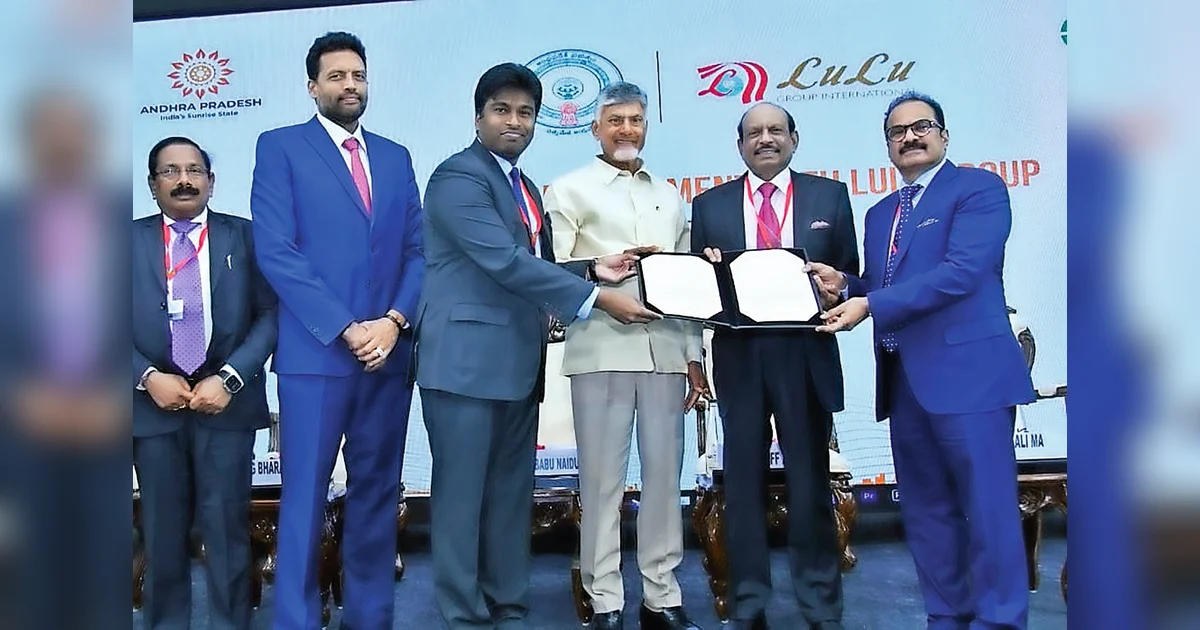
    In a strategic move, Chairman Yusuffali M.A. formalized agreements with Andhra Pradesh Chief Minister N Chandrababu Naidu to establish multiple flagship projects. These include a monumental shopping mall in Visakhapatnam—positioned to rank among India’s largest retail developments—alongside specialized food sourcing and export facilities in Vijayawada and Rayalaseema. The Visakhapatnam mall alone anticipates generating approximately 5,000 direct employment opportunities and an additional 12,000 indirect jobs upon its scheduled opening within three years.

    The export-oriented initiatives will focus on value-added processing of regional agricultural products including mango pulp, guava pulp, and premium spices under the LuLu brand. These facilities are designed to enhance market access for local farmers while strengthening international trade channels to GCC markets and Egypt.

    Concurrently, LuLu Group is advancing its retail network with new hypermarkets in Chennai scheduled for mid-2026 completion. Additional Express Stores and shopping complexes are being finalized in key urban centers including Bengaluru, Lucknow, Noida, and Gurugram. The expansion strategy also includes identifying potential mall locations in Gujarat’s Chandkheda area, situated within the Gandhinagar parliamentary constituency along the SP Ring Road corridor.

    Chief Minister Naidu characterized the Visakhapatnam development as the ‘Navaratna’ (nine jewels) of LuLu’s Indian portfolio, emphasizing its dual role as both retail destination and tourism experience center. He encouraged accelerated construction timelines aiming for a six-month early opening.

    This comprehensive investment push demonstrates LuLu Group’s deepening integration within India’s economic ecosystem, combining retail innovation with agricultural supply chain development to create multifaceted growth opportunities across multiple states.

  • Host Italy announces 196-member team for Milan Cortina Olympics, including Fontana and Brignone

    Host Italy announces 196-member team for Milan Cortina Olympics, including Fontana and Brignone

    ROME — Italy has unveiled its largest Winter Olympics delegation in history, selecting 196 athletes to represent the host nation at the upcoming Milan Cortina Games commencing next week. The monumental squad, announced on Monday, surpasses the country’s previous record of 184 competitors set during the 2006 Turin Olympics—Italy’s last hosting of the Winter Games.

    The team composition features 103 male and 93 female athletes, showcasing Italy’s commitment to gender balance in winter sports. The roster is headlined by multiple Olympic veterans including short track speedskating legend Arianna Fontana, Alpine skiing stars Federica Brignone, Sofia Goggia, and Giovanni Franzoni, biathlon competitor Dorothea Wierer, and defending curling mixed doubles champions Stefania Constantini and Amos Mosaner.

    Notable age diversity characterizes the selection, with 16-year-old Alpine skier Giada D’Antonio—of Italian-Colombian-Ecuadorean heritage—representing the youngest team member. At the opposite spectrum, 45-year-old snowboarder Roland Fischnaller prepares for his seventh consecutive Olympic appearance, setting a new Italian Winter Games record while coming off his second parallel racing world title earned last year.

    Fontana, aged 35, enters her sixth Olympic competition since her debut as a 15-year-old in Turin. With an impressive collection of 11 medals (2 gold, 4 silver, 5 bronze) across five previous Games, she stands as Italy’s most decorated Winter Olympian.

    The Alpine skiing team features exceptional longevity with 41-year-old Christof Innerhofer, 36-year-old Dominik Paris, and 35-year-old Brignone all preparing for their fifth Olympic appearances. Brignone, the reigning overall World Cup champion, has recently returned to competition following a serious crash and subsequent injuries sustained in April.

    The Milan Cortina Winter Olympics opening ceremony is scheduled for February 6, marking the commencement of Italy’s historic hosting endeavor with its unprecedented athlete representation.

  • Russia, Ukraine say talks in UAE were ‘constructive’

    Russia, Ukraine say talks in UAE were ‘constructive’

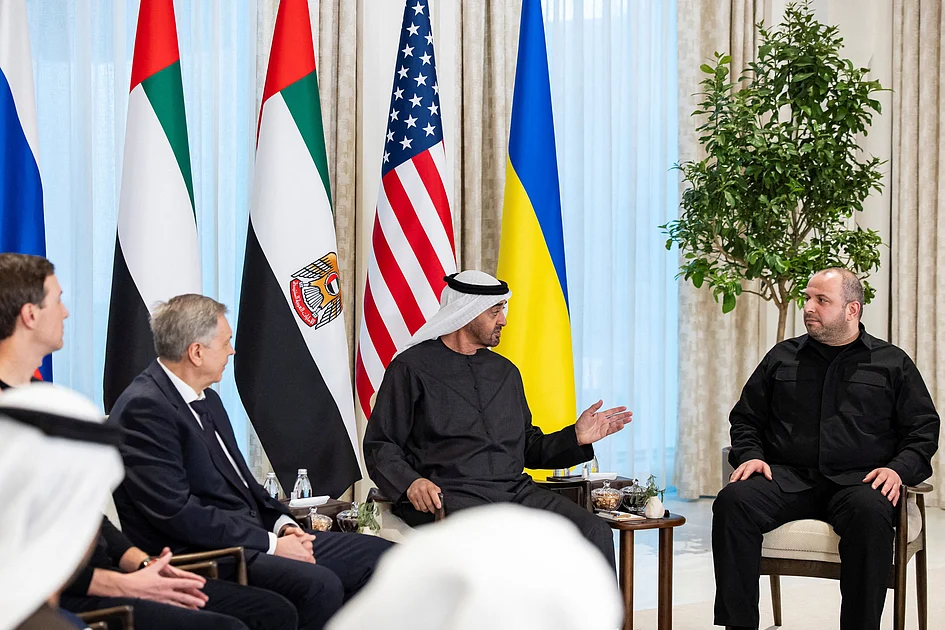
    In a significant diplomatic development, Russian and Ukrainian negotiators convened for trilateral talks in Abu Dhabi on Friday and Saturday, marking their first face-to-face discussions centered on a peace initiative promoted by former US President Donald Trump to resolve the nearly four-year conflict. Both Moscow and Kyiv characterized the preliminary negotiations as constructive despite acknowledging substantial challenges ahead.

    The Kremlin spokesperson Dmitry Peskov addressed journalists on Monday, emphasizing that while initial contacts should not be expected to yield immediate breakthroughs, the fact that discussions proceeded in a constructive manner represents a positive development. ‘It would be a mistake to expect any significant results from the initial contacts,’ Peskov stated. ‘But the very fact that these contacts have begun in a constructive spirit can be viewed positively. However, there is significant work ahead.’ He further clarified that while no atmosphere of friendliness existed given the circumstances, constructive dialogue remains essential for negotiation progress.

    Ukrainian President Volodymyr Zelensky echoed this sentiment, confirming that the Abu Dhabi meetings involved extensive discussions conducted in a constructive manner. This diplomatic effort occurred against a backdrop of continued military aggression, as Russian forces launched 138 drones overnight into Ukrainian territory, with impacts recorded at 11 locations according to Ukraine’s air force. These attacks, which disrupted electricity for millions amid sub-zero temperatures, prompted Kyiv to accuse Moscow of attempting to undermine the negotiation process.

    The talks, brokered by the United States, are scheduled to resume on February 1, according to US officials, indicating continued international engagement in seeking a resolution to the prolonged conflict that has devastated the region.

  • NATO chief wishes ‘good luck’ to those who think Europe can defend itself without US help

    NATO chief wishes ‘good luck’ to those who think Europe can defend itself without US help

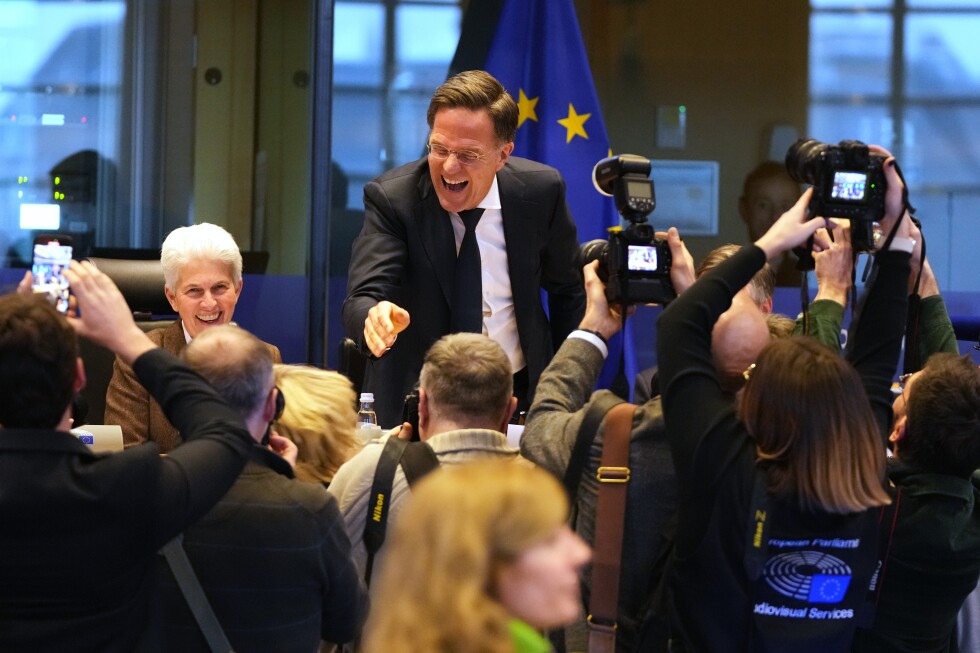
    BRUSSELS — NATO Secretary-General Mark Rutte delivered a stark warning to European Union legislators on Monday, asserting that European nations remain fundamentally incapable of autonomous self-defense without American military backing. Rutte emphasized that achieving true strategic independence would require more than doubling current defense spending targets and developing independent nuclear capabilities—a financially prohibitive endeavor.

    During his address at the EU parliamentary session, Rutte explicitly dismissed notions of European strategic autonomy as unrealistic. “Should anyone believe that the European Union or Europe collectively could defend itself absent American support, they are merely indulging in fantasy,” he stated. “The transatlantic partnership remains indispensable—we mutually depend on one another.”

    The Secretary-General’s remarks arrive amid escalating tensions within NATO following recent controversies involving former U.S. President Donald Trump. These included renewed threats to annex Greenland—a semi-autonomous Danish territory—and the imposition of tariffs against its European supporters. Although these threats were subsequently withdrawn following diplomatic intervention and a tentative agreement regarding the mineral-rich region, the incidents highlighted the alliance’s fragility.

    Rutte referenced the July NATO summit in The Hague, where European members (excluding Spain) and Canada committed to matching U.S. defense spending relative to economic output within ten years. The agreement stipulated elevating core defense expenditure to 3.5% of GDP, with an additional 1.5% allocated to security infrastructure—totaling 5% of GDP by 2035.

    However, Rutte cautioned that truly independent defense would necessitate expenditures approaching 10% of GDP, alongside the development of an independent nuclear deterrent costing “billions upon billions of euros.” He underscored Europe’s continued reliance on the U.S. nuclear umbrella as “the ultimate guarantor of our freedom.”

    These developments occur against growing French-led advocacy for European “strategic autonomy,” a movement that gained momentum after the Trump administration indicated shifted security priorities and suggested European nations should assume greater defense responsibility.

  • Former BCCI president Inderjit Singh Bindra passes away at 84

    Former BCCI president Inderjit Singh Bindra passes away at 84

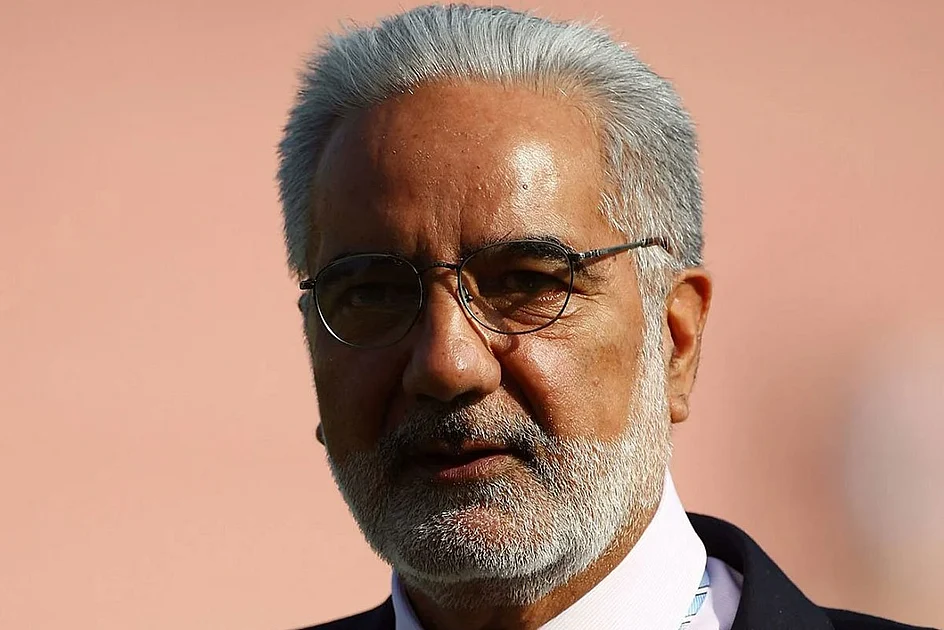
    The cricketing world mourns the loss of I.S. Bindra, the former President of the Board of Control for Cricket in India (BCCI), who passed away in New Delhi at the age of 84. The BCCI officially confirmed the news, paying tribute to one of the most transformative figures in the sport’s administration.

    Bindra’s tenure as BCCI president from 1993 to 1996 marked a pivotal era in Indian cricket. His influence, however, extended far beyond those years. He held an unprecedented 36-year presidency at the Punjab Cricket Association (PCA), a testament to his enduring commitment to the game’s development at the regional level.

    His legacy is physically embodied in the PCA Stadium in Mohali, a world-class venue he was instrumental in developing. This ground has been the stage for numerous historic contests, including the electrifying 2011 World Cup semifinal between India and Pakistan and a dramatic run-chase led by Virat Kohli in the 2016 T20 World Cup.

    Perhaps his most profound impact was on the global stage. Bindra, alongside contemporaries NKP Salve and Jagmohan Dalmiya, was a central architect in shifting cricket’s power dynamics. They successfully brought the 1987 World Cup to the Indian subcontinent, breaking the Anglo-Australian monopoly on hosting the sport’s premier event. This move catalyzed a new era, empowering Asian cricketing nations and leading to subsequent World Cup victories for Pakistan (1992) and Sri Lanka (1996).

    A skilled diplomat, Bindra played a crucial role in diffusing geopolitical tensions, notably ahead of the 1987 tournament. His strategic thinking continued to shape international cricket as a principal advisor to ICC President Sharad Pawar from 2010 to 2012. Tributes have poured in from across the cricket community, with current ICC Chairman Jay Shah highlighting Bindra’s enduring legacy as an inspiration for future generations.