博客

  • Australian Open 2026: Ben Shelton says his game is ‘different’ to previous meetings with Jannik Sinner

    Australian Open 2026: Ben Shelton says his game is ‘different’ to previous meetings with Jannik Sinner

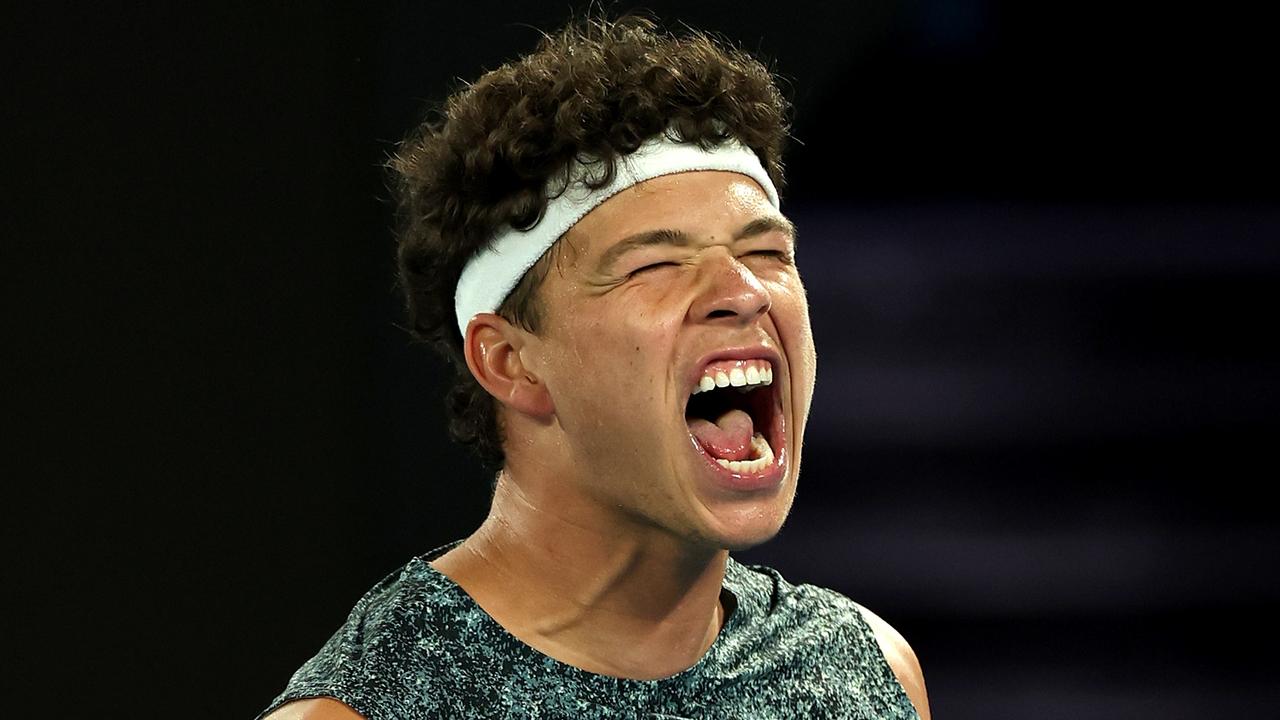
    American tennis sensation Ben Shelton has boldly asserted that he is a transformed athlete compared to the player decisively defeated by Jannik Sinner in last year’s Australian Open semi-final. Following an impressive four-set victory over Casper Ruud (3-6, 6-4, 6-3, 6-4) in Monday’s late-night fourth-round clash, Shelton has secured another highly anticipated encounter with the world No. 2 Italian.

    Shelton presented a compelling case for his improved capabilities, emphasizing significant enhancements in his net game execution after losing just one point at the net against Ruud. The young American highlighted substantial evolution in his baseline strategy and forehand technique, which he previously considered a weakness requiring careful management.

    “I’ve never hit my forehand this good,” Shelton declared, expressing newfound confidence in this crucial aspect of his game. “I feel like I have great control, I’m hitting it bigger than ever, and my return game has improved dramatically. A year ago, I wasn’t comfortable hitting a forehand return and had to rely heavily on the chip. Now I’m reaching lockdown mode where I feel I can’t miss.”

    The quarter-final scheduling remains undetermined, with potential conditions presenting different advantages. While indoor conditions aided Sinner during Saturday’s heat, allowing recovery from full-body cramps with the roof closed, Shelton expressed openness to either scenario. The American noted his comfort with daytime play under the Melbourne Park sun, which generates favorable action on his serve, while also acknowledging the advantages of night matches.

    Shelton’s mental approach appears equally developed as his technical skills, stating he maintains “a really good head space” regardless of scheduling circumstances. This evolved combination of physical weapons and psychological readiness forms the foundation of Shelton’s conviction that he can now challenge tennis elites like Sinner and world No. 1 Carlos Alcaraz through offensive play capable of dethroning the reigning champion.
  • Work teams dispatched after earthquake hits Diebu county in Gansu

    Work teams dispatched after earthquake hits Diebu county in Gansu

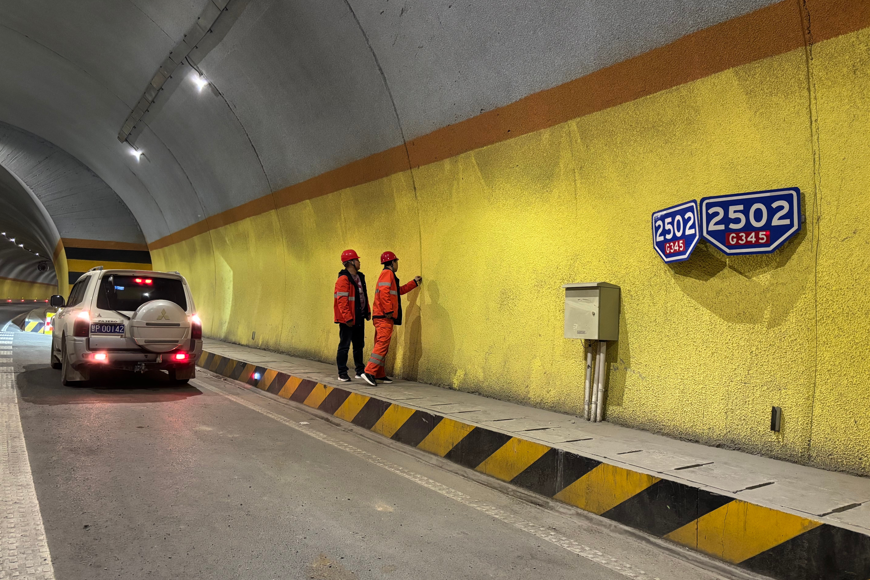
    Chinese authorities have initiated a comprehensive emergency operation following a significant seismic event in northwestern China. A substantial earthquake measuring 5.5 on the Richter scale struck Diebu county within Gannan Tibetan Autonomous Prefecture, Gansu province, prompting immediate national response measures.

    The tectonic activity occurred precisely at 14:56 hours on January 26, 2026, according to data released by the China Earthquake Networks Center. Scientific measurements placed the epicenter at coordinates 34.06 degrees north latitude and 103.25 degrees east longitude, with the seismic activity originating at a depth of approximately 10 kilometers beneath the Earth’s surface.

    In response to the seismic event, China’s emergency management apparatus swiftly activated a Level-IV national earthquake disaster emergency protocol—the country’s standardized response system for moderate seismic events. Specialized work teams have been deployed to the affected region under the coordination of both the State Council earthquake relief headquarters and the Ministry of Emergency Management.

    Emergency Minister Wang Xiangxi, who simultaneously serves as deputy commander of the State Council earthquake relief headquarters, has issued directives for rapid situation assessment and damage evaluation. The minister emphasized the critical importance of thorough field inspections and comprehensive preparedness for potential rescue operations. Fire and rescue personnel have already commenced door-to-door inspections in the most vulnerable areas to assess structural integrity and identify potential casualties.

    The coordinated response reflects China’s developed disaster management protocols for seismic events, particularly in mountainous regions like Gansu province which experience periodic geological activity. The deployment of specialized teams aims to ensure both immediate emergency response and medium-term recovery coordination in the affected Tibetan autonomous region.

  • Zhangjiajie National Forest Park transforms into a winter paradise

    Zhangjiajie National Forest Park transforms into a winter paradise

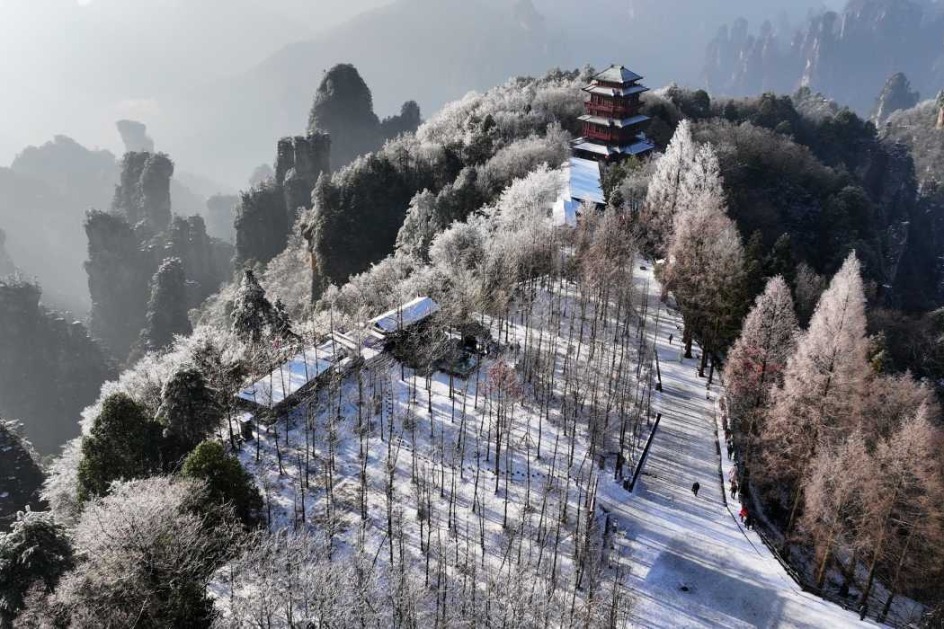
    Zhangjiajie National Forest Park in China’s Hunan province has undergone a remarkable metamorphosis into an ethereal winter landscape following recent heavy snowfall. The precipitation has dramatically altered the park’s famous quartz-sandstone pinnacles, dressing them in pristine white mantles while adorning vegetation with intricate crystalline frost formations.

    As dawn breaks, the park reveals its transformed splendor with morning sunlight penetrating lingering cloud layers to illuminate mist-enshrouded ridges in warm golden tones. The contrast between dark rock surfaces and snow-covered branches creates a striking visual spectacle throughout the mountainous terrain.

    Tourist operations continue seamlessly with cable cars transporting visitors between forested slopes while observation decks host photographers and sightseers clad in vibrant winter attire. These visitors pause to capture the breathtaking panorama of snow-draped peaks against expansive winter skies.

    The park’s administration has noted that these optimal winter conditions—combining snow-covered topography, exceptional visibility, and magnificent cloud formations—have established Zhangjiajie as Hunan province’s foremost cold-weather tourism destination. The phenomenon demonstrates how seasonal transformations can enhance natural landmarks’ appeal, offering visitors distinctly different experiences throughout the annual cycle.

  • Pakistan delay final call on T20 World Cup participation

    Pakistan delay final call on T20 World Cup participation

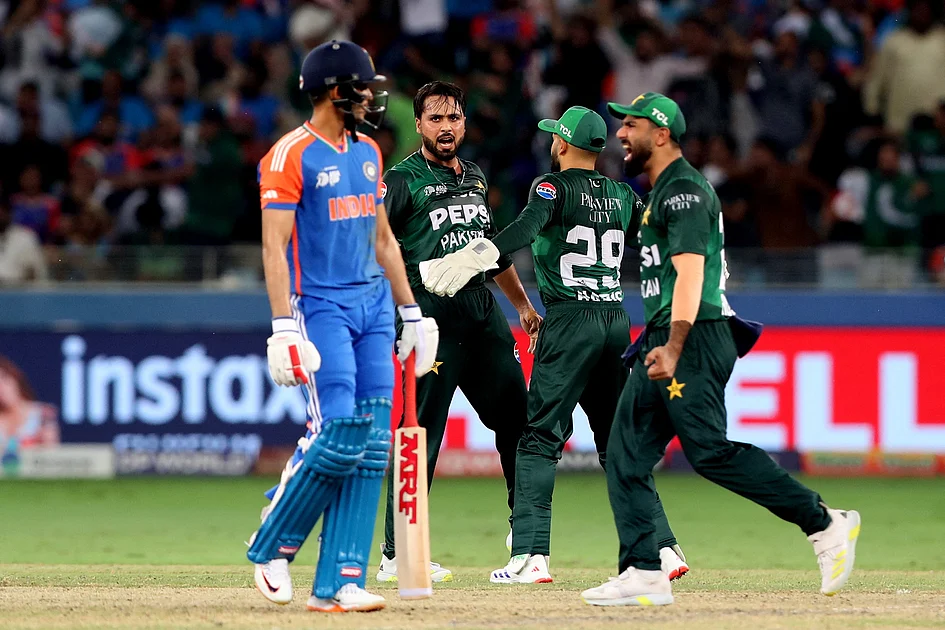
    Pakistan’s cricket authorities have postponed their final decision regarding participation in the upcoming Twenty20 World Cup, maintaining uncertainty over a potential tournament boycott. Cricket Board Chairman Mohsin Naqvi announced the delay following a Monday meeting with Prime Minister Shahbaz Sharif, indicating a definitive resolution would emerge by Friday or next Monday.

    The situation stems from the International Cricket Council’s controversial decision to replace Bangladesh with Scotland in the tournament roster after rejecting Bangladesh’s security-based request to relocate their matches from India to Sri Lanka. Pakistan had supported Bangladesh’s position during recent ICC board discussions, citing precedent from last year’s Champions Trophy when India’s matches were moved to Dubai due to security concerns regarding Pakistan.

    Compounding the diplomatic complexities, local media reports suggest Pakistan might additionally boycott their highly anticipated February 15 match against arch-rivals India. This potential action reflects deepening political tensions between the neighboring nations, further complicated by Bangladesh’s recent political upheaval following the ousting of Prime Minister Sheikh Hasina.

    The cricketing impasse intensified when the Board of Control for Cricket in India directed IPL franchise Kolkata Knight Riders to drop Bangladeshi cricketer Mustafizur Rahman earlier this month, triggering Bangladesh’s refusal to compete in India. Despite the ICC’s rejection of venue relocation appeals, Pakistan maintains all options remain under consideration as they navigate the intersection of international sports diplomacy and geopolitical realities.

  • Water with gold flakes, frozen onions: 10 cool things to check out at Gulfood in Dubai

    Water with gold flakes, frozen onions: 10 cool things to check out at Gulfood in Dubai

    Dubai has become the epicenter of global food innovation as Gulfood 2026 launched across two major venues on Monday, attracting hundreds of industry professionals and food enthusiasts. The expanded event, spanning both the Dubai World Trade Center and Dubai Exhibition Center, has doubled in scale compared to last year’s edition, reflecting the growing significance of the Middle East’s food and beverage market.

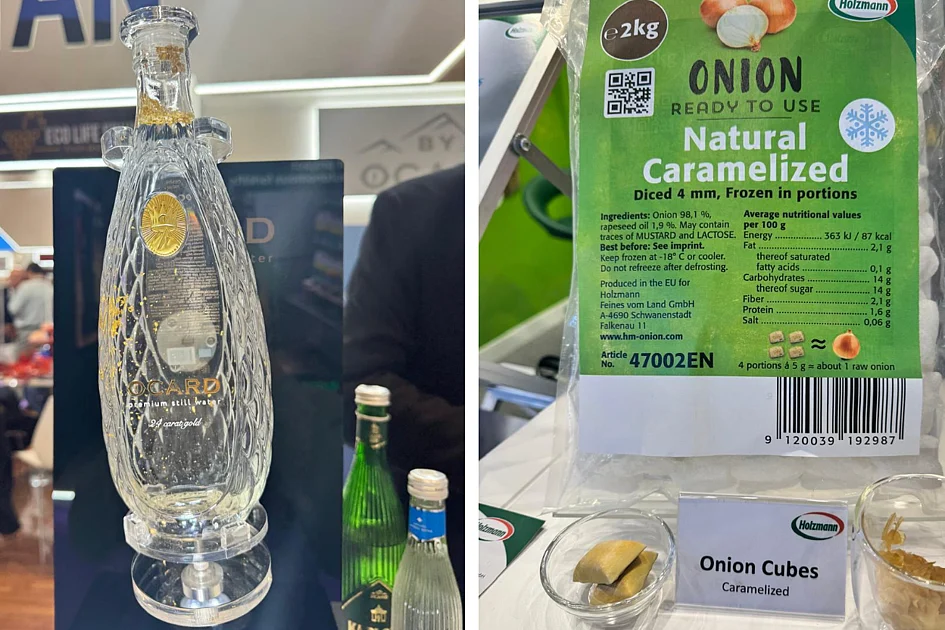
    Among the most striking innovations presented was Ocard’s luxury mineral water containing authentic 24-karat gold flakes, produced at one of Europe’s oldest gold mining plants in Uzbekistan. Priced at approximately AED 360 per bottle in the US market, the product represents the premium segment of functional beverages.

    Health-conscious consumers found numerous alternatives, including Liife’s protein-enhanced sparkling waters containing 10 grams of clear whey protein, available in innovative flavors like blood orange ginseng and raspberry peach. Zerup from Singapore presented sugar-free caramel popcorn sweetened with monkfruit extract, alongside their zero-calorie beverage line.

    Practical culinary solutions emerged with Austria’s Holzmann introducing ready-to-use frozen caramelized onions that eliminate preparation time, with one kilogram replacing up to six kilograms of raw onions. Meanwhile, Wild Bee Honey showcased their Gulfood Innovation Award-nominated products featuring morel mushrooms, moringa, and saffron preserved in honey.

    Nutritional innovation took center stage with Co Nature’s sublingual collagen strips for instant nutrition delivery and nutritional yeast flakes fortified with 300% of daily Vitamin D requirements. Liviano’s chocolate hummus, combining premium cocoa with protein and fiber, offered versatility as dessert, dip, or spread.

    The event also featured artistic presentations including fruit bouquets arranged as the UAE flag and socially conscious initiatives from South Africa-based companies creating healthy spinach cookies while providing employment opportunities for women and youth.

  • Scores arrested for protesting at prison holding Palestine Action hunger striker

    Scores arrested for protesting at prison holding Palestine Action hunger striker

    London’s Metropolitan Police took 86 individuals into custody on Saturday during a demonstration outside Wormwood Scrubs prison in west London. The protest was organized in solidarity with Muhammad Umer Khalid, a 22-year-old activist from the banned organization Palestine Action who has resumed a hunger strike while in custody.

    Khalid represents the final member of a group of seven prisoners who initiated the hunger strike campaign to protest both their detention conditions and the government’s proscription of their direct action group. While three hunger strikers ended their protest on January 14th following the government’s decision to cancel a multi-billion-pound contract with the UK subsidiary of Israeli arms manufacturer Elbit Systems, Khalid has recommenced his food refusal after a brief pause on January 10th.

    The young activist, who suffers from muscular dystrophy—a rare genetic condition causing progressive muscle weakness—previously halted an earlier hunger strike after his health deteriorated rapidly within 12 days. Khalid currently remains held on remand at HMP Wormwood Scrubs facing charges related to an alleged break-in by Palestine Action activists at RAF Brize Norton airbase in June of the previous year.

    Among his demands are immediate bail and the cessation of what he describes as severe restrictions on his personal correspondence, telephone privileges, and visitation rights. Khalid reported through an intermediary that he had received just one visit, a single postcard, and merely two emails over a three-week period.

    The Metropolitan Police stated that protesters were detained on suspicion of aggravated trespass, alleging they refused to vacate the prison grounds and obstructed staff from entering or exiting the facility.

    A Ministry of Justice spokesperson responded on Sunday, characterizing the protest escalation as “completely unacceptable” while acknowledging the right to peaceful demonstration. The spokesperson emphasized that prison security was never compromised but warned that those responsible for creating risks would face consequences. The ministry confirmed that prisoners on hunger strike receive regular medical monitoring, including heart checks and blood tests, with hospital transfers occurring when healthcare teams deem it appropriate.

  • Sudan’s RSF launches offensive in Blue Nile state

    Sudan’s RSF launches offensive in Blue Nile state

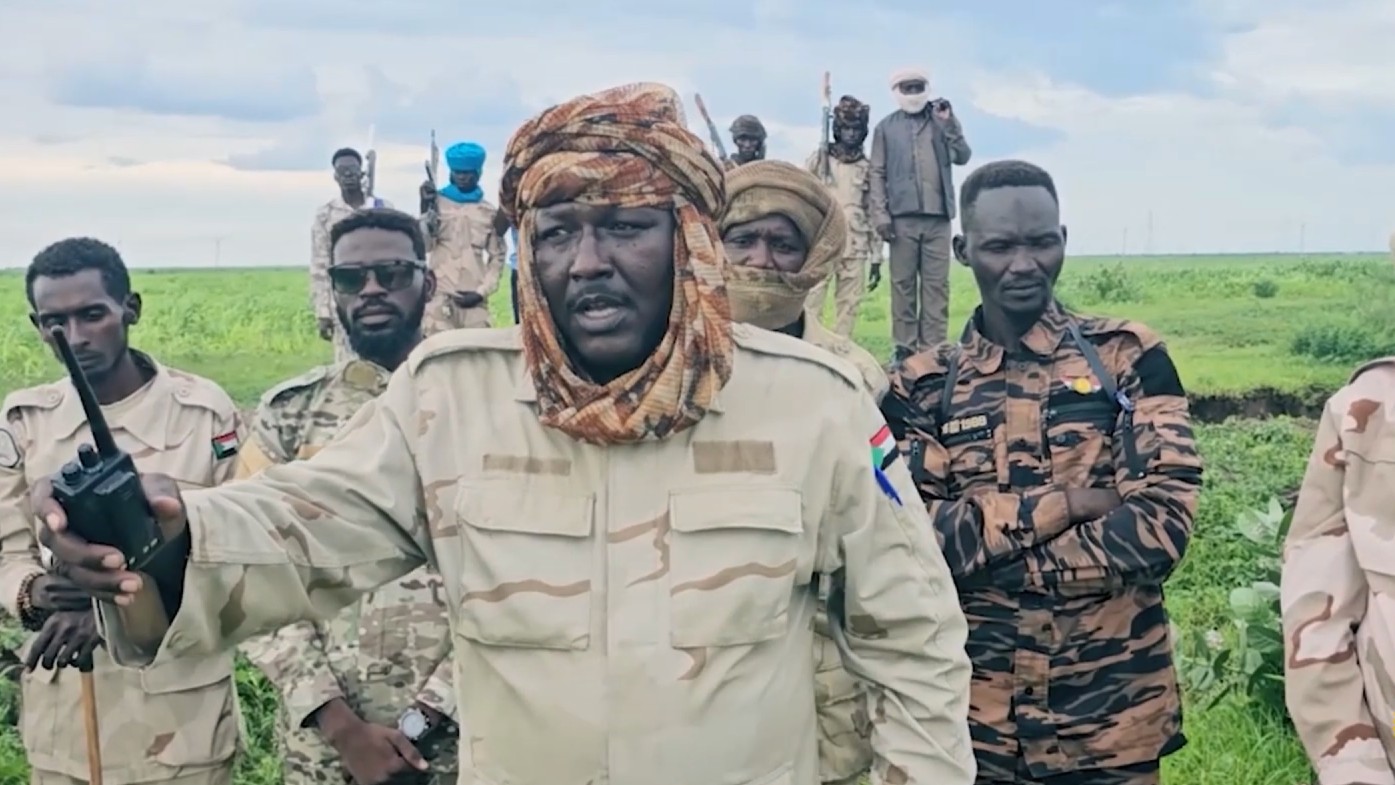
    Sudan’s ongoing civil conflict witnessed a significant escalation as Rapid Support Forces (RSF) paramilitary units, in coordination with allied fighters from Abdelaziz Adam al-Hilu’s Sudan People’s Liberation Army-North (SPLA-N), initiated a large-scale offensive against Sudanese Armed Forces (SAF) positions in the strategic Blue Nile state on Sunday. The border region, which shares boundaries with both Ethiopia and South Sudan, became the epicenter of intense combat operations.

    According to intelligence sources within Sudan who characterized the assault as ‘exceptionally heavy,’ military reinforcements had been strategically deployed to the area weeks in anticipation of such an attack. Fierce engagements were reported in proximity to Ad-Damazin, the provincial capital, with RSF units reportedly advancing from the Ulu area in the Baw district. Video evidence analyzed by conflict monitors indicated RSF progression toward a remote SAF garrison at al-Silk, approximately 16 kilometers from their starting point.

    While pro-RSF media channels circulated footage purportedly showing paramilitary fighters within captured military installations, SAF command sources maintained that their forces successfully repelled the assault and retained control of the garrison. The origin of the offensive has become a subject of intense international speculation, with SAF-aligned sources alleging cross-border involvement from South Sudan and Ethiopia. Specifically, Sudanese intelligence suggests the RSF utilized a suspected base in Ethiopia’s Benishangul Gumuz region to stage the operation—a claim that, if verified, would directly implicate both neighboring nations and their regional ally, the United Arab Emirates (UAE), in the conflict.

    The UAE continues to deny allegations of providing material support to the RSF, despite mounting evidence from flight tracking data, satellite imagery, and extensive field reporting. Military analysts aligned with the SAF interpret the Blue Nile offensive as a strategic diversion intended to redirect SAF resources away from the Kordofan region, where fierce fighting has recently culminated in the SAF’s capture of the Habila locality in South Kordofan. The conflict has increasingly employed drone warfare, with both sides utilizing unmanned aircraft that have resulted in civilian casualties, including women and children. The RSF claims to have recently shot down a Turkish-manufactured Bayraktar drone in the al-Farshaya area.

    Since its inception in April 2023, the Sudanese civil war has resulted in a devastating humanitarian catastrophe, claiming tens of thousands of lives and displacing over 14 million people from their homes, creating one of the world’s most severe displacement crises.

  • Erdogan lobbies EU’s von  der  Leyen to protect Turkish auto exports

    Erdogan lobbies EU’s von  der  Leyen to protect Turkish auto exports

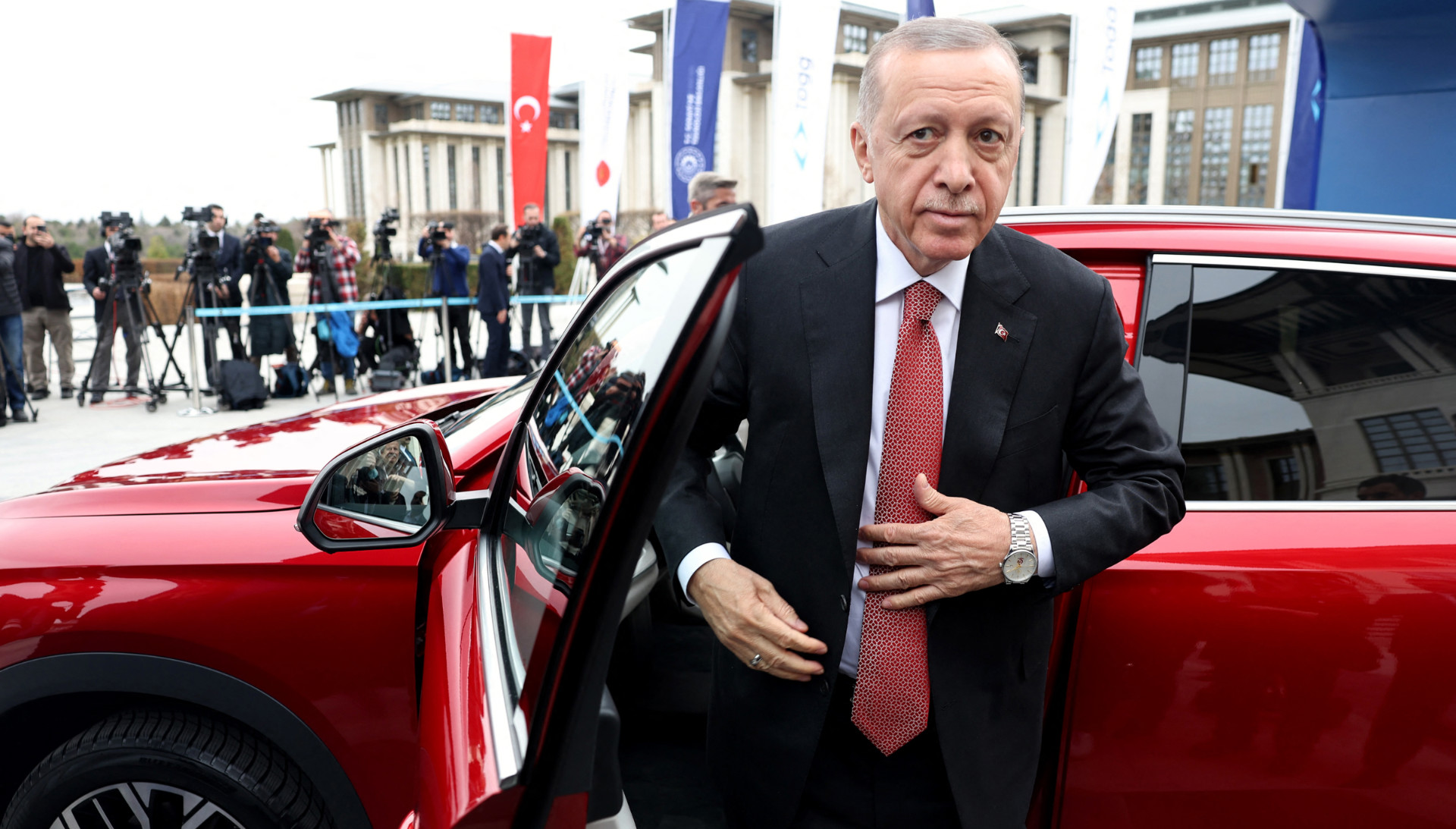
    Turkish President Recep Tayyip Erdogan has formally escalated concerns regarding proposed European Union procurement regulations that would disadvantage non-EU manufacturers, warning of significant consequences for regional economic integration. In a diplomatic letter dated December 4th to European Commission leadership, Erdogan expressed apprehension that draft legislation prioritizing ‘Made in Europe’ products in public procurement could fundamentally undermine the EU-Turkey Customs Union established in 1995.

    The contested regulations would establish minimum local-content requirements for green technology procurement including electric vehicles, batteries, and renewable energy components. This policy shift would deprioritize lowest-cost bidding in favor of European-origin products, effectively excluding Turkish manufacturers from competitive participation in EU public contracts.

    Industry analysts highlight the substantial stakes for Turkey’s automotive sector, which exported approximately $30 billion worth of vehicles and components to EU markets in 2025, representing 72% of Turkey’s total automotive exports. The customs agreement currently covers industrial goods and processed agricultural products but excludes services, agriculture, and digital trade sectors.

    The draft legislation’s definition of ‘Made in Europe’ encompasses EU member states and European Economic Area countries (Iceland, Norway, and Liechtenstein) while explicitly excluding Turkey. Though the proposal acknowledges exemptions for countries with existing free trade agreements, it remains uncertain whether Turkey’s unique customs union status would qualify.

    Diplomatic sources indicate the legislation remains subject to ratification processes that could require several months of negotiation within European parliamentary bodies. Officials familiar with the matter suggest potential flexibility for accommodations given Turkey’s deeply integrated supply chains with European manufacturers.

    Business representatives argue the proposed regulations would effectively terminate customs union benefits for critical Turkish industries, particularly automotive suppliers whose growth has been fundamentally tied to EU market access. Experts urge Turkish companies to enhance direct lobbying efforts in European capitals to protect their commercial interests.

  • Bangladesh alleges huge overpricing of electricity with India’s Adani supply deal

    Bangladesh alleges huge overpricing of electricity with India’s Adani supply deal

    A Bangladeshi government investigation has uncovered substantial irregularities in a major cross-border electricity supply agreement with Indian energy giant Adani Group, raising serious concerns about systematic collusion and financial misconduct. The National Review Committee on Power Purchase Agreements revealed on Monday that the state-owned Bangladesh Power Development Board (BPDB) has been paying approximately 50% above market rates for power supplied from Adani’s coal-fired Godda plant in India’s Jharkhand state.

    The committee’s report identified what it termed “egregious anomalies” in the contract negotiation process, suggesting deliberate overpricing that generated excessive profits distributed among businesses, politicians, and bureaucrats. According to the findings, Bangladesh is overpaying by 4-5 cents per kilowatt-hour under the 25-year agreement, resulting in annual payments of approximately $1 billion to Adani Power.

    The Godda power facility, which commenced operations in 2024 as a $2 billion project including transmission infrastructure, supplies between 7-10% of Bangladesh’s baseload electricity demand, serving a population of 170 million people with 13 GW of power requirements. The committee reported that BPDB incurred losses totaling $4.13 billion during the 2024-25 period directly attributable to the unfavorable contract terms.

    In response to the allegations, Adani Power stated that it had not yet received the official report but maintained that its pricing remains highly competitive within the regional energy market. The company emphasized its continued power supply despite accumulating receivables and urged the Bangladeshi government to address outstanding payments that are affecting its operational capabilities.

    The investigation specifically targets contracts negotiated during the administration of former Prime Minister Sheikh Hasina, who maintained close ties with India before being ousted in August 2024. The political transition has significantly altered bilateral relations between the neighboring nations and prompted comprehensive reviews of previously established agreements.

    The committee has recommended immediate contract cancellations where evidence of corruption exists and called for widespread renegotiation of pricing terms with private power providers to align with market-competitive levels. These developments occur amidst Bangladesh’s preparation for parliamentary elections scheduled for February 12, which will determine new leadership following extended political turmoil.

  • Venezuela releases dozens of prisoners in 2 days, hundreds more still detained

    Venezuela releases dozens of prisoners in 2 days, hundreds more still detained

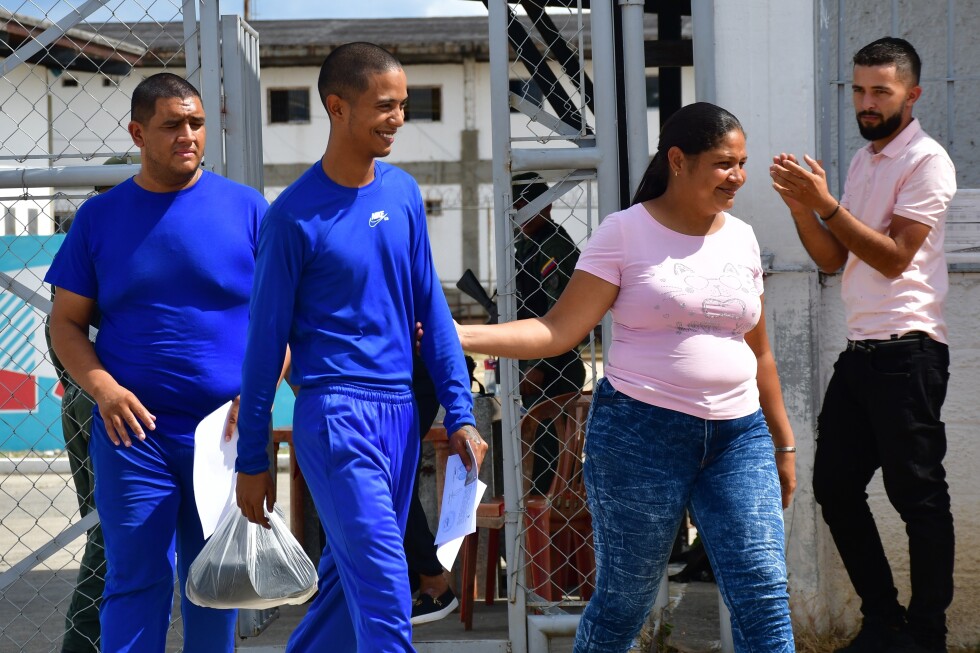
    CARACAS, Venezuela — In a significant development for human rights in Venezuela, the nation’s leading prisoner advocacy organization confirmed the release of dozens of detainees over the weekend. This action comes amid sustained international pressure and follows the recent political upheaval that saw the ouster of former leader Nicolás Maduro.

    Foro Penal, Venezuela’s prominent rights monitoring group, reported through its president Alfredo Romero that 266 individuals classified as political prisoners have gained freedom since January 8. This date marks when Venezuela’s interim government committed to liberating a substantial number of detainees as part of a national reconciliation initiative.

    The prisoner releases occur during a period of dramatic political transition. Maduro was apprehended by United States authorities in a January 3 operation, leading to Vice President Delcy Rodríguez assuming the role of acting president. Rodríguez, a seasoned insider within the ruling party apparatus, now leads the nation through this transitional phase.

    Among those recently released are prominent cases including an opposition activist, a human rights attorney, and a journalism student imprisoned since March. The student’s detention followed his publication of complaints regarding his hometown’s sewage infrastructure, for which he faced charges of “inciting hatred.

    Despite these releases, Foro Penal estimates that at least 600 dissidents remain incarcerated in Venezuelan detention facilities. This number includes several members of the Vente Venezuela party, which operates under the leadership of opposition figure and Nobel Peace Prize laureate María Corina Machado.

    Acting President Rodríguez stated on Friday that her administration has secured the freedom of more than 620 prisoners total. She further announced intentions to request verification of these release figures from the United Nations High Commissioner for Human Rights.

    However, domestic human rights organizations have raised concerns about potential inflation of the government’s release statistics. Outside Venezuelan prisons, family members of those still detained continue to organize regular vigils, maintaining public pressure for the liberation of all remaining political prisoners.