博客

  • Scientists reveal how global megadunes form and evolve

    Scientists reveal how global megadunes form and evolve

    In a landmark study published in the Proceedings of the National Academy of Sciences, an international research consortium has fundamentally transformed our understanding of how Earth’s largest sand structures form and develop. The research, led by scientists from China’s Northwest Institute of Eco-Environment and Resources in collaboration with the University of California, Los Angeles and Zhejiang University, demonstrates that topography—not atmospheric constraints or bedrock limitations—serves as the primary determinant in megadune evolution.

    The investigation systematically mapped and analyzed megadunes globally—those towering sand formations exceeding 100 meters in height—revealing that over 97% concentrate in the Sahara Desert and arid Asian regions. Through advanced dune simulation modeling, researchers discovered that mountain-proximate locations and depression areas within dune fields create the necessary conditions for massive sand accumulation.

    Contrary to previous theories that emphasized atmospheric boundary layer depth or sediment supply limitations, the study demonstrates that abrupt shear stress gradients generated by mountainous and basin-shaped topographies trigger rapid, localized sand accumulation. These topographic features accelerate dune coarsening and megadune growth through enhanced sand flux convergence and increased collision rates among migrating dunes.

    The research further explains the scarcity of megadunes in regions like Australia, where vegetation cover limits sediment transport despite otherwise favorable conditions. The findings not only resolve longstanding questions about maximum natural sand accumulation heights but also provide critical insights for studying aeolian processes on extraterrestrial bodies where similar landforms have been observed.
  • UK reveals aid priorities after major cuts to budget

    UK reveals aid priorities after major cuts to budget

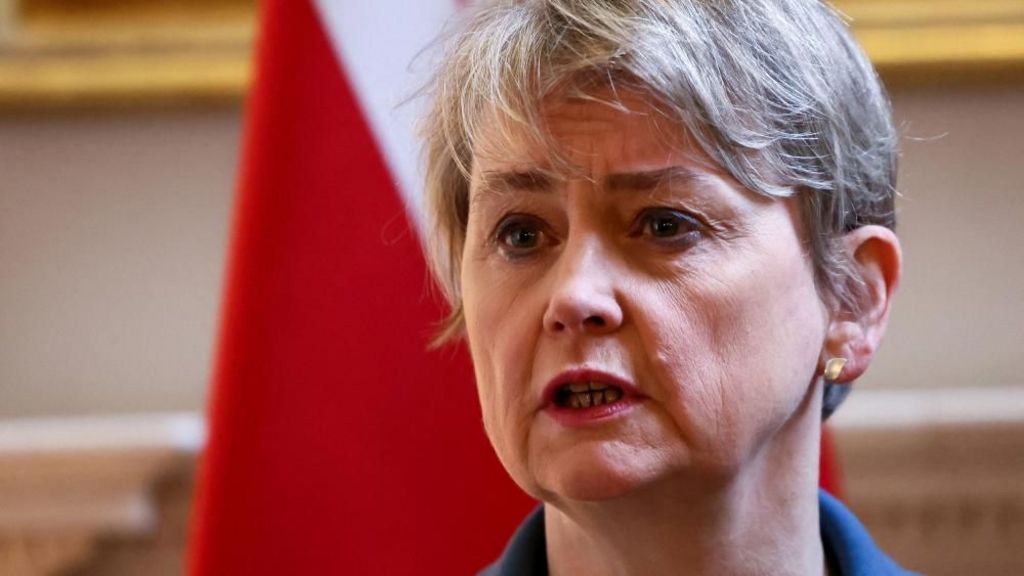
    Foreign Secretary Yvette Cooper has unveiled a significant reallocation of Britain’s diminished overseas aid budget, prioritizing regions experiencing severe humanitarian crises and armed conflicts. Addressing Parliament, Cooper confirmed that Ukraine, Palestine, Lebanon, and Sudan would receive fully protected funding through the next fiscal year. Conversely, direct grants to nations including Mozambique and Pakistan face substantial reductions as part of a broader strategic pivot.

    The policy shift follows the government’s controversial decision to redirect approximately £6 billion from international development toward defense spending by 2027. Cooper emphasized that while bilateral aid would be curtailed, support for established global partnerships such as the vaccine alliance Gavi would continue uninterrupted. Key priorities include stabilizing fragile states, combating gender-based violence, and addressing climate change impacts.

    Cooper articulated a new philosophy of ‘partnership not paternalism,’ positioning the UK as ‘an investor rather than merely a donor.’ This approach aims to help recipient nations attract sustainable finance instead of perpetuating aid dependency. Countries like Yemen, Somalia, and Afghanistan will maintain humanitarian priority status but will see direct grants reduced in favor of multilateral program support.

    The announcement sparked immediate criticism from development organizations and opposition lawmakers. Bond, a network of UK international development organizations, warned of severe cuts particularly affecting Middle Eastern and African nations. Labour MP Sarah Champion, chair of the international development committee, cautioned that reducing development funding could have ‘massive consequences,’ including increased migration pressures as people seek sanctuary from deteriorating conditions.

    Liberal Democrat international spokesperson Monica Harding condemned the approach as ‘strategically illiterate,’ warning that geopolitical rivals like Russia and China might fill the vacuum created by UK withdrawal. Aid organizations expressed alarm over specific program cuts, including the discontinuation of direct polio eradication funding, though Cooper noted polio would continue to be covered under Gavi’s umbrella funding.

    The aid reduction continues a trend begun by the previous Conservative government, which lowered spending from 0.7% to 0.5% of gross national income in 2021. Despite campaign promises to restore the higher benchmark, Labour has further reduced the target to 0.3% by 2027, estimated at approximately £9.2 billion. Current statistics reveal that 20% of the UK’s aid budget (£2.8 billion in 2024) supports asylum seekers within the UK during their first year of residence.

  • Deschamps picks Chevalier for France’s US friendlies despite not playing since January

    Deschamps picks Chevalier for France’s US friendlies despite not playing since January

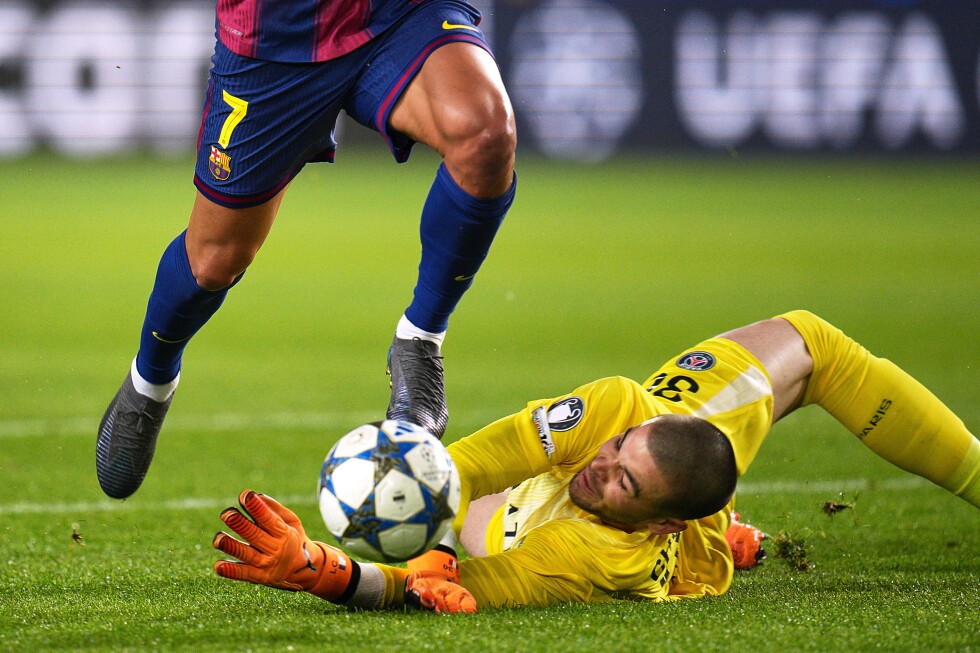
    French national team head coach Didier Deschamps has unveiled his strategic selections for upcoming high-profile friendlies against Brazil and Colombia in the United States, demonstrating particular faith in Paris Saint-Germain goalkeeper Lucas Chevalier despite his prolonged absence from competitive play.

    Chevalier, who last featured in a match on January 26th after losing his starting position to Matvey Safonov, has been retained as the third-choice goalkeeper alongside established starters Mike Maignan of AC Milan and Brice Samba of Rennes. Deschamps acknowledged the unconventional nature of this decision, characterizing Chevalier’s current club situation as less than “ideal” while emphasizing the importance of maintaining trust and relationship-building with players experiencing temporary difficulties.

    “This scenario frequently occurs with significant players,” Deschamps explained. “While it typically involves outfield players facing challenges at their clubs, reaching out during these periods is fundamental to establishing lasting confidence.”

    The squad announcement also addressed recent injury developments, with Randal Kolo Muani receiving a call-up following Bradley Barcola’s withdrawal due to a right ankle sprain sustained during PSG’s Champions League campaign. Kolo Muani, currently on season-long loan to Tottenham, reinforced his credentials by scoring the opening goal in a recent 3-2 victory over Atletico Madrid.

    Deschamps has assembled an impressive contingent of nine forwards, highlighting the depth of attacking talent available to the French national team. The comprehensive 26-player roster features prominent names including Kylian Mbappé (PSG), Ousmane Dembélé (PSG), and Marcus Thuram (Inter Milan), alongside emerging talents such as Warren Zaire-Emery (PSG) and Maghnes Akliouche (Monaco).

    The coach explicitly framed these selections within the broader context of preparation for the 2026 World Cup, jointly hosted by the United States, Mexico, and Canada. Deschamps indicated that a substantial portion of the current squad would likely feature in the tournament, while cautioning against premature conclusions given the potential for developments over the coming months.

    “Many of those present here today will undoubtedly remain with us,” Deschamps stated. “While it’s too early for definitive assessments, we will maintain this approach understanding that much can transpire within the next two months. My primary hope is that we avoid negative occurrences, particularly regarding player injuries.”

  • California leaders react to Cesar Chavez abuse allegations

    California leaders react to Cesar Chavez abuse allegations

    Communities across California are confronting a complex historical reckoning as allegations of sexual abuse against famed civil rights leader Cesar Chavez prompt officials to reconsider his public legacy. The movement, gaining momentum in Los Angeles and beyond, has sparked intense debate about how societies should memorialize historical figures when new information emerges about their personal conduct.

    Municipal governments and school districts are now evaluating numerous dedications bearing Chavez’s name, including public schools, street signs, and community centers that were originally intended to honor his pioneering work in labor organization and migrant worker rights. The allegations have created a divisive discussion between preserving historical recognition and addressing contemporary ethical standards.

    This reassessment reflects a broader national conversation occurring in many American communities about historical commemoration. Public responses have varied significantly, with some advocating for immediate removal of all honors while others argue for contextual educational approaches that acknowledge both achievements and shortcomings. The situation continues to develop as local governments conduct formal reviews of their naming policies and historical commemorations.

  • WIC summit targets AI divide in developing economies, small island states

    WIC summit targets AI divide in developing economies, small island states

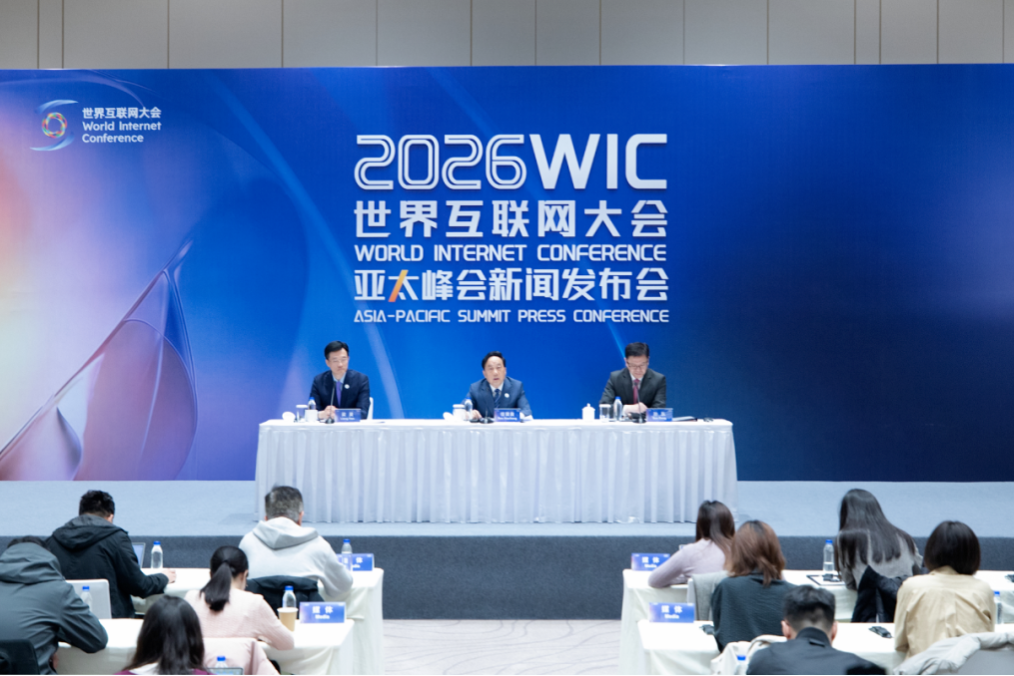
    The World Internet Conference (WIC) has unveiled a groundbreaking initiative to address the significant artificial intelligence divide across Asia-Pacific nations, with particular focus on developing economies and small island states. Secretary-General Ren Xianliang announced at a Beijing press conference that the 2026 Asia-Pacific Summit will convene at Hong Kong’s Convention and Exhibition Centre from April 13-14, marking a pivotal moment in regional digital cooperation.

    The summit’s framework moves beyond theoretical discussions to implement practical solutions through six specialized sub-forums, including ‘AI for Better Life’ and ‘Digital and Intelligent Health.’ These forums will concentrate on developing secure digital systems and innovative healthcare models specifically designed for emerging economies’ unique challenges.

    A cornerstone of the strategy involves the WIC Digital Academy, which will host capacity-building programs featuring advanced training in AI and cybersecurity for government officials and industry professionals from developing nations. The curriculum emphasizes hands-on experience through field visits to technological hubs like the Hong Kong Development Zone, blending technical education with practical implementation strategies.

    The conference will achieve a significant milestone by hosting its first ministerial-level meeting, creating a premier platform for high-level officials and international organizations to discuss AI’s role in driving sustainable economic growth. Rather than exporting predefined technical models, the initiative focuses on cultivating local talent and building sustainable infrastructure tailored to each nation’s economic context.

    This approach reflects a fundamental shift toward genuine capacity building, particularly for countries participating in the Belt and Road Initiative. The strategy emphasizes reproducible digital transformation cases that can be adapted to various economic environments, ensuring technological solutions align with local needs and resources.

    The initiative emerged from poignant dialogues at the 2025 conference, where representatives from Pacific island nations like Samoa expressed their profound desire to participate fully in the digital age. This emotional imperative now drives the WIC’s commitment to creating a ‘community with a shared future in cyberspace,’ where digital advancement benefits all global community members equally.

  • From classroom to legislature, educator urges action on student mental health in China

    From classroom to legislature, educator urges action on student mental health in China

    BEIJING — Huang Huachun, a veteran educator and National People’s Congress deputy from Guangxi Zhuang Autonomous Region, is spearheading a national initiative to integrate psychological evaluations into routine health examinations for China’s primary and secondary students. Her campaign follows groundbreaking pilot research at her high school that revealed approximately 15% of students exhibited signs of psychological distress.

    The findings align with a comprehensive 2022 national study by the Chinese Academy of Sciences’ Institute of Psychology, which identified depression risk factors in 14.8% of surveyed adolescents. Huang’s proposal gained prominence during the recent NPC plenary session, where she joined nearly 3,000 deputies in reviewing national policy directions.

    “Mental health deserves equal attention as physical wellness,” Huang asserted, emphasizing the critical developmental period when young minds are particularly vulnerable to biological, psychological, and environmental stressors. Her advocacy builds upon 2025 measures implemented by the Ministry of Education that addressed key student stressors including academic pressure, inadequate physical activity, and sleep deprivation.

    Medical experts like Dr. Zheng Yi of Beijing Anding Hospital endorse early intervention strategies, noting that timely detection significantly improves outcomes for youth psychological conditions. The legislative process has demonstrated responsiveness to such initiatives, with Huang’s previous nine years of deputyship yielding over 50 policy suggestions that have influenced national regulations.

    The mechanism for converting public concern into policy continues to evolve: the 2025 session generated 9,160 deputy suggestions distributed among 211 governmental institutions for implementation. Huang’s confidence in the system reflects tangible outcomes—she receives detailed ministerial responses explaining adoption considerations for each proposal.

    This legislative attention to youth mental health represents a growing recognition of psychosocial factors in educational success, potentially marking a transformative approach to student wellness in China’s education system.

  • Jiangsu, Hong Kong team up for global growth

    Jiangsu, Hong Kong team up for global growth

    A strategic collaboration between Jiangsu province and Hong Kong is gaining momentum as both regions leverage their complementary strengths to drive international growth during China’s 15th Five-Year Plan period (2026-30). The partnership recently took center stage at the World Customs Organization Asia-Pacific Regional Conference on Smart Customs in Hong Kong, where digital innovation emerged as a key enabler of this cross-regional cooperation.

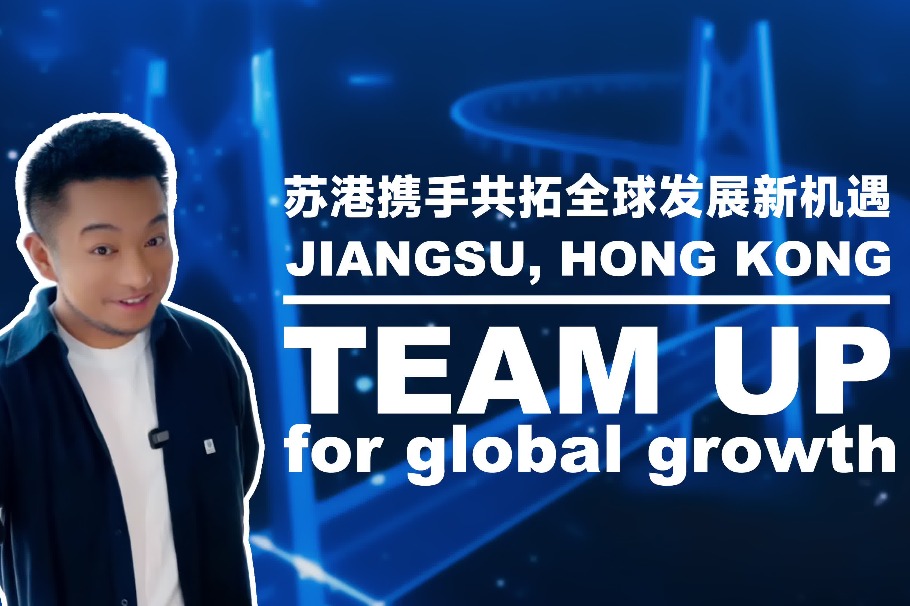
    Bill Do, a digital twin consultant from Wuxi, Jiangsu, played a pivotal role in articulating the synergy between the two regions during the conference. Through extensive dialogues with Hong Kong Customs and Excise Department officials and technology sector representatives, Do demonstrated how Jiangsu’s manufacturing capabilities and technological innovations complement Hong Kong’s position as a global financial hub and international trade gateway.

    The collaboration focuses on smart customs initiatives, digital twin technology, and supply chain optimization, creating a comprehensive framework for enhanced trade efficiency. This partnership represents a model of regional cooperation within China’s broader economic strategy, combining Jiangsu’s industrial strength with Hong Kong’s international connectivity to create new pathways for global market expansion.

    Experts suggest this cooperation could set a precedent for other mainland regions seeking to leverage Hong Kong’s unique position as a super-connector between China and global markets, particularly in technology-driven trade solutions.

  • Joseph Duggar of 19 Kids and Counting accused of molesting child

    Joseph Duggar of 19 Kids and Counting accused of molesting child

    Joseph Duggar, a prominent member of the television family featured in TLC’s ’19 Kids and Counting,’ has been taken into custody on serious criminal charges involving the sexual abuse of a minor. The 31-year-old reality television personality was apprehended by law enforcement officials in Tontitown, Arkansas, following allegations of inappropriate conduct with a nine-year-old girl during a 2020 family vacation in Panama City Beach, Florida.

    According to official statements from the Bay County Sheriff’s Office, Duggar faces formal charges of lewd and lascivious behavior involving unlawful sexual activity with a minor. The investigation began when a now-14-year-old victim came forward to report multiple incidents that allegedly occurred when she was nine years old.

    Court documents reveal disturbing details of the accusations, with the victim reporting that Duggar repeatedly requested she sit on his lap during the vacation. The complaint further alleges that while seated together on a couch, Duggar touched the child’s thighs, underwear, and genitals. Authorities note that Duggar reportedly apologized for his behavior during the incident and ceased his actions following the apology.

    The case took a significant turn when the victim’s father confronted Duggar about the allegations the day before his arrest. Law enforcement officials confirm that Duggar admitted to his actions both to the victim’s father and subsequently to police investigators in Tontitown.

    This case marks the second major legal scandal involving the Duggar family. Joseph’s older brother, Josh Duggar, is currently serving a 12-year prison sentence following his 2022 conviction for receiving and possessing child sexual abuse images. Previous allegations had also surfaced against Josh Duggar for molesting five children, including four of his sisters, which led to the cancellation of ’19 Kids and Counting’ in 2015.

    Joseph Duggar, who has several children with his wife Kendra Duggar, is awaiting extradition to Bay County, Florida, where he will face formal proceedings on the charges. The case continues to develop as authorities pursue their investigation.

  • Are US and Israel aligned on Iran war? Deciphering Trump’s post after gas field attacks

    Are US and Israel aligned on Iran war? Deciphering Trump’s post after gas field attacks

    A recent military escalation between Israel and Iran has triggered significant geopolitical repercussions and exposed potential fissures in the U.S.-Israel alliance. Following Israeli airstrikes on Iran’s South Pars gas field—the world’s largest natural gas reservoir—and subsequent Iranian retaliation against Qatari energy infrastructure, global energy markets experienced immediate price volatility.

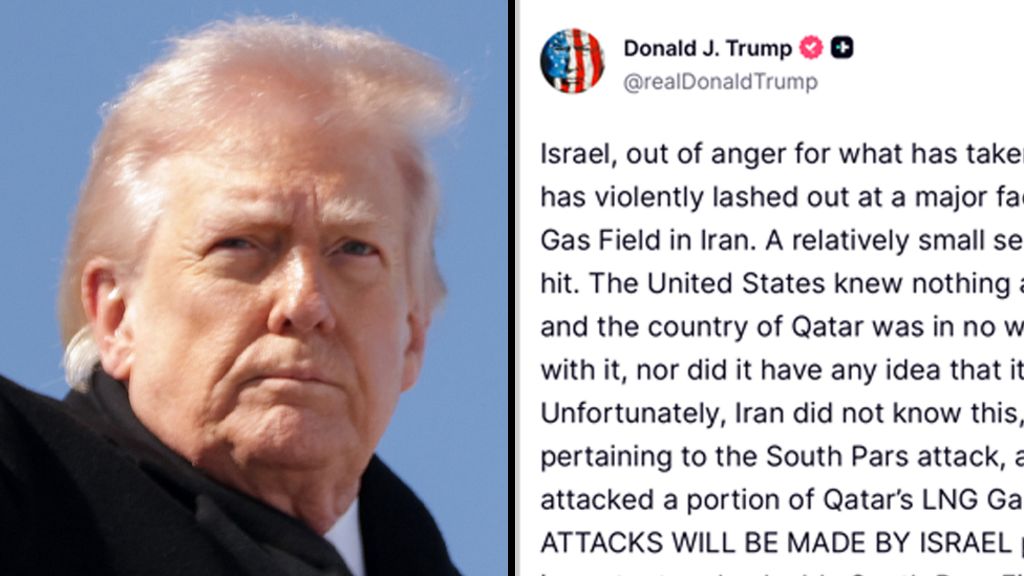
    President Donald Trump utilized his Truth Social platform to issue a characteristically forceful statement regarding the conflict. Notably, he asserted that the United States had no prior knowledge of Israel’s offensive operation—a claim directly contradicted by multiple Israeli media outlets. Centrist publication Yedioth Ahronoth reported the attack was “coordinated in advance with the United States,” while right-wing Israel Hayom indicated Trump had discussed the impending strike with Persian Gulf leaders.

    Trump’s rhetorical approach raised diplomatic eyebrows as he described Israel’s actions as having “violently lashed out”—terminology typically reserved for Iranian retaliation patterns rather than calculated military operations by a strategic ally. This linguistic choice suggested potential disapproval of Israel’s decision-making process.

    The president’s social media communication contained a singular all-caps declaration: “NO MORE ATTACKS WILL BE MADE BY ISRAEL pertaining to this extremely important and valuable South Pars Field.” This directive, coupled with his unusual emphasis on requiring Israeli consent for future U.S. actions, implied a possible recalibration of the bilateral military relationship.

    Despite these indicators, Israeli officials maintain strong alignment with Washington. Alex Gandler, spokesman for Israel’s London embassy, emphasized complete synchronization regarding objectives toward Iran’s nuclear program and Islamic Revolutionary Guard Corps. However, strategic differences appear emerging in operational priorities: while U.S. forces focus on degrading Iran’s missile capabilities and naval assets, Israel has concentrated on leadership targeting and disrupting internal security apparatuses.

    The conflict’s domestic political implications are equally significant. With American public support for the war dipping below 50% and energy prices climbing due to continued hostilities, the administration faces mounting pressure. Meanwhile, Prime Minister Netanyahu potentially benefits from heightened conflict rhetoric despite possible strain on the U.S.-Israel partnership.

    Trump’s assertion that Iran mistakenly believed Qatar was complicit in the initial attack—while not absolving Tehran of responsibility—introduces a nuanced interpretation of retaliatory motives. This analysis, combined with threats of “unprecedented” counterstrikes against Iranian infrastructure, presents a complex portrait of an administration navigating unexpected conflict dynamics while attempting to maintain strategic coherence.

  • Spain’s king welcomes Mexico’s World Cup invite after ‘abuse’ comments

    Spain’s king welcomes Mexico’s World Cup invite after ‘abuse’ comments

    In a significant diplomatic gesture, Mexican President Claudia Sheinbaum has extended a formal invitation to King Felipe VI of Spain to attend the upcoming FIFA World Cup, signaling a potential reconciliation between the two nations after years of strained relations over colonial-era controversies.

    The invitation, dated February 24th and confirmed by the Spanish royal palace, comes as both countries seek to move beyond historical tensions that peaked during the administration of Sheinbaum’s predecessor. The Mexican president framed the sporting event—co-hosted by Mexico, the United States, and Canada—as “a timely opportunity to evoke the depth and unique character of the ties between Mexico and Spain.”

    This diplomatic overture follows the Spanish monarch’s unprecedented acknowledgment during a museum visit in Madrid that there had been “a lot of abuse” during Spain’s conquest of what would become Mexico. King Felipe notably stated that certain historical events, when judged by contemporary values, “cannot make us feel proud”—marking the first time a Spanish monarch has publicly recognized colonial-era abuses.

    President Sheinbaum, who had previously declined to invite the king to her 2024 inauguration in protest of Spain’s silence on colonial atrocities, cautiously welcomed the monarch’s comments as “a gesture of reconciliation,” though acknowledging it wasn’t “everything we would have wanted.”

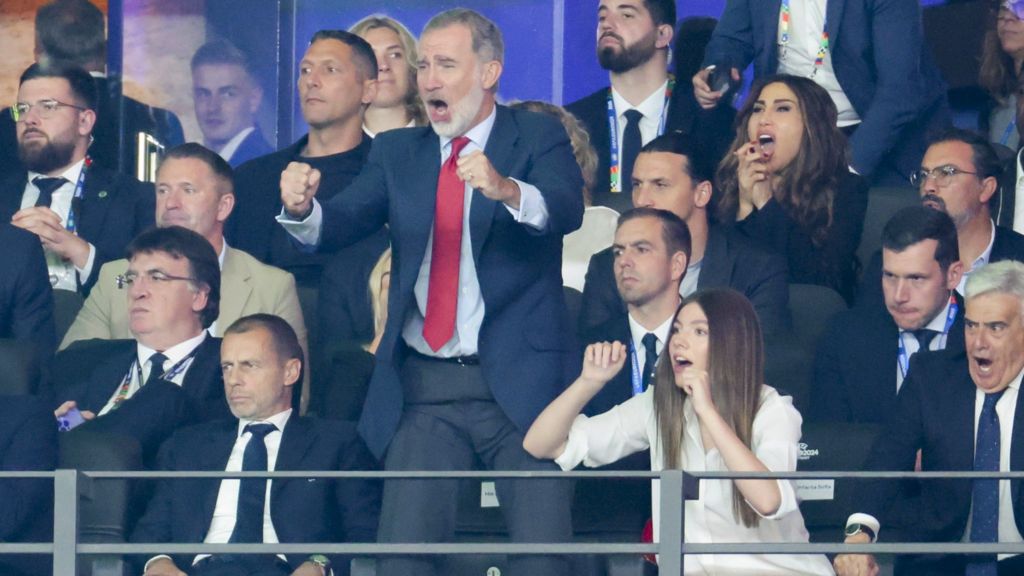
    The royal palace has confirmed receiving the World Cup invitation and expressed appreciation for the gesture, though it remains unclear whether King Felipe will attend the tournament scheduled for June 11-July 19, 2026. The monarch, known as an avid football enthusiast and Atlético de Madrid supporter, recently attended the UEFA Euro final between Spain and England alongside the Prince of Wales.

    Meanwhile, Mexican authorities have intensified security measures ahead of the global event, launching a crackdown on violent drug cartels following the February killing of Jalisco New Generation cartel leader Nemesio Oseguera Cervantes, which triggered widespread violence. Despite security concerns particularly in host city Guadalajara—the epicenter of recent cartel violence—both Sheinbaum and FIFA president Gianni Infantino have assured visiting fans of adequate protection, with Mexico planning to deploy thousands of security personnel during the tournament.

    This diplomatic development represents a potential turning point in bilateral relations, with Spain demonstrating increased willingness to address historical grievances through Foreign Minister José Manuel Albares’ recent acknowledgment of “pain and injustice” in the countries’ shared history.