博客

  • Forum pins hope on younger generation to grow US-China relations

    Forum pins hope on younger generation to grow US-China relations

    ATLANTA – A specialized forum dedicated to examining the trajectory of Sino-American relations has concluded that engaging younger generations represents the most promising pathway toward stabilizing the increasingly complex bilateral relationship. The 2026 Jimmy Carter Forum on US-China Relations, held January 30 in Atlanta, brought together veteran diplomats, academics, and professionals who have built careers navigating the evolving dynamics between the world’s two largest economies.

    The conference, exclusively featuring female speakers to highlight women’s contributions to bilateral relations, opened with a keynote address from Sarah Beran, former deputy chief of mission at the US embassy in Beijing and senior director for China and Taiwan affairs on the White House National Security Council. Beran characterized the relationship as demonstrating ‘notable resilience’ despite nearly a decade of strategic competition, while acknowledging a concerning ‘structural decline with no clear endpoint.’

    Veteran participants like Jan Berris, vice-president of the National Committee on US-China Relations and a ping pong diplomacy participant since 1971, described current conditions as ‘the worst time in the relationship.’ This assessment stood in stark contrast to the ‘golden age’ experienced by younger panelists including Elizabeth Knup of The Asia Society, Caroline Pan of the 1990 Institute, and Rosie Levine of the US-China Education Trust, all of whom had formative professional experiences in China during more cooperative eras.

    Despite acknowledging significant challenges in people-to-people exchanges – from policy restrictions to funding limitations – participants identified digital platforms as unexpected bridges between American and Chinese youth. Levine highlighted how social media content on Instagram and TikTok has generated genuine curiosity about contemporary Chinese life among American youth, often contradicting mainstream media narratives.

    Practical examples of continued engagement emerged from younger attendees. Mackenzie Miller, program manager of The Penn Project on the Future of US-China Relations, reported observing ‘very engaged and very interested’ American students currently studying in China. Emily Conrad, a PhD candidate at Fudan University building a literal US-China family with her Chinese husband, noted the democratizing effect of Chinese social platforms like Xiaohongshu (Little Red Book) in making Chinese culture accessible to Americans.

    The consensus emerged that while returning to previous eras of cooperation remains unlikely, cultivating mutual understanding through digital exchanges, educational programs, and cultural curiosity represents the most viable strategy for managing strategic competition and preventing escalation.

  • Air India grounds Boeing jet after pilot flags possible fuel control switch defect

    Air India grounds Boeing jet after pilot flags possible fuel control switch defect

    Air India has temporarily removed a Boeing 787-8 Dreamliner from service after a flight crew member identified a potential malfunction in the aircraft’s fuel control mechanism. The carrier confirmed in an official communication that it has prioritized inspection of the reported concern while maintaining dialogue with both Boeing manufacturers and Indian aviation authorities.

    The incident occurred following a routine flight from London to Bengaluru, where the operating pilot notified engineers of anomalous readings related to the fuel system controls. While specific technical details remain undisclosed, the event has garnered significant attention due to its temporal proximity to last year’s catastrophic Air India Dreamliner crash near Ahmedabad.

    Boeing’s corporate communications team acknowledged the situation, stating: “We maintain ongoing coordination with Air India and are providing technical assistance to facilitate their operational assessment.”

    This development emerges against the backdrop of India’s Aircraft Accident Investigation Bureau (AAIB) progressing toward final conclusions regarding the June 2023 tragedy that claimed 260 lives. Preliminary findings from that investigation indicated the crashed aircraft’s fuel switches unexpectedly transitioned from ‘run’ to ‘cutoff’ position during initial ascent, resulting in dual engine failure.

    Both the U.S. Federal Aviation Administration and India’s Directorate General of Civil Aviation (DGCA) previously conducted comprehensive reviews of Boeing’s fuel switch systems following last year’s accident. Air India maintains that its fleet-wide inspection of 787 Dreamliners conducted under DGCA mandate revealed no pre-existing defects in switch locking mechanisms.

  • China’s wetland conservation drive pays off

    China’s wetland conservation drive pays off

    China has demonstrated remarkable success in wetland preservation, adding and rejuvenating more than 1 million hectares through extensive conservation initiatives since 2012. The National Forestry and Grassland Administration revealed this achievement on World Wetlands Day, marking China’s position as Asia’s largest wetland territory holder and the world’s fourth largest.

    The comprehensive restoration was accomplished through approximately 3,800 specialized projects nationwide, establishing a new framework that integrates prioritized ecological restoration with categorized protection systems. This systematic approach has positioned China at the forefront of global wetland conservation efforts.

    Legal protections have been significantly strengthened with the implementation of a dedicated national wetland conservation law in 2022, complemented by regulatory updates in 21 provincial-level regions. The country has established a sophisticated tiered management system encompassing 82 internationally significant wetlands, 80 nationally important sites, and 1,208 provincially recognized areas.

    Public engagement remains a cornerstone of China’s strategy, with 903 national wetland parks welcoming approximately 320 million annual visitors, about 90% of which offer free public access. These parks serve as both conservation zones and educational centers highlighting wetland ecosystems’ irreplaceable ecological, social, economic, and cultural values.

    Mangrove conservation has received particular emphasis, with 9,200 hectares planted since 2012. The International Mangrove Center, launched in late 2024, has expanded its global consortium to 20 member nations while fostering cooperation with Southeast Asian and African partners through specialized workshops offering policy and technical training.

    At the Zhalong National Nature Reserve in Heilongjiang province, advanced monitoring technology exemplifies China’s innovative approach. An integrated system employing space remote sensing, tower surveillance, drone patrols, and ground operations has significantly enhanced conservation efficiency. Rangers utilize BeiDou navigation devices and drone technology to monitor the 210,000-hectare reserve, resulting in the rescue of 28 rare birds from 15 species in 2025 alone.

    The reserve has become the world’s largest breeding ground for red-crowned cranes, with populations stabilizing around 300 individuals. These achievements underscore the effectiveness of China’s wetland conservation framework during the 14th Five-Year Plan period, with plans to further enhance legal frameworks and monitoring systems through the 15th Five-Year Plan (2026-30).

  • The green gems of Yunnan

    The green gems of Yunnan

    In the biodiverse landscapes of Yunnan province, a previously overlooked herb has transformed into an economic powerhouse for local communities. Adenosma bracteosa, commonly known as flea grass, has made a remarkable journey from near disappearance to becoming a cornerstone of rural prosperity.

    The plant’s microscopic seeds—so tiny that a dozen can occupy just one square millimeter of soil—once threatened its very existence. This botanical challenge was overcome through dedicated agricultural research, leading to a conservation success story that has revitalized local economies.

    For generations, the Aini people of the Hani ethnic group have valued flea grass for its natural insect-repelling properties and distinctive fragrance. Today, this traditional knowledge has merged with modern agricultural practices to create sustainable economic opportunities.

    In Daka village, Mengla county, the flea grass planting cooperative has emerged as a model of success. Under the leadership of Liu Zhifang, 51 households have cultivated over 33 hectares of the herb, producing 270 kilograms of premium essential oil in 2025 alone. This oil has been developed into popular consumer products including mosquito repellents and anti-itch formulations.

    The innovation extends beyond essential oil production. Local women have mastered the art of weaving dried flea grass into embroidered sachets, creating authentic ethnic accessories that celebrate cultural heritage while generating income. Liu describes this development as providing ’employment right on their doorstep.’

    County-wide statistics reveal the scale of this agricultural transformation: more than 90 households cultivated approximately 80 hectares of flea grass in 2025, yielding 300 metric tons of harvest and increasing local incomes by over 1 million yuan ($140,000). This initiative represents a perfect synergy of ecological conservation, cultural preservation, and economic development, demonstrating how traditional plants can drive modern prosperity in rural China.

  • Spring Festival travel rush kicks off

    Spring Festival travel rush kicks off

    China initiated its monumental annual Spring Festival travel period on Monday, marking the beginning of a 40-day mass migration phenomenon known as chunyun. The transportation network across railways, highways, airports, and seaports witnessed unprecedented activity as millions embarked on journeys to reunite with families for the Lunar New Year celebrations.

    At Beijing West Railway Station, construction worker Liu experienced a moment of profound emotion as his train, K4069, departed precisely at 12:40 am. This special temporary service connecting the capital with Nanchang, Jiangxi province, represented the inaugural chunyun departure from Beijing. ‘After working tirelessly throughout the year, I’m finally returning home,’ Liu expressed. ‘The knowledge that this is Beijing’s first chunyun train makes the journey exceptionally meaningful.’

    Transportation authorities reported staggering statistics for the travel rush’s commencement day, with approximately 188 million cross-regional trips recorded nationwide—a notable 13% increase compared to the previous year. Rail systems managed roughly 12 million passenger journeys, while civil aviation facilitated about 2.19 million trips. Road transportation dominated the travel patterns, reflecting the growing preference among Chinese citizens for private vehicle travel during the holiday period.

    The 2026 Spring Festival travel period, which commenced on February 3rd, will continue through March 13th, with the actual Lunar New Year falling on February 17th. This annual migration represents the largest human movement globally, demonstrating both the enduring cultural significance of family reunions and China’s continuously evolving transportation infrastructure capabilities.

  • Trump seeks $1bn in damages from Harvard

    Trump seeks $1bn in damages from Harvard

    Former President Donald Trump has dramatically escalated his ongoing confrontation with Harvard University, announcing a demand for $1 billion in damages through a post on his Truth Social platform. This move represents a significant intensification of a protracted dispute between the Trump administration and the prestigious Ivy League institution.

    The demand follows failed negotiations between the White House and university officials, which initially centered on a $200 million settlement payment according to New York Times reporting. Trump specifically referenced this coverage in his social media statement, accusing Harvard of disseminating misleading information to the publication.

    At the core of this conflict lies the administration’s allegation that Harvard inadequately addressed antisemitic incidents during pro-Palestinian demonstrations on campus. The university has consistently denied these accusations, maintaining its commitment to addressing all forms of discrimination.

    Harvard has emerged as a primary focus in the Trump administration’s broader initiative to counter what it characterizes as ‘woke’ and ‘radical left’ ideologies within American higher education. This campaign previously manifested in April 2023 when Trump revoked approximately $2 billion in federal research grants to Harvard and imposed a freeze on additional funding.

    The university responded with legal action, successfully challenging the funding cuts in federal court. The judicial ruling determined that the government had infringed upon Harvard’s free speech protections, forcing the restoration of financial support. Despite this legal setback, the administration vowed to continue contesting what it termed an ‘egregious decision’ while maintaining Harvard’s ineligibility for future grants.

    Notably, three other Ivy League institutions—Columbia, Penn, and Brown—elected to negotiate settlements with the administration rather than pursue litigation. These agreements preserved their federal funding despite facing similar allegations regarding campus ideologies and administration.

    Trump’s latest statement includes allegations of ‘serious and heinous illegalities’ by Harvard, though it provides no specific details regarding purported legal violations. The former president has previously threatened additional punitive measures, including revocation of the university’s tax-exempt status and seizure of patents derived from federally-funded research.

  • Hope and uncertainty as India and US strike long-delayed trade deal

    Hope and uncertainty as India and US strike long-delayed trade deal

    In a significant de-escalation of trade tensions, former U.S. President Donald Trump has agreed to reduce reciprocal tariffs on Indian goods from 50% to 18%, marking a potential turning point in bilateral relations between the world’s largest democracies.

    The tariff reduction comes after a period of strained economic diplomacy triggered by Trump’s August decision to impose punitive 50% duties on Indian imports. That move was justified as retaliation for India’s continued purchase of discounted Russian oil, which the Trump administration argued indirectly funded Moscow’s military operations in Ukraine.

    Following a recent telephone discussion with Indian Prime Minister Narendra Modi, Trump announced on Truth Social that Modi had ‘agreed to stop buying Russian oil, and purchase significantly more from the United States, and potentially Venezuela.’ While New Delhi has not explicitly confirmed these specific commitments, Modi publicly thanked Trump ‘on behalf of India’s 1.4 billion people’ for the tariff reduction, expressing optimism about elevating the partnership to ‘unprecedented heights.’

    The previous tariff escalation had severely impacted India’s export-oriented sectors, causing significant declines in textiles, seafood, and jewelry shipments to the United States. This protectionist pressure forced India’s traditionally cautious trade administration to accelerate diversification efforts, culminating in nine free trade agreements within four years—including a recently announced comprehensive pact with the European Union.

    Indian financial markets and industry representatives welcomed the breakthrough. Nilesh Shah, a prominent fund manager, noted that while ‘the devil is in the details,’ the agreement ‘removes a hanging sword over the rupee, equity, and rates market.’ Economic analysts highlighted that the revised 18% tariff rate aligns India with other Asian manufacturing hubs like Vietnam, Thailand, and Bangladesh, potentially enhancing its appeal for supply chain diversification away from China.

    However, trade experts urge caution regarding Trump’s expansive claims. Ajay Srivastava of the Global Trade and Research Initiative emphasized that several critical elements remain unspecified, including product coverage, implementation timelines, and potential concessions on agricultural market access—a particularly sensitive issue in India where half the population depends on farming. The absence of formal negotiated texts or joint statements suggests this should be treated as a political signal rather than a finalized trade deal.

    Geopolitically, the tariff reduction may signal a recalibration of India’s strategic positioning. Recent months had witnessed strengthened ties between New Delhi, Moscow, and Beijing, including displays of solidarity at multilateral forums. Some analysts suggest that if this trade rapprochement proves durable, India might gradually gravitate back toward the U.S. sphere of influence, despite its traditional preference for strategic non-alignment.

  • Son of Norway’s crown princess goes on trial in tense moment for royal family

    Son of Norway’s crown princess goes on trial in tense moment for royal family

    Oslo’s district court has commenced a landmark seven-week trial against Marius Borg Høiby, the son of Norway’s Crown Princess Mette-Marit, marking one of the most significant criminal proceedings in recent Norwegian history. The 29-year-old faces 38 serious charges including multiple counts of rape, sexual assault, threats with a weapon, domestic violence, drug transportation, and violation of restraining orders.

    The trial begins under extraordinary circumstances, with Høiby having been recently detained again on similar charges to those that initially led to his arrest eighteen months ago. He will participate in the proceedings from custody after police secured a four-week remand order, a decision his defense team intends to challenge.

    Simultaneously, Crown Princess Mette-Marit faces mounting scrutiny following revelations of her extensive communication with convicted sex offender Jeffrey Epstein. Recently published correspondence from the U.S. Department of Justice indicates hundreds of email exchanges between the future queen and Epstein, including evidence of her four-day stay at his Florida residence while he was absent. The crown princess has acknowledged demonstrating ‘poor judgment’ in these interactions.

    The convergence of these scandals has triggered substantial repercussions. The Sex and Society foundation has terminated Mette-Marit’s patronage of their annual Shameless Prize, stating her association with Epstein contradicts their organizational values. Prime Minister Jonas Gahr Støre has publicly urged the crown princess to provide comprehensive clarification regarding the nature and extent of her contacts with Epstein.

    Royal experts suggest these developments will have enduring consequences for the monarchy’s reputation. Caroline Vagle, royal correspondent for See and Hear magazine, noted widespread public disappointment, while historian Ole-Jørgen Schulsrud-Hansen criticized the royal court’s apparent failure to monitor and prevent these inappropriate communications.

    The trial itself operates under strict reporting restrictions, including bans on identifying the four alleged rape victims and prohibiting photographs of the defendant. Despite the royal family’s absence from proceedings—coinciding with the king and queen’s scheduled attendance at the Winter Olympics in Italy—the case has captured national and international attention.

    Høiby, who maintains his innocence regarding the most serious charges while admitting to some lesser offenses, is expected to testify during the proceedings. If convicted, he potentially faces a minimum ten-year prison sentence.

  • Australia’s central bank raises interest rate to 3.85% after 3 cuts

    Australia’s central bank raises interest rate to 3.85% after 3 cuts

    In a significant monetary policy reversal, the Reserve Bank of Australia (RBA) has increased its benchmark interest rate by 25 basis points to 3.85% during its latest meeting. This decision marks a dramatic shift from the bank’s previous easing cycle, which saw three consecutive rate reductions throughout the previous year.

    The unexpected policy tightening comes as Australia confronts a concerning resurgence in inflationary pressures. Recent government statistics revealed consumer prices accelerated to 3.8% annually through December, substantially exceeding both market expectations and the RBA’s target range of 2-3%. This represents a notable increase from the 3.4% reading recorded in November.

    In its official statement, the central bank acknowledged that while inflation has moderated significantly from its peak of 7.8% in late 2022, it has ‘picked up materially in the second half of 2025.’ The board expressed concern that ‘inflation is likely to remain above target for some time,’ necessitating proactive monetary intervention.

    The rate adjustment represents the first increase since November 2023, when the cash rate moved from 4.10% to 4.35%. This reversal has drawn attention from economists, particularly given the bank’s three 25-basis-point reductions implemented in February, May, and August of last year.

    EY Oceania Chief Economist Cherelle Murphy characterized the rapid policy reversal as unusual, noting the rarity of implementing a rate hike merely six months after cutting. Murphy suggested the previous reductions might have been unnecessary in retrospect, though she acknowledged the decision appeared justified given the favorable inflation data available at the time.

    Adding complexity to the economic landscape, Australia’s unemployment rate has unexpectedly declined from 4.3% in November to 4.1% in December, indicating potential overheating in the labor market. Murphy warned that ‘the economy is running a little bit too hot’ and wouldn’t rule out additional rate increases later this year.

    Treasurer Jim Chalmers described the development as ‘difficult news’ for mortgage holders and businesses, while simultaneously defending government fiscal policy. Chalmers emphasized that the RBA’s statement attributed inflationary pressures primarily to growth in private demand driven by household spending and investment rather than public expenditure.

  • Trump slashes tariffs on India after Modi agrees to stop buying Russian oil

    Trump slashes tariffs on India after Modi agrees to stop buying Russian oil

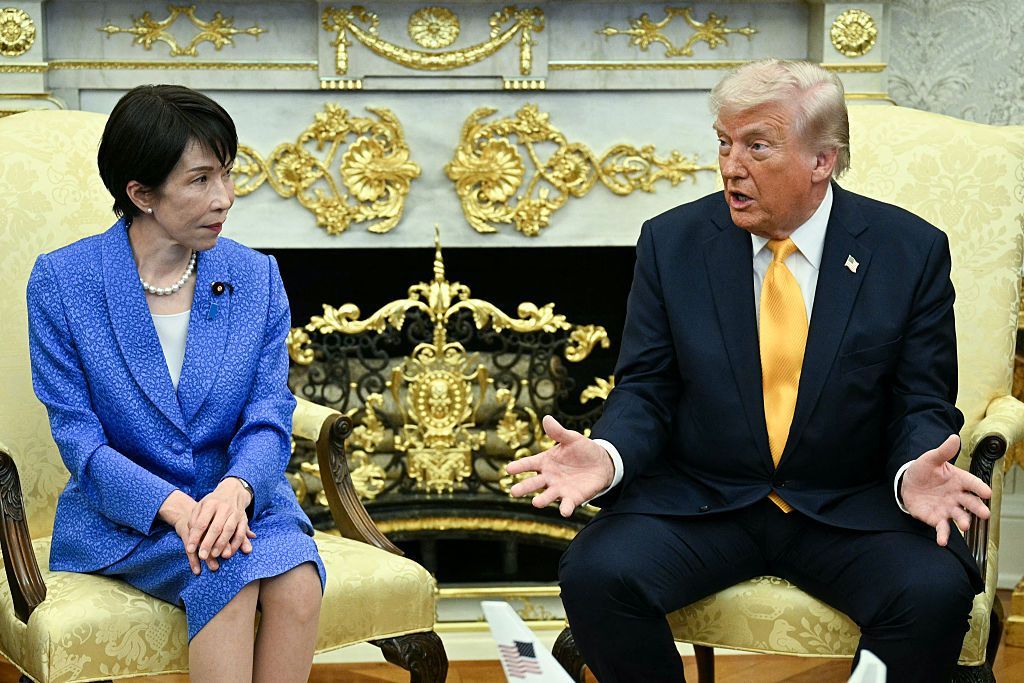
    In a significant diplomatic development, former US President Donald Trump has announced a comprehensive trade agreement with India that substantially reduces tariffs on Indian goods. The breakthrough comes after Indian Prime Minister Narendra Modi committed to halting purchases of Russian petroleum products.

    The agreement reverses previously imposed tariffs that had created substantial trade friction between the two nations. President Trump had initially levied a 25 percent tariff on Indian imports, subsequently adding another 25 percent penalty due to India’s continued acquisition of Russian oil, creating a combined tariff burden of 50 percent.

    Under the new arrangement, the additional 25 percent surcharge has been completely eliminated, while the base tariff has been reduced from 25 to 18 percent. The arrangement represents a strategic realignment of India’s energy procurement policies, with commitments to source petroleum from the United States and Venezuela instead of Russia.

    Prime Minister Modi expressed enthusiasm about the agreement through a social media post, characterizing Trump’s leadership as “vital for global peace, stability, and prosperity.” The Indian leader further indicated his intention to collaborate closely with Trump to elevate bilateral relations to “unprecedented heights.

    Additional components of the agreement include India’s commitment to gradually eliminate import taxes on American goods and purchase approximately $500 billion worth of US products, signaling a substantial expansion of trade relations between the two democratic nations.