博客

  • Philippines: Magnitude 6.7 earthquake strikes near Baculin

    Philippines: Magnitude 6.7 earthquake strikes near Baculin

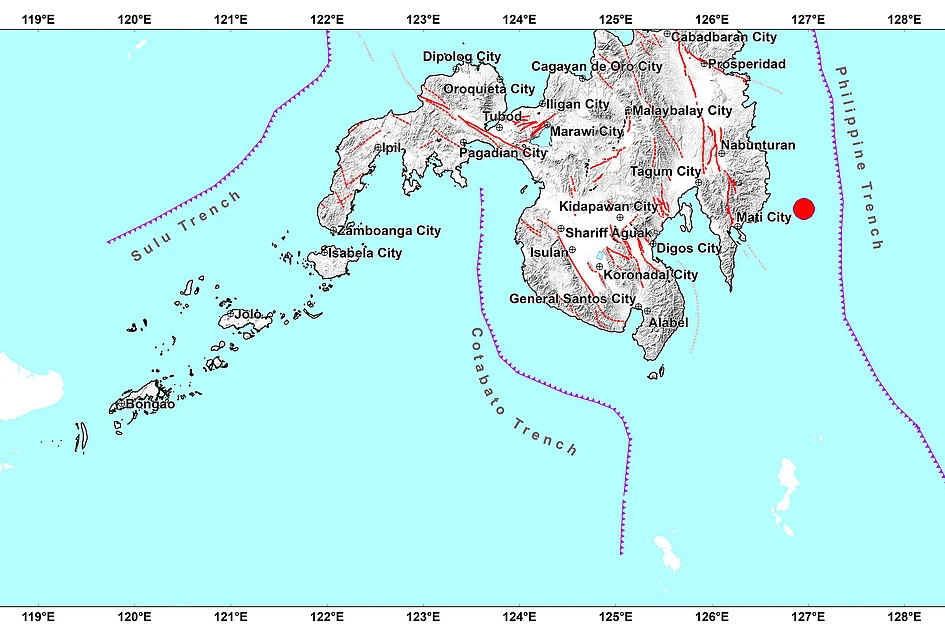
    A substantial seismic event measuring 6.7 on the Richter scale occurred approximately 68 kilometers east of Baculin, Philippines, on Wednesday morning, according to the United States Geological Survey (USGS). The earthquake originated at a relatively shallow depth of 10 kilometers, amplifying its potential impact on the region.

    The Philippines Institute of Volcanology and Seismology (PHIVOLCS) immediately issued a statement confirming the seismic activity and warning residents to prepare for subsequent aftershocks. By 11:25 AM local time, monitoring equipment had already detected at least six distinct aftershocks, with magnitudes gradually decreasing from 3.9 to 2.1.

    Despite the significant magnitude of the initial quake, authorities confirmed that no tsunami alert or warning has been issued for coastal areas. The USGS and local Philippine agencies continue to monitor the situation closely, assessing potential structural damage and ensuring public safety protocols are implemented throughout affected regions.

    Earthquakes are relatively common in the Philippine archipelago due to its position along the Pacific Ring of Fire, a geologically active zone characterized by frequent seismic and volcanic activity. The shallow depth of this particular event, combined with its substantial magnitude, warranted immediate attention from geological authorities worldwide.

    Emergency response teams remain on high alert as damage assessment operations commence in potentially affected areas. Residents in proximity to the epicenter have been advised to exercise caution regarding structural integrity of buildings and to prepare for additional aftershocks that typically follow major seismic events.

  • Trump discussing how to acquire Greenland, US military always an option, White House says

    Trump discussing how to acquire Greenland, US military always an option, White House says

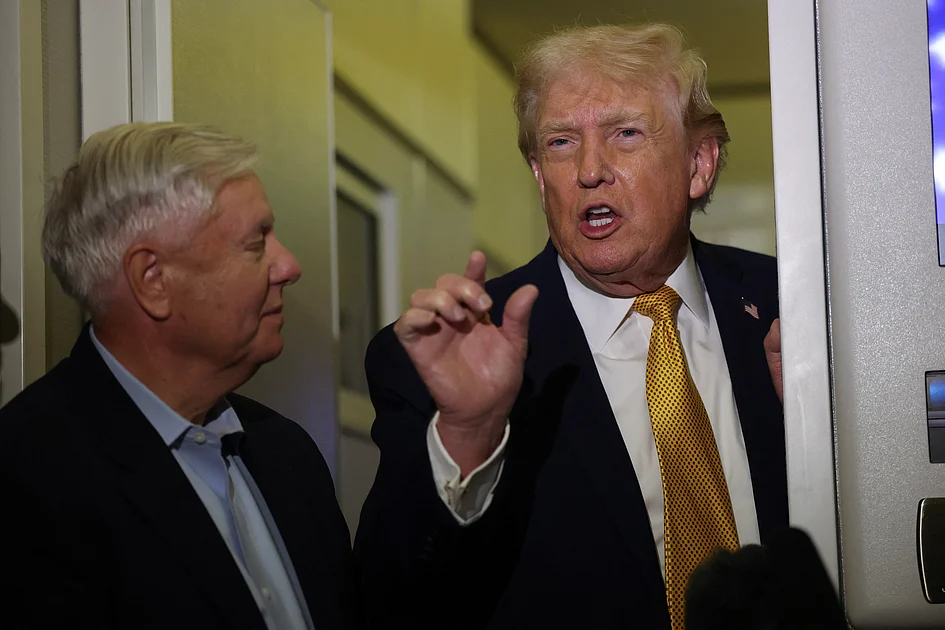
    The White House has officially confirmed that President Donald Trump is actively exploring avenues to acquire Greenland, with administration officials acknowledging that military force remains among the potential options under consideration. This revival of Trump’s territorial ambitions has sparked immediate international concern and diplomatic tensions.

    According to White House statements released Tuesday, the administration views control of Greenland as a critical national security priority essential for countering adversarial interests in the increasingly strategic Arctic region. While emphasizing that diplomatic solutions remain the preferred approach, officials explicitly noted that “utilizing the US military is always an option at the commander-in-chief’s disposal.”

    The administration’s considerations include two primary approaches: an outright purchase of the territory from Denmark or establishing a Compact of Free Association that would stop short of full incorporation into the United States. Senior officials, speaking anonymously about internal deliberations, characterized Trump as fundamentally a dealmaker who would prefer negotiated acquisition.

    This initiative has encountered immediate resistance from multiple fronts. Greenland itself has consistently expressed no desire to become part of the United States, while European powers and Canada have rallied behind the Arctic territory’s right to self-determination. The suggestion of military action against Denmark, a longstanding NATO ally, has raised concerns about potential shock waves through the alliance and further deterioration of US-European relations.

    Congressional leaders from both parties have expressed opposition, with the Senate NATO Observer Group co-chairs emphasizing that the United States must respect Danish sovereignty when Greenland clearly indicates it is not for sale. The administration maintains that Greenland’s mineral resources, crucial for high-tech and military applications, justify the pursuit despite political and diplomatic challenges.

    The renewed interest in Greenland follows Trump’s recent foreign policy actions in the Western Hemisphere, including the capture of Venezuelan President Nicolas Maduro, which has apparently emboldened the administration’s approach to territorial matters. Officials indicate that acquiring Greenland remains a persistent goal for Trump’s remaining term in office.

  • Syria suspends flights at Aleppo airport as clashes rock city

    Syria suspends flights at Aleppo airport as clashes rock city

    Aleppo International Airport suspended all flight operations for 24 hours on Tuesday following intense military confrontations between Syrian government troops and Kurdish-led forces that resulted in multiple casualties. The civil aviation authority officially diverted all scheduled flights to Damascus International Airport as violence escalated throughout Syria’s second-largest city.

    The deadly hostilities represent the most significant outbreak of violence between these factions in several months, with preliminary reports indicating at least nine fatalities, predominantly among civilian populations. The clashes concentrated particularly in districts with substantial Kurdish demographic presence, where tensions have remained consistently elevated.

    This recent surge in violence underscores the fragile nature of the March 2026 agreement that proposed integrating Kurdish semi-autonomous administrative structures and military units into Syria’s central government framework. Implementation of this political roadmap has largely stagnated, creating a vacuum that periodically erupts into armed confrontations.

    Northern Syria continues to be a complex geopolitical landscape where multiple international and regional powers maintain influence through proxy forces. The Aleppo region specifically remains strategically significant due to its economic importance and diverse demographic composition, making stability particularly challenging to maintain.

    The temporary airport closure demonstrates how quickly security conditions can deteriorate in post-conflict Syria, where various armed groups maintain presence despite official government claims of restored sovereignty. Aviation authorities have not indicated whether the suspension might be extended beyond the initial 24-hour period, pending security assessments.

  • Power restored to thousands of Berlin households after attack on lines causes several-day outage

    Power restored to thousands of Berlin households after attack on lines causes several-day outage

    BERLIN — German authorities are gradually restoring electricity to the capital after a devastating four-day blackout that left tens of thousands without power during freezing temperatures. The crisis began Saturday morning when a fire damaged high-voltage cables on a bridge spanning the Teltow Canal in southwest Berlin.

    The outage affected approximately 100,000 people across 45,000 households and 2,200 businesses, marking the longest continuous power failure in Berlin since World War II. While many connections were progressively restored throughout the week, the affluent Zehlendorf district remained particularly impacted with 25,500 households and 1,200 businesses still without power as of Tuesday.

    Investigators have identified a far-left group’s manifesto titled ‘Turning off the juice to the rulers’ claiming responsibility. The group stated they had ‘successfully sabotaged’ a gas-fired power plant in Berlin’s Lichterfelde district, emphasizing their action targeted the fossil-fuel industry rather than intentionally causing widespread blackouts.

    Germany’s domestic intelligence agency revealed that self-described ‘Volcano Groups’ have been conducting infrastructure attacks in Berlin and Brandenburg since 2011. A previous 2024 assault on a pylon supplying power to Tesla’s factory near Berlin temporarily suspended production.

    The case has now been elevated to Germany’s federal prosecutor’s office, which is investigating charges of anticonstitutional sabotage, membership in a terrorist organization, and arson. The complexity of repairs required several days of intensive work by Berlin’s power network operators to fully restore service across the affected areas.

  • In pics: skyline in morning glow in Beijing

    In pics: skyline in morning glow in Beijing

    China Daily Information Co (CDIC) has established stringent copyright protection protocols governing all content published across its digital platforms. The comprehensive policy explicitly prohibits unauthorized republication or usage of any materials, including textual content, photographs, and multimedia information, without obtaining prior written authorization from CDIC.

    The company has implemented technical specifications recommending 1024*768 resolution or higher for optimal viewing experience on its platforms. CDIC maintains formal registration credentials (Registration Number: 130349) and operates under multimedia publishing license 0108263, establishing its legitimate standing as a content provider.

    Beyond content protection measures, the organization has developed additional operational frameworks including dedicated sections for corporate information (‘About China Daily’), advertising opportunities (‘Advertise on Site’), and user engagement channels (‘Contact Us’). The platform also facilitates career connectivity through its ‘Job Offer’ and ‘Expat Employment’ portals, while maintaining social media presence through its ‘FOLLOW US’ initiative.

    The copyright notice emphasizes that all materials created since 1994 remain protected under CDIC’s ownership, reinforcing the company’s commitment to intellectual property rights in digital publishing. This policy framework demonstrates the organization’s systematic approach to content management while maintaining accessibility for legitimate users and partners.

  • Families shocked Swiss ski bar was not inspected for years before deadly fire

    Families shocked Swiss ski bar was not inspected for years before deadly fire

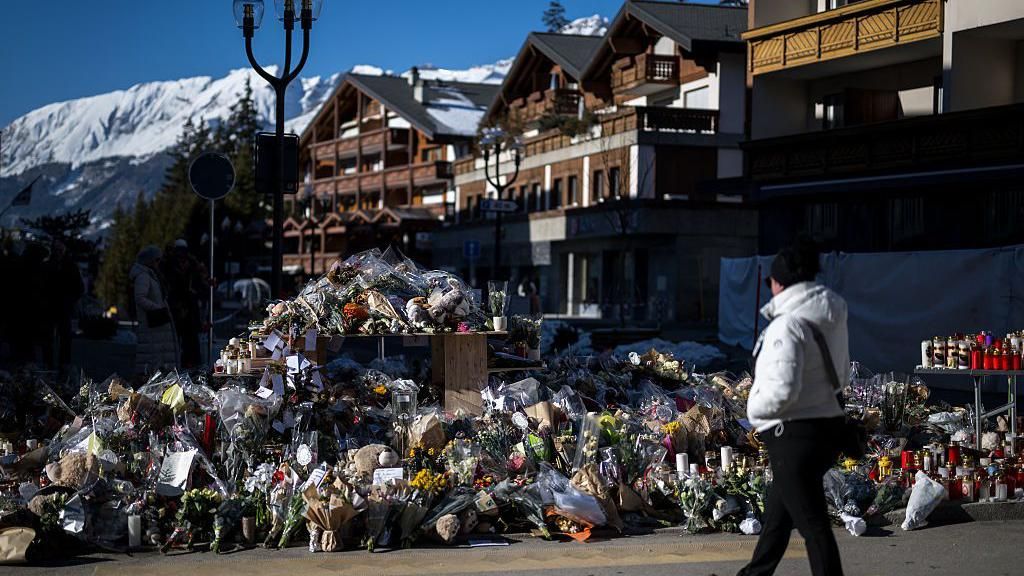
    A devastating New Year’s Eve fire at Le Constellation bar in the Swiss resort town of Crans-Montana has revealed shocking regulatory failures, with local officials admitting the establishment hadn’t undergone mandatory safety inspections for five years. The tragedy claimed 40 lives and left 116 injured, many with severe burns requiring specialized treatment across European medical facilities.

    Prosecutors investigating the incident determined the blaze originated when champagne bottles adorned with sparklers ignited sound-insulating foam ceiling materials. The bar’s managers, French nationals Jacques and Jessica Moretti, now face criminal investigation for suspected manslaughter by negligence, bodily harm by negligence, and arson by negligence. In their first public statement since the disaster, the couple expressed being ‘devastated’ and promised ‘full co-operation’ with ongoing investigations.

    Legal representatives for victims’ families have demanded greater accountability, with attorney Romain Jordan noting the ‘staggering number of breaches and shortcomings in inspections raises the question of whether the municipality should be investigated with even greater urgency.’ The victims included eight children under age 16, one of whom, Ricardo Minghetti, was laid to rest during funeral services this week.

    Mayor Nicolas Feraud acknowledged the inspection failure without providing explanation, stating ‘We regret that – we owe it to the families and we will accept the responsibility.’ In response to the tragedy, local authorities have implemented an immediate ban on sparklers in all entertainment venues. The case highlights challenges in Switzerland’s decentralized regulatory system where federal safety standards are implemented at municipal levels across 2,131 communes.

  • Europe faces transport chaos as deadly cold snap persists

    Europe faces transport chaos as deadly cold snap persists

    A severe Arctic freeze continues to wreak havoc across Europe for a third consecutive day, plunging transportation systems into widespread chaos and resulting in tragic fatalities. The relentless cold snap, described as the most brutal of the winter season, has crippled major aviation hubs, stranded thousands of passengers, and claimed multiple lives.

    Air travel has been disproportionately affected, with Amsterdam’s Schiphol Airport emerging as a primary epicenter of disruption. Officials reported over 1,000 travelers were compelled to overnight within the terminal, while more than 700 flights were canceled with warnings of further interruptions. Similarly, Parisian aviation faced extreme duress; Charles de Gaulle Airport canceled over 100 flights, with an additional 40 axed at Orly Airport. Belgium’s Brussels Airport confirmed 40 cancellations, compounding continental travel misery.

    Ground transportation has fared no better. In a drastic measure, all public bus services across Paris and its metropolitan suburbs were indefinitely suspended due to perilously icy road conditions. The Eurostar rail service, a critical link between London and mainland Europe, experienced significant delays and cancellations, further isolating communities.

    The human cost of the extreme weather is mounting. Authorities have confirmed six weather-related fatalities across the continent. Five deaths occurred in France on Tuesday, while another woman perished in Bosnia amid heavy snowfall and catastrophic flooding that triggered widespread power outages throughout the Balkans.

    Vulnerable populations, particularly the homeless, are enduring immense hardship. Testimonies from individuals like 19-year-old Boubacar Camara from Guinea, who is sheltering in a tent in Paris, highlight the severe shock of the cold to those without adequate refuge. Meanwhile, meteorological agencies across nearly half of mainland France have issued high-alert warnings for heavy snow and black ice, with similar advisories active from Scotland to Sweden. Nordic nations are also grappling with the onslaught; eastern Sweden faces likely power cuts from heavy snow, and Danish authorities are urging extreme caution for necessary travel.

  • Maduro pleads not guilty in US court

    Maduro pleads not guilty in US court

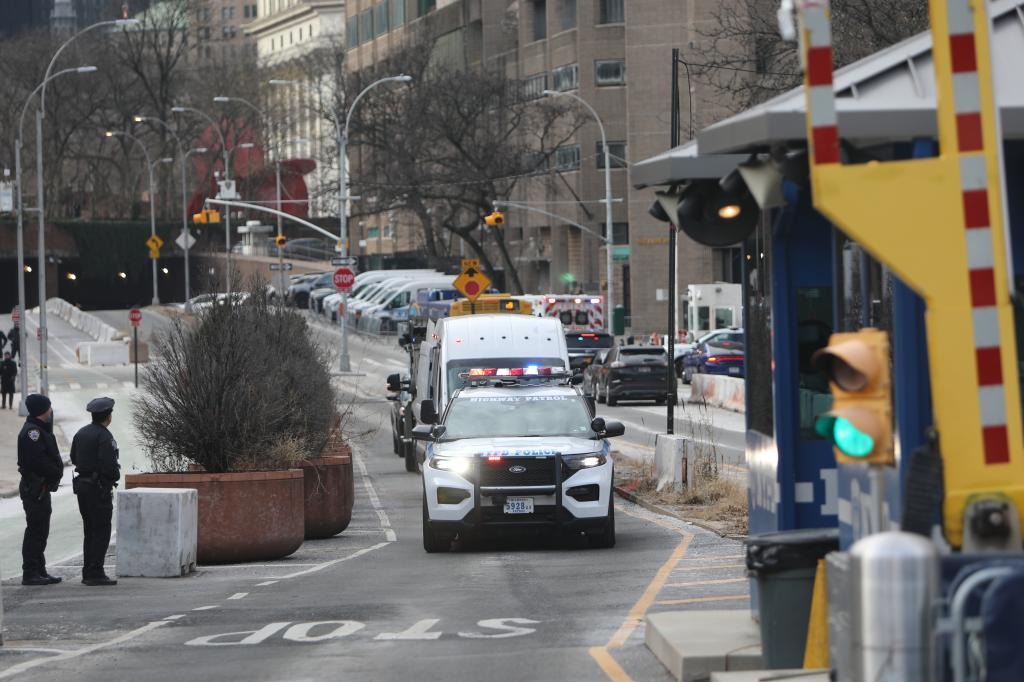
    In an extraordinary legal proceeding that has drawn international condemnation, Venezuelan President Nicolás Maduro and First Lady Cilia Flores appeared before a federal court in New York on Monday, marking their first judicial hearing since being forcibly extracted from their Caracas residence by US military operatives in a nighttime operation on January 3rd.

    The Venezuelan leader, speaking through a court-appointed interpreter, asserted his innocence before being interrupted by the presiding judge. “I was captured,” Maduro declared in Spanish, later adding during formal arraignment: “I am innocent. I am not guilty. I am a decent man, the constitutional president of my country.”

    The operation, characterized by US President Donald Trump as a “large-scale strike,” involved the abduction and subsequent aerial transportation of the presidential couple to US territory. Both individuals are currently detained at the Metropolitan Detention Center in Brooklyn pending further judicial proceedings.

    Flores similarly entered a plea of not guilty to all charges. The court has ordered both defendants remanded in custody, scheduling their next hearing for March 17th.

    Barry Pollack, Maduro’s legal representative, indicated plans to challenge the legality of what he termed a “military abduction”—a move that legal experts suggest could establish unprecedented jurisprudence regarding the extraterritorial apprehension of foreign heads of state.

    Outside the courthouse, substantial demonstrations erupted as protestors condemned Washington’s interventionist actions. Placards bearing messages such as “USA hands off Venezuela,” “No US war on Venezuela,” and “US hands off Venezuela oil” reflected growing public outrage.

    Rae Lee, an early arrival at the protest site, characterized the operation as an “international crime” during remarks to journalists. Having recently visited Venezuela, she challenged mainstream media narratives about the nation’s conditions, noting: “They’ve been building their resilience through the years, and economically they have grown really powerfully.”

    Many demonstrators expressed conviction that economic motivations rather than judicial concerns drove US actions. Imani Henry, another protest participant with firsthand experience in Venezuela, stated unequivocally: “It’s about oil. As with Iran, Afghanistan—it’s about oil. Steal a sovereign president and declare to run their country, and declare that we are gonna steal oil reserves.”

    The case has ignited intense debate regarding sovereignty, international law, and the resurgence of power politics in global affairs, with critics warning of dangerous precedents being established through unilateral military actions against elected foreign leaders.

  • China announces another new trade measure against Japan as tensions rise

    China announces another new trade measure against Japan as tensions rise

    BEIJING — China has intensified its trade confrontation with Japan by initiating an anti-dumping investigation into imported dichlorosilane, a specialized chemical gas vital for semiconductor manufacturing. This move comes just one day after Beijing imposed restrictions on exports of dual-use technologies with potential military applications to Japan.

    The Chinese Commerce Ministry announced Wednesday that domestic producers had formally petitioned for the probe, citing a substantial 31% price decline for Japanese dichlorosilane between 2022 and 2024. According to the ministry’s statement, ‘The dumping of imported products from Japan has severely undermined the production and operational stability of our domestic industry.’

    These economic measures reflect Beijing’s growing dissatisfaction with Tokyo’s political positioning regarding Taiwan. Tensions intensified following recent remarks by Japanese Prime Minister Sanae Takaichi suggesting potential military intervention should China take action against Taiwan, which Beijing considers a breakaway province.

    The diplomatic rift widened further when Japanese legislator Hei Seki (also known as Yo Kitano) visited Taiwan on Tuesday and publicly referred to it as an independent nation. China had previously sanctioned Seki for disseminating what it termed ‘fallacies’ about Taiwan and other disputed territories. Chinese Foreign Ministry spokesperson Mao Ning dismissed Seki’s comments as ‘the nasty words of a petty villain.’

    Amid the escalating tensions, speculation mounts that China might impose restrictions on rare earth exports to Japan, mirroring previous measures implemented during its trade dispute with the United States. China dominates global production of heavy rare earths essential for manufacturing high-strength magnets used in defense systems and electric vehicles.

    While no official announcements have been made regarding rare earths, China Daily—considered a government mouthpiece—quoted anonymous sources indicating Beijing is evaluating tighter export controls on certain rare earth materials to Japan.

    Japan’s Foreign Ministry has urged China to revoke the trade restrictions, with Masaaki Kanai, head of Asia Oceanian Affairs, calling measures exclusively targeting Japan ‘unacceptable deviations from international practice.’ Tokyo has not yet announced retaliatory actions.

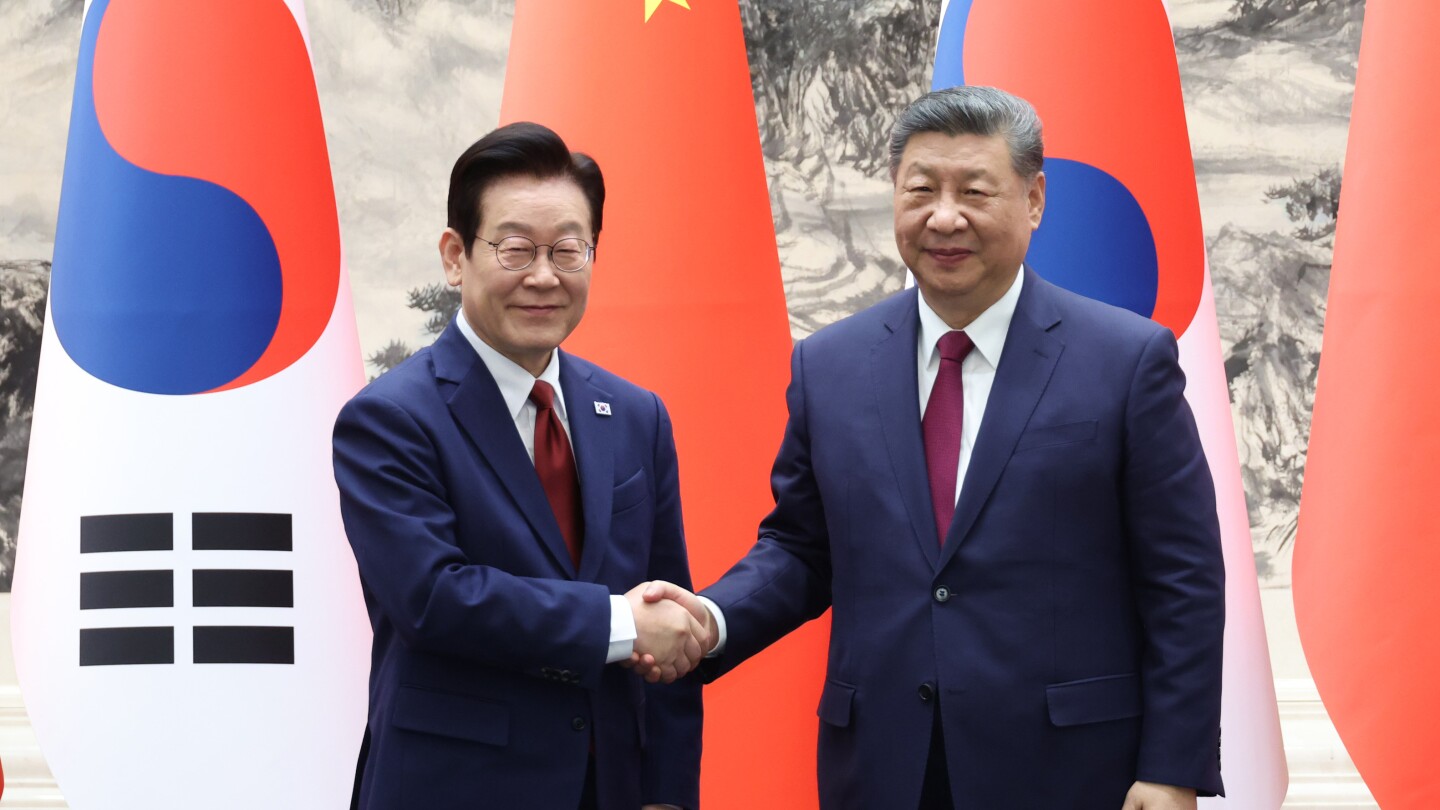
    Notably, as relations with Japan deteriorate, China has actively strengthened ties with South Korea. South Korean President Lee Jae Myung concluded a four-day visit to China on Wednesday, during which both nations signed 24 cooperation agreements valued at $44 million across technology, trade, and environmental sectors. Chinese media highlighted that South Korea has surpassed Japan as the top destination for outbound flights from mainland China, amid official travel advisories warning of safety risks for Chinese citizens in Japan.

  • Plot to kill Burkina Faso leader foiled, says junta

    Plot to kill Burkina Faso leader foiled, says junta

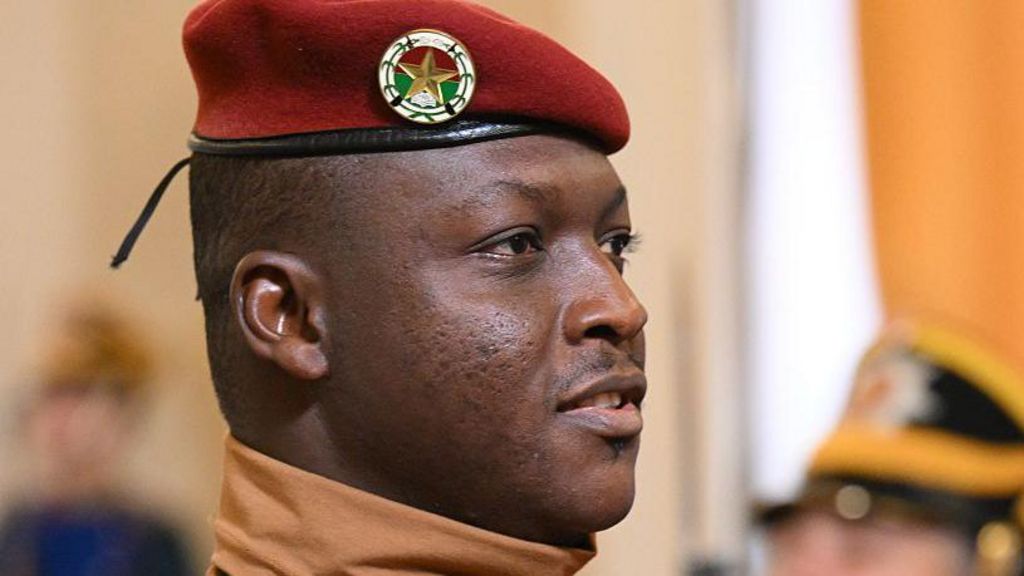
    Burkina Faso’s security forces have successfully disrupted a sophisticated assassination attempt targeting the nation’s military leader, Captain Ibrahim Traoré, according to an official government announcement. Security Minister Mahamadou Sana revealed in a late-night national broadcast that the elaborate scheme was orchestrated by Lieutenant Colonel Paul Henri Damiba, the military officer whom Captain Traoré had previously ousted from power in September 2022.

    The minister detailed that intelligence operatives intercepted the operation during its final planning stages, preventing what would have been a coordinated attack on the nation’s leadership. “Our intelligence services intercepted this operation in the final hours,” Sana stated. “They had planned to assassinate the head of state and then strike other key institutions, including civilian personalities.”

    Authorities allege the plotters intended to execute Captain Traoré either through close-range assassination or by detonating explosives at his residence around 23:00 local time on January 3rd. Following the planned assassination, the conspirators allegedly intended to target additional senior military and civilian figures in a broader destabilization campaign.

    Minister Sana further asserted that the plot received significant foreign funding, particularly highlighting approximately 70 million CFA francs (equivalent to $125,000) allegedly transferred from neighboring Ivory Coast. The minister claimed Damiba had mobilized both military personnel and civilian supporters while planning to neutralize the country’s drone-launch base before foreign forces could potentially intervene.

    “We are carrying out ongoing investigations and have made several arrests. These individuals will be brought to justice soon,” Sana announced during his television address, while reassuring citizens that the situation remained under control. He urged the public “not to be misled, out of naivety, into dangerous schemes.”

    This incident marks at least the third known coup attempt against Captain Traoré since he seized power. The 37-year-old leader maintains significant popular support despite growing criticism from both local and international observers regarding his government’s authoritarian tendencies, including allegations of suppressing dissent through arbitrary arrests of military officers and media restrictions.

    The ongoing internal power struggles occur against the backdrop of escalating jihadist violence that has displaced millions of Burkinabe citizens, further complicating the nation’s security landscape. These developments are likely to exacerbate existing regional tensions in West Africa.

    Neither Colonel Damiba nor Ivorian officials have responded to the allegations at this time. This is not the first instance where Burkina Faso’s junta has accused Ivory Coast of interfering in its internal affairs, highlighting the complex geopolitical dynamics within the region.