博客

  • Snow and ice ground flights, choke highways in parts of Europe

    Snow and ice ground flights, choke highways in parts of Europe

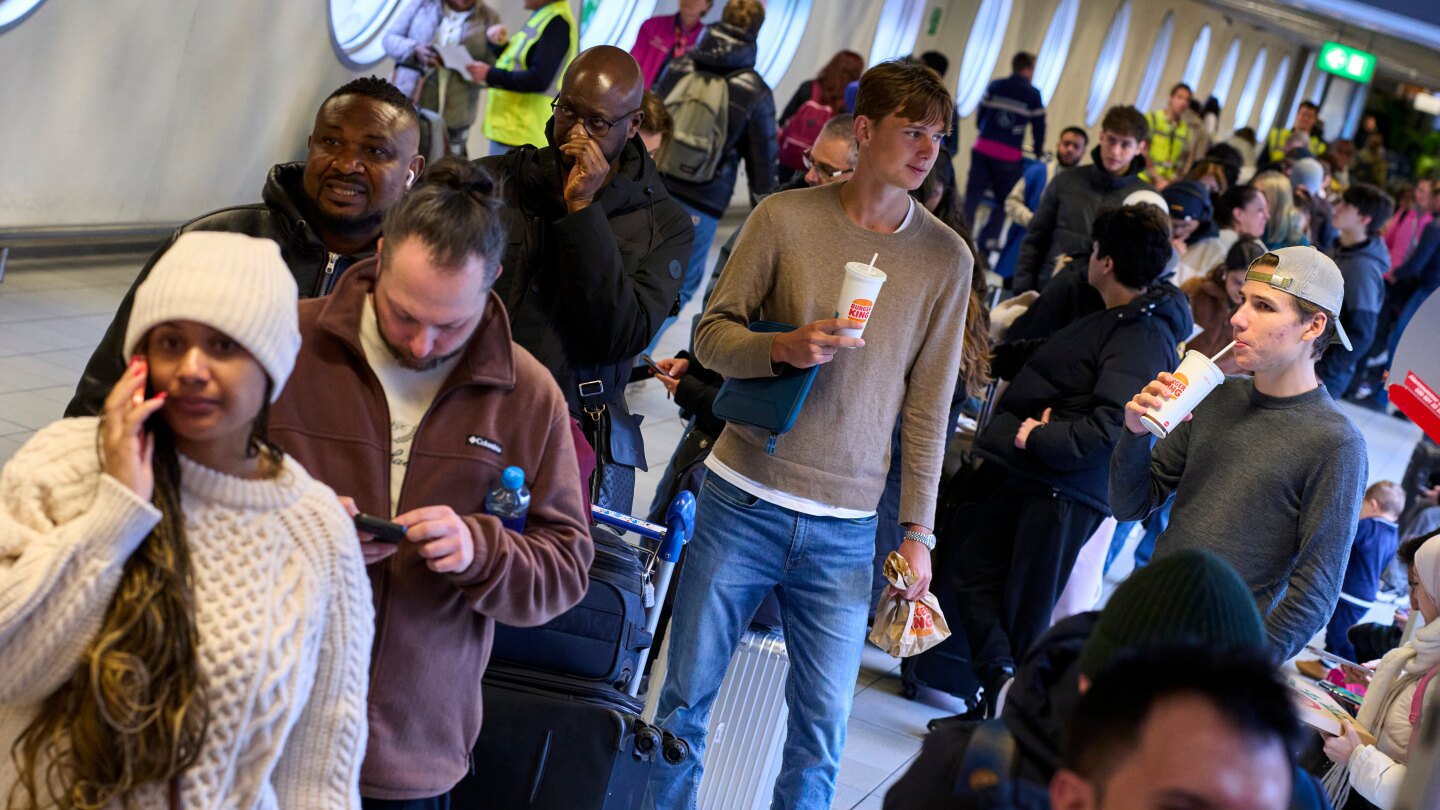
    A severe winter storm system has unleashed widespread disruption across Northern Europe, creating transport chaos from Amsterdam to Berlin. At Schiphol Airport, one of Europe’s busiest aviation hubs, more than 1,000 stranded passengers were provided emergency accommodation as authorities scrambled to clear snow-clogged runways and de-ice aircraft following the cancellation of at least 800 flights.

    The Netherlands’ transport infrastructure faced critical challenges during Wednesday’s morning rush hour, with rail operator NS urging passengers to postpone travel amid significantly reduced service. Road networks fared no better, with traffic jams extending over 700 kilometers (435 miles) as trucks skidded across icy highways and snow plows struggled to maintain clear passage.

    Paris experienced similar disruptions as snow blanketed iconic landmarks including the Eiffel Tower and Louvre Museum. French authorities implemented emergency measures including work-from-home advisories and vehicle restrictions after Meteo France issued alerts for snow and black ice. Parisian airports canceled approximately 140 flights collectively, while SNCF railways reported widespread delays and cancellations due to track conditions.

    Even typically winter-resilient Nordic nations reported significant disruptions. Gothenburg, Sweden suspended all tram services due to hazardous snow accumulation, while Helsinki, Finland experienced bus cancellations attributed to diesel vehicles failing to start in subzero temperatures and challenging road conditions.

    In a positive development for Berlin residents, power restoration commenced for thousands of households left without electricity for four days following a suspected far-left attack on high-voltage lines, providing relief during the prolonged freeze.

    Travelers like Sonja Wurmlingel, attempting to return to Argentina, faced repeated disappointments with canceled flights and uncertain alternative arrangements, highlighting the human impact of the transport crisis. KLM Airlines reported decreasing airport queues as proactive cancellation notices prevented additional passengers from arriving at already overwhelmed terminals.
  • US adds more nations, including Venezuela, to costly visa bond policy

    US adds more nations, including Venezuela, to costly visa bond policy

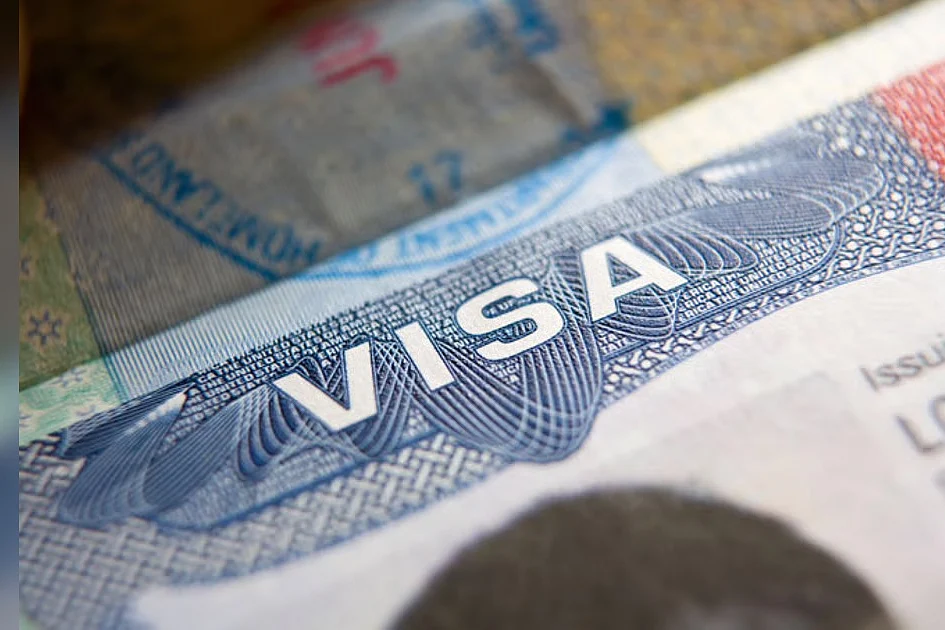
    The Trump administration has significantly expanded its controversial visa bond policy, adding 25 new countries to a list of nations whose citizens may be required to post bonds of up to $15,000 for entry into the United States. According to State Department documents published Tuesday, the updated policy now encompasses 38 countries primarily from Africa, Latin America, and South Asia, with Venezuela notably included among the newly added nations.

    The implementation timeline varies by country, with most new additions taking effect on January 21, 2026. The comprehensive list includes Algeria, Angola, Bangladesh, Benin, Cuba, Nigeria, Nepal, and Zimbabwe, among others. Venezuela’s inclusion comes amid heightened tensions following the extradition of former leader Nicolás Maduro to New York over the weekend.

    Under the program’s specifications, travelers from designated countries who are otherwise eligible for B1/B2 business or tourism visas must secure bonds ranging from $5,000 to $15,000, with the exact amount determined during visa interviews. Applicants must process these financial guarantees through the U.S. Treasury Department’s Pay.gov platform before receiving visa approval.

    This policy expansion represents the latest development in a pilot program initially launched in August with a smaller cohort of nations. Administration officials maintain that the financial bonds serve as a deterrent against visa overstays, protecting the integrity of temporary visitor programs. The State Department emphasizes that the bond amounts are refundable provided visitors comply with all visa conditions and departure requirements.

    President Trump’s immigration agenda has consistently prioritized stringent enforcement measures since taking office in January 2025. His administration has implemented an aggressive deportation strategy, revoked numerous visas and green cards, and intensified screening of immigrants’ social media presence and public statements. While human rights organizations have condemned these policies as infringements on due process and free speech, administration officials defend them as necessary security enhancements for domestic protection.

  • Nigeria’s ex-justice minister granted bail in corruption case

    Nigeria’s ex-justice minister granted bail in corruption case

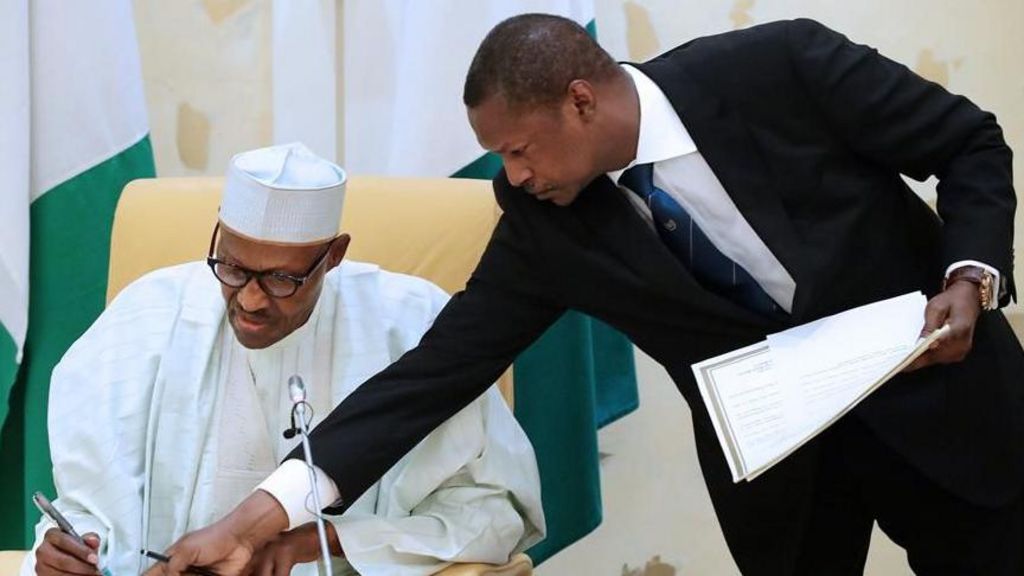
    In a significant judicial development, a Nigerian court has authorized the release on bail of former Attorney General Abubakar Malami, alongside his wife and son, amidst ongoing money laundering proceedings. The 58-year-old former minister, recognized as one of the most powerful officials in ex-President Muhammadu Buhari’s administration (2015-2023), faces sixteen counts of financial misconduct and abuse of power.

    Presiding Judge Emeka Nwite of the Federal High Court ruled Wednesday that the allegations constitute bailable offenses. The court set bail at 500 million naira (approximately $350,000) for each defendant, with additional requirements including two property-owning guarantors from designated areas of Abuja and the surrender of all travel documents.

    The case, prosecuted by Nigeria’s Economic and Financial Crimes Commission (EFCC), centers on allegations that Malami exploited his ministerial position to divert government funds for acquiring luxury properties across multiple Nigerian cities. The defendant has maintained his innocence, pleading not guilty to all charges and previously characterizing his arrest as politically motivated.

    Malami’s political trajectory adds complexity to the case. Recently, he departed the ruling All Progressives Congress (APC) to join the opposition African Democratic Congress—viewed as the APC’s primary challenger in upcoming 2027 general elections. His familial connections to former President Buhari, through marriage to Buhari’s daughter Nana Hadiza, further heighten the case’s political significance.

    This prosecution represents part of a broader anti-corruption initiative targeting former Buhari administration officials, including ex-Aviation Minister Hadi Sirika. The proceedings have been adjourned until February 17, 2025, allowing time for case preparation while the defendants remain free under court-supervised conditions.

  • US Christian leaders minister to an anxious diaspora with Venezuela’s future in flux

    US Christian leaders minister to an anxious diaspora with Venezuela’s future in flux

    Religious leaders across Venezuela and its diaspora communities are calling for prayerful reflection and reconciliation following the dramatic capture of former leader Nicolás Maduro by U.S. forces. The development has triggered complex reactions among Venezuelan communities worldwide, particularly within the United States where approximately 8 million citizens have fled since 2014.

    In South Florida, home to the nation’s largest Venezuelan expatriate community, spontaneous celebrations erupted with flag-waving demonstrations following Saturday’s military operation. However, beneath the surface celebrations lies profound uncertainty about the country’s future trajectory.

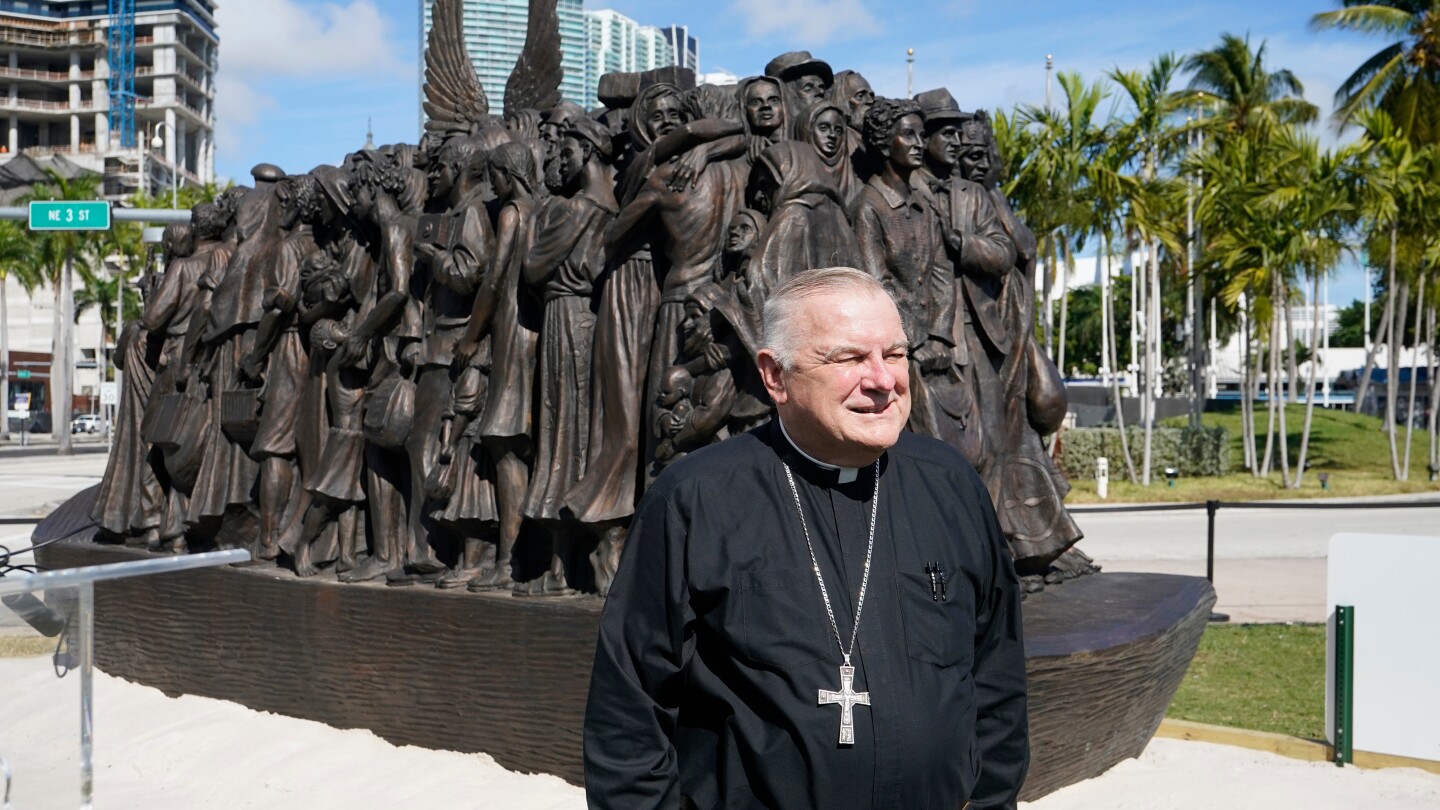
    Miami Archbishop Thomas Wenski, ministering to the significant Venezuelan population in his diocese, acknowledged the mixed emotions prevailing within communities. “People are happy because Maduro is out, but there’s still a lot of uncertainty,” Wenski stated in an interview with The Associated Press. He particularly highlighted concerns for those whose temporary protective status in the U.S. has recently been revoked, noting their anxiety about returning without genuine political transformation in Venezuela.

    The Catholic Church, which maintained tense relations with both Maduro and his predecessor Hugo Chávez, now sees an opportunity for renewed influence. Wenski emphasized the Church’s unique position as “perhaps the only institution that is independent of the government” capable of courageously addressing national issues. He referenced recent tensions exemplified by Cardinal Baltazar Porras, an outspoken government critic who had his passport confiscated by Venezuelan authorities.

    In Doral, Florida—nicknamed “Doralzuela” for its substantial Venezuelan population—Sunday services focused on prayers for peaceful transition. Reverend Israel Mago of Our Lady of Guadalupe urged congregants to pray for “a fair and peaceful transition in Venezuela, so peace and justice can reign.” Simultaneously, evangelical pastor Frank López of Jesus Worship Center expressed gratitude toward U.S. leadership while envisioning freedom spreading throughout the region.

    Similar gatherings occurred in Philadelphia, where Venezuelan communities organized special services at the Cathedral Basilica of Saints Peter and Paul. Arianne Bracho, vice president of Casa de Venezuela Philadelphia, described the emotional gathering as essential for “reaffirming our hope, our faith, to call on tranquility and calm.” Like many diaspora Venezuelans with family scattered worldwide due to prolonged crisis, Bracho acknowledged conflicted emotions about the necessary but painful transition.

    The religious response highlights how faith institutions are providing crucial emotional and spiritual anchoring during this period of geopolitical upheaval, while cautiously advocating for democratic processes and national reconciliation.

  • US, Ukraine teams tackle ‘most difficult issues’ in Russia war talks: Zelensky

    US, Ukraine teams tackle ‘most difficult issues’ in Russia war talks: Zelensky

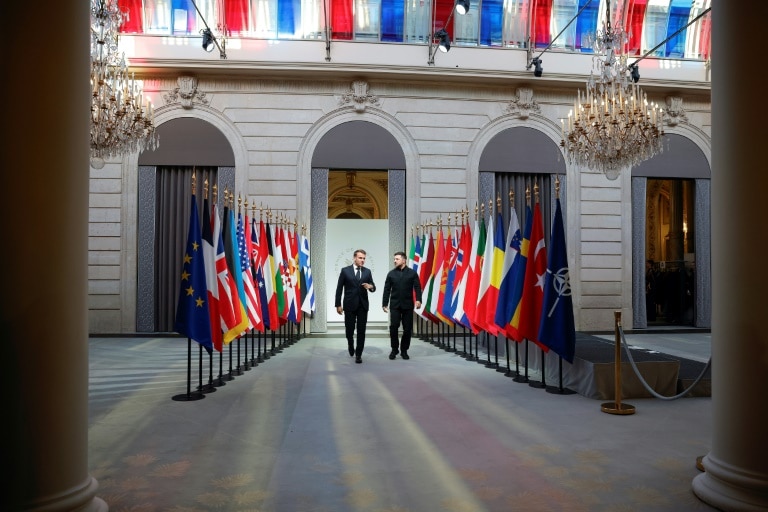
    High-stakes diplomatic negotiations between Ukrainian and United States delegations entered a critical phase in Paris on Wednesday, with both sides preparing to address the most contentious obstacles to ending Russia’s military invasion. Ukrainian President Volodymyr Zelensky confirmed that discussions would focus specifically on the status of Russian-occupied territories in eastern Ukraine and the precarious situation surrounding the Zaporizhzhia Nuclear Power Plant.

    The talks follow a significant breakthrough on Tuesday when European leaders and American envoys announced consensus on key security guarantees for Kyiv. The agreement includes a US-monitored oversight mechanism and a proposed European multinational stabilization force that would deploy following a ceasefire implementation. This development represents a notable display of Western unity despite underlying tensions regarding Venezuela and previous controversies surrounding former President Donald Trump’s geopolitical interests.

    The American delegation features Special Representative Steve Witkoff and senior advisor Jared Kushner, underscoring the White House’s direct engagement in resolving the nearly four-year conflict that has become Europe’s deadliest military confrontation since World War II. President Zelensky emphasized the necessity of continued Western pressure on Moscow, stating that ‘peace must be dignified’ and contingent upon Russia’s genuine commitment to ending hostilities.

    Kyrylo Budanov, Zelensky’s newly appointed chief of staff and former intelligence director, indicated that concrete progress has already been achieved though certain details remain confidential. The expanded negotiations now include diplomatic representatives from France, Germany, the United Kingdom, Italy, and Turkey, creating a broader international framework for potential resolution.

    Despite these diplomatic advances, military confrontations continue unabated across conflict zones, with Moscow’s official negotiating position remaining ambiguous. Russian President Vladimir Putin has consistently opposed NATO troop presence in Ukraine, presenting a significant complication for proposed international security arrangements.

  • UAE sugar tax impact: Price hike leads consumers to choose healthier options

    UAE sugar tax impact: Price hike leads consumers to choose healthier options

    The United Arab Emirates has witnessed a significant consumer behavior transformation following the implementation of its revised excise tax structure on sweetened beverages effective January 1, 2026. Retail industry leaders report a substantial market shift as price-sensitive consumers increasingly opt for healthier alternatives in response to the new tiered taxation model.

    The Federal Tax Authority’s progressive excise framework calculates levies based on sugar content rather than applying a blanket tax rate. Beverages containing less than five grams of added sugar per 100ml remain tax-exempt, while those with 5-8 grams incur AED 0.79 per liter, and drinks exceeding 8 grams face AED 1.09 per liter. Notably, products containing exclusively natural sugars or artificial sweeteners without added sugar maintain their tax-free status.

    Dr. Dhananjay Datar, Chairman of Adil Group of Supermarkets, observed that “customer purchasing patterns have demonstrably shifted since the tax implementation. Consumers are actively seeking low-sugar and zero-sugar alternatives due to both economic considerations and growing health awareness.” This behavioral change has prompted beverage manufacturers to reformulate products and expand healthier offerings to align with market demand.

    Industry executives emphasize that the new system represents a more logical approach to public health taxation. Tom Harvey, General Manager for Commercial at Spinneys Dubai, noted that the previous flat 50% excise tax has been replaced with a structure that “makes drinks with less sugar substantially more affordable for consumers,” effectively incentivizing healthier choices.

    Beyond consumer impact, the tax overhaul introduces new compliance requirements for businesses. Anurag Chaturvedi, CEO of Andersen UAE, highlighted that manufacturers must obtain certified laboratory reports to validate sugar content classifications and update product registrations within the excise framework. Robust documentation practices have become essential for maintaining regulatory compliance and avoiding audit complications.

    Market analysts anticipate sustained growth in the low-sugar beverage segment as both consumer preferences and economic incentives continue to drive the UAE’s health-conscious consumption trend.

  • How Indian schools in UAE are adjusting exam routines for students, staff ahead of Ramadan

    How Indian schools in UAE are adjusting exam routines for students, staff ahead of Ramadan

    Indian educational institutions across the United Arab Emirates are implementing sophisticated operational modifications in anticipation of Ramadan’s mid-February commencement, demonstrating how academic excellence and cultural sensitivity can coexist harmoniously. With the Islamic holy month presenting unique challenges including shortened school days and altered student energy levels due to fasting, school administrators have developed comprehensive strategies that balance academic rigor with religious observance.

    Springdales School Dubai has adopted a distinctive approach by maintaining its original examination schedule while adjusting daily operations. Principal David Jones clarified that the institution will adhere to Ramadan school timings, concluding daily activities at 12 noon throughout the examination period. The school has strategically scheduled assessments between February 16 and March 11, 2026, ensuring no conflict with the anticipated Eid break around March 19-20. Academic revision sessions will be conducted during school hours to allow fasting students adequate rest time at home.

    Gems Our Own Indian School exemplifies advanced planning methodologies, with CEO Lalitha Suresh emphasizing that examination schedules receive finalization a full year in advance. These dates receive approval from the Knowledge and Human Development Authority (KHDA) and appear in printed school diaries for family reference. The institution incorporates preparatory intervals between examination days to facilitate comprehensive student revision, creating a predictable framework that supports both academic achievement and religious observance.

    Behind the scenes, administrative teams face compressed working hours that necessitate innovative task management. Woodlem Park School in Ajman illustrates this operational adaptation, where Principal Bhanu Sharma notes that while examination dates remain unchanged, paper correction, data entry, and result analysis require redistribution across multiple abbreviated sessions. This approach maintains assessment quality while accommodating the reduced working hours characteristic of Ramadan.

    The broader context involves the Islamic lunar calendar’s annual shift of approximately 10-12 days relative to the Gregorian calendar, requiring educational institutions to maintain dynamic long-term planning. This sophisticated coordination between academic requirements and cultural traditions demonstrates how international education systems can successfully adapt to local religious practices while maintaining educational standards.

  • Watchdog halts a Japanese nuclear plant’s safety review after seismic data found to be fabricated

    Watchdog halts a Japanese nuclear plant’s safety review after seismic data found to be fabricated

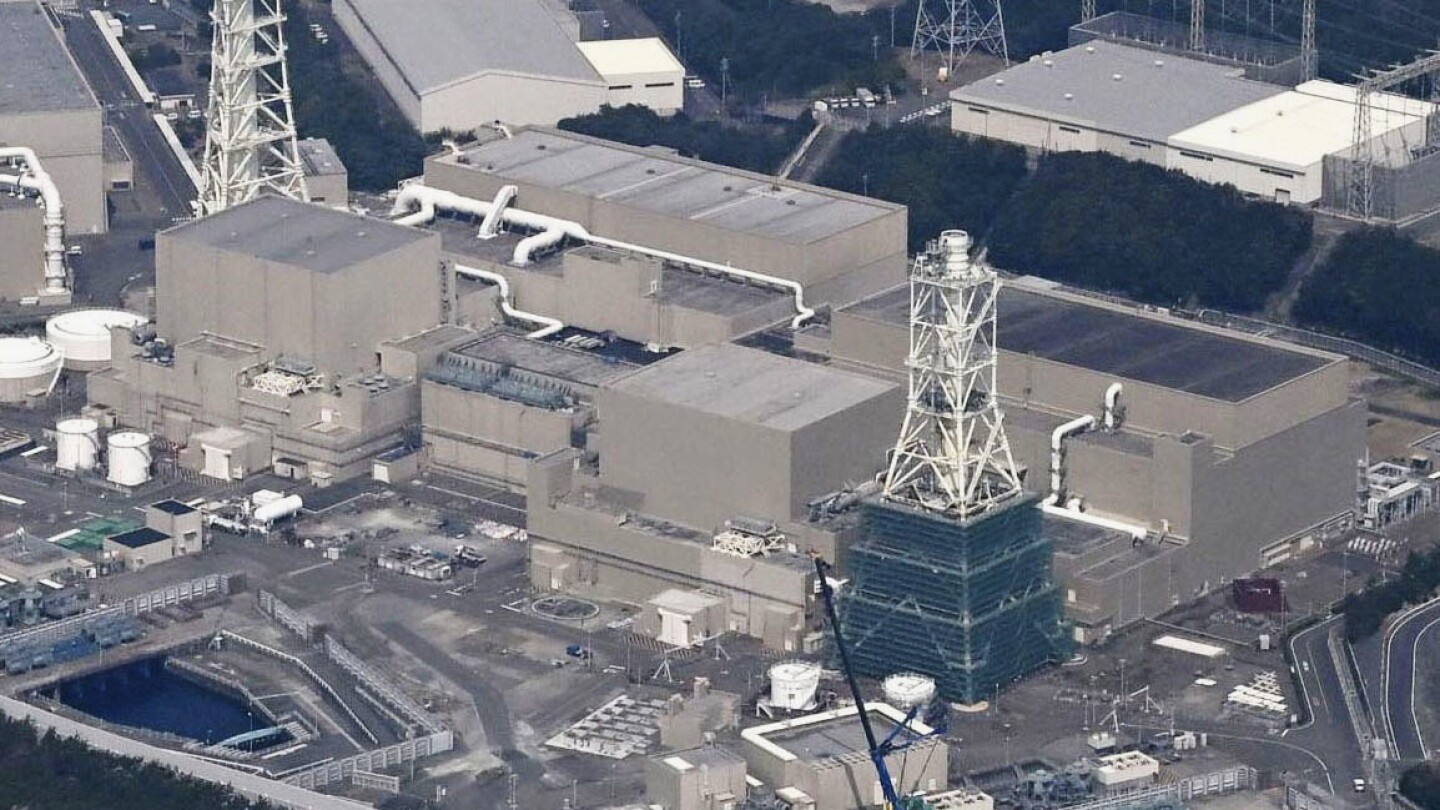
    Japan’s Nuclear Regulation Authority (NRA) has terminated the safety evaluation process for two reactors at the Hamaoka nuclear facility following revelations that the plant operator systematically manipulated seismic risk data. The decision marks a significant impediment to the nation’s efforts to expand nuclear energy utilization.

    Chubu Electric Power Company had submitted applications in 2014 and 2015 to resume operations at reactors No. 3 and 4 at the Hamaoka plant, situated approximately 200 kilometers west of Tokyo in a region historically vulnerable to massive Nankai Trough earthquakes. The facility’s two additional reactors are currently undergoing decommissioning while a fifth remains inactive.

    The regulatory investigation commenced in February after authorities received whistleblower information regarding data integrity issues. NRA Chairman Shinsuke Yamanaka confirmed the suspension of safety assessments after verifying the falsification, with Chubu Electric formally acknowledging the misconduct in mid-December. The regulatory body is now contemplating inspections at the utility’s corporate headquarters.

    Chubu Electric President Kingo Hayashi publicly admitted the improprieties on Monday, conceding that employees deliberately utilized inaccurate seismic measurements to minimize perceived earthquake risks. Hayashi offered formal apologies and committed to establishing an independent investigative panel.

    Chairman Yamanaka characterized the data manipulation as “an act of betrayal that fundamentally undermines nuclear safety principles,” emphasizing that operators bear primary responsibility for ensuring safety protocols. The NRA indicated that any future screening processes would necessitate completely restarting the evaluation procedure, with potential for outright rejection of applications.

    This development represents a substantial setback for Japan’s energy strategy, which has sought to accelerate nuclear reactor reactivation to address escalating energy expenses and carbon reduction commitments. Public sentiment remains polarized regarding nuclear power due to persistent safety apprehensions stemming from the 2011 Fukushima Daiichi nuclear disaster.

    According to NRA statistics, Japan currently operates 13 of its 57 commercial nuclear reactors, with 20 non-operational units and 24 undergoing decommissioning procedures.

  • Pope signals reform-minded priorities as his pontificate gears up

    Pope signals reform-minded priorities as his pontificate gears up

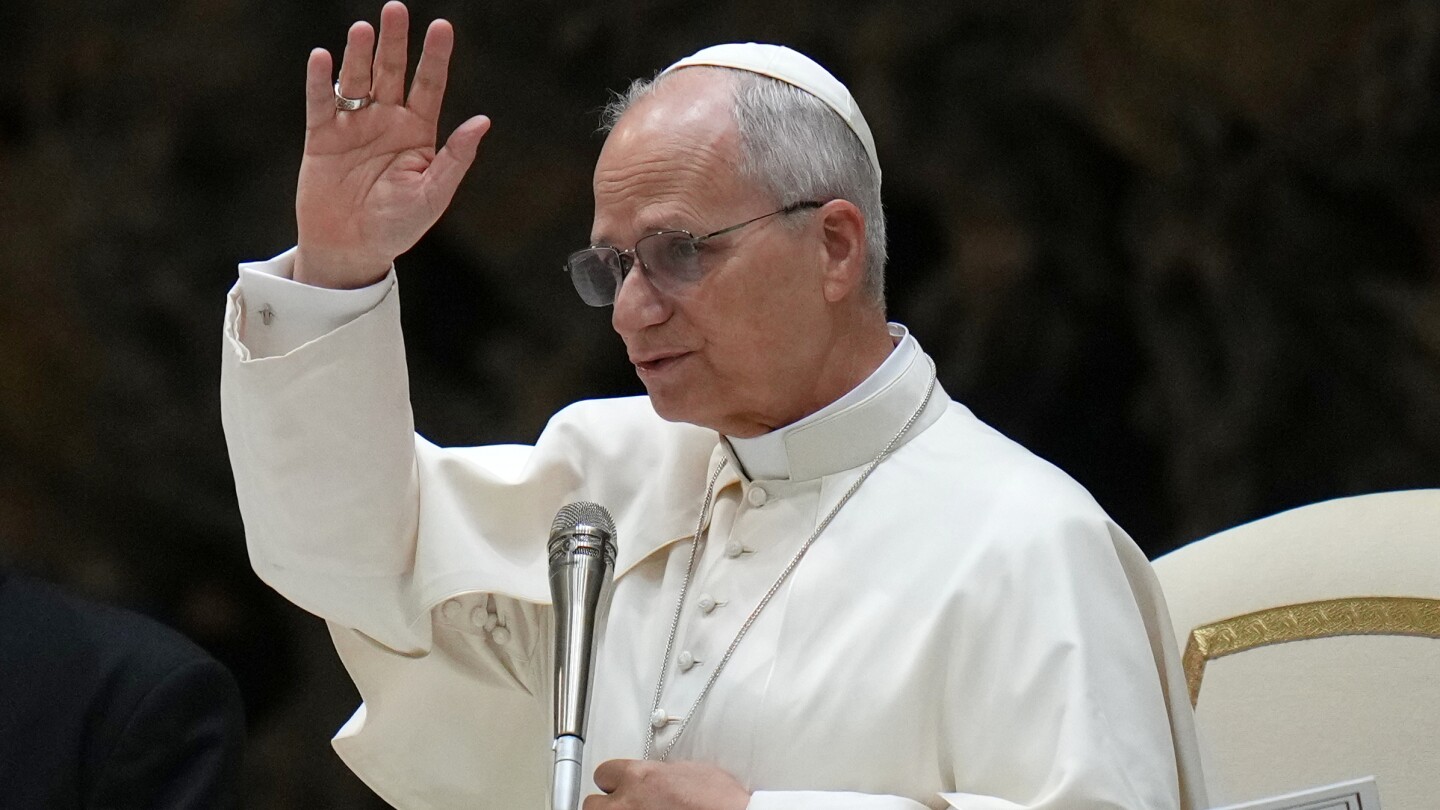
    In a significant transition marking the post-Holy Year era, Pope Leo XIV has convened the College of Cardinals in Rome, signaling a reform-oriented agenda for his evolving pontificate. The gathering, which commenced Wednesday immediately following the closure of the 2025 Jubilee celebrations, represents a strategic shift in Vatican governance approaches.

    The pontiff declared his intention to dedicate upcoming catechism lessons to reexamining core documents from the Second Vatican Council (1962-1965), describing these teachings as the enduring “guiding star” for contemporary Catholicism. This initiative addresses the passing of the generation that originally shaped Vatican II’s transformative reforms, which revolutionized Catholic liturgy through vernacular Mass, enhanced lay participation, and redefined interfaith relations.

    Leo’s two-day consistory marks a notable departure from his predecessor’s governing style. While Pope Francis relied primarily on a select group of nine cardinals for counsel, the new assembly engages the broader College—a move responding to previous criticisms about centralized decision-making within the 1.4-billion-member global church.

    The agenda features critical examination of Francis’s key documents, including his foundational pontifical mission statement and the 2022 Curia reform constitution. Discussions will also address synodal processes for greater lay responsiveness and liturgical practices—particularly tensions surrounding the traditional Latin Mass that Francis had restricted to prevent denominational fractures.

    With 245 cardinals worldwide (approximately half under the conclave-voting age of 80), the assembly demonstrates Leo’s reconciliatory approach. This was further evidenced by his scheduled audience with Cardinal Joseph Zen, the 93-year-old conservative critic of Francis’s China policies who had long sought papal audience.

    The consistory’s stated purpose emphasizes “common discernment” to support the pontiff’s governance responsibilities, suggesting a more collaborative leadership model for the Catholic Church’s future direction.

  • Global guests discuss sustainable development in Harbin

    Global guests discuss sustainable development in Harbin

    Harbin’s unique fusion of winter artistry and technological innovation provided the backdrop for critical sustainability discussions as mayors from across the globe gathered for the Global Mayors Dialogue on January 7, 2026. The event, hosted at the prestigious Harbin Institute of Technology, saw city leaders explore the institution’s aerospace museum—a symbolic venue where frozen sculptures coexist with space exploration technology.

    The dialogue focused on developing practical strategies for urban centers to drive sustainable development initiatives. Against the striking contrast of Harbin’s famous ice artworks and cutting-edge technological displays, participants exchanged insights on addressing environmental challenges while maintaining economic growth. The location choice emphasized the importance of blending cultural heritage with innovation in creating sustainable urban futures.

    Delegates examined how cities can implement green technologies, reduce carbon footprints, and develop climate-resilient infrastructure. The discussions highlighted the role of educational institutions like Harbin Institute of Technology in providing research and technological solutions to urban sustainability challenges. The mayors also shared best practices from their respective cities, creating a framework for international cooperation on sustainable urban development.

    The event underscored the growing recognition that cities—as centers of population density and economic activity—must lead the transition toward more sustainable living models. Participants committed to establishing ongoing collaboration channels to continue sharing knowledge and implementing the strategies developed during the dialogue.