博客

  • Russian attacks leave two regions with widespread blackouts, Ukraine says

    Russian attacks leave two regions with widespread blackouts, Ukraine says

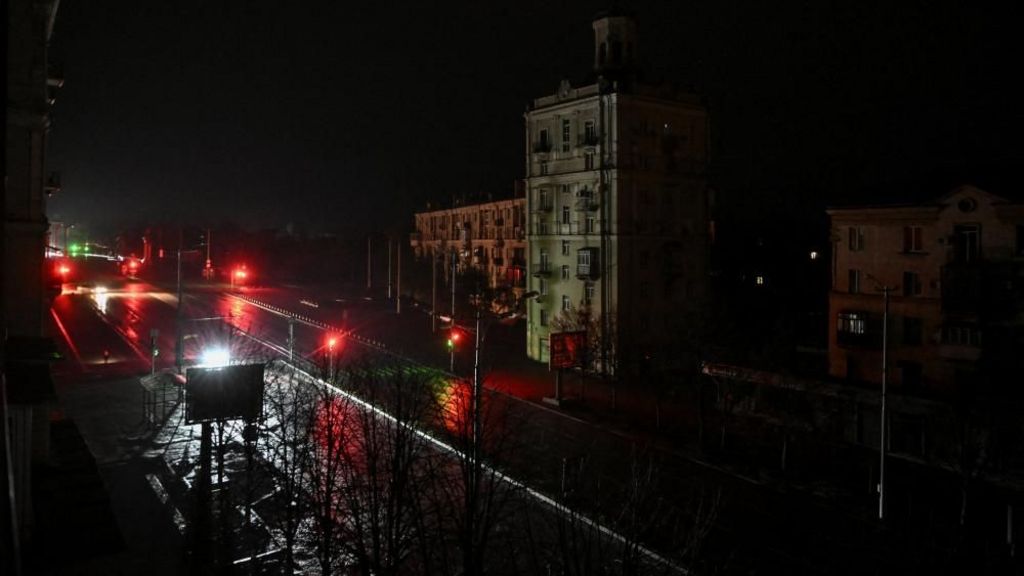
    Ukrainian energy infrastructure faced devastating attacks from Russian forces on Wednesday, leaving the southeastern regions of Dnipropetrovsk and Zaporizhzhia in near-total darkness. The assault has triggered widespread power outages, water supply disruptions, and internet failures during one of the harshest winter periods.

    According to Ukraine’s energy ministry, critical infrastructure facilities are now operating on emergency backup power. Prime Minister Yulia Svyrydenko confirmed that energy workers are battling extremely challenging conditions to maintain basic services. ‘Ukraine’s energy system is under enemy attacks every day,’ she stated on Telegram, emphasizing the additional strain from deteriorating weather conditions.

    Temperatures have plunged across affected regions, compounding the humanitarian crisis. State energy company Ukrenergo announced that restoration efforts would commence immediately once security conditions permit, with priority given to critical infrastructure. Dnipro city hospitals have been completely transitioned to generator power, while water drainage systems rely on alternative energy sources.

    The educational sector has also been impacted, with school holidays extended until January 9 due to the power crisis. Regional officials including Zaporizhzhia administration head Ivan Fedorov reported that utility workers are making maximum efforts to restore services despite the complete blackout.

    DTEK, Ukraine’s largest private energy provider serving 5.6 million citizens, operates in permanent crisis mode according to CEO Maxim Timchenko. In recent BBC comments, he revealed that attack intensity has reached unprecedented levels: ‘We just don’t have time to recover.’ The company has faced repeated assaults using drones, cruise missiles, and ballistic missiles as the fourth anniversary of Russia’s full-scale invasion approaches.

    The energy crisis unfolds alongside diplomatic developments, with Ukrainian President Volodymyr Zelensky expressing concerns about inadequate security guarantees from European allies. Recent talks in Paris resulted in the UK and France signing a declaration of intent regarding potential troop deployments if a peace agreement with Russia materializes—a move Moscow has warned would make foreign forces ‘legitimate targets.’
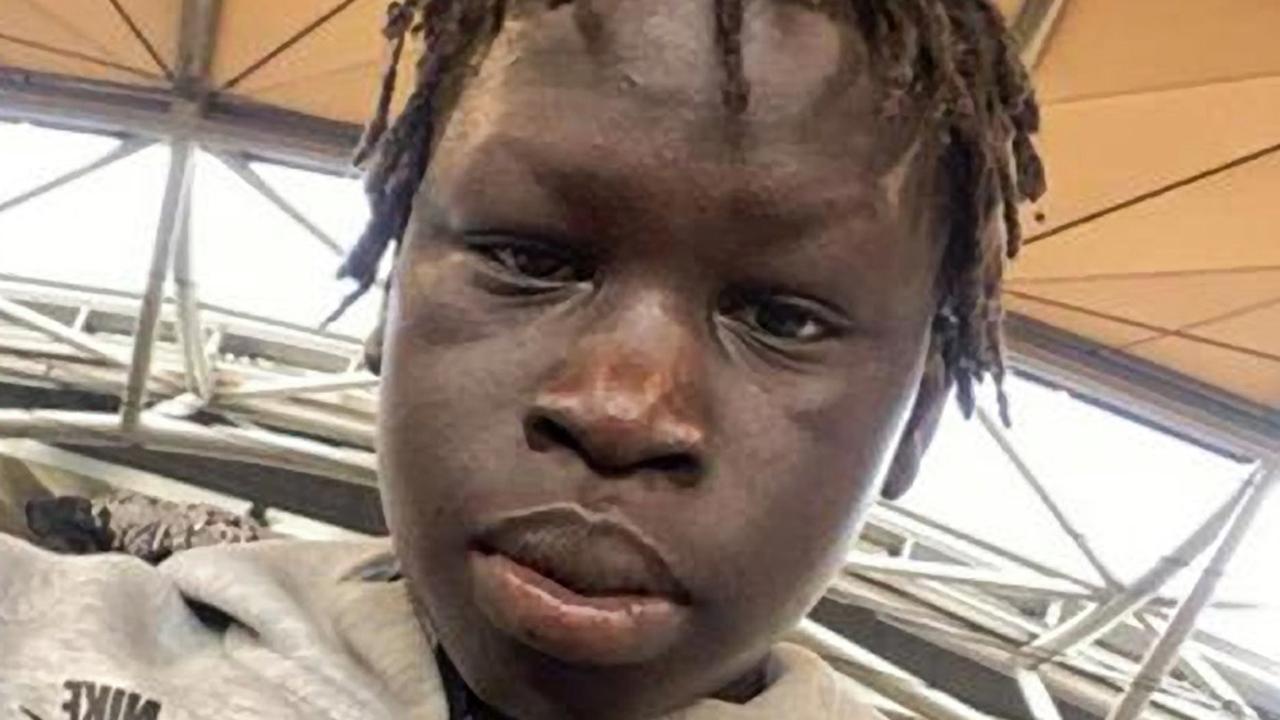

  • More murder charges for teens involved with Machete murders of two children

    More murder charges for teens involved with Machete murders of two children

    Australian authorities have significantly expanded charges in a devastating double homicide case, now prosecuting eight teenagers for the brutal machete killings of two Sudanese Australian boys in Melbourne last September. The victims, identified as 15-year-old Dau Akeung and 12-year-old Chol Achiek, were ambushed while returning from a basketball game in Cobblebank, Melbourne’s western suburbs, on September 6, 2025.

    Court proceedings have revealed shocking new details about the attack’s motivation. According to lead detectives, the teenagers allegedly targeted Dau and Chol as retaliation for the December 2024 stabbing death of 18-year-old Kon Hsu Sein in the neighboring suburb of Kurunjang. That earlier incident, described by police as a massive brawl involving approximately 40 youths, resulted in five individuals from the predominantly South Sudanese GDG gang facing murder charges.

    The prosecution presented disturbing forensic evidence indicating extreme violence. Crown prosecutor Kristie Churchill disclosed during court appearances that Dau sustained 72 separate blade injuries in the attack, with both victims allegedly slashed to death using machetes and other long-edged weapons.

    All eight accused, whose identities remain protected due to their status as minors, now face charges for both murders. The youngest suspect was merely 15 years old at the time of arrest. Initial bail applications have met with strong opposition from prosecutors, with Dau’s family reportedly “terrified” at the prospect of the accused being released and having sought relocation from Cobblebank due to safety concerns.

    Victoria Police Assistant Commissioner Martin O’Brien characterized the investigation as “exhaustive and complex,” noting the case has “attracted significant community interest.” He emphasized that the victims were “completely unknown” to local youth gangs according to court testimony, suggesting they were targeted specifically because they were young Sudanese males.

    The tragedy has sparked widespread grief across Melbourne’s communities. Family members remembered Dau as a passionate basketball player from Fitzroy and Collingwood, describing him as an “annoying but loyal” brother with exceptional kindness and musical talents. His father publicly declared his son was “a basketball player, not a criminal.”

    All defendants remain in police custody awaiting further court proceedings, with the case continuing to develop as additional evidence emerges.

  • Reality TV star Spencer Pratt announces run for LA mayor

    Reality TV star Spencer Pratt announces run for LA mayor

    Former reality television personality Spencer Pratt has officially declared his candidacy for mayor of Los Angeles, positioning himself as an outsider challenging the political establishment. The announcement came during a emotionally charged rally marking the one-year anniversary of the devastating Palisades Fire that consumed his family home.

    Pratt, 42, addressed gathered residents at the ‘They Let Us Burn’ protest, delivering a scathing critique of current city leadership’s handling of the catastrophic wildfires that swept through Los Angeles in January 2025. The Pacific Palisades blaze, which ignited on January 7th, was followed hours later by the Eaton Fire on the city’s opposite side, collectively claiming 31 lives and destroying over 16,000 residential and commercial properties.

    The celebrity-turned-candidate documented his formal campaign filing process through Instagram, though official registration remains pending. In his rally speech, Pratt characterized conventional politics as ‘a death sentence for Los Angeles’ and declared his intention to ‘expose the system’ by investigating ‘every dark corner of LA politics.’

    Pratt and his wife, fellow reality star Heidi Montag, lost their Pacific Palisades residence in the inferno, an experience that transformed the television personality into a vocal critic of Mayor Karen Bass and California Governor Gavin Newsom’s disaster response efforts.

    Despite his celebrity status from MTV’s ‘The Hills’ and subsequent reality appearances, Pratt enters the political arena as a first-time candidate facing significant challenges in June’s non-partisan primary. He joins a crowded field that includes incumbent Mayor Bass, who defeated real estate magnate Rick Caruso in 2022 and now seeks re-election alongside more than a dozen other contenders.

  • A new Bollywood film spotlights a forgotten India-China battle

    A new Bollywood film spotlights a forgotten India-China battle

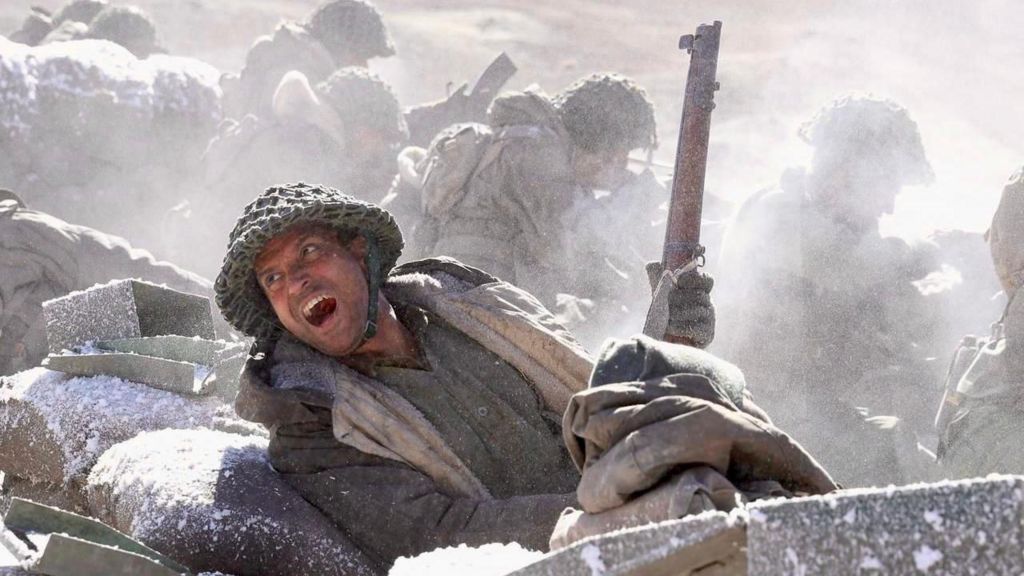
    A new Bollywood production titled ‘120 Bahadur’ (Hindi for ‘120 Bravehearts’) has brought renewed attention to one of the most heroic yet overlooked engagements of the 1962 Sino-Indian War. Starring Farhan Akhtar as Major Shaitan Singh, the film dramatizes the legendary last stand of Indian soldiers at the Rezang La pass in Ladakh’s freezing Himalayan heights.

    Despite underperforming commercially, the cinematic portrayal has successfully highlighted what military historians consider the only redeeming chapter in an otherwise disastrous conflict for India. Dialogue writer Sumit Arora explained the production’s motivation: ‘We felt it was profoundly important to tell this story and honor those who lived it. While taking some cinematic liberties, our film remains fundamentally faithful to historical events.’

    The historical context reveals deepening tensions between the neighboring nations, fueled by border disputes and India’s granting of asylum to the Dalai Lama following the 1959 Tibetan uprising. China’s month-long offensive, which it characterized as a ‘self-defense counter-attack,’ resulted in devastating losses for India—approximately 7,000 casualties and 38,000 square kilometers of territory surrendered before China’s unilateral ceasefire.

    The Battle of Rezang La, fought at 16,000 feet on November 18, 1962, saw 120 soldiers from the Charlie Company of the 13 Kumaon battalion face overwhelming Chinese forces estimated at 3,000 troops. Despite being poorly equipped with semi-automatic rifles and limited ammunition, and lacking proper cold-weather gear, the company mounted an extraordinary defense from 3:30 AM to 8:15 AM.

    Tragically, initial reports of their valor were met with skepticism by military command amid the broader defeat. As author and former naval officer Kulpreet Yadav notes, ‘Morale was catastrophically low following the war’s outcome, with thousands captured as prisoners—including a brigadier. Nobody believed such a heroic last stand was possible.’

    The truth emerged three months later when a shepherd discovered the frozen battlefield—bodies preserved in snow, destroyed bunkers, and empty shell casings telling the story of the ferocious engagement. Only five soldiers survived. Major Singh received posthumously India’s highest military honor, the Param Vir Chakra, while twelve others were awarded gallantry medals.

    Journalist Rachna Bisht’s research reveals heartbreaking details: soldiers from plains regions had never experienced snow, suffered from altitude sickness, and fought in inadequate clothing against temperatures of -24°C. Survivor accounts describe Major Singh, despite multiple stomach wounds, continuing to command until ordering his subordinates to leave him behind.

    The company’s sacrifice prevented Chinese forces from capturing the strategically vital Chushul airstrip, potentially altering the map of Ladakh significantly. Today, the pass remains disputed territory, but the soldiers’ legacy endures through memorials, renamed military units, and now through cinematic tribute—ensuring that what Bisht calls ‘great glory achieved in a war mostly remembered with shame’ is not forgotten.

  • Watch: UAE Minister attends Christmas celebration at Abu Dhabi’s Coptic Orthodox Church

    Watch: UAE Minister attends Christmas celebration at Abu Dhabi’s Coptic Orthodox Church

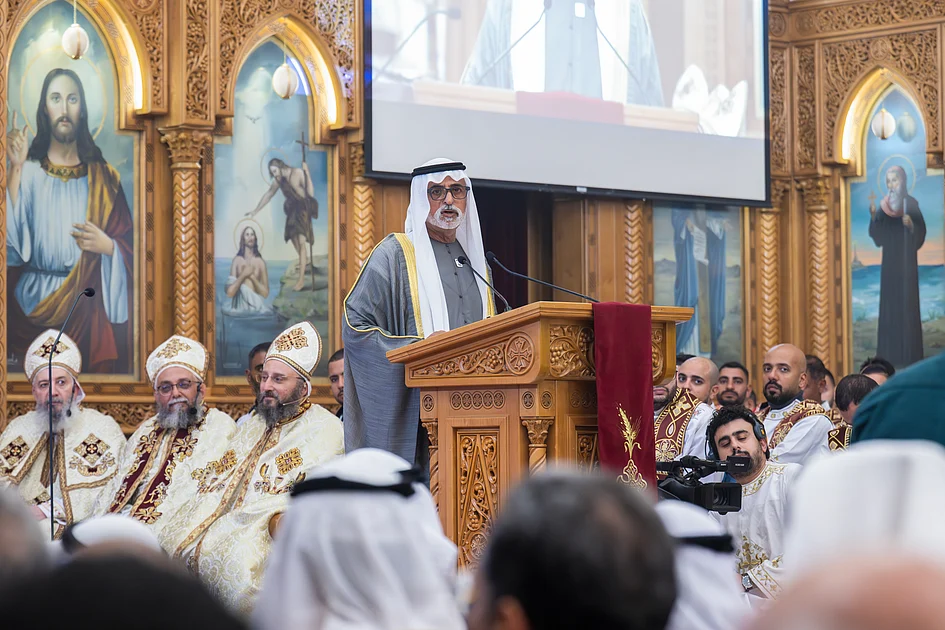
    In a powerful demonstration of religious harmony, Sheikh Nahyan bin Mubarak Al Nahyan, UAE Minister of Tolerance and Coexistence, attended Christmas celebrations at Abu Dhabi’s Coptic Orthodox Church on January 6, 2026. The event marked a significant moment in the nation’s ongoing commitment to interfaith dialogue and cultural diversity.

    The minister’s participation in the traditional Christmas observance highlighted the UAE’s distinctive approach to fostering mutual respect among different religious communities. During his address, Sheikh Nahyan extended warm Christmas greetings to congregants and conveyed special regards to His Holiness Pope Tawadros II, Pope of Alexandria and Patriarch of the Coptic Orthodox Church.

    Father Bishoy Fakhry, Pastor of St. Anthony’s Cathedral in Abu Dhabi, expressed profound appreciation for the UAE leadership’s consistent promotion of tolerance values. He noted that the minister’s presence symbolized the country’s deeply ingrained principles of religious acceptance and human fraternity.

    Sheikh Nahyan’s speech emphasized the UAE’s pride in its authentic Islamic heritage that actively encourages respect among all faith traditions. “We present to the world a distinguished model of human tolerance and peaceful coexistence for the benefit of all,” he stated, underscoring the nation’s vision of building a cohesive society through interreligious understanding.

    The minister further articulated how prayer and spiritual reflection serve as essential components in creating robust social frameworks. He characterized the Christmas celebration as evidence of the UAE’s conviction that diverse religious practices contribute significantly to national strength and global harmony.

    This gathering also highlighted the strong bilateral relations between Egypt and the UAE, with Sheikh Nahyan describing the event as a living embodiment of the flourishing connection between the two nations. He extended messages of peace and fraternity to the Egyptian community residing in the UAE and expressed optimism for continued progress in inter-Arab cooperation.

    The Christmas celebration at the Coptic Orthodox Church stands as a testament to the UAE’s evolving social landscape, where religious diversity is not merely tolerated but actively embraced as a cornerstone of national identity and international diplomacy.

  • NSW Premier Chris Minns accused of ‘mixed messages’ after ‘globalise the Intifada’ arrest

    NSW Premier Chris Minns accused of ‘mixed messages’ after ‘globalise the Intifada’ arrest

    New South Wales Premier Chris Minns is confronting accusations of delivering contradictory directives to law enforcement regarding potential bans on the phrase “globalise the Intifada.

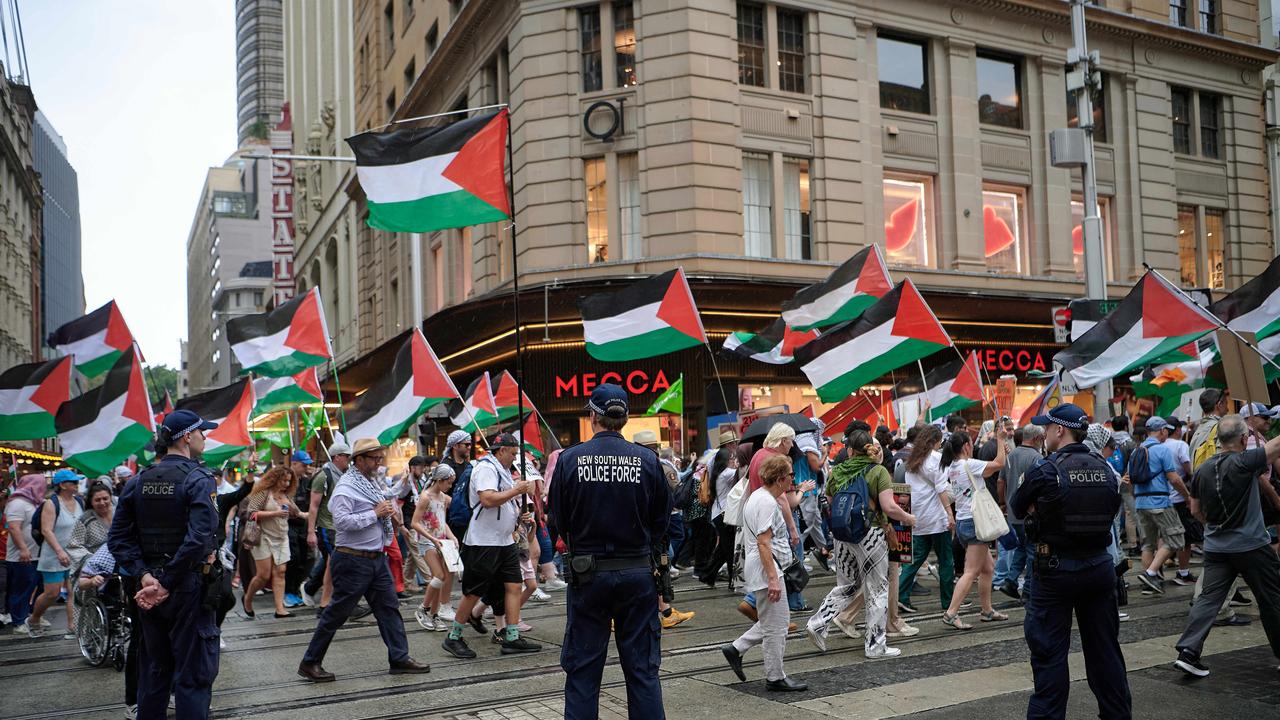
    The controversy emerged following the arrest and subsequent release of a 53-year-old woman during a Sydney CBD protest. The individual was detained for wearing apparel displaying the contentious expression but was later freed without formal charges. NSW Police have confirmed their investigation into the incident remains active.

    This event has ignited debate over proposed reforms to hate speech legislation, which Premier Minns has advocated following the Bondi Beach terror attack. The government is contemplating outlawing the phrase, drawing inspiration from similar enforcement actions observed in London.

    Greens MLC and Law and Justice Spokesperson Sue Higginson criticized the Premier’s approach, stating: “Leaders and premiers shouldn’t send signals and messages about law and order without playing clear, firm attention to the actual laws in NSW.” She emphasized that approximately 19,000 uniformed officers receive these “significantly poor and mixed messages” while attempting to perform their duties.

    The phrase itself has become a flashpoint in free speech debates. While some Jewish groups contend the term “Intifada” promotes violence, others note its Arabic translation simply means “shaking off” and originates from popular uprisings in Palestinian territories.

    Sydney Law School’s Professor of Criminal Law Tyrone Kichengast warned that such legislation might encroach upon constitutional rights to political communication. He noted that a legal challenge to NSW’s anti-protest laws is already progressing toward the Supreme Court, with potential implications for nationwide jurisprudence.

    The state government has initiated a parliamentary inquiry into expanding hate speech legislation, with findings expected by January 31. Police Minister Yasmin Catley assured that officers would receive necessary training, while critics question whether sufficient guidance has been provided during this transitional period.

  • Starc dismisses Bethell for 154 as England sets Australia 160 to win final Ashes test

    Starc dismisses Bethell for 154 as England sets Australia 160 to win final Ashes test

    SYDNEY — A dramatic morning session at the Sydney Cricket Ground saw Mitchell Starc dismantle England’s tail-end resistance, setting Australia a challenging but achievable target of 160 runs to claim victory in the fifth and final Ashes test.

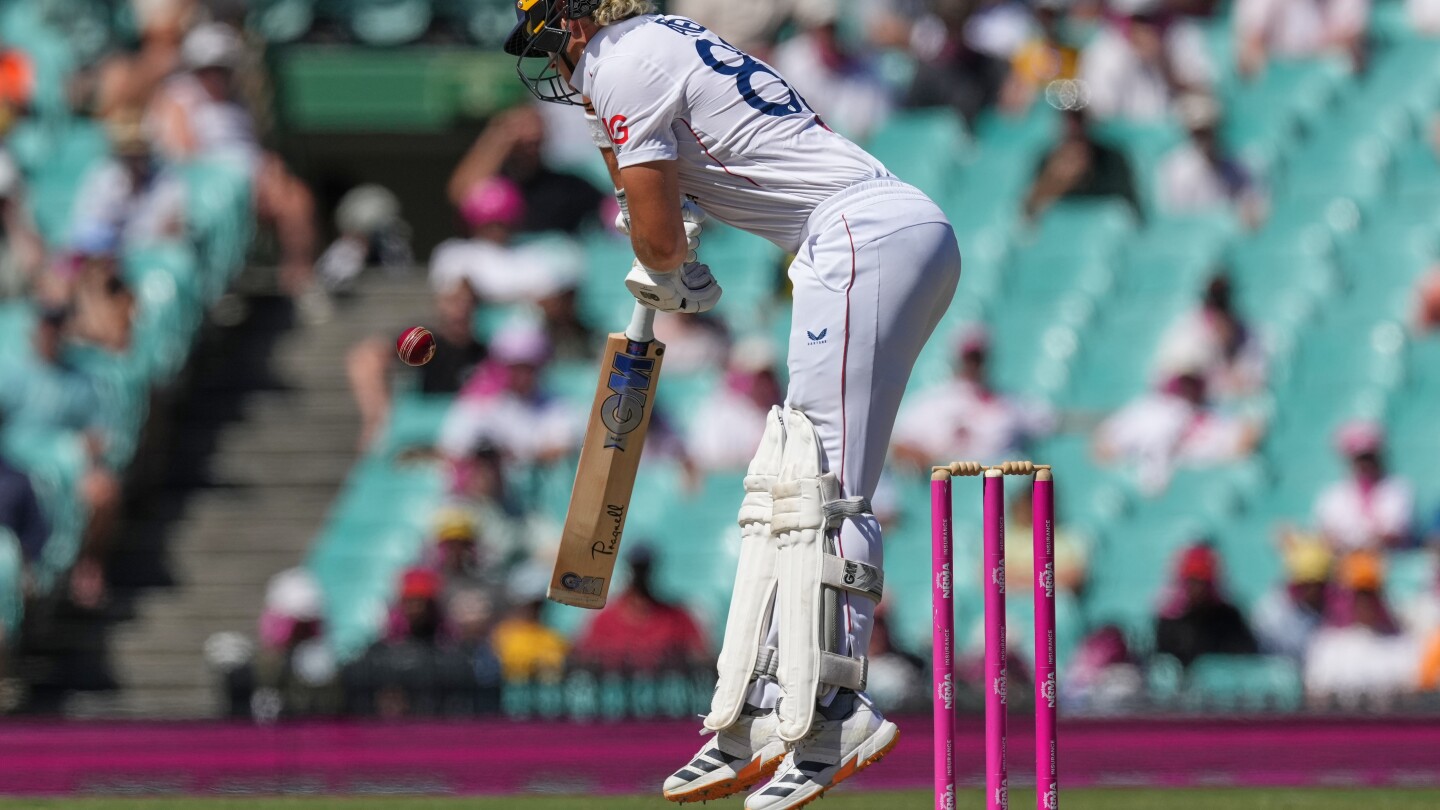
    England resumed Day 5 at 302-8, holding a slender lead of 119 runs, with their hopes largely resting on young batsman Jacob Bethell, who resumed his innings at 142. The 22-year-old Barbados-born player added just 12 more runs to his overnight score before falling to Starc’s relentless pace attack, caught behind after a magnificent 265-ball innings that spanned six and a half hours.

    Australia’s bowling unit immediately capitalized on the new ball, with Starc and Scott Boland creating significant problems for the English batsmen. Bethell experienced a brief reprieve at 151 when he successfully reviewed an lbw decision against Boland, with DRS technology indicating the ball would have sailed over the stumps.

    Starc’s clinical performance continued as he cleanly bowled Josh Tongue for just 6 runs, wrapping up England’s innings at 342 and finishing his own remarkable series with 31 wickets at an average of 19.9.

    The match now hangs in balance as Australia prepares for what promises to be a tricky run chase on a deteriorating pitch showing variable bounce. England faces additional challenges with captain Ben Stokes nursing an injury that may limit his bowling capabilities in the decisive final innings.

    Despite Australia having already retained the Ashes urn with victories in the first three tests, England remains determined to narrow the series margin following their drought-breaking win in Melbourne.

  • Trump invites Colombian president to White House days after threatening it with military strike

    Trump invites Colombian president to White House days after threatening it with military strike

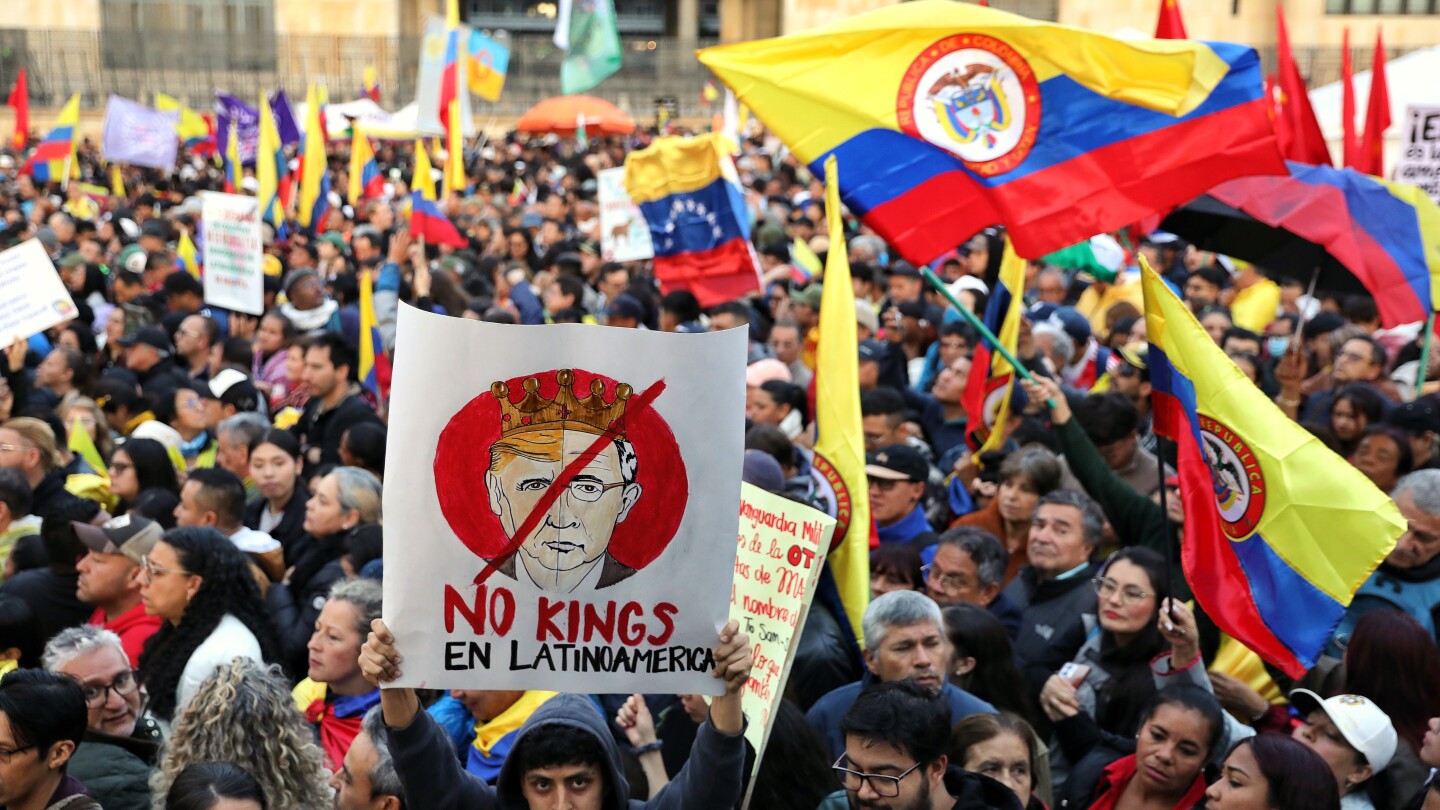
    In a striking diplomatic reversal, former President Donald Trump has publicly lauded Colombian leader Gustavo Petro following a previously contentious relationship. The abrupt shift occurred Wednesday evening when Trump announced via his social media platform that the two heads of state had engaged in a productive telephone conversation regarding bilateral concerns.

    Trump characterized the exchange as ‘a Great Honor,’ revealing that President Petro initiated the call to address ongoing disputes, particularly surrounding narcotics trafficking and other contentious issues between the nations. The former president notably commended his counterpart’s diplomatic approach, stating he ‘appreciated his call and tone’ during their discussion.

    This conciliatory gesture marks a dramatic departure from Trump’s rhetoric earlier this week, when he asserted Colombia was ‘very sick’ under Petro’s leadership and made unsubstantiated allegations regarding the president’s personal involvement in cocaine distribution to American markets. Those remarks came in response to U.S. military operations in neighboring Venezuela, with Trump suggesting potential intervention in Colombia might be warranted.

    The newly announced White House invitation signals potential normalization of relations between the conservative former president and Colombia’s first leftist leader. Both parties have expressed anticipation for the forthcoming meeting, though specific dates remain unconfirmed at this time.

  • How tariff disruption will continue reshaping the global economy in 2026

    How tariff disruption will continue reshaping the global economy in 2026

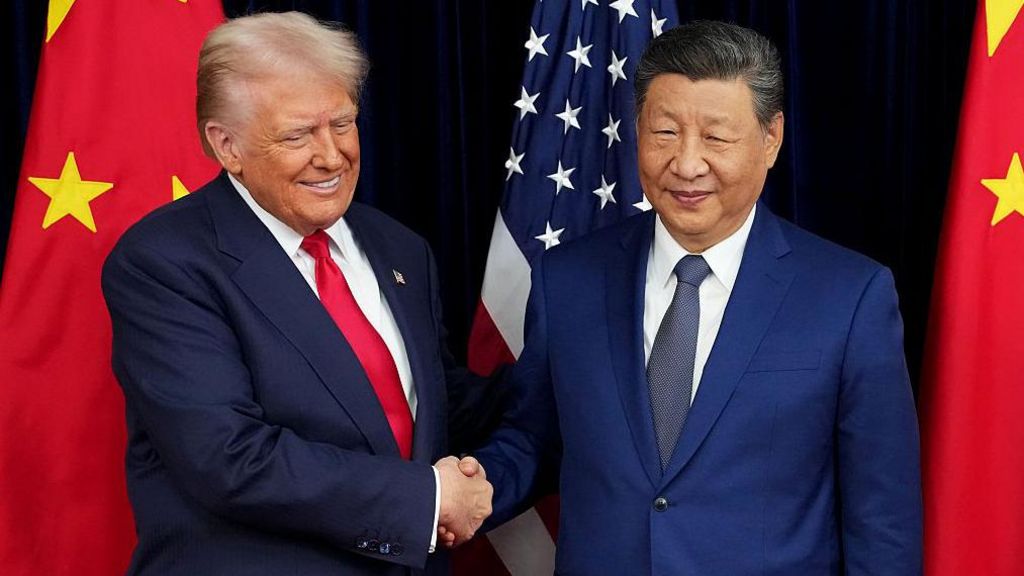
    The global economic landscape continues to be reshaped by Trump administration tariffs as the world anticipates the April summit between President Trump and China’s Xi Jinping. While Trump maintains that tariffs have boosted U.S. jobs, wages, and economic growth, international economists present a more nuanced assessment of their worldwide impact.

    The International Monetary Fund has revised its 2026 global growth forecast downward to 3.1%, citing trade tensions as a contributing factor. IMF head Kristalina Georgieva characterized the situation as “better than we feared, worse than it needs to be,” noting that current growth rates remain insufficient to meet global aspirations for improved living standards.

    According to Maurice Obstfeld, former IMF chief economist now with the Peterson Institute, the global economy avoided worst-case scenarios primarily because most nations refrained from aggressive retaliation against U.S. tariffs. China’s forceful response did prompt quick U.S. concessions, preventing full-scale trade disaster. Nevertheless, after five negotiation rounds, the world’s two largest economies maintain more trade restrictions than when Trump began his second term.

    The economic consequences have been multifaceted: increased business costs, investment uncertainty, and efficiency losses that accumulate over time. These effects have been partially offset by lower interest rates, dollar depreciation, creative corporate workarounds, and extensive tariff exemptions. This complex dynamic helps explain why UNCTAD reported global trade values reached over $35 trillion in 2025 despite the tensions.

    U.S. economic performance shows resilience with 4.3% growth in the third quarter of 2025—the strongest in two years. Bank of America senior economist Aditya Bhave attributes 0.3-0.5% of U.S. inflation to tariffs, noting that the full impact may not yet be realized in the consumer-driven economy that constitutes 26% of global GDP.

    Beyond U.S.-China relations, other significant trade developments include the potential renegotiation of the USMCA agreement, EU member states’ vote on a South American trade deal, and an impending U.S. Supreme Court ruling on tariff legality.

    Commodity markets also factor into the economic equation, with Goldman Sachs predicting an 8% decline in Brent crude prices to approximately $56 per barrel due to robust U.S. and Russian production. Meanwhile, Red Sea shipping disruptions linked to regional conflicts have forced rerouting around Africa, increasing transport costs.

    As preparation continues for the April summit, American Chamber of Commerce in China chair James Zimmerman notes that while expectations remain modest, sustained dialogue is crucial. Key issues extend beyond tariffs to include rare earth metals sourcing, semiconductor access, Chinese manufacturing overcapacity, and EU concerns about growing dependence on cheap Chinese imports.

    Despite Trump’s emphasis on reindustrialization, U.S. manufacturing employment has slightly declined to just under 12.7 million since his second term began. Obstfeld suggests that consumer resilience and massive AI investments—not tariffs—have primarily driven stock market highs and economic growth, indicating that trade restrictions will likely remain a persistent feature of policy discussions.

  • ‘Miracle’: Former Test cricketer Damien Martyn released from hospital after major health scare

    ‘Miracle’: Former Test cricketer Damien Martyn released from hospital after major health scare

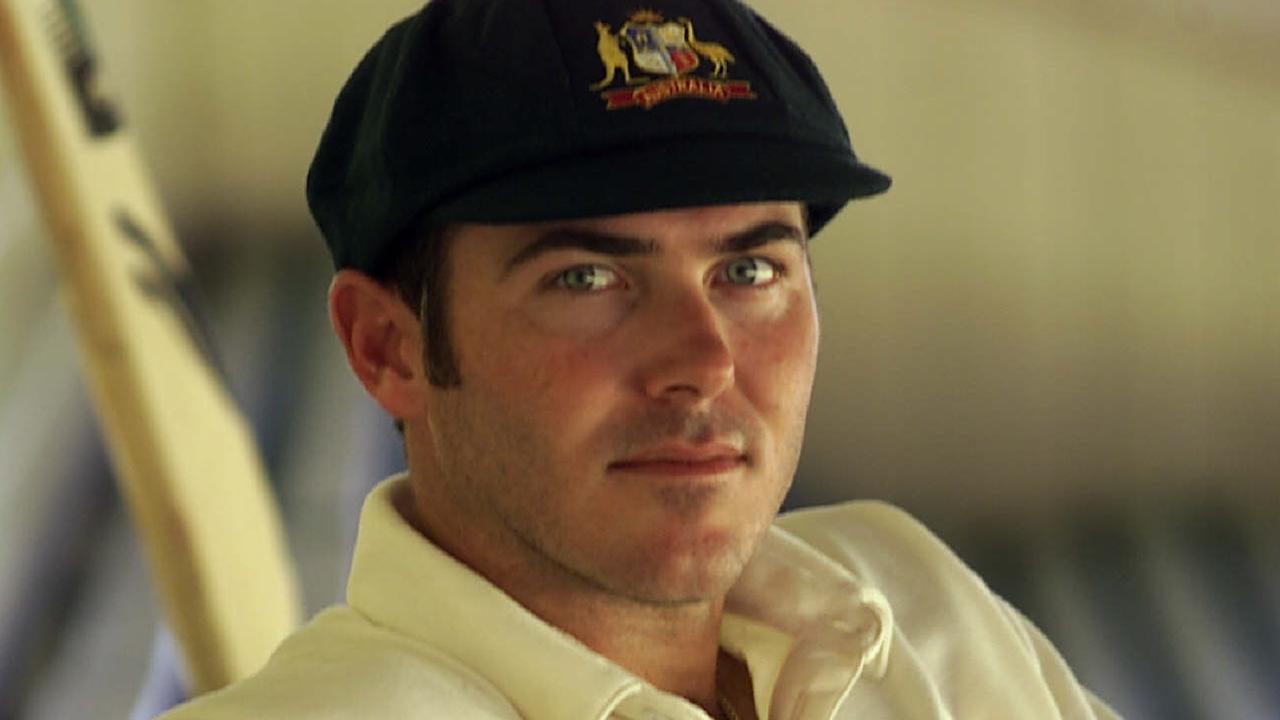
    Australian cricket legend Damien Martyn has achieved a remarkable medical milestone following his discharge from hospital after battling a severe meningitis infection that required an induced coma. The 54-year-old former Test batsman, who represented Australia in 67 matches, faced a critical health crisis last month that prompted emergency hospitalization and intensive medical intervention.

    Martyn’s recovery progress received glowing endorsement from his former national teammates during Kayo Sports’ Ashes coverage. Wicketkeeping great Adam Gilchrist delivered the encouraging update, confirming Martyn’s release from medical care while acknowledging the ongoing nature of his recovery journey. “The wonderful news is that he has been released from hospital,” Gilchrist announced. “He’s still got a bit of a journey to go to be fully recovered, but it’s terrific and wonderful to know he’s back home.”

    Fellow cricketing icon Mark Waugh characterized the positive development as “almost a miracle,” recalling the gravity of Martyn’s condition during his intensive care unit stay. Medical professionals attributed the successful intervention to the exemplary response from ambulance personnel who provided critical initial treatment. According to Gilchrist, medical staff emphasized that the prompt and precise actions of first responders effectively contained the infection during its crucial early stages.

    The cricket community has rallied around Martyn throughout his health struggle, with colleagues and fans alike expressing relief at his progressive improvement. While the former middle-order batsman continues his rehabilitation process, the successful hospital discharge represents a significant victory in his medical journey that has inspired both the sporting world and healthcare professionals.