博客

  • UN rights chief calls on Israel to end ‘apartheid system’ in West Bank

    UN rights chief calls on Israel to end ‘apartheid system’ in West Bank

    In an unprecedented condemnation, the United Nations human rights chief has formally characterized Israel’s administration of the occupied West Bank as an “apartheid system” that systematically discriminates against Palestinians. The landmark 42-page report from the Office of the UN High Commissioner for Human Rights, released Wednesday, documents what it describes as intensifying violations of international law through a comprehensive system of racial discrimination and segregation.

    UN Rights Chief Volker Turk stated that Israel has created “a systematic asphyxiation of the rights of Palestinians” through decades-long discriminatory practices that have dramatically accelerated since late 2022. The report details how Israeli authorities maintain two distinct legal systems—one for Israeli settlers and another for Palestinians—creating what Turk called “a particularly severe form of racial discrimination and segregation that resembles the kind of apartheid system we have seen before.”

    The investigation documents numerous violations including unlawful killings, arbitrary detentions, torture, settlement expansion, land confiscation, movement restrictions, home demolitions, and forcible transfers. Between 2005 and September 2025, Israeli military forces killed 2,321 Palestinians in the West Bank, including 496 children, while during the same period, 205 Israelis were killed.

    Since the outbreak of the Gaza conflict in October 2023, the situation has deteriorated significantly with Israeli troops and settlers killing over 1,000 Palestinians in the West Bank alone. The report notes an alarming increase in extrajudicial killings with “almost complete impunity”—of more than 1,500 Palestinian killings recorded between 2017 and 2023, Israeli authorities opened just 112 investigations, resulting in only one conviction.

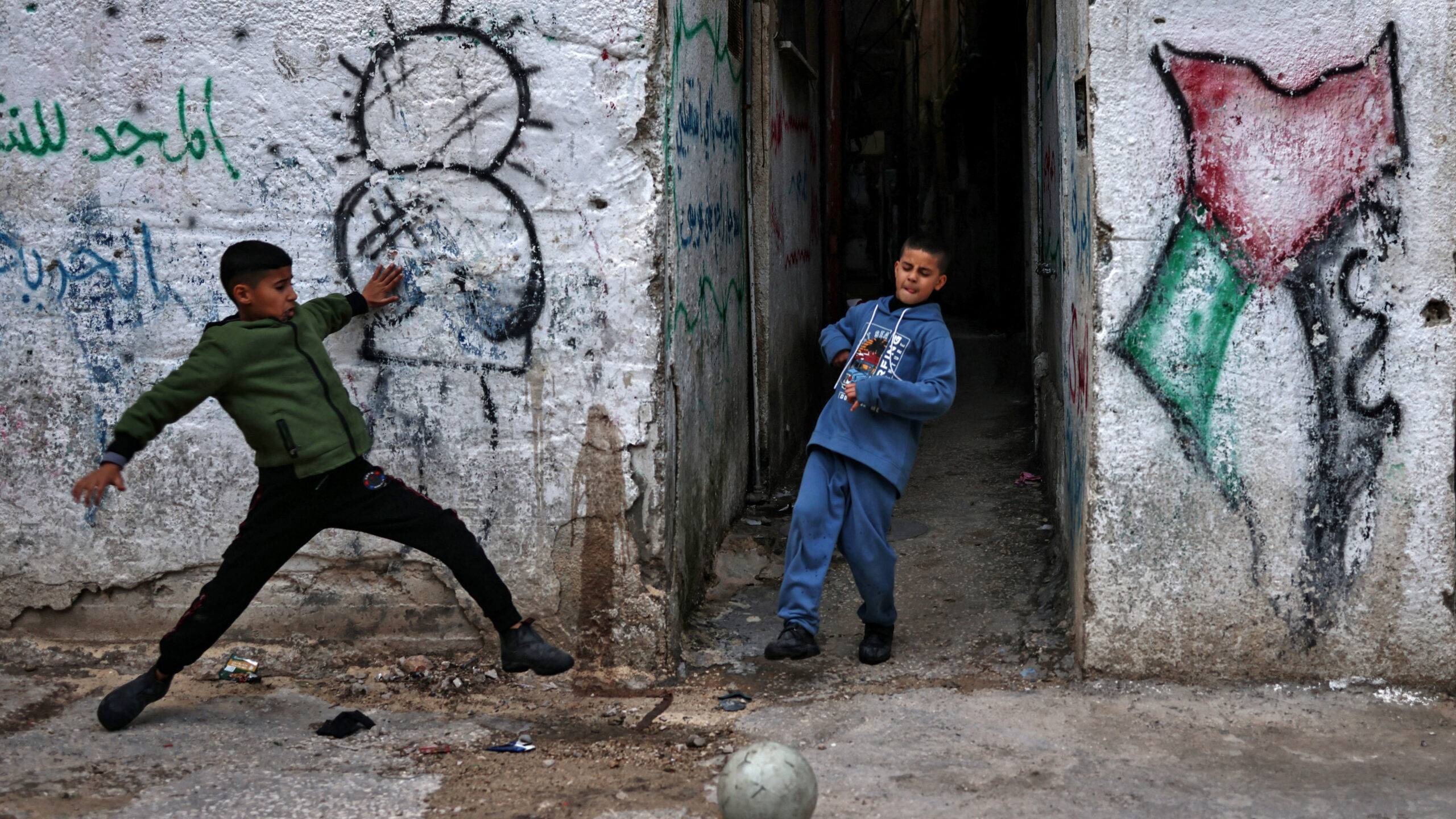
    The document provides harrowing accounts of gratuitous violence, including the shooting of an eight-year-old boy in the back of the head as he ran away and a 15-year-old shot twice in the chest while attempting to light a small device that posed no threat to armored vehicles. Soldiers provided no medical assistance as the children died.

    Economic and social impacts are equally severe. Movement restrictions have caused the loss of 306,000 jobs, with unemployment reaching 31.7% for men and 33.7% for women by early 2025. Education has been devastated—85% reduction in traffic across the West Bank affected at least 782,000 students, with girls disproportionately impacted due to safety concerns at checkpoints.

    The report also documents systematic torture and sexual violence in detention, including anal rape with objects, forced nudity, and genital beatings. Israeli authorities dismissed the report as “absurd and distorted,” claiming it reflects the UN’s “inherently politically driven fixation on vilifying Israel.”

    The UN rights office called on Israel to immediately end all discriminatory laws and practices, dismantle all settlements, evacuate settlers, and respect Palestinian self-determination rights, concluding that the separation and subordination of Palestinians appears “intended to be permanent… to maintain oppression and domination.”
  • ‘Stars aligned’ for Australian beef exports, but China tariff sparks concern

    ‘Stars aligned’ for Australian beef exports, but China tariff sparks concern

    Australian beef exporters are confronting a severe market reversal following China’s imposition of substantial tariffs, abruptly ending an unprecedented export boom. Recent data from the Australian Bureau of Statistics reveals meat and meat preparations surged 12.4% between October and November 2025, reaching a monthly export value of $2.537 billion—a $280 million increase from October.

    The sector’s remarkable performance stemmed from a convergence of exceptional circumstances. According to Commonwealth Bank agricultural economist Dennis Voznesenski, Australia temporarily became the primary supplier to both the United States and China simultaneously. The US faced constrained domestic production with cattle herds at multi-decade lows, compounded by import restrictions. Mexico’s live cattle exports were halted due to sanitary concerns about parasites, while former President Donald Trump’s administration imposed prohibitive tariffs on Brazilian beef and engaged in tariff disputes with Canada.

    Concurrently, China shifted its beef sourcing patterns amid trade tensions with Washington, allowing US export licenses to lapse and turning to Australian producers instead. This created dual demand streams: American purchases of grinding beef for hamburger production and Chinese acquisition of premium grain-fed beef.

    However, the trade landscape has dramatically shifted in 2026. The United States has withdrawn many trade barriers that previously favored Australian exporters, while China’s commerce ministry has implemented a 55% tariff on beef imports exceeding quota levels, effective January 1 for three years. Agriculture Minister Julie Collins expressed ‘serious concerns’ about the measure, emphasizing Australian officials are engaged in discussions with Chinese counterparts to secure favorable terms.

    The Australian Meat Industry Council condemned the tariff as ‘unfair,’ warning it would disrupt trade flows, undermine longstanding relationships established under the China-Australia Free Trade Agreement, and limit Chinese consumers’ access to reliable Australian beef. Industry representatives argue the measure disproportionately rewards competitors who recently increased export volumes to China.

  • Trump to meet Colombian president at White House in ‘near future’

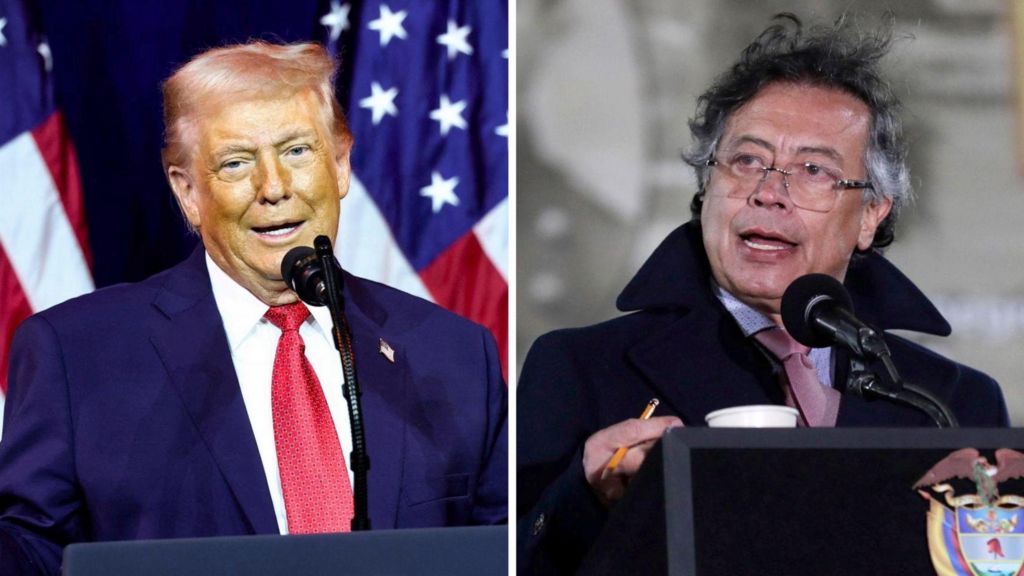
    Trump to meet Colombian president at White House in ‘near future’

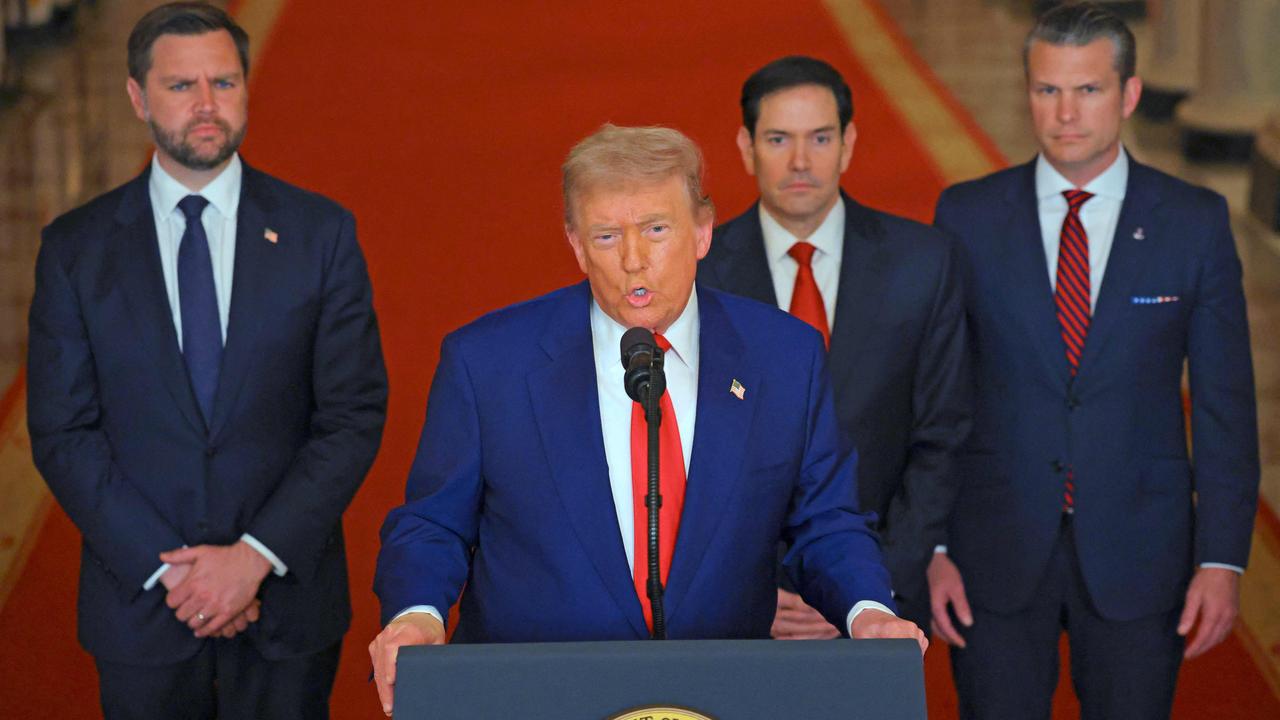
    In a dramatic escalation of diplomatic tensions, U.S. President Donald Trump has announced plans to host Colombian President Gustavo Petro at the White House following a contentious phone conversation marked by mutual threats and accusations. The development comes amid heightened regional instability following a U.S. military operation in Venezuela that resulted in the capture of President Nicolás Maduro and significant casualties.

    Trump’s characterization of the Colombian leader as ‘a sick man who likes making cocaine and selling it to the United States’ during remarks aboard Air Force One stands in stark contrast to his subsequent description of their conversation as a ‘Great Honor’ on his Truth Social platform. This diplomatic whiplash underscores the volatile nature of U.S.-Colombian relations under both administrations.

    The backdrop to this diplomatic confrontation includes Saturday night’s raid on Caracas, which Venezuelan officials claim resulted in over 100 fatalities—substantially higher than initial reports of 55 casualties among Venezuelan and Cuban soldiers. Venezuelan Interior Minister Diosdado Cabello confirmed the revised death toll on Wednesday, while interim president Delcy Rodríguez condemned the operation as an unprecedented ‘stain on our relations.’

    Central to the dispute is the ongoing drug trade conflict. The U.S. Treasury Department imposed sanctions on Petro’s administration in October 2026, alleging catastrophic failures in curbing cocaine production that has ‘exploded to the highest rate in decades.’ Treasury Secretary Scott Bessent asserted that Colombian cartels are ‘flourishing’ under Petro’s leadership, flooding American markets with narcotics.

    Petro vehemently countered these allegations, emphasizing his decades-long anti-trafficking efforts and claiming successful containment of coca crop expansion. The Colombian leader issued a stark warning via social media platform X, threatening that his nation would ‘take up arms’ against any U.S. military action, metaphorically invoking the ‘people’s jaguar’ being unleashed if Maduro remains detained.

    Beyond narcotics, energy resources loom large in the geopolitical standoff. Both Colombia and Venezuela possess substantial oil reserves, with the U.S. announcing indefinite control over Venezuelan oil sales while preparing to roll back global market restrictions. Rodríguez notably left the door open for beneficial energy relations despite condemning Maduro’s capture.

    The scheduled White House meeting, to be arranged by Secretary of State Marco Rubio and Colombian counterparts, represents a potential diplomatic off-ramp amid escalating threats and accusations. However, Trump’s earlier warning for Petro to ‘watch his ass’ suggests the relationship remains precariously balanced between confrontation and negotiation.

  • Australia win final Test to complete 4-1 Ashes triumph over England

    Australia win final Test to complete 4-1 Ashes triumph over England

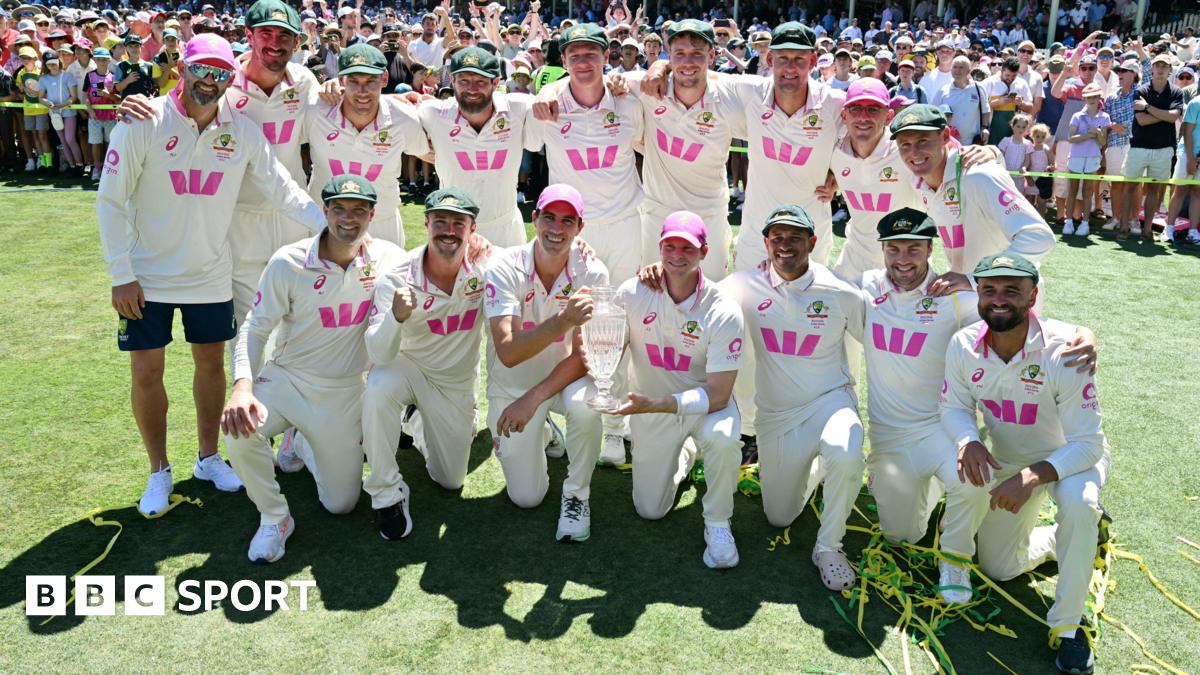
    Australia concluded a dominant Ashes campaign with a hard-fought five-wicket victory in the fifth Test against England at Sydney, securing a comprehensive 4-1 series triumph. The hosts successfully chased down a 160-run target despite losing five wickets during the tense final day’s play, with Cameron Green (22 not out) and Alex Carey (16 not out) steering them to victory after lunch.

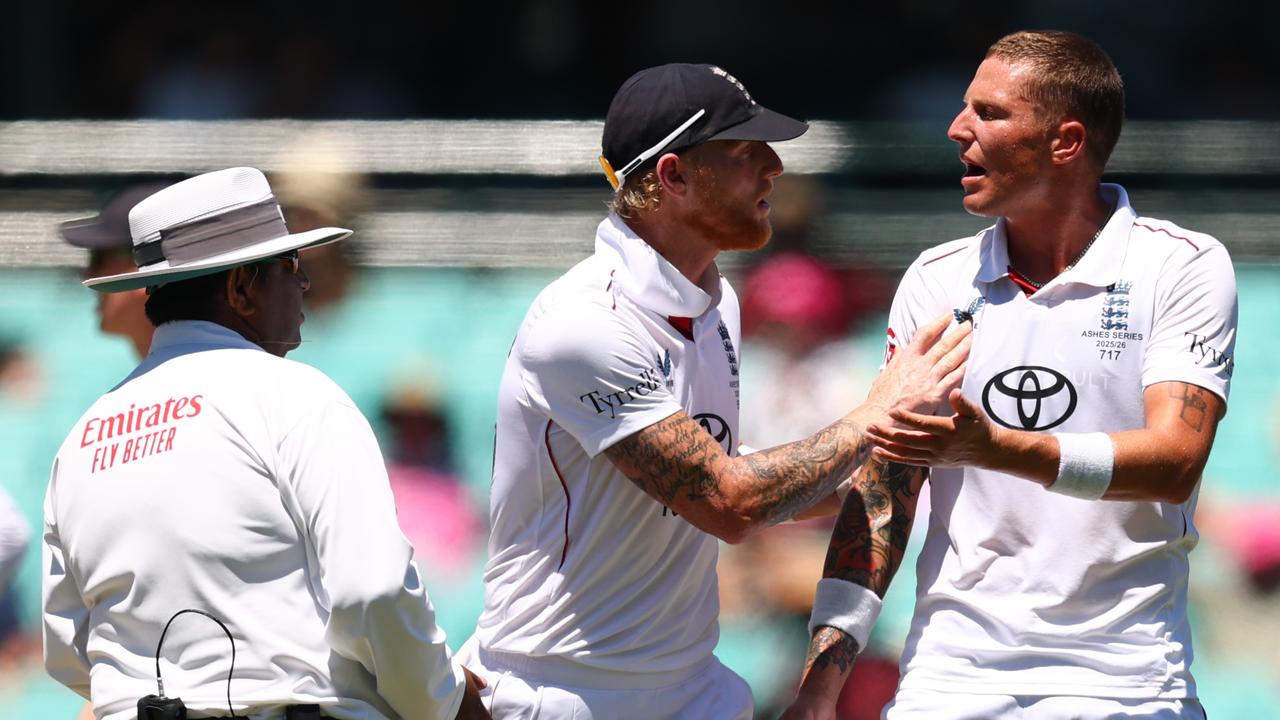
    The match witnessed dramatic moments including a heated confrontation between England’s Brydon Carse and umpires over a controversial Snickometer decision that spared Australian batsman Jake Weatherald. England captain Ben Stokes intervened to defuse the escalating situation, highlighting the intense pressure throughout the decisive match.

    Australia’s chase faced complications as they lost key batsmen including openers Travis Head (29) and Weatherald (34), captain Steve Smith (12), and retiring veteran Usman Khawaja, who scored six runs in his final Test innings after an 88-match career. Marnus Labuschagne’s unnecessary run-out at 37 provided England with temporary hope, reducing Australia to 121-5 before Green and Carey’s stabilizing partnership.

    England’s second innings concluded at 342, built primarily around Jacob Bethell’s magnificent 154-run contribution. Despite this impressive performance, England’s tour proved disappointing after losing the initial two Tests in Perth and Brisbane by eight wickets each, and the Adelaide match by 82 runs. Their sole consolation came with a stunning four-wicket victory in the fourth Test at Melbourne, breaking an 18-match losing streak on Australian soil.

    The series, attended by nearly 860,000 spectators with a record 211,032 in Sydney, raised serious questions about England’s preparation and their much-discussed ‘Bazball’ approach. Coach Brendon McCullum faces scrutiny despite the team’s late resurgence, while Australia celebrated their achievement despite missing key bowlers Josh Hazlewood and Pat Cummins for most of the series.

  • England beaten to give Australia 4-1 Ashes win

    England beaten to give Australia 4-1 Ashes win

    Australia has emphatically clinched the Ashes series with a 4-1 triumph following a decisive five-wicket victory in the fifth Test at Sydney Cricket Ground. The hosts successfully chased down a target of 160 runs on the final day’s afternoon session, cementing their fourth consecutive home Ashes domination and maintaining their hold on the urn since 2018.

    England’s tour concluded as one of their most disappointing Ashes campaigns in recent history. Despite being positioned as competitive contenders, the visitors never recovered from their spectacular collapse in the opening Perth Test, which they lost within two days. Plagued by insufficient preparation, scrutiny over off-field conduct, deteriorating form, and critical player injuries, England surrendered the series during the initial three Tests.

    Captain Ben Stokes, despite nursing a groin injury, led his team in Sydney’s final act and has expressed intentions to continue his leadership role. However, significant pressure now mounts on head coach Brendon McCullum and director of cricket Rob Key, both having acknowledged tour deficiencies while stating their desire to remain in positions.

    The match itself featured moments of brilliance amid England’s struggles. Jacob Bethell’s stunning 154-run debut century in the final Test provided a belated silver lining, while Joe Root finally secured a Test hundred in Australian conditions. Josh Tongue emerged with enhanced credentials from England’s bowling attack.

    Australia’s victory proved particularly impressive given their own injury challenges. Captain Pat Cummins participated in only one Test due to back issues, while Josh Hazlewood missed entirely and Nathan Lyon had limited involvement. Mitchell Starc’s devastating 31-wicket performance, Travis Head’s series-defining promotion to opener, and Alex Carey’s wicketkeeping excellence propelled the hosts to victory despite what amounted to a second-choice bowling attack.

    The tour was marred by controversies including Snicko technology disputes, dropped catches (England recorded 18 throughout the series), and distractions from intense Australian media scrutiny that documented players’ off-field activities from golf courses to aquariums.

    With the T20 World Cup and Sri Lanka white-ball tour commencing in just two weeks, England’s leadership must demonstrate tangible improvements to retain their positions. Australia, while celebrating their comprehensive victory, now faces their own selection questions regarding opener, number three batsman, all-rounder, and frontline spinner positions as they prepare for the next Ashes contest in 2027.

  • Woman shot dead in Minneapolis raid for ‘attempting to run over’ ICE agents

    Woman shot dead in Minneapolis raid for ‘attempting to run over’ ICE agents

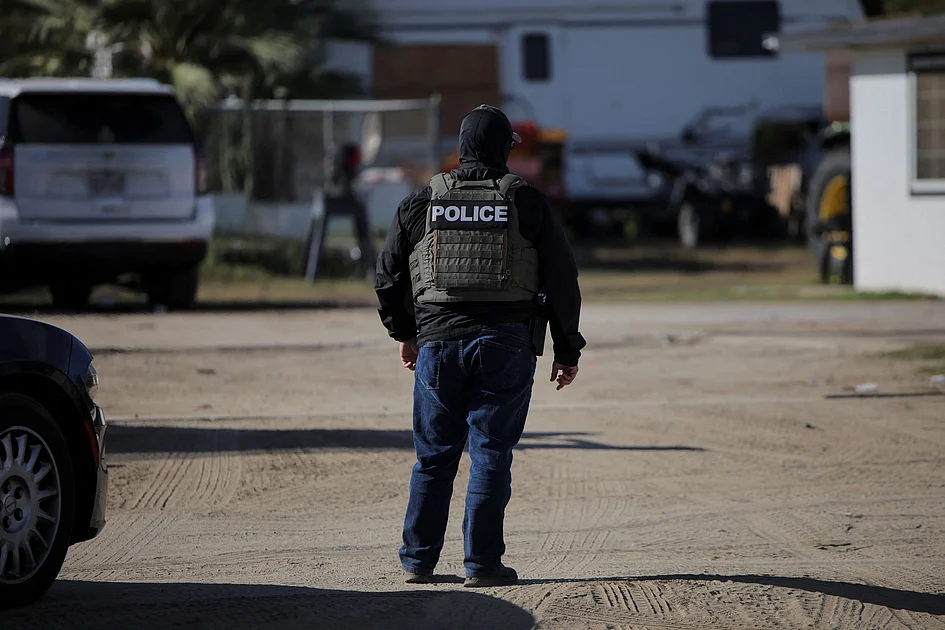
    A fatal shooting during an Immigration and Customs Enforcement (ICE) operation in Minneapolis has sparked controversy and renewed debates about immigration enforcement tactics. According to Department of Homeland Security officials, the incident occurred when a woman allegedly attempted to ram ICE officers with her vehicle during protest actions against an apparent immigration enforcement activity.

    The Department of Homeland Security characterized the event as an act of ‘domestic terrorism’ in a statement on social media platform X. The statement detailed that an ICE officer, ‘fearing for his life, the lives of his fellow law enforcement and the safety of the public,’ fired defensive shots that struck and killed the alleged perpetrator.

    The confrontation took place at the intersection of 34th Street and Portland Avenue in Minneapolis, where local media reports indicated ICE officers were seen pepper spraying and shoving protesters during enforcement operations. Multiple officers sustained injuries during the altercation but are expected to make full recoveries, according to official statements.

    This incident occurs against the backdrop of heightened tensions surrounding immigration enforcement operations across various U.S. cities. The Trump administration’s vowed crackdown on undocumented migrants has previously prompted passionate protests in multiple urban centers.

    Local CBS affiliate WCCO reported that video footage of the incident was circulating among community members, though the complete context remains unclear. One bystander expressed outrage to reporters, stating, ‘There’s no way whatever this person did that they deserved to be killed for it.’

    The shooting highlights the increasingly volatile nature of immigration enforcement encounters and raises questions about appropriate use of force during protest situations involving federal immigration authorities.

  • Somalia’s fight against extremist militants shows signs of success on the streets of Mogadishu

    Somalia’s fight against extremist militants shows signs of success on the streets of Mogadishu

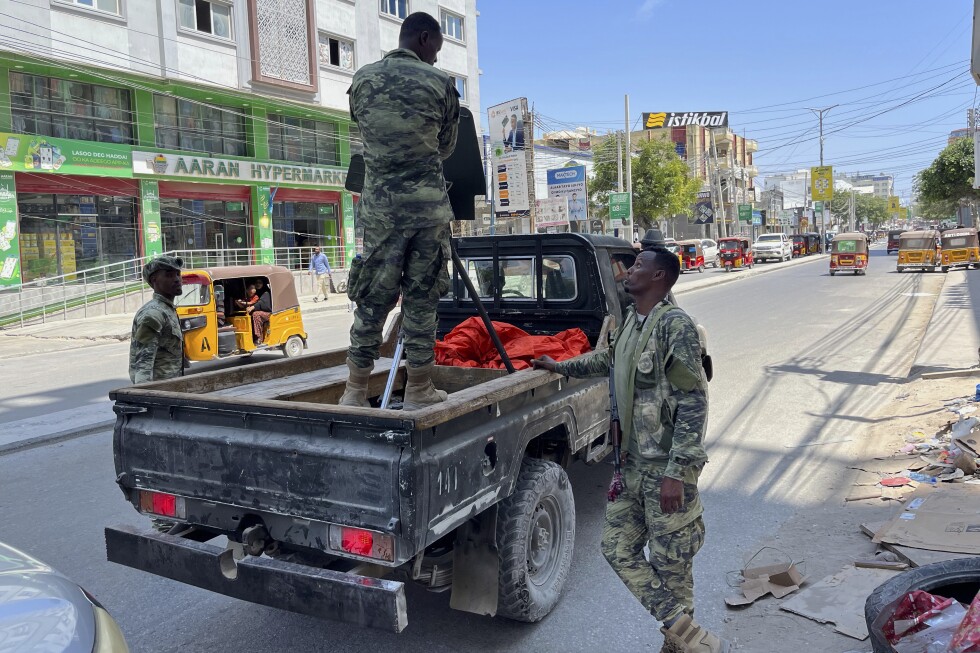
    MOGADISHU, Somalia — In the ongoing battle against al-Shabab militants, Somalia’s capital has established a multi-layered security apparatus that blends traditional checkpoints with advanced surveillance technology. At the forefront of this defense strategy is Colonel Abdikani Ali Mohamed, whose National Intelligence and Security Agency (NISA) operatives maintain constant vigilance against evolving terrorist tactics.

    The security architecture represents a fundamental shift in Somalia’s counterterrorism approach following President Hassan Sheikh Mohamud’s 2022 declaration of ‘total war’ against the al-Qaeda-linked militants. Rather than relying solely on military confrontation, the government has prioritized intelligence gathering and financial disruption to combat the group responsible for years of violence that has killed and maimed thousands.

    Security analysts describe Mogadishu’s protection system as a ‘ring of steel’ incorporating high-tech surveillance, improved intelligence sharing, and concrete barriers around potential targets. This integrated approach has reportedly disrupted multiple terrorist cells and made significant attacks increasingly rare in the capital, though the threat remains persistent.

    Beyond the urban centers, the conflict has transformed into a grinding war of attrition in southern and central Somalia. In regions like Lower Shabelle—the nation’s agricultural heartland now serving as a battleground—control of towns frequently changes hands between government forces and militants. Recent months have seen intensified fighting in areas such as Bariire, where civilians face displacement and destruction of infrastructure.

    Despite these challenges, military officials point to successive victories against al-Shabab and express confidence in eventually gaining the upper hand. The improved security situation in Mogadishu has allowed civilian life to gradually normalize, with new businesses emerging and residents expressing cautious optimism about the future.

  • Australia heatwave stokes risk of catastrophic bushfires

    Australia heatwave stokes risk of catastrophic bushfires

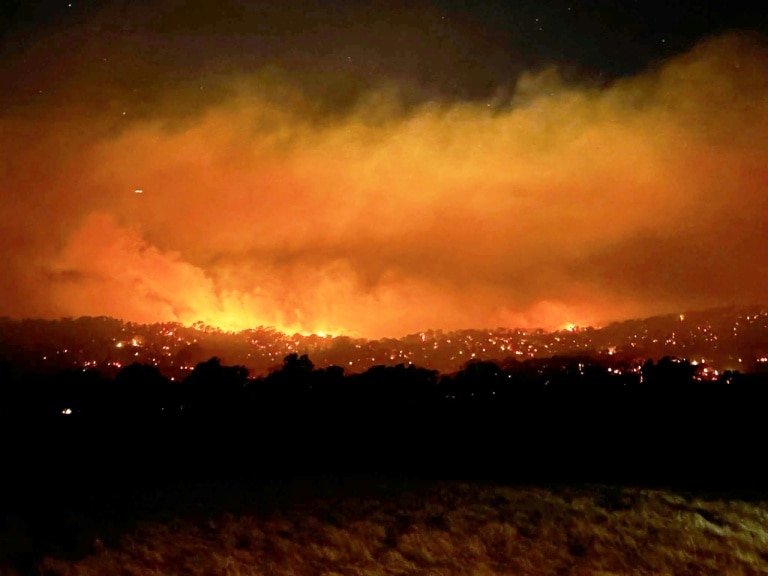
    Australian authorities have escalated warnings to millions of residents across southeastern regions as a severe heatwave creates what firefighters describe as potentially ‘catastrophic’ bushfire conditions. The Country Fire Authority has declared the highest possible danger rating across parts of Victoria state, with temperatures expected to exceed 40°C (104°F) in multiple areas.

    Fire officials compared the current conditions to those that preceded the devastating 2019-2020 ‘Black Summer’ bushfires that ravaged Australia’s eastern seaboard. Country Fire Authority Chief Officer Jason Heffernan emphasized the extreme severity of the situation, stating that ‘catastrophic is as bad as it gets’ in terms of fire danger ratings. He warned that under these conditions, fires would be unpredictable, uncontrollable, and fast-moving once ignited.

    Emergency Management Commissioner Tim Wiebush echoed these concerns, noting that hot, dry winds would significantly accelerate fire spread. Acting Victoria Premier Ben Carroll urged residents to prepare evacuation plans immediately, describing bushfire conditions as intensely frightening experiences that no one should have to endure.

    The crisis has already manifested in multiple fronts. Firefighters are currently battling blazes across Victoria and New South Wales, with authorities fearing property losses near the rural town of Longwood, approximately 150 kilometers north of Melbourne. Government meteorologist Sarah Scully reported that an extreme heat band had settled across the region, accompanied by dry thunderstorms capable of igniting new fires without producing meaningful rainfall.

    The environmental impact extends beyond human communities. Wildlife groups reported hundreds of baby bat fatalities in South Australia earlier this week due to the oppressive temperatures. This heatwave occurs against the backdrop of Australia’s documented 1.51°C temperature increase since 1910, which climate researchers attribute to accelerating extreme weather patterns. This trend continues despite Australia’s status as one of the world’s largest exporters of gas and coal, fossil fuels identified as primary drivers of global warming.

  • Ashes done and dusted: Australia survive day five drama to seal dominant series win over dreadful England

    Ashes done and dusted: Australia survive day five drama to seal dominant series win over dreadful England

    Australia has emphatically concluded the Ashes series with a commanding 4-1 victory, cementing its status as cricket’s preeminent force. The final chapter unfolded at the Sydney Cricket Ground (SCG) where the hosts secured a five-wicket triumph, delivering a perfect farewell for retiring batsman Usman Khawaja in his 88th and final Test appearance.

    The Sydney match unfolded as a classic Test contest, contrasting with the disappointingly rapid pace of earlier matches. England’s much-touted ‘Bazball’ approach ultimately yielded limited success against Australia’s strategic superiority, with Travis Head’s aggressive batting repeatedly dismantling English morale throughout the series.

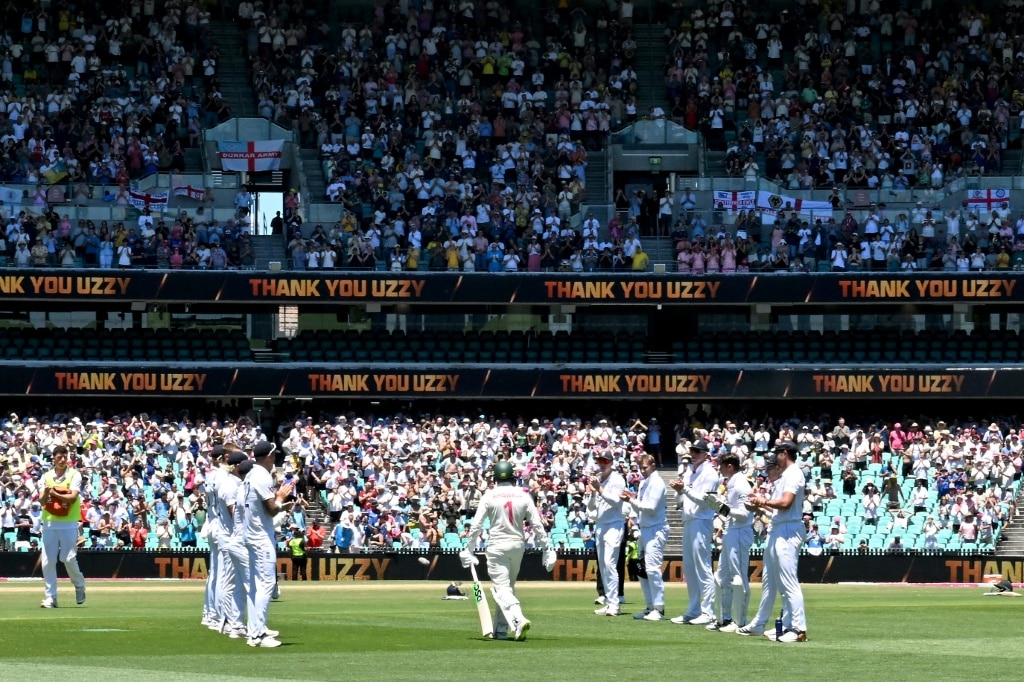
    Khawaja’s emotional departure featured a standing ovation from SCG spectators and a respectful guard of honor from English opponents, though the winning moment belonged to Alex Carey after Khawaja was dismissed for six runs. The retiring star celebrated with teammates and performed sajdah on the pitch beside a ‘thanks Uzzy’ tribute.

    The victory chase of 160 runs encountered brief turbulence when Marnus Labuschagne suffered a shocking run-out at 37, but Cameron Green and Carey steadied the innings to secure victory midway through the second session. The match attracted a record-breaking crowd of 211,032 spectators throughout the New Year’s Test.

    Controversy emerged through Decision Review System (DRS) drama when England disputed a not-out ruling regarding Jake Weatherald, provoking heated on-field reactions and critical commentary from former captain Michael Vaughan. Weatherald’s eventual dismissal for 34 before lunch continued his challenging debut series.

    Despite England’s overall disappointing performance, emerging talent Jacob Bethell provided a bright spot with a spectacular 154-run innings against Australia’s quality attack. The 22-year-old’s century demonstrated significant promise for England’s future batting lineup, though his efforts were undermined by senior teammates’ inconsistent performances.

    Australia now faces selection questions ahead of their August Test against Bangladesh, with Beau Webster’s strong showing and ongoing concerns about key bowlers’ fitness shaping future lineup decisions.

  • Nestle infant formula recall widens beyond Europe; dozens of countries issue warnings

    Nestle infant formula recall widens beyond Europe; dozens of countries issue warnings

    Nestle’s massive infant formula recall has escalated into a worldwide safety alert, expanding beyond European markets to affect consumers across Africa, the Americas, and Asia. Regulatory authorities in at least 37 countries—including Australia, Brazil, China, Mexico, and South Africa—have issued health warnings regarding potentially contaminated batches of SMA, BEBA, NAN, and Alfamino products.

    The voluntary recall was initiated after quality control checks detected possible cereulide contamination, a toxin produced by bacteria that can induce severe nausea and vomiting. While no confirmed illnesses have been reported in connection with the affected batches, the precautionary measure represents one of Nestle’s most extensive product recalls in recent history.

    According to national food safety statements, the contamination originated from ingredients supplied by a third-party provider. Nestle has identified the issue in arachidonic acid oil and corresponding oil mixes used in manufacturing. The company has since intensified production with alternative suppliers to minimize supply chain disruptions.

    The recall affects products manufactured across more than 10 facilities worldwide, with production dates as recent as June 2025. South African authorities noted that affected products had been exported to neighboring Namibia and Eswatini, while Nestle China confirmed recalling European-imported batches.

    This development compounds challenges for newly appointed CEO Philipp Navratil, who has been conducting a comprehensive portfolio review amid recent management restructuring. Nestle’s shares have declined approximately 5.7% this week, reflecting investor concerns over the recall’s financial impact and potential reputational damage to the world’s largest food and beverage company.