博客

  • Trump doubles down on Venezuelan oil with sales and vessels seizure

    Trump doubles down on Venezuelan oil with sales and vessels seizure

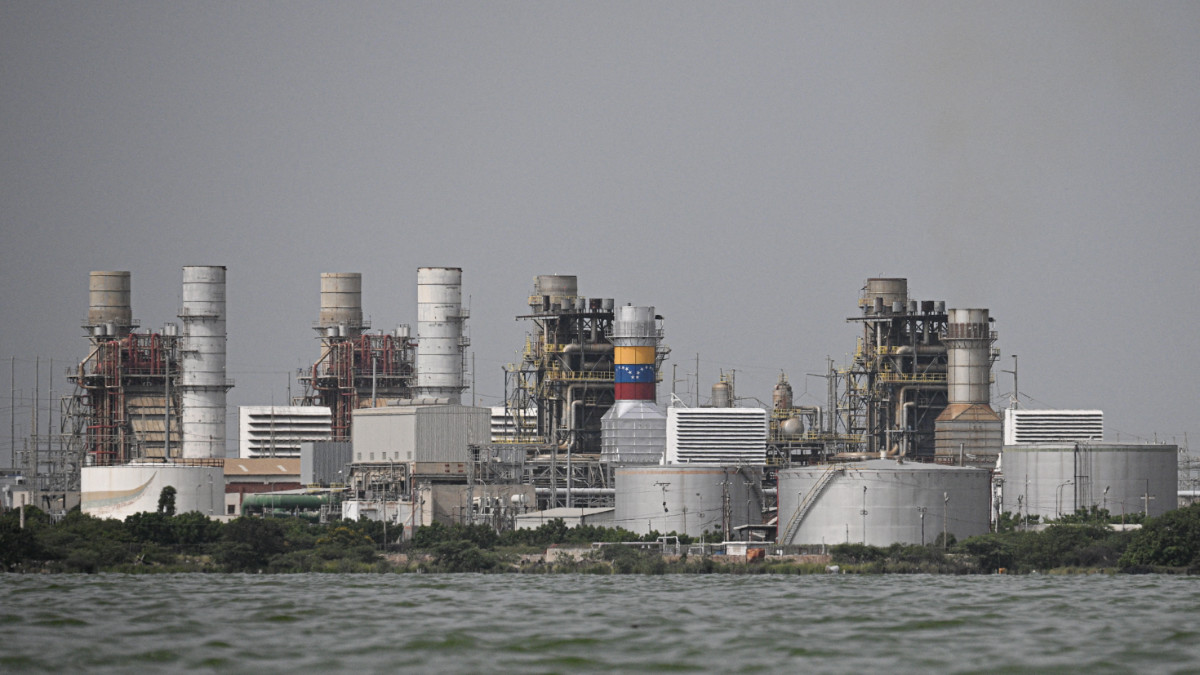
    In a significant escalation of economic pressure on Venezuela, former U.S. President Donald Trump announced he would personally oversee the proceeds from the sale of millions of barrels of Venezuelan oil. The declaration came via social media, where Trump revealed that interim Venezuelan authorities would transfer 30-50 million barrels of sanctioned, high-quality oil to the United States for market-price sale.

    Trump emphasized that the substantial revenue generated—equivalent to 30-50 days of Venezuela’s current production—would be under his direct presidential control. He stated these funds would be allocated to benefit both Venezuelan citizens and American interests. This move represents a dramatic expansion of U.S. involvement in Venezuela’s energy sector, which the administration characterizes as an ‘indefinite’ commitment.

    The U.S. Energy Department subsequently clarified that this initial seizure merely inaugurates a broader strategy. All future Venezuelan oil sales will be processed through U.S.-controlled accounts at internationally recognized financial institutions. Energy Secretary Chris Wright, speaking at a Miami conference, confirmed the permanent nature of this arrangement, stating the U.S. would market Venezuela’s oil production ‘indefinitely, going forward’ to drive necessary political changes in the country.

    The geopolitical implications are substantial. This policy has already triggered confrontations with global powers, notably evidenced by the U.S. seizure of a Russian-flagged tanker linked to Venezuela’s oil trade in the Atlantic—an operation supported by Britain’s Royal Air Force. Despite Russian naval vessels providing escort, U.S. forces boarded the tanker, escalating tensions with the nuclear-armed nation amid ongoing Ukraine negotiations.

    The White House attempted to minimize the incident’s diplomatic ramifications, characterizing the vessel as ‘stateless’ due to false flag representation and emphasizing its judicial seizure status. Meanwhile, the oil industry notes that Venezuelan heavy crude is particularly suited to U.S. Gulf refineries (which Trump renamed the ‘Gulf of America’), potentially benefiting American consumers through increased gasoline and diesel availability amid persistent inflation concerns.

    This aggressive approach recalls 20th-century ‘gunboat diplomacy’ and fundamentally alters Venezuela’s economic sovereignty over its world-leading oil reserves, which constitute approximately 17% of global supplies. The policy follows a U.S. blockade that crippled Venezuela’s already struggling energy sector and the subsequent abduction of President Nicolás Maduro, who now awaits trial in New York.

  • Trump not ruling out boots on the ground in Venezuela, Greenland

    Trump not ruling out boots on the ground in Venezuela, Greenland

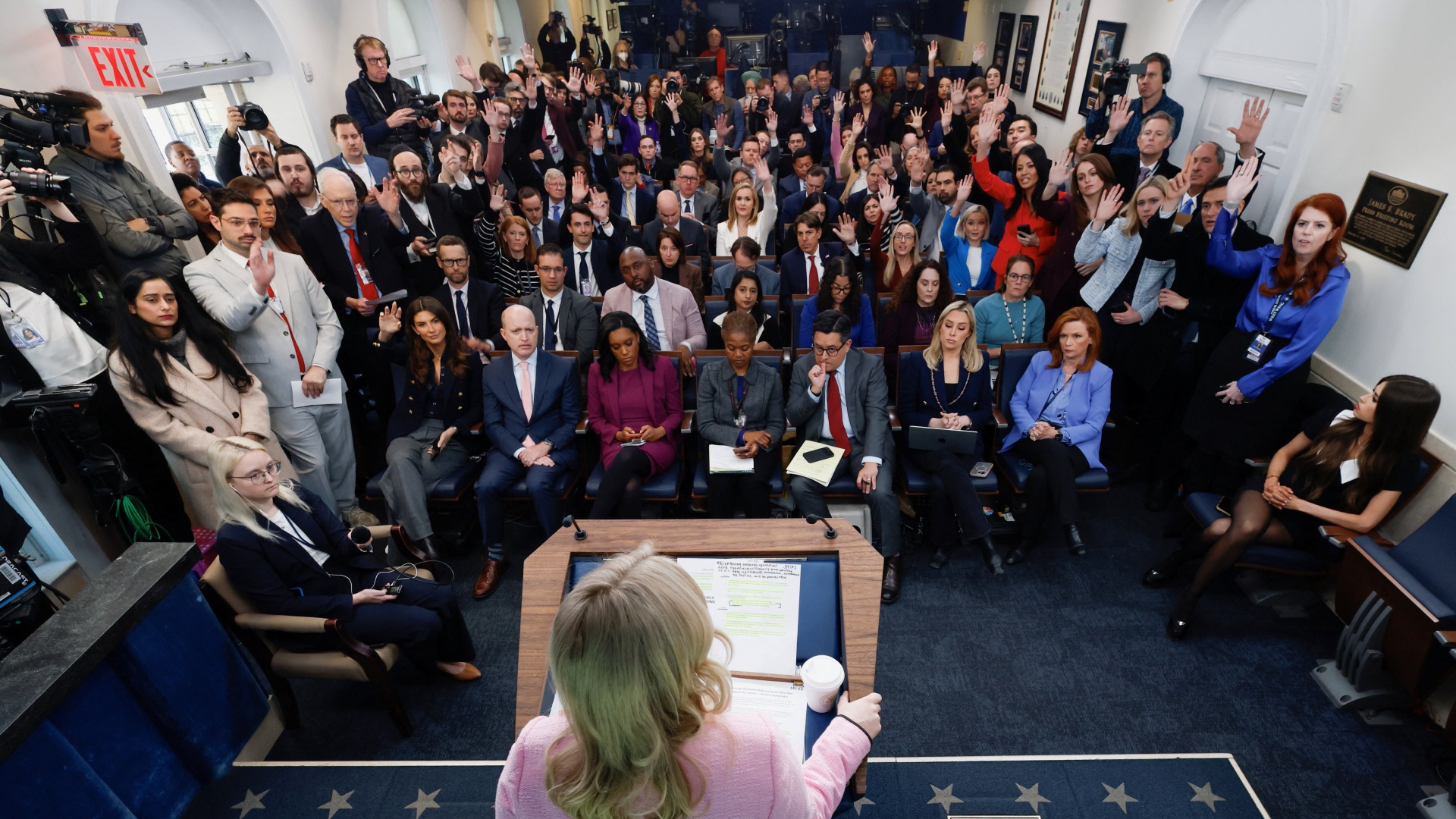
    The White House has indicated that President Donald Trump maintains an open stance on employing additional military measures in Venezuela while simultaneously pursuing strategic territorial acquisition in the Arctic region. During a press briefing on Wednesday, White House Press Secretary Karoline Leavitt articulated the administration’s position that all options remain viable for advancing U.S. interests.

    Leavitt confirmed that while diplomacy remains the preferred initial approach, the president retains the authority to deploy military force when deemed necessary. This statement follows what the administration characterizes as a successful law enforcement operation resulting in the extraction of Venezuelan leader Nicolas Maduro, who currently faces trial in New York City on federal charges. The operation, which involved U.S. special forces and airstrikes on Venezuelan military targets, reportedly resulted in approximately 80 casualties among security forces and civilians.

    Concurrently, the administration has revived historical discussions regarding the acquisition of Greenland from Denmark, framing the potential territorial transfer as a national security imperative to counter Russian and Chinese influence in the Arctic. Although European officials have expressed strong reservations about such a move, the White House maintains that this initiative aligns with strategic interests pursued by multiple U.S. administrations since the 19th century.

    In related developments, the United States and United Kingdom militaries have intercepted multiple oil tankers allegedly violating sanctions against Venezuela. The seized vessels, identified as ‘Bella 1’ and ‘Sofia,’ were described as stateless ships attempting to circumvent restrictions on Venezuelan oil exports. Administration officials emphasized that crew members face prosecution under U.S. federal law.

    The administration has also announced a controversial arrangement whereby proceeds from the sale of millions of barrels of Venezuelan oil will be managed directly by President Trump. According to Leavitt, this agreement with Venezuelan interim authorities will benefit both American and Venezuelan citizens, with funds being distributed at the discretion of the U.S. government through secured banking channels. The administration has already initiated global marketing efforts for the confiscated crude oil.

  • Vijay’s Jana Nayagan release postponed ‘due to unavoidable circumstances’

    Vijay’s Jana Nayagan release postponed ‘due to unavoidable circumstances’

    In a significant development for Indian cinema, the highly anticipated Tamil film ‘Jana Nayagan’ starring superstar Vijay has been officially postponed indefinitely. The production company, Bengaluru-based KVN Productions, announced the delay through an official statement on social media platform X, citing “unavoid circumstances beyond our control” as the primary reason.

    The postponement follows an ongoing legal battle with India’s Central Board of Film Certification (CBFC). The regulatory body informed the Madras High Court that the production requires fresh review procedures, creating substantial delays in the certification process. KVN Productions had previously challenged the CBFC’s decision through a writ petition, but the court reserved its judgment on January 7, leaving the film’s certification status in limbo.

    ‘Jana Nayagan’ holds particular significance as it represents Vijay’s final cinematic project before his full transition into politics. The 51-year-old actor formally announced his retirement from acting during the film’s audio launch in Malaysia last year. His political ambitions materialized with the establishment of the Tamilaga Vettri Kazhagam party, with confirmed plans to contest in the upcoming Tamil Nadu state elections.

    The production company expressed profound regret in their statement: “We deeply understand the anticipation, excitement, and emotions surrounding this film, and this decision has not been an easy one for any of us.” They assured stakeholders and fans that a new release date would be announced “at the earliest” while requesting continued patience and support from Vijay’s extensive fan base across Tamil cinema markets.

    The delay represents a substantial commercial setback for KVN Productions, which marked its entry into Tamil cinema with this high-profile project. Industry analysts suggest the postponement could affect strategic release windows and promotional investments already deployed for the originally scheduled January 9 premiere.

  • Pakistan, Saudi in talks on JF-17 jets-for-loans deal, sources say

    Pakistan, Saudi in talks on JF-17 jets-for-loans deal, sources say

    Pakistan and Saudi Arabia are engaged in advanced negotiations regarding a significant defense arrangement that would convert approximately $2 billion of Saudi loans into a comprehensive fighter jet procurement package, according to sources familiar with the discussions. This development represents a substantial deepening of military cooperation between the two nations following their landmark mutual defense agreement signed in September.

    The proposed arrangement, potentially valued at up to $4 billion according to one informed source, centers on the provision of JF-17 Thunder fighter jets—light combat aircraft jointly developed by Pakistan and China and manufactured in Pakistani facilities. While the JF-17 constitutes the primary component under consideration, additional military equipment options remain part of the ongoing dialogue.

    This strategic negotiation occurs against a backdrop of Pakistan’s acute financial challenges and Saudi Arabia’s broader initiative to diversify its security partnerships amid evolving geopolitical dynamics in the Middle East. The mutual defense pact, activated following Israel’s strikes on Hamas targets in Doha, formally commits both nations to treat any aggression against either country as an attack on both.

    Pakistan’s Air Chief Zaheer Ahmed Baber Sidhu recently conducted bilateral talks in Saudi Arabia focusing specifically on military cooperation, as reported by Saudi media outlet SaudiNews50. The JF-17’s combat-proven status, having been deployed during Pakistan’s conflict with India in May—the most significant hostilities between the neighbors in decades—significantly enhances its market appeal according to military analysts.

    Retired Air Marshall Amir Masood noted that Pakistan is currently negotiating with six countries regarding defense equipment provisions, including electronic and weapons systems for the JF-17 platform. The aircraft’s cost-effectiveness and combat verification make it particularly attractive to international buyers.

    This potential agreement continues a long-standing security relationship that has seen Pakistan provide military training and advisory support to Saudi Arabia, while the kingdom has repeatedly offered financial assistance during Pakistan’s economic difficulties. In 2018, Riyadh extended a $6 billion support package including central bank deposits and deferred oil payments, with subsequent rollovers including a $1.2 billion deferment last year.

    Pakistan has significantly expanded its defense export outreach recently, securing a $4 billion weapons agreement with Libya’s eastern-based Libyan National Army last month—one of its largest arms sales ever—and engaging in discussions with Bangladesh regarding potential JF-17 sales. Defense Minister Khawaja Asif stated that the success of Pakistan’s weapons industry could fundamentally transform the country’s economic prospects, potentially reducing dependence on International Monetary Fund support within six months.

  • Trump says he doubts whether NATO would help defend US

    Trump says he doubts whether NATO would help defend US

    WASHINGTON – President Donald Trump has publicly expressed skepticism about NATO’s willingness to defend the United States if needed, creating fresh uncertainty about the future of the transatlantic alliance. The remarks came amid escalating tensions with Denmark over potential U.S. interests in acquiring Greenland.

    In a statement posted on his Truth Social platform Wednesday, Trump declared, “We will always be there for NATO, even if they won’t be there for us.” This questioning of NATO’s mutual defense principles represents the latest chapter in Trump’s complicated relationship with the military alliance he has frequently criticized.

    The comments follow Danish Prime Minister Mette Frederiksen’s warning earlier this week that any U.S. military action against Greenland could effectively terminate the NATO alliance that has existed since the end of World War II. Denmark, as both a NATO and European Union member, finds itself at the center of this geopolitical tension.

    White House Press Secretary Karoline Leavitt confirmed to Xinhua on Tuesday that the administration is evaluating “a range of options” regarding Greenland, including potential “utilization of the U.S. military.” This acknowledgment has intensified diplomatic concerns about U.S. territorial ambitions and their impact on international alliances.

    The situation highlights ongoing questions about America’s commitment to collective security arrangements and raises fresh concerns among European allies about the durability of NATO amid changing U.S. foreign policy priorities.

  • England all out for 342, set Australia 160 to win final Ashes Test

    England all out for 342, set Australia 160 to win final Ashes Test

    A valiant fourth-innings effort from England concluded at 342 all out on Thursday’s lunch session, establishing a 160-run target for Australia to claim victory in the final Ashes Test. The day’s play was headlined by Jacob Bethell’s magnificent 154, a career-defining maiden Test century that temporarily rekindled English hopes of squaring the series.

    Resuming overnight at 302-8 with a lead of 119, England’s aspirations heavily relied on Bethell, who added 12 runs to his Wednesday total of 142. His resilient innings was eventually terminated by Mitchell Starc, with the young batsman edging a delivery to wicketkeeper Alex Carey. Bethell’s performance is being widely hailed as a promising glimpse into the future of English cricket.

    Matthew Potts contributed a vital 18 runs before Josh Tongue (6) fell to Starc, wrapping up the English innings. Starc finished with figures of 3-72, while Beau Webster claimed 3-64.

    Australia, having already retained the Ashes with victories in the first three Tests at Perth, Brisbane, and Adelaide, now requires a manageable 160 runs to secure a series win. Their dominant first-innings total of 567, in response to England’s initial 384, positioned them favorably for this final chase. England’s recent two-day victory in Melbourne had offered a fleeting moment of optimism, which Australia now looks to extinguish.

  • More protein, less sugar: Trump administration issues new dietary guidelines

    More protein, less sugar: Trump administration issues new dietary guidelines

    In a significant shift from established nutritional policy, the Trump administration unveiled revised federal dietary guidelines on January 7, 2026, emphasizing increased protein consumption and stringent sugar limitations. The new recommendations mark a departure from conventional wisdom by endorsing full-fat dairy products and explicitly discouraging highly processed foods and artificial sweeteners.

    The guidelines, developed under Health Secretary Robert F. Kennedy Jr. and Agriculture Secretary Brooke Rollins as part of the “Make America Healthy Again” (MAHA) initiative, represent the most substantial overhaul of federal nutrition advice in decades. Secretary Kennedy declared the administration’s stance as a “war on added sugar” during the White House announcement, positioning the new guidelines as a measure to combat rising chronic disease rates linked to dietary patterns.

    Key modifications include increased protein recommendations from 0.8 grams to 1.2-1.6 grams per kilogram of body weight daily, elimination of specific alcohol consumption limits in favor of general reduction advice, and removal of the previous allowance for minimal added sugars in healthier foods. The updated guidance now states that “no amount of added sugars or non-nutritive sweeteners is recommended or considered part of a healthy or nutritious diet.”

    The administration’s approach has drawn support from medical organizations, including the American Medical Association, which applauded the focus on processed foods and sugar-sweetened beverages contributing to heart disease, diabetes, and obesity. However, the guidelines have generated controversy due to their departure from previous scientific consensus and concerns about industry influence on nutritional policy.

    These federally-mandated guidelines form the nutritional foundation for school meal programs serving approximately 30 million children and influence medical advice nationwide. The administration has indicated plans to reform the guideline development process further, including restructuring advisory committees that critics claim have been overly influenced by food industry interests.

  • Watch: Young girl gets high-five from Sheikh Mohammed in ‘once-in-a-lifetime’ experience

    Watch: Young girl gets high-five from Sheikh Mohammed in ‘once-in-a-lifetime’ experience

    A routine family outing at The Square in Nad Al Sheba transformed into an unforgettable experience for Dubai residents Fathima Zelin and Mohammed Ajil when they unexpectedly encountered Sheikh Mohammed bin Rashid Al Maktoum, Vice President and Prime Minister of the UAE and Ruler of Dubai, last Saturday.

    The nutritionist and her project manager husband, both UAE residents for nearly 15 years, had brought their two children to the destination for what they anticipated would be a standard evening of dining and shopping. Approximately twenty minutes after their arrival, the family observed crowds gathering in one area of the venue. Initially dismissing the possibility of the Ruler’s presence due to the modest security detail, they were astonished to discover Sheikh Mohammed personally touring the public space.

    During the spontaneous encounter, their seven-year-old daughter Inaaya Aroush exchanged a high-five with the Dubai leader—a moment the parents initially missed amid the excitement. The interaction was captured incidentally in a selfie video recorded by Mohammed Ajil, with the significance of the gesture only becoming apparent upon later review of the footage.

    The family’s Instagram post documenting the encounter has since gone viral, accumulating over 500,000 views and generating an overwhelming response from both social media users and extended family members. Relatives have reportedly visited specifically to shake Inaaya’s hand, humorously referencing its contact with the esteemed leader. The incident has been described by the family as the realization of a ‘secret fantasy’ shared by many Dubai residents.

  • In 24 hours, exploring Jeddah with an airline pilot

    In 24 hours, exploring Jeddah with an airline pilot

    As an experienced long-haul airline pilot with twenty years of aviation career, I have been privileged to access numerous global destinations that might otherwise remain unexplored. Jeddah, Saudi Arabia’s vibrant Red Sea coastal city, has become a monthly destination that captivates me with its unique blend of ancient heritage and contemporary energy. This port city, familiar to Mecca-bound pilgrims for nearly fourteen centuries, now increasingly attracts international tourists seeking its cultural treasures.

    My recent journey began with an overnight flight from London, tracing a route over Venice, Athens, and Alexandria before following the Nile’s illuminated settlements and crossing the Red Sea to arrive at sunrise. After brief rest at the crew hotel, I commenced my exploration at Brew92° café on Sari Road, where Jeddah’s rich coffee culture meets modern specialty brewing. The establishment’s name references their preferred 92° Celsius brewing temperature, and the space blends industrial aesthetics with traditional Arabian hospitality. Sipping a Costa Rican Hacienda Copey blend, I observed Jeddah’s cosmopolitan lunch crowd transitioning between business meetings and casual gatherings.

    The historical core of Al Balad, designated a UNESCO World Heritage site, constituted my primary destination. This seventh-century district served as Mecca’s designated port under Caliph Uthman ibn Affan and flourished as Islam expanded globally. Despite Jeddah’s transformation into a modern metropolis following oil discovery, Al Balad preserved its labyrinthine alleys, traditional roshan tower houses with intricate teak latticework, and historic merchant quarters. At the landmark Beit Nassif—a former merchant home converted into museum—I learned about the legendary neem tree that once served as the city’s informal address system during pre-irrigation times.

    My cultural immersion continued at Suq Bab Makkah market, named for the historic Mecca Gate where pilgrims traditionally began their inland journey. Following local guide Ayat Alsharif’s recommendation, I acquired golden sukkari dates—ideally complemented by tahini dipping—as culinary souvenirs for flight crew colleagues. Lunch at Minaa café featured fuul panini, the Egyptian fava bean stew ubiquitous across Middle Eastern breakfast tables, enjoyed alongside artisans preserving traditional window-making techniques.

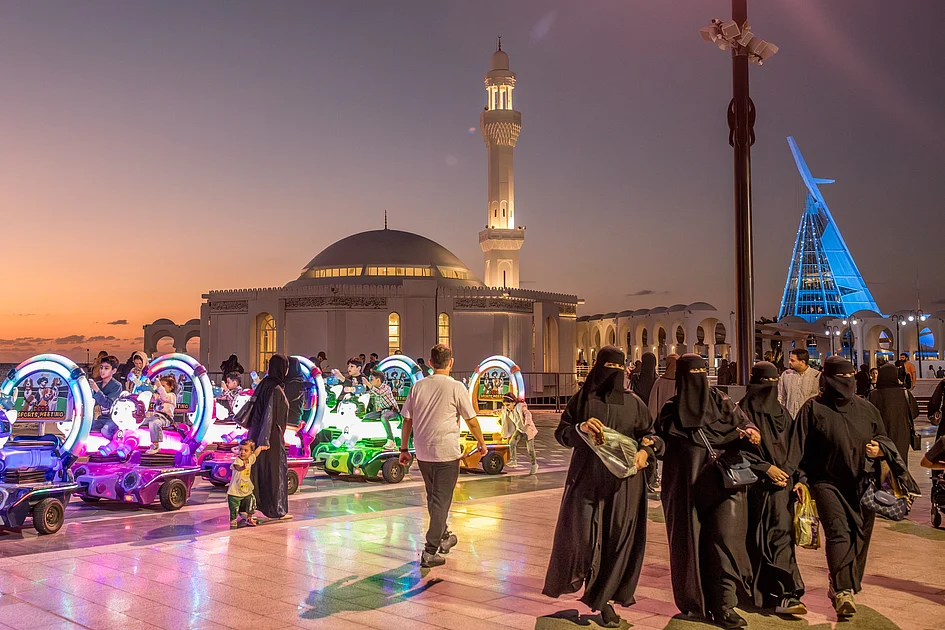
    Jeddah’s recently redeveloped corniche presented a stunning waterfront transformation featuring cycling paths, palm-lined promenades, and accessibility-enhanced beaches. The architectural marvel of Al Rahma mosque appeared to float above Red Sea waves at dusk, while practical prayer facilities dotted the coastline. Unlike Western beach culture, Jeddah’s shoreline thrives with multigenerational family gatherings and nocturnal summer activities. As sunset prayer calls echoed, I concluded my layover sharing Egyptian flatbreads and lahma bil basal stew with crewmates, reflecting on Jeddah’s remarkable synthesis of ancient heritage and contemporary vision.

  • Study shows how fast kilos return after ending weight-loss drugs

    Study shows how fast kilos return after ending weight-loss drugs

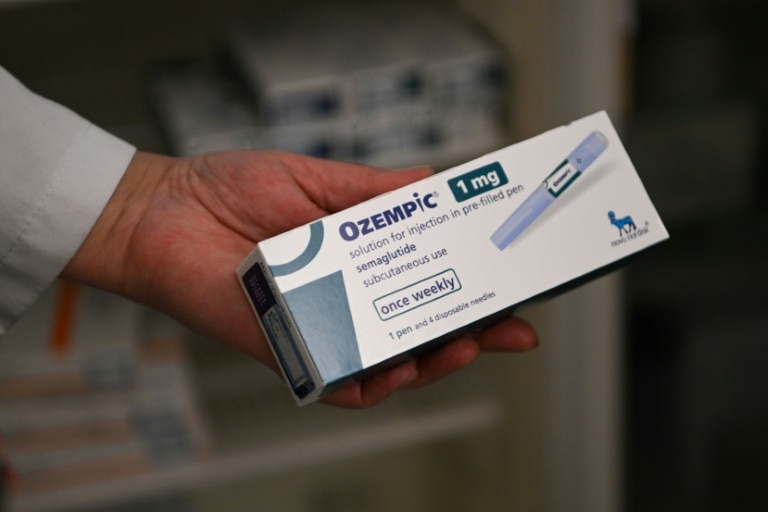
    A comprehensive medical review published Thursday in The BMJ reveals that patients who discontinue next-generation weight-loss medications regain previously lost weight at an accelerated rate compared to those ending traditional diet and exercise regimens. The study, conducted by Oxford University researchers, represents the most extensive analysis to date on weight rebound patterns following cessation of GLP-1 agonist drugs like Ozempic and Wegovy.

    According to the research, individuals who stopped taking semaglutide-based medications experienced weight regain at approximately four times the velocity of those abandoning conventional weight management programs. Participants in clinical trials had initially lost an average of 15 kilograms while actively using these pharmaceutical interventions. However, within one year of discontinuation, they regained approximately 10 kilograms, with projections indicating complete return to baseline weight within 18 months.

    The investigation synthesized data from 37 distinct studies examining various weight-loss pharmaceuticals, finding consistent patterns of 0.4 kilograms regained monthly after treatment cessation. Notably, cardiovascular health metrics including blood pressure and cholesterol levels similarly reverted to pre-treatment baselines within 1.4 years post-discontinuation.

    Study co-author Susan Jebb, Professor of Public Health Nutrition at Oxford University, emphasized that approximately half of patients discontinue these medications within the first year, potentially due to side effects like nausea or substantial financial burden—costs can exceed $1,000 monthly in the United States.

    Researchers clarified that while the rapid weight regain partially reflects the substantial initial weight loss achieved through pharmaceutical intervention, separate analysis confirmed that rebound velocity remained consistently faster after medication cessation regardless of initial weight reduction magnitude. This suggests that behavioral modifications through diet and exercise programs may create more sustainable lifestyle changes.

    The findings have significant implications for healthcare systems evaluating the long-term cost-effectiveness of these treatments. Experts emphasize that obesity should be approached as a chronic relapsing condition requiring lifelong management strategies rather than temporary interventions. University of Melbourne metabolic neuroscience researcher Garron Dodd, while not involved in the study, noted that sustainable treatment will likely require combination approaches and therapies that fundamentally reshape neural pathways governing energy balance.