博客

  • Hungary sets April 12 election date as Orbán faces tough challenge

    Hungary sets April 12 election date as Orbán faces tough challenge

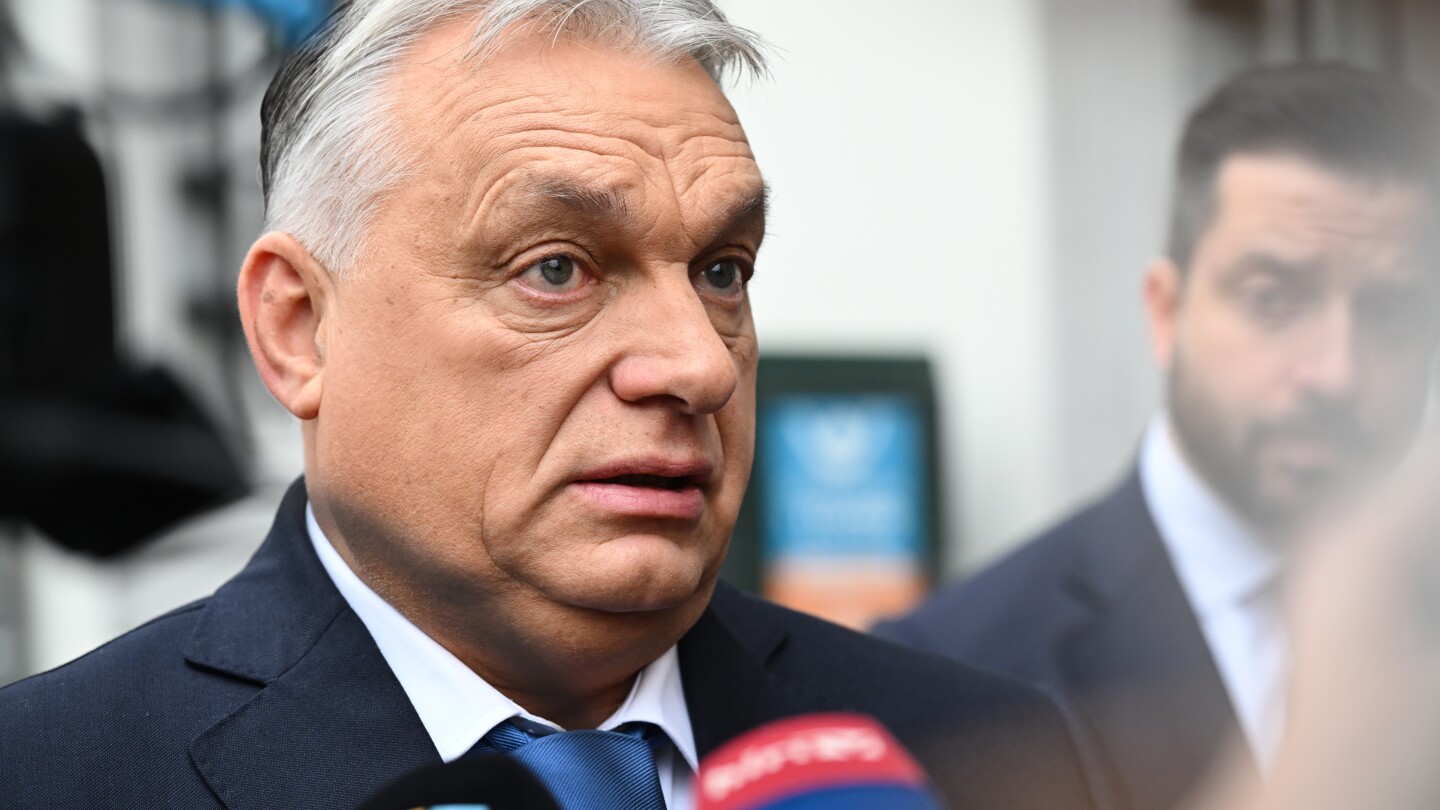
    BUDAPEST, Hungary — Hungary’s political arena is poised for a transformative confrontation as President Tamás Sulyok officially designated April 12 for the nation’s parliamentary election. This electoral contest presents Prime Minister Viktor Orbán with his most formidable political challenge since assuming power in 2010, marking a potential watershed moment in Hungarian politics.

    The political landscape has been dramatically reshaped by the rapid ascent of Péter Magyar, a 44-year-old center-right attorney who has mobilized substantial support through an intensive grassroots campaign across Hungary’s rural regions. Magyar’s Tisza party has capitalized on widespread public discontent regarding economic stagnation, escalating living expenses, and deteriorating public services, positioning itself as a viable alternative to Orbán’s establishment.

    Orbán, the European Union’s longest-serving leader who has championed his vision of an “illiberal democracy,” now confronts an opposition movement that has consistently outperformed his Fidesz party in independent polling. The Prime Minister’s political strategy has centered on consolidating institutional control and media influence throughout his tenure, though critics maintain this has fostered systemic corruption.

    The electoral battle has been framed by Fidesz as a fundamental choice between peace and conflict, with government allies asserting that Tisza represents a Brussels-orchestrated initiative to establish a puppet administration that would redirect Hungarian resources toward supporting Ukraine’s military efforts. These allegations have been vehemently denied by the opposition.

    Magyar has committed to implementing comprehensive anti-corruption reforms and securing the release of billions in frozen EU funds contingent upon judicial independence enhancements, should he attain victory. Notably, Orbán has declined invitations for a televised debate with his challenger—a format he has avoided since his 2006 electoral defeat.

    The formal campaign period commences on February 21, initiating candidate signature collection and permitting political advertising, setting the stage for a historically significant electoral confrontation that could redefine Hungary’s political trajectory and its relationship with European institutions.

  • Dubai Civil Defence to roll out smart uniforms with life-saving medical chips

    Dubai Civil Defence to roll out smart uniforms with life-saving medical chips

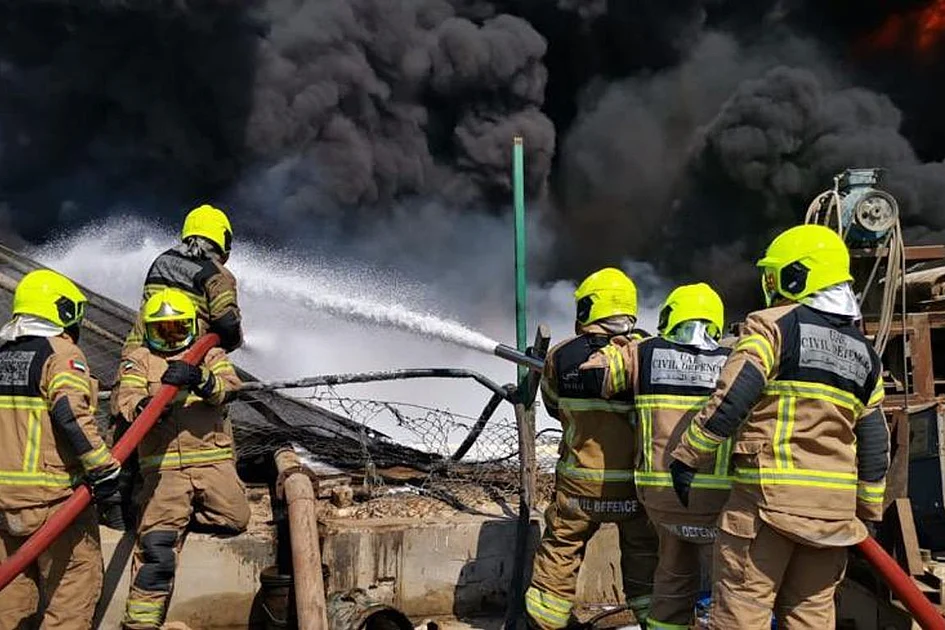
    Dubai Civil Defence is revolutionizing emergency response gear by integrating advanced smart chips into firefighters’ uniforms, creating a groundbreaking medical identification system. Lieutenant General Rashah Al Matrooshi, Commander in Chief of Dubai Civil Defence, announced the innovative initiative that will enable paramedics to instantly access critical medical information during emergencies.

    The technology functions through scannable chips embedded directly into uniform fabric. Healthcare providers can use smartphones to immediately retrieve comprehensive medical records, significantly reducing treatment delays when every second counts. This development addresses a critical gap in emergency care where unconscious or unresponsive firefighters cannot communicate their medical history, allergies, or pre-existing conditions.

    The implementation comes as a response to observed treatment delays during emergency transfers to medical facilities. Firefighters operating on frontlines often face dire injuries where immediate, informed medical intervention becomes life-or-death crucial.

    Currently in its final implementation phase, the program has completed all developmental stages with chips ready for integration into new uniform batches. Dubai Civil Defence will become the first government entity worldwide to deploy such technology operationally.

    In a remarkable commitment to global safety, Commander Al Matrooshi confirmed the program will be distributed internationally without cost. ‘We don’t seek profit—our only reward is the protection of lives and property,’ he stated during the Intersec security, safety and fire protection event at Dubai World Trade Center.

    The initiative represents a significant advancement in merging wearable technology with emergency medical response, potentially establishing new standards for first responder safety worldwide.

  • Freezing rain and ice disrupt travel across central and eastern Europe

    Freezing rain and ice disrupt travel across central and eastern Europe

    A severe winter storm system has unleashed chaos across Central and Eastern Europe, crippling transportation infrastructure with treacherous freezing rain and extreme icing conditions. Major international airports including Vienna International, Prague’s Vaclav Havel, Budapest’s Ferenc Liszt, and multiple Slovakian facilities were forced to implement extensive operational suspensions throughout Tuesday.

    Vienna International Airport, among the region’s busiest aviation hubs, experienced complete temporary shutdowns with incoming flights diverted to alternative airports in Munich, Frankfurt, Cologne and Venice. Peter Kleemann, spokesperson for the Austrian facility, confirmed that departure operations faced significant delays before gradual resumption commenced by late morning.

    The transportation crisis extended beyond aviation networks with widespread disruptions to rail and road systems. Austria’s national railway operator ÖBB reported substantial delays across northern and eastern routes, including Vienna services, advising passengers to postpone non-essential travel. Czech authorities confirmed numerous train and bus cancellations, with passengers at Prague’s main station experiencing multi-hour delays. The critical D8 highway connecting Czech Republic to Germany was closed following weather-related accidents on the German side.

    Urban transit systems similarly struggled with Budapest’s tram services paralyzed by accumulated ice following last week’s heavy snowfall. The Hungarian Meteorological Service warned of continuing adverse conditions with significant snowfall expected in eastern regions while western areas faced additional freezing rain.

    Romanian authorities reported temperatures plunging to -13°C (8.7°F) in some regions, prompting school closures and transition to online education. The compounding weather events represent one of the most significant winter transportation crises to affect the region in recent years, with meteorological services predicting continued challenging conditions throughout the week.

  • Hunt for gunman after Corsican exile is shot dead at mother’s funeral

    Hunt for gunman after Corsican exile is shot dead at mother’s funeral

    In a brazen act of violence that has shocked the French island of Corsica, former separatist leader Alain Orsoni was assassinated by a single gunshot while attending his mother’s funeral on Monday afternoon. The 71-year-old, who had spent years living in exile in Nicaragua, was struck in the chest by a long-range shot as the cemetery service concluded in his native village of Vero.

    Corsican prosecutor Nicolas Septe confirmed the tactical precision of the killing, noting that the fatal bullet was fired from a distance and resulted in rapid death. The shooting occurred moments after the burial ceremony had concluded, creating a scene of profound trauma for mourners already grieving the loss of Orsoni’s mother.

    Father Roger-Dominique Polge, who officiated the service, expressed horror at the violation of the sacred moment: ‘We’d just finished burying Alain’s mother—it was a moment of pain and grief. Suddenly we hear a gunshot and Alain falls down dead. In the middle of a cemetery, after a religious ceremony, I ask where are we, what kind of home are we living in?’

    The investigation has been assigned to France’s specialized anti-organized crime units, including the Marseille-based regional crime office. Early evidence suggests connections to recent gangland killings targeting associates of Orsoni’s son, Guy, who is currently serving a 13-year prison sentence for the attempted murder of a Petit Bar gang member in 2018.

    Orsoni’s life was marked by both political activism and criminal notoriety. A charismatic figure known for his singing voice and nationalist fervor, he rose to prominence in the 1970s Corsican independence movement. He founded the separatist Movement for Self-Determination (MPA), which achieved electoral success in 1992, though Orsoni was barred from taking office due to campaign violations.

    His complex history included participation in a 1980 gun attack near the Iranian embassy, the kidnapping and presumed murder of his brother in 1983, and multiple prison sentences. After fleeing to Central America in 1996 amid violent splits within nationalist circles, he later returned to Corsica to serve as president of football club AC Ajaccio, surviving an assassination attempt weeks after his 2008 appointment.

    Despite being aware of persistent threats to his life—four of his associates were killed within a two-year period—Orsoni maintained a defiant stance toward his safety, telling Le Figaro in 2012: ‘I’m not afraid of dying. I don’t wake up every morning thinking I’m going to be killed. I live a normal life, without a squad of bodyguards.’

    The assassination has highlighted the enduring power of criminal clans in Corsican society and raised urgent questions about organized crime’s influence on the island.

  • Japanese PM intends to dissolve lower house for snap election: Kyodo

    Japanese PM intends to dissolve lower house for snap election: Kyodo

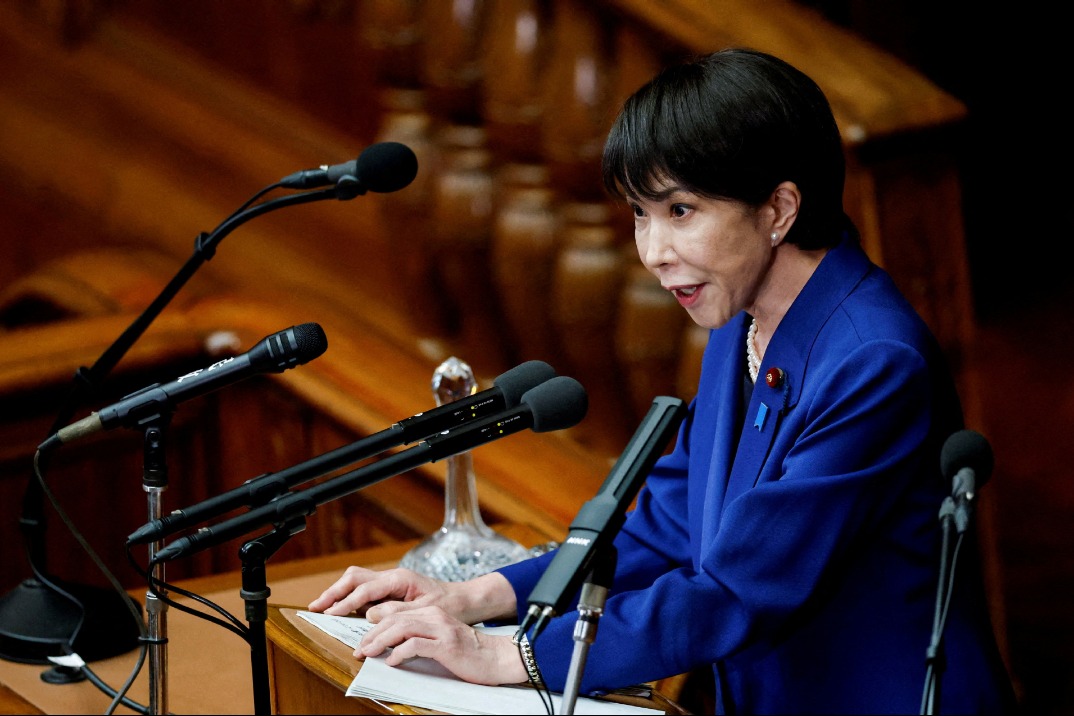
    Prime Minister Sanae Takaichi of Japan has signaled her intention to dissolve the House of Representatives, setting the stage for a snap general election that could reshape the nation’s political landscape. According to Kyodo News sources, the Japanese leader communicated this decision to senior officials within the ruling Liberal Democratic Party (LDP) ahead of the regular Diet session scheduled for January 23rd.

    The anticipated dissolution could trigger one of two potential election timelines: either a campaign period commencing January 27th with voting on February 8th, or a later schedule beginning February 3rd with ballots cast on February 15th. This strategic move comes despite sustained criticism from both opposition parties and factions within the LDP itself, who accuse the Prime Minister of prioritizing political advantage over public welfare.

    Recent opinion polls indicate relatively robust public support for the Takaichi administration, particularly regarding its emphasis on economic measures addressing rising living costs. The Prime Minister has consistently highlighted livelihood issues, including inflation countermeasures, as central to her policy agenda.

    However, media analysts warn that dissolving the lower house at the start of the regular Diet session could significantly delay passage of the fiscal 2026 budget, potentially pushing final approval to April or beyond. Such a scenario would likely force the government to implement a provisional budget to maintain national operations—a stopgap measure expected to have substantial repercussions for public services and economic stability.

  • Tottenham midfielder Bentancur has hamstring surgery in worry for Uruguay ahead of World Cup

    Tottenham midfielder Bentancur has hamstring surgery in worry for Uruguay ahead of World Cup

    Tottenham Hotspur has confirmed a significant setback for midfielder Rodrigo Bentancur, who has undergone surgical intervention for a right hamstring injury. The procedure follows the player’s exit during the club’s recent 3-2 Premier League defeat to Bournemouth last week.

    The North London club issued a statement indicating that the Uruguayan international will immediately commence a rehabilitation program under the supervision of the club’s medical team. No specific timeline for his return to competitive play was provided, leaving his availability for both club and country in question.

    This development poses a considerable concern for the Uruguayan national team management with the FIFA World Cup 2026 rapidly approaching. The global tournament, co-hosted by the United States, Canada, and Mexico, is scheduled to commence on June 11, exactly five months from now. Uruguay finds itself in Group B alongside Spain, Cape Verde, and Saudi Arabia.

    Bentancur’s absence exacerbates Tottenham’s existing midfield crisis, with key players James Maddison and Dejan Kulusevski already sidelined with long-term injuries. Additionally, winger Mohammed Kudus continues recovery from a thigh problem and isn’t anticipated to return until after the international break in March.

    In response to this mounting injury crisis, British media outlets have linked Tottenham with a potential move for Atletico Madrid midfielder Conor Gallagher as the club seeks to bolster its depleted midfield options.

  • Trump sets meeting with Venezuelan opposition leader, Caracas under pressure

    Trump sets meeting with Venezuelan opposition leader, Caracas under pressure

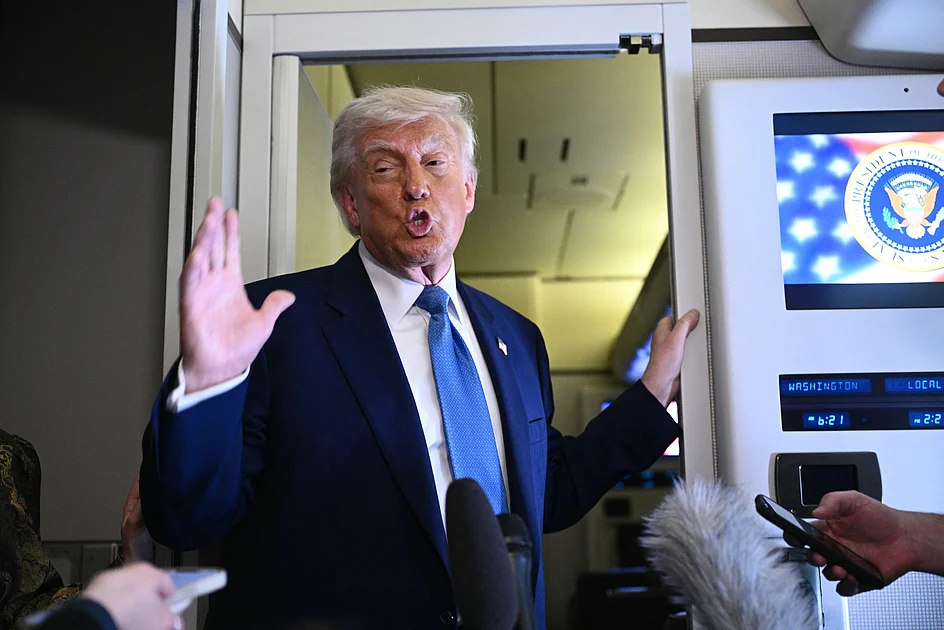
    In a significant diplomatic development, former U.S. President Donald Trump is scheduled to meet with Venezuelan opposition leader Maria Corina Machado at the White House this Thursday. This high-profile meeting occurs amidst intensifying pressure on Venezuela’s interim leadership to accelerate the release of political prisoners detained under the previous regime of Nicolás Maduro.

    The engagement marks a notable shift in Washington’s approach toward Machado, who had been largely sidelined since U.S. forces apprehended long-term authoritarian leader Maduro on January 3. Concurrently, the Trump administration declared its intention to actively oversee Venezuela’s transitional governance.

    Despite this overture to the opposition, Trump has maintained working relations with acting president Delcy Rodriguez and other Maduro allies retained in power. The former president has issued stern warnings to Rodriguez regarding compliance with Washington’s directives, particularly concerning access to Venezuela’s substantial oil reserves, with explicit consequences for non-cooperation.

    Meanwhile, Venezuelan authorities announced the release of 116 additional individuals imprisoned during Maduro’s tenure, many detained for participating in protests following the controversial 2024 election. However, human rights organizations and opposition figures have questioned the official numbers, indicating that only approximately 50 prisoners have been freed thus far from an estimated 800-1,200 political detainees.

    Families of the imprisoned have maintained vigil outside correctional facilities, expressing growing frustration with the pace of releases. Manuel Mendoza, awaiting his son’s release at El Rodeo prison, articulated the collective anguish: ‘We simply ask that they keep their word. It’s already been four nights waiting out in the open air, suffering.’

    Machado has sought international intervention, recently appealing to Pope Leo XIV at the Vatican to ‘intercede for all Venezuelans who remain kidnapped and disappeared.’ Her political understudy, Edmundo Gonzalez Urrutia—who ran as the opposition’s presidential candidate in 2024 after Machado’s disqualification by Maduro-loyal institutions—emphasized that ‘every hour that passes is a new form of violence against families’ of detainees.

    Parallel to these developments, U.S. envoys have visited Caracas to discuss reopening the American embassy after a seven-year diplomatic hiatus. Trump expressed openness to meeting with Rodriguez directly, noting that his administration was collaborating ‘really well’ with Venezuela’s interim government. Regarding the prisoner releases, Trump remarked that he hoped those freed ‘will remember how lucky they got that the USA came along and did what had to be done.’

  • Nuuk, Copenhagen cautiously mull Greenland independence

    Nuuk, Copenhagen cautiously mull Greenland independence

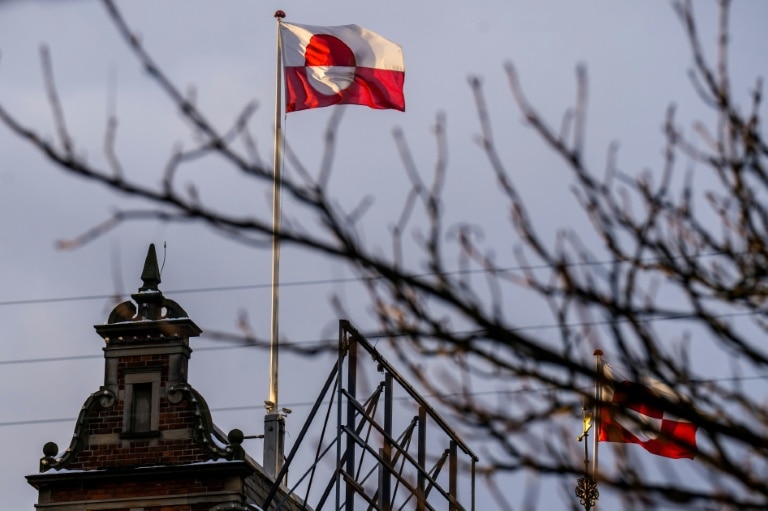
    The geopolitical landscape of the Arctic is undergoing significant transformation as Greenland cautiously advances its independence aspirations from Denmark, while simultaneously navigating overtures from the United States. This complex triangular relationship represents a critical juncture in North Atlantic politics.

    Greenland, which transitioned from Danish colony to self-governing territory in 1979, has established a clear constitutional pathway toward potential sovereignty. The 2009 Self-Government Act, ratified by the Danish parliament, provides Article 21 stipulations that mandate independence negotiations must commence should Greenland’s population formally express this desire through democratic processes.

    The economic dimension presents substantial challenges for prospective sovereignty. Greenland’s economy remains heavily dependent on annual Danish subsidies totaling approximately 4.5 billion kroner ($703 million), constituting nearly 20% of the territory’s GDP. With an economic foundation primarily reliant on fisheries and facing demographic challenges including an aging population, economic self-sufficiency represents a significant hurdle.

    Political dynamics within Greenland reveal nuanced perspectives on independence timing. While polls indicate overwhelming support for eventual sovereignty among Greenlanders, there exists considerable divergence regarding the appropriate timeline. The current coalition government, enjoying 75% electoral support, advocates for gradual independence implementation based on a draft constitution from 2024. Conversely, the opposition Naleraq party has capitalized on recent geopolitical developments to advocate for accelerated separation.

    International dimensions further complicate the independence calculus. Former US President Donald Trump’s repeated expressions of interest in acquiring Greenland for national security purposes have introduced additional geopolitical considerations. Danish officials and historians have uniformly rejected such propositions, emphasizing that any determination regarding Greenland’s future must occur absent external coercion.

    Academic perspectives highlight the Nordic tradition of peaceful separation, citing historical precedents including Norway’s 1905 independence from Sweden and Iceland’s 1944 sovereignty declaration from Denmark. This established pattern suggests that should Greenland pursue independence, the process would likely follow diplomatic channels rather than confrontational approaches.

    The road to potential sovereignty involves multiple procedural requirements, including parliamentary approval in both Nuuk and Copenhagen followed by a Greenlandic referendum. This carefully structured process reflects the complex interdependence that has developed between Denmark and its largest territory over centuries of shared history.

  • UAE’s 3 airlines rated among world’s 5 safest; Etihad ranked safest globally

    UAE’s 3 airlines rated among world’s 5 safest; Etihad ranked safest globally

    The United Arab Emirates has cemented its position as a global leader in aviation safety, with three of its carriers securing spots among the world’s top five safest airlines according to AirlineRatings’ prestigious 2026 assessment. Etihad Airways achieved the remarkable distinction of being ranked the world’s safest airline, marking the first time a Gulf carrier has claimed the top position.

    The comprehensive safety evaluation, which analyzed 25 full-service and budget carriers, placed Etihad at the pinnacle followed by Cathay Pacific, Qantas, Qatar Airways, and Emirates completing the top five. The rankings considered multiple safety parameters including fleet age, incident rates, crash history, cockpit safety advancements, and independent onboard safety audits.

    Sharon Petersen, CEO of AirlineRatings, emphasized that Etihad’s achievement resulted from a combination of factors: “A young fleet, advancements in cockpit safety particularly around turbulence management, a crash-free history, and the lowest incident rate per flight of any airline on our list. Their excellent adherence to turbulence management in the cabin during our independent audit was particularly impressive.”

    Antonoaldo Neves, CEO of Etihad Airways, expressed pride in receiving “one of the most respected airline safety awards in the world,” noting that the achievement “reflects the strength of our safety culture, the dedication of our people, and the aviation excellence of our region.”

    The UAE’s aviation success story is underpinned by substantial investments exceeding billions of dollars in new, fuel-efficient aircraft. This strategic commitment was demonstrated during the Dubai Airshow 2025, where UAE carriers—Emirates, Etihad Airways, and flydubai—collectively ordered over 500 commercial and cargo aircraft valued at approximately Dh420 billion.

    In the budget airline category, flydubai secured fourth position, making it the only regional carrier in the top ten safest low-cost airlines. HK Express led the budget rankings, followed by Jetstar Airways and Scoot.

    Petersen highlighted the remarkably narrow safety margins between top carriers, noting that incident rates across all listed airlines ranged between 0.002 and 0.09 per flight—a testament to the industry’s overall safety standards. “Inclusion in the top 25 reflects not just excellence in aircraft and operations but the crucial role of skilled aircrew and robust safety practices,” she added.

    The 2026 rankings also welcomed new entrants including Starlux and Fiji Airways, while Spring Airlines China became the first Chinese carrier to appear in AirlineRatings’ rankings.

  • Cold weather and data centres drive up US greenhouse gas emissions

    Cold weather and data centres drive up US greenhouse gas emissions

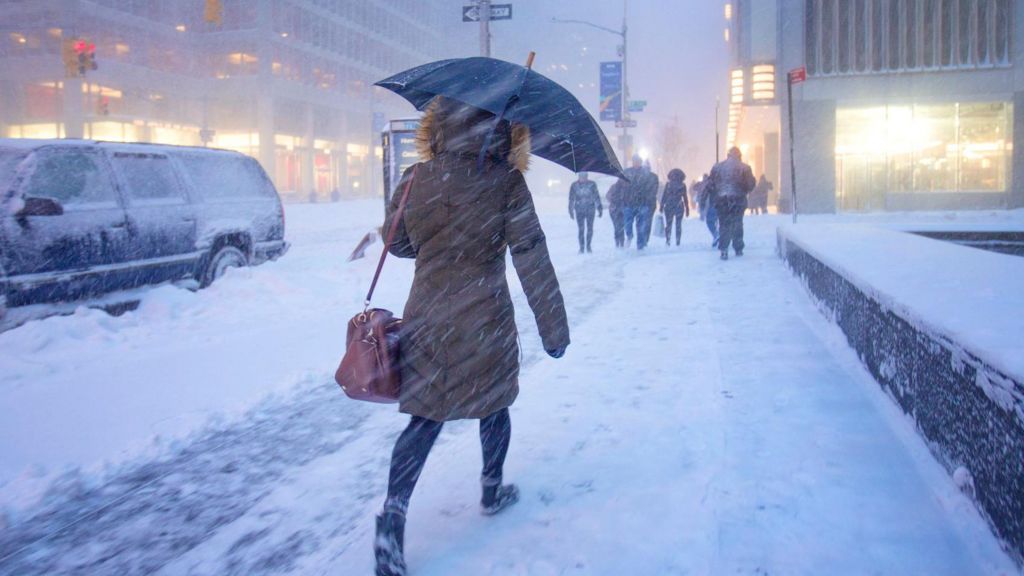
    A comprehensive analysis reveals that United States greenhouse gas emissions experienced a significant reversal in 2025, increasing by 2.4% after two consecutive years of decline. This environmental setback marks the first emissions rise in three years, primarily driven by extreme winter conditions and unprecedented energy demands from emerging technologies.

    The Rhodium Group’s detailed assessment identifies multiple converging factors behind this concerning trend. Exceptionally cold temperatures during early 2025 triggered a 7% surge in residential heating fuel consumption across northern states, where natural gas remains the dominant heating source. Simultaneously, the explosive growth of data centers and cryptocurrency mining operations in energy-intensive regions like Texas and the Ohio Valley created substantial additional power demands.

    This energy crunch coincided with elevated natural gas prices, prompting power generators to reactivate coal-fired plants that had been largely phased out. US coal consumption jumped 13% in 2025—a stark contrast to declining coal usage in China and India, both of which achieved record renewable energy installations. The coal resurgence represents only the second annual increase in US coal power generation over the past decade, though it remains 64% below 2007 levels.

    While renewable energy made impressive gains—solar generation grew at its fastest pace since 2017, expanding by 34%—these additions proved insufficient to offset the overall emissions increase. The transportation sector maintained its position as the largest emissions source, though emissions plateaued despite increased traffic volumes, thanks to growing adoption of hybrid (up 25%) and electric vehicles.

    Energy analysts note that market forces rather than policy changes primarily drove the emissions surge. Rhodium Group’s lead author Michael Gaffney emphasized that while the Trump administration’s climate policy rollbacks didn’t significantly impact 2025 emissions, the structural demand growth from data centers and cryptocurrency operations appears permanent. Environmental advocates counter that administration policies supporting natural gas exports and artificial intelligence infrastructure have indirectly contributed to the emissions increase.

    The 2025 emissions increase outpaced economic growth, indicating a reversal in the decoupling of emissions from economic expansion that had characterized previous years. With electricity providers delaying coal plant retirements to meet sustained demand, experts suggest this emissions rebound may represent more than a temporary fluctuation, signaling persistent challenges in balancing energy security with climate commitments.