博客

  • Indonesian doctors gain hands-on cardiology training in Lanzhou

    Indonesian doctors gain hands-on cardiology training in Lanzhou

    In a significant bilateral health initiative, nine Indonesian medical professionals are currently immersed in an intensive one-year advanced training program in interventional cardiology at Lanzhou University First Hospital. This collaborative effort between the Chinese and Indonesian health ministries represents a growing partnership in medical education and specialized healthcare development.

    The program, initiated to address developmental gaps in Indonesia’s interventional cardiology sector, provides Indonesian clinicians with unprecedented access to China’s advanced medical technologies and extensive clinical resources. Participants work directly alongside experienced Chinese mentors, gaining practical experience through approximately 400-500 interventional procedures per trainee during the program duration.

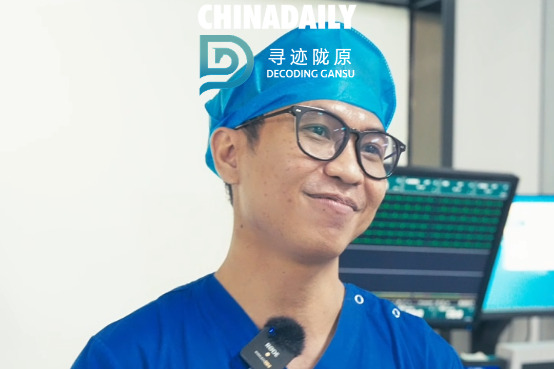
    Muhammad Insani Ilman, who commenced training in March 2025, emphasized the transformative potential of this educational exchange. “The technological sophistication here exceeds anything available in Indonesia,” he noted. “The expertise we’re acquiring will significantly enhance our capacity to treat complex cardiac cases upon our return.”

    Fellow participant Juang Zehua highlighted both the professional rigor and supportive environment characterizing the program. “While the clinical workload is substantial, each patient interaction delivers valuable learning opportunities,” Zehua explained. “The medical staff has created an exceptionally welcoming atmosphere, making us feel like part of their professional family.”

    According to Dr. Bai Ming, Vice-President of Lanzhou University First Hospital, this initiative represents a mutually beneficial exchange that simultaneously elevates clinical capabilities while fostering international cooperation in cardiovascular care. “This program demonstrates how shared medical knowledge can transcend borders to improve global health outcomes,” Bai stated.

    The hospital administration has announced plans to expand this successful model, establishing similar cooperative programs with additional nations to further advance worldwide cardiovascular treatment standards.
  • Ancient Rome meets modern technology as tourists visit restored, frescoed home via livestream tours

    Ancient Rome meets modern technology as tourists visit restored, frescoed home via livestream tours

    ROME — In a groundbreaking fusion of archaeological preservation and digital innovation, one of ancient Rome’s most exceptionally preserved residences is now accessible to the public through immersive livestreamed tours. The House of the Griffins, dating back to the Republican era (2nd-1st century B.C.), has remained hidden beneath Emperor Domitian’s palace on the Palatine Hill since the 1st century A.D.

    Discovered during early 20th-century excavations, this aristocratic dwelling represents a remarkable time capsule from Rome’s Republican period. The domus derives its name from the magnificent arched fresco depicting two griffins—mythical eagle-lion hybrids—that adorn its interior. Additional artistic treasures include vibrantly colored faux marble designs and sophisticated three-dimensional cube mosaics, comparable in quality to the finest Pompeian residences.

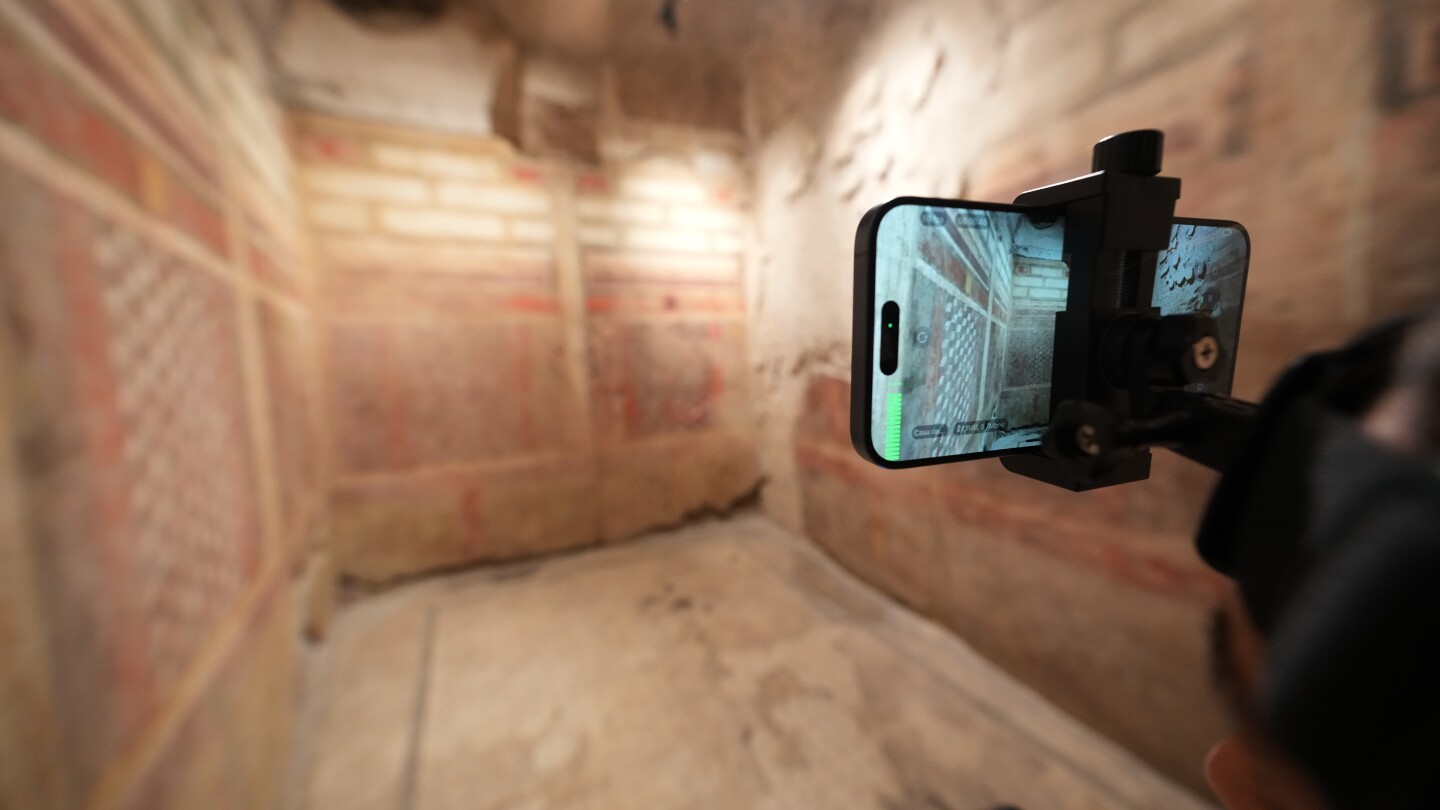
    Due to its fragile underground location accessible only by a steep staircase, physical visitation poses significant conservation challenges. Instead, the Colosseum Archaeological Park has implemented an innovative solution: trained guides equipped with head-mounted smartphones conduct live virtual tours, transmitting real-time footage and expert narration to visitors above ground.

    Project chief Federica Rinaldi notes that while the specific inhabitants remain unknown, the residence’s prime hilltop location and exquisite decoration confirm its status as ‘a domus of the highest standard.’ The virtual access strategy serves dual purposes: protecting delicate frescoes from humidity and carbon dioxide exposure while providing unprecedented public access.

    Commencing March 3, weekly livestreamed tours in Italian and English will be available by reservation, requiring a supplemental ticket beyond standard park admission. This initiative forms part of a broader EU-funded effort to distribute tourist traffic beyond the overcrowded Colosseum and Forum areas, showcasing the archaeological park’s extensive cultural heritage.

    Park director Simone Quilici emphasized that this approach represents ‘a great occasion to value the full territory of the park,’ demonstrating how technology can simultaneously preserve ancient artifacts while enhancing public engagement with historical treasures.

  • Photos: Drivers compete in ‘world’s most dangerous race’ Dakar Rally in Saudi

    Photos: Drivers compete in ‘world’s most dangerous race’ Dakar Rally in Saudi

    The 2026 Dakar Rally, widely regarded as the planet’s most perilous motorsport competition, is currently underway across the formidable terrain of Saudi Arabia. This legendary event, which transitioned from its original African route to the Middle Eastern nation in 2020, continues to push competitors to their absolute limits.

    Drivers and riders from across the globe are navigating extreme desert conditions, including vast sand dunes, rocky mountain paths, and navigating by precise GPS coordinates rather than traditional tracks. The rally’s reputation for danger stems from its grueling combination of mechanical endurance, navigational complexity, and physical demands on participants who face extreme temperatures and sleep deprivation throughout the multi-stage event.

    The Saudi Arabian landscape provides a dramatic backdrop for this ultimate test of human and machine, with competitors covering thousands of kilometers in some of the most remote and inhospitable environments on Earth. The event features multiple vehicle categories, including motorcycles, cars, trucks, and all-terrain vehicles, each facing unique challenges specific to their class.

    Safety remains a paramount concern for organizers, who implement extensive medical and logistical support systems throughout the course. Despite these measures, the rally maintains its inherently risky character, with participants acknowledging the ever-present possibility of mechanical failure, accidents, or navigational errors that could end their competition prematurely.

    The event continues to draw both professional factory teams and ambitious amateur adventurers, all united by the challenge of conquering one of motorsport’s last great adventures where simply finishing represents a monumental achievement.

  • Seed Group–Oongalee partnership to introduce fintech and interactive dining technology in the UAE

    Seed Group–Oongalee partnership to introduce fintech and interactive dining technology in the UAE

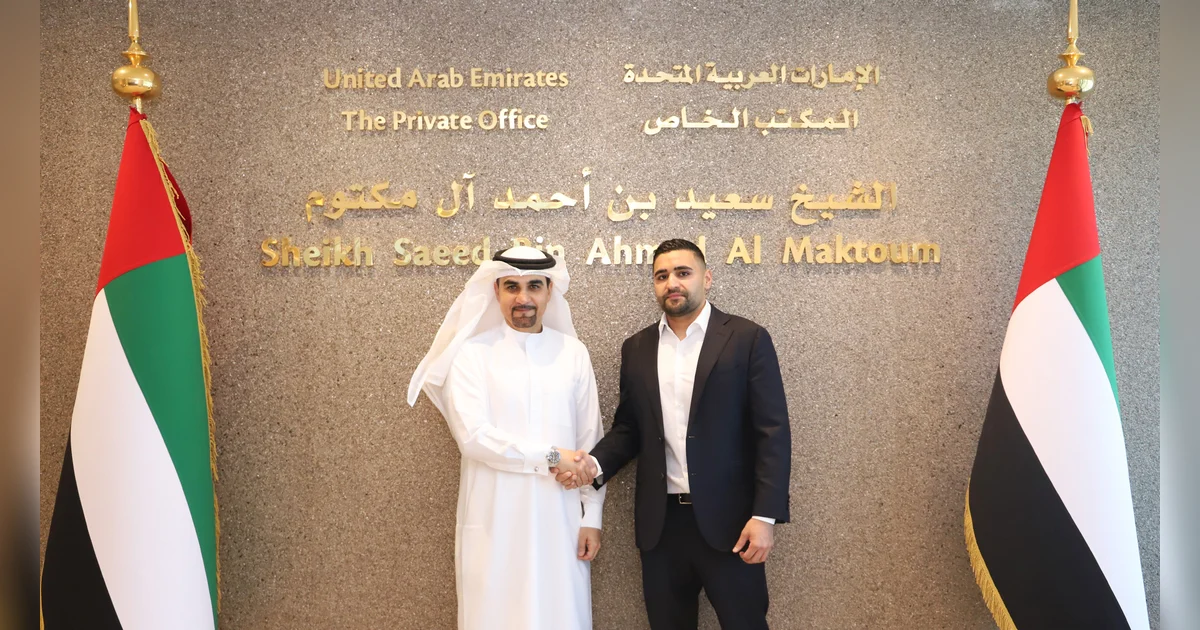
    In a landmark move for the Middle Eastern hospitality sector, UAE-based Seed Group, a company of The Private Office of Sheikh Saeed bin Ahmed Al Maktoum, has announced a strategic alliance with Canadian fintech innovator Oongalee. This partnership is set to redefine the dining experience across the Emirates by introducing advanced interactive table-side technology that seamlessly integrates media, entertainment, and payment solutions.

    The collaboration marks Oongalee’s inaugural entry into the UAE market following its proven success in Canada, where it operates the nation’s largest interactive tabletop media network. With an impressive footprint of over 400 restaurants and 14,000 screens, the platform has facilitated more than 20 million annual guest interactions. Backed by Seed Group’s regional expertise and influence, Oongalee intends to utilize the UAE as its strategic launchpad for subsequent global expansion throughout the Middle East.

    Hisham Al Gurg, CEO of Seed Group, emphasized the practical innovation behind the technology: “Oongalee’s platform addresses genuine operational challenges within the hospitality industry. By modernizing table-side services and enabling targeted, measurable advertising, it creates tangible value for both restaurant operators and brands. This initiative perfectly aligns with the UAE’s vision for a digitally empowered economy.”

    Karan Sareen, Co-founder and CEO of Oongalee (UAE), highlighted the significance of the partnership: “While Canada validated our technological model, our collaboration with Seed Group provides the strategic credibility and market access necessary for impactful scaling. Our mission remains centered on enhancing guest experiences while delivering concrete commercial benefits for our partners.”

    Established in 2019, Oongalee combines purpose-built hardware with integrated software to create a comprehensive dining assistant. The platform enables restaurants to boost operational efficiency and optimize revenue streams while offering advertisers a high-engagement, data-driven channel to connect with captive audiences. Globally, the network generates over five billion annual impressions across more than 400 locations, attracting major international brands.

    This initiative is expected to significantly advance Dubai’s position as a regional hub for smart dining solutions and fintech integration, supporting broader economic diversification efforts and enhancing customer experiences across the hospitality landscape.

  • UAE financial authority warns of unlicensed company

    UAE financial authority warns of unlicensed company

    The UAE’s Capital Market Authority has issued an official public advisory cautioning investors against engaging with Volcano Capital Marketing Management, an organization operating without proper regulatory authorization. In a notice released on Tuesday, January 13, 2026, the financial regulator explicitly stated that the company lacks the necessary licensing to conduct regulated financial activities or provide associated financial services within the country.

    The authority emphasized its complete dissociation from any transactions or business dealings involving Volcano Capital, clearly stating it ‘bears no responsibility’ for any financial engagements with the unlicensed entity. The regulatory body strongly urged investors and the general public to rigorously verify the licensing status and regulatory standing of any company before initiating business relationships or financial transactions.

    This warning follows a similar alert issued on December 4th against another Dubai-based firm, Global Capital Securities Trading, which was found to be operating without proper authorization while posing as a legitimate capital trading company. The regulatory pattern indicates increased vigilance by UAE authorities against unauthorized financial operations, highlighting concerns about companies potentially misleading investors while operating from representative offices affiliated with international entities like Global Capital Market Limited.

    The consecutive regulatory actions demonstrate the UAE financial authority’s strengthened commitment to investor protection and market integrity, particularly against organizations that might exploit the reputation of the country’s robust financial sector without proper oversight.

  • Eritrea included in Afcon 2027 preliminary qualifying

    Eritrea included in Afcon 2027 preliminary qualifying

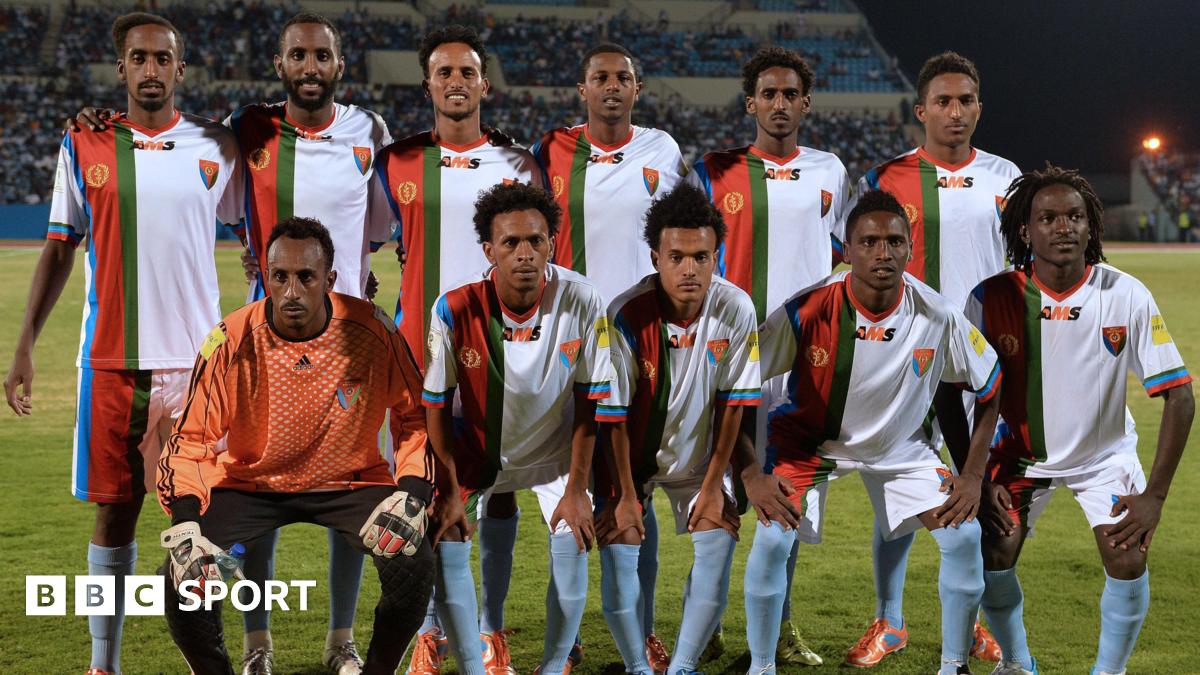
    In a surprising development for African football, Eritrea has been included in the preliminary qualifying round draw for the 2027 Africa Cup of Nations (Afcon) despite holding an unranked status with world governing body FIFA. The East African nation, which has participated in just two international matches since February 2020, will face Eswatini in the preliminary stage.

    This inclusion comes despite Eritrea’s recent history of tournament withdrawals, having pulled out of qualifiers for both the 2023 Afcon and the 2026 FIFA World Cup. The latter withdrawal occurred just one week before their scheduled match against Morocco, Africa’s top-ranked team.

    The preliminary round draw, conducted in Rabat ahead of the 2025 Afcon semi-finals, paired several other nations: Djibouti with South Sudan, Chad with Burundi, Somalia with Mauritius, Seychelles with Lesotho, and Sao Tome e Principe with Ethiopia, the 1962 champions.

    These two-legged qualifying ties are scheduled for late March, with the six victorious teams advancing to join the continent’s 42 highest-ranked sides in the main group stage. The Confederation of African Football has yet to announce specific dates for both the 2027 Afcon qualifiers and the tournament itself, which will be jointly hosted by Kenya, Tanzania, and Uganda.

    Eritrea’s international football history remains marked by their last Afcon qualifying campaign ahead of the 2008 finals and a notable incident in October 2015 when ten players claimed asylum in Botswana following a World Cup qualifier.

  • Trump set to lead largest-ever US delegation to World Economic Forum in Davos next week

    Trump set to lead largest-ever US delegation to World Economic Forum in Davos next week

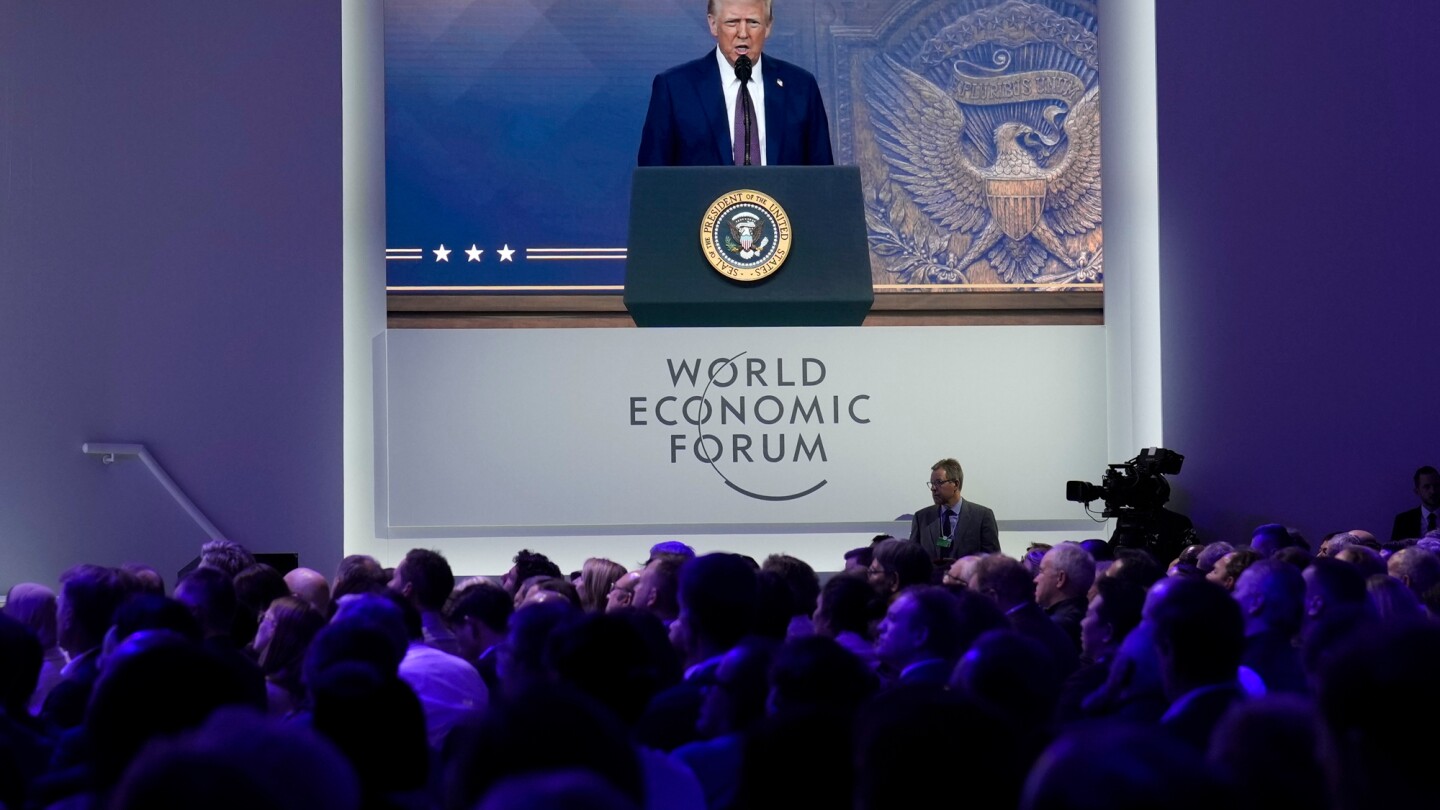
    GENEVA — President Donald Trump is poised to make a significant return to the World Economic Forum’s annual gathering in Davos, Switzerland, heading an unprecedented U.S. governmental contingent amid ongoing international policy concerns. The Geneva-based organizing committee confirmed Tuesday that Trump’s delegation will include five Cabinet secretaries and numerous senior officials, marking the largest official U.S. presence in the event’s history.

    The forum, scheduled from January 20-23, anticipates record-breaking participation with 3,000 attendees from 130 nations, including 850 chief executives and chairs of leading global corporations. Notably, six out of seven G-7 leaders are expected alongside Ukrainian President Volodymyr Zelenskky, Syrian President Ahmad al-Sharaa, and approximately 64 heads of state or government—potentially the highest governmental representation ever assembled at the Alpine summit.

    Forum President Borge Brende emphasized the distinctive composition of this year’s attendance, noting China’s delegation will be led by Vice Premier He Lifeng, Beijing’s principal trade negotiator. The event returns to its traditional format after Trump’s virtual participation last year shortly following his second inauguration.

    Founded in 1971, the Davos forum has consistently served as a nexus for international dialogue, policy debate, and economic negotiation. While critics argue the event primarily benefits global elites at potential societal expense, organizers maintain its fundamental mission remains ‘improving the state of the world’ through inclusive engagement with advocacy groups, academic institutions, and cultural representatives.

  • Trump announces 25 percent tariff on countries doing business with Iran

    Trump announces 25 percent tariff on countries doing business with Iran

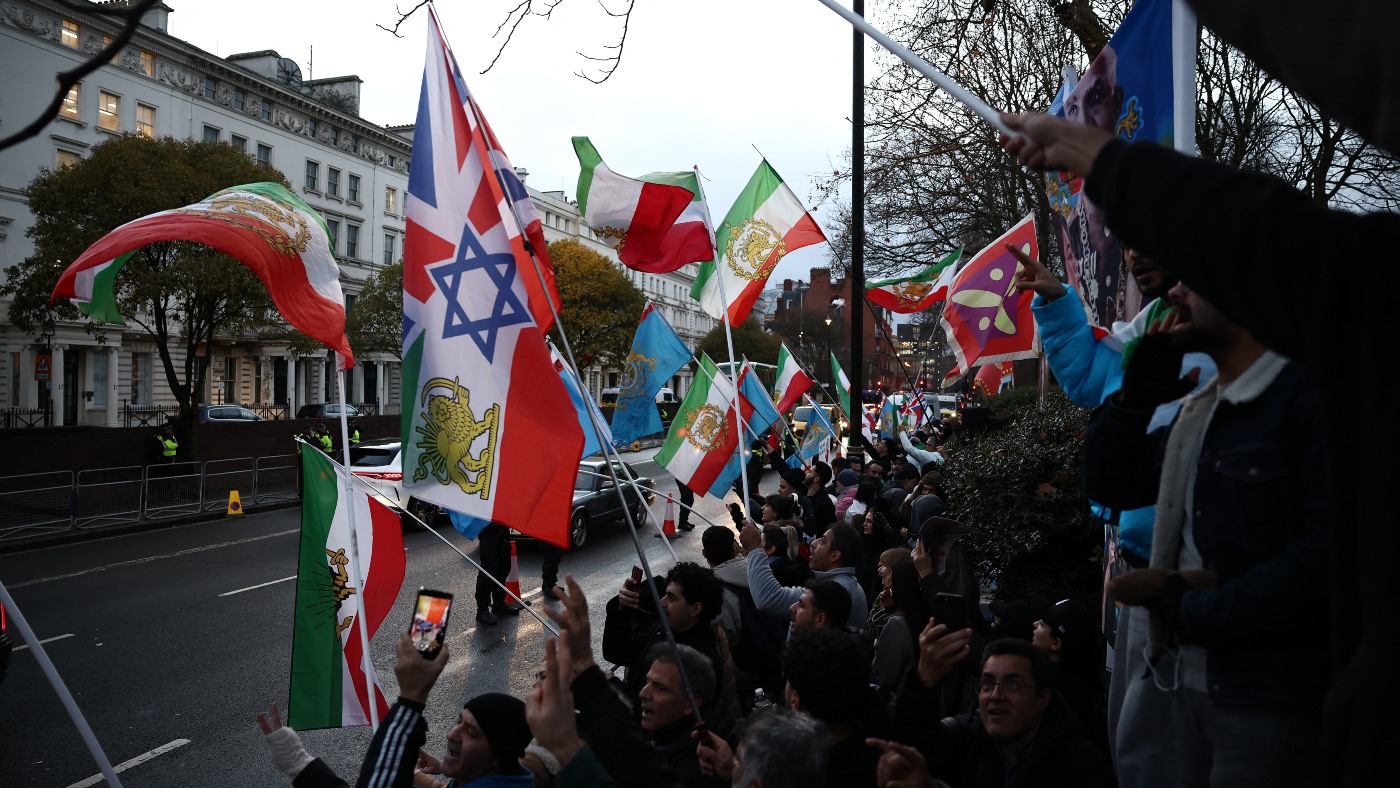
    Amid escalating anti-government protests in Iran, former US President Donald Trump has declared an immediate 25% tariff on all nations conducting business with the Islamic Republic. The announcement, made via Truth Social on Monday, positions the tariff as a punitive measure against any country engaging commercially with Iran, with the cost to be levied on all their business dealings with the United States.

    This policy directly impacts key Iranian trading partners, including China, Russia, India, and Turkey, and is expected to result in increased costs for American importers. China, which accounts for approximately 30% of Iran’s total foreign trade, issued a firm rebuttal. Chinese Embassy spokesperson Liu Pengyu stated on X that ‘tariff wars and trade wars have no winners,’ condemning the move as illicit unilateral sanctioning and vowing to safeguard China’s legitimate rights and interests.

    The geopolitical tension unfolds against a backdrop of severe domestic unrest in Iran. A virtual US embassy security alert has urgently advised American citizens to depart Iran immediately, offering specific guidance for land departure to Armenia or Turkey if commercial options are unavailable. The United States maintains no physical diplomatic presence in Iran, with Switzerland acting as its protecting power.

    Iranian officials report significant casualties from the ongoing protests, with an estimated 2,000 fatalities—a figure substantially higher than the 640 previously tallied by human rights groups. Over 10,700 individuals have been arrested, and the nation has been subjected to an internet blackout exceeding 100 hours. The protests, ignited on December 28 by economic grievances including a historic devaluation of the rial and 42% inflation, have intensified into a broader anti-government movement.

    Iranian leadership has accused the US and Israel of backing ‘armed rioters’ and sowing chaos. Foreign Minister Hossein Amirabdollahian stated Tehran is prepared for either ‘war or dialogue,’ while President Masoud Pezeshkian alleged a foreign plot to create disorder. Iran has also issued warnings of potential strikes on Israeli and US military bases should its territory be attacked.

    In response, Israel has elevated its security alert level. Trump, commenting on the situation, indicated his administration is monitoring events closely and considering ‘very strong options,’ promising a retaliatory response of unprecedented scale if Iran acts against US interests.

  • Denmark, Greenland set for high-stake talks at White House

    Denmark, Greenland set for high-stake talks at White House

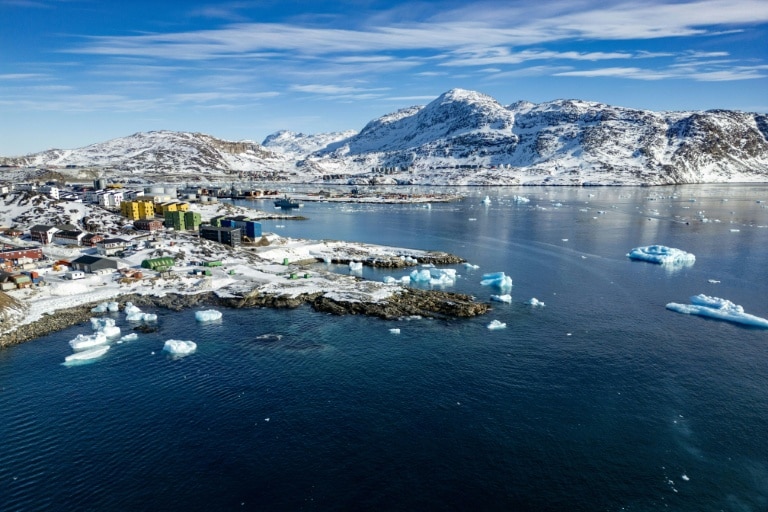
    A high-stakes diplomatic meeting is set to unfold at the White House on Wednesday as Danish and Greenlandic officials confront U.S. Vice President JD Vance over escalating tensions regarding Arctic sovereignty. The extraordinary gathering comes after months of strained relations triggered by Vance’s uninvited visit to Greenland in March and President Donald Trump’s persistent suggestions about acquiring the strategically vital territory.

    The confrontation stems from Vance’s accusations that Denmark has neglected its autonomous Arctic territory, labeling America’s NATO ally as ‘bad’ regarding Arctic security commitments. These remarks provoked fury in Copenhagen, which has consistently supported U.S. military operations internationally. Swedish Prime Minister Ulf Kristersson notably reminded that ‘the United States should thank Denmark, which over the years has been a very loyal ally.’

    Wednesday’s meeting, requested jointly by Danish Foreign Minister Lars Lokke Rasmussen and Greenlandic counterpart Vivian Motzfeldt, aims to address what they term ‘misunderstandings’ concerning Greenland’s defense arrangements, Chinese and Russian presence in the Arctic, and the complex relationship between Greenland and Denmark. The Kingdom of Denmark comprises Denmark proper, Greenland, and the Faroe Islands.

    According to Greenland specialist Mikaela Engell, American perceptions have dangerously misinterpreted ongoing discussions about Greenland’s autonomy. ‘To the uninformed American listener,’ Engell noted, ‘the talks might have been construed as if Greenland’s secession from Denmark was imminent,’ potentially justifying interventionist sentiments.

    The security dimension dominates the agenda. Washington alleges insufficient protection against Chinese and Russian threats, while Denmark highlights its substantial investment of nearly 90 billion kroner ($14 billion) to strengthen military presence in the Arctic. The discussions will extend to NATO, with Danish Defence Minister Troels Lund Poulsen and Greenland’s Motzfeldt scheduled to meet Secretary General Mark Rutte on January 19 specifically addressing Arctic security.

    Lund Poulsen emphasized forward momentum: ‘We are now moving forward with the whole issue of a more permanent, larger presence in Greenland from the Danish defence forces but also with the participation of other countries.’ NATO confirms work on ‘next steps’ for Arctic security, with diplomats indicating preliminary discussions about a potential new regional mission, though no concrete proposals currently exist.

  • A US youth reflects on the ‘cave-dwelling conversation’

    A US youth reflects on the ‘cave-dwelling conversation’

    As the Fifth Plenary Session of the 20th CPC Central Commission for Discipline Inspection convenes from January 12-14, 2026, an American youth offers a contemporary perspective on China’s enduring governance philosophy through the lens of the historic “cave-dwelling conversation” in Yan’an. This reflection addresses a perennial question in political systems worldwide: how does a long-governing party effectively maintain oversight of its own supervisors?

    The analytical examination reveals China’s distinctive approach centers on a dual mechanism combining robust public oversight with institutional self-reform. This governance model establishes clear operational boundaries for power while maintaining it within structured institutional constraints. The system demonstrates a consistent willingness to identify and rectify errors through transparent processes.

    This governance framework emerges from historical precedents but continues to evolve through contemporary anti-corruption initiatives and disciplinary reforms. The ongoing plenary session represents the latest development in this continuous refinement process, addressing both conduct standards and systemic supervision mechanisms.

    The American perspective highlights how China’s solution to the supervision dilemma differs from Western models, emphasizing internal reform processes alongside public accountability channels. This approach maintains that effective governance requires both institutional constraints and the political determination to implement them consistently, even when addressing internal challenges.