博客

  • Australia to hold day of mourning for Bondi shooting victims on January 22

    Australia to hold day of mourning for Bondi shooting victims on January 22

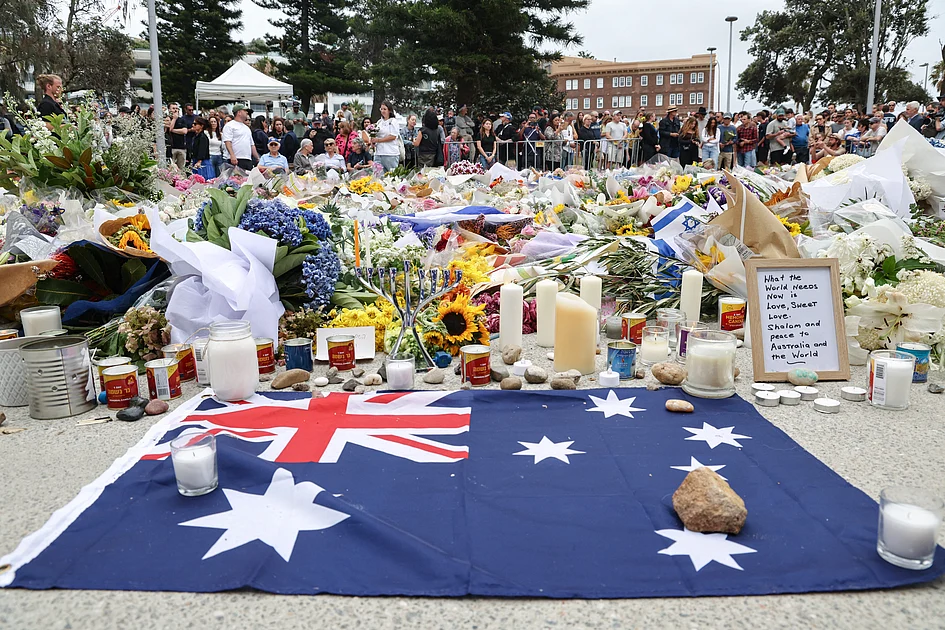
    Australia will observe a national day of mourning on January 22nd to honor the fifteen victims of the devastating mass shooting at Bondi Beach. Prime Minister Anthony Albanese announced the solemn commemoration, which will be marked by flags flying at half-mast nationwide under the unifying theme ‘light will win’.

    The December 14th attack, which targeted a Jewish Hanukkah celebration and represents the country’s deadliest mass shooting in three decades, has triggered profound national introspection. The incident has raised critical questions about antisemitism, public safety failures regarding the protection of Jewish communities, and has catalyzed government commitments to strengthen firearm regulations.

    Organized in collaboration with Jewish community representatives, the memorial gathering will serve as a moment of collective remembrance. The Chabad of Bondi, hosts of the original festival, described the event as an opportunity to honor those lost, support the injured and their families, and collectively reaffirm values of compassion and solidarity.

    In response to mounting public pressure, Prime Minister Albanese has authorized a royal commission—the highest form of government inquiry—to conduct a comprehensive investigation. This probe will examine potential intelligence failures, the proliferation of antisemitic sentiment within Australia, and all circumstances surrounding the attack.

    The alleged perpetrators, Sajid Akram and his Australian-born son Naveed, have brought scrutiny upon national security protocols. Despite being flagged by intelligence agencies in 2019, Naveed Akram—now charged with terrorism and fifteen counts of murder—was deemed not to pose an imminent threat and subsequently dropped from surveillance.

    In the tragedy’s aftermath, Australian authorities have initiated substantial policy reforms, including a major gun buyback program described as the most significant since the 1996 Port Arthur massacre reforms. This initiative forms part of a broader crackdown on both firearm accessibility and hate speech, addressing systemic vulnerabilities exposed by the Bondi Beach shooting.

  • Minnesota, Illinois sue Trump administration to block ICE officers surges

    Minnesota, Illinois sue Trump administration to block ICE officers surges

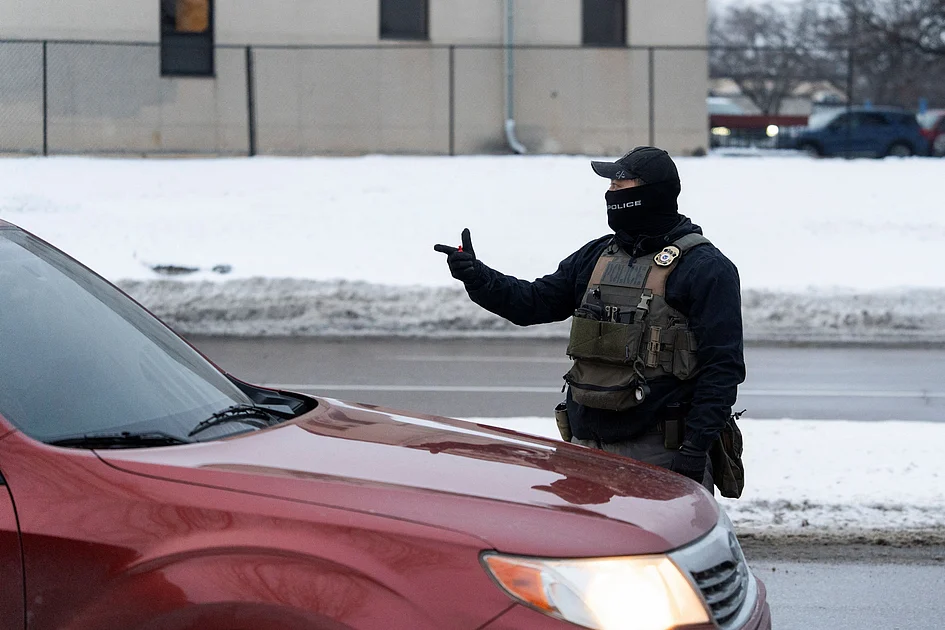
    In a significant legal escalation against federal immigration policies, the states of Minnesota and Illinois have filed separate federal lawsuits against the Trump administration seeking to halt the deployment of additional immigration enforcement officers to their jurisdictions. The legal action comes in response to last week’s fatal shooting of 37-year-old mother Renee Good by an Immigration and Customs Enforcement (ICE) officer in Minnesota, which has sparked widespread protests and condemnation.

    Minnesota Attorney General Keith Ellison has spearheaded the litigation, naming Homeland Security Secretary Kristi Noem and multiple immigration officials as defendants. The lawsuit petitions a federal court to declare the officer surge both unconstitutional and unlawful, alleging systematic racial profiling and political targeting of the Democratic-leaning state. Ellison characterized the deployment as ‘a federal invasion of the Twin Cities and Minnesota’ that has inflicted ‘serious harm’ on the state.

    The Minnesota suit specifically seeks judicial mandates requiring federal officers to wear visible identification, activate body cameras, and refrain from obscuring their faces with masks. It further aims to prohibit the threat of physical force or brandishing of weapons against individuals not subject to immigration arrest.

    Illinois filed parallel litigation seeking to block U.S. Customs and Border Protection from conducting civil immigration enforcement within state boundaries. Governor JB Pritzker denounced what he termed DHS’s ‘dangerous use of force,’ with the Illinois complaint requesting restrictions on tactics including tear gas deployment, trespassing on private property, and concealing license plates to mask official operations.

    The legal actions follow dramatic confrontations between ICE agents and civilians in Minnesota, where Reuters journalists witnessed agents deploying tear gas, pepper balls, and chemical spray against crowds throwing snowballs during an immigration checkpoint incident. The tension reflects broader conflicts between the Trump administration and Minnesota dating back months, with the president having previously criticized the state’s Democratic leadership and Somali-American community in inflammatory terms.

    Both states are seeking immediate temporary restraining orders against the federal enforcement surge, with Minnesota scheduled for an emergency hearing as early as Tuesday.

  • Dubai: Gold prices ease slightly after hitting record high

    Dubai: Gold prices ease slightly after hitting record high

    Dubai’s gold market experienced a slight correction on Tuesday morning following a historic surge that propelled prices to unprecedented levels just one day earlier. The 24K gold variety, representing the purest form of the precious metal, declined to Dh554.0 per gram at 9am UAE time after reaching an all-time peak of Dh555.75 per gram on Monday.

    The broader gold market displayed similar patterns across various karat weights. The 22K variant settled at Dh513.0 per gram, while 21K, 18K, and 14K gold traded at Dh491.75, Dh421.5, and Dh328.75 per gram respectively. This modest pullback occurred despite international spot gold maintaining strength at $4,594.34 per ounce, hovering near the psychologically significant $4,600 threshold.

    Market analysts attribute the sustained gold rally to profound structural shifts rather than temporary speculative activity. Rania Gule, Senior Market Analyst for MENA at XS.com, emphasized that the current market dynamics reflect deep-seated investor anxiety driven by multiple geopolitical and economic factors. “Gold’s ability to remain close to its peaks despite the absence of strong expansionary monetary stimulus confirms that current demand is driven by the search for safety rather than the pursuit of short-term gains,” Gule noted.

    The analyst identified several critical factors sustaining gold’s elevated position, including US intervention in Venezuela, potential military action against Iran, intensifying Russia-Ukraine hostilities, and escalating China-Japan tensions. These interconnected developments have created what Gule describes as “structural demand for gold as a safe haven” that transcends temporary market reactions.

    This trend is further reinforced by a gradual erosion of global risk appetite, with investors not only retreating from high-risk assets but fundamentally reassessing the stability of the international financial system. Gold’s unique position as an asset outside the credit system, unlinked to direct sovereign obligations, provides it with distinct advantages during periods of geopolitical uncertainty and institutional doubt.

  • BBC seeks dismissal of Trump’s multi-billion dollar defamation lawsuit

    BBC seeks dismissal of Trump’s multi-billion dollar defamation lawsuit

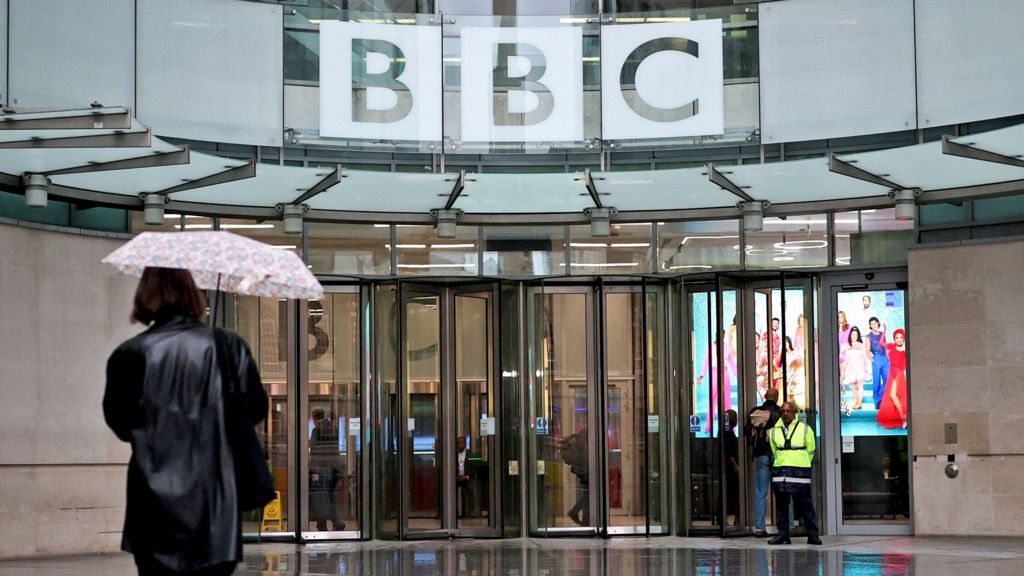
    The British Broadcasting Corporation (BBC) has formally moved to dismiss a multi-billion dollar lawsuit filed by former U.S. President Donald Trump, challenging the legal foundation of his defamation claims regarding the editing of his January 6th, 2021, speech in a Panorama documentary.

    In court documents submitted to a Florida court, the BBC’s legal team outlined a multi-pronged defense strategy. The broadcaster contends that the Florida court lacks ‘personal jurisdiction’ over the BBC, a UK-based entity, and asserts that the chosen venue is ‘improper.’ Furthermore, the corporation argues that President Trump has ‘failed to state a claim’ upon which relief can be granted, fundamentally challenging the lawsuit’s validity.

    The legal dispute centers on a specific edit in the documentary ‘Trump Takes on the World,’ which condensed two separate statements from Trump’s lengthy speech into a single sequence. The edited clip showed Trump saying, ‘We’re going to walk down to the Capitol… and I’ll be there with you. And we fight. We fight like hell.’ The BBC previously acknowledged that this edit created a ‘mistaken impression’ that the President had issued a direct call for violent action, leading to an internal review and subsequent high-level resignations, including then-Director General Tim Davie.

    Despite this prior apology, the BBC’s motion vigorously defends its editorial position. It states that the Panorama program was not broadcast in the United States and disputes that it aired on the streaming service Britbox, as alleged by Trump. Crucially, the defense argues that the former president has not demonstrated any actual damage, noting his subsequent electoral victory in Florida. The filing also emphasizes that the clip constituted a mere 15 seconds within an hour-long program that provided extensive and balanced coverage, and it asserts that Trump cannot plausibly allege the content was published with ‘actual malice’—a key requirement for defamation claims by public figures in the U.S.

    The broadcaster has additionally requested a stay on all discovery processes until the court rules on this motion to dismiss. A tentative trial date has been set for 2027, should the case proceed beyond this initial stage. A BBC spokesperson reaffirmed the corporation’s commitment to defending the case but declined further comment on the ongoing proceedings.

  • China unveils first AI model to gauge weather’s impact on stock market

    China unveils first AI model to gauge weather’s impact on stock market

    China has introduced its inaugural artificial intelligence system specifically engineered to evaluate meteorological influences on stock market performance, representing a significant advancement in climate-informed financial analytics. The innovative model, named Shangji (Stock), emerged from a collaborative initiative between Fudan University in Shanghai and the National Meteorological Information Centre.

    This groundbreaking technology leverages global meteorological datasets combined with historical stock trading information to predict short-term returns for most stocks within China’s A-share market. The system demonstrates particular effectiveness in identifying weather-sensitive sectors including renewable energy, traditional petrochemicals, construction, and agricultural industries.

    According to Zhao Yanxia, lead developer and director of the CMA Key Open Laboratory for Financial Meteorology, validation testing confirms the model’s capacity to accurately pinpoint industries vulnerable to meteorological conditions. Back-testing of investment strategies derived from the model’s predictions has demonstrated consistent positive returns across multiple historical periods, indicating substantial practical applicability.

    Professor Li Hao from Fudan University’s Artificial Intelligence Innovation and Incubation Institute highlighted the technology’s diverse financial applications. Commercial enterprises in climate-vulnerable sectors can employ the system for enhanced risk management, while financial institutions including banks and insurance companies can utilize it to mitigate risks in equity-based transactions and develop climate-responsive financing products.

    Beyond immediate commercial applications, the model offers academic researchers new methodologies for testing and refining asset pricing theories. The development team has announced plans to expand the model’s capabilities to include bonds and futures markets, with commitments to continuous updates ensuring the technology remains aligned with evolving market dynamics.

  • Danish foreign minister says Vance will host meeting on Greenland in Washington

    Danish foreign minister says Vance will host meeting on Greenland in Washington

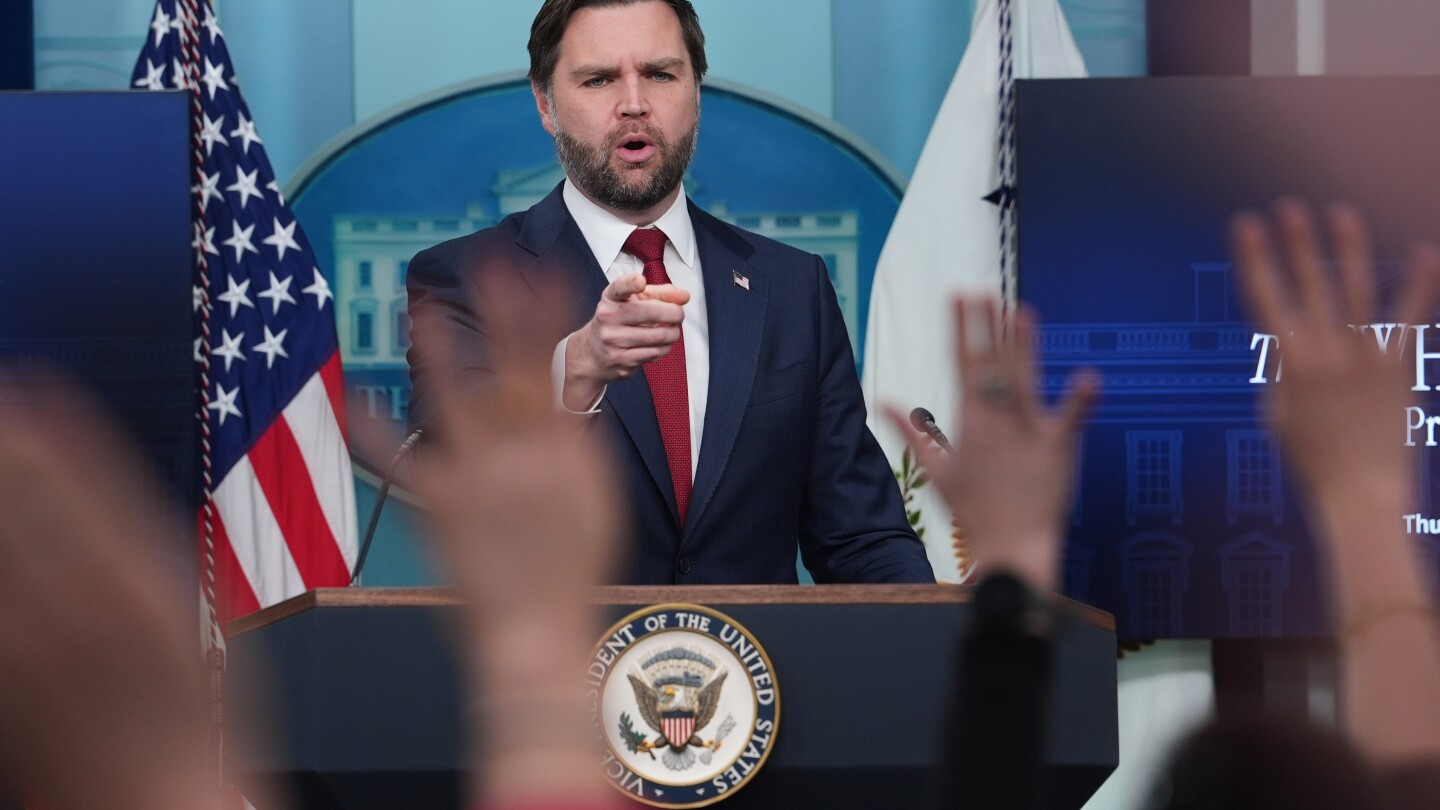
    WASHINGTON — Vice President JD Vance is scheduled to convene a high-level meeting with Danish Foreign Minister Lars Løkke Rasmussen and Greenland’s representative Vivian Motzfeldt this week, signaling escalating diplomatic engagement over Arctic territorial discussions. The gathering, confirmed to occur at the White House with Secretary of State Marco Rubio in attendance, comes amid heightened tensions regarding the Trump administration’s expressed interest in acquiring Greenland.

    The vast Arctic territory, while semiautonomous, remains under Danish sovereignty and represents a strategically crucial NATO asset. The meeting arrangement emerged following Vice President Vance’s personal intervention to participate directly in the negotiations, according to Minister Rasmussen’s statements to journalists after addressing Denmark’s parliamentary foreign policy committee.

    This diplomatic development occurs against the backdrop of increasingly assertive rhetoric from President Trump, who recently reiterated aboard Air Force One that the United States must secure Greenland—whether through negotiated agreement or alternative measures—to prevent Russian or Chinese expansion into the region. The administration has reportedly contemplated multiple options, including military contingency plans, though officials emphasize preference for diplomatic resolution.

    Concurrently, a bipartisan congressional delegation is en route to Copenhagen for weekend meetings aimed at demonstrating continued solidarity between the United States and Denmark. Danish Prime Minister Mette Frederiksen has also arranged emergency consultations with Greenlandic Premier Jens-Frederik Nielsen and leadership from the Faroe Islands, Denmark’s other semiautonomous territory, underscoring the gravity of these geopolitical developments.

  • Prosecutors seek death penalty for ex-South Korean president Yoon

    Prosecutors seek death penalty for ex-South Korean president Yoon

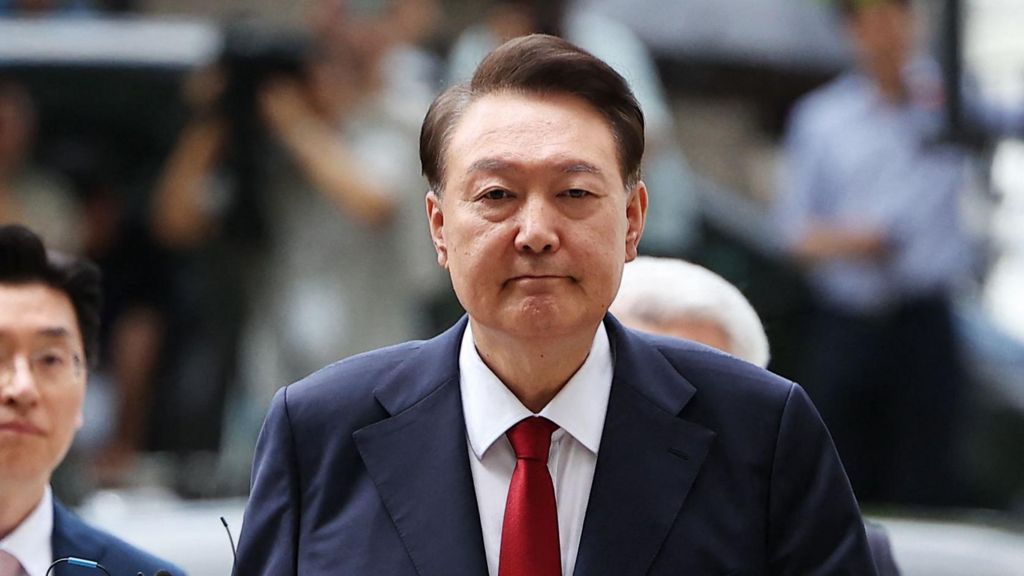
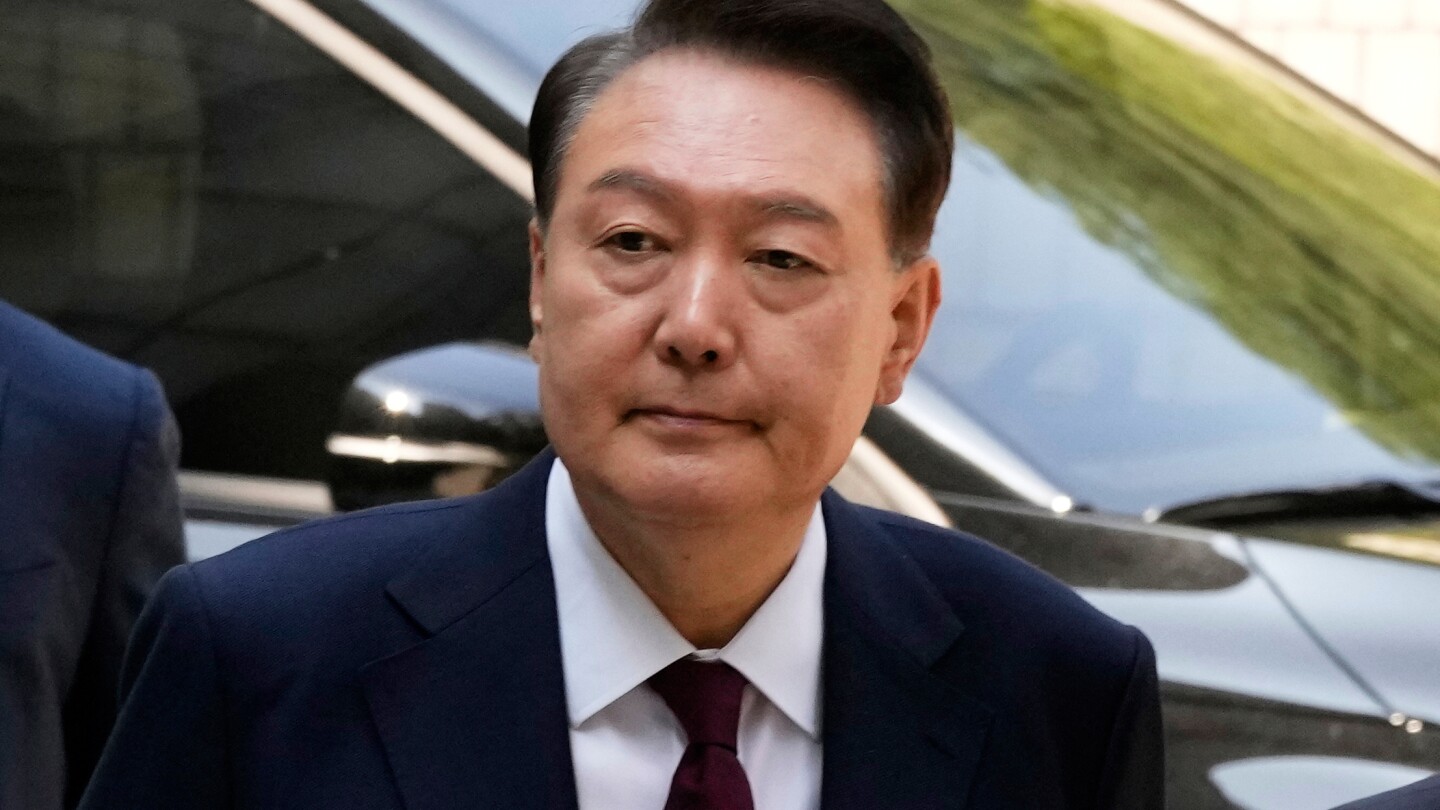
    In a landmark legal proceeding that has captivated South Korea, prosecutors have formally requested the death penalty for former President Yoon Suk Yeol, who stands accused of masterminding an attempted insurrection through his abrupt imposition of martial law in December 2024. The Seoul court heard closing arguments in a trial that has merged cases against three senior figures from Yoon’s administration, including former defense minister Kim Yong-hyun and former police chief Cho Ji-ho.

    The prosecution’s case centers on Yoon’s December 2024 declaration of military rule, which plunged the nation into political chaos despite lasting only hours. While no fatalities resulted from the attempted power grab, prosecutors argued that Yoon’s intentions were fundamentally violent, presenting as evidence a memo from one of the martial law planners that discussed ‘disposing’ of hundreds of journalists, labor activists, and lawmakers. A military commander testified that Yoon had directly ordered the arrest of opposition lawmakers.

    Yoon’s defense maintains that the martial law declaration was merely symbolic, intended to draw public attention to alleged wrongdoings by the opposition Democratic Party. The former president has denied all charges, characterizing himself as a patriot attempting to protect South Korea from North Korean threats amid domestic political tensions.

    The case represents an extraordinary fall from power for Yoon, who became South Korea’s first sitting president to be arrested and charged. His impeachment following the failed power grab triggered snap elections that brought current President Lee Jae Myung to power in June.

    South Korea’s legal system mandates that prosecutors must seek either death or life imprisonment for insurrection convictions. The nation has not carried out an execution in nearly three decades, with the last death sentence for a former leader being imposed on military dictator Chun Doo-hwan in 1996 for his 1979 coup—a sentence later commuted to life imprisonment.

    A verdict in Yoon’s case is anticipated in February, with the court’s decision likely to have profound implications for South Korea’s political landscape and democratic institutions.

  • Uganda’s military deployed in national capital ahead of upcoming presidential election

    Uganda’s military deployed in national capital ahead of upcoming presidential election

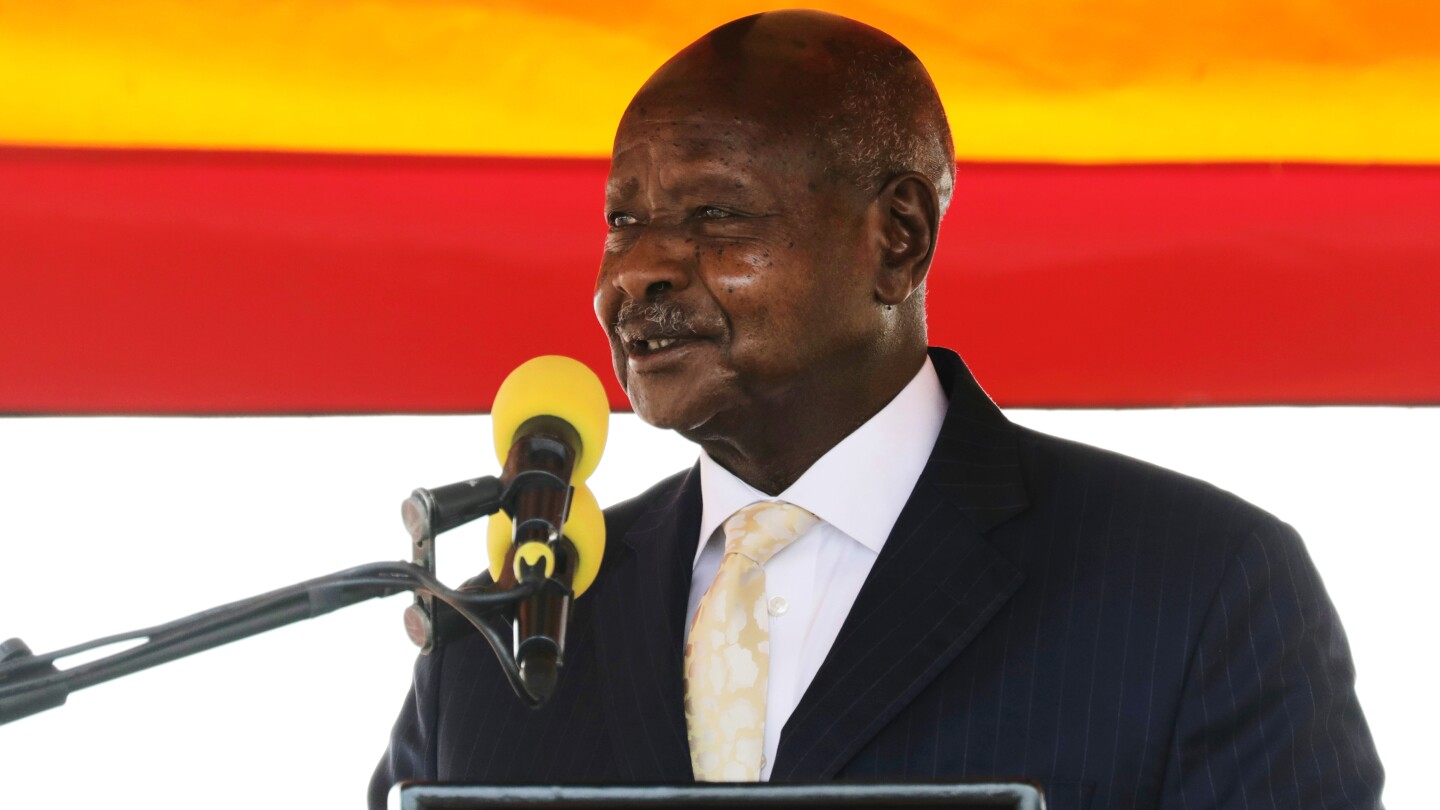
    KAMPALA, Uganda — Uganda stands at a critical juncture as the nation prepares for a high-stakes presidential election on Thursday, pitting long-serving President Yoweri Museveni against a coalition of opposition candidates led by charismatic challenger Bobi Wine. The electoral process has been overshadowed by unprecedented military deployments across the capital, raising concerns about democratic integrity and the potential for authoritarian consolidation.

    President Museveni, Africa’s third-longest ruling leader at 81 years old, seeks to extend his nearly four-decade reign with a seventh term. His primary opponent is 43-year-old musician-turned-politician Bobi Wine (born Kyagulanyi Ssentamu), who represents a burgeoning youth movement demanding political transformation. Six additional candidates complete the presidential field in this East African nation of 45 million people, with electoral authorities reporting 21.6 million registered voters.

    The security situation has intensified markedly since Saturday, when Ugandan authorities initiated widespread troop deployments throughout Kampala. Armored vehicles have positioned themselves strategically across the urban landscape while soldiers conduct visible street patrols. Military spokesman Colonel Chris Magezi characterized these measures as necessary precautions against potential election violence, dismissing concerns about anti-democratic implications.

    This election represents a rematch of the 2021 contest where Wine surprisingly captured 35% of the vote against Museveni’s 58%—the president’s narrowest victory margin since first competing in elections three decades ago. Wine has maintained his popularity among urban youth and in eastern regions, campaigning under heavy security protection including flak jackets and helmets following numerous attacks by security forces documented by Amnesty International.

    Museveni retains strong support in northern Uganda and his western home region, where supporters credit him with establishing relative stability in a nation hosting hundreds of thousands of refugees. However, his campaign slogan of ‘protecting the gains’ has drawn criticism for allegedly justifying corruption and suggesting power is non-negotiable.

    Complicating the political landscape is the prominence of Museveni’s son, four-star General Muhoozi Kainerugaba, who has openly discussed succeeding his father and recently generated diplomatic incidents through controversial tweets. Many analysts suggest the military’s loyalty to the first family rather than democratic institutions makes electoral transition particularly challenging.

    The International Crisis Group recently concluded that Museveni will likely retain power, though voter concerns about unemployment and democratic fatigue remain pressing issues. For many young Ugandans like 37-year-old motorcycle operator Farouk Mugaya, who has never known another leader, the election represents a fundamental choice between continuity and change in a nation struggling with economic opportunities despite relative peace.

  • Czech Prime Minister Babiš faces confidence vote as government shifts Ukraine policy

    Czech Prime Minister Babiš faces confidence vote as government shifts Ukraine policy

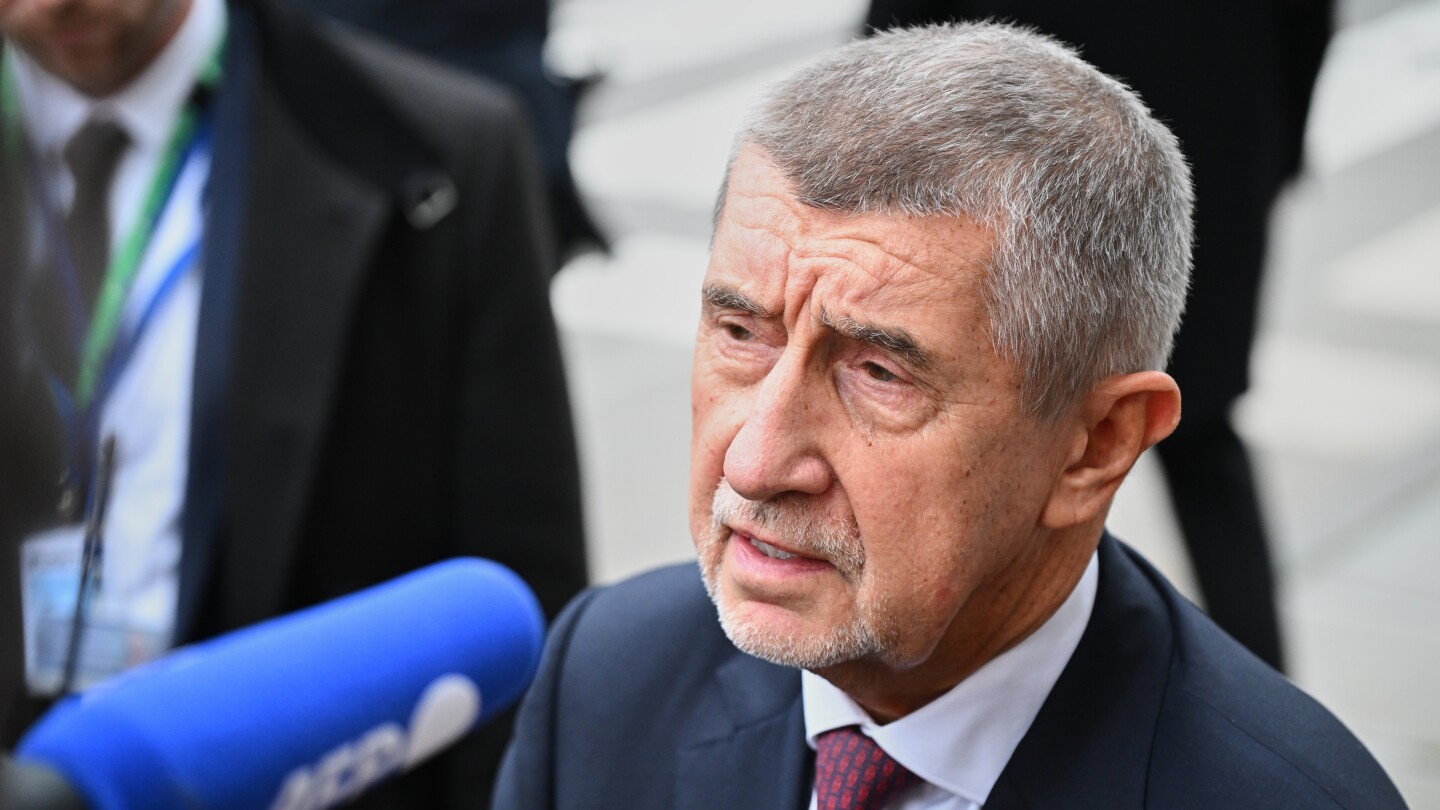
    PRAGUE — The Czech Republic’s newly formed administration under populist Prime Minister Andrej Babiš confronted a crucial parliamentary confidence vote on Tuesday, testing support for its controversial agenda that marks a dramatic departure from previous pro-Western policies. The government coalition, commanding 108 seats in the 200-member lower house, seeks to redefine the nation’s international alignment by distancing itself from European Union initiatives and terminating financial assistance to Ukraine.

    Babiš’s ANO (YES) movement, which secured a decisive victory in October’s parliamentary elections, has established an unconventional alliance with two fringe parties: the anti-immigration Freedom and Direct Democracy party and the right-wing Motorists for Themselves group. This 16-member cabinet, united by their admiration for former U.S. President Donald Trump, represents a significant political transformation in Central Europe.

    In his parliamentary address, Babiš emphasized his government’s priorities: ‘I’d like to make it clear that the Czech Republic and Czech citizens will be first for our government.’ This domestic-focused agenda aligns with similar political movements in Hungary and Slovakia, where Prime Ministers Viktor Orbán and Robert Fico have implemented comparable foreign policy shifts.

    The new coalition’s platform includes rejecting the EU Green Deal, proposing coal industry revitalization, and examining the status of Ukrainian refugees. While maintaining administrative oversight of a previous initiative that secured 1.8 million artillery shells for Ukraine, the government has categorically refused additional financial contributions to Ukrainian defense efforts. The Freedom and Direct Democracy party has further advocated for Czech withdrawal from EU and NATO membership, signaling a potential fundamental reorientation of the country’s international partnerships.

  • Death sentence sought for ex-South Korea leader Yoon over martial law decree

    Death sentence sought for ex-South Korea leader Yoon over martial law decree

    SEOUL, South Korea — In an unprecedented legal development, special prosecutors have formally requested capital punishment for former President Yoon Suk Yeol, who faces charges of rebellion for his controversial imposition of martial law in December 2024. The dramatic demand emerged during Tuesday’s hearing at Seoul Central District Court, where independent counsel Cho Eun-suk’s team presented their final arguments.

    Yoon, who was removed from office in April following the political crisis, maintains that his martial law declaration represented a peaceful effort to alert citizens to what he characterized as the dangerous obstructionism of the liberal opposition Democratic Party. He had previously denounced the legislature as ‘a den of criminals’ and ‘anti-state forces.’

    The December 2024 decree marked South Korea’s first implementation of martial law in over four decades, triggering traumatic national memories of military dictatorships from the 1970s-1980s. The order deployed armed troops throughout Seoul streets, surrounding the National Assembly and election offices—a move that evoked historical parallels to authoritarian regimes.

    In extraordinary overnight proceedings, lawmakers from across the political spectrum, including members of Yoon’s own party, rushed to block the presidential directive. Their successful assembly vote to overturn the decree created a constitutional crisis that plunged the nation into political chaos, disrupted high-level diplomacy, and unsettled financial markets.

    The court is anticipated to deliver its verdict in February, concluding a trial that has captivated the nation and highlighted deep political divisions. Yoon previously made history as South Korea’s first sitting president to be detained in January 2023, following his vehement resistance against impeachment attempts.