博客

  • How to help after Colombia’s devastating earthquake

    How to help after Colombia’s devastating earthquake

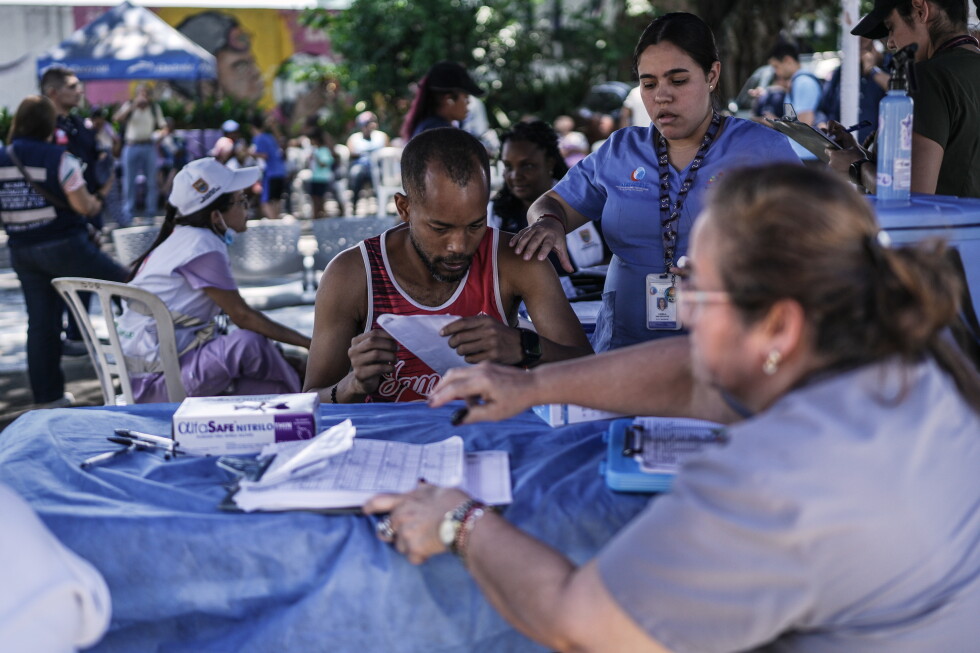
    Weeks after a pair of destructive earthquakes killed hundreds and displaced thousands across neighboring Venezuela, Colombia has been struck by its own deadly seismic event that has left communities reeling and humanitarian organizations scrambling to deliver life-saving aid across a vast, hard-to-reach affected area.

    The 7.4 magnitude quake, which struck Monday, shook a huge stretch of western Colombia, shaking densely populated urban hubs including Cali and Pereira and cutting through remote, mountainous terrain in the department of Chocó. As of Thursday evening, official government data put the confirmed death toll above 280, with thousands more injured and nearly 11,000 residential structures completely destroyed. Search-and-rescue teams have pulled almost 350 survivors from the rubble, but hundreds of people remain unaccounted for, leaving families waiting anxiously for news of their loved ones.

    Colombian President Abelardo de la Espriella has pledged a large-scale, coordinated governmental response to the disaster. However, with urgent needs stretching across hundreds of miles of varied terrain, international and local aid organizations are set to play critical roles in delivering shelter, essential supplies, and long-term economic support to displaced and impacted families.

    Unlike earthquake response efforts in Venezuela, where the interim government’s chaotic and under-resourced relief work faced widespread public criticism, Colombia’s more robust democratic and civic institutions are expected to streamline coordination between state and non-state actors. Even so, the far larger geographic scope of the Colombian disaster has created unique logistical barriers that challenge even well-established institutional frameworks.

    “Institutional capacity does not remove the humanitarian need,” explained Catalina Vargas, country director for the global humanitarian organization CARE in Colombia. “The most severely affected area, Chocó, is also one of the most isolated and underserved parts of the country, so access remains the binding constraint regardless of the strength of national institutions.”

    As relief efforts ramp up, disaster response leaders are urging donors to give cash rather than unsolicited physical goods, to give on-the-ground groups maximum flexibility to meet shifting needs. Abe Diaz, head of disaster relief at tech and retail giant Amazon, which is delivering pre-requested supplies to partner organizations on the ground, noted that unneeded donated goods create unnecessary burdens for overstretched response teams.

    “Unrequested product donations overwhelm communities and force responders to divert resources from life-saving work just to sort and store unwanted supplies,” Diaz said.

    To support potential donors, a wide range of vetted international and local organizations currently active in relief efforts have opened fundraising channels:

    ### U.S.-based organizations operating on the ground
    – **All Hands and Hearts**: The group has already delivered critical search-and-rescue equipment including jackhammers and pickaxes to the Pereira fire department, alongside blankets and rehydration supplies for displaced families.
    – **CARE**: With decades of established programming in Colombia, the group’s immediate response focuses on cash-based food assistance, emergency supply kits, and protection and emotional support for impacted households.
    – **Direct Relief**: The global health-focused organization is funding local medical response teams and preparing to ship requested prescription medications and essential healthcare supplies to treatment facilities across the affected region.
    – **GEM**: Working alongside local partner groups, GEM is distributing essential survival kits containing food, clean drinking water, and hygiene products.
    – **Operation Blessing**: The faith-based organization’s initial relief work centers on delivering food, water, and solar lanterns to people displaced from their homes.
    – **Save the Children**: With more than 40 years of work in Colombian communities, the group has already launched psychosocial support services and established multiple safe, child-friendly spaces in impacted areas.
    – **World Central Kitchen**: The food security nonprofit is providing fresh meals and clean water to displaced people, first responders, and volunteers, including in isolated mountain communities that are hard for other groups to reach.

    ### High-profile benefit concert planned for earthquake relief
    A host of Latin music’s biggest stars, including Marc Anthony, Luis Fonsi, Chayanne, Feid, and Jay Wheeler, will headline an international benefit concert for both Colombia and Venezuela earthquake relief on Sunday, August 16 at 6 p.m. EDT, hosted at Miami’s Kaseya Center. The concert will be broadcast live across multiple platforms, including Univision, ViX, WAPA, TelevisaUnivision radio stations, iHeartLatino, and Venevision Play for viewers in Venezuela. Viewers can donate during the broadcast by scanning an on-screen QR code, texting UNIDOS to 707070, or visiting the Univision.org website. All proceeds will go to five relief organizations: All Hands and Hearts, CARE, GEM, TECHO, and World Central Kitchen.

    ### Colombia-based organizations accepting international donations
    – **Abaco Colombia**: An association of 26 food banks operating across the country, the group is distributing emergency food rations to impacted families across all affected regions, and accepts online donations.
    – **Cruz Roja Colombiana (Colombian Red Cross)**: Local teams are leading search-and-rescue operations, providing emergency medical and psychosocial care, and meeting other critical needs, with online donation options available.
    – **Fundación Solidaridad por Colombia**: This community-focused foundation supports youth programming, nutrition access, and community development, and is partnering with GEM to deliver relief supplies and food to displaced people in Pereira and surrounding areas. It accepts donations via PayPal.
    – **Fundación Semillas de Oportunidades**: Based in Quibdó, the heart of impacted Chocó department, the foundation supports youth through art and sports programming, and is currently aiding affected families of young people across the region, accepting donations via PayPal.
    – **Manos Visibles**: A network of organizations focused on advancing racial and territorial equity, the group is collaborating with a local trade school to restore at least 100 damaged homes in the port city of Buenaventura, with online donation options available.
    – **Presentes Corporation**: A 43-year-old Colombian organization focused on building community resilience, the group is partnering with Miami-based nonprofit Give to Colombia to facilitate cross-border donations from U.S. supporters through its *Colombia Se Levanta (Colombia Rises)* fund, which accepts online donations.
    – **Refugio Huellas de Amor (Pereira) and Huellitas Callejeras Barranquilla**: Both animal welfare organizations are supporting impacted and rescued animals in disaster zones, and accept donations via PayPal.

    This reporting was contributed by Associated Press staff writer Megan Janetsky from Mexico City. AP’s coverage of philanthropy and nonprofits is supported through a collaboration with The Conversation US, with funding from Lilly Endowment Inc. The AP maintains sole editorial control over all content.

  • Zambia suspends vote counting in election over reports of violence and the theft of ballot papers

    Zambia suspends vote counting in election over reports of violence and the theft of ballot papers

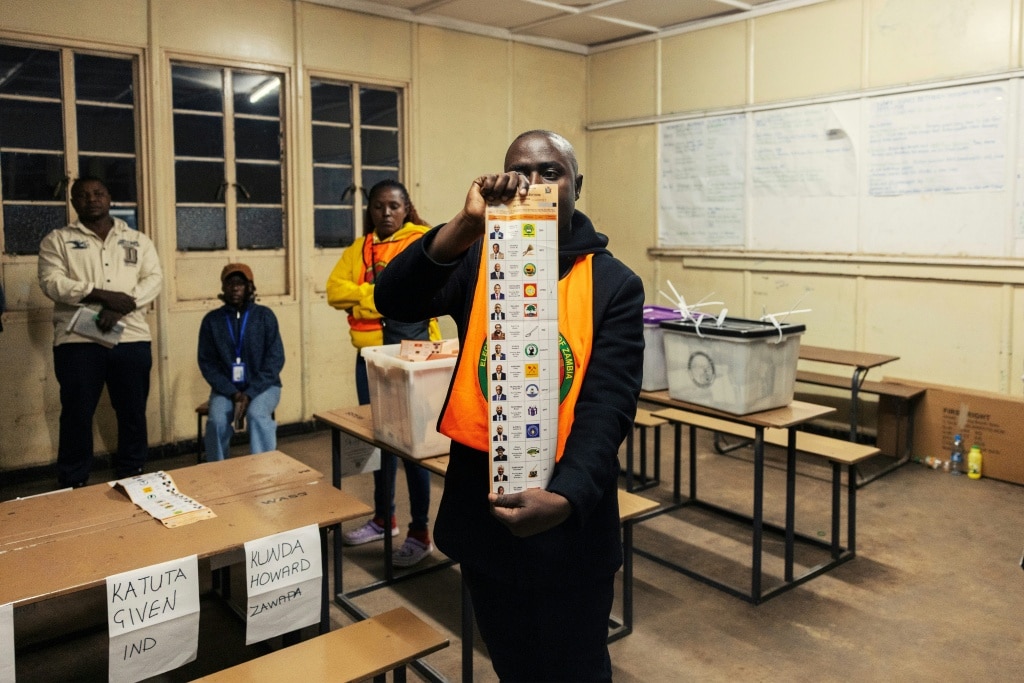
    LUSAKA, Zambia — Zambia’s national electoral governing body has abruptly halted the counting of ballots in the country’s hotly contested presidential election on Friday, responding to widespread reports of physical assaults on polling staff and the unauthorized removal of a number of ballot boxes and papers from counting centers.

    The Electoral Commission of Zambia announced the immediate suspension in an official statement, citing the rapidly deteriorating security landscape and persistent credible threats of violent unrest across multiple counting sites as the core justifications for the decision. According to the commission’s announcement, the halt will remain in place for a 24-hour period, after which electoral officials will re-evaluate the on-ground security conditions to determine whether counting can safely resume.

    The presidential election, held Thursday across the copper-rich southern African nation, has incumbent President Hakainde Hichilema running to secure a second five-year term in office. Hichilema faces competition from 13 opposition challengers, with Brian Mundubile — leader of a unified coalition of major opposition parties — standing out as the incumbent’s most formidable competitor for the presidency.

    While Zambia has built a reputation for holding largely peaceful democratic elections over recent decades, the lead-up to this year’s vote has been marked by rising political tensions. The opposition and independent human rights organizations have levelled criticism at Hichilema’s administration ahead of polling, claiming the government has implemented restrictive measures to suppress dissenting political voices.

    In one high-profile incident in the pre-election period, Mundubile’s opposition coalition accused Hichilema’s government of orchestrating a raid by law enforcement agents on the alliance’s national campaign headquarters just days before voting was scheduled to begin. The coalition has stated that the raid was a deliberate, politically motivated action intended to disrupt its campaign operations and disadvantage its candidates ahead of the poll.

    This development comes as part of ongoing coverage of African political events from the Associated Press, with full updates available via the AP Africa news hub.

  • Zambia suspends vote counting nationwide citing violence

    Zambia suspends vote counting nationwide citing violence

    The Electoral Commission of Zambia announced a nationwide suspension of presidential and parliamentary vote counting on Friday, just one day after the country held its general election, following widespread reports of election-related violence across multiple districts. The copper-rich southern African nation, which has been grappling with deep-seated economic hardship that dominated the election campaign, now faces an unexpected delay in finalizing official results that were originally scheduled for release by Monday.

    Fourteen candidates contested the presidency, with incumbent Hakainde Hichilema, who has held office since 2021, facing off against main opposition challenger Brian Mundubile, a 55-year-old former minister from the previous Patriotic Front administration. Brown Kasaro, Zambia’s chief electoral officer, explained the abrupt suspension, noting that the violence has specifically targeted election workers, and in several cases, perpetrators have stolen marked ballots from sealed ballot boxes. Kasaro added that the electoral commission will re-evaluate the suspension within a 24-hour window to determine next steps for resuming the counting process.

    Even before official results could be tabulated, both leading candidates made competing claims about the outcome of the vote. Mundubile, who ran under the banner of the newly formed National Restoration Party for Unity and Progress (NRPUP) backed by a coalition of opposition groups, declared an outright first-round victory on Friday. “We have won this election both at presidential level and majority seats in parliament,” Mundubile stated, adding that his campaign views the ongoing delay to the transparent announcement and verification of presidential results with grave concern. For his part, Hichilema said his campaign team has received encouraging early voting trends, and took to social media to urge all Zambian citizens to “remain peaceful, patient and patriotic as we await the official outcome from those entrusted with managing the vote.”

    Alongside the presidential race, Zambian voters also cast ballots for 226 parliamentary seats, and counting for that contest has also been suspended. Around 8.7 million voters were registered to participate in this election cycle.

    The election comes against a backdrop of both Zambia’s long democratic history and growing concerns over political space. Zambia has a proud track record of peaceful democratic power transfers, with every change of the presidency since the return of multi-party politics in 1991 achieved through free and fair elections. However, the Hichilema administration has faced increased international scrutiny over claims that it has narrowed space for political dissent, even as it pursues commitments to robust economic recovery. On the eve of voting, Zambia’s Human Rights Commission announced it was “actively monitoring arrests and detentions involving political candidates, supporters, journalists and other actors” to prevent election-related rights abuses.

    In pre-election security operations, Zambian interior ministry confirmed that security forces had already arrested multiple suspects accused of plotting to interfere with the electoral process. While authorities did not disclose the total number of arrests, they confirmed three former senior government officials are in custody, charged with providing technical services aimed at disrupting the electoral system. A 56-year-old Kenyan national was also detained in connection with the plot. Additionally, three other individuals, including a former provincial minister, were found in possession of more than 7.3 million kwacha (approximately $388,000) in unaccounted funds and have been summoned to assist with ongoing investigations.

    Economically, Zambia remains one of the world’s richest countries in mineral reserves, holding abundant deposits of not just copper but also cobalt, nickel and manganese, yet it continues to face persistent systemic challenges including widespread poverty, chronic unemployment, and skyrocketing food prices. According to World Bank data, more than 70 percent of Zambia’s 22 million population survives on less than three U.S. dollars per day. The previous administration under late former president Edgar Lungu left the country in sovereign default after years of unsustainable heavy borrowing. Since taking office, Hichilema’s government has secured a landmark international debt restructuring deal, restored a suspended International Monetary Fund lending program, and returned the country to positive economic growth, earning broad praise from global lenders and international investors. Hichilema, a 64-year-old former business tycoon who won the presidency on his sixth electoral attempt, campaigned on a platform of continued job creation and an ambitious national infrastructure expansion drive to secure a second and final five-year term. Mundubile entered the presidential race only in May, a late entry that injected significant uncertainty into a contest that long been viewed as likely to end in an incumbent victory, as his party draws its core support from the ranks of the former ruling Patriotic Front.

  • Pardon for president’s main rival in Chad

    Pardon for president’s main rival in Chad

    In a move that has shaken Chadian political circles, President Mahamat Déby has issued a presidential pardon to Succès Masra, his most prominent political critic and a former prime minister who was serving a 20-year prison sentence, clearing the way for Masra’s imminent release from custody. The pardon comes amid a high-profile push by Déby’s administration to advance national unity and reconciliation across the central African nation.

    Masra, who led the country’s transitional government as interim prime minister for a four-month period between January and May 2024, has long positioned himself as the main challenger to Déby’s rule. He publicly claimed victory over the incumbent in the 2024 presidential election, a result rejected by Déby’s government. The opposition figure was taken into custody last May, with authorities charging him with spreading inflammatory, hate-driven content on social media tied to a deadly outbreak of violence in southwestern Chad. The clash left at least 42 people dead, according to official government figures.

    The presidential pardon is part of a broader clemency announcement that includes eight other opposition political figures, all affiliated with the Group for the Coordination of Political Actors (GCAP), one of Chad’s most influential opposition coalitions. The eight GCAP members were arrested in April 2024 for organizing an unsanctioned public protest, and had each been sentenced to eight years in prison prior to the pardon. In addition to the full pardons for the nine political figures, a separate presidential decree grants partial sentence reductions to hundreds of other detainees held across Chadian correctional facilities.

    However, Déby’s presidency has emphasized that the pardon does not equate to a full amnesty. The official statement from the presidency clarified that all nine recipients of the clemency could still face future prosecution for their alleged offenses, describing the group as people “in a position of power but not in line with justice”. The announcement of the pardons came just four days after Déby publicly pledged to release multiple imprisoned individuals as a concrete step toward fostering national reconciliation, a promise he made amid growing international and domestic pressure to open up the country’s political space.

    Reaction from opposition groups has been largely cautiously optimistic. Masra’s own political party, the Transformers Party, celebrated the announcement in a public post on Facebook, framing it as the beginning of a new chapter for Chadian politics. “It marks the opening of a ‘new page. Let’s write it together,’” the party wrote. The organization has repeatedly decried Masra’s original arrest, saying it amounted to an extrajudicial kidnapping carried out by military officers outside of all established legal procedures.

    Another major opposition bloc, RNDT-Le Réveil, also welcomed the pardon, calling it “an encouraging signal, which should pave the way for a broader dynamic of political openness in the country”. The party called on Déby to follow through on the goodwill gesture with sustained, substantive efforts to hold inclusive, good-faith national dialogue that addresses the concerns of all Chadian political factions for the good of the nation.

    It remains unclear what the pardon means for Masra’s future political ambitions. The Déby family has held continuous control over Chad for more than 30 years. Mahamat Déby was installed as the country’s interim leader by the military in 2021, after his father, longtime ruler Idriss Déby Itno, was killed in combat with rebel forces.

    Masra’s party boycotted December 2024 legislative elections over widespread concerns about the transparency and fairness of the electoral process, a common grievance echoed by most opposition groups in the country. Political observers say the pardon signals a potential shift toward greater political opening, though questions remain about whether it will lead to lasting systemic change in Chad’s tightly controlled political landscape.

  • Selena Gomez sued for alleged fraud over mental health company

    Selena Gomez sued for alleged fraud over mental health company

    A-list Hollywood entertainer Selena Gomez, whose career spans acting and pop music, is now at the center of a legal dispute after five investors in her co-founded mental health startup Wondermind Global filed a lawsuit against her. The company was launched five years ago alongside Gomez’s mother Mandy Teefey and entrepreneur Daniella Pierson, born out of Gomez’s own public journey battling bipolar disorder and her mission to expand access to accessible mental health resources.

    The claimants, who include Bausch + Lomb CEO Brent Saunders and hail from New York and Florida, allege that Gomez failed to uphold the core commitments she made to the venture. According to the lawsuit, Gomez promised to serve as the company’s active head of marketing and consistently work on building the Wondermind brand, commitments she never honored. The legal filing describes her inaction as “abject dereliction of her duties” that has pushed the startup into a “state of financial calamity.”

    Beyond the claims against Gomez, investors also accuse the founding team of making misleading representations about the company’s progress. The suit alleges that founders falsely claimed a full pipeline of advertising partnerships, high-profile celebrity features, a dedicated mobile app and other key initiatives were already in development. The claimants further state that for three years as the company struggled financially, Wondermind’s leadership hid the severity of the crisis from backers. They only learned of the company’s troubles after an investigative report published by online outlet The Cut in September 2025 exposed the startup’s poor financial standing and management dysfunction, the suit says.

    According to the legal complaint, even core operational obligations were left unmet: Wondermind could not even pay its employees and vendors on time. None of the promised projects, including strategic partnerships and the app, ever came to fruition, and the company had no viable plan to reach its stated multi-billion dollar valuation target. The lawsuit is seeking to recover the full $1.2 million (£890,000) that investors put into the company, in addition to covering associated legal costs and damages.

    Today, Gomez remains listed as a co-founder on Wondermind’s official website. Teefey now serves as the company’s chief executive officer following Pierson’s exit from the venture. Gomez, who boasts more than 500 million social media followers and an estimated net worth of nearly $1 billion, also launched her successful cosmetics brand Rare Beauty in 2020, a venture that remains closely tied to her public personal brand. The BBC has reached out to both Wondermind and representatives for Gomez to request a statement on the allegations, though no response has been issued publicly to date.

  • US special forces ready to step up combat drills in Philippines and help deter aggression in Asia

    US special forces ready to step up combat drills in Philippines and help deter aggression in Asia

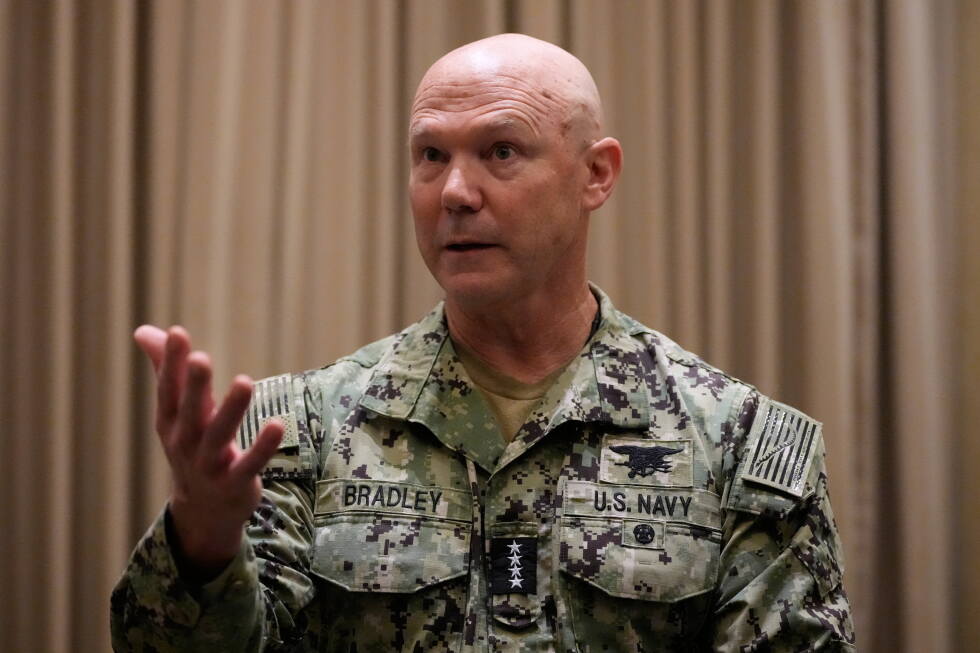
    During a visit to Manila this Thursday, the top commander of U.S. Special Operations Command announced that American special operations personnel are prepared to scale up joint warfighting-readiness exercises with the Armed Forces of the Philippines and other regional Asian partners. The move is designed to strengthen long-standing security alliances and lower the risk of large-scale conflict in the strategically critical Indo-Pacific.

    Admiral Frank Bradley, who leads the 80,000-strong U.S. Special Operations Command headquartered at Florida’s MacDill Air Force Base, arrived in the Philippines following an official stop in South Korea, with next scheduled talks with military leaders in Japan. His trip marks the latest in a series of high-level visits by senior U.S. military officials to key Asian allies in recent weeks, a diplomatic push aimed at reinforcing Washington’s unwavering commitment to regional security even as the U.S. maintains a sharp focus on ongoing conflict in Iran.

    U.S. Special Operations Command oversees America’s military most sensitive and high-risk covert missions, with the majority of its personnel deployed across more than 80 nations globally, Bradley confirmed. During closed-door talks with Filipino military leaders, the two sides discussed the Philippines’ ongoing military modernization push, plans to intensify joint combat exercises with the U.S. and other partner nations, and efforts to expand a network of security partnerships designed to counter what the U.S. and Philippines frame as increasingly assertive Chinese actions in the disputed South China Sea.

    The South China Sea has been the site of decades-long territorial disputes between China and a group of smaller claimant states, including the Philippines, Vietnam, Malaysia, Brunei, and Taiwan. Tensions have spiked sharply in recent years, particularly between Chinese and Philippine military forces operating in the contested waterway. As the United States’ oldest treaty ally in Asia, Washington has repeatedly reaffirmed its legal and security obligation to come to the Philippines’ defense if its forces face armed attack in the region.

    Bradley argued that a united network of allied nations, each investing in their own defense capabilities and conducting regular joint readiness drills to prepare for potential contingencies, represents the most effective deterrent to large-scale regional conflict. “The best way to deter conflict is by being able to demonstrate convincingly to any adversary who may want to start a conflict that they won’t be able to win it,” Bradley told The Associated Press in an interview in Manila Thursday evening. “Where we have strong alliance structures … conflict has not come to it. Together, we are stronger, and together, we can prevent those conflicts from coming to us.”

    In recent years, large-scale joint combat exercises between U.S. and Filipino forces have expanded to include a growing number of allied and partner nations, including Japan, Australia, Canada, and France, with a core focus on territorial defense of Philippine claims in the South China Sea. U.S. Special Operations commandos already take part in these annual large-scale drills, alongside smaller, more focused warfighting exercises with Filipino forces in western Philippine provinces bordering the South China Sea and in Batanes, the Philippines’ northernmost island province located just off the coast of Taiwan.

    The plan to hold joint special operations training in Batanes was first announced by former U.S. Defense Secretary Pete Hegseth during a 2024 visit to Manila, when he stated the Trump administration would work with regional allies to ramp up deterrence against global threats, including what the U.S. frames as Chinese aggression in the South China Sea. Batanes, a chain of islands at the extreme northern edge of the Philippine archipelago, sits across a maritime border from Taiwan, the self-governing island that China claims as its own territory and has repeatedly threatened to seize by force if necessary.

    Bradley declined to share specific details of the upcoming and ongoing joint special operations training and drills, including the number of U.S. commandos set to participate or the exact types of maneuvers that will be conducted. He did confirm that exercises are already ongoing and that scaling up activities remains a possibility moving forward. “In the future, how it might scale will be based upon the sovereign needs of the Philippines and where the Philippine government may want us to come and partner, but we will always be committed to be a strong partner,” Bradley said.

    Reporting contributions to this article were provided by Joeal Calupitan and Aaron Favila in Manila, Philippines.

  • Italian police recover stolen Renoir, Cézanne and Matisse paintings worth millions

    Italian police recover stolen Renoir, Cézanne and Matisse paintings worth millions

    MILAN, Italy – In a major breakthrough for Italian art crime investigators, the country’s Carabinieri art recovery unit announced Friday it has successfully retrieved three 20th century masterpieces stolen earlier this year from a northern Italian private museum, with a combined estimated value of more than 9 million euros ($10.5 million).

    The recovered works belong to three of modern art’s most iconic figures: *Fish* by Pierre-Auguste Renoir, *Still Life with Cherries* by Paul Cézanne, and *Odalisque on the Terrace* by Henri Matisse. Valuations place the Cézanne piece at 6 million euros, Renoir’s work at 3 million euros, and Matisse’s at 20,000 euros, according to official art market assessments shared by authorities.

    The heist targeted the Magnani Rocca Foundation, a prominent private museum located roughly 20 kilometers outside the city of Parma. The break-in unfolded overnight between March 22 and 23, when thieves forced entry through the museum’s main entrance. Local reports indicate the perpetrators carried out the theft in less than three minutes before fleeing across the museum’s landscaped gardens, interrupting by the facility’s security alarm mid-heist.

    Founded in 1977, the Magnani Rocca Foundation holds the private collection of renowned Italian art historian Luigi Magnani, which includes dozens of world-famous works from masters spanning centuries, from Albrecht Dürer and Peter Paul Rubens to Francisco Goya and Claude Monet. Museum investigators have long suspected the crime was carried out by an organized criminal network with experience targeting high-value artworks, a theory consistent with the brazen speed and precision of the heist.

    Italian law enforcement confirmed the paintings were located during court-ordered search operations authorized by prosecuting magistrates, but has not released additional details on where the artworks were found or whether any suspects have been taken into custody. The investigation remains active as authorities work to trace the full network behind the theft.

    This museum heist was part of a growing string of high-profile art thefts across major European cultural institutions in recent months. Just last October, a group of thieves stole 88 million euros worth of French crown jewels and other rare artifacts from the Louvre Museum in Paris, marking one of the largest art heists in recent European history.

  • Persistent Etna ash shuts Catania airport during peak holiday week

    Persistent Etna ash shuts Catania airport during peak holiday week

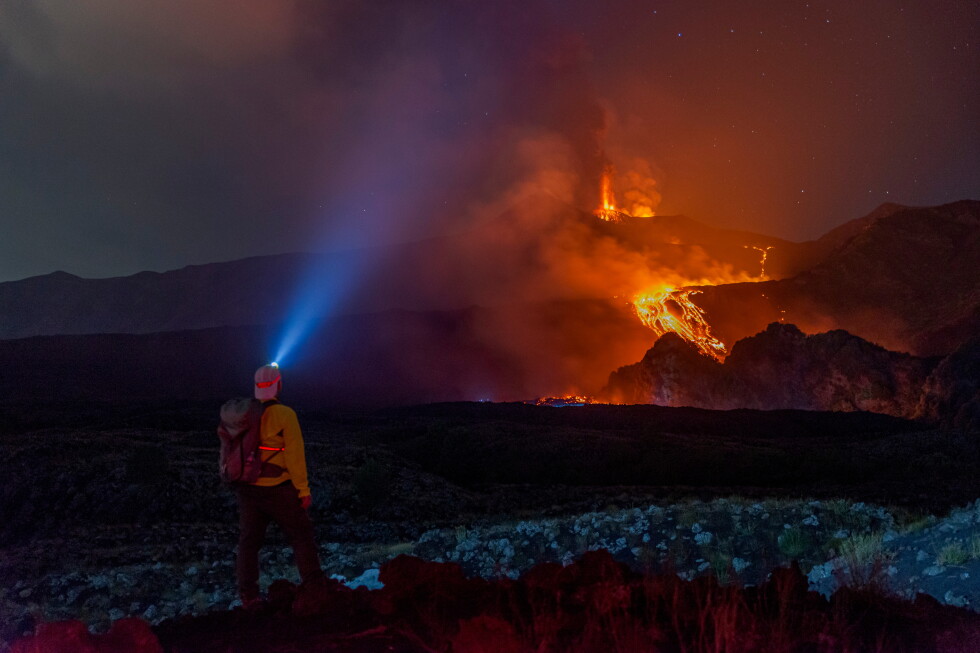
    As one of Europe’s most active geological landmarks, Sicily’s Mount Etna has thrown peak summer travel plans into chaos across the Italian island, with its persistent ash emission forcing the closure of Catania Fontanarossa Airport — Sicily’s busiest air hub — for a fifth consecutive day. Thousands of summer vacationers have been left stranded at the height of Ferragosto, Italy’s most popular annual travel week, when millions of Italians leave major cities to crowd coastal and mountain getaways across the country. Airport officials confirmed the shutdown will extend through early Saturday, extending what already marks the longest period of flight disruption from Etna’s volcanic activity since 2002.

    Volcanologists emphasize that the extreme caution behind the extended closure is well-founded. Ash particles ejected by the volcano pose severe safety hazards to commercial aircraft, explained Boris Behncke, a senior researcher at the National Institute of Geophysics and Volcanology’s Etna Observatory. When fine volcanic ash is pulled into jet engines, it can melt on the hot internal components of the motor, coat turbine blades, and cause complete engine failure — a risk that aviation regulators have zero tolerance for. Unlike many of Etna’s past eruptions, which are shorter and more explosive, the current event is defined by unusual, sustained ash output that has continued for days. Northerly winds have even carried trace amounts of ash as far south as Malta and northern Africa, extending the volcanic activity’s geographic reach.

    What makes this disruption unique compared to previous volcanic events at the site is its longevity, Behncke noted. While Etna’s frequent activity has caused dozens of shorter flight interruptions over recent decades, and even triggered temporary shutdowns during more powerful past eruptions, the ongoing steady ash release from the volcano’s summit has created an unprecedented extended disruption for travel. Catania Airport sits just 20 kilometers south of the active crater, making it particularly vulnerable to ash fallout during periods of sustained activity.

    The travel chaos has already sparked secondary disruptions across the island, according to local reporting from Italian daily *Corriere della Sera*. With hundreds of flights forced to divert to smaller airports across Sicily, demand for ground transportation has skyrocketed, leading to sharp, unregulated hikes in taxi fares and car rental prices. Italian consumer advocacy group Codacons has announced it will formally file a complaint with Italy’s national competition authority over widespread reports of price gouging against stranded travelers.

    Data from SAC, the operator of Catania Airport, shows the scale of the disruption: between August 6 and August 12, 36% of the nearly 2,000 scheduled flights to and from the hub have been canceled. More than 600 diverted flights have been redirected to alternate airports including Palermo, Trapani, Comiso on Sicily, and Lamezia Terme on the Italian mainland in Calabria. While limited outgoing flights were permitted over the weekend immediately after the eruption began, the airport moved to a full shutdown, banning both incoming and outgoing commercial traffic, starting Monday. Nearby Comiso Airport also briefly suspended operations due to ash accumulation on its runways earlier this week.

    To ease the strain on stranded passengers, Italian national rail operator Trenitalia has added six extra daily services along the busy Palermo-Messina-Catania coastal route to increase passenger capacity between the island’s major cities and alternate air hubs. Italy’s national travel industry federation, FIAVET, has called for the creation of a dedicated government task force to better coordinate responses to future volcanic travel disruptions, and is demanding a formal review of how airlines handled mass cancellations and passenger support during the current crisis.

    In a statement addressing the chaos, FIAVET President Gian Mario Pilieri noted that travel providers have been working around the clock to rebook passengers, arrange alternate itineraries, and support stranded travelers, but the current crisis has exposed gaps in systemic preparedness. “Operators are working around the clock to provide assistance, process cancellations and arrange alternative travel arrangements, but they cannot bear the burden of structural shortcomings and the management responsibilities of others,” Pilieri said.

  • Latest developments: Europe battles wildfires

    Latest developments: Europe battles wildfires

    On Friday, nations across the European continent launched coordinated emergency responses to a surge of uncontrolled wildfires, fueled by record-breaking high temperatures and parched, flammable vegetation that has created near-ideal conditions for catastrophic blazes to spread. As the world’s fastest-warming continent, Europe has long faced growing gaps in infrastructure and preparedness to handle the increasing frequency and intensity of extreme heat events, a crisis that climate scientists overwhelmingly link to anthropogenic climate change.

    This summer of unrelenting heat and rampant wildfires has already entered the history books as one of the most deadly on record, with thousands of heat and fire-related fatalities recorded across the region. AFP analysis drawing on data from Germany’s national weather service and the European Commission’s Joint Research Centre reveals that on Friday alone, roughly 150 million people across France, Germany, Spain, Italy and other high-risk nations faced air temperatures exceeding 35 degrees Celsius. Even more startling, around 350 million European residents – three out of every five people living on the continent excluding Turkey – experienced temperatures above 30 degrees Celsius.

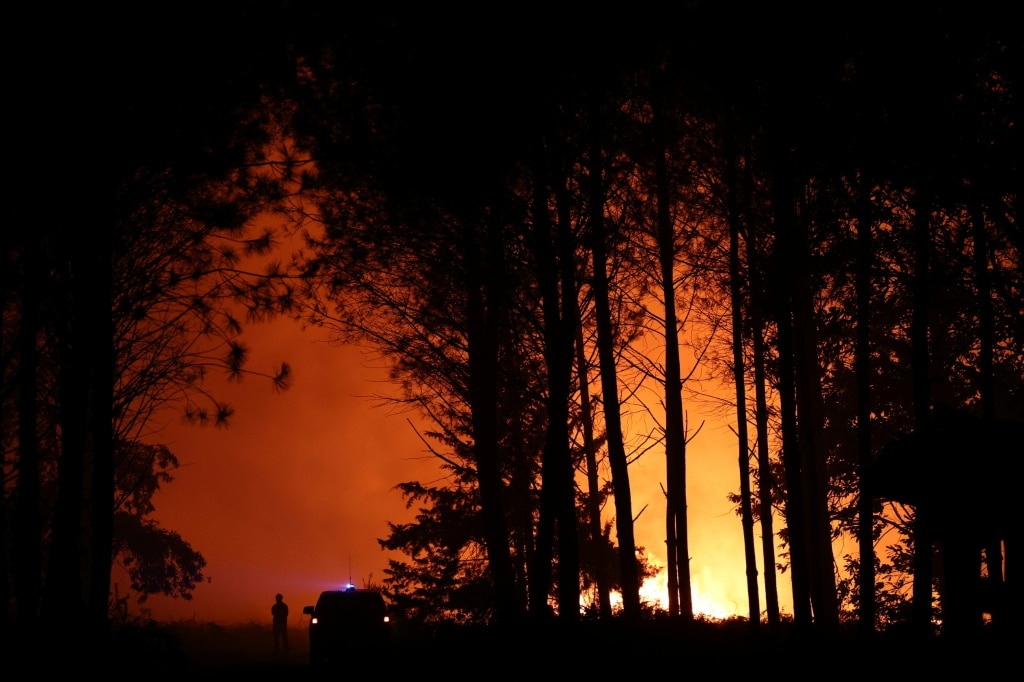
    In France, which has already endured a string of massive, destructive blazes already this wildfire season, a new outbreak ignited in the country’s southwest on Friday. Local officials confirmed that the fast-moving fire forced more than 500 residents to evacuate their homes immediately. The blaze has already consumed 1,100 hectares (approximately 2,700 acres) of land in the Landes department, and was advancing toward the small village of Luglon as of Friday afternoon. Regional fire chief Arnaud Fabre noted that the spread of the fire had slowed, but warned that forecasted local temperatures as high as 36 degrees Celsius created a high risk of dangerous flare-ups in the coming hours. This new emergency comes as the vast majority of France remains in the grip of a prolonged, extreme heatwave.

    Western Germany also faced a rapidly escalating wildfire crisis Friday, with local officials ordering the evacuation of approximately 1,800 residents from their homes overnight. Firefighting operations deployed military equipment and helicopter support to contain the blaze, which originated near the town of Huertgenwald, close to Germany’s borders with Belgium and the Netherlands. By Friday morning, the fire had expanded dramatically from an initial 25 hectares (around 60 acres) to 300 hectares, prompting the full evacuation of one of the town’s districts. Southwestern Germany has been one of the hardest-hit regions across the continent this summer, with sustained high temperatures and record low rainfall drying out farmland and pushing river levels to dangerous multi-decade lows.

    Across the English Channel, the United Kingdom’s firefighting infrastructure was pushed to breaking point, according to the head of the National Fire Chiefs Council (NFCC). NFCC leadership confirmed that firefighters were operating under “significant pressure” as multiple concurrent wildfires spread across the country against a backdrop of soaring temperatures and widespread drought conditions. On Thursday, which marked the UK’s hottest day of the year to date, a large blaze in the central English town of Stourbridge left a trail of destruction that included charred agricultural fields and destroyed residential properties. Three firefighters responding to that blaze, located southwest of Birmingham, were admitted to hospital for treatment of injuries sustained while fighting the fire.

    Croatia is confronting what national fire chief Slavko Tucakovic described as one of the worst wildfires in the country’s modern history. The coastal blaze has already destroyed multiple residential buildings and left 19 people injured, according to local reports. At least 1,000 people displaced by the fire near the coastal town of Omis, located south of the major coastal city of Split, were relocated to a temporary shelter set up in a local sports hall. Tucakovic mobilized additional firefighting teams from across the country to reinforce frontline crews working at the scene, while four Canadair water-bombing aircraft were placed on standby to support containment operations. The same air fleet helped bring a separate wildfire on the nearby island of Brac under full control by Thursday evening.

    In northern Greece, a fleet of civilian small craft carried out a dramatic evacuation of roughly 500 tourists from coastal beaches on Thursday, after a large forest fire advanced toward two popular tourist resorts. Hundreds of firefighters, two of whom sustained injuries while battling the flames, worked alongside water-bombing aircraft for hours to contain the blaze on the Halkidiki peninsula, located south of the northern Greek city of Thessaloniki, successfully stopping the fire from spreading across the entire peninsula. Local officials and Greece’s public broadcaster ERT reported that tourists, many still wearing their bathing suits and carrying small children, were ferried to safe nearby beaches, while approximately 200 evacuees were brought to a waiting passenger ship anchored offshore for shelter.

  • Eurovision proposes new rules to tackle mass voting

    Eurovision proposes new rules to tackle mass voting

    The Eurovision Song Contest, one of the world’s most-watched live annual music competitions, is navigating unprecedented growing pains, as organizers roll out sweeping rule changes and address lingering controversies tied to politically motivated voting. This year’s iteration of the contest wrapped with a decisive victory for Bulgarian singer Dara, who secured the top spot after earning first place from both the professional jury and the global public vote, earning her home country the right to host the 2027 edition. Organizers recently confirmed the 71st Eurovision will be held in Bulgaria’s Black Sea coastal town of Burgas between May 12 and 15, 2027.

    But behind the celebration of this year’s win, the European Broadcasting Union (EBU), which oversees the contest, has been grappling with persistent problems tied to the current voting structure, driven by the shifting global geopolitical climate. The push for new rule changes gained momentum after the 2025 contest, when Israeli contestant Yuval Raphael placed second overall despite only ranking 15th among jury members. Raphael outperformed every other competitor in the public vote, earning 297 points, after official Israeli government social media accounts – including that of Prime Minister Benjamin Netanyahu – urged supporters to cast the maximum allowed 20 votes for the singer.

    Broadcasters across multiple countries raised formal questions about the lopsided result, with critics alleging a coordinated political voting campaign had skewed the rankings in Israel’s favor. In response to the outcry, the EBU adjusted the rules for the 2026 contest, cutting the maximum number of votes per viewer from 20 to 10. Even that change failed to stop coordinated campaigning, however: ahead of this year’s event, Israeli public broadcaster Kan received a formal warning from contest organizers after Raphael released videos instructing fans to “vote 10 times for Israel.” Eurovision officials ruled the posts violated the spirit of the competition and ordered the videos removed.

    Now, the EBU is proposing far more radical changes to eliminate the influence of targeted political voting, according to a letter sent to all participating broadcasters and first reported by Swedish outlet Aftonbladet. Under the draft plan, the entire public vote would move online, doing away with the current phone and text voting options. Most notably, viewers would be required to select their top three favorite acts, ending the longstanding rule that allowed voters to cast multiple ballots for a single contestant.

    The EBU explained that technical barriers have stopped multiple-act voting requirements from being implemented via phone and text channels, which is why a full shift to online voting is needed. The United Kingdom has already successfully transitioned to an online-only voting model for this year’s contest, serving as a test case for the broader change. In their letter, EBU chief executive Jean Philip De Tender and Eurovision Reference Group chair Ana Maria Bordas noted that geopolitical fragmentation has created persistent problems for the contest’s integrity.

    “Even without major paid campaigns, and with a voting system that we can vouch for, it has become clear that today’s geopolitical climate is driving votes for certain artists for reasons that have very little to do with their performances,” the letter read. “This is nothing new in Eurovision’s history – we have seen it happen before – but this time it is persistent, and for many it is deeply worrying.” Officials added that the proposed changes would “help dilute the effect of a mobilised block vote, without compromising fairness or trust” in the competition’s results. While dedicated fans could still technically create multiple accounts to vote repeatedly for one act using different payment details, the new structure would create a significant barrier to large-scale coordinated campaigns.

    In an official comment to BBC News, the EBU confirmed the ongoing review: “We can confirm that we have begun investigating a move to wholly online audience voting for the Eurovision Song Contest and more details will be announced in the months ahead.”

    The voting overhaul is just one of multiple major changes coming to the 70-year-old competition in the wake of growing controversy. Organizers also recently announced that broadcasters from states involved in “armed conflict” or “sensitive geopolitical situations” will no longer be eligible to host the contest. They have also raised the minimum age for competing artists from 16 to 18, and implemented stricter regulations around the use of pre-recorded vocals during live performances.

    In a separate development that underscores the ongoing tensions surrounding the contest, the EBU also confirmed that Israeli cosmetics and haircare brand Moroccan Oil has ended its six-year sponsorship of Eurovision. The company did not publicly share a reason for ending the partnership, which saw Moroccan Oil provide professional styling services and products to competing artists each year. The sponsorship had faced widespread criticism in recent years amid growing protests over Israel’s continued participation in the contest during the ongoing war in Gaza.