博客

  • Nutriverse India showcases clean-label snack portfolio at Gulfood 2026

    Nutriverse India showcases clean-label snack portfolio at Gulfood 2026

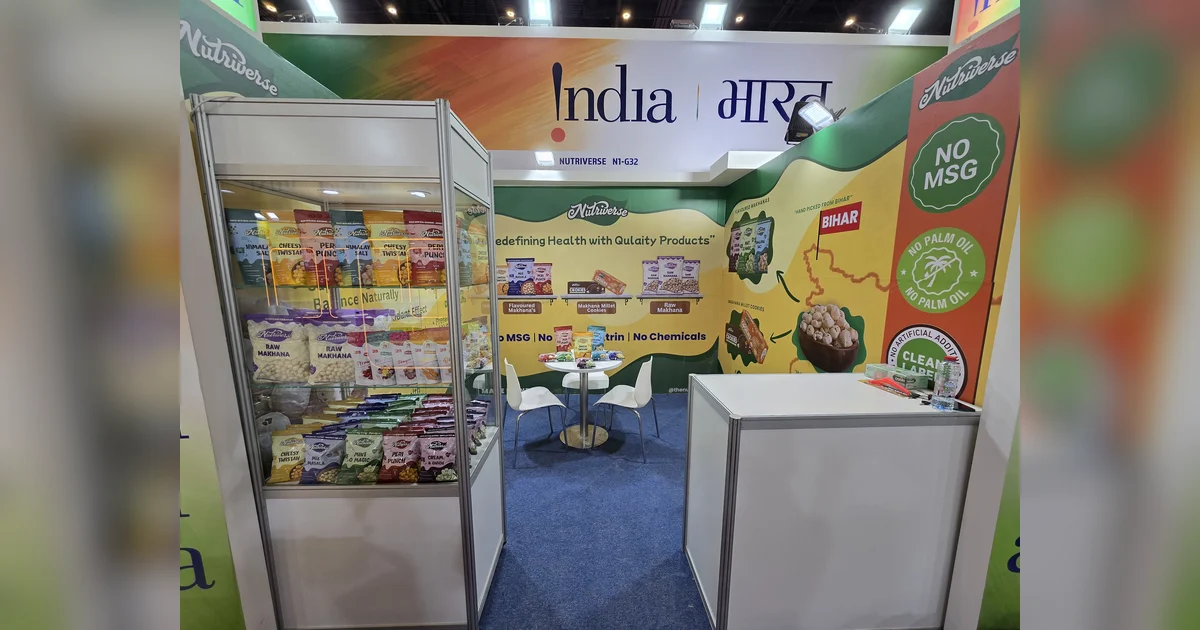
    DUBAI – At the ongoing Gulfood 2026 exhibition, Nutriverse India Organic Products Pvt. Ltd. is capturing significant attention not merely as a brand showcase but as a calculated strategic move to penetrate international markets. Operating from Stand N1-G32 in the India Pavilion, the company is demonstrating how Indian food brands are transitioning from commodity exports to value-added wellness products on the global stage.

    The company’s core philosophy challenges conventional snacking by proving that everyday treats need not compromise nutritional integrity. Their product lineup—devoid of artificial preservatives, MSG, maltodextrin, and chemical additives—resonates powerfully with health-conscious consumers and retailers across the Middle East, Europe, and Southeast Asia.

    Nutriverse distinguishes itself in the competitive wellness sector through unprecedented supply chain transparency and manufacturing control. By maintaining direct relationships with farming communities and operating proprietary production facilities, the company ensures rigorous quality oversight from source to shelf. Their innovative range includes roasted makhana (fox nuts) snacks and modern pantry essentials that align with the global pivot toward minimally processed, flavor-forward nutrition.

    Industry analysts observe that makhana has evolved from niche ingredient to international superfood, prized for its high protein content, low fat profile, and culinary versatility. Nutriverse capitalizes on this trend by reinventing traditional ingredients with contemporary flavors and packaging designed for mass-market appeal rather than premium niche positioning.

    The Gulfood exhibition serves as a critical gateway to GCC and African markets, making Nutriverse’s participation a strategic market-entry exercise. The company is actively engaging distributors, modern trade buyers, and private-label partners seeking growth in clean-snack categories.

    Founded by Aditya Singh and Anurag Singh, Nutriverse embodies a vision where quality, innovation, and global relevance converge. Their presence at Gulfood 2026 signals a broader transformation in India’s food export landscape—moving beyond raw materials toward branded, health-oriented products destined for international shelves.
  • Maryam Nawaz in Punjab: A governance model built on delivery, visibility, and reform

    Maryam Nawaz in Punjab: A governance model built on delivery, visibility, and reform

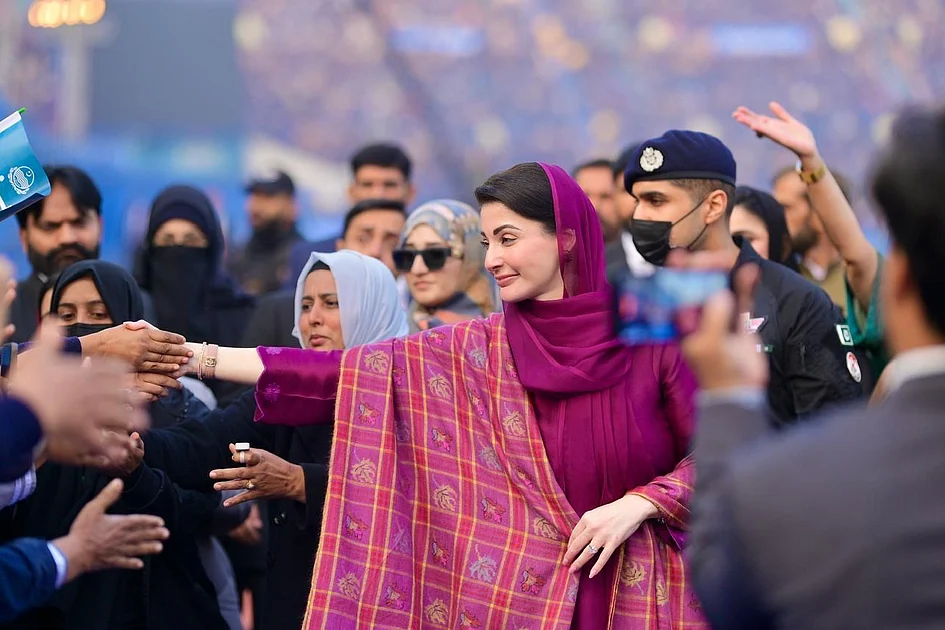
    In Pakistan’s most populous and politically significant province of Punjab, Chief Minister Maryam Nawaz Sharif has initiated a distinctive governance approach centered on tangible service delivery rather than rhetorical announcements. This administrative philosophy operates on the principle that effective governance must be experientially felt by citizens in their daily lives rather than merely proclaimed through political channels.

    The strategic focus encompasses critical public sectors including sanitation, transportation, healthcare, education, housing, and agricultural support. The Suthra Punjab initiative exemplifies this systemic approach, treating waste management not as a temporary campaign but as a permanent operational system requiring coordinated logistics, contractor discipline, and continuous monitoring. This visible service delivery functions as both administrative mechanism and political statement—demonstrating state competence through consistent execution.

    Transportation modernization represents another pillar of this governance model, with electric bus integration and transit infrastructure upgrades addressing both urban mobility and environmental concerns. The administration recognizes efficient transport as fundamental economic policy that expands access to employment and education while mitigating Punjab’s severe air pollution challenges.

    Healthcare accessibility receives innovative attention through the Clinics on Wheels program, which delivers primary medical services directly to underserved communities, reversing the traditional expectation that citizens must navigate distant facilities. This mobile healthcare approach complements the upgraded Maryam Nawaz Health Clinics featuring improved staffing and digital record-keeping systems.

    The administration demonstrates notable technological ambition through comprehensive AI integration, including mandatory AI training for cabinet members—a first in Pakistan’s governance history—and AI education implementation across provincial government schools. This digital transformation initiative reflects a data-driven approach to policy decisions and modern governance.

    Educational investments target human capital development through the Honhaar Scholarship Programme and laptop distribution, reducing financial barriers to higher education while expanding digital access. Housing policy addresses urban growth through the Apni Chhat, Apna Ghar initiative, providing structured home ownership opportunities for low-income families rather than temporary shelter solutions.

    Agricultural support mechanisms include the Kisan Card system, offering registered farmers structured access to inputs and financial resources, thereby reducing dependence on informal credit markets and stabilizing rural incomes.

    A defining characteristic of this governance model is its emphasis on performance metrics and monitoring dashboards across all sectors, representing a shift toward evidence-based administration that prioritizes measurable outcomes over political announcements. While still in its early implementation phase, this service-oriented approach carries both promise and risk—visible failures in delivery could quickly undermine public trust, but successful execution may establish new standards for provincial governance throughout Pakistan.

  • Reform candidate Matt Goodwin: From ‘liberal left’ to Islamophobia sceptic

    Reform candidate Matt Goodwin: From ‘liberal left’ to Islamophobia sceptic

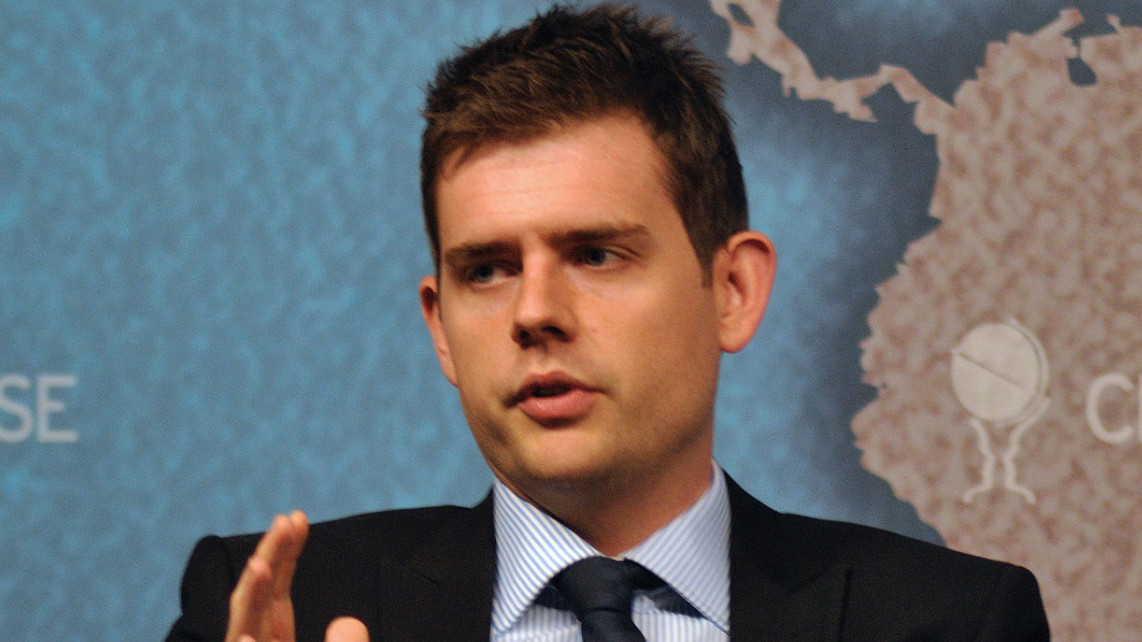
    The upcoming Gorton and Denton by-election in Greater Manchester has emerged as a critical test for Prime Minister Keir Starmer’s leadership, with the selection of controversial right-wing commentator Matt Goodwin as Reform UK’s candidate adding fuel to the political fire.

    The electoral contest gained national significance after Labour’s national executive committee blocked Mayor Andy Burnham—considered a potential leadership challenger to Starmer—from contesting the seat. This move positioned the February 26th vote as a referendum on Starmer’s premiership.

    Reform UK’s candidate selection has drawn particular attention due to Goodwin’s extensive history of provocative statements regarding ethnicity and Islam. The GB News presenter has repeatedly asserted that British-born individuals with immigrant parents cannot automatically claim British identity, comments that Liberal Democrats have labeled as overtly racist—a characterization Goodwin vehemently denies.

    The constituency’s demographic composition, where over 25% of voters identify as Muslim and 44% belong to ethnic minorities, sets the stage for heightened scrutiny of Goodwin’s past statements. His controversial claims include describing demographic changes as a ‘crisis,’ asserting connections between ethnicity and criminal behavior, and challenging the concept of Islamophobia as ‘highly politicized.’

    Goodwin’s background presents contradictions: a former academic who studied far-right movements and served as a government advisor on anti-Muslim hatred between 2013-2015, he has transformed into a prominent right-wing media figure. He claims to have abandoned his former ‘liberal left’ affiliations, now advocating for stricter immigration controls and cultural assimilation.

    The by-election occurs against a backdrop of Labour’s declining poll numbers and Reform UK’s surging popularity. With ethnic and religious identity poised to become central campaign issues, Goodwin’s candidacy represents both an opportunity for Reform to gain parliamentary footing and a potential liability given the constituency’s diverse electorate.

  • Australian Open: Sinner sets up blockbuster Djokovic semifinal clash

    Australian Open: Sinner sets up blockbuster Djokovic semifinal clash

    Defending champion Jannik Sinner delivered a commanding performance against American eighth seed Ben Shelton, securing a decisive 6-3, 6-4, 6-4 victory to advance to the Australian Open semifinals. The Italian second seed, who remains undefeated in his nine encounters with Shelton without conceding a single set, demonstrated exceptional court mastery despite facing formidable challenges from his opponent’s powerful left-handed serves.

    The match featured several pivotal moments, including Sinner’s spectacular fourth-game winner where he expertly guided the ball around the net post. While Shelton elevated his game in the second set, creating a breakpoint opportunity at 1-2, Sinner neutralized the threat and maintained control throughout the contest. The victory marks Sinner’s ninth consecutive Grand Slam semifinal appearance and sixth in succession.

    Addressing post-match challenges, Sinner revealed his physical readiness has improved significantly since experiencing cramps during his third-round match against American Eliot Spizzirri. ‘I feel stronger physically again,’ Sinner confirmed during his on-court interview. ‘I’m happy to be in the semifinals again. We all know what challenge I’m up against and I’m looking forward to it.’

    The triumph sets the stage for a highly anticipated semifinal clash against ten-time Australian Open champion Novak Djokovic, creating what promises to be a monumental battle between established greatness and emerging excellence. Sinner acknowledged the significance of facing the 24-time major champion, stating: ‘These are the moments you practice for. You have to play at your best. We’re still lucky to have Novak playing incredible tennis at his age. Hopefully, it’s going to be a great, great battle out here.’

  • Iran rejects talks with US amid military ‘threats’

    Iran rejects talks with US amid military ‘threats’

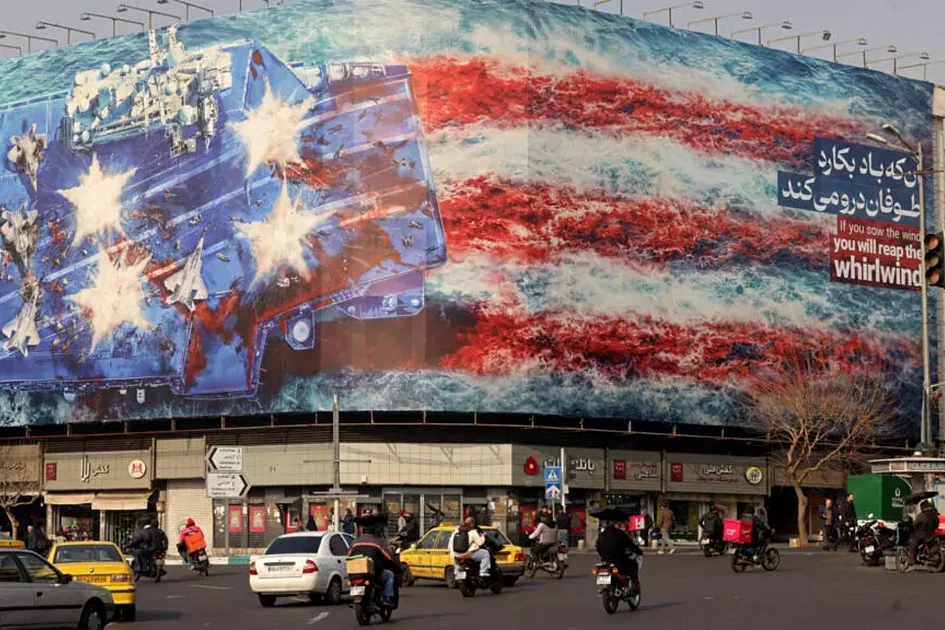
    In a significant escalation of Middle East tensions, Iran has formally rejected any possibility of negotiations with the United States, citing the presence of a U.S. naval strike group in regional waters as an unacceptable military threat. The USS Abraham Lincoln-led carrier group has been deployed to the Middle East, though U.S. Central Command has not disclosed its exact positioning.

    Iranian Foreign Minister Abbas Araghchi declared that ‘conducting diplomacy through military threat cannot be effective or useful,’ emphasizing that Tehran would not engage in talks while facing what it perceives as coercion. This diplomatic stalemate unfolds alongside revelations of a devastating human rights crisis within Iran, where a verified death toll from recent protests has surpassed 6,200, according to the U.S.-based Human Rights Activists News Agency (HRANA).

    Simultaneously, Iran is pursuing a diplomatic offensive across the Arab world. President Masoud Pezeshkian has engaged with Saudi Crown Prince Mohammed bin Salman, while top security official Ali Larijani has consulted with Qatari leadership. These efforts appear aimed at rallying regional support and isolating American positions. Egyptian officials have separately communicated with both Iranian and American diplomats, advocating for de-escalation and the creation of conditions conducive to resumed dialogue.

    The domestic situation remains dire, with HRANA reporting over 42,000 arrests and warning of ‘new dimensions’ in the security crackdown, including hospital searches for wounded protesters and arrests of medical personnel. Concerns are mounting that protesters may face execution, following Iran’s recent execution of an alleged Mossad agent and judicial indications that some detainees could face capital charges.

  • ‘Time is running out’: Trump urges Iran to make nuclear deal or risk ‘far worse’ attack

    ‘Time is running out’: Trump urges Iran to make nuclear deal or risk ‘far worse’ attack

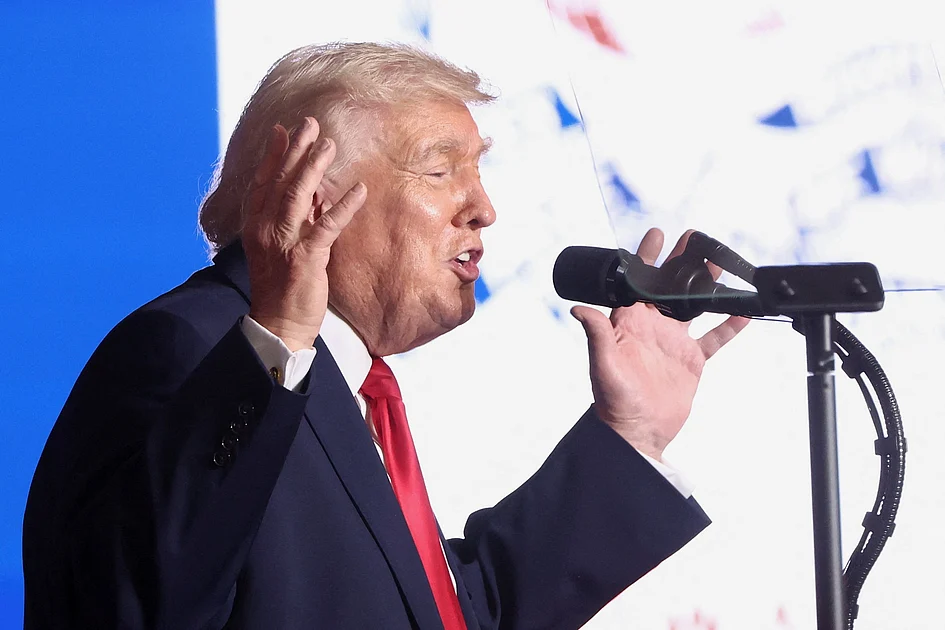
    President Donald Trump has intensified diplomatic pressure on Tehran through a stark public ultimatum, warning that Iranian leadership must immediately engage in nuclear negotiations or face devastating military consequences. The warning came via social media on Wednesday, January 28, 2026, with the President emphasizing that “time is running out” for diplomatic resolution.

    Trump referenced previous military operations against Iran, specifically mentioning ‘Operation Midnight Hammer’ as precedent for the seriousness of his threats. His statement highlighted that a “massive armada” is currently positioned near Iranian waters, with the USS Abraham Lincoln strike group confirmed to have entered Middle Eastern territories by U.S. Central Command.

    The escalation follows Iran’s firm rejection of negotiations under military intimidation. Iranian Foreign Minister Abbas Araghchi stated unequivocally that “conducting diplomacy through military threat cannot be effective or useful,” demanding that the U.S. “set aside threats, excessive demands and raising illogical issues” for any productive dialogue to occur.

    This confrontation builds upon years of strained relations since Trump’s withdrawal from the 2015 multinational nuclear agreement during his first term. The administration has maintained military action as a persistent option, particularly following Washington’s support of Israel’s 12-day campaign against Iranian nuclear and missile programs in June.

    Despite earlier threats regarding Iran’s domestic protest suppression, the immediate likelihood of military engagement appeared to diminish recently as both nations expressed tentative openness to diplomatic channels. Behind the scenes, Iranian officials have engaged in diplomatic outreach to key Arab states seeking regional support against potential American aggression.

  • Watch: Massive avalanche engulfs Jammu and Kashmir’s Sonamarg tourist resort

    Watch: Massive avalanche engulfs Jammu and Kashmir’s Sonamarg tourist resort

    A dramatic avalanche event unfolded in the Himalayan region of Jammu and Kashmir on Tuesday night, with security cameras capturing the terrifying moment when a massive wall of snow descended upon the popular Sonamarg tourist resort. The incident occurred at approximately 10:12 PM local time, as subzero temperatures and heavy snowfall created dangerous conditions throughout the valley.

    Surveillance footage circulated by Indian media outlets shows the powerful avalanche maneuvering through mountainous terrain before engulfing several structures in the resort area. Remarkably, despite the substantial force of the snowslide, local authorities confirmed no casualties resulted from the event, attributing the fortunate outcome to timely warnings and evacuation procedures.

    The avalanche formed part of a broader weather crisis affecting the region, where western disturbances have triggered the heaviest snowfall witnessed in a quarter-century. The extreme conditions have paralyzed transportation networks, stranding thousands of vehicles along the Jammu-Srinagar highway since Monday and prompting significant flight cancellations at Srinagar Airport.

    Meteorological officials from India’s weather department reported continuing snowfall and rainfall across multiple Jammu regions, accompanied by isolated thunderstorms with lightning, hail, and gusty winds reaching 40-50 kmph. The Pir Panjal range, particularly the Kotranka-Budhal belt, has experienced exceptional accumulation, unexpectedly transforming the area into a tourist attraction despite the hazardous conditions.

    Administrative response efforts are underway, with Deputy Commissioner Abhishek Sharma confirming that restoration teams are working to reinstate essential services including electricity, road access, and emergency provisions. ‘Continuous work on road traffic management is underway from early morning,’ Sharma stated, emphasizing the priority of ensuring uninterrupted rations, water, medical care, and emergency services for affected communities.

  • 67 traffic improvements in 2025 in key areas of Dubai reduce travel time by 45%

    67 traffic improvements in 2025 in key areas of Dubai reduce travel time by 45%

    Dubai’s Roads and Transport Authority (RTA) has achieved remarkable success in urban mobility through its comprehensive traffic improvement initiative. In 2025, the authority completed 67 strategic enhancements across the emirate’s transportation network, resulting in unprecedented efficiency gains and reduced congestion.

    The infrastructure transformation encompassed three primary categories: 46 upgrades along major arterial roads and residential zones, 12 school zone optimizations, and 9 development area improvements. These interventions have produced measurable outcomes, with travel times decreasing by up to 45% in targeted areas and road capacity expanding by approximately 33% on multiple thoroughfares.

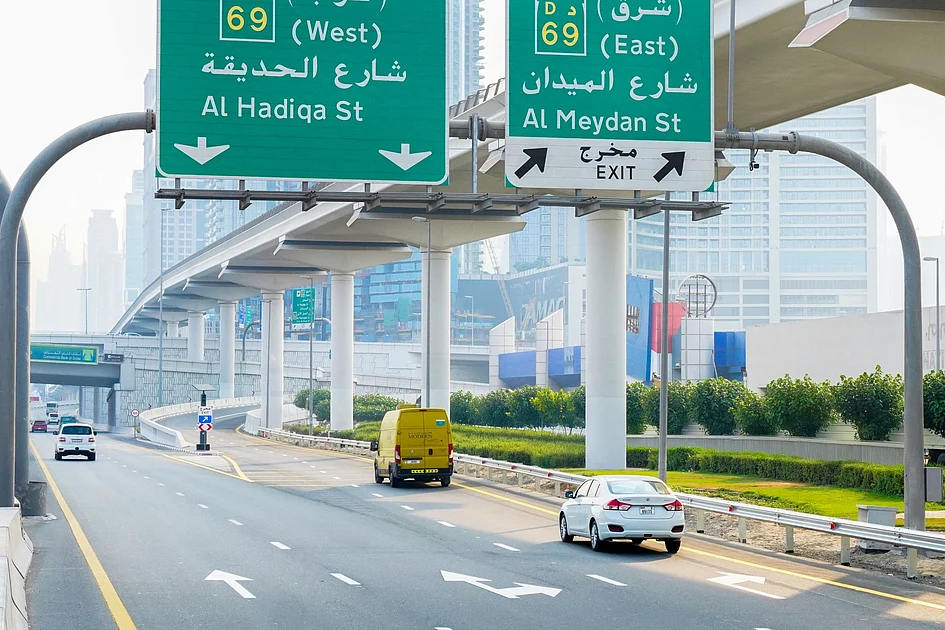
    Key beneficiaries of this urban revitalization include Al Warqa’a, Al Barsha South, Nad Al Hamar, and Al Ras districts. Major corridors experiencing enhanced traffic flow comprise Sheikh Zayed Road, Al Meydan Street, Emirates Road toward Sharjah, and Umm Al Sheif Street. Notable engineering accomplishments feature the widening of Sheikh Zayed Road toward Al Meydan Street from two to three lanes at Al Khawaneej access points and the capacity expansion of Al Meydan Bridge from three to four lanes.

    The intersection of Al Wasl Street and Al Manara Street demonstrated particularly impressive results, achieving a 50% increase in vehicular capacity and over 30% reduction in waiting times through strategic redesign.

    School zone safety received dedicated attention through twelve targeted interventions serving more than thirty educational institutions. The Al Warqa’a First School Complex, Mizhar First School Complex, and Al Qusais School Complex were among the beneficiaries of upgraded parking facilities, improved access points, and traffic calming measures that collectively reduced congestion while enhancing pedestrian safety.

    Looking ahead, the RTA has announced an ambitious continuation plan for 2026, with forty-five additional improvement projects already in development. These future initiatives will focus on intersection modernization, commercial district access optimization, and further school zone enhancements, reinforcing Dubai’s commitment to becoming a global model for urban transportation efficiency.

  • During heated hearing, Rubio insists US action in Venezuela will lead to prosperity and security

    During heated hearing, Rubio insists US action in Venezuela will lead to prosperity and security

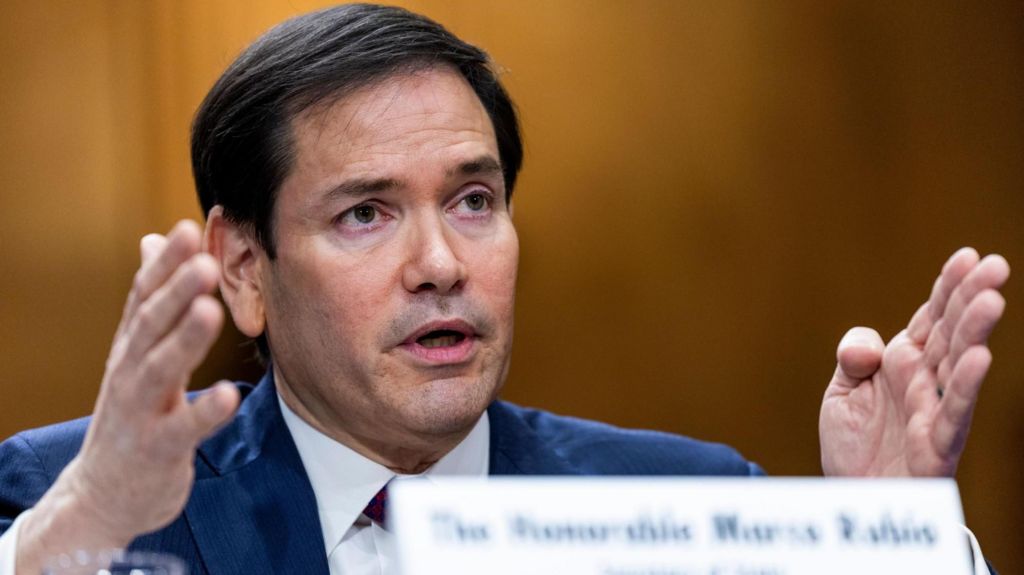
    WASHINGTON – Secretary of State Marco Rubio faced intense congressional scrutiny Wednesday during a long-awaited Senate Foreign Affairs Committee hearing on Venezuela, defending the Trump administration’s military operation that ousted Nicolás Maduro as a justified “law enforcement action” rather than an act of war.

    The hearing marked the first public congressional examination of the unprecedented January 3rd Delta Force operation that extracted Maduro from Caracas in his pajamas to face drug trafficking charges in New York. The session, which senators had requested since well before the military intervention, revealed sharp divisions over the legal and strategic foundations of the administration’s Venezuela policy.

    Rubio, a former senator who previously chaired this very committee, maintained a consistently robust defense throughout the proceedings. He characterized Maduro not as a legitimate head of state but as “an indicted drug criminal” with whom negotiation proved impossible. “The glue that held the regime together was corruption and graft,” Rubio stated. “His removal has created the conditions to begin to move away from that.”

    A central point of contention emerged around the administration’s circumvention of congressional war powers. Rubio carefully stressed that “we did not occupy a country” and that “there are no US troops on the ground,” framing the operation as a targeted drug enforcement action rather than military engagement. This distinction drew skepticism from several committee members, including Republican Senator Rand Paul, who retorted that the operation resembled a “drug bust” lacking proper legal justification.

    The secretary outlined a comprehensive plan for Venezuela’s political and economic restructuring under interim President Delcy Rodriguez. Most significantly, he detailed Washington’s intention to maintain full control over Venezuela’s oil industry, with oil revenues currently held in Qatari offshore accounts pending transfer to U.S. Treasury blocked accounts. These funds would be released only for narrowly defined needs upon Washington’s approval.

    Rubio framed this arrangement as beneficial for both nations, suggesting Venezuelan oil profits would increasingly purchase U.S. goods rather than service debts to Russia or China. He also revealed that Rodriguez had “pledged to end Venezuela’s oil lifeline to the Cuban regime” – a statement with significant implications for regional dynamics.

    While refusing to rule out additional military force, Rubio expressed confidence in the current trajectory, comparing Venezuela’s situation to a “critically ill patient” requiring immediate intervention. He cited Spain and Paraguay’s democratic transitions as historical parallels for the challenging path ahead.

    The hearing concluded without clear consensus, reflecting ongoing debates about executive power, international law, and the future of U.S. policy in Latin America. With Rodriguez’s cooperation described as essential but uncertain, and Cuban officials undoubtedly monitoring developments, the coming months will test whether the administration’s vision of transformative change can be realized.

  • Indigenous protesters block Cargill facility in Brazil over President Lula’s decree

    Indigenous protesters block Cargill facility in Brazil over President Lula’s decree

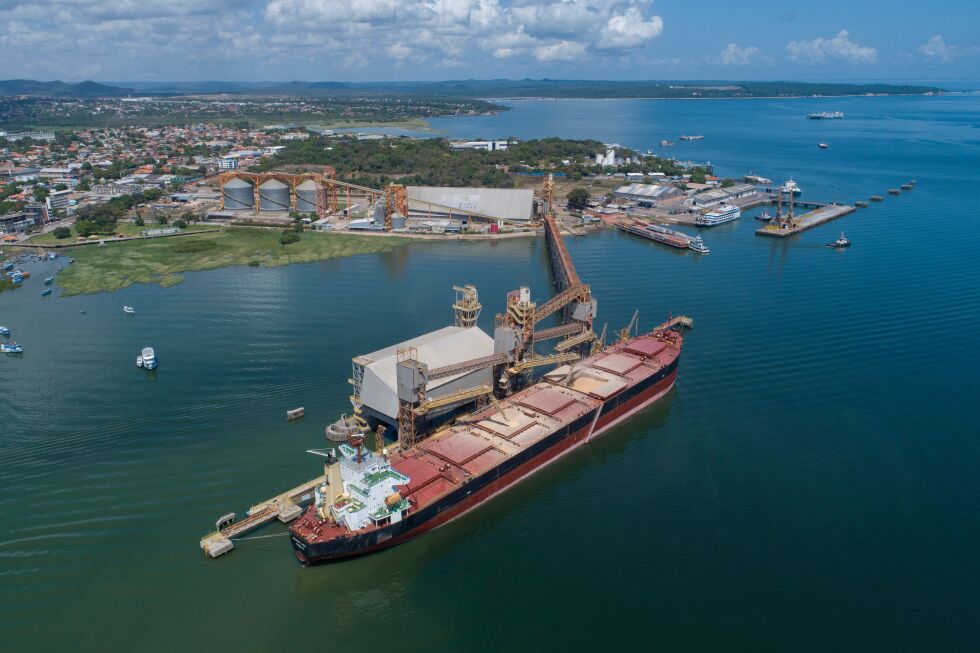
    SAO PAULO — For nearly a week, hundreds of Indigenous demonstrators have maintained a blockade at a Cargill agricultural facility in Santarem, northern Brazil, escalating tensions over President Luiz Inácio Lula da Silva’s controversial August decree. The presidential mandate authorizes private concessions for federal waterways, transferring maintenance, dredging, and traffic management responsibilities to corporate operators.

    The Tapajos and Arapiuns Indigenous Council, representing fourteen distinct Indigenous communities, asserts that the government violated constitutional and international obligations by failing to conduct mandated consultations with affected populations. Protest organizers warn that extensive dredging operations would critically endanger the ecological balance of the Tapajos River, Indigenous territories, and the broader Amazon rainforest ecosystem.

    Indigenous leader Auricelia Arapiun articulated the movement’s demands: ‘We seek governmental recognition of their error and respect for our rights, including commitments made during COP30.’ Referencing last year’s UN climate conference in Belem—located approximately 550 miles from the protest site—Arapiun emphasized the contradiction between environmental rhetoric and policy implementation.

    Protesters strategically targeted Cargill, one of the world’s largest agricultural commodity traders, as symbolic of destructive agribusiness practices that pressure governments for rainforest-compromising projects. The demonstration has effectively obstructed vehicle access to Cargill’s terminal, though the company maintains the dispute falls outside its jurisdiction despite respecting protest rights.

    Brazil’s Secretariat-General of the Presidency, responsible for social movement dialogue, claims commitment to free and prior consultation processes regarding Tapajos waterway concessions. While acknowledging meetings with civil society representatives, government officials have not confirmed attendance at the scheduled in-person assembly with protesters.

    Policy analyst Renata Utsunomiya of the Infrastructure and Socioenvironmental Justice group contextualized the waterway developments within broader Amazon infrastructure initiatives. The Tapajos River currently facilitates approximately 41 million metric tons of annual cargo transportation. Utsunomiya warned that combined dredging operations and the proposed Ferrograo railway would amplify pressure on Indigenous territories, potentially accelerating deforestation, land grabbing, and lasting environmental degradation throughout the region.