博客

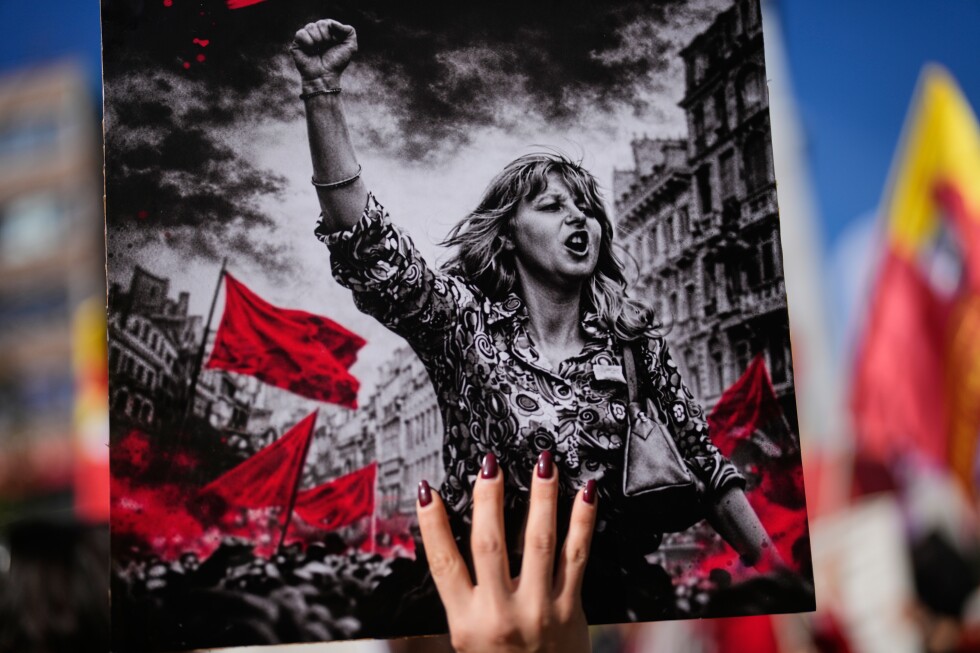
  • International Women’s Day is a celebration and a call to action. Here are things to know

    International Women’s Day is a celebration and a call to action. Here are things to know

    On Sunday, millions worldwide participated in International Women’s Day observances, combining celebration of women’s achievements with urgent calls for gender equality. The global events showcased a diverse spectrum of activities—from political demonstrations demanding equal pay and reproductive rights in Pakistan and Turkey to symbolic flower ceremonies in China and Russia. In Cambodia, workers raised fists and umbrellas in solidarity, while Berlin witnessed approximately 20,000 participants in one of Europe’s largest marches, doubling police expectations.

    This year’s theme, ‘Give to Gain,’ emphasized both financial support for women-focused organizations and intangible contributions like education and challenging discrimination. The commemoration occurs against a sobering statistical backdrop: UN data reveals women globally possess only 64% of the legal rights enjoyed by men, while femicide remains devastatingly prevalent with a woman or girl killed by family or partners every ten minutes worldwide.

    The historical roots of International Women’s Day trace back to 1909 with the American Socialist Party, though German feminist Clara Zetkin championed its global adoption at the 1910 Copenhagen socialist conference. The March 8 date commemorates a massive 1917 Russian protest that contributed to the country’s wartime withdrawal. The UN formally recognized the day in 1977, and it now serves as an official holiday in over 20 nations.

    Recent developments have intensified the day’s significance. The 2022 reversal of Roe v. Wade in the United States has triggered reverberations across Europe’s political landscape, reigniting debates about reproductive rights amid rising far-right influence. In Brazil, marches focused on gender-based violence following the alleged gang rape of a teenager in Rio de Janeiro’s Copacabana neighborhood.

    Social media continues amplifying attention on demonstrations in nations with repressive governments, making International Women’s Day both a celebration of progress and a stark reminder of persistent global inequalities.

  • Australia thrash India in Healy’s final match

    Australia thrash India in Healy’s final match

    In a fitting farewell to one of cricket’s modern legends, Australian captain Alyssa Healy concluded her illustrious international career with a commanding 10-wicket victory against India in the day-night Test at Perth’s Waca Ground. The emotional triumph marked the culmination of Healy’s 299-match international journey that spanned 15 years of exceptional leadership and performance.

    The decisive match concluded dramatically on the third day as Australia’s bowling attack dismantled India’s remaining resistance within the first hour of play. India, resuming at 105-6, were ultimately bowled out for 149 in their second innings, setting Australia a minimal target of just 25 runs. Openers Phoebe Litchfield and Georgia Voll achieved the required total effortlessly in under five overs, triggering celebratory scenes as teammates lifted Healy onto their shoulders in a gesture of respect and admiration.

    Spin bowlers Ash Gardner and Alana King proved instrumental in India’s final collapse, with Gardner breaking a crucial 50-run partnership by bowling Sneh Rana for 30. King then claimed Kashvee Gautam for a duck, caught spectacularly by the retiring captain herself. Opener Pratika Rawal provided India’s lone resistance with a determined 63 before falling to Gardner, caught by Annabel Sutherland.

    The victory secured Australia’s multi-format series win against India with a commanding 12-4 points margin. Healy’s retirement concludes an extraordinary career that produced 7,333 international runs and 276 dismissals across all formats. Her legacy includes leading Australia to a historic 16-0 Ashes whitewash in 2025, two World Cup triumphs—notably scoring 170 in the 2022 final against England—and six T20 World Cup championships.

    For India, the defeat ended their impressive nine-match winning streak in Test cricket, dating back to their previous loss against Australia in Adelaide in February 2006. The result underscores Australia’s continued dominance in women’s cricket as they bid farewell to one of their most accomplished players.

  • India scores imposing 255-5 in T20 World Cup final against New Zealand

    India scores imposing 255-5 in T20 World Cup final against New Zealand

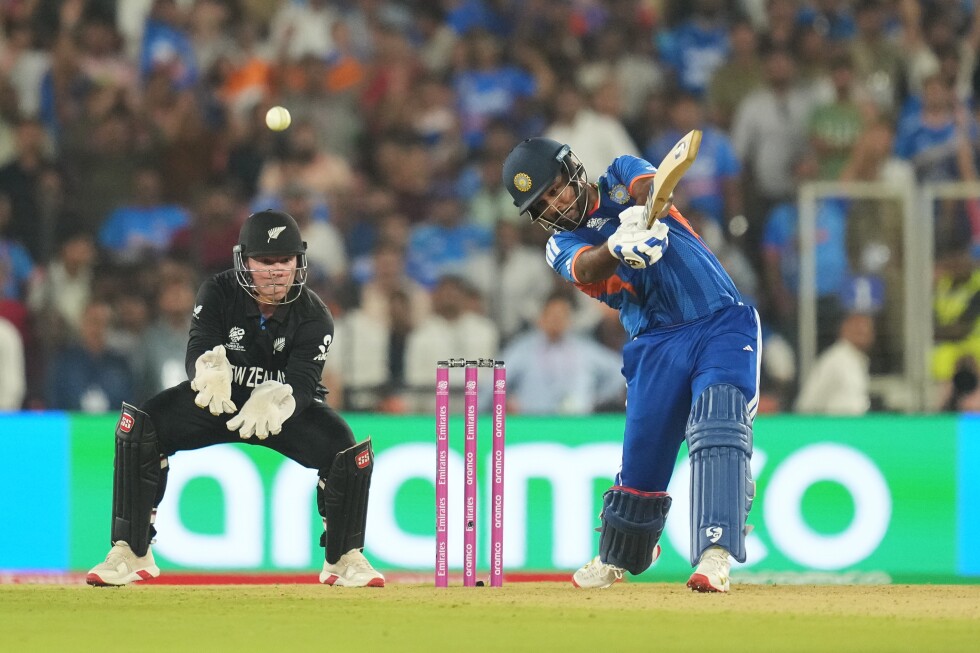
    In a spectacular display of power hitting at Ahmedabad’s Narendra Modi Stadium, India amassed a formidable total of 255-5 against New Zealand in the T20 World Cup final on Sunday. Despite the imposing score, the tournament co-hosts might have felt they missed an opportunity for an even larger total after a dominant batting performance that saw them reach 203-1 in just 15 overs.

    The Indian innings was highlighted by several extraordinary performances. Opening batsman Sanju Samson delivered a spectacular 46-ball 89, smashing eight sixes and five boundaries in his explosive knock. Ishan Kishan contributed a rapid 54 from just 25 deliveries, while Abhishek Sharma blasted a 21-ball 52. Shivam Dube provided a finishing flourish with an unbeaten 26 from merely eight balls.

    New Zealand’s James Neesham emerged as the most successful bowler for the Black Caps, claiming three crucial wickets in the decisive 16th over. Neesham’s triple breakthrough included the vital dismissals of Samson, Kishan, and Indian captain Suryakumar Yadav, who departed for a golden duck.

    The final, played before a capacity crowd exceeding 100,000 spectators at the world’s largest cricket stadium, saw New Zealand captain Mitchell Santner win the toss and elect to bowl first against the defending champions. New Zealand entered the match seeking their first T20 World Cup title after finishing as runners-up to Australia in the 2021 tournament. India, meanwhile, stood poised to become the first team to claim the T20 World Cup trophy for a record third time.

  • Swiss reject right-wing plan to cut licence fee for public broadcaster

    Swiss reject right-wing plan to cut licence fee for public broadcaster

    Swiss citizens have delivered a decisive verdict in a national referendum, rejecting a proposal to drastically cut funding for public broadcasting. Initial projections indicate that 62% of voters opted to maintain the current licence fee structure for the Swiss Broadcasting Corporation (SBC), dealing a significant defeat to the cost-cutting initiative.

    The controversial measure, championed by the right-wing Swiss People’s Party, sought to reduce the annual household fee from 335 Swiss francs (£320; $435) to just 200 francs (£190; $260), while completely exempting businesses from the contribution. Proponents argued that the existing fee placed an excessive burden on households amid rising living costs, noting that Switzerland’s broadcasting contribution exceeds that of neighboring countries like Austria and Germany.

    However, the government and all other parliamentary parties mounted a successful defense of the current funding model. They emphasized that the licence fee is essential for maintaining Switzerland’s unique multilingual broadcasting landscape, ensuring proper representation for all four national languages: French, German, Italian, and Romantsch. Advocates also warned that funding reductions would jeopardize foreign news coverage and sports programming.

    In a related development, Swiss voters overwhelmingly approved a separate constitutional amendment guaranteeing access to cash. Approximately 70% endorsed the government’s proposal requiring the Swiss National Bank to ensure cash availability, rejecting a more stringent initiative from the ‘Cash is Freedom’ movement that sought explicit constitutional protection for ‘coins and banknotes.’

    The broadcasting fee victory comes despite planned gradual reductions already approved by the government, which will lower the contribution to 300 Swiss francs by 2029 while expanding exemptions for certain companies.

  • China-India relations have improved, must be maintained, foreign minister says

    China-India relations have improved, must be maintained, foreign minister says

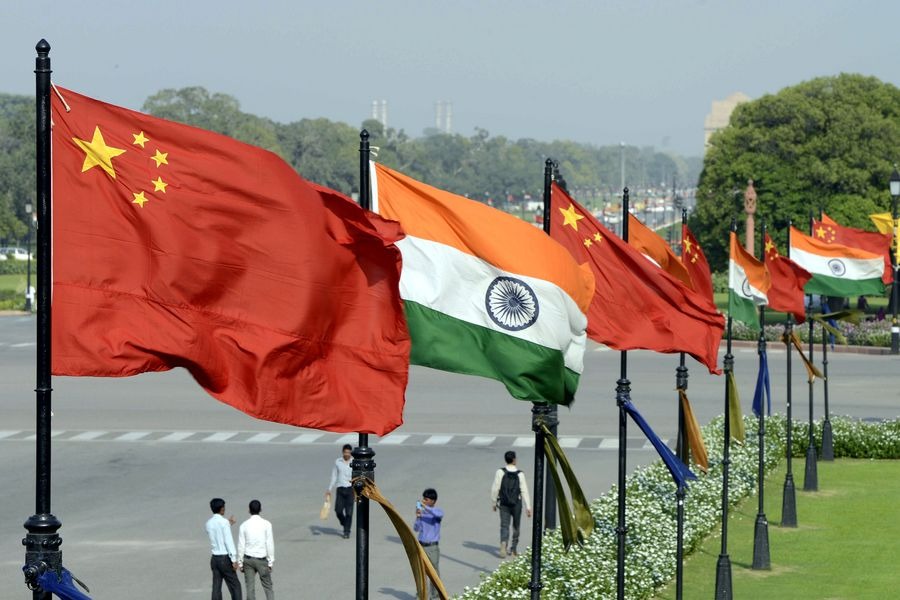
    Chinese Foreign Minister Wang Yi has emphasized the critical importance of maintaining positive momentum in China-India relations, highlighting recent diplomatic progress between the two Asian powers. Speaking at a press conference during the fourth session of the 14th National People’s Congress in Beijing on Sunday, Minister Wang articulated a vision of strengthened cooperation through correct strategic perception and neighborly friendship.

    The top diplomat noted that bilateral relations experienced a significant reset during the Kazan meeting, with subsequent improvements achieved at the Tianjin meeting. Wang stressed that mutual trust and collaboration between Beijing and New Delhi directly benefit both nations’ development trajectories, while division and confrontation would negatively impact Asia’s broader rejuvenation.

    Minister Wang positioned enhanced China-India cooperation as crucial for substantiating BRICS collaboration and providing renewed hope for Global South nations. His comments reflect China’s ongoing diplomatic efforts to stabilize relations with its southern neighbor amid complex geopolitical dynamics. The emphasis on development-focused partnership suggests both economic and strategic considerations in managing one of Asia’s most consequential bilateral relationships.

    The address comes as both nations navigate border tensions while seeking expanded economic cooperation. Wang’s framing of the relationship emphasizes shared interests in regional stability and development, positioning constructive China-India relations as beneficial for broader Asian prosperity and South-South cooperation initiatives.

  • South Korea edges Australia for top spot in Group A at Women’s Asian Cup. Philippines ousts Iran

    South Korea edges Australia for top spot in Group A at Women’s Asian Cup. Philippines ousts Iran

    In a spectacular display of women’s football, South Korea narrowly clinched the top position in Group A of the Women’s Asian Cup following an electrifying 3-3 draw against tournament hosts Australia. The Sunday showdown at Sydney’s Stadium Australia attracted a record-breaking crowd of 60,279 spectators—the largest attendance in the tournament’s history—creating an electric atmosphere for the dramatic contest.

    The match unfolded as a tale of two halves with relentless back-and-forth action. South Korea initiated the scoring in the 13th minute through Mun Eun-ju, who capitalized on a swift counter-attack orchestrated by Jeon Yu-gyeong. Australia responded with determination as Alanna Kennedy netted the equalizer in the 32nd minute, followed by Chelsea superstar Sam Kerr giving the Matildas a 2-1 advantage just before halftime.

    South Korea’s strategic substitutions proved decisive in the second half. Kim Shin-ji emerged as the game-changer, converting a penalty in the 53rd minute before delivering a precise cross to Kang Chae-rim, who scored just four minutes later to establish a 3-2 lead for the Korean side. The dramatic conclusion arrived deep into stoppage time when Kennedy secured her second goal of the night, leveling the score at 3-3 but ultimately leaving Australia second in the group on goal difference.

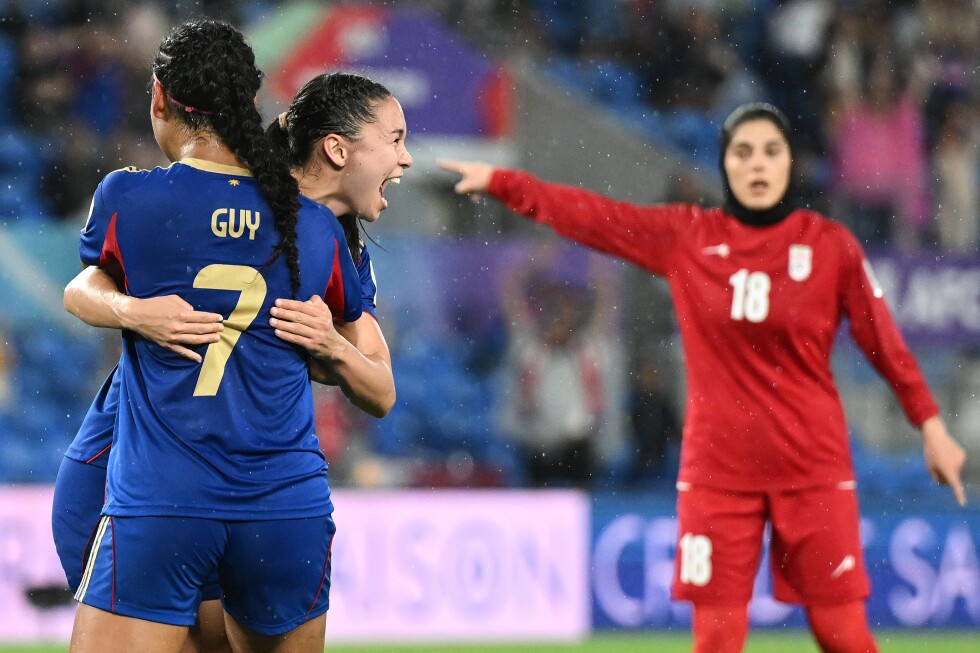
    In simultaneous Group A action, the Philippines maintained their quarterfinal hopes with a hard-fought 2-0 victory over Iran in challenging wet conditions at Gold Coast Stadium. The match saw 38-year-old Iranian goalkeeper Raha Yazdani deliver an exceptional performance with multiple crucial saves, but ultimately succumbed to goals from Sara Eggesvik (29th minute) and Chandler McDaniel (82nd minute).

    The result eliminates Iran from the tournament with three consecutive losses, with the team facing an uncertain return to their conflict-ridden homeland. Meanwhile, the Philippines must await outcomes from other groups to determine their quarterfinal fate as one of the two best third-place teams.

    The tournament continues with defending champion China set to face three-time winner North Korea to decide Group B supremacy, while two-time champion Japan leads Group C following their dominant 11-0 victory over India.

  • AFL 2026: St Kilda coach Ross Lyon says Nick Daicos, Scott Pendlebury didn’t decide the game

    AFL 2026: St Kilda coach Ross Lyon says Nick Daicos, Scott Pendlebury didn’t decide the game

    St Kilda coach Ross Lyon has pinpointed his team’s operational inefficiency as the decisive factor in their Opening Round loss to Collingwood, rather than his tactical choice not to directly tag Magpies superstar Nick Daicos. The match, held at the MCG, concluded with a 12-point victory for Collingwood, largely propelled by Daicos’s stellar performance of 41 disposals and 11 score involvements.

    Contrary to external expectations, Lyon expressed confidence in his team’s systemic approach, emphasizing a pre-game strategy that relied on collective accountability over assigning a dedicated shutdown player to Daicos. The coach dissected the loss post-game, suggesting that a review of the match tape might provide further clarity but maintaining his initial stance that Daicos, while influential, was not the sole architect of the result.

    The narrative extended to another Collingwood veteran, Scott Pendlebury. Operating on managed minutes, Pendlebury delivered a masterclass in efficiency, contributing five direct goal assists despite a delayed entry into the game. Lyon acknowledged the quality of the champion’s touches but downplayed his overarching impact on the final scoreline.

    The match also served as the anticipated debut for several high-profile St Kilda recruits, including Tom De Koning and Jack Silvagni. While Lyon noted positive individual moments from the new signings, the collective outcome was marred by inefficiencies and compounded by an injury to key player Rowan Marshall, who sustained a concussion and will be unavailable for the upcoming fixture against Melbourne.

  • National lawmakers: birth-friendly policies must extend beyond childbirth

    National lawmakers: birth-friendly policies must extend beyond childbirth

    In a significant policy shift, three female National People’s Congress deputies are championing expansive reforms to transform China’s approach to demographic challenges. The lawmakers argue that establishing a truly birth-friendly society requires moving beyond narrow fertility incentives to address systemic gaps in women’s healthcare, workplace protections, and long-term social support systems.

    The legislative proposals represent a fundamental evolution in China’s gender policy framework—transitioning from basic rights protection to safeguarding women’s “full life cycle” needs. This comprehensive approach encompasses everything from reproductive healthcare and prenatal services to postpartum career development and long-term professional advancement opportunities.

    Amid mounting demographic pressures including an aging population and declining birth rates, these recommendations deliver a crucial message: meaningful support must extend far beyond the childbirth moment. The deputies emphasize that without addressing structural barriers—including workplace discrimination, inadequate healthcare access, and limited social safety nets—mere birth incentives will prove insufficient in reversing demographic trends.

    The proposed measures highlight the interconnected nature of reproductive policies and women’s broader socioeconomic participation. By advocating for policies that support women throughout their professional and personal lives, the lawmakers aim to create sustainable conditions where family planning decisions aren’t constrained by systemic limitations.

  • Iran soccer team exits Women’s Asian Cup and faces the prospect of a return home

    Iran soccer team exits Women’s Asian Cup and faces the prospect of a return home

    GOLD COAST, Australia — Iran’s women’s national football team concluded their Asian Cup campaign with a 2-0 defeat against the Philippines on Sunday, eliminating them from the tournament amidst growing concerns about their safety upon returning to a nation engulfed in military conflict. The team’s participation in the continental championship has been overshadowed by geopolitical tensions following recent military strikes on Iran by U.S. and Israeli forces.

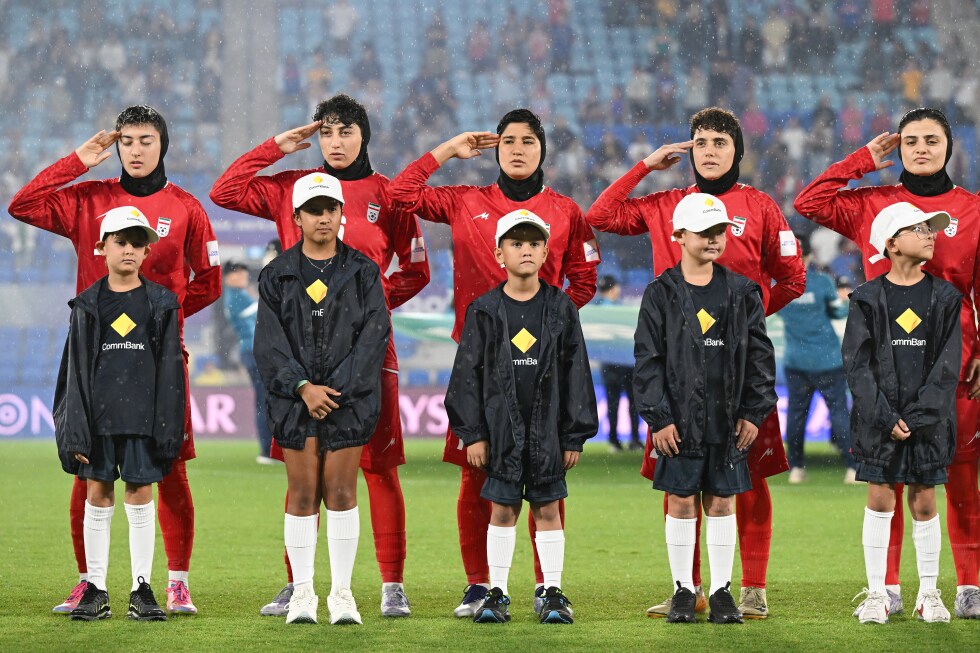
    The squad’s ambiguous political stance has drawn significant attention throughout the competition. Players remained silent during the national anthem before their opening match against South Korea, a gesture interpreted by observers either as silent protest or mourning. However, in subsequent matches against Australia and the Philippines, the team performed both the anthem and customary salutes.

    The Australian Iranian Council has initiated urgent diplomatic efforts, addressing a formal letter to Australia’s Home Affairs Minister Tony Burke requesting protection for team members during their stay. Accompanying this appeal, an online petition has garnered substantial public support, accumulating over 50,000 signatures before Sunday’s decisive match. The petition urges Australian authorities to provide independent legal counsel, interpreter services, and ensure no player is compelled to return while credible safety concerns persist.

    Team members have largely maintained silence regarding the domestic situation, though forward Sara Didar emotionally expressed concerns for family and compatriots during a mid-week press conference. The petition emphasizes that ‘silence is not a neutral position when athletes face potential persecution, imprisonment, or coercion upon return,’ particularly noting intensified repression during current wartime conditions.

    Australian Foreign Minister Penny Wong acknowledged the team’s predicament without confirming specific governmental contacts, stating Australia stands in solidarity with Iranian women against systemic oppression. The symbolic jersey exchange between Australian and Iranian players was highlighted as a particularly meaningful gesture of support.

    Local Iranian-Australian activist Tina Kordrostami emphasized the necessity for government-assisted safe spaces where players can freely express their needs and concerns without external pressure.

    The team’s competitive exit eliminates the potential protective extension that advancement to quarterfinals would have provided, leaving immediate return arrangements uncertain amid ongoing diplomatic and humanitarian considerations.

  • Iran’s border with Turkey offers a way out, but few are leaving for good

    Iran’s border with Turkey offers a way out, but few are leaving for good

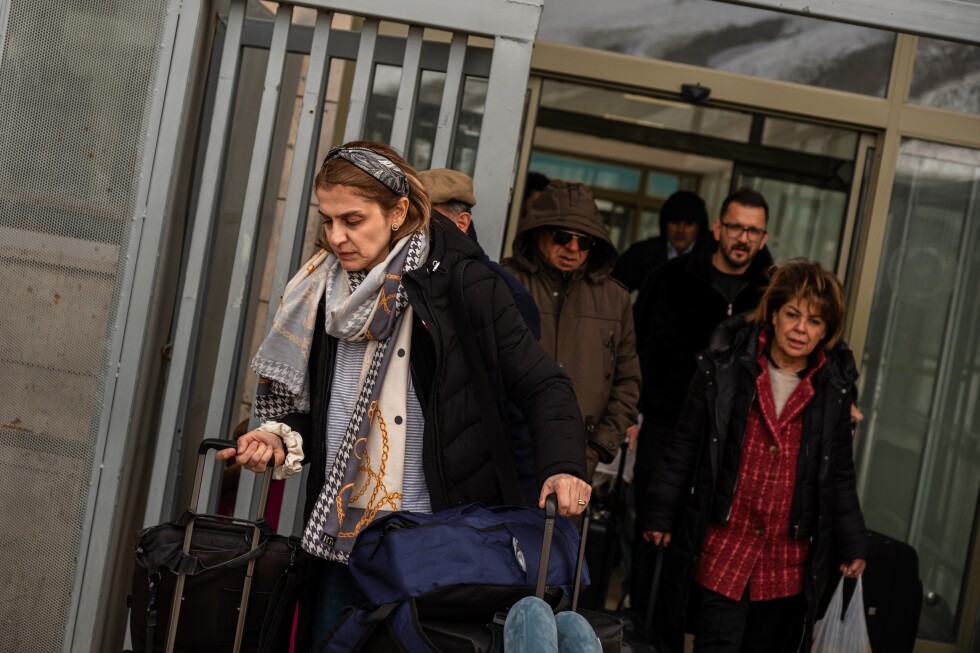
    KAPIKOY BORDER CROSSING, Turkey — As Iran’s airspace remains shuttered following recent military strikes by U.S. and Israeli forces, the land border crossing near Turkey’s Van province has emerged as a vital lifeline connecting Iranians to the global community. The Kapikoy border gate, nestled within mountainous terrain, has witnessed a steady flow of travelers with existing connections to Turkey through employment, family ties, or dual citizenship arrangements.

    Contrary to expectations of mass exodus, border activity reveals a more nuanced reality. Most travelers are accelerating prearranged visits rather than abandoning their homeland permanently. Reza Gol, a 38-year-old plastic surgeon traveling from Urmia to Istanbul for medical consultations, exemplified this trend: ‘It’s not clear whether we will leave Iran for good, but I can clear my head a little bit in the meantime. Everyone is staying in their houses—people are not running away.’

    The journey remains fraught with complications. Pooneh Asghari and her Iranian-Canadian husband face reluctant relocation to Canada despite having established lives in Iran. ‘All our life is there,’ Asghari lamented, hoping for a brief absence. Economic constraints prevent widespread departure, as noted by Fariba (identifying partially for security): ‘People are very poor now. So they are staying at home, and they are scared.’

    Border logistics have become increasingly complex. While Turkey initially suspended day-trip crossings, regular transit has resumed for Iranians and third-country nationals. Official figures indicate balanced movement, with 2,032 entries versus 1,966 departures recorded recently. Travelers typically proceed to Van airport for connecting flights, though weather disruptions and cancellations create additional hurdles.

    Mehregan, a 26-year-old student stranded en route to China, described her ordeal: ‘If I can’t get on a flight tomorrow from here I will miss my flight to China’—potentially losing nonrefundable tickets. The regional economy suffers concurrently, with hotels and shops anticipating significant losses during normally bustling Nowruz holidays.

    Turkey maintains preparedness for potential refugee influx, having constructed 380 kilometers of concrete walls and numerous surveillance towers along its Iranian border. Interior Minister Mustafa Ciftci confirmed contingency plans involving tent camps and buffer zones, though significant refugee movements have not yet materialized.

    Harrison Mirtar, a 53-year-old Iranian-Canadian returning from parental visits in Tehran, expressed resentment toward foreign intervention but contextualized the crisis: ‘They are in their homeland. Life is going on, but with some bombs.’ This sentiment captures the resilient pragmatism characterizing most Iranians’ response to the escalating conflict.