博客

  • Instagram outage hits thousands of US users: What really happened

    Instagram outage hits thousands of US users: What really happened

    Meta Platforms’ Instagram service encountered significant technical difficulties on Wednesday evening, resulting in widespread accessibility issues for thousands of users across the United States. The disruption, which began approximately at 8:00 PM Eastern Time, reached its peak with over 10,000 concurrent user reports according to outage monitoring service Downdetector.

    The technical malfunction primarily affected Instagram’s web-based platform, with numerous users experiencing persistent error messages, feed loading failures, and complete service unavailability through desktop browsers. The mobile application appeared to maintain relatively better stability during this incident, though some users reported intermittent connectivity problems across both platforms.

    Social media platforms, particularly X (formerly Twitter), became the primary outlet for user frustration and real-time updates as affected individuals shared screenshots of error messages and sought confirmation regarding the scope of the technical issues. The online community engaged in widespread speculation about potential causes while awaiting official communication from Meta’s technical team.

    Remarkably, the service disruption demonstrated relatively rapid resolution, with Downdetector metrics indicating substantial recovery by approximately 9:30 PM Eastern Time. This restoration timeline suggests that Meta’s engineering team successfully addressed the underlying technical problem within approximately 90 minutes of initial detection.

    While Meta Platforms has not yet released an official technical postmortem regarding the root cause, industry analysts note that such brief service interruptions remain relatively common among large-scale social media platforms managing immense user traffic and complex infrastructure systems. The incident highlights the ongoing challenges facing technology companies in maintaining seamless service availability across global networks.
  • Arcera Life Sciences inks strategic partnership with ISPOR UAE Chapter

    Arcera Life Sciences inks strategic partnership with ISPOR UAE Chapter

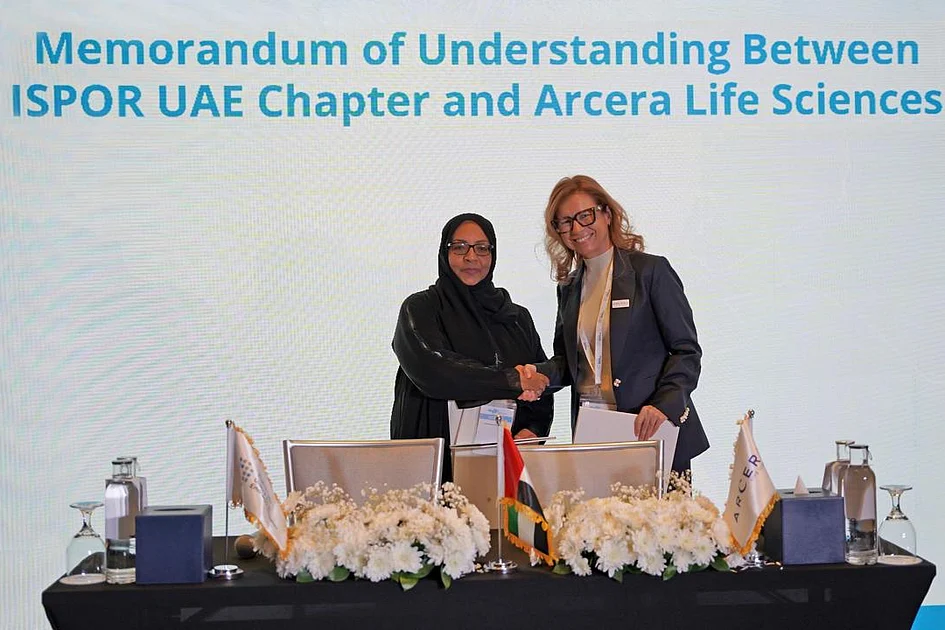
    In a significant move to address the growing global threat of antimicrobial resistance (AMR), Abu Dhabi-based Arcera Life Sciences has established a strategic partnership with ISPOR UAE Chapter alongside launching a novel intravenous antibiotic in the United Arab Emirates. The memorandum of understanding, signed on February 5, 2026, creates a collaborative framework focused on advancing health economics and outcomes research (HEOR) within the region’s healthcare landscape.

    The partnership emerges against the backdrop of alarming global health statistics from the World Health Organization, which identifies AMR as a critical public health threat responsible for approximately 1.14 million deaths directly attributed to drug-resistant bacteria in 2021 alone. Projections indicate that without immediate intervention, bacterial AMR could claim 39 million lives globally over the next quarter-century—equivalent to three deaths per minute. The economic implications are equally staggering, with World Bank forecasts suggesting AMR could trigger annual GDP losses reaching $3.4 trillion by 2030 due to escalating healthcare costs and productivity declines.

    Arcera’s newly introduced antibiotic represents a pharmaceutical breakthrough designed to combat multidrug-resistant bacteria, including Extended Spectrum Beta-Lactamase (ESBL)-producing pathogens. This development aligns with the UAE’s national antimicrobial stewardship programs aimed at preserving last-line medical defenses. The company has accelerated regulatory approval processes across GCC nations while advancing registration plans in South Africa, where authorization is anticipated by early 2027.

    The collaboration will leverage ISPOR UAE Chapter’s global network and research capabilities alongside Arcera’s regional expertise to enhance evidence-based decision-making in healthcare technology assessment. The partnership specifically targets capacity building, career development, and mentorship programs to strengthen local research competencies.

    Isabel Afonso, Chief Executive Officer of Arcera Life Sciences, emphasized that “building future-ready healthcare systems requires trusted partnerships and appropriate policy frameworks to translate scientific advancements into tangible real-world impact.” Professor Nadia AL Mazrouei, ISPOR UAE Chapter President, noted that “by combining our global resources with Arcera’s regional leadership, we can effectively address the unique challenges of the UAE’s rapidly evolving health technology landscape.”

    The announcement coincided with Arcera’s participation in a high-level panel discussion titled ‘Securing the Future: Policies to Strengthen Healthcare for the Next Generation in the Middle East and Africa Region.’ The dialogue featured distinguished global experts focusing on creating sustainable policy frameworks that balance innovation with long-term healthcare system resilience.

  • Sky View Development enrolls in Dubai Land Department’s first-time home buyers initiative

    Sky View Development enrolls in Dubai Land Department’s first-time home buyers initiative

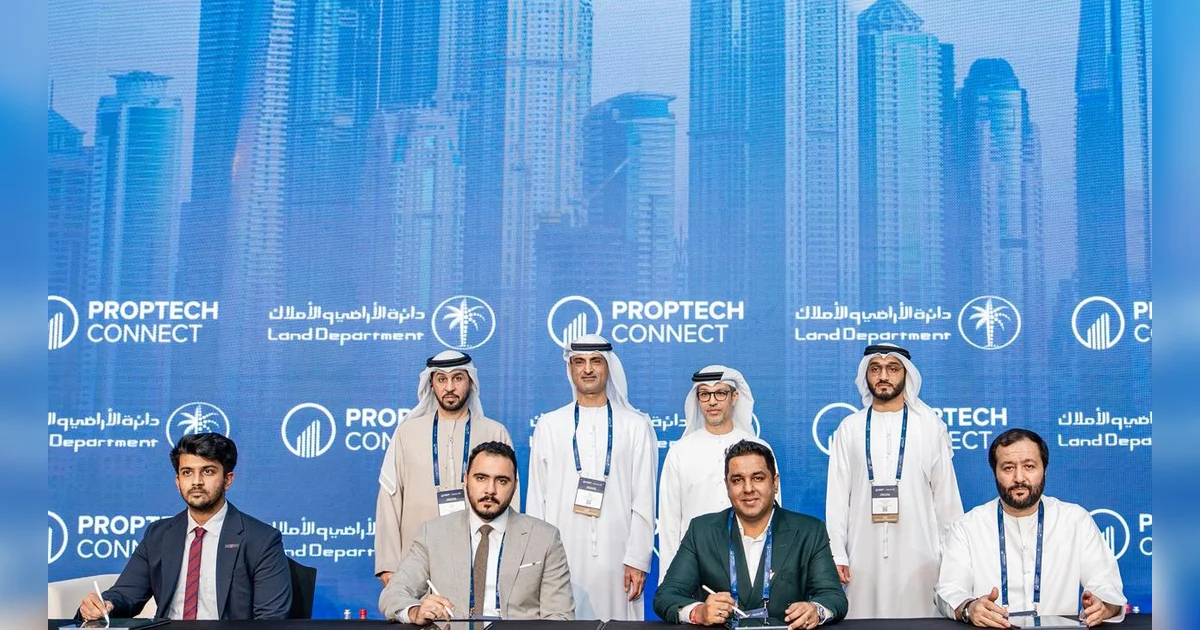
    In a significant move to transform Dubai’s housing landscape, Sky View Development has formally partnered with the Dubai Land Department’s First-Time Home Buyers (FTHB) Initiative. This government-led program, developed through multi-stakeholder collaboration, represents a strategic effort to transition long-term UAE residents from rental accommodations to property ownership.

    Under the leadership of Founder and CEO Akash Kanjwani, Sky View Development now stands among a select group of approved developers authorized to extend exclusive benefits to eligible participants. The program offers qualified first-time buyers preferential pricing structures and dedicated inventory access that would otherwise be unavailable through conventional market channels.

    Kanjwani characterized the enrollment as a “proud milestone” that aligns with the company’s core philosophy of long-term value creation. “This initiative represents a powerful governmental commitment to supporting residents who aspire to own their first home in Dubai,” he stated, emphasizing the program’s role in making homeownership more accessible and meaningful for end-users.

    The operational mechanism simplifies the property acquisition process through a digital government platform. Prospective buyers can register using their Emirates ID, and upon qualification, receive a unique QR code. This digital credential serves as a key to unlocking specialized benefits when presented to enrolled developers.

    Sky View Development has designated its forthcoming residential project, Avion 100, as a participant in the initiative. The development will offer qualified first-time buyers exclusive launch benefits and priority inventory selection. This collaboration reflects Dubai’s broader commitment to cultivating a sustainable, end-user-driven real estate market while empowering residents to actively participate in the city’s ongoing growth narrative.

  • India lifts wheat stock limits as supplies rise, easing prices

    India lifts wheat stock limits as supplies rise, easing prices

    In a significant policy reversal, the Indian government has officially abolished all restrictions on wheat stockpiling for traders, wholesalers, and retailers. The decision, announced Thursday, comes as domestic supplies reach comfortable levels and market prices show sustained moderation.

    The world’s second-largest wheat producer had initially implemented these stockholding limits in May 2025 as an emergency measure to combat hoarding practices and suppress escalating food inflation. The restrictions were part of a broader strategy to ensure adequate domestic availability and stabilize market conditions during periods of supply constraint.

    Official statements from New Delhi indicate current wheat inventories have surpassed last year’s levels, signaling robust supply conditions that rendered the previous constraints unnecessary. Despite the removal of quantity limits, market participants will continue to submit weekly stock position declarations, maintaining transparency in supply chain monitoring.

    This policy shift follows last month’s authorization of 500,000 metric tons of wheat flour and related product exports, marking a gradual easing of export controls originally instituted in 2022. The sequential relaxation of trade restrictions reflects India’s improving agricultural output and stabilizing food security situation, potentially positioning the nation for increased participation in global grain markets.

  • Hong Kong ex-media tycoon Jimmy Lai will be sentenced Monday after national security conviction

    Hong Kong ex-media tycoon Jimmy Lai will be sentenced Monday after national security conviction

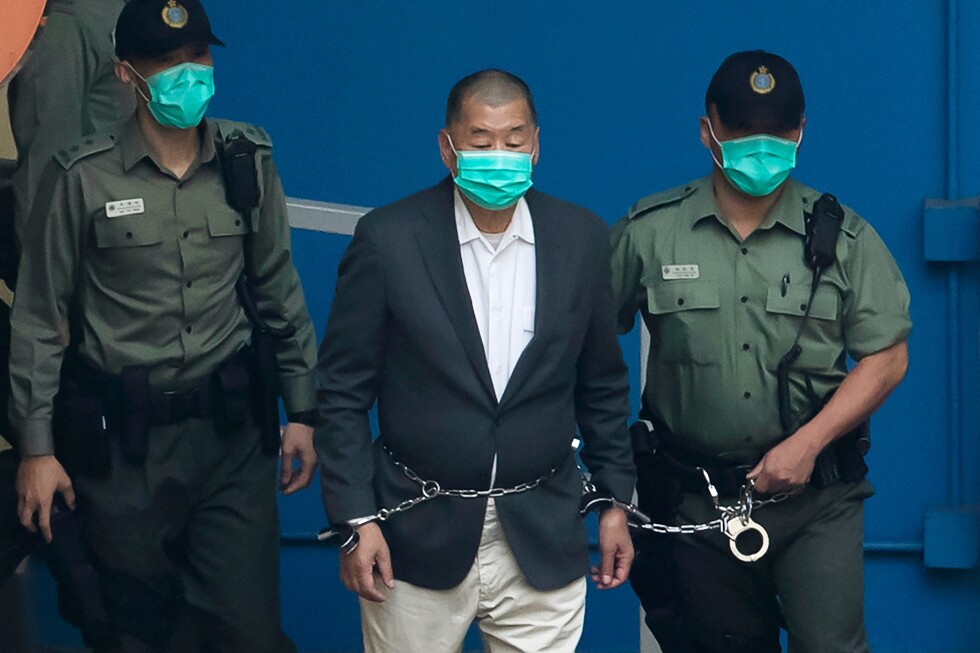
    Hong Kong’s judiciary has scheduled Monday’s sentencing hearing for pro-democracy media magnate Jimmy Lai, following his December conviction under Beijing’s national security legislation. The 78-year-old founder of the shuttered Apple Daily newspaper faces potential life imprisonment in a case that has drawn international condemnation and raised concerns about press freedom in the semi-autonomous territory.

    Lai, a prominent critic of China’s Communist Party, was initially arrested in 2020 under the security law implemented following the 2019 anti-government protests. Beijing authorities maintain the legislation was essential for maintaining Hong Kong’s stability, while critics argue it has eroded the city’s judicial independence and media freedoms.

    The sentencing proceedings, set for 10 a.m. Monday, will also determine the fates of six former Apple Daily journalists and two activists tried alongside Lai. While Lai maintained his innocence throughout the trial, his co-defendants entered pleas that could result in reduced sentences.

    International observers have closely monitored the case, with both the United States and United Kingdom expressing strong objections to the prosecution. The British government has particularly emphasized Lai’s status as a British citizen in its calls for his release. The sentencing is expected to further strain diplomatic relations between Beijing and Western governments that have criticized China’s handling of Hong Kong’s autonomy.

    Lai was convicted on charges of conspiring with foreign forces and publishing seditious materials, specifically allegations that he collaborated with Apple Daily executives to encourage foreign sanctions against Hong Kong and China. The former media tycoon is currently serving a separate six-year sentence for fraud convictions related to his activities in 2019.

  • Familiar champions await fresh battles at Dubai Duty Free Tennis Championships

    Familiar champions await fresh battles at Dubai Duty Free Tennis Championships

    The prestigious Dubai Duty Free Tennis Championships prepares for an electrifying ATP 500 event from February 23-28, 2026, featuring an exceptional lineup of former champions ready to battle for supremacy. This year’s tournament promises compelling narratives as Daniil Medvedev, Andrey Rublev, Ugo Humbert, and Stefanos Tsitsipas—all previous winners—converge on the Dubai Duty Free Tennis Stadium in Al Garhoud.

    The competition marks a significant moment for Medvedev, who won his sole Dubai title in 2023 by defeating Novak Djokovic in the semifinals. Though not arriving as top seed for the first time since 2023, the former World No.1 remains one of the most formidable hard-court players of his generation, known for his defensive resilience and baseline precision. Fresh off his victory in Brisbane that secured his 22nd ATP title, Medvedev returns with strong momentum and substantial fan support.

    Standing in his path is compatriot Andrey Rublev, the 2022 champion whose explosive power and relentless intensity contrast sharply with Medvedev’s controlled approach. The tournament’s early-season timing and consistent playing conditions perfectly suit Rublev’s aggressive baseline style as he pursues his 18th career title.

    The field also includes 2024 surprise champion Ugo Humbert, who demonstrated remarkable poise by defeating Alexander Bublik in the final without dropping a set throughout most of the tournament. The elegant left-handed Frenchman’s previous victory served as a powerful reminder that Dubai provides both a stage for established stars and a launchpad for emerging talent.

    Completing the championship quartet is reigning titleholder Stefanos Tsitsipas, who finally captured his long-awaited Dubai crown after consecutive final defeats in 2019 and 2020. His victory last year marked his first ATP 500 title and propelled him back into the world’s top 10 rankings. Should he defend his title successfully, Tsitsipas would achieve a feat no player has accomplished since Roger Federer in 2015.

    The tournament’s ability to consistently attract former champions underscores its esteemed position within professional tennis. Players frequently praise the event’s organization, world-class facilities, and exceptional atmosphere, making it a perennial favorite on the ATP Tour. With eight of the world’s top 20 male players competing, the 2026 championship promises an intriguing blend of established rivalries and potential breakthrough performances.

  • Kuwait announces working hours of government employees for Ramadan 2026

    Kuwait announces working hours of government employees for Ramadan 2026

    The Kuwaiti government has formally disclosed its comprehensive work schedule for public sector employees during the upcoming Ramadan period in 2026. This announcement builds upon External Decision No. (1) of 2024, which previously established the reduced four-and-a-half-hour workday mandate for the holy month.

    Under the current flexible working system, as outlined in Civil Service Bureau Circular No. (12) of 2024, government entities will maintain considerable autonomy in determining their specific operational timelines. The framework permits starting times between 8:30 AM and 10:30 AM, allowing individual departments to adjust schedules according to their operational requirements while adhering to the overall reduced hours.

    A notable provision includes a 15-minute grace period at the commencement of each workday. Additionally, female employees receive an extra 15-minute grace period at the conclusion of their workday. For evening operations during Ramadan, the regulations explicitly state that official working hours cannot begin before 6:45 PM, ensuring alignment with traditional prayer and fasting schedules.

    The implementation reflects Kuwait’s ongoing commitment to accommodating religious observances while maintaining public service functionality. This approach mirrors similar Ramadan work hour adjustments seen across other Gulf Cooperation Council nations, though Kuwait’s specific provisions regarding grace periods and flexible scheduling represent distinctive elements of its labor policy.

  • UAE to combine traditional Emirati medicine with healthcare, says health minister

    UAE to combine traditional Emirati medicine with healthcare, says health minister

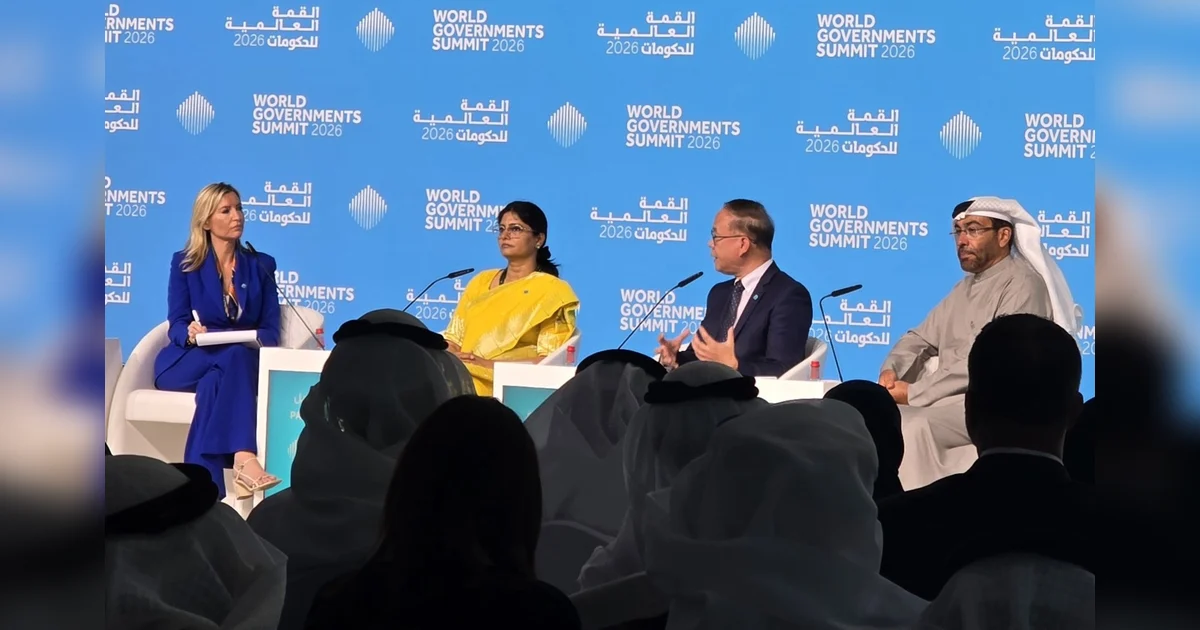
    The United Arab Emirates is embarking on a groundbreaking healthcare transformation by formally integrating traditional Emirati healing practices with conventional medical treatments. Health Minister Ahmed Al Sayegh announced this strategic initiative during the World Governments Summit in Dubai, marking a significant shift in the nation’s approach to wellness and disease prevention.

    Minister Al Sayegh, appointed to his position in September 2025, shared personal reflections on the effectiveness of traditional medicine, noting that approximately 70% of his childhood treatments involved these ancestral practices. He emphasized that these methods contributed significantly to building robust health among earlier generations of Emiratis.

    The newly formulated approach, termed ‘integrative medicine,’ represents a comprehensive healthcare model that combines conventional medical treatments with lifestyle modifications while addressing mental and spiritual wellbeing alongside physical health. This methodology aims to move traditional practices from the periphery to the core of the UAE’s healthcare prevention strategies.

    To ensure patient safety and treatment efficacy, the Ministry of Health and Prevention will establish a robust legislative framework governing the implementation of these traditional practices. The minister clarified that while science remains paramount in addressing critical health challenges—evidenced by the dramatic reduction in child and maternal mortality rates over recent decades—traditional knowledge offers valuable complementary benefits.

    Minister Al Sayegh highlighted specific examples, including holistic care protocols for pregnant women that incorporate traditional dietary recommendations, specialized exercises, and indigenous wellness practices similar to yoga. He expressed concern that these valuable traditional skills are gradually being lost and emphasized the ministry’s role in preserving this cultural heritage through structured training programs that combine ancestral wisdom with scientific validation.

    This national initiative builds upon the foundation established by the UAE Integrative Medicine Council (UAEIMC), formed in September 2025 under the leadership of Sheikha Salama bint Tahnoon bin Mohammed Al Nahyan. The council promotes a multidisciplinary approach that safely integrates modern, traditional, and complementary medical practices.

    The UAE’s commitment to integrative medicine will be further demonstrated later this month when the country hosts the AYUSH Conference & Exhibition, bringing together wellness brands, clinics, and hospital representatives to showcase ancient medical traditions and their contemporary applications.

  • US healthcare needs fixing, but there’s no agreement on how to do it

    US healthcare needs fixing, but there’s no agreement on how to do it

    The American healthcare system continues to generate devastating financial consequences for millions of citizens, exemplified by the case of Jeff King, a 66-year-old former pastor from Lawrence, Kansas. Following a routine procedure to correct his irregular heart rhythm, King received an astonishing $160,000 medical bill that threatened to bankrupt him. Despite having a cost-sharing alternative plan, his coverage excluded the treatment entirely.

    King’s predicament reflects a national crisis where approximately 100 million Americans—roughly 40% of the population—struggle with medical and dental debt. The United States maintains the world’s most expensive healthcare system, with projected expenditures reaching $5.9 trillion in 2026 according to Centers for Medicare and Medicaid Services data. Paradoxically, despite per capita healthcare spending that doubles that of comparable wealthy nations, America demonstrates lower life expectancy rates according to research from nonprofit KFF.

    The system’s failures have generated widespread public frustration, sometimes with tragic consequences. In December 2024, UnitedHealthCare CEO Brian Thompson was fatally shot in Manhattan by Luigi Mangione, who subsequently gained support from protesters viewing him as a folk hero opposing the healthcare establishment. While a judge recently dismissed federal firearms murder charges against Mangione, the incident highlights the intense emotions surrounding healthcare affordability.

    Political solutions remain elusive despite bipartisan recognition of systemic problems. Former President Donald Trump recently proposed his “Great Healthcare Plan” featuring direct payments to citizens for insurance costs and eliminating “kickbacks” to middlemen. However, experts note the plan lacks critical details regarding funding mechanisms and implementation strategies.

    The Affordable Care Act (ACA) implemented under President Obama significantly expanded coverage but created a patchwork system that falls short of universal healthcare. A decade after full implementation, frustrations persist as approximately 20% of privately insured Americans reported claim denials for doctor-recommended care in 2023.

    The expiration of COVID-era subsidies has exacerbated the crisis, with millions facing dramatic premium increases. Stacy Cox, a Utah-based photographer with high breast cancer risk, saw her insurance costs quadruple from $500 to $2,100 monthly, forcing her to abandon comprehensive coverage. Similarly, Mike Short, a Tennessee graphic artist with preexisting medical debt, now risks financial ruin from potential health complications.

    Structural complexities involving multiple overlapping systems—Medicare, Medicaid, employer-sponsored insurance, and veteran’s healthcare—create bureaucratic inefficiencies and confusion. Health policy experts advocate for system consolidation and stronger price negotiation mechanisms for pharmaceuticals.

    While some states have implemented local solutions such as banning medical debt from credit reports and providing separate subsidies, the federal government struggles to achieve consensus. As healthcare companies have tripled profits over two decades and distributed $2.6 trillion to shareholders since 2001, ordinary Americans continue facing impossible choices between financial stability and essential medical care.

  • Trump endorses Japan’s Takaichi ahead of snap election

    Trump endorses Japan’s Takaichi ahead of snap election

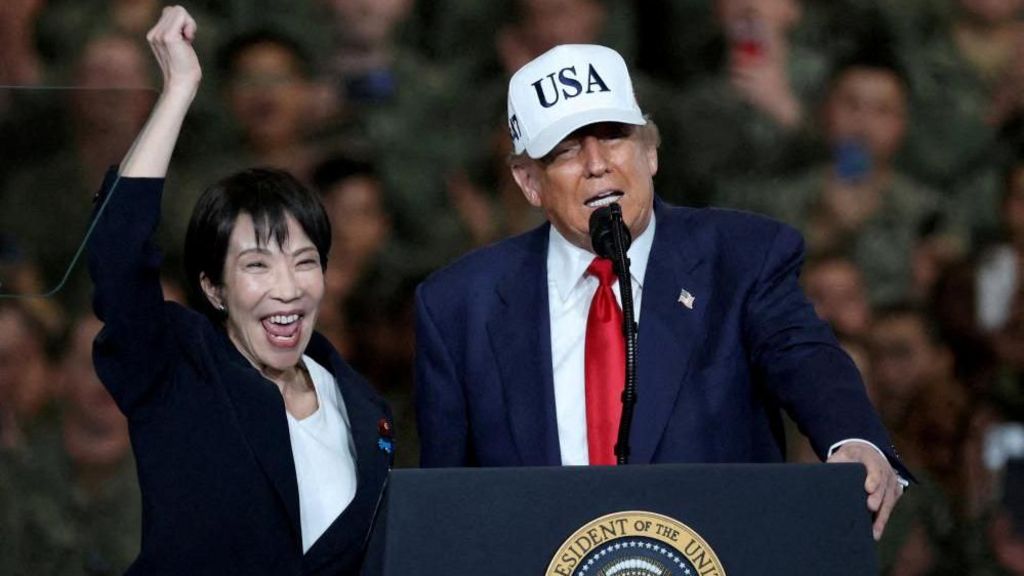
    In an unusual move of international political endorsement, former U.S. President Donald Trump has publicly thrown his support behind Japanese Prime Minister Sanae Takaichi just days before Japan’s snap parliamentary election. Trump utilized his Truth Social platform on Thursday to applaud Takaichi as “a strong, powerful, and wise leader… one that truly loves her country,” expressing confidence that “she will not let the people of Japan down.”

    This endorsement continues Trump’s pattern of backing foreign leaders who align with his political vision, following recent support for Argentina’s Javier Milei and Hungary’s Viktor Orbán. The relationship between Takaichi and Trump has strengthened significantly since her assumption of office in October, marked by substantial diplomatic engagements.

    The bilateral relationship faced early challenges when Trump threatened imposing 25% tariffs on Japanese imports, a situation that was resolved through a July agreement wherein Japan committed to investing $550 billion in the United States in exchange for reduced import levies of 15%.

    Takaichi’s administration rolled out an exceptionally warm welcome for Trump during his visit to Tokyo just one week after she took office, featuring a full military honor guard and band performance at Akasaka Palace, the government’s official guesthouse. The two leaders signed a significant rare earths agreement and a document proclaiming a new “golden age” in U.S.-Japan relations, with Takaichi describing Trump as a “partner in a new golden era” and praising his Middle East peace efforts.

    Trump’s endorsement highlighted progress in national security cooperation and economic collaboration between the two nations, while simultaneously announcing plans to host Takaichi at the White House on March 19th.

    The political backdrop to this endorsement includes complex geopolitical tensions, particularly regarding Taiwan. Trump’s show of support for Takaichi comes merely one day after his telephone discussion with Chinese leader Xi Jinping, wherein both leaders acknowledged the importance of maintaining positive relations. During their conversation, Xi emphasized Taiwan as “the most important issue” in Sino-American relations, explicitly stating that Taiwan is “China’s territory” and urging Washington to exercise prudence regarding weapons sales to the self-governed island.

    Takaichi has been at the center of escalating tensions between Tokyo and Beijing, which have reached their lowest point in over a decade. In November, she drew Beijing’s ire by suggesting Japan might deploy its self-defense forces should China attack Taiwan, highlighting the complex regional dynamics that shape her leadership approach.