博客

  • UK says infant formula contamination may have affected 36 babies

    UK says infant formula contamination may have affected 36 babies

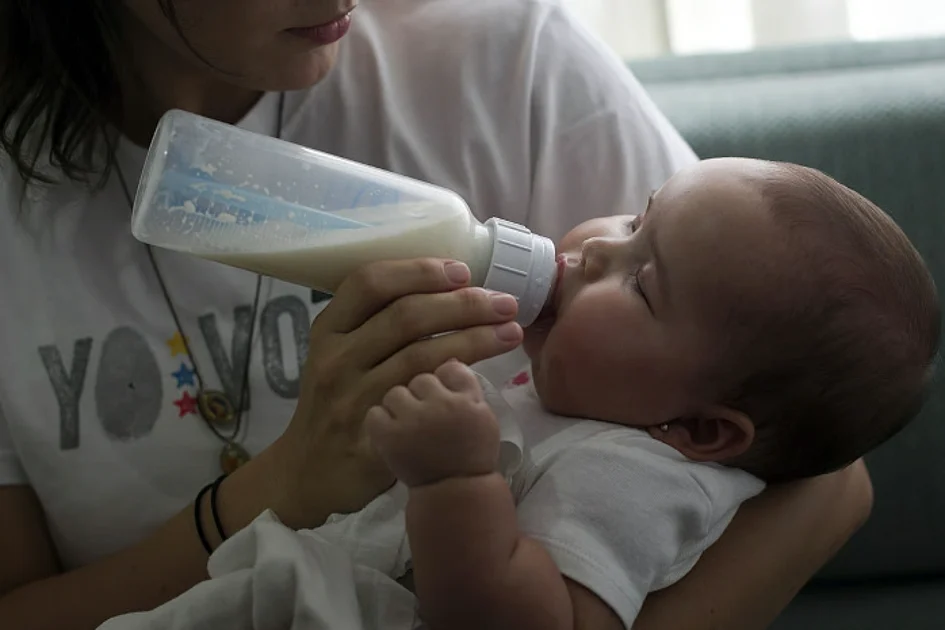
    British health authorities have confirmed 36 probable cases of infant poisoning connected to contaminated formula products, sparking nationwide concern over food safety standards. The UK Health Security Agency (UKHSA) disclosed on Thursday that these cases exhibit symptoms consistent with toxin exposure from affected batches of nutritional products.

    The contamination crisis began on January 6th when Nestle initiated a massive European recall of several infant nutrition lines, including SMA, BEBA and NAN formulas, following the discovery of potential toxin contamination. The compromised products were found to contain substances capable of inducing severe nausea and vomiting in infants. Subsequently, Danone expanded the recall effort two weeks later by withdrawing one batch of its Aptamil infant formula.

    UKHSA officials indicated that the widespread distribution of these products prior to their removal from shelves made additional cases inevitable. Despite issuing urgent alerts to healthcare facilities nationwide, the agency acknowledged the challenge in containing exposure given the products’ previous market penetration.

    Notably, current surveillance data reveals no abnormal increases in vomiting reports among children under one year old compared to seasonal norms. However, UKHSA maintains heightened vigilance through continuous monitoring of public health indicators. The agency emphasizes that while the risk has been substantially reduced through recall actions, healthcare providers should remain alert for potential late-presenting cases.

    The incident has triggered rigorous quality control reassessments within the infant nutrition industry and prompted calls for strengthened food safety protocols across European markets.

  • Tangible steps urged to boost Sino-US ties

    Tangible steps urged to boost Sino-US ties

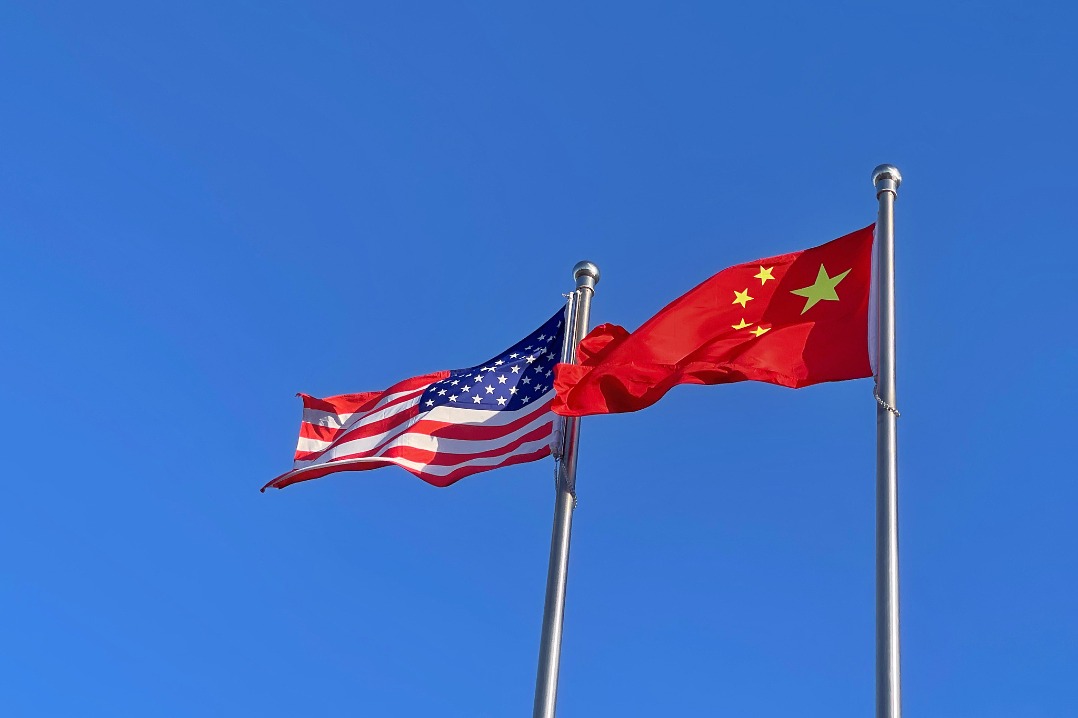
    In a significant diplomatic development, Chinese President Xi Jinping and US President Donald Trump conducted their first head-of-state telephone conversation of 2026 on Wednesday, coinciding with the traditional Chinese Start of Spring festival. The extensive discussion has been characterized by observers as potentially opening doors to renewed bilateral cooperation amid global turbulence.

    The dialogue established several key diplomatic milestones for the coming year, with President Xi highlighting parallel national priorities: China’s initiation of its 15th Five-Year Plan (2026-2030) and the United States’ approaching 250th anniversary celebrations. Additionally, both nations are poised to host major international gatherings—China will chair the APEC Economic Leaders’ Meeting while the United States prepares to host the G20 Summit.

    President Xi articulated his vision for the relationship through maritime metaphor, expressing hope to “steer the giant ship of China-US relations steadily forward through winds and storms” toward mutual respect, peaceful coexistence, and win-win cooperation. He emphasized the philosophical approach that “it is always right to do a good thing, however small, and always wrong to do a bad thing, however small.”

    President Trump acknowledged the relationship as “the most important in the world,” noting positive economic and trade developments while committing to further progress throughout his remaining presidential term. In subsequent social media communications, Trump characterized the exchange as “a long and thorough call” anticipating “many positive results” over the next three years.

    Academic analysts from both nations highlighted the conversation’s significance. Professor Diao Daming of Renmin University observed that the communication “made clear the great significance of the year 2026 to both nations and the world,” suggesting that mutual success rather than mutual obstruction should define the relationship. Professor Jia Qingguo of Peking University identified “hard-won opportunities” for collaboration in artificial intelligence and nuclear nonproliferation.

    The Taiwan question emerged as a critical component of discussions, with President Xi unequivocally stating China’s position on safeguarding sovereignty and territorial integrity. He specifically addressed US arms sales to Taiwan, urging prudent handling of the matter. The Chinese Foreign Ministry reported that President Trump acknowledged understanding China’s position on Taiwan.

    Chen Binhua, spokesman for China’s State Council Taiwan Affairs Office, subsequently reinforced that Taiwan represents “the first red line that cannot be crossed in China-US relations,” calling for US adherence to the one-China principle and existing bilateral agreements.

    International policy experts, including Gary Hufbauer of the Peterson Institute for International Economics, suggested that tangible US actions—including tariff reductions and affirmed commitment to one-China policy—would be necessary to demonstrate good faith. Hufbauer warned that additional arms sales to Taiwan or expanded export controls would signal deterioration.

    Su Xiaohui of the China Institute of International Studies characterized the exchange as demonstrating China’s “responsible role” in complex geopolitical circumstances, emphasizing the mutual need to avoid miscalculation while advancing communication.

    The diplomatic engagement occurs against a backdrop of cautious optimism among observers who stress that concrete actions—particularly from the United States—must follow rhetorical commitments to realize the potential for stabilized relations between the world’s two largest economies.

  • Norway investigates former PM Jagland over alleged Epstein links

    Norway investigates former PM Jagland over alleged Epstein links

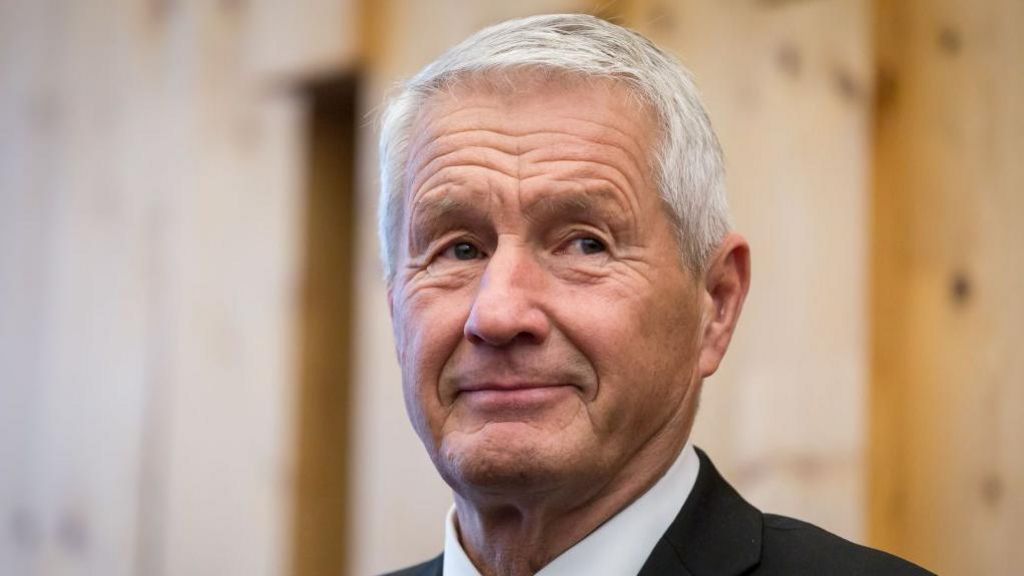
    Norwegian authorities have launched a formal corruption investigation into Thorbjørn Jagland, the country’s former Prime Minister and esteemed diplomat, following revelations connecting him to the late financier and convicted sex offender Jeffrey Epstein. The National Authority for Investigation and Prosecution of Economic and Environmental Crime (Økokrim) confirmed the investigation centers on suspicions of “aggravated corruption” during Jagland’s tenure in high-profile international positions.

    Police officials disclosed they have formally requested Norway’s foreign ministry to revoke Jagland’s diplomatic immunity, which he maintains from his previous role as Secretary General of the Council of Europe from 2009 to 2019. The investigation stems from newly released Epstein documents in the United States that allegedly contain references to the Norwegian statesman.

    Pål K. Lønseth, head of Økokrim, stated the investigation will examine whether Jagland received “gifts, travel and loans” potentially connected to his official capacities during the period covered by the Epstein documents. Jagland held simultaneous leadership roles from 2009-2015 as both Council of Europe Secretary General and chair of the Norwegian Nobel Committee.

    Norwegian Foreign Minister Espen Barth Eide emphasized the importance of transparency, confirming Oslo would formally request the Council of Europe to waive Jagland’s immunity. Jagland’s legal representative, Anders Brosveet, pledged full cooperation with investigators, expressing confidence in the outcome based on their preliminary findings. The 75-year-old statesman served as Norway’s prime minister from 1996-1997 before assuming his international diplomatic roles.

  • For Thailand’s popular progressives, winning the vote is only the first hurdle

    For Thailand’s popular progressives, winning the vote is only the first hurdle

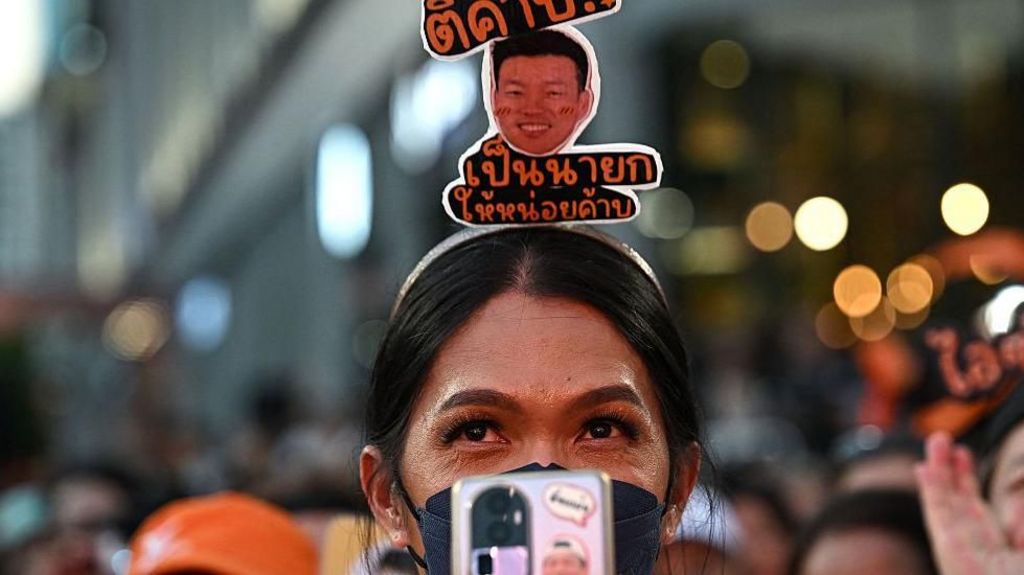
    In Thailand’s heated political landscape, a youthful reform movement is capturing national attention through unconventional methods. Suttasitt “Macky” Pottasak, a former television producer turned politician, represents the new face of the People’s Party—a progressive force determined to reshape Thai politics. Abandoning his career in Bangkok, Macky successfully secured a rural constituency near Nakhon Ratchasima, defeating an established political dynasty through grassroots campaigning and innovative social media outreach.

    The 38-year-old lawmaker has adopted symbolism from the Japanese anime series One Piece, particularly the character Luffy’s hat and flag, which became emblems during recent youth protests across Asia. His daily light-hearted policy videos generate millions of views, reflecting his philosophy that “past generations made politics boring—I want to make it fun.”

    This approach resonates with many Thais, as opinion polls consistently show the People’s Party leading rivals ahead of Sunday’s critical election. However, Thailand’s recent political history suggests electoral victory alone doesn’t guarantee governance. In 2023, the progressive Move Forward party achieved an unexpected win only to be blocked from forming a government by unelected institutions, subsequently dissolved by constitutional court ruling, and its leaders banned from politics.

    The current political climate follows three tumultuous years marked by short-lived coalition governments, two prime ministers dismissed by judicial intervention, and a border conflict with Cambodia. The People’s Party emerges as the reincarnation of previous reform movements, maintaining their ambitious agenda while learning from past setbacks.

    At rallies across the country, the party’s new leader Natthaphong Ruengpanyawut—a former software engineer—draws rock star-like admiration from supporters. The energy reflects widespread desire for change, particularly among younger voters facing economic uncertainty.

    Throughout rural constituencies like Macky’s, economic distress is palpable. Village head La-or Kohsantea describes how young people must leave to find work, noting “no-one has helped us with the poverty problem.” Thailand suffers from among Asia’s highest household debt levels, with annual GDP growth below 2%—significantly trailing neighboring economies.

    Kritsana Lohsantea, a 28-year-old factory worker, represents this generation’s anxieties. With limited education and facing factory closures, he seeks assistance securing social security benefits. Meanwhile, demographic challenges emerge as Thailand’s population declines, with births dropping 10% last year—the world’s sharpest decrease. Macky proposes localized training programs and improved digital systems to address elder care shortages as younger generations migrate from rural areas.

    The People’s Party’s platform emphasizes constitutional reform, seeking to reduce the power of unelected institutions like the constitutional court that can veto elected governments. Their agenda includes bureaucratic modernization, educational reform, and curbing military and corporate influence. A constitutional referendum will coincide with the election.

    Their main rivals—Prime Minister Anutin Charnvirakul’s nationalist Bhumjaithai party and the populist Pheu Thai party—focus on immediate gratification policies. Anutin emphasizes national security credentials from the Cambodia border conflict and military support, while Pheu Thai promises daily millionaire creations through national lotteries. Both offer subsidies and cash handouts that economists like Thammasat University’s Professor Apichat Satitniramai criticize as “painkillers” that avoid addressing structural issues.

    The People’s Party traces its origins to 2017 when charismatic entrepreneur Thanathorn Juangroongruangkit founded Future Forward, immediately perceived as threatening establishment interests. Despite military opposition and judicial interventions that banned Thanathorn from politics and dissolved successive iterations of the movement, support has grown substantially.

    Current polls suggest the People’s Party may gain more seats than in previous elections, though likely falling short of parliamentary majority. Crucially, the unelected senate can no longer participate in government formation. However, conservative institutions have already initiated challenges against 44 party figures through corruption allegations related to their stance on lese majeste law reform, potentially disqualifying them from office.

    As Thanathorn told the BBC: “They are afraid of change. They want tomorrow to be just like yesterday. They think dissolving our parties, banning our leaders would make us smaller. In fact, we are getting bigger.”

    Even if successful electorally, the party would face significant governance constraints, making constitutional reform their paramount priority. They find unlikely allies in Pheu Thai, which also suffered from judicial interventions against its elected leaders.

    Chulalongkorn University political scientist Siripan Nogsuan Sawasdee observes: “If Thailand was a functional democracy, none of this would have happened. Elections only determine representatives in the lower house. Who governs is determined by elite networks and unelected institutions that veto the voters’ will.”

    The upcoming election thus represents not merely a political contest but a fundamental test of whether Thailand’s democratic institutions can reflect the popular will against entrenched establishment resistance.
  • A Muslim-owned thrift shop blends modest fashion, faith and sustainability

    A Muslim-owned thrift shop blends modest fashion, faith and sustainability

    NEW YORK — In the heart of Harlem, Kadjahtou Balde has transformed her father’s struggling gift shop into Modify Thrift, a pioneering sustainable fashion hub that celebrates modest wear while challenging stereotypes about Muslim women’s style. The boutique on Malcolm X Boulevard has emerged as both a retail destination and community space where Islamic values intersect with environmental consciousness.

    Balde, a dedicated thrifter and modest fashion enthusiast, identified a market gap for stylish yet conservative clothing that aligns with her religious values. ‘Muslim women are some of the most fashionable people out there,’ Balde asserts, countering perceptions of oppression or dullness often associated with modest dressing. Her inventory combines streetwear with cultural garments, including hand-embroidered Palestinian pieces and intricately designed abayas.

    The store operates as an antidote to fast-fashion brands that dominate the growing modest wear industry. For Balde, sustainable fashion represents not just a business model but a form of worship—an expression of Islam’s mandate to be stewards of the Earth. ‘We have to be people who care for the planet and for our neighbor,’ says Balde, who also leads Faithfully Sustainable, New York’s first Muslim environmental justice organization.

    Modify Thrift has resonated particularly with Muslim women navigating both style and safety concerns in post-9/11 New York. Balde notes that visibly Muslim women often use fashion strategically to blend in while maintaining their values. Her store empowers them to develop layered, stylish outfits that meet modesty requirements without sacrificing individuality.

    The community has embraced the concept, with most inventory coming from local donations. Assistant Operations Manager Nabiha Ali educates customers that modesty encompasses diverse interpretations: ‘No two Muslim women look the same. It’s really personal and individual.’

    The project also represents a tribute to Balde’s father, who built relationships in Harlem over two decades as a street vendor and shop owner. Their collaboration provided unexpected bonding moments—between DIY renovations, the father-daughter duo shared meals together for the first time. Balde now envisions expanding Modify Thrift into immigrant-run modest thrift stores across all five boroughs, creating businesses that benefit communities rather than simply profiting from them.

  • Canada unveils auto industry plan in latest pivot away from US

    Canada unveils auto industry plan in latest pivot away from US

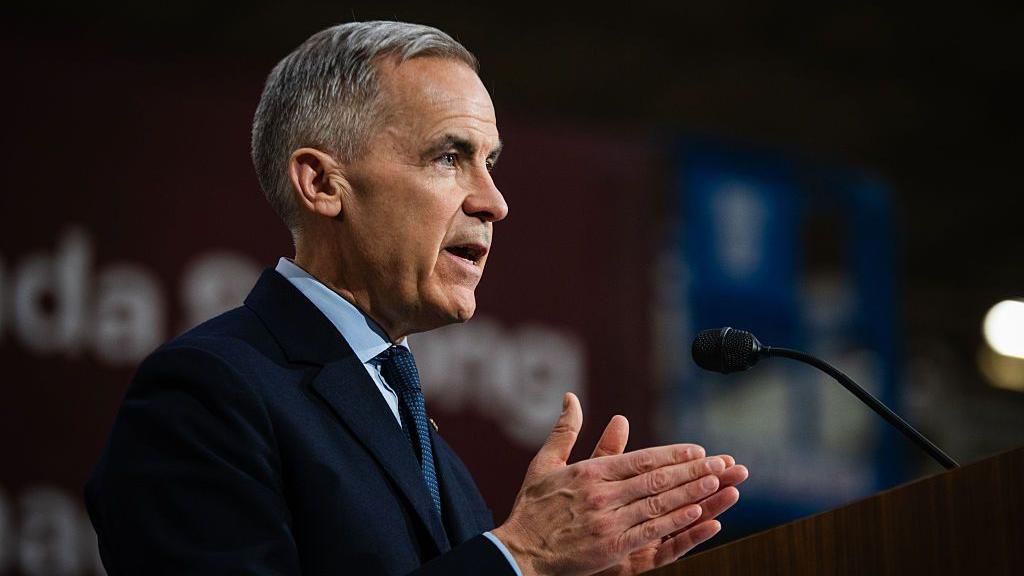
    In a significant move to fortify its automotive sector against mounting economic pressures, Canadian Prime Minister Mark Carney has introduced a comprehensive strategy aimed at bolstering domestic car manufacturing while accelerating the nation’s transition to electric vehicles. The announcement was made on Thursday at the Martinrea auto parts manufacturing facility in Woodbridge, Ontario, against the backdrop of challenging trade relations with the United States.

    The newly unveiled measures represent Canada’s proactive response to the 25% tariff imposed by the Trump administration last year on Canadian vehicles and auto parts—a decision that has severely disrupted an industry where approximately 90% of production is traditionally exported to the US market. This tariff implementation has already resulted in thousands of job losses across Canadian auto plants as major manufacturers including General Motors and Stellantis have scaled back their Canadian operations.

    Carney’s multifaceted approach includes financial incentives designed to encourage automakers to maintain and expand their Canadian manufacturing footprint. A key component is a novel tariff offset scheme that provides credits to companies like General Motors and Toyota to help mitigate the impact of US import duties. Additionally, the government will reintroduce consumer rebates for electric vehicle purchases—a direct contrast to the US where similar subsidies were eliminated under the Trump administration.

    The Prime Minister simultaneously announced stricter emissions standards for new vehicles, establishing an ambitious target for electric vehicles to comprise 90% of all car sales by 2040. In a notable policy shift, Carney eliminated the previous administration’s electric vehicle sales mandate, arguing that the new emissions-focused approach would achieve environmental goals without placing excessive burdens on automakers.

    This strategic realignment occurs as the United States-Canada-Mexico Agreement (USMCA) faces its scheduled review this year. Carney noted that the original purpose of eliminating tariffs across North America no longer aligns with current US trade objectives, necessitating Canadian preparedness for ‘all possibilities.’

    Concurrently, Canadian officials have been actively diversifying international partnerships to reduce dependence on US markets. Recent weeks have seen Canada establish agreements with both China and South Korea that could potentially undermine US automotive interests. The arrangement with China involves eased tariffs on Chinese electric vehicles, while the South Korea agreement aims to encourage Korean automotive manufacturing within Canada.

    While automotive industry representatives have generally welcomed the pragmatic approach, environmental groups have expressed concerns about the elimination of the mandatory EV sales targets, arguing that weakened regulations might slow Canada’s progress toward its climate objectives.

  • Morocco evacuates 143,000 people in northwest as flood precaution

    Morocco evacuates 143,000 people in northwest as flood precaution

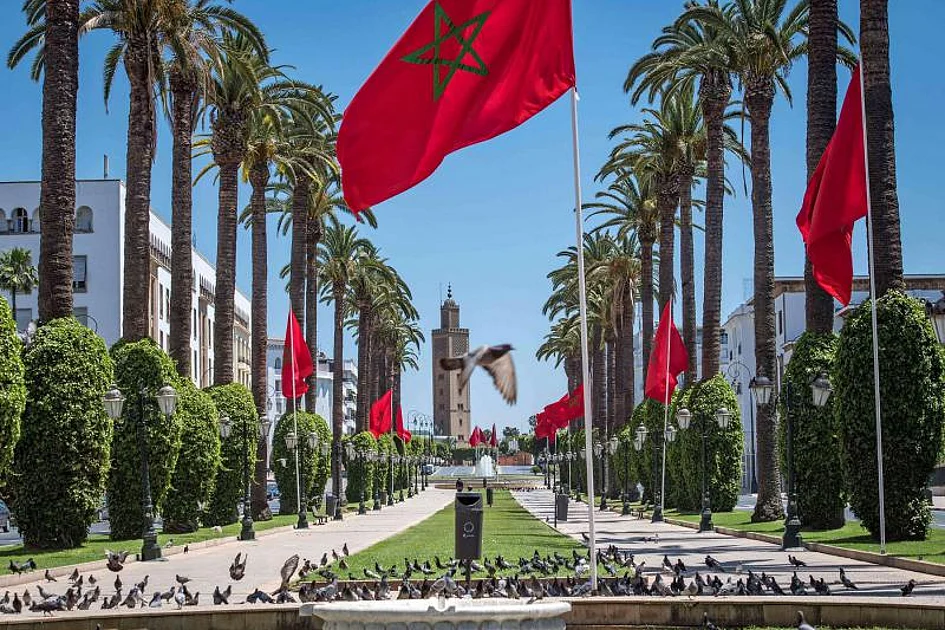
    Moroccan authorities have executed one of the largest emergency evacuations in recent history, relocating over 143,000 residents from vulnerable areas in the country’s northwest region. The massive precautionary operation, announced by the Interior Ministry on Thursday, comes as multiple hydrological threats converge to create potentially catastrophic flooding conditions.

    The evacuation decision follows sustained heavy rainfall that has saturated watersheds throughout the northwestern plains, causing rivers to swell beyond their normal capacity. Compounding the natural water accumulation, reservoir managers have been compelled to release controlled overflow from dams that have reached maximum capacity after prolonged precipitation.

    This preventive measure reflects Morocco’s enhanced disaster preparedness protocols, which have been strengthened following previous flood tragedies. The region has historically experienced devastating inundations, including a recent flash flood incident that claimed numerous lives and represented the deadliest water-related disaster in a decade.

    The coordinated evacuation involved multiple government agencies working in tandem to ensure resident safety while minimizing disruption. Those displaced have been moved to designated emergency shelters equipped with essential supplies and personnel trained in crisis management.

    Meteorological indicators suggest the precipitation pattern will continue throughout the week, maintaining pressure on water management systems and keeping flood risks elevated. The government has maintained constant monitoring of hydrological data while keeping emergency response teams on high alert across affected provinces.

  • Affordable iftars in UAE: Where to eat this Ramadan for under Dh200

    Affordable iftars in UAE: Where to eat this Ramadan for under Dh200

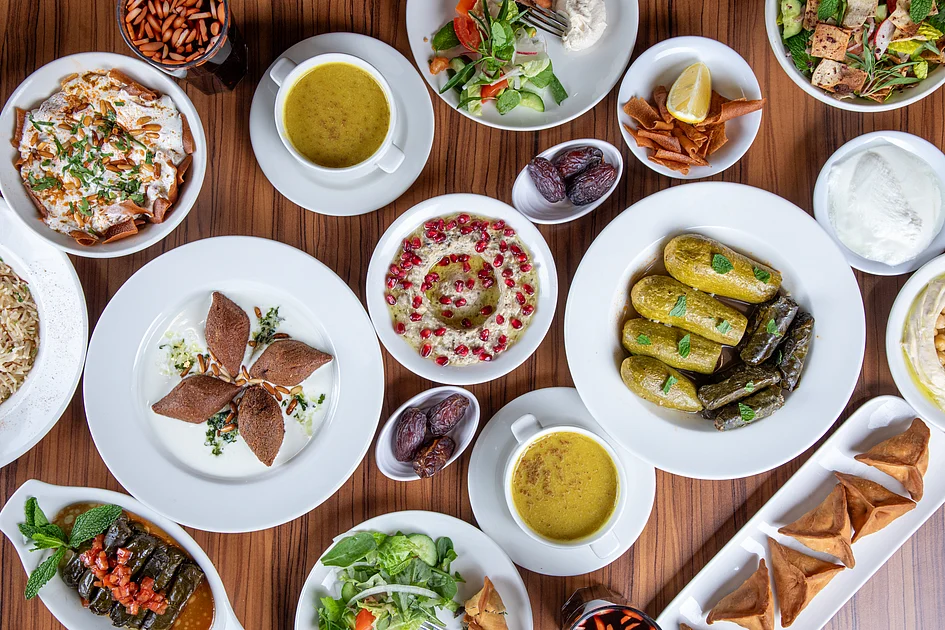
    As Ramadan 2026 approaches in the UAE, residents seeking affordable yet meaningful iftar experiences have numerous options that combine tradition with value without exceeding Dh200. The holy month, characterized by spiritual reflection and communal gatherings, offers various dining experiences that maintain cultural authenticity while remaining budget-conscious.

    Across the Emirates, establishments are providing thoughtfully curated iftar menus that balance atmosphere with affordability. From traditional Lebanese fare at Allo Beirut (starting at Dh85) to innovative cross-cultural offerings, the diversity of options demonstrates that breaking the fast need not be accompanied by a substantial financial burden.

    Notable budget-friendly options include Pitfire Pizza’s signature Shawarma Pizza at Dh64, available for delivery across Dubai and Abu Dhabi, offering a casual alternative for friends and family. Rodeo Drive Ibn Battuta Gate presents an American comfort food approach with a four-course menu at Dh95 per person, featuring creative dishes like avocado hummus and Cajun kebabs.

    For those preferring traditional buffet settings, Novotel Dubai Al Barsha offers Ramadan classics with live cooking stations starting at Dh120, while Jewel of the Creek provides a distinctive cultural experience along Dubai Creek with iftar from Dh165, complete with live oud performances and a Ramadan Market.

    Several establishments have developed specialized offerings for different preferences. Ibn AlBahr brings its Emirati seafood expertise to iftar menus starting at Dh189 across multiple locations, while Rohini at Mövenpick JLT presents North Indian hospitality with menus between Dh149-169. For French-inspired dining, CQ French Brasserie offers a cross-cultural iftar experience at Dh189 per person.

    The variety of options demonstrates how UAE’s culinary scene accommodates diverse preferences while maintaining Ramadan’s spirit of community and togetherness, proving that memorable iftar experiences can be both accessible and affordable.

  • Ghaziabad sisters tragedy: Father denies financial woes caused daughters’ death

    Ghaziabad sisters tragedy: Father denies financial woes caused daughters’ death

    A devastating family tragedy in Ghaziabad, Uttar Pradesh, has taken a complex turn as conflicting narratives emerge surrounding the apparent suicide of three teenage sisters. The girls—identified as Nishika (16), Prachi (14), and Pakhi (12)—reportedly leaped from their ninth-floor apartment in the Bharat City housing society during the early hours of February 4th.

    Their father, Chetan Kumar, has vehemently denied financial pressures contributed to the incident, instead attributing the tragedy to his daughters’ intense fixation with Korean pop culture. In statements to Indian media, Kumar revealed the girls had demanded to be taken to Korea and had adopted Western names—Aliza, Cindy, and Maria—reflecting their cultural obsession. “They asked me to take them to Korea. But I said we are Indians. They got angry and even refused to eat,” Kumar told India Today, adding they had threatened suicide if their demands weren’t met.

    However, investigative reporting by local media reveals complicating factors in Kumar’s account. India Today reports Kumar, a stock trader, carries substantial debt exceeding Rs20 million (approximately Dh813,000). Additionally, he maintains two marriages (to sisters) and had withdrawn all three daughters from formal education approximately two years prior to the incident.

    Police discovered a poignant suicide note that partially corroborates the cultural obsession narrative. “I am really sorry, sorry papa,” the note began, while wall writings in their room stated: “My life is very, very alone.” A diary entry obtained by authorities read: “We love Korea, love, love, love… How will you make us leave Korea? Korea was our life, so how dare you make us leave our life?”

    An eyewitness account from neighbor Arun Singh, who was on his tenth-floor balcony opposite the girls’ apartment, provides chilling details of the final moments. Singh reported seeing the eldest sister sitting precariously on the window ledge around 2 AM, rocking back and forth. “Suddenly, the older sister toppled backwards and fell through the window, and the second sister came with her. The youngest sister, who too was at the window, appeared to lunge forward to catch them, but she too fell through the opening.”

    Senior police officer Nimish Patil confirmed the investigation continues, examining all aspects including financial pressures, cultural influences, and family dynamics that may have contributed to this profound tragedy.

  • Watch: The US and Russia’s nuclear treaty is dead. What comes next?

    Watch: The US and Russia’s nuclear treaty is dead. What comes next?

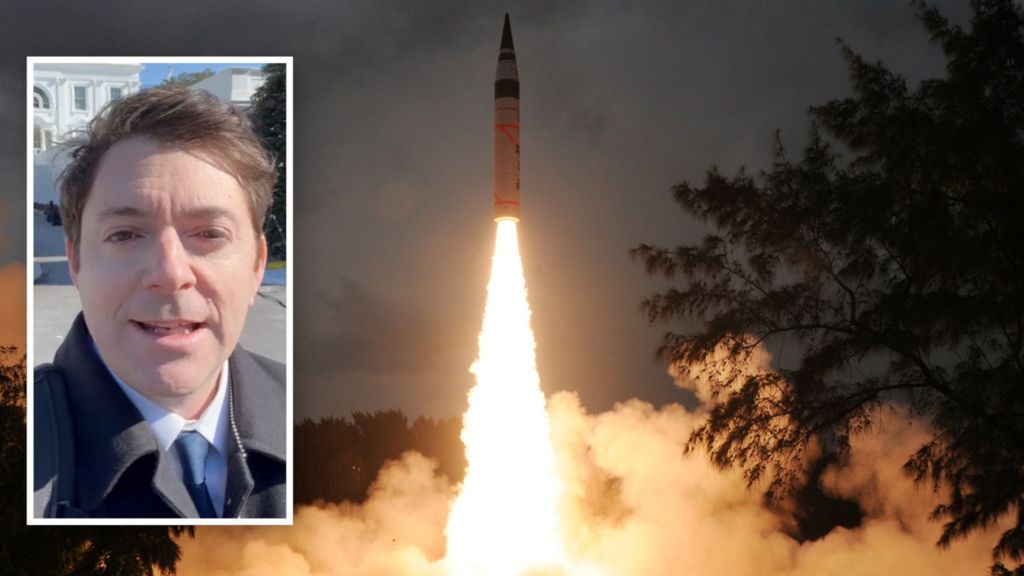
    A pivotal chapter in nuclear arms control concluded as the New START treaty between the United States and Russia officially expired, creating an unprecedented scenario where the world’s two largest nuclear powers operate without mutual weapons limitations for the first time in over three decades.

    The landmark agreement, which represented the final remaining nuclear arms control pact between the two nations, had established comprehensive verification protocols and capped deployed strategic nuclear warheads at 1,550 for each country. Its dissolution marks the most significant deterioration in US-Russia nuclear relations since the Cold War’s conclusion.

    Background analysis indicates this development culminates years of escalating tensions between Washington and Moscow, exacerbated by geopolitical conflicts in Ukraine, allegations of election interference, and broader strategic competition. Both nations had suspended mutual inspections and dialogue mechanisms throughout 2022, effectively rendering the treaty inoperative before its formal expiration.

    Arms control experts express profound concern that the absence of verification mechanisms and numerical restrictions could potentially trigger a new nuclear arms race. The strategic implications extend globally, potentially influencing nuclear posture among other nuclear-armed states and undermining the broader non-proliferation framework established since the 1960s.

    The international community now faces critical questions regarding future diplomatic pathways. Potential scenarios include bilateral negotiations for a successor agreement, multilateral arms control frameworks involving additional nuclear powers, or alternatively, a complete breakdown of the existing global nuclear order with unpredictable consequences for international security architecture.