博客

  • Architect aims to rebuild a church and help restore a quake-hit Turkish city’s multicultural past

    Architect aims to rebuild a church and help restore a quake-hit Turkish city’s multicultural past

    In the aftermath of Turkey’s catastrophic 2023 earthquakes, architect Buse Ceren Gul has embarked on an ambitious mission to resurrect St. Paul’s Church, a 166-year-old Greek Orthodox sanctuary that symbolized Antakya’s multicultural heritage. The magnitude 7.8 tremor that struck southern Turkey three years ago—among the nation’s deadliest disasters—reduced much of the historical city center to ruins, including this architectural treasure.

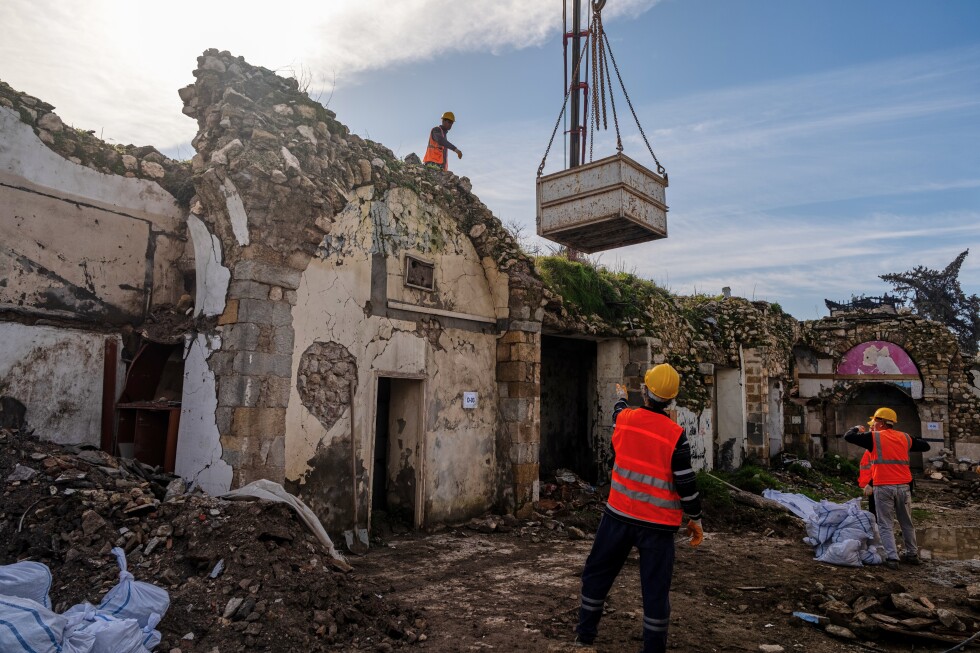
    Gul, a 34-year-old Alevi Muslim, views the church’s restoration as vital for reconnecting residents to their city’s identity. After extensive planning and fundraising efforts, her team recently excavated the structure from rubble piles reaching 5 meters high. The project represents one of few cultural heritage sites with pre-approved architectural drawings, which Gul had ironically been drafting before the disaster under guidance to ‘design as if the church might be demolished.’

    Antakya—known historically as Antioch—boasts biblical origins dating to the sixth century BCE. Throughout its layered history encompassing Hellenistic, Roman, and Ottoman influences, the city has withstood at least five major earthquakes since 115 CE. St. Paul’s Church itself was completely rebuilt in 1900 after an 1872 earthquake destruction, standing as part of the Greek Orthodox Patriarchate of Antioch.

    The reconstruction faces significant challenges beyond engineering. Fadi Hurigil, president of the Greek Orthodox Church Foundation of Antakya, reveals the organization lost 95% of its income post-earthquake. Previously self-sufficient through tourist-facing shops on Saray Avenue—the multicultural hub where Christians, Muslims, and Jews coexisted—the church now depends on dwindling external aid.

    Perhaps the greatest obstacle involves community restoration. Before the quakes, approximately 10,000 Christians inhabited Hatay province, constituting one of Turkey’s largest Christian concentrations outside Istanbul. Now, only about 90 of the 400 Greek Orthodox families have returned to central Antakya, with many displaced due to destroyed homes and absent urban planning.

    Longtime residents like church official Dimitri Dogum, whose family lived in Antakya for four centuries, fear extended displacement may irrevocably damage the city’s intercultural harmony. Without the return of diverse religious and ethnic groups, the very culture of coexistence that defined Antakya risks vanishing alongside its physical structures.
  • At least 18 die in ‘rat-hole’ mine blast in India

    At least 18 die in ‘rat-hole’ mine blast in India

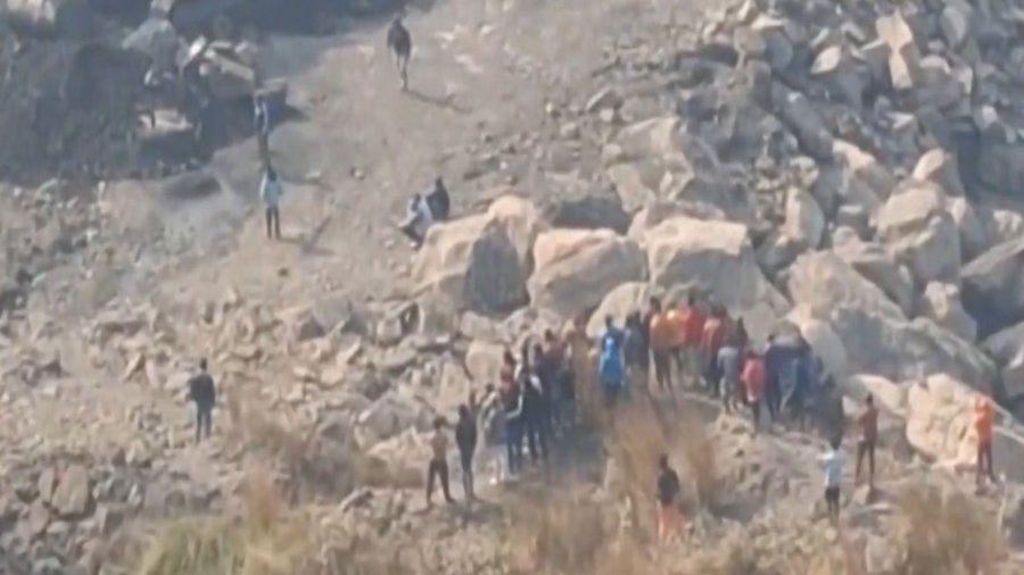
    A devastating explosion has ripped through an illicit coal mining operation in India’s northeastern Meghalaya state, resulting in a catastrophic loss of life. Authorities confirm at least 18 miners perished in Thursday’s incident, with one survivor sustaining severe injuries and an undetermined number potentially still trapped beneath the earth.

    The tragedy unfolded around 11:00 local time in the remote forested terrain of East Jaintia Hills district, approximately 72 kilometers from the state capital Shillong. According to police superintendent Vikash Kumar, the blast originated deep within the mine’s tunnels and is preliminarily attributed to dynamite detonation—a key component of the outlawed ‘rat-hole’ mining technique.

    This perilous method, officially banned since 2014, involves workers crouching through dangerously narrow shafts to extract coal, often using explosives to fracture rock formations. Despite nationwide prohibitions upheld by India’s Supreme Court, the practice has persisted through what activists describe as systemic enforcement failures and alleged political patronage.

    Prime Minister Narendra Modi has announced compensation packages of 200,000 rupees ($2,215) for families of the deceased and 50,000 rupees for the injured. Meanwhile, Meghalaya Chief Minister Conrad Sangma pledged accountability, vowing ‘strict legal action’ against those responsible once identified.

    The incident marks one of the deadliest mining disasters in recent state history, echoing a 2018 tragedy where 15 miners were trapped in flooded rat-hole tunnels. While rescue operations continue, authorities face significant challenges in identifying both the victims—reportedly mostly from neighboring Assam state—and the mine’s operators, who remain at large.

    Activist Agnes Kharshiing, a longtime campaigner against illegal mining, emphasized the inherent dangers of rat-hole operations where workers labor in tunnels barely four feet high. The persistence of such practices highlights the complex interplay of poverty, high coal demand, and inadequate regulatory oversight that continues to claim lives across India’s mining regions.

  • Tucker Carlson sheds light on Christian-Muslim harmony in Palestine, Jordan

    Tucker Carlson sheds light on Christian-Muslim harmony in Palestine, Jordan

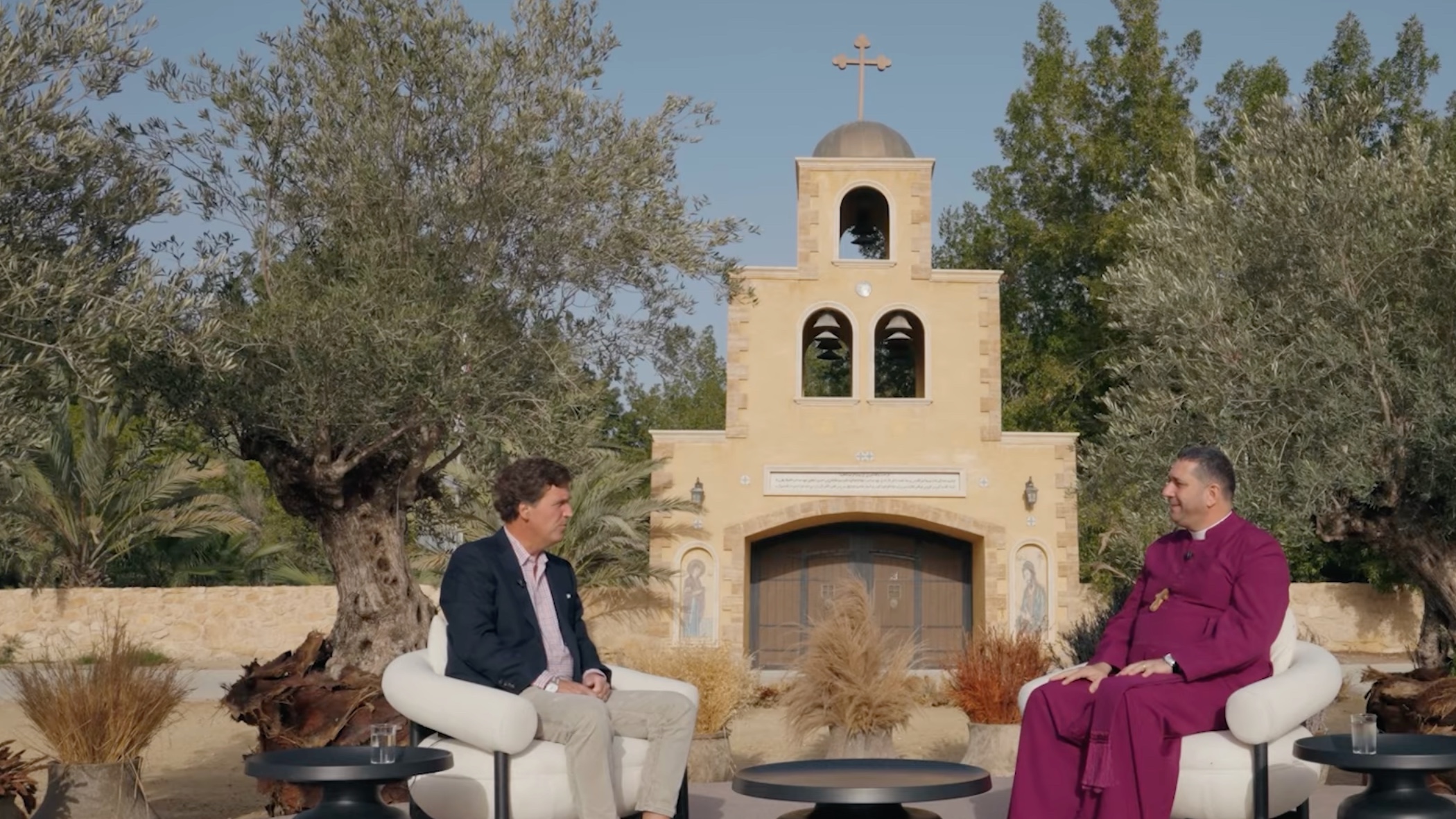
    In a revealing episode filmed in Jordan, commentator Tucker Carlson engaged in a profound dialogue with two prominent Christian leaders about religious freedom in the Holy Land, uncovering unexpected interfaith dynamics that challenge Western perceptions. The discussion with Anglican Archbishop Hosam Naoum of Jerusalem and Jordanian banker Saad Mouasher presented a nuanced picture of Christian-Muslim relations while highlighting ongoing tensions under Israeli administration.

    Archbishop Naoum, a Palestinian native of Nazareth holding dual Israeli-Jordanian citizenship, detailed Jordan’s significant financial contributions to Christian holy sites, including the Church of the Nativity and Holy Sepulchre. This custodianship role, formalized in 2013, positions Jordan as a key protector of non-Jewish religious sites in Israeli-occupied territories.

    The conversation took a critical turn when addressing Israeli restrictions on Christian worship. Naoum recounted instances where Israeli authorities prevented Easter celebrations under security pretexts, despite no historical safety incidents during such observances. The archbishop personally described experiencing harassment from Israeli extremists, including being spat upon while wearing clerical garments, and noted repeated vandalism targeting churches and clergy.

    Remarkably, both religious leaders emphasized the absence of similar hostility from Muslim communities. Mouasher, chairman of Jordan Ahli Bank, attested to Christianity’s comfortable coexistence with Islam in Jordan, stating: ‘Islam is very much an integral part of our culture as Christians here. We have constitutional rights as equal citizens.’

    Carlson challenged the post-9/11 narrative of inherent Islamic hostility toward Christianity, drawing strong rebuttals from both interviewees who described harmonious interfaith relations. The discussion contrasted this with the treatment of Palestinians under Israeli control, who frequently report second-class citizen status.

    The episode culminated in Carlson’s sharp criticism of U.S. Ambassador to Israel Mike Huckabee, an ordained Christian minister and Zionist, for failing to address Christian ill-treatment. Carlson specifically cited Huckabee’s inaction regarding access to Gaza’s Al-Ahli Baptist Hospital and protection from settler violence. This criticism sparked a public exchange on social media, with both parties agreeing to pursue a direct interview to further discuss these Middle East complexities.

  • Leaders of Indonesia and Australia sign a new security treaty to affirm deeper ties

    Leaders of Indonesia and Australia sign a new security treaty to affirm deeper ties

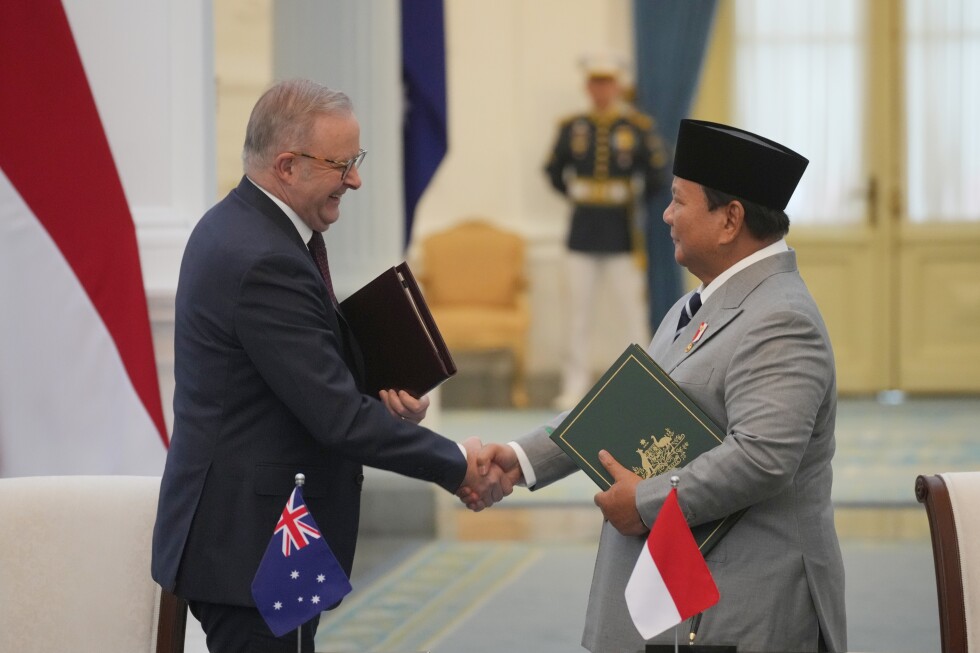
    JAKARTA, Indonesia — In a significant diplomatic development, Indonesian President Prabowo Subianto and Australian Prime Minister Anthony Albanese formalized a comprehensive bilateral security treaty on Friday, signaling a renewed commitment to strengthening ties between the two historically complex neighbors.

    The signing ceremony in Jakarta culminates three months of negotiations since both leaders initially announced the substantive conclusion of talks during Prabowo’s Sydney visit. This new framework builds upon previous security agreements established in 1995 and 2006, aiming to enhance defense cooperation and strategic alignment.

    Prime Minister Albanese characterized the agreement as a “watershed moment” in Australia-Indonesia relations, emphasizing its role in significantly expanding existing security and defense collaboration. Accompanied by Foreign Minister Penny Wong, who described the pact as the most substantial advancement in three decades, Albanese highlighted the current relationship as “as strong as it has ever been.”

    Strategic analysts observe that this treaty assumes increased importance for Australia amid escalating regional tensions with China. The agreement echoes elements of the 1995 security pact negotiated between former Australian Prime Minister Paul Keating and Indonesia’s late President Suharto, Prabowo’s former father-in-law.

    Historical context reveals a complex bilateral security evolution. The 1995 agreement mandated mutual consultation on security matters but was terminated by Indonesia in 1999 following Australia’s peacekeeping intervention in East Timor. Subsequent diplomatic efforts produced the Lombok Treaty in 2006, which was further expanded in 2014.

    Susannah Patton of Sydney’s Lowy Institute think tank notes that while the full treaty text remains unpublished, the agreement primarily establishes a political commitment to consultation. She describes it as “symbolic” in nature, contrasting it with the more practically-oriented 2024 defense cooperation accord.

    The treaty positions below Australia’s alliance with the United States and its security arrangement with Papua New Guinea in terms of mutual obligations. Patton suggests the agreement likely lacks specific clarity regarding Indonesia’s potential defense support for Australia in regional security scenarios, noting that as a non-aligned nation, Indonesia would find mutual defense provisions politically challenging.

    Despite these limitations, analysts view the agreement as a notable achievement for Albanese’s administration, particularly given Indonesia’s traditional non-aligned foreign policy stance. Patton credits Prabowo’s willingness to break with conventional Indonesian foreign policy approaches as a facilitating factor in reaching this agreement.

    The Jakarta visit represents Albanese’s fifth official trip to Indonesia, underscoring Australia’s broader initiative to expand cooperation beyond security into trade, investment, education, and development sectors. The Prime Minister is scheduled to continue meetings with Indonesian officials through Sunday.

    This diplomatic advancement occurs against a historical backdrop of periodic tensions between the neighboring nations, including past controversies surrounding Australian surveillance of Indonesian leadership, Indonesia’s execution of Australian drug offenders, and ongoing people smuggling challenges.

  • Algeria’s Khelif says she is open to genetic testing by IOC for 2028 Olympics

    Algeria’s Khelif says she is open to genetic testing by IOC for 2028 Olympics

    Algerian Olympic gold medalist Imane Khelif has declared her conditional acceptance of genetic testing requirements for athletic participation, stipulating that such examinations must be administered directly by the International Olympic Committee. The welterweight champion’s statement comes amid ongoing controversy regarding her eligibility for women’s boxing competitions.

    The athlete’s stance follows her triumphant performance at the 2024 Paris Games, where she secured gold despite prior disqualification from the 2023 World Championships by the International Boxing Association (IBA). The IBA’s exclusion was based on sex chromosome testing results that questioned her eligibility for women’s competition.

    With World Boxing—the newly provisionally recognized governing body for the 2028 Los Angeles Olympics—implementing mandatory sex verification testing for all competitors, Khelif has pursued legal recourse through the Court of Arbitration for Sport. She challenges the organization’s requirement for genetic testing as a condition for participation.

    In an interview with CNN, Khelif emphasized her willingness to comply with legitimate competitive requirements while maintaining her biological identity as female. “Of course, I would accept doing anything I’m required to do to participate in competitions,” she stated, adding that protective measures for female athletes should not come at the expense of harming other women.

    The 26-year-old boxer explicitly denied being transgender and expressed frustration about becoming embroiled in political agendas. “I’m a woman. I want to live my life. Please do not exploit me in your political agendas,” she asserted.

    Khelif remains optimistic about receiving favorable judgment from the Court of Arbitration for Sport, declaring: “I will not surrender until I have justice because I know justice is on my side above all else.”

  • US military says two killed in strike on alleged drug boat

    US military says two killed in strike on alleged drug boat

    The United States Southern Command has confirmed conducting a lethal military operation against a vessel in the Eastern Pacific Ocean on Thursday, resulting in the deaths of two individuals aboard. According to official statements, the targeted boat was allegedly transporting illicit narcotics and operated by entities designated as terrorist organizations.

    This incident marks the second such strike conducted this year under Operation Southern Spear, an ongoing campaign initiated in September to disrupt drug trafficking routes in the Caribbean and Eastern Pacific regions. Military authorities report that the vessel was intercepted while transiting along established narco-trafficking corridors.

    The Trump administration has characterized these operations as essential components of a non-international armed conflict aimed at curbing the flow of drugs from Latin America into the United States. Defense Secretary Pete Hegseth has publicly defended the campaign, stating its objectives are to eliminate ‘narco-terrorists from our hemisphere’ and protect American citizens from dangerous substances.

    Since the operation’s inception, US forces have executed at least 38 lethal strikes, resulting in 128 fatalities. However, the pace of these engagements has noticeably decreased following the January capture of Venezuelan President Nicolas Maduro, whom the administration has accused of collaborating with drug trafficking organizations. Earlier in the campaign, operations were conducted at a significantly higher frequency, with 36 strikes occurring within a four-month period last year.

    The military asserts that no US personnel sustained injuries during Thursday’s operation. Nevertheless, the campaign faces mounting legal and political challenges. Some international law experts contend that these strikes potentially violate international legal standards by targeting civilians without due process.

    Bipartisan scrutiny has emerged following a September 2nd ‘double-tap’ strike against an alleged Venezuelan drug vessel in the Caribbean Sea. Additionally, the families of two Trinidadian men killed in an October 14th strike have filed a lawsuit against the US government, characterizing the operations as ‘lawless killings in cold blood; killings for sport and killings for theatre.’

  • Australia’s chaotic buildup to cricket’s T20 World Cup: Injuries, omissions and losses

    Australia’s chaotic buildup to cricket’s T20 World Cup: Injuries, omissions and losses

    BRISBANE, Australia — The Australian cricket team approaches the Twenty20 World Cup facing unprecedented challenges that threaten their championship defense. Captain Mitch Marsh leads a squad grappling with multiple setbacks including significant player absences and concerning recent performances.

    The buildup has been marred by the withdrawal of key players: pace bowler Pat Cummins due to injury, the controversial non-selection of veteran batsman Steve Smith, the retirement of Mitchell Starc from T20 internationals, and Josh Hazlewood’s hamstring injury that sidelines him for the tournament’s initial stages.

    Australia’s preparation reached a concerning nadir with a 3-0 series whitewash against Pakistan—marking their most devastating loss in T20 history. The understrength lineup demonstrated particular vulnerability against spin bowling on slow, turning pitches, raising questions about their adaptability to subcontinental conditions.

    Despite these challenges, Marsh maintains an optimistic perspective. ‘Pakistan was Pakistan,’ he remarked during the captains’ conference in Colombo. ‘We had a few guys missing and we come here with a long lead-in and a good training session yesterday. We’ll be very well-prepared for our first game.’

    The tournament, co-hosted by India and Sri Lanka, commences on Saturday with Pakistan facing the Netherlands. Australia begins their campaign on February 11th against Ireland in Colombo, followed by Group B matches against Zimbabwe, Sri Lanka and Oman within a ten-day period.

    Several positive developments bolster Australia’s prospects. The squad welcomes the return of all-rounder Glenn Maxwell, power-hitter Tim David, and economical fast bowler Nathan Ellis. Maxwell’s multifaceted excellence—as a dynamic batsman, effective off-spinner, and exceptional fielder—makes him particularly crucial to Australia’s success.

    The batting lineup relies heavily on Marsh and Travis Head providing explosive starts. Though Head hasn’t scored a T20 international half-century in his last eleven innings, his proven match-winning capabilities in Test and ODI formats, combined with his proficiency against spin bowling, suggest he could excel in this tournament.

    In the bowling department, veteran spinner Adam Zampa remains pivotal. With 139 wickets in 111 T20 internationals at an economy rate of 7.37, the 2021 championship hero will need to replicate his previous World Cup form. Sean Abbott has joined as traveling reserve coverage while Hazlewood continues rehabilitation in Sydney.

    Australia’s recent record of 17 wins in 21 T20 matches before the Pakistan series demonstrates their underlying quality, but the current combination of personnel changes and challenging conditions creates an unusually difficult title defense scenario for the traditionally dominant cricketing nation.

  • Discover a better work-life balance with Regus

    Discover a better work-life balance with Regus

    The global workforce is undergoing a profound transformation as hybrid working models emerge as the dominant paradigm in corporate operations. This innovative approach, which strategically blends remote work with traditional office environments, represents a fundamental shift in how businesses conceptualize productivity and employee satisfaction.

    According to comprehensive research by the International Workplace Group (IWG), parent company of leading workspace providers including Regus, Spaces, HQ and Signature, 82% of employees report increased happiness and motivation through flexible work arrangements. The data reveals striking statistics: 55% of workers experience reduced stress levels, while 72% prefer hybrid models even when traditional offices offer higher compensation.

    The economic and environmental implications are equally significant. IWG’s landmark study indicates hybrid working could reduce urban carbon emissions by up to 70% in metropolitan areas like London. This reduction stems primarily from eliminated commutes and downsized office spaces, with each unused desk preventing approximately one tonne of unnecessary CO₂ emissions annually—equivalent to a 6,000-mile car journey.

    From a talent management perspective, 88% of job seekers now consider hybrid options a top requirement when evaluating employment opportunities. Nearly half of workers would exclusively consider positions offering flexible arrangements, with a Microsoft survey indicating over 50% might resign if hybrid policies were revoked.

    IWG CEO Mark Dixon emphasizes the strategic advantage: “Businesses recognize hybrid models mean happier, more engaged employees and significant cost savings.” The transformation extends beyond mere location flexibility, fundamentally reimagining corporate real estate. Traditional headquarters are evolving from open-plan workstations into collaborative hubs designed specifically for creativity and social interaction.

    The inclusivity benefits are particularly noteworthy. Flexible work environments expand talent pools beyond geographical constraints while better accommodating neurodivergent employees through customizable workspaces. Additionally, with over 25% of the workforce projected to be over 55 by 2031, hybrid models enable experienced employees to gradually transition toward retirement while maintaining professional contributions.

    For working parents, the model offers particular relief from childcare challenges, with 49% reporting hybrid arrangements would eliminate stress associated with school holiday coverage. Nicholas Bloom of Stanford University notes employees value hybrid working equivalently to a 7-8% pay raise, underscoring its perceived value in comprehensive compensation packages.

    As organizations worldwide race toward Net Zero commitments, 78% of hybrid workers believe flexible working should be formally integrated into corporate ESG strategies, positioning the model as both an employee benefit and environmental imperative.

  • iFX EXPO Dubai 2026: Two days that shape the online trading year ahead

    iFX EXPO Dubai 2026: Two days that shape the online trading year ahead

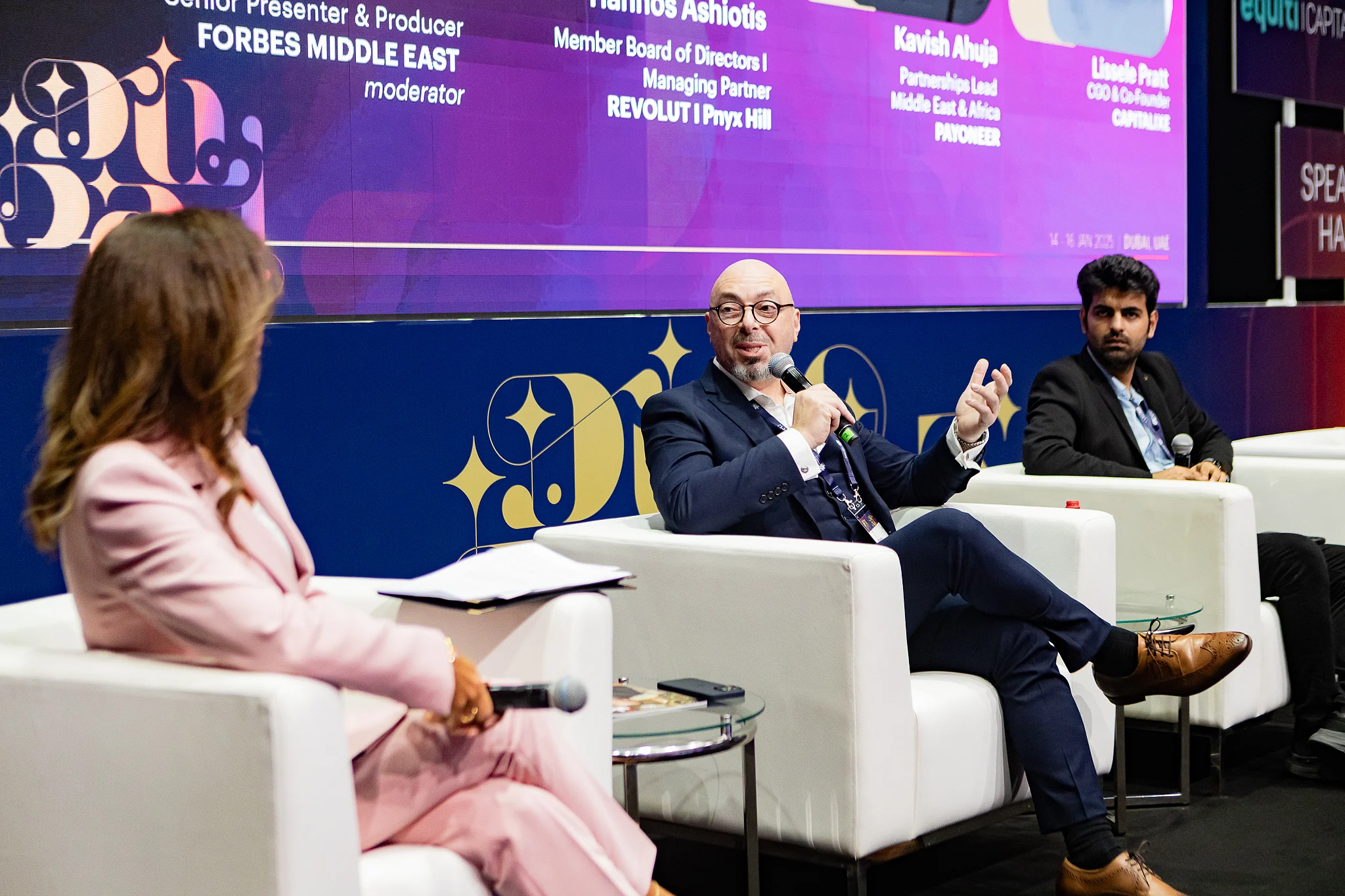
    The global financial technology sector is converging on Dubai for the highly anticipated iFX EXPO 2026, scheduled for February 11-12 at the Dubai World Trade Centre’s Za’abeel Halls 5–6. This premier industry gathering anticipates welcoming over 10,000 participants, featuring 200+ exhibiting companies and 150+ expert speakers from across the online trading ecosystem.

    The 2026 edition introduces an innovative Trading Festival component, creating a comprehensive industry campus that complements the traditional exhibition format. This expansion offers attendees hands-on experiences including live trading competitions through the Trading Cup, platform testing facilities at the Investing Lab, and educational sessions at the Mastery Hub and Traders Arena.

    Day one (February 11) will showcase solutions from leading firms including Pepperstone, Mega Fusion, Exness, Tattvam, and B2Broker, providing exhibitors access to pre-vetted decision-makers while enabling attendees to efficiently compare offerings and identify potential partners. Concurrently, the Speaker Hall will host panels featuring representatives from prestigious organizations including H.H. The Ruler’s Court of Dubai, MENA Fintech Association, Deutsche Bank, Vara, Middle East Stablecoin Association (MESA), and Emirates Gold.

    The second day (February 12) is strategically designed to capitalize on established momentum, offering additional opportunities for partnership finalization and deal-making. The conference program will delve into critical industry topics including growth strategies, affiliate and introducing broker models, market expansion techniques, performance analytics, and operational efficiency enhancements.

    The event commences with a welcome reception on February 10 at Bla Bla Dubai, facilitating preliminary networking. With registration closing imminently, professionals are urged to secure their participation to gain access to the full spectrum of exhibition, conference, and festival experiences while bypassing on-site queues.

  • Instagram outage hits thousands of US users: What really happened

    Instagram outage hits thousands of US users: What really happened

    Meta Platforms’ Instagram service encountered significant technical difficulties on Wednesday evening, resulting in widespread accessibility issues for thousands of users across the United States. The disruption, which began approximately at 8:00 PM Eastern Time, reached its peak with over 10,000 concurrent user reports according to outage monitoring service Downdetector.

    The technical malfunction primarily affected Instagram’s web-based platform, with numerous users experiencing persistent error messages, feed loading failures, and complete service unavailability through desktop browsers. The mobile application appeared to maintain relatively better stability during this incident, though some users reported intermittent connectivity problems across both platforms.

    Social media platforms, particularly X (formerly Twitter), became the primary outlet for user frustration and real-time updates as affected individuals shared screenshots of error messages and sought confirmation regarding the scope of the technical issues. The online community engaged in widespread speculation about potential causes while awaiting official communication from Meta’s technical team.

    Remarkably, the service disruption demonstrated relatively rapid resolution, with Downdetector metrics indicating substantial recovery by approximately 9:30 PM Eastern Time. This restoration timeline suggests that Meta’s engineering team successfully addressed the underlying technical problem within approximately 90 minutes of initial detection.

    While Meta Platforms has not yet released an official technical postmortem regarding the root cause, industry analysts note that such brief service interruptions remain relatively common among large-scale social media platforms managing immense user traffic and complex infrastructure systems. The incident highlights the ongoing challenges facing technology companies in maintaining seamless service availability across global networks.