博客

  • Japan has given Takaichi a landslide win – but can she bring back the economy?

    Japan has given Takaichi a landslide win – but can she bring back the economy?

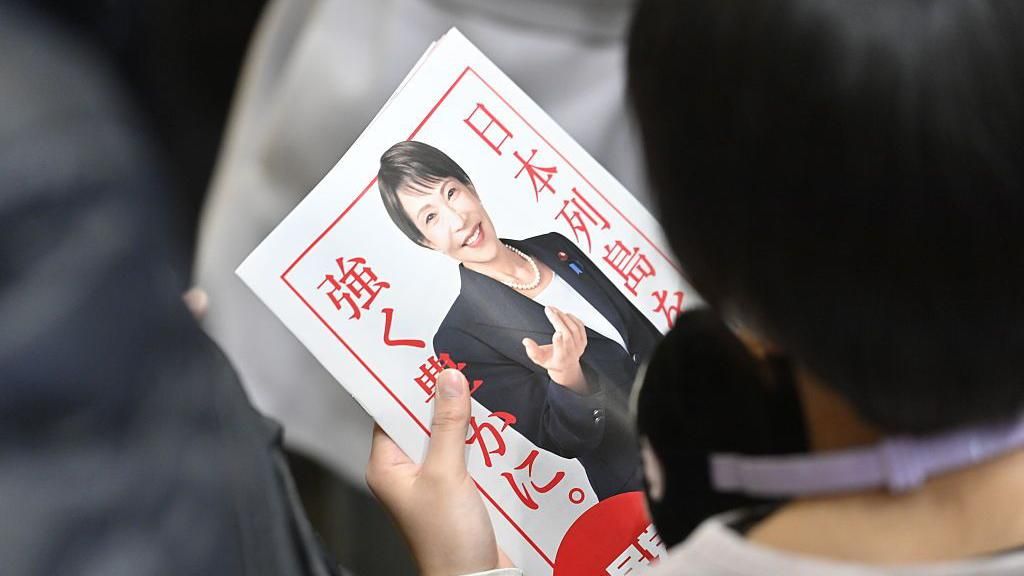
    Prime Minister Sanae Takaichi’s strategic gamble on a snap election has yielded an unprecedented political mandate, with her Liberal Democratic Party securing a commanding 316 out of 465 parliamentary seats. This decisive victory breaks Japan’s cycle of political instability and positions Takaichi to confront the nation’s profound economic challenges with strengthened authority.

    Japan faces intersecting crises of sluggish growth, monumental public debt exceeding 250% of GDP, and a rapidly aging and shrinking workforce. Takaichi’s campaign centered on bold economic stimulus through increased government spending in strategic industries and significant tax reductions aimed at boosting consumer expenditure. This represents a fundamental policy shift from previous administrations that prioritized fiscal conservatism and savings.

    Financial markets have responded with cautious optimism, creating what analysts term the ‘Takaichi trade’—simultaneously buying Japanese equities while selling yen and government bonds. The currency’s appreciation reflects investor confidence, though concerns persist regarding funding mechanisms for her ambitious agenda. Government bond yields surged following her October inauguration, highlighting market apprehension about Japan’s borrowing requirements amid already staggering public debt.

    The Bank of Japan faces parallel challenges in navigating away from ultra-low interest rate policies while combating surging inflation. Rice prices doubled in 2025, creating consumer distress that contributed to the previous administration’s downfall. While Takaichi’s proposed tax cuts may provide temporary relief, economists warn they risk exacerbating inflation without complementary fiscal discipline.

    Demographic pressures present perhaps the most intractable obstacle. Japan’s critically aged population strains healthcare and social services while creating severe labor shortages across construction, agriculture, and hospitality sectors. Despite quietly relaxed immigration rules that have increased foreign workers by 22% since 2022, Takaichi maintains resistance to large-scale immigration, preferring technological solutions and increased participation from women and elderly workers.

    Geopolitical considerations further complicate Takaichi’s economic strategy. China remains Japan’s largest trading partner despite ongoing tensions over rare earth exports and strategic supply chain vulnerabilities. Takaichi has prioritized reducing dependence on Chinese critical materials while strengthening alliances with the United States, including recent defense budget increases and warm relations with the Trump administration.

    This approach echoes the Abenomics playbook of massive fiscal stimulus and monetary easing, though Takaichi operates in a fundamentally transformed global landscape characterized by heightened Sino-American tensions and more complex economic interdependencies. Her overwhelming parliamentary majority provides unique opportunity for structural reform, but success will require navigating extraordinarily complex economic, demographic, and geopolitical crosscurrents that have confounded predecessors for decades.


  • Hong Kong fire victims long for home as Lunar New Year stirs painful memories

    Hong Kong fire victims long for home as Lunar New Year stirs painful memories

    HONG KONG — Survivors of Hong Kong’s deadliest fire in decades continue facing profound housing uncertainty more than two months after the catastrophic blaze that claimed 168 lives on November 26, 2025. The Wang Fuk Court apartment complex inferno not only destroyed physical structures but shattered a tightly-knit community, leaving residents displaced and emotionally scarred as they await permanent resettlement solutions.

    Authorities have yet to announce comprehensive long-term housing plans despite completing surveys of resident preferences. The approaching Lunar New Year on February 17 intensifies emotional distress as survivors recall traditional celebrations in homes now reduced to ashes.

    The tragedy’s origins trace to substandard scaffolding netting and foam boards from building maintenance work, which authorities identified as primary factors in the fire’s rapid spread. While some arrests followed the incident, an independent committee continues investigating the exact causes.

    Personal accounts reveal deep emotional trauma and logistical challenges. Eighty-seven-year-old Pearl Chow and her grandson Dorz Cheung, 33, now occupy separate 100-square-foot temporary units despite decades of shared living. “Only permanent residence is called home. That’s the root,” Cheung stated, capturing the sentiment of many displaced residents.

    The fire disproportionately affected elderly residents, with census data showing over one-third of the complex’s 4,600 residents were aged 65 or above. Seventy-four-year-old Kit Chan, who raised her family in the complex over four decades, now occupies a youth hostel unit half the size of her original apartment. “It’s like being unable to get by in my final years,” she expressed.

    Despite government proposals in January to combat bid-rigging in building maintenance and enhance fire safety standards, survivors feel their immediate housing needs remain unaddressed. Twenty-three-year-old Isaac Tam noted the particular challenges faced by elderly family members, including his 92-year-old grandfather who lost his daily social routines along with his home.

    The human cost extends beyond physical displacement. Forty-eight-year-old Phyllis Lo lost her 74-year-old mother in the fire and now grapples with questions about preventable safety failures. “I wondered if the tragedy could have been avoided if each government department had done a better job,” she reflected.

    Disaster recovery expert Professor Jack Rozdilsky of York University emphasized that successful resettlement requires addressing both physical and community needs. “While rebuilding living spaces is complicated, reconstructing a community is much harder,” he noted, stressing the importance of incorporating familiar gathering spaces and social infrastructure.

    The government confirmed in emailed statements that it has received survey responses from over 95% of homeowners and is analyzing preferences, but provided no timeline for announcing final resettlement plans.

  • Three arrested for illegal fishing, attempt to run over security officer in Kuwait

    Three arrested for illegal fishing, attempt to run over security officer in Kuwait

    Kuwaiti maritime authorities have apprehended three individuals following a dramatic confrontation involving illegal fishing and an attempt to assault a security officer. The incident unfolded on the morning of February 8, 2026, when routine patrols by the General Directorate of Coast Guard detected a vessel operating in clear violation of national fishing regulations and safety protocols.

    Upon interception attempts, the boat’s captain refused to comply with official orders and initiated a high-speed evasion maneuver. The pursuit continued to the shoreline, where the suspect subsequently attempted to flee using a land vehicle. In a severe escalation, the driver deliberately attempted to run over a security official before being successfully subdued and arrested. No injuries were reported among the police force during the operation.

    The Ministry of Interior confirmed the identities of the three apprehended individuals as one citizen of a Gulf state and two stateless persons, all of whom possessed previous criminal records. Further investigation revealed that the vessel itself was operating without proper registration as a fishing boat, constituting an additional violation of its issued permit.

    In accordance with Kuwaiti legal procedures, the fishing vessel has been confiscated and destroyed. All three suspects have been transferred to relevant judicial authorities to face comprehensive legal proceedings. The Ministry emphasized its unwavering commitment to pursuing all offenders who endanger the safety of security personnel or violate maritime laws, ensuring the continued security of Kuwait’s territorial waters.

  • Who’s Mariah Carey? Italian journalists to strike after commentator’s blunders at opening ceremony

    Who’s Mariah Carey? Italian journalists to strike after commentator’s blunders at opening ceremony

    MILAN — Italy’s state broadcaster Rai faces an unprecedented internal crisis as its sports division journalists have declared protest measures following a series of embarrassing commentary errors during the Milan Cortina Winter Games opening ceremony.

    The controversy centers on RaiSport director Paolo Petrecca, whose commentary during Friday’s spectacle triggered widespread embarrassment within the organization. Petrecca’s missteps began with incorrectly identifying the venue as Rome’s Stadio Olimpico rather than Milan’s iconic San Siro stadium. The situation deteriorated when he mistakenly identified Italian actress Matilda De Angelis as global superstar Mariah Carey—despite the 25-year age difference between the two performers.

    Perhaps the most diplomatically sensitive error occurred when Petrecca misidentified International Olympic Committee President Kirsty Coventry as the daughter of Italian President Sergio Mattarella as they entered the stadium together.

    The commentary team’s failures extended to sporting recognition as well. Petrecca apparently failed to identify members of Italy’s world champion volleyball teams during the torch relay segment, referring to five Olympic champions merely as “other torchbearers.”

    In response, RaiSport’s editorial committee announced on Monday that all reporters and commentators would withhold their bylines until the conclusion of the Winter Olympics. Additionally, they have planned three days of strikes following the Games’ completion. Their statement expressed collective embarrassment and described the situation as “the worst-ever figure of RaiSport in one of the most eagerly awaited events ever.”

    Following an emergency meeting with Rai CEO Giampaolo Rossi on Monday afternoon, the broadcaster confirmed that Petrecca has been removed from the commentary team for the February 22 closing ceremony. Notably, Petrecca hadn’t originally been scheduled to commentate on the opening ceremony but replaced Auro Bulbarelli, who withdrew after prematurely revealing President Mattarella’s surprise arrival via vintage tram driven by former motorcycle champion Valentino Rossi.

    The incident has sparked reactions across Italian media and social platforms, with De Angelis humorously captioning her ceremony photos: “Please, call me Mariah.” Italian volleyball captain Simone Giannelli responded with laughing emojis to the commentary mishap involving his team.

  • 90 civilians killed in drone strikes on Sudan’s Kordofan in two weeks: UN

    90 civilians killed in drone strikes on Sudan’s Kordofan in two weeks: UN

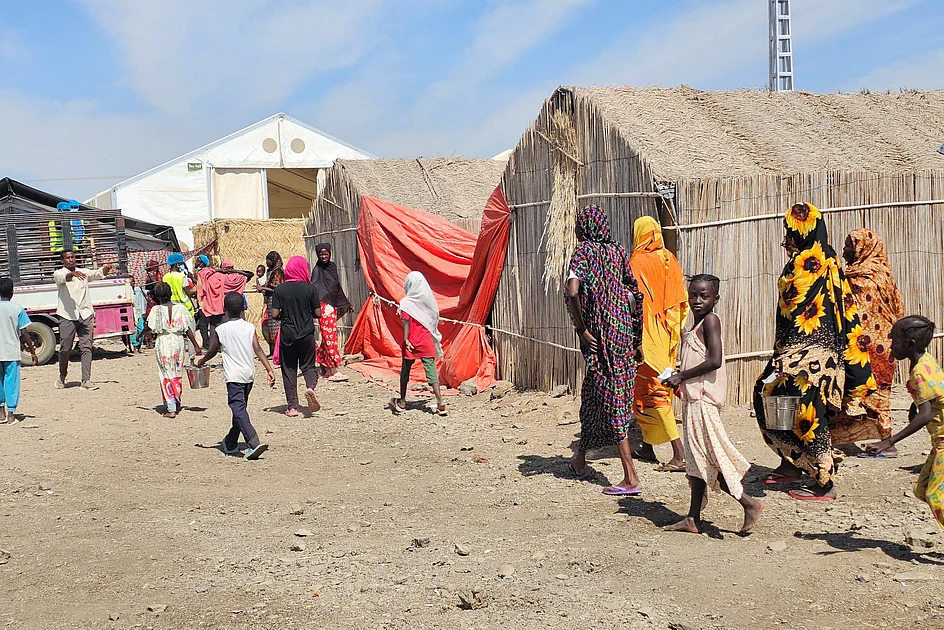
    The United Nations Human Rights Chief has delivered a grave assessment of the deteriorating humanitarian situation in Sudan’s Kordofan region, revealing that drone attacks have resulted in massive civilian casualties over a two-week period. According to documentation compiled by the UN Human Rights Office, approximately 90 non-combatants lost their lives while 142 sustained injuries in targeted aerial assaults between mid-January and February 6, 2026.

    Volker Turk, addressing the UN Human Rights Council on Monday, presented evidence indicating that both government forces and paramilitary units share responsibility for the deadly strikes. The systematic aerial bombardments have struck critical civilian infrastructure including a World Food Programme humanitarian convoy, local marketplaces, medical facilities, and residential neighborhoods across both North and South Kordofan.

    The escalating violence represents a dangerous intensification of Sudan’s ongoing conflict, with drone warfare now being deployed against civilian populations. The attacks on humanitarian convoys and medical facilities constitute severe violations of international humanitarian law and have crippled aid delivery mechanisms in the region.

    This development occurs alongside other significant displacement crises, with UN reports indicating over 10,000 people forcibly displaced within just three days elsewhere in Sudan. The systematic targeting of civilian infrastructure suggests a strategic shift in combat operations that places non-combatants at unprecedented risk.

  • Heart, liver ‘live’ outside body as UAE unveils new system for donor organs

    Heart, liver ‘live’ outside body as UAE unveils new system for donor organs

    Dubai has become the epicenter of a medical revolution with the unveiling of a groundbreaking organ preservation technology that fundamentally alters the race against time in transplant procedures. Announced at the World Health Expo 2026, this advanced perfusion system enables human organs to function externally outside the human body, creating unprecedented opportunities for successful transplants.

    The innovative technology, introduced under the UAE’s national organ donation program ‘Hayat’ through the Emirates Health platform, represents a quantum leap from traditional ice-based storage methods. Rather than merely preserving organs in dormant states, the sophisticated perfusion apparatus actively sustains hearts, livers, and other vital organs in a biologically active condition. This miniature circulatory system meticulously replicates natural blood flow patterns, oxygen absorption mechanisms, and physiological responses—effectively keeping donor organs ‘alive’ during transport and evaluation periods.

    Dr. Amin Hussein Al Amiri, Assistant Undersecretary for the Health Regulation Sector at MoHAP, emphasized the transformative implications of this technological breakthrough. ‘This advanced technology extends the safe transport window for organs across cities and nations while significantly enhancing preservation quality,’ he stated. The system enables surgeons to monitor real-time functional performance, measure fluid dynamics, and reassess organs previously deemed unsuitable for transplantation—potentially expanding the pool of viable donor organs and recipient candidates.

    Beyond immediate clinical benefits, the technology promises to reshape international healthcare collaboration. Dr. Al Amiri highlighted how the system ‘enhances opportunities for regional and international cooperation in organ exchange’ while strengthening partnerships between medical institutions and research facilities. The integration of smart perfusion devices into the National Centre for regulating Human Organs and Tissues Transplantation is expected to optimize medical resource allocation and improve logistical planning for complex transplant procedures.

    Concurrently, MoHAP showcased the National Genome System—an ambitious precision medicine initiative establishing comprehensive genetic databases to revolutionize disease prevention, diagnosis, and treatment protocols. Together, these advancements position the UAE at the forefront of medical innovation, demonstrating the nation’s commitment to leveraging artificial intelligence and cutting-edge technology in therapeutic applications while reinforcing organ donation as a profound humanitarian value.

  • Extreme cold in New York City leaves 18 dead

    Extreme cold in New York City leaves 18 dead

    New York City is grappling with a severe humanitarian crisis following one of its most brutal cold snaps in over six decades. Mayor Zohran Mamdani confirmed that 18 residents have perished due to the extreme weather conditions that gripped the metropolis since late January.

    The city endured a historically prolonged freeze, with temperatures remaining at or below 0°C (32°F) for 13 consecutive days—marking the longest such streak since 1963. This Arctic assault created dangerous wind chills that significantly increased risks of hypothermia and frostbite for vulnerable populations.

    While temperatures began moderating over the weekend, they remain below seasonal averages. The mayor emphasized that even with the slight warming, conditions remain hazardous. “Each life lost is a tragedy, and we will continue to hold their families in our thoughts,” Mamdani stated during a Monday briefing, announcing another cold-related death over the weekend.

    In response to the crisis, city officials activated a Code Blue emergency on January 19th, temporarily relaxing intake policies at homeless shelters. This measure has facilitated approximately 1,400 placements into protective facilities. The city further expanded its shelter capacity by adding 64 hotel rooms and deploying at least 150 additional outreach workers to assist those exposed to the elements.

    Of the confirmed fatalities, at least 10 individuals were found outdoors, though circumstances surrounding the remaining deaths remain under investigation. The National Weather Service indicated that while temperatures will gradually rise to around 0°C this week, they will still remain below the normal average of 4°C for this period.

    Emergency management officials continue warning residents about ongoing dangers, including falling ice and snow from buildings and the refreezing of streets and pavements overnight. The mayor urged continued vigilance: “Stay safe, stay indoors… and keep looking out for one another.”

  • ‘No regrets’ – Vonn sustains ‘complex tibia fracture’

    ‘No regrets’ – Vonn sustains ‘complex tibia fracture’

    Olympic champion Lindsey Vonn has expressed zero remorse about her final competitive run at the Cortina Winter Olympics, despite suffering a catastrophic leg fracture that ended her career in a dramatic crash. The 41-year-old skiing icon, competing just nine days after tearing her anterior cruciate ligament, lost control when her arm caught a gate merely 13 seconds into Sunday’s downhill event.

    Medical teams provided extensive on-slope treatment before airlifting Vonn to Ca Foncello Hospital in Treviso, where surgeons addressed her complex tibia fracture. The 2010 downhill gold medalist had previously disclosed her ACL injury during a Wednesday press conference but remained determined to compete in her fifth and final Olympic appearance.

    In a heartfelt Instagram statement, Vonn reflected: ‘My Olympic conclusion differed from my dreams—no storybook ending, just reality. Yet standing in that starting gate, knowing victory remained possible, represented triumph itself.’ She explicitly denied that her pre-existing knee conditions, including a partial right knee replacement, contributed to the accident.

    The skiing legend’s decision has sparked dual reactions across the sports community: widespread admiration for her courage alongside concerns about extreme athletic risks. Vonn philosophically addressed the controversy: ‘Ski racing mirrors life’s dangers. We dream, we leap, and sometimes we fall. The true failure lies in never attempting.’

    The American champion concluded with an inspirational message: ‘I hope my journey demonstrates the courage to dare greatly. Life proves too brief not to gamble on oneself.’ Vonn’s crash occurred at the same venue where she previously crashed during pre-Olympic preparations in Switzerland.

  • Israeli minister promises to pass ‘allegiance’ to Israel law

    Israeli minister promises to pass ‘allegiance’ to Israel law

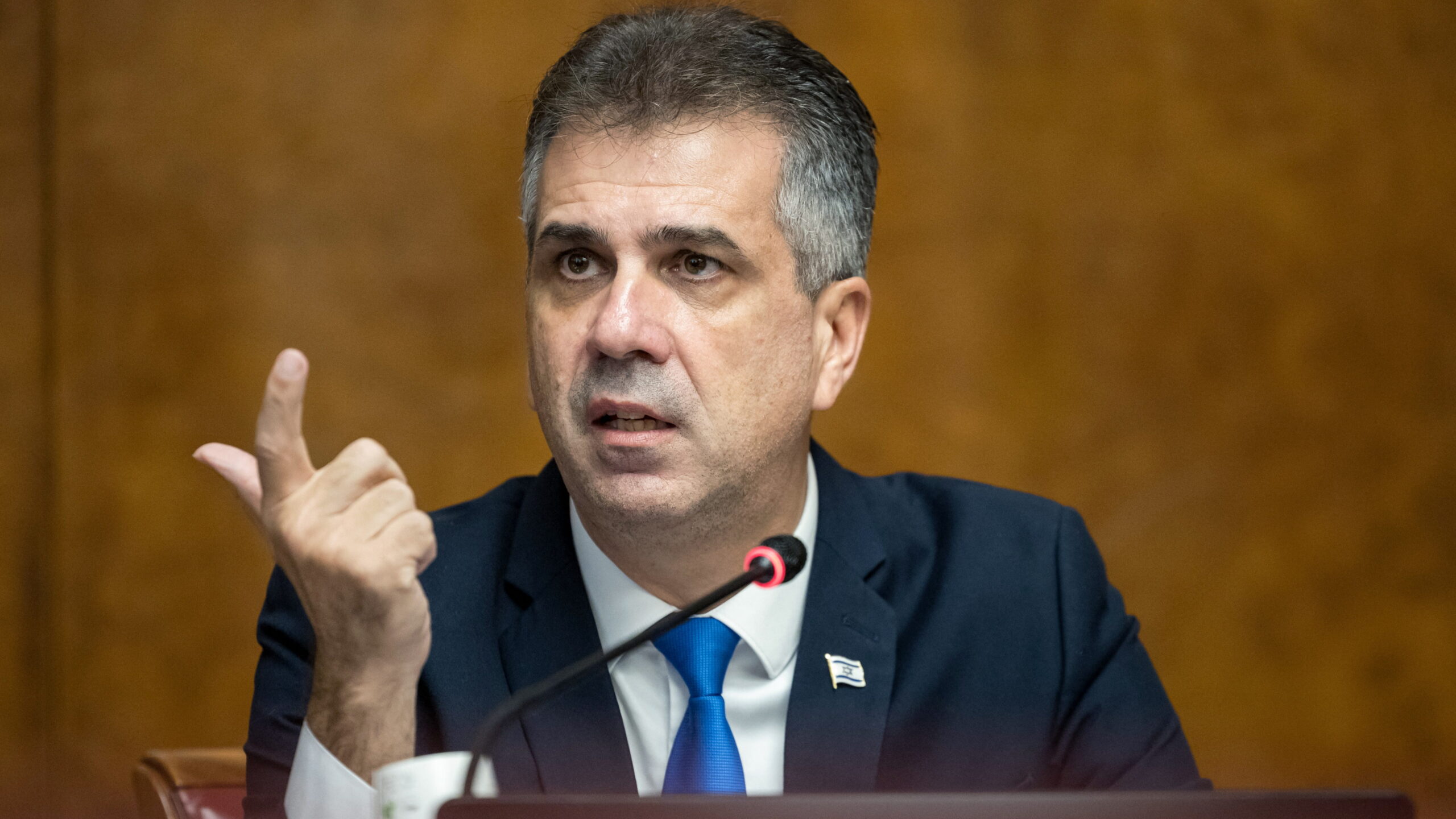
    Israeli Energy and Infrastructure Minister Eli Cohen announced on Sunday forthcoming legislation that would mandate all members of the Knesset to pledge allegiance to Israel’s identity as a Jewish and democratic state during their swearing-in ceremonies. The proposed law explicitly targets Palestinian lawmakers who oppose this designation, with Cohen asserting they “have no place in the Knesset of Israel,” specifically naming politicians Ahmad Tibi and Ayman Odeh.

    The announcement comes amid escalating tensions between Israeli and Palestinian members of parliament. Odeh, leader of the Hadash alliance, and Tibi, head of the Arab Movement for Change (Ta’al), have faced substantial criticism from their Israeli counterparts. In late June, Israel’s Knesset House Committee advanced impeachment proceedings against Odeh by a 14-2 vote, with support from both coalition and opposition parties, following comments perceived as pro-Palestinian and critical of Israel’s military operations in Gaza.

    The political confrontation intensified when Odeh expressed support for a ceasefire agreement between Israel and Hamas earlier this year, drawing condemnation from numerous Israeli lawmakers. He further faced backlash for remarks made during an anti-war demonstration in Haifa. Simultaneously, Tibi encountered legal scrutiny after criticizing Israeli police spokesperson Arye Doron regarding police brutality against Palestinian citizens, prompting authorities to seek criminal investigation for allegedly insulting a civil servant.

    This legislative initiative occurs within a broader context of increasing legal restrictions on Palestinian rights. According to documentation by legal center Adalah, Israel has enacted over 30 laws since October 2023 that reinforce systems of apartheid and repression against Palestinians. These measures, implemented between October 2023 and July 2025, target fundamental rights including freedom of expression, protest, citizenship, family unification, and equality protections.

    The legal expansion includes broader application of counterterrorism legislation almost exclusively against Palestinian citizens of Israel and residents of occupied East Jerusalem. Adalah reports that Israel has exploited the wartime environment to accelerate discriminatory practices, now documenting approximately 100 discriminatory laws overall. These regulations criminalize political expression, authorize family deportations, restrict social benefits, expand detention powers, limit legal counsel access, and enable closure of independent media outlets.

  • India says it will maintain multiple sources of energy supply

    India says it will maintain multiple sources of energy supply

    In a definitive statement on energy security, Indian Foreign Secretary Vikram Misri articulated New Delhi’s commitment to maintaining diversified energy procurement channels during a press briefing on Monday. The senior diplomat emphasized that India’s strategic approach prioritizes consumer interests through three fundamental pillars: sufficient availability, equitable pricing structures, and unwavering supply reliability.

    This policy clarification emerges against the backdrop of recent geopolitical developments, including former US President Donald Trump’s executive order eliminating punitive 25% tariffs on Indian imports—a measure previously imposed due to India’s continued procurement of Russian crude. The Kremlin has subsequently indicated it perceives no substantial shift in India’s established energy acquisition patterns.

    Market analytics reveal a noticeable contraction in India’s Russian oil imports during January, as refining enterprises actively pursued alternative sources amid intensifying Western sanctions and ongoing US-India trade negotiations. Foreign Secretary Misri explicitly stated that India maintains no singular dependency for crude oil acquisitions nor intends to develop such reliance, instead procuring from multiple suppliers based on objective market conditions and national interest considerations.

    The South Asian nation’s energy calculus demonstrates sophisticated balancing between geopolitical realities and domestic economic requirements, with government policies and corporate decisions both guided by overarching national security and economic stability imperatives.