博客

  • Colombian prosecutors plan to press charges against national oil company president

    Colombian prosecutors plan to press charges against national oil company president

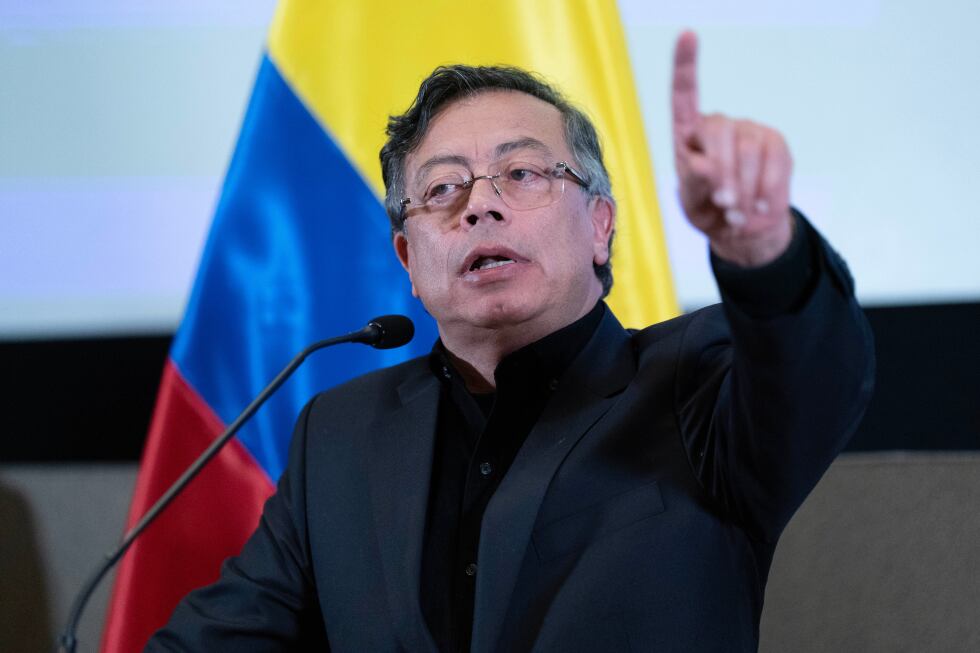
    Colombia’s Attorney General’s Office announced Monday it will pursue corruption charges against Ricardo Roa, president of state-owned oil giant Ecopetrol, alleging misconduct during his tenure as financial manager for President Gustavo Petro’s 2022 presidential campaign.

    Prosecutors assert they possess substantial evidence demonstrating Roa facilitated illegal campaign financing practices, including exceeding statutory spending limits. The charges extend beyond campaign finance violations to include influence peddling related to Roa’s current position at Ecopetrol.

    According to investigative findings, Roa allegedly directed lucrative Ecopetrol contracts to a company whose owner provided him with a luxury Bogota apartment at significantly below market value. The oil executive has vehemently denied all allegations, maintaining his innocence regarding both the campaign finance accusations and contract steering claims.

    The case emerges against a backdrop of ongoing electoral scrutiny. Last November, Colombia’s National Electoral Council imposed financial penalties on Roa and two other campaign administrators for purported campaign finance violations, including accepting funds from illicit sources.

    The investigation has drawn in multiple figures close to the president. Notably, Nicolas Petro, the president’s son currently under investigation for money laundering, previously testified that drug trafficking proceeds were funneled into his father’s campaign. Additionally, a government contractor with paramilitary connections allegedly made substantial donations to the campaign.

    President Petro has characterized the allegations as politically motivated attempts to destabilize his administration. The developments unfold as Colombia prepares for congressional and presidential elections, with Petro advocating for electoral support for candidates backing his constitutional reform agenda and economic policies.
  • Thailand election: The result the polls never saw coming

    Thailand election: The result the polls never saw coming

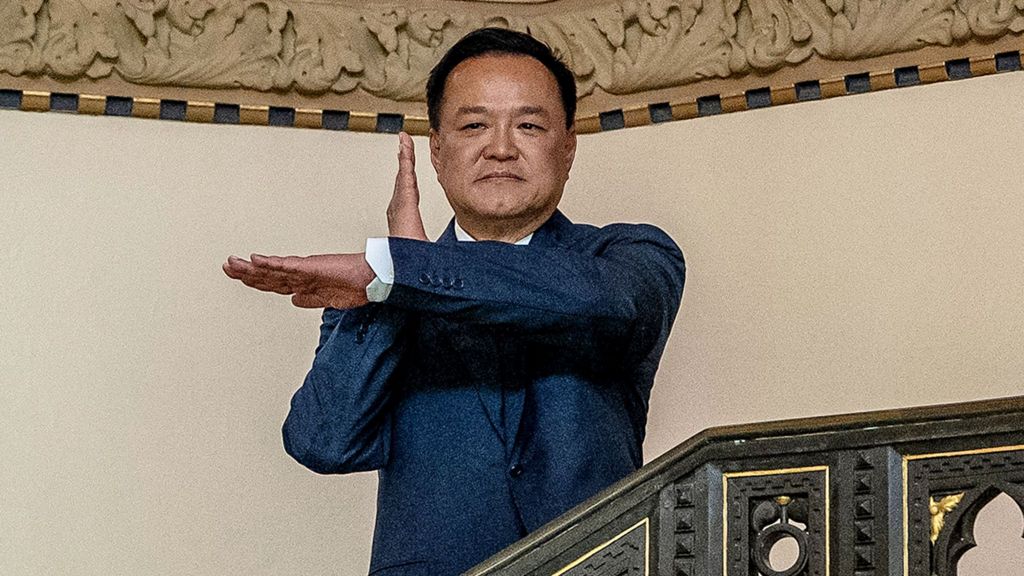
    In a dramatic reversal of pre-election forecasts, Thailand’s conservative Bhumjaithai party has emerged victorious from the February parliamentary elections, defying widespread expectations of a progressive triumph. Prime Minister Anutin Charnvirakul’s political machine secured an estimated 190 seats, positioning itself to form the next government through coalition building.

    The outcome represents a significant setback for the youthful People’s Party, which had been projected by most opinion polls to dominate the election with over 200 seats. Instead, the reformist movement witnessed a substantial decline from its predecessor Move Forward’s 2023 performance, when it captured 151 parliamentary seats.

    Several structural factors contributed to this political upset. Thailand’s mixed electoral system, allocating 80% of seats through local constituency contests rather than national party lists, disadvantaged the urban-based progressive movement. Bhumjaithai’s well-established rural networks and mastery of local power-brokering proved decisive in securing constituency victories despite receiving nearly four million fewer party-list votes than the People’s Party.

    Prime Minister Anutin successfully consolidated conservative support through his strident nationalism regarding border conflicts with Cambodia, unwavering military support, and staunch loyalty to King Vajiralongkorn. Simultaneously, the reformists faced diminished momentum without the defining anti-establishment issue that propelled their 2023 campaign, having been forced to abandon their controversial proposal to amend the lese majeste law.

    The dramatic decline of Pheu Thai, once Thailand’s dominant political machine, further shifted the landscape. The party associated with former Prime Minister Thaksin Shinawatra saw its support halved after years of political turmoil, with its northern strongholds shifting toward conservative alternatives.

    Structural impediments continued to hamper progressive forces, with many leaders facing political bans and dissolution threats. Voter turnout dropped significantly to 65%, suggesting disillusionment among previous reformist supporters. Meanwhile, Prime Minister Anutin appears positioned to potentially complete a full four-year term—a rare achievement in Thailand’s turbulent political history.

  • Japan urged to adhere to a peaceful path

    Japan urged to adhere to a peaceful path

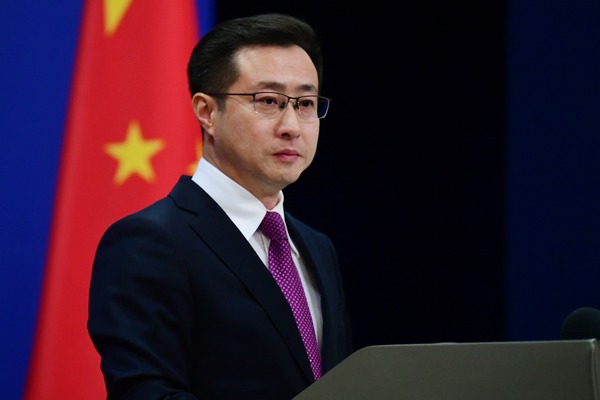
    Following a decisive electoral victory by Japan’s ruling coalition, China has issued a formal appeal for Tokyo to adhere to its historical commitment to peaceful development. Foreign Ministry spokesman Lin Jian articulated these concerns during a Monday press briefing, emphasizing the critical importance of the four foundational political documents that underpin Sino-Japanese relations.

    The Liberal Democratic Party and its coalition partner secured a supermajority of 352 seats in Sunday’s snap parliamentary election, granting them the legislative power to potentially initiate constitutional amendments. This outcome has triggered international apprehension regarding Japan’s political trajectory, with experts warning of accelerated rightward movement in security policy.

    Professor Hiroshi Shiratori of Hosei University indicated that this electoral mandate could facilitate significant security reforms, including potential revisions to Japan’s pacifist constitution. Particular attention focuses on Article 9, which renounces war and prohibits maintaining offensive military capabilities, alongside the Three Non-Nuclear Principles that have guided Japan’s defense policy for decades.

    Chinese analysts express concern that Prime Minister Sanae Takaichi’s administration may pursue substantial military expansion, including revised security documentation, relaxed arms export restrictions, and enhanced defense capabilities. Such moves would represent a dramatic departure from Japan’s post-war pacifist orientation.

    The Chinese Foreign Ministry emphasized that while Japan’s electoral process constitutes an internal matter, its outcomes warrant serious international consideration. Spokesman Lin cautioned that any reckless actions by far-right elements would encounter both domestic resistance and strong international response.

    Economic implications also loom large, as heightened bilateral tensions could adversely affect trade relations, potentially undermining Japan’s manufacturing sector and broader economic growth while impeding regional cooperation mechanisms.

  • UAE’s “Year of the Family”: Mapping legacy through control, clarity, continuity and tax optimisation

    UAE’s “Year of the Family”: Mapping legacy through control, clarity, continuity and tax optimisation

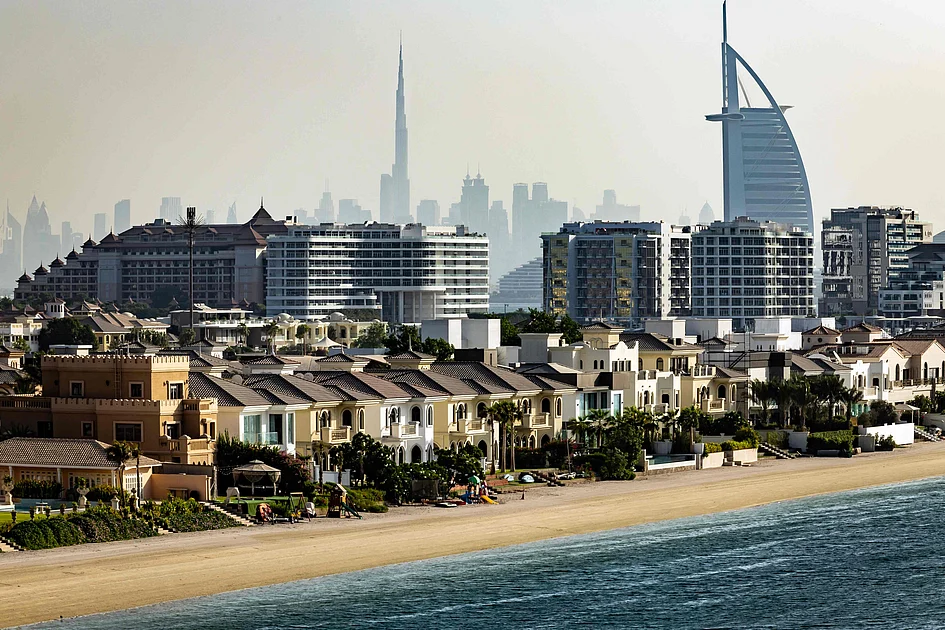
    The United Arab Emirates’ designation of 2026 as the ‘Year of the Family’ represents far more than symbolic recognition—it marks a critical inflection point for affluent families navigating an increasingly complex global regulatory landscape. As transnational families with substantial assets confront mounting challenges including global tax coordination, cross-border regulatory scrutiny, and succession risks, the Emirates emerges as a jurisdiction offering not just tax efficiency but regulatory predictability and structural coherence.

    The paradigm has fundamentally shifted from purely tax-driven planning to comprehensive governance optimization. Globally mobile families now prioritize regulatory stability, jurisdictional alignment, and defensible structures over mere tax rate arbitrage. The central concerns have evolved to encompass control preservation, decision-making clarity, and structural resilience across generations and jurisdictions.

    Progressive families are implementing three transformative approaches: First, they’re restructuring ownership around documented control mechanisms rather than convenience, establishing clear frameworks through foundations, holding companies, and family charters. Second, tax strategy has transitioned from isolated compliance to integrated governance, with family councils systematically addressing taxing rights, substance requirements, and global minimum tax implications. Third, families now actively stress-test structures against life contingencies—incapacity, relocation, divorce, and multi-jurisdictional death—treating them as governance necessities rather than cultural taboos.

    The UAE’s value proposition for 2026 lies in its capacity to facilitate this evolution from fragmented asset holding to institutional family governance. In an era of automatic information exchange and intergovernmental cooperation, the premium has shifted from clever structuring to defensible alignment between legal frameworks, family reality, and regulatory expectations across all relevant jurisdictions.

    For families considering consolidation in the Emirates, the ultimate test becomes whether current arrangements will withstand regulatory scrutiny, generational transition, and geographic dispersion when grandchildren eventually inherit stewardship responsibilities. The Year of the Family thus serves as a catalyst for transforming loose collections of entities and assumptions into coherent, future-proofed family institutions capable of enduring both internal dynamics and external examination.

  • Israeli attacks on Lebanon kill four, including security officer and child

    Israeli attacks on Lebanon kill four, including security officer and child

    A series of Israeli military operations in southern Lebanon on Monday resulted in four fatalities, including a Lebanese security officer and his three-year-old child, marking a significant escalation in cross-border tensions. The incidents occurred despite a ceasefire agreement established in November 2024 intended to halt prolonged hostilities with Hezbollah.

    The Israeli Defense Forces confirmed conducting a targeted strike in the village of Yanuh, alleging it neutralized Ahmad Ali Salameh, whom they identified as Hezbollah’s head of artillery responsible for rebuilding the group’s military capabilities. However, the operation also claimed the lives of two unintended casualties: a member of Lebanon’s security forces and his young child who were reportedly passing through the area at the time of impact.

    In a separate incident near the border village of Aita al-Shaab, Israeli gunfire killed another individual identified by Israel as a Hezbollah operative engaged in intelligence gathering and infrastructure rehabilitation activities. The Israeli military acknowledged civilian casualty reports from the Yanuh strike were ‘under review’ while defending the targeted nature of their operations.

    These developments coincided with the alleged apprehension of Atwi Atwi, a Jamaa Islamiya official, by Israeli forces from his residence in Hasbaya district. The Islamist group, an ally of Palestinian Hamas, condemned what they termed an ‘infiltration by Israeli occupation forces,’ while Israel confirmed detaining ‘a senior terrorist’ for interrogation.

    Lebanese Prime Minister Nawaf Salam, who had just concluded a two-day visit to the conflict-ravaged south, denounced Atwi’s capture as ‘a blatant attack on Lebanese sovereignty’ and violation of both the ceasefire agreement and international law. Hezbollah lawmakers echoed these sentiments, demanding immediate governmental action at political, diplomatic, and legal levels to protect citizens.

    The escalating situation highlights ongoing friction points including Israel’s maintained troop presence in five strategic border positions within Lebanese territory and unresolved disputes regarding Lebanese detainees. Hezbollah legislator Hussein al-Haj Hassan previously alleged Israel holds approximately 20 Lebanese prisoners, with half reportedly abducted post-ceasefire.

    Lebanon’s government maintains that sustainable de-escalation requires Israel’s complete withdrawal from occupied border positions, cessation of aerial strikes, and release of all Lebanese detainees.

  • Australia PM ‘devastated’ as police and protesters clash over Israeli leader’s visit

    Australia PM ‘devastated’ as police and protesters clash over Israeli leader’s visit

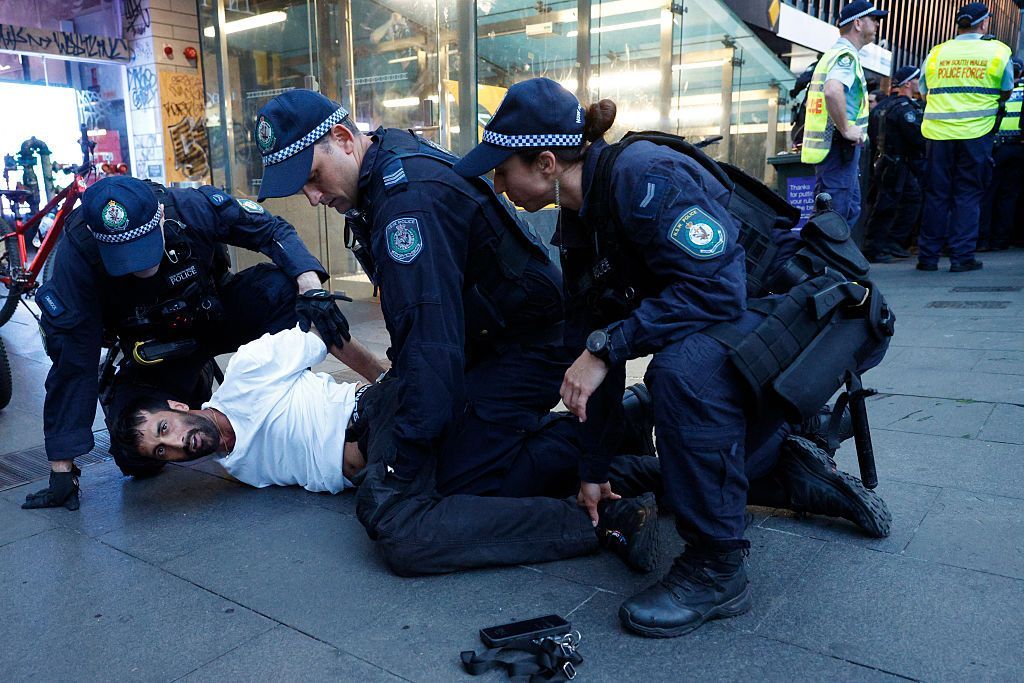
    SYDNEY – Australian Prime Minister Anthony Albanese expressed profound dismay Tuesday following violent confrontations between police and pro-Palestinian demonstrators during protests against Israeli President Isaac Herzog’s official visit. The clashes, which resulted in 27 arrests, marked one of the most significant public order challenges in Sydney in recent years.

    The unrest unfolded Monday evening outside Sydney’s Town Hall where an estimated 6,000 protesters gathered. Video footage captured intense physical altercations showing police officers deploying pepper spray, punching demonstrators, and forcibly removing Muslim men engaged in prayer. The demonstrations were organized by the Palestine Action Group, which had previously failed in a legal challenge to overturn police restrictions on their protest routes.

    Prime Minister Albanese defended his invitation to President Herzog, stating the visit would aid healing within Australia’s Jewish community following December’s Bondi shootings that killed 15 people, including a 10-year-old girl, during a Hanukkah celebration. “These are scenes that I think shouldn’t be taking place,” Albanese told reporters, though he maintained his support for the diplomatic engagement.

    The protests occurred under newly implemented police powers established after the Bondi tragedy, which banned demonstrations near Parliament and Hyde Park. Josh Lees of the Palestine Action Group asserted that “all of this could have been avoided” if police had permitted their planned march route, describing the violence as the worst he’d witnessed in years.

    New South Wales Premier Chris Minns supported police actions, stating authorities were “put in an impossible situation” and urging the public not to judge based on brief video clips without full context. Assistant Commissioner Peter McKenna reported officers faced threats, jostling, and assaults during what he characterized as “rolling fights” where police were “significantly outnumbered” by those intent on violence.

    The demonstrations were fueled by controversy surrounding President Herzog, whom a UN commission previously concluded had incited genocide against Palestinians through his statements. Herzog has condemned the report as taking his words out of context. Protest organizers have announced further demonstrations demanding dropped charges against arrested protesters and investigations into police conduct.

  • India–Pakistan T20 World Cup match could still happen after cricket officials meet

    India–Pakistan T20 World Cup match could still happen after cricket officials meet

    A potential resolution is emerging for the high-stakes impasse surrounding the scheduled India-Pakistan T20 World Cup match, offering hope to millions of cricket fans anticipating the February 15 showdown in Colombo. The deadlock, initiated by the Pakistani government’s boycott declaration in solidarity with Bangladesh, prompted a critical high-level meeting in Lahore on Sunday night. Attendees included representatives from the International Cricket Council (ICC), the Pakistan Cricket Board (PCB), and the Bangladesh Cricket Board.

    While official details from the meeting remain confidential, media outlets from both nations report significant progress by the ICC in reinstating this marquee sporting event. The path to resolution, however, is paved with complex conditions. Pakistani officials have reportedly tabled specific demands for the ICC’s consideration. A central condition involves securing financial compensation for Bangladesh, which was excluded from the tournament after withdrawing over security concerns for its team in India.

    Additional PCB requests, as cited by Indian media, include the resumption of direct bilateral cricket series with India and the establishment of a new tri-nation tournament featuring India, Pakistan, and Bangladesh. The ICC has ostensibly rejected these broader demands, focusing negotiations solely on the immediate World Cup context.

    Veteran Pakistani journalist Hamid Mir contested these reports, characterizing the narrative as ‘disinformation.’ On social media platform X, Mir stated that the ICC President is actively sending envoys to the PCB, appealing for a reconsideration of the boycott. He emphasized that Pakistan’s position is contingent on achieving ‘compensation and relief for Bangladesh,’ asserting this as the sole prerequisite for the match to proceed.

    The financial magnitude of an India-Pakistan World Cup match underscores the urgency for a resolution, with estimated global revenues nearing $400 million. A cancellation would wreak havoc on broadcasting agreements and advertising investments, representing one of the most lucrative events in international sports.

    The final decision now rests with Pakistani Prime Minister Shehbaz Sharif. Should the ICC agree to provide compensation for Bangladesh’s exclusion, the path would be cleared for the two arch-rivals to compete on the world stage, transforming a diplomatic standoff into a celebrated sporting spectacle.

  • US judges dismiss lawsuits accusing fantasy author Neil Gaiman of sexual assault in New Zealand

    US judges dismiss lawsuits accusing fantasy author Neil Gaiman of sexual assault in New Zealand

    Three federal lawsuits against acclaimed British fantasy author Neil Gaiman have been formally dismissed by US courts, marking a significant legal development in a high-profile case that spanned multiple jurisdictions. The legal actions, initiated by former nanny Scarlett Pavlovich, alleged multiple instances of sexual assault during her employment with Gaiman and his wife, musician Amanda Palmer, in New Zealand in 2022.

    The judicial dismissals occurred progressively across three federal districts. In New York, Judge Mary Kay Vyskocil granted Pavlovich’s voluntary withdrawal of her case against Palmer in June. Wisconsin’s Judge James Peterson dismissed the remaining portions of that state’s lawsuit in October, while Massachusetts Judge Nathaniel Gorton issued the final dismissal on identical grounds this past Friday. All three jurists concurred that New Zealand represented the appropriate legal venue for such proceedings, given that the alleged incidents occurred within its jurisdiction.

    Pavlovich’s allegations, detailed in court documents, described a pattern of abuse beginning in February 2022 when she was 22 and homeless. She claimed Gaiman assaulted her on their first meeting, with subsequent incidents occurring throughout her employment. The lawsuits further alleged that Palmer had prior knowledge of her husband’s behavior, with court filings stating Palmer acknowledged previous similar allegations from over a dozen women.

    The legal defense mounted by Gaiman’s representatives characterized the relationship as consensual and brief, noting that New Zealand authorities had previously investigated and dismissed the assault claims. They argued the lawsuits constituted a coordinated effort to damage Gaiman’s reputation and should properly be adjudicated in New Zealand.

    Neither Pavlovich’s legal team nor representatives for Gaiman and Palmer responded to requests for comment following the dismissals. The cases sought $7 million in damages under federal human trafficking statutes, though all claims have now been judicially rejected on jurisdictional grounds.

  • Adnoc Gas posts record $5.2 billion net income in 2025

    Adnoc Gas posts record $5.2 billion net income in 2025

    Adnoc Gas has announced unprecedented financial results for fiscal year 2025, achieving a record-breaking net income of $5.2 billion despite significant challenges in global energy markets. This performance represents a 3% year-over-year increase, demonstrating remarkable resilience amid declining Brent crude prices that fell 14% to average $69 per barrel throughout the year.

    The company’s exceptional results were primarily driven by its robust domestic gas operations, where EBITDA surged by 10% annually. This growth was supported by a 4% increase in domestic gas sales volumes and enhanced commercial terms. CEO Fatema Al Nuaimi characterized 2025 as “a defining year” for the organization, highlighting both financial achievements and strategic progress.

    Strategic expansion initiatives are underway to address growing domestic demand beyond 2026. The Adnoc Estidama gas pipeline project will significantly enhance supply capabilities to the Northern Emirates. Additionally, the company plans to make final investment decisions in Q1 2026 for phases two and three of its Rich Gas Development project, aiming to boost overall processing capacity by 30% by 2029.

    The fourth quarter of 2025 yielded a substantial $1.2 billion net income, with domestic gas sales volumes growing 5% year-over-year. This growth aligns with the UAE’s strong economic performance, including a 4.8% GDP expansion driven largely by industrial sector development.

    Capital expenditures nearly doubled to $3.6 billion in 2025, reflecting substantial progress on multi-year expansion projects. The commissioning of Phase one of the RGD project and the IGD-E2 unit have already enhanced processing capabilities and export-grade liquids production.

    Adnoc Gas’s Board has endorsed a $3.584 billion dividend for 2025, maintaining the company’s policy of increasing annual dividends by 5%. The company generated free cash flow exceeding dividend commitments by over $500 million, demonstrating strong financial health.

    Positioned as a growing global gas-processing leader, Adnoc Gas continues to serve as a cornerstone of the UAE’s long-term energy strategy, balancing domestic needs with international market opportunities through expanded infrastructure and strategic investments.

  • Somalia says signs defence agreement with Saudi Arabia

    Somalia says signs defence agreement with Saudi Arabia

    In a significant geopolitical development, Somalia and Saudi Arabia have formalized a comprehensive defense agreement, marking a new chapter in their bilateral military cooperation. The pact was officially signed on Monday by Somali Defense Minister Ahmed Moallim Fiqi and Saudi Arabia’s Defense Minister Prince Khalid Bin Salman during a military exhibition in Riyadh.

    The Somali Defense Ministry characterized the agreement as a substantial enhancement of defense and military collaboration between the two nations, encompassing multiple areas of mutual strategic interest. While specific details of the agreement remain undisclosed, the signing ceremony occurred against a complex regional backdrop.

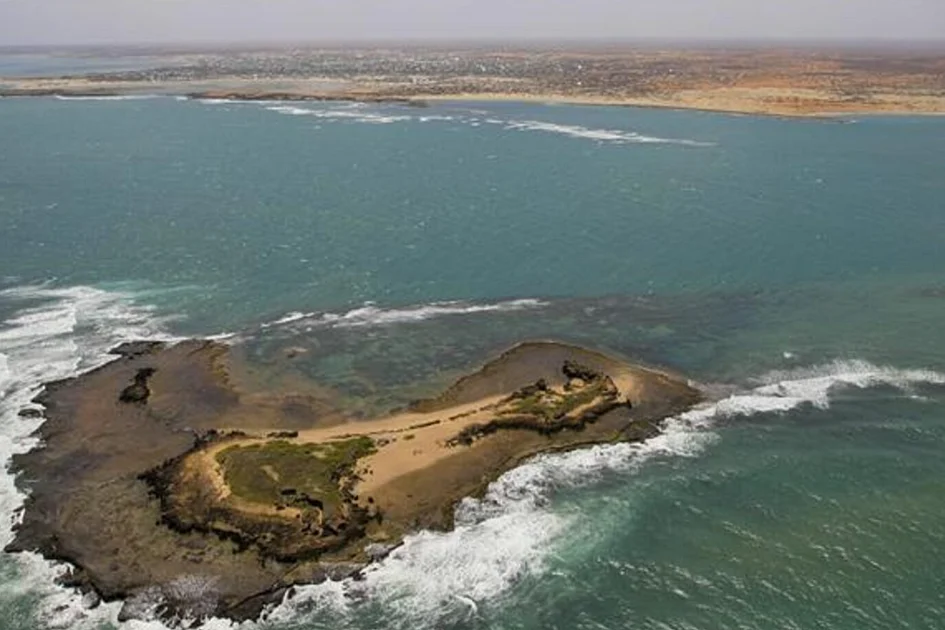
    This defense pact arrives approximately six weeks after Israel’s controversial recognition of Somaliland, the breakaway region that declared independence from Somalia in 1991. Mogadishu maintains that Somaliland remains under its jurisdiction, making the timing of this Saudi agreement particularly noteworthy.

    Somalia’s strategic significance cannot be overstated, positioned along critical maritime trade routes connecting the Indian Ocean to the Suez Canal, making it a focal point for Gulf states seeking to expand their regional influence. The agreement represents Saudi Arabia’s continued engagement in East African security dynamics and reflects the kingdom’s broader strategic interests in the Horn of Africa.

    Prince Khalid Bin Salman indicated through social media that several agreements were signed during the military exhibition, though he provided no additional specifics regarding their nature or scope. The development occurs alongside other Saudi regional initiatives, including infrastructure projects in Syria and various bilateral arrangements with neighboring countries.