博客

  • India’s migratory beekeepers and their hives follow the flowers to make the honey flow

    India’s migratory beekeepers and their hives follow the flowers to make the honey flow

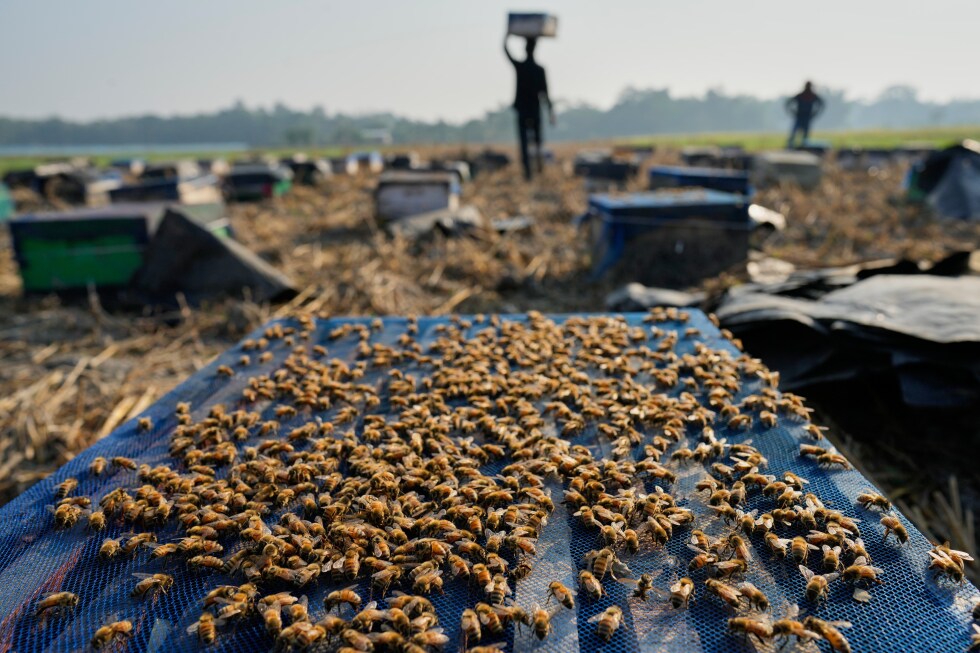
    In the vibrant mustard fields of Assam, migratory beekeepers from distant regions begin their days before sunrise, embarking on a demanding seasonal occupation that sustains their families. These apiarists transport their wooden bee boxes across India, following floral blooms to support agricultural pollination while harvesting golden honeycombs destined for international markets.

    The practice represents a growing economic opportunity in northeastern India, where both local and migratory beekeepers are responding to increasing global honey demand. However, their livelihood faces mounting pressures from climate disruptions—intensifying monsoons, extreme heatwaves, and unpredictable rainfall patterns that directly impact bee behavior and nectar availability.

    Scientific research from Assam Agricultural University reveals concerning trends: the region now experiences over 20 additional heat-wave days annually compared to a decade ago, with average temperatures rising approximately 2°C. These changes have significantly reduced honey production, forcing bees to remain sheltered during excessive heat or rainfall.

    The ecological challenges extend beyond weather patterns. Native bee species face habitat destruction from infrastructure development, while the introduction of Western honeybees by migratory keepers creates potential competition with indigenous species. Despite these pressures, conservation programs promote sustainable beekeeping practices, particularly among small-scale farmers below the poverty line.

    Organizations like Under the Mango Tree Society provide training in climate-resilient beekeeping techniques, helping farmers diversify income through honey production while enhancing crop pollination. Government subsidies for beekeeping equipment further support the industry’s adaptation to changing environmental conditions.

    Experts cautiously optimistic about the future of beekeeping in Assam acknowledge the challenges but emphasize the sector’s resilience. As one researcher noted, while production may fluctuate, the symbiotic relationship between beekeepers, their colonies, and agricultural systems will likely endure despite climate uncertainties.

  • Egypt’s El-Sisi visits UAE, tours Mohamed bin Zayed University of Artificial Intelligence

    Egypt’s El-Sisi visits UAE, tours Mohamed bin Zayed University of Artificial Intelligence

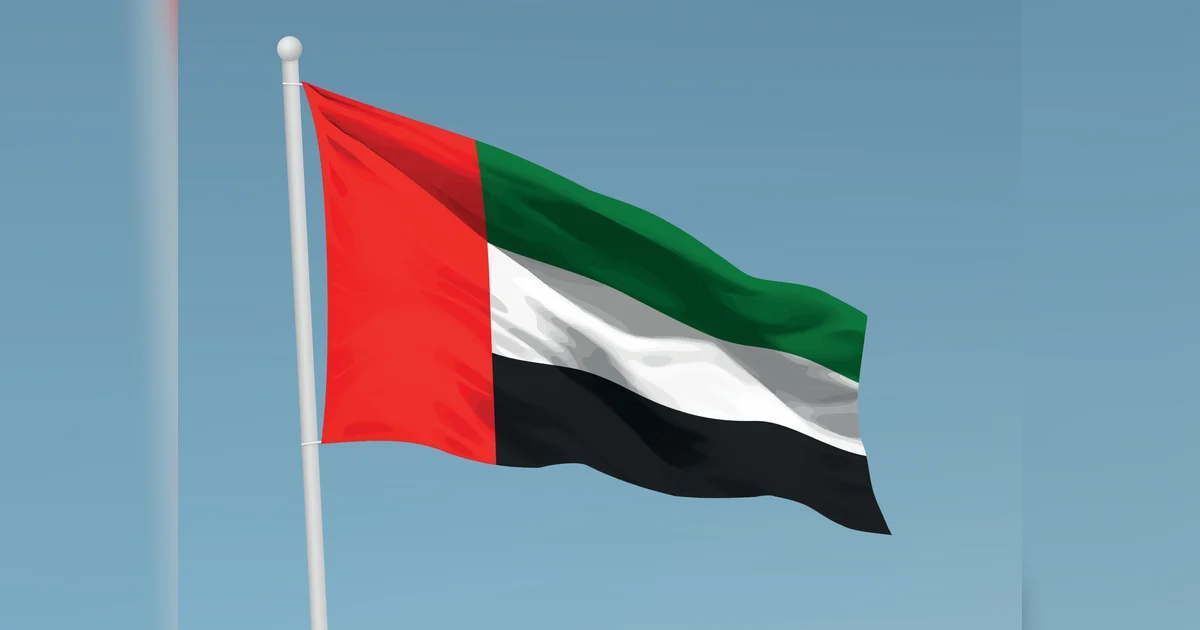
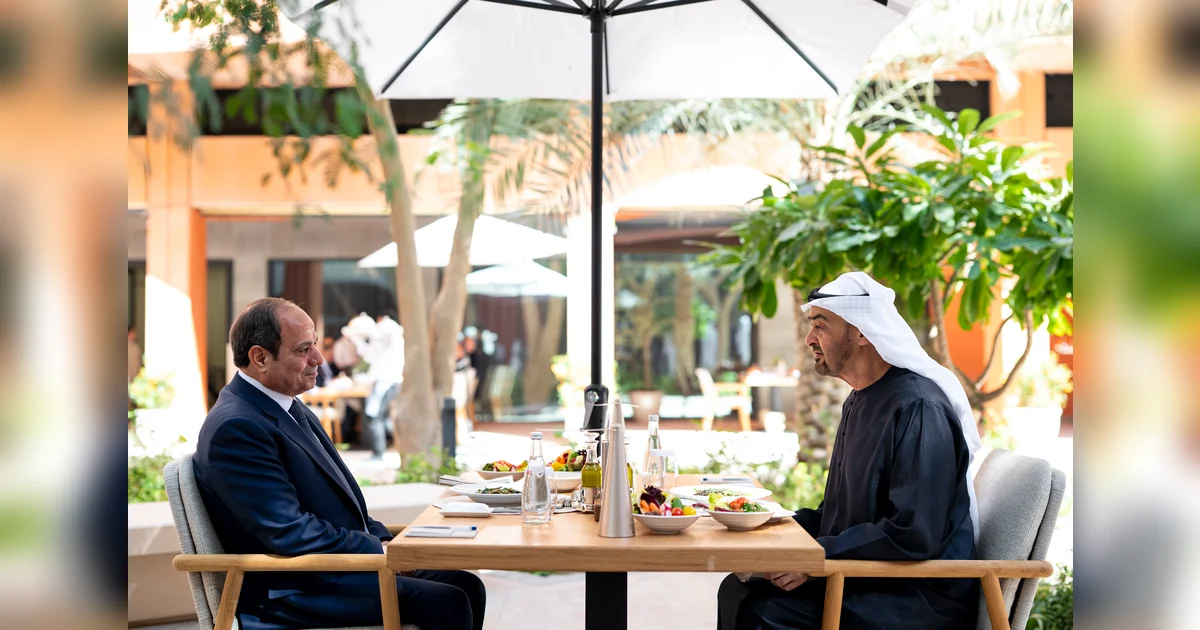
    In a significant diplomatic engagement, UAE President Sheikh Mohamed bin Zayed Al Nahyan hosted Egyptian President Abdel Fattah El-Sisi for high-level talks in Abu Dhabi on February 9, 2026. The meeting underscored the deepening fraternal relations between the two Arab nations and their shared commitment to regional stability.

    The leaders conducted comprehensive discussions covering bilateral cooperation across multiple sectors, with particular emphasis on development initiatives aligning with both nations’ strategic ambitions. The dialogue extended to critical regional concerns, especially the ongoing situation in the Middle East.

    Both leaders emphasized the urgent implementation of ceasefire agreements in Gaza and stressed the necessity of ensuring unimpeded humanitarian aid delivery to alleviate civilian suffering. They reiterated their firm support for a two-state solution as the foundation for achieving comprehensive and just peace in the region.

    A highlight of President El-Sisi’s visit included an extensive tour of the Mohamed bin Zayed University of Artificial Intelligence, where he received detailed briefings on the institution’s cutting-edge facilities and academic programs. The Egyptian leader examined how the university’s advancements in AI and advanced technology contribute to the UAE’s long-term development vision.

    The summit concluded with mutual reaffirmations of continued consultation and close coordination between the two nations to promote regional peace, stability, and prosperity. President El-Sisi departed from Abu Dhabi’s Presidential Airport following ceremonial farewell proceedings hosted by the UAE leadership.

  • US held secret meeting between Algeria, Morocco and Mauritania over Western Sahara

    US held secret meeting between Algeria, Morocco and Mauritania over Western Sahara

    In a significant diplomatic development, the United States convened clandestine negotiations between key stakeholders in the long-standing Western Sahara conflict at its embassy in Madrid. High-level delegations from Morocco, Mauritania, Algeria, and the Polisario Front gathered under American supervision on Sunday, marking a notable escalation of U.S. involvement in the regional dispute.

    The discussions, facilitated by Donald Trump’s African affairs adviser Massad Boulos and UN Ambassador Michael Waltz, focused on Morocco’s autonomy proposal for Western Sahara – a plan previously endorsed by the UN Security Council but rejected by the Sahrawi independence movement. The Polisario Front maintains its demand for a self-determination referendum as outlined in historical UN resolutions, while the U.S. administration has explicitly ruled out independence options.

    This meeting represents the second phase of negotiations initiated in Washington during late January, with proceedings intended to remain confidential until revealed by investigative journalist Ignacio Cembrero. According to reports, American diplomats requested substantial revisions to Morocco’s initial autonomy proposal, resulting in an expanded 40-page document forming the basis for current discussions.

    The geopolitical context surrounding these talks reveals complex international dynamics. Morocco stands as Africa’s primary purchaser of American military equipment with $8.5 billion in contracts anticipated for 2025, while the U.S. previously recognized Moroccan sovereignty over Western Sahara in exchange for Morocco establishing formal diplomatic relations with Israel. European powers including Spain and France have subsequently endorsed Morocco’s autonomy plan, further isolating the Polisario position.

    Human rights concerns persist in the background, with reports of repression against Sahrawi activists in Moroccan-controlled territories and challenging living conditions for refugees in Algerian camps. The territory remains listed by the UN as Non-Self-Governing, often described as Africa’s last colony due to its unresolved status since the 1975 invasion following Spain’s withdrawal.

    Algeria’s participation in these U.S.-brokered talks signals potential diplomatic shifts, as the nation has historically supported the Polisario Front. This development, combined with increased American engagement described as an ‘absolute priority’ by U.S. officials, suggests potential movement toward resolving one of Africa’s most protracted territorial disputes.

  • UAE strongly condemns targeting of World Food Programme convoy in Sudan

    UAE strongly condemns targeting of World Food Programme convoy in Sudan

    The United Arab Emirates has issued a forceful condemnation of the deadly assault on a World Food Programme humanitarian convoy in North Kordofan, Sudan, labeling the incident a grave breach of international humanitarian law. The attack resulted in multiple casualties among aid workers and local populations.

    In an official statement released by the Ministry of Foreign Affairs (MoFA), the Emirates government emphasized the critical necessity of safeguarding humanitarian and relief personnel operating in conflict zones. The ministry articulated a firm position against the weaponization of humanitarian assistance, stressing that such aid must remain free from political manipulation.

    The UAE reiterated its call for an immediate cessation of hostilities in Sudan, advocating for unimpeded humanitarian access to affected regions. Furthermore, the statement outlined support for a civilian-led transition process that operates independently from both warring factions and extremist elements.

    Demonstrating its commitment to practical support, the UAE highlighted its recent pledge of $500 million in humanitarian assistance aimed at addressing urgent needs within Sudan. This financial commitment complements the nation’s diplomatic efforts to foster stability and security for the Sudanese people.

    The Ministry reaffirmed the UAE’s consistent engagement in peace-building initiatives and its dedication to collaborative international action to alleviate the severe humanitarian crisis unfolding in Sudan.

  • Pen-sized electric syringe could mean less pain, faster recovery for cancer patients in UAE

    Pen-sized electric syringe could mean less pain, faster recovery for cancer patients in UAE

    A groundbreaking medical device resembling a writing instrument is poised to transform therapeutic experiences for cancer patients and individuals with diabetic retinopathy across the United Arab Emirates. The innovative ‘aDose Core’ system, developed through advanced engineering research, represents a paradigm shift in targeted drug delivery methodologies.

    This next-generation electro-osmotic pump technology utilizes electrical current to administer ultra-micro doses of medication with unprecedented precision, bypassing traditional bloodstream flooding approaches. The core mechanism operates through a patented ceramic component invented by Japanese scientist Dr. Mamoru Hirafuji, where electrical polarity controls bidirectional fluid movement at nanoliter levels.

    According to Abhishek Choudhary, India Business Manager at atDose Co., Ltd, the technology’s revolutionary nature stems from its departure from mechanical pressure systems. “Unlike conventional syringes that depend on manual force and needle dimensions,” Choudhary explained to Khaleej Times, “this system enables pure voltage-controlled dosage administration, achieving up to 0.05 microliters of drug delivery.”

    The clinical implications are particularly significant for oncology treatments, where direct tumor-site medication administration could dramatically reduce chemotherapy side effects and patient discomfort. Similarly, ophthalmology stands to benefit enormously, with the device capable of delivering therapeutics directly to retinal tissues using ultra-fine needles—a previously unattainable medical achievement.

    The UAE’s substantial investments in oncology and specialized eye care infrastructure position the nation as an ideal adoption market for this technology. Current prototyping focuses on breast cancer applications, with future iterations anticipated to incorporate advanced chips, enhanced reservoir systems, and potential battery-powered functionality.

    Notably, the system maintains compatibility with existing needle designs while featuring a detachable architecture that permits partial sterilization. This thoughtful design approach underscores the technology’s practical orientation toward addressing genuine unmet medical needs rather than simply replacing conventional syringes.

  • Kokomo Murase wins gold in women’s big air, extending Japan’s snowboarding success at the Olympics

    Kokomo Murase wins gold in women’s big air, extending Japan’s snowboarding success at the Olympics

    LIVIGNO, Italy — Japanese snowboarder Kokomo Murase captured Olympic gold in a spectacular women’s big air final on Monday, demonstrating Japan’s growing dominance in snowboarding sports. The victory came just two days after Japanese athletes secured gold and silver in the men’s event.

    Murase had already guaranteed herself at least a bronze medal at the Milan Cortina Games when she executed a daring final jump that propelled her to the top of the standings. This gold medal adds to her bronze from the same event at the 2022 Beijing Olympics, marking significant career progression for the young athlete.

    New Zealand’s Zoi Sadowski-Synnott claimed silver, repeating her performance from the previous Winter Games. She had been positioned to take gold until Murase’s impressive penultimate jump shifted the competition dynamics. South Korea’s eighteen-year-old Seung-eun Yu secured bronze despite falling on her final landing attempt.

    Japan’s snowboarding prowess was further highlighted by their qualification of four riders in both the men’s and women’s 12-person finals—more than any other nation. Additional medals may be forthcoming for Japan with Murase set to compete in snowboarding slopestyle and Ayumu Hirano defending his men’s halfpipe gold.

    The competition also marked the end of an era as two-time defending champion Anna Gasser of Austria finished eighth, failing in her bid to become the first snowboarder to win three consecutive Olympic gold medals. The 34-year-old acknowledged the sport’s rapid progression, noting that tricks which earned gold in 2022 would now barely qualify for finals.

    The event showcased extraordinary athletic advancement with Murase, Sadowski-Synnott, and Yu all performing jumps featuring 1440 degrees of rotation. Gasser reflected on the sport’s evolution, stating: ‘Women’s snowboarding has been progressing every year. If you stop progressing, you’re gone.’

    Following the awards ceremony, Sadowski-Synnott received a traditional haka tribute from her New Zealand team. The silver medal represents her third Olympic medal in big air, adding to her historic achievement as New Zealand’s first Winter Games gold medalist in 2022.

  • Hundreds dead in RSF-run prison in Sudan’s North Darfur

    Hundreds dead in RSF-run prison in Sudan’s North Darfur

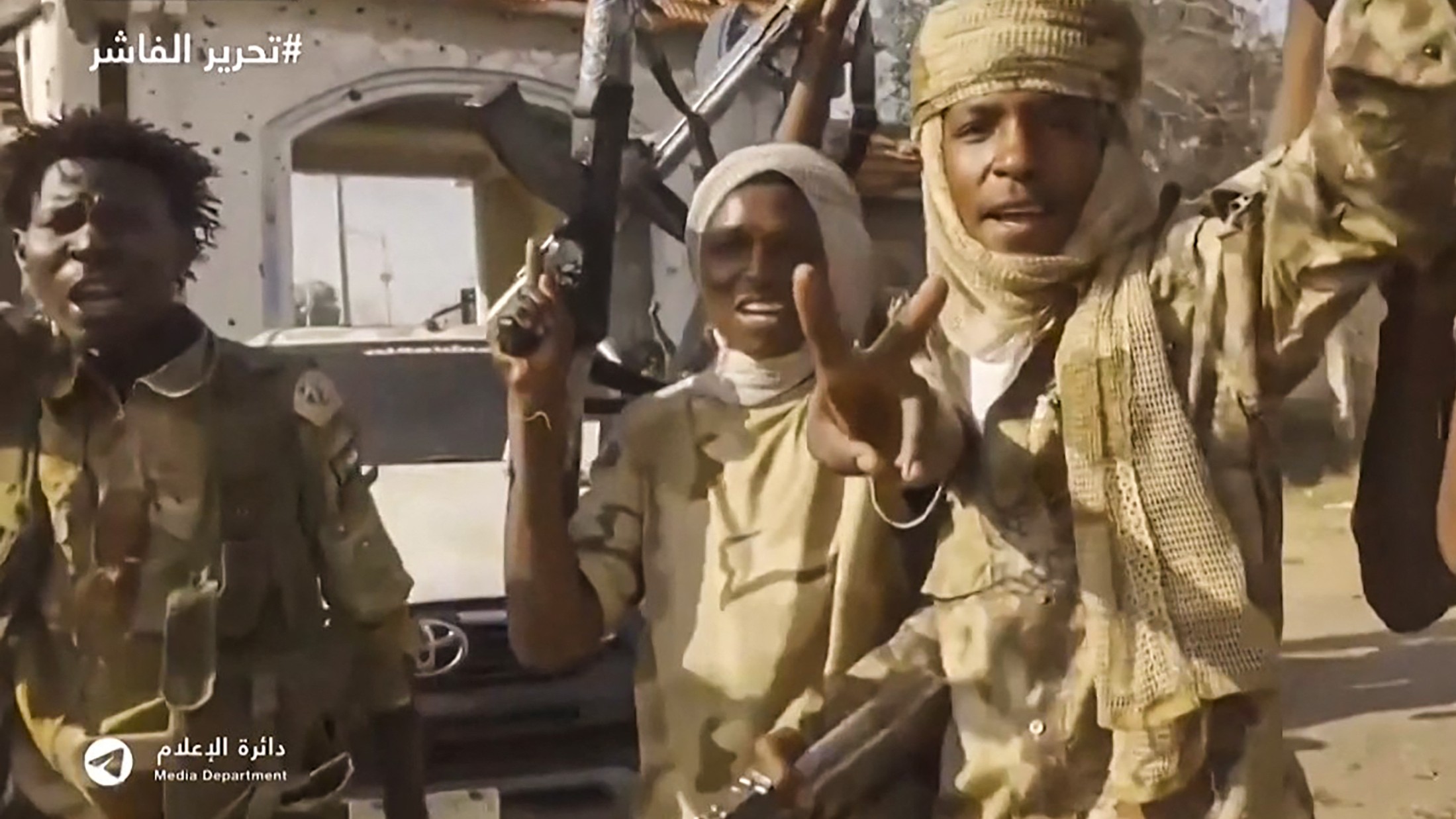
    A humanitarian catastrophe is unfolding within a Sudanese prison controlled by the Rapid Support Forces (RSF) paramilitary group, where over 300 detainees have perished in just two months due to severe neglect and brutal conditions. The Shala prison, located southwest of el-Fasher in North Darfur, has become a focal point of alleged war crimes and human rights violations.

    According to local monitoring groups, the deaths resulted from rapidly deteriorating health conditions and the systematic denial of basic medical treatment. The facility, which came under RSF control in late October, currently holds approximately 9,000 civilians in what witnesses describe as inhumane conditions.

    The crisis has been exacerbated by a major cholera outbreak within the prison walls, claiming up to ten lives weekly. The volunteer-run Popular Resistance group in Sudan reports that inadequate medical care has led to severe infection outbreaks, particularly among civilians already injured by shelling attacks.

    Disturbing practices include leaving deceased prisoners’ bodies in cells alongside living detainees for extended periods. These alleged abuses form part of a broader pattern of severe human rights violations attributed to RSF forces.

    The situation in el-Fasher itself remains dire since the RSF overran the city in October following a 550-day siege. Medical charity Doctors Without Borders reported earlier this month that the city was ‘largely destroyed’ with ‘few civilians remaining.’ Eyewitness accounts describe widespread executions, rape, and looting by RSF fighters against civilian populations.

    Additional atrocities include targeted violence against people with disabilities and the trapping of large groups in trenches before opening fire. Before the RSF takeover, el-Fasher hosted approximately 260,000 residents. The UN’s World Food Programme now estimates only 70,000-100,000 civilians remain trapped within the devastated city.

  • Serena Williams can return from 22 February – but will she?

    Serena Williams can return from 22 February – but will she?

    Tennis legend Serena Williams has officially been granted eligibility to return to professional competition starting Sunday, 22 February, according to the International Tennis Integrity Agency (ITIA). The agency confirmed to BBC Sport that Williams’ name appeared on its Monday reinstatements list, formally clearing the path for tournament participation.

    The development follows standard protocol requiring retired athletes to undergo at least six months of out-of-competition drug testing before returning to sanctioned events. The ITIA had previously confirmed in December that the 44-year-old had re-entered the registered testing pool, which mandates daily one-hour location availability for testers.

    Despite this administrative clearance, the 23-time Grand Slam singles champion remains noncommittal about an actual competitive return. Williams abruptly ended her storied career at the 2022 US Open, carefully avoiding the term ‘retirement’ in favor of ‘evolving away’ from tennis.

    The ambiguity surrounding her intentions has fueled persistent speculation. In a recent social media post, Williams explicitly stated ‘I’m NOT coming back,’ while subsequently offering contradictory comments during a January television appearance. When pressed by Today Show interviewer Savannah Guthrie about a potential comeback, Williams responded cryptically: ‘I don’t know, I’m just going to see what happens.’

    Williams’ recent public profile has included discussions about weight-loss medications, including a commercial appearance during Sunday’s Super Bowl broadcast. Her legendary career includes seven Wimbledon titles, seven Australian Opens, three French Opens, and six US Open victories – the most major singles titles by any woman in the Open era. She and sister Venus also collected 14 Grand Slam doubles titles and three Olympic gold medals during their remarkable partnership.

  • Visually impaired student’s rail journey goes viral

    Visually impaired student’s rail journey goes viral

    A profoundly moving display of human compassion has captured national attention after a visually impaired university student’s railway journey home became a viral sensation. The story of Li Yijin’s trip from Guangzhou to Wuhan has inspired millions with its demonstration of collective kindness during China’s massive Spring Festival travel period.

    Li’s meticulously coordinated journey began on January 26th at Guangzhou Baiyun Station, where she had pre-arranged special assistance services. The chain of compassion started when her taxi driver, recognizing her mobility challenges, proactively contacted station police upon arrival. This initiated what would become a remarkable relay of care involving more than ten individuals including law enforcement officers and railway staff.

    The surveillance footage that subsequently went viral shows station staff member Bi Yujia waiting at the real-name verification area to receive Li from the police officer. Multiple employees then assisted her through security checks and boarding procedures in a seamless operation. In one particularly touching moment captured on video, Bi gently placed Li’s hand on the train conductor’s shoulder with instructions to ensure her continued care during the journey.

    Throughout the approximately four-hour trip aboard the G416 high-speed train, Li received additional support from fellow passengers and railway employees. Her consistent gratitude became a notable feature of the journey, with attentive viewers counting 97 expressions of thanks from the appreciative student.

    The story reached its emotional climax when Li safely arrived at Wuhan Station at 7:44 PM, completing her journey home. She later shared a three-minute video compilation of her experience on social media, where it quickly amassed widespread praise and positive engagement.

    This incident highlights the extensive special needs assistance programs operating during China’s Spring Festival travel rush. Guangzhou Baiyun Station alone has provided support to over 1,900 passengers requiring special assistance since the beginning of the travel period, demonstrating the scale of these compassionate services.

  • How this robotic glove offers hope for UAE stroke survivors, kids with cerebral palsy

    How this robotic glove offers hope for UAE stroke survivors, kids with cerebral palsy

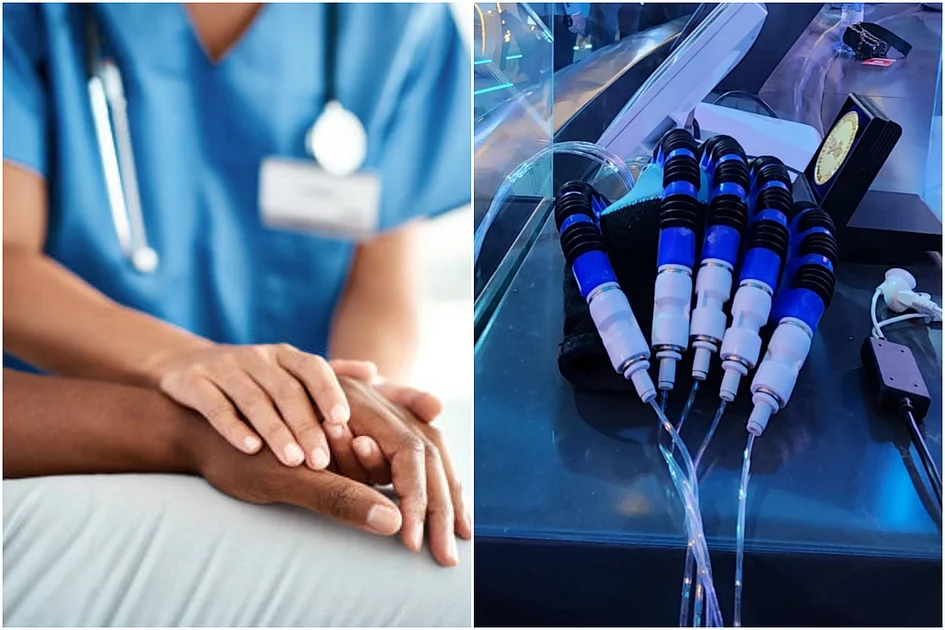
    A groundbreaking soft robotic glove, weighing approximately 300 grams—equivalent to three eggs—is transforming rehabilitation for neurological patients across the UAE. The HandTasker Rehabilitation Hand, originally developed in Hong Kong, represents a significant advancement in neurorehabilitation technology for both adult stroke survivors and children with cerebral palsy.

    This innovative device operates by detecting and amplifying faint brainwaves and muscle signals, translating them into physical movement through its robotic mechanism. Professor Raymond KY Tong, founding chairman of the Department of Biomedical Engineering, explained during the World Health Expo in Expo City that the technology essentially retrains neural pathways. “For patients who have lost movement ability due to stroke, this device helps retrain the brain and restore motor function,” he stated.

    The rehabilitation process involves repeated sessions where the glove assists patients in performing hand movements. After approximately ten sessions, the brain begins forming new neural pathways that bypass damaged tissue, ultimately enabling regained hand function. This neuroplasticity-based approach offers particular significance in the UAE, where families frequently seek advanced rehabilitation options for neurological conditions.

    The developers have created a specialized pediatric version featuring smaller sizing, softer joints, and additional padding for comfort. This adaptation has already been implemented in Asian special schools, with children as young as three years old successfully using the technology. For younger patients, the device incorporates gamification elements, allowing children to practice gripping objects, writing, or holding toys while making therapy engaging and enjoyable.

    The glove’s practical design enables quick setup—approximately one minute for fitting and another minute for software calibration—allowing immediate commencement of therapy sessions. Its waterproof, soft material ensures both hygiene and comfort during regular use.

    Unlike permanent medical devices, HandTasker functions primarily as a training tool, with most patients requiring it for only one to two months. This temporary usage reduces long-term costs and increases accessibility through rehabilitation centers rather than individual purchases.

    Clinical trials in Hong Kong have demonstrated promising outcomes, with over 40 hospitals and centers currently utilizing the technology. Studies indicate approximately 80% of patients show measurable improvement in hand function following the rehabilitation program. The UAE introduction marks a significant expansion of this technology into Middle Eastern healthcare markets, potentially benefiting thousands of patients across the region.