博客

  • Egypt says it’s ready to send aid, receive wounded once Rafah crossing reopens

    Egypt says it’s ready to send aid, receive wounded once Rafah crossing reopens

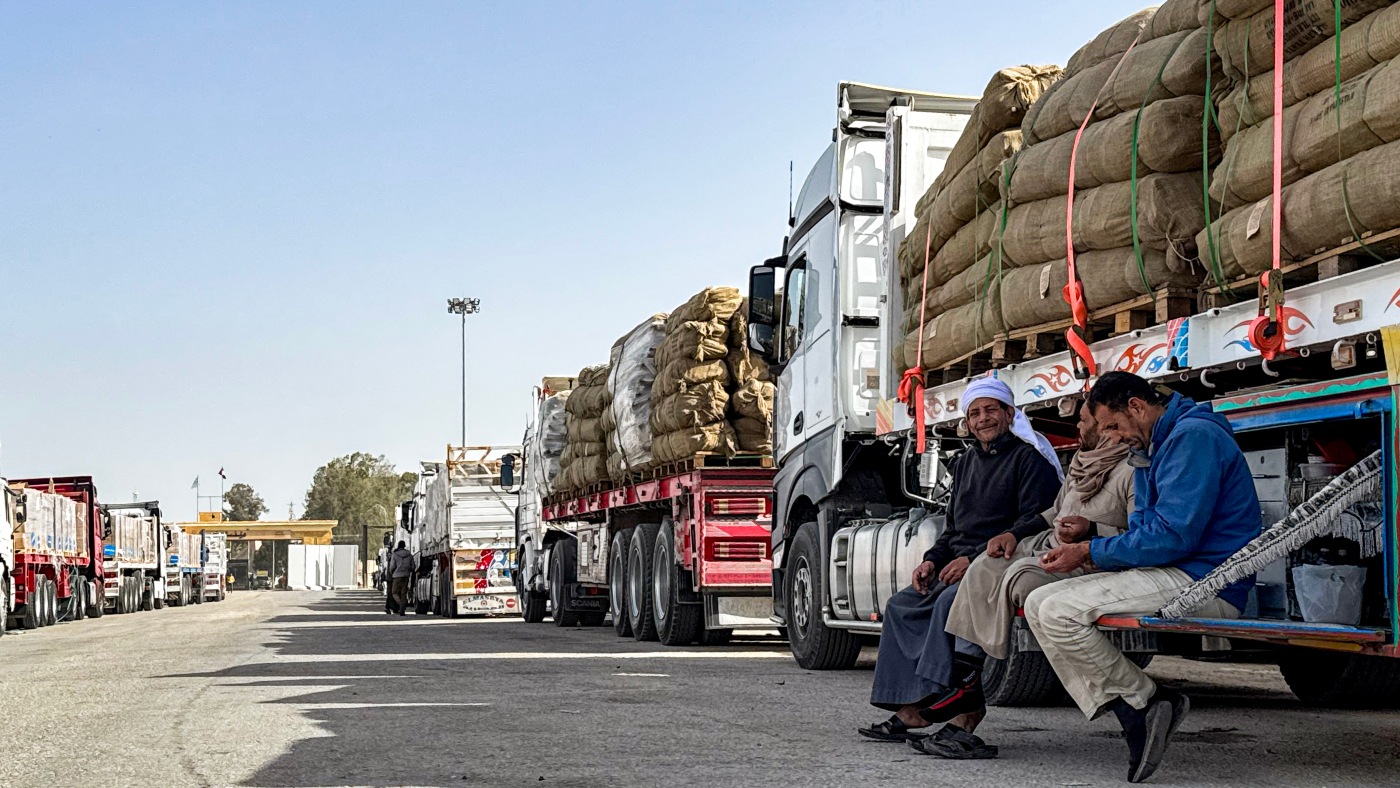
    Egyptian officials have declared complete operational readiness to facilitate humanitarian assistance into Gaza and receive wounded Palestinians, contingent upon Israel’s reopening of the Rafah border crossing. The critical passage has remained sealed since May 2024 despite ceasefire agreements mandating its operation.

    According to reports from Israel’s state broadcaster KAN, the border crossing is anticipated to resume bidirectional operations on February 1st. North Sinai Governor Khaled Mujawir confirmed in a televised statement that Egyptian authorities have maintained full preparedness on their side of the border. “We are 100 percent ready for the entry of aid and for receiving the wounded from the Gaza Strip,” Mujawir stated, emphasizing that crisis management teams are developing multiple contingency plans for aid distribution.

    The current situation stems from an October agreement between Israel and Hamas that outlined a phased approach to ending hostilities and easing humanitarian restrictions. The first phase required the return of all Israeli captives and the reopening of Rafah crossing for aid delivery. While the Palestinian side fulfilled its obligation with the recent recovery and return of the final Israeli captive, Ran Gvili, Israel has maintained the border closure in violation of the accord.

    Compounding the humanitarian crisis, Israeli forces recently demolished the headquarters of UNRWA (United Nations Relief and Works Agency) in occupied East Jerusalem. This agency serves as the primary support system for approximately 5.9 million Palestinian refugees across the region. The demolition followed Israeli legislation passed last year banning the organization’s operations.

    Despite the theoretical progression to a second ceasefire phase, UN aid coordination officials emphasize that Gaza’s humanitarian catastrophe remains severe. Gaza’s Government Media Office has documented over 1,300 ceasefire violations by Israeli forces, including 200 structural demolitions, 430 incidents of gunfire targeting civilians, 66 incursions into residential zones, and more than 600 strikes.

    The Gaza Health Ministry reports that Israeli forces have killed 488 Palestinians since the ceasefire began, with injuries totaling 1,321. Overall casualty figures from the conflict that commenced in October 2023 exceed 71,667 Palestinians killed, including at least 20,179 children, with thousands more missing and presumed dead.

  • Xi calls on China, Britain to jointly advocate, practice true multilateralism

    Xi calls on China, Britain to jointly advocate, practice true multilateralism

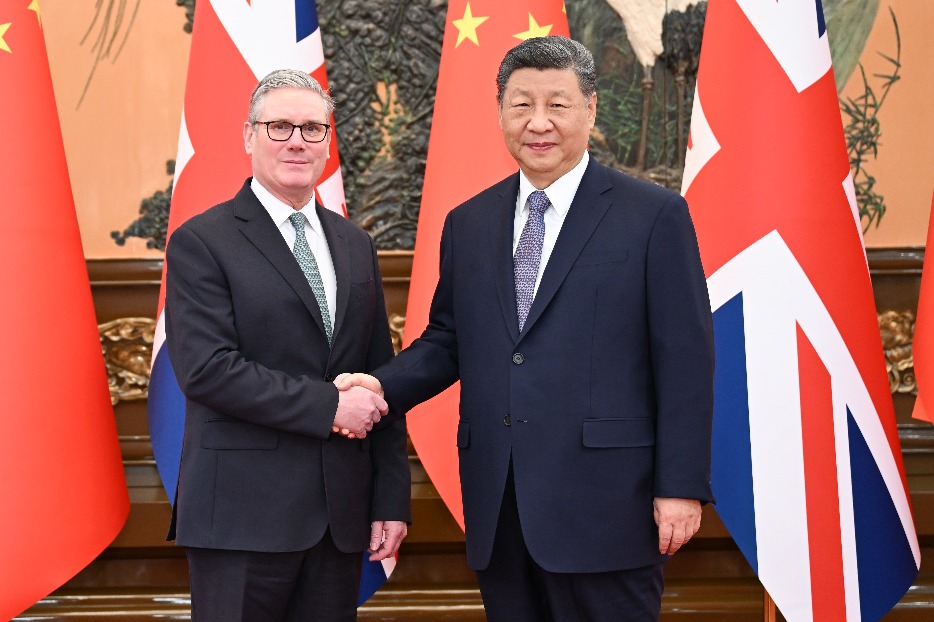
    In a significant diplomatic engagement at Beijing’s Great Hall of the People on January 29, 2026, Chinese President Xi Jinping held substantive talks with visiting British Prime Minister Keir Starmer, emphasizing the critical importance of authentic multilateral cooperation between their nations.

    President Xi articulated that as two major global powers with established commitments to multilateral frameworks and free trade principles, China and Britain bear special responsibility in advancing genuine international collaboration. The Chinese leader underscored that multilateral systems can only maintain effectiveness when all nations, particularly major powers, demonstrate consistent adherence to established international laws and norms.

    ‘The integrity of international law depends entirely on universal compliance,’ President Xi stated during the meeting. ‘When major countries lead by example in respecting these frameworks, we create stability. Without such leadership, we risk reverting to a destructive ‘law of the jungle’ paradigm that benefits no nation.’

    The discussions between the two leaders covered broad aspects of the China-UK relationship, with both expressing commitment to strengthening bilateral ties through constructive dialogue and mutual respect. The meeting marked Prime Minister Starmer’s first official visit to China since assuming office, representing a significant moment in contemporary Sino-British relations.

    Observers noted that the emphasis on ‘true multilateralism’ reflects both nations’ interest in maintaining a rules-based international order amid global challenges. The leadership meeting signals potential for enhanced cooperation between China and Britain on multilateral platforms including trade, climate action, and global security matters.

  • Pakistan becomes latest Asian country to introduce checks for deadly Nipah virus

    Pakistan becomes latest Asian country to introduce checks for deadly Nipah virus

    Pakistan has initiated comprehensive health screening protocols at all entry points following confirmed Nipah virus cases in India, joining multiple Asian nations in implementing enhanced border controls. The Border Health Services department mandated thermal scanning and clinical assessments for all travelers entering through seaports, land borders, and airports, requiring 21-day transit history declarations to identify potential exposure risks.

    The Nipah virus, recognized by the World Health Organization as a priority pathogen, presents significant public health challenges with its high mortality rate ranging from 40% to 75%. The virus primarily transmits from infected fruit bats to humans, causing severe fever and encephalitis, though human-to-human transmission requires prolonged close contact. No vaccine currently exists for the infection.

    This health security measure comes despite limited travel connectivity between Pakistan and India, particularly following recent geopolitical tensions. Vietnam has simultaneously reinforced screening procedures at Noi Bai International Airport in Hanoi, with specific focus on passengers originating from India’s West Bengal region where two healthcare workers tested positive in late December.

    According to global health data, Nipah virus has caused 750 confirmed infections and 415 fatalities worldwide as of December 2025. The virus was first identified during a 1998 outbreak in Malaysia and Singapore among pig farmers, though scientific evidence suggests the pathogen has circulated in fruit bat populations for millennia. India’s Kerala state remains one of the world’s highest-risk regions for Nipah infections, with the country regularly reporting sporadic cases.

  • Discovery through dialogue: Chinese and US students exchange ideas for the future

    Discovery through dialogue: Chinese and US students exchange ideas for the future

    In a groundbreaking cross-cultural exchange, Generation Z scholars from premier academic institutions in China and the United States recently convened for an unprecedented dialogue session. The event, documented on January 29, 2026, revealed remarkable insights into how young leaders from the world’s two largest economies perceive one another and envision collaborative futures.

    The gathering brought together students representing elite universities from both nations, creating a dynamic forum for cultural and intellectual exchange. What began as casual conversations about daily life rapidly evolved into profound discussions about global challenges and opportunities. Participants demonstrated exceptional ability to transcend cultural barriers, finding common ground in their aspirations for technological advancement, environmental sustainability, and global cooperation.

    Surprising commonalities emerged throughout the hours-long dialogue, particularly regarding digital innovation and climate action. The students identified parallel concerns about artificial intelligence ethics, renewable energy transition, and inclusive economic development. Their discussions revealed a shared commitment to building bridges rather than barriers, with many participants expressing frustration with geopolitical tensions that don’t reflect their generation’s desire for collaboration.

    The exchange demonstrated that despite different cultural backgrounds and educational systems, these future leaders maintain remarkably aligned visions for international cooperation. Their conversations progressed from initial cultural observations to substantive policy discussions, ultimately culminating in a collective blueprint for US-China collaboration on youth-led initiatives. The dialogue proved particularly significant given ongoing diplomatic challenges between the two nations, showing that next-generation leaders are already developing the relational foundations for future cooperation.

  • Legal setbacks against a dam in the Amazon raise questions about Brazil’s reliance on hydropower

    Legal setbacks against a dam in the Amazon raise questions about Brazil’s reliance on hydropower

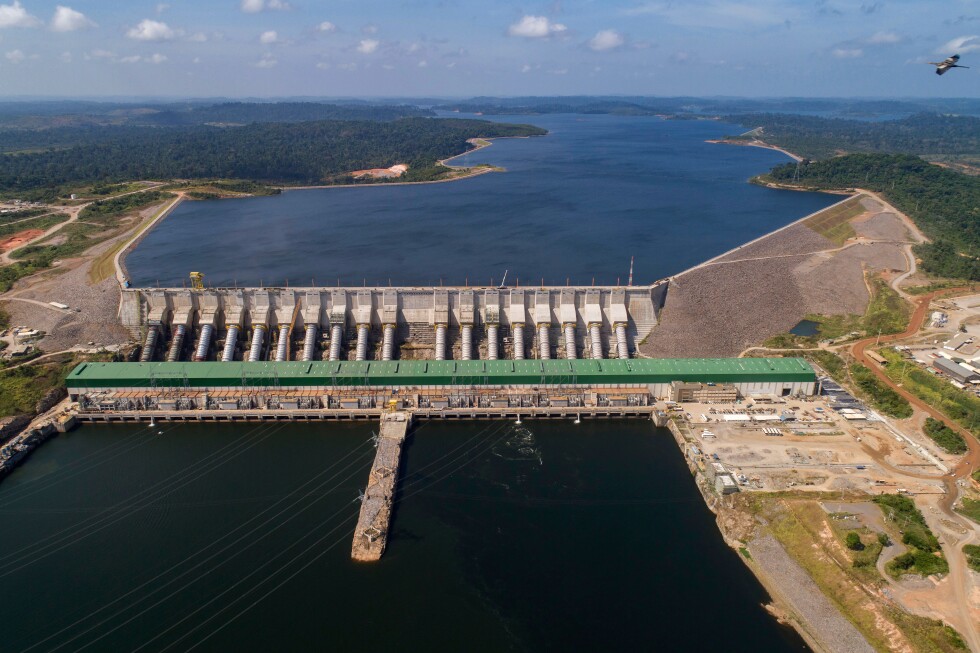
    A decade after commencing operations, Brazil’s Belo Monte hydroelectric facility—ranking among the world’s largest hydropower plants—stands at the center of mounting legal challenges and environmental controversies. Brazilian courts have determined that the project has failed to uphold its fundamental commitment to protect local ecosystems and Indigenous communities along the Xingu River, despite explicit conditions set during its approval process.

    Originally conceived during Brazil’s military dictatorship in the 1970s, the Belo Monte project gained momentum during President Luiz Inácio Lula da Silva’s second term, eventually becoming operational in 2016. The facility was engineered with a unique design intended to minimize reservoir size and avoid flooding surrounding areas, currently supplying approximately 10% of Brazil’s electricity needs.

    However, recent judicial findings reveal the project’s environmental and social impacts have substantially exceeded initial projections. The Brazilian Supreme Court has ordered the federal government to provide 19 million reais ($3.6 million) in compensation to affected Indigenous communities. Separate rulings have compelled Norte Energia, the dam’s operator, to provide clean water to communities whose natural water sources have depleted and to reassess water diversion practices that could potentially reduce power generation capacity.

    Indigenous communities, particularly the Juruna people, report catastrophic ecological consequences since the dam’s activation. They describe massive fish die-offs, severely restricted river navigation, and fundamental disruptions to their traditional way of life. Their diet has shifted from protein-rich fish to processed foods, while psychological trauma has become widespread among community members.

    Scientific monitoring conducted through an innovative partnership between Indigenous groups and Brazilian research institutions has documented these impacts systematically. Daily data collection on water levels, groundwater conditions, and fish populations has provided crucial evidence demonstrating that Belo Monte’s effects far exceed what Norte Energia originally acknowledged.

    The controversy emerges as Brazil implements new legislation that will streamline approval processes for strategic infrastructure projects, reducing licensing timelines from 6-7 years to just 12 months. Environmental experts warn this accelerated approach may lead to reduced scrutiny of social and environmental impacts, potentially repeating Belo Monte’s problematic pattern across future developments.

    Energy security concerns complicate the situation, as Norte Energia contends that court-ordered modifications to water management could increase electricity prices and force greater reliance on carbon-intensive thermal power plants. Meanwhile, climate change intensifies the challenges, with worsening droughts already reducing the dam’s operational efficiency.

    Environmental advocates emphasize that Belo Monte represents a critical test case for Brazil’s infrastructure development approach in an era of climate change. They argue that true climate leadership requires not only deforestation control but also responsible infrastructure planning that rigorously addresses social and environmental consequences.

  • US ambassador warns of China’s growing manufacturing dominance

    US ambassador warns of China’s growing manufacturing dominance

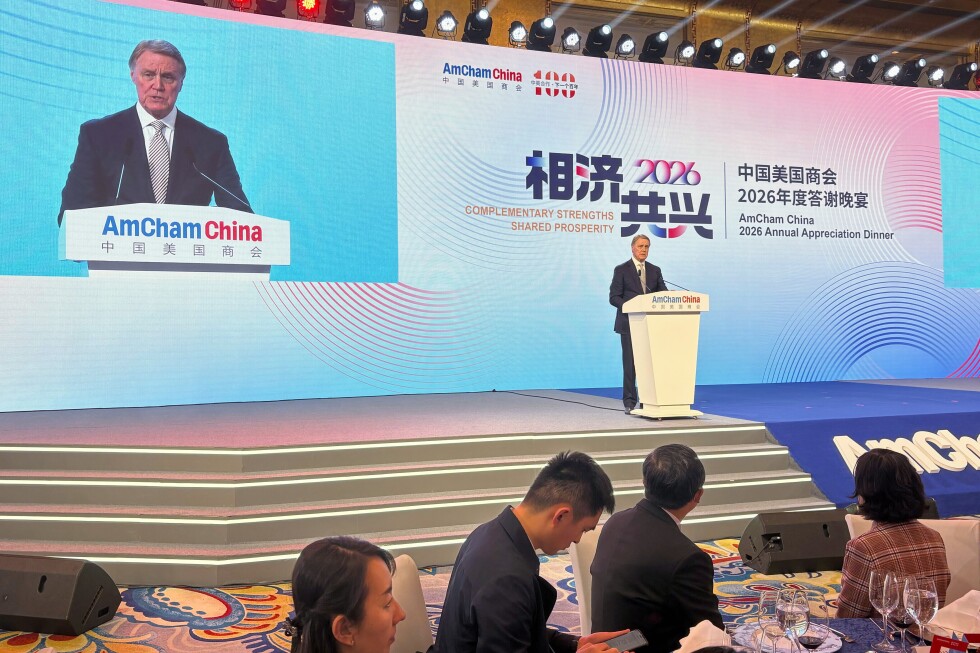
    In a significant address to business and government leaders in Beijing, U.S. Ambassador David Perdue articulated growing international concerns regarding China’s expanding manufacturing supremacy while advocating for equitable trade relations between the world’s two largest economies. Speaking at the American Chamber of Commerce in China’s annual gathering on Thursday, the Trump-appointed diplomat acknowledged China’s remarkable transformation into a global manufacturing powerhouse but emphasized the detrimental effects of its export policies on industrial sectors and employment worldwide.

    Ambassador Perdue’s remarks highlighted the fundamental tension in Sino-American economic relations, noting that while China has substantially benefited from international free trade agreements, American enterprises continue encountering substantial market access barriers within China. The ambassador explicitly stated that the United States seeks neither confrontation nor trade warfare but insists on establishing mutually beneficial, balanced commercial exchanges characterized by fairness and reciprocity.

    This diplomatic communication occurs against the backdrop of previously escalating tariff impositions, wherein both nations engaged in retaliatory trade measures that drove import duties to unprecedented levels before agreeing to successive temporary suspensions. The current détente follows the October agreement between President Trump and Chinese leader Xi Jinping during the Asia-Pacific nations summit in South Korea, which established a one-year pause in tariff escalations.

    Looking toward future diplomatic engagements, Perdue confirmed ongoing preparations for President Trump’s anticipated visit to China in 2026, concurrently revealing expectations for President Xi to undertake an official visit to the United States within the current year. While President Trump has previously suggested a potential April visit to China, both governments have maintained cautious ambiguity regarding specific dates, reflecting the complex nature of ongoing negotiations.

  • Photos: Sheikh Mohammed meets Pakistan President in UAE

    Photos: Sheikh Mohammed meets Pakistan President in UAE

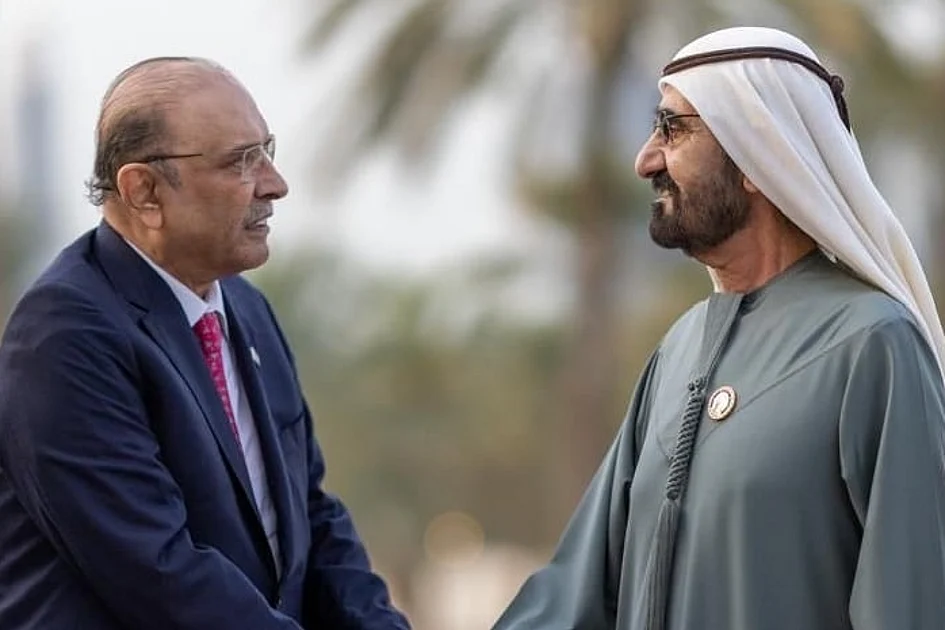
    In a significant diplomatic engagement, His Highness Sheikh Mohammed bin Rashid Al Maktoum, Vice President and Prime Minister of the UAE and Ruler of Dubai, held a high-profile meeting with President Asif Ali Zardari of Pakistan on January 29, 2026. The meeting, held at Qasr Al Watan in Abu Dhabi, marked a pivotal moment in UAE-Pakistan relations, focusing on strengthening strategic partnerships across multiple sectors.

    The leaders engaged in comprehensive discussions covering bilateral cooperation, economic partnerships, and regional stability. Key agenda items included enhancing trade relations, exploring new investment opportunities, and addressing mutual concerns in the South Asian and Middle Eastern regions. Both leaders emphasized the historical ties between their nations and expressed commitment to deepening collaboration in energy, infrastructure, and technology sectors.

    This high-level diplomatic engagement comes at a crucial time for both nations, with Pakistan seeking to bolster its economic partnerships amid regional challenges and the UAE continuing to expand its international diplomatic outreach. The meeting also addressed cultural exchanges and people-to-people connections, acknowledging the significant Pakistani diaspora contributing to the UAE’s development.

    The timing of this summit suggests both countries are prioritizing economic diplomacy, with particular attention to joint ventures in renewable energy and digital infrastructure development. The outcomes of this meeting are expected to influence not only bilateral relations but also regional economic dynamics in the coming years.

  • Ukraine receives 1,000 bodies in latest soldier swap with Russia

    Ukraine receives 1,000 bodies in latest soldier swap with Russia

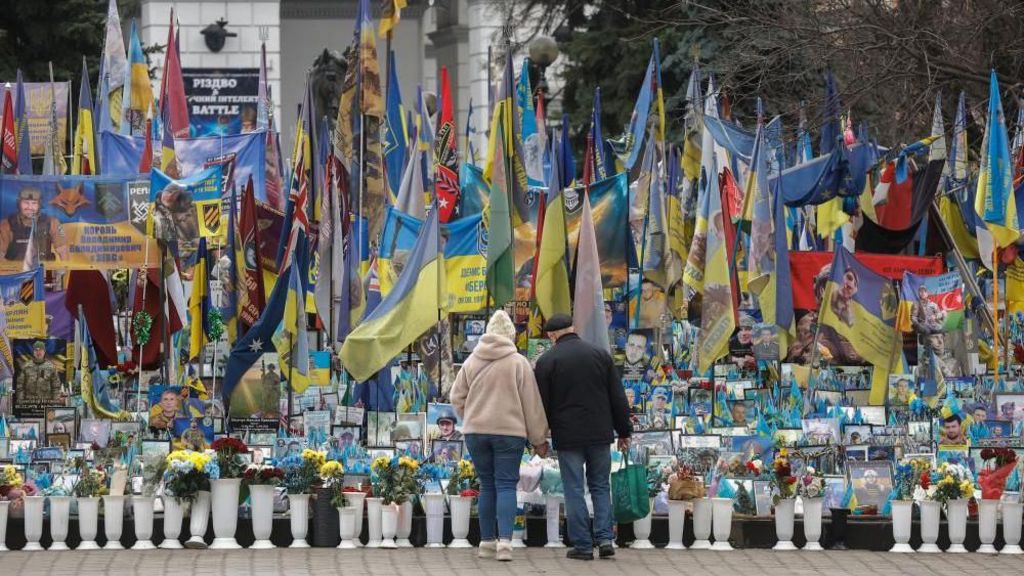
    In a significant humanitarian development within the ongoing Russo-Ukrainian conflict, Ukraine has confirmed the repatriation of 1,000 fallen soldiers’ remains from Russian territory. This solemn exchange represents the latest execution of a previously established agreement between the warring nations.

    Moscow’s chief negotiator Vladimir Medinsky verified that Russia received 38 bodies in return during this carefully coordinated operation. Documentary evidence shared on Telegram depicted personnel in full biohazard protective gear overseeing the transfer alongside refrigerated transport vehicles designated for the purpose.

    This repatriation initiative stems from the Istanbul negotiations conducted in 2025, where both parties committed to returning approximately 12,000 soldiers’ remains alongside specific categories of prisoners of war. The agreement specifically covers severely injured combatants, those afflicted with illness, and all personnel under age 25.

    The November 2023 exchange previously saw the return of 1,000 Ukrainian soldiers’ remains against 30 Russian counterparts. Notably, prisoner-of-war swaps have remained suspended since October 2025, with mutual accusations of procedural delays hampering further progress.

    These humanitarian developments occur against a backdrop of continued diplomatic engagement and persistent military confrontation. Recent trilateral discussions involving Russian, Ukrainian, and United States representatives convened in the United Arab Emirates—marking the first such meeting since hostilities commenced. While participants characterized the talks as constructive, fundamental disagreements regarding territorial sovereignty, particularly concerning the Donetsk region, remain unresolved.

    Concurrently, military operations persist with devastating civilian impact. A Tuesday drone assault on Kharkiv’s passenger train infrastructure resulted in at least five fatalities, underscoring the conflict’s ongoing brutality. Russia’s intensified targeting of critical energy infrastructure has additionally created widespread heating and power shortages during winter months, exacerbating the humanitarian crisis.

    As the fourth anniversary of the full-scale invasion approaches in February 2026, these parallel narratives of diplomatic engagement and military aggression continue to define Europe’s most significant armed conflict since World War II.

  • ‘I was certain I would die’: Man who visited every country without flying arrives in UAE

    ‘I was certain I would die’: Man who visited every country without flying arrives in UAE

    Danish explorer Thor Pedersen has achieved what no human in history has accomplished: visiting all 203 recognized countries entirely without aerial transportation. His extraordinary journey, which consumed nearly a decade of his life, culminated with his recent appearance at the Emirates Literature Festival in Dubai, where he shared the profound experiences that transformed his perspective on humanity and survival.

    Pedersen’s initial four-year projection stretched into an epic nine-year, nine-month, and sixteen-day odyssey that tested his physical and psychological limits. The adventurer confronted multiple life-threatening situations, including armed confrontations in Central Africa, battles with cerebral malaria, and maritime disasters that claimed lives. His remarkable resilience was matched only by the unexpected kindness of strangers who offered shelter and assistance throughout his travels.

    The global COVID-19 pandemic presented perhaps the most unexpected challenge, stranding Pedersen in Hong Kong for over two years when he was merely nine countries from completion. This forced hiatus, however, led to an unconventional romantic chapter: he married his fiancée Le via online ceremony while separated by continents, followed by two additional weddings to satisfy international legal requirements.

    Financed through a combination of personal savings, sponsorships, and crowdfunding, Pedersen maintained an astonishing daily budget of approximately $20 (AED 74) to cover transportation, accommodation, meals, and visa expenses. His approach emphasized slow, ground-level travel that fostered genuine cultural immersion and human connections impossible to achieve through conventional tourism.

    During his Dubai visit, Pedersen reflected on the city’s significance in his journey, noting how Emirati authorities facilitated previously impossible visa acquisitions that allowed his mission to continue. Now a father and published author, he seeks to translate his bestselling travel memoir into Arabic to share his unique perspective on Middle Eastern hospitality and cultural richness.

  • Germany midfielder Goretzka says Trump makes ‘us feel not only German but also European’

    Germany midfielder Goretzka says Trump makes ‘us feel not only German but also European’

    MUNICH — Bayern Munich and German national team midfielder Leon Goretzka has made a striking declaration about European football superiority ahead of the 2026 World Cup, while simultaneously addressing growing political tensions surrounding the tournament. In a recent interview with Die Zeit newspaper, the prominent footballer suggested that unexpected political developments have strengthened continental unity. “The current political climate has unexpectedly reinforced our sense of European identity,” Goretzka stated, though he refrained from directly naming specific political figures. The athlete’s comments come amid increasing calls for tournament boycotts from various football authorities across Europe. Oke Göttlich, president of Bundesliga club St. Pauli and vice president of the German football association, recently advocated for serious consideration of boycott options. Even former FIFA president Sepp Blatter has entered the contentious discussion surrounding the North American-hosted event. Despite the political controversies, Goretzka remains optimistic about the tournament’s potential impact: “I anticipate an exceptional championship that will significantly advance football’s popularity in the host nations and showcase the sport’s universal appeal.” Germany finds itself positioned in World Cup Group E alongside Ivory Coast, Curaçao, and Ecuador, setting the stage for what promises to be a highly competitive international showdown.